Oil News & Analysis
50 articles
Market Mood

Saudi Arabia Oil Exports via Strait of Hormuz Increasing
Saudi Arabia is currently focused on exporting more oil through the Strait of Hormuz due to the shutdown of its East-West pipeline. This development marks a significant shift as the Strait has recently reopened as a viable export route. The ongoing status of oil shipping through this critical chokepoint can influence global oil supply dynamics. This situation is crucial for markets since changes in export routes can impact oil prices and supply, affecting investors.
Read More: Saudi Arabia Oil Exports via Strait of Hormuz Increasing
Dow Futures Rise 379 Points After Fed Rate Hike Reactions
On Thursday, Dow futures rose 379 points, or 0.7%, as traders attempted to recover from losses following the Federal Reserve's interest rate hike. The Fed raised the federal funds rate by 0.25 percentage points, bringing the target range to 3.75%-4%. Oil prices fell, with U.S. crude down 1.5% around $100 per barrel. This movement in markets underscores the impact of rate changes on investor sentiment and broader market conditions, influencing potential investment strategies for ordinary investors.
Read More: Dow Futures Rise 379 Points After Fed Rate Hike Reactions
Dollar Eases from Peak as Oil Prices Decline Amid BoJ Focus
The U.S. dollar has eased from recent highs as Brent crude oil prices have continued to decline for the fourth consecutive day. The price of Brent oil fell to $84.49 per barrel, reflecting a drop of 1.3%. Market attention is also on the Bank of Japan (BoJ), as speculations about monetary policy changes continue. The decline in oil prices can influence inflation expectations, potentially impacting overall economic sentiment among investors.
Read More: Dollar Eases from Peak as Oil Prices Decline Amid BoJ Focus
Dollar Surge Leads to Bearish Bets on Emerging Asian Currencies
A Reuters poll highlighted an increase in bearish bets on emerging Asian currencies due to the dollar's strength and rising oil prices. The escalating oil costs are influencing inflation expectations, with central banks in the region under pressure to respond. The poll indicates that investors anticipate further currency weakness in countries like Indonesia and India. This trend is significant for markets as it could impact trade balances and economic stability across Asia, making it crucial for investors to consider these factors when assessing potential risks.
Read More: Dollar Surge Leads to Bearish Bets on Emerging Asian Currencies
Trump Meeting Gulf Leaders on Iran War Next Week
U.S. President Donald Trump plans to meet leaders from Gulf Cooperation Council states next Tuesday at the United Nations General Assembly to discuss the war with Iran. This meeting comes amid stalled ceasefire talks and escalating attacks from Iran and Houthi militants, which have disrupted energy exports. Brent crude prices recorded at $105.8 per barrel, and West Texas Intermediate crude at $102.14, showing slight declines as markets respond to the situation. This meeting is significant for ordinary investors as it addresses factors directly affecting oil supply and pricing due to geopolitical tensions.
Read More: Trump Meeting Gulf Leaders on Iran War Next Week
Iran's Hormuz Blockade Strategies Face Major Challenges
Iran is encountering significant difficulties in circumventing the Hormuz blockade. The country's attempts to bypass this blockade are reportedly being met with obstacles that hinder effective alternative routes. This situation could affect oil supply chains in the region, as Iran relies heavily on these routes for exports. The implications for oil prices could be notable, making it important for investors to monitor developments in this ongoing issue surrounding Iran's shipping operations.
Read More: Iran's Hormuz Blockade Strategies Face Major Challenges
Oil Prices Fall as Brent Futures Hit $105.81 Per Barrel
Oil prices continued to decline as Brent futures fell to $105.81 per barrel and U.S. crude dropped 0.22% to $102.14 per barrel. Concerns over supply disruptions eased after Saudi Arabia reported it would provide additional crude cargoes to Asia through ship-to-ship transfers. U.S. Energy Secretary Chris Wright described the East-West pipeline outage as a 'brief and temporary interruption.' The market remains cautious, as further escalations in the Middle East might lead to increased inflation and bond yields, impacting investors' outlook on the economic landscape.
Read More: Oil Prices Fall as Brent Futures Hit $105.81 Per Barrel
Exxon (XOM) Advances Talks for Venezuela's Orinoco Belt
Exxon Mobil Corp (XOM) is reportedly in advanced discussions to resume operations in Venezuela's Orinoco Belt, a significant oil-producing region. This development comes as the Venezuelan government appears willing to negotiate terms that could allow foreign companies to increase their involvement in the oil sector. The resumption of operations could result in increased oil supply and revenue for Exxon. The potential return could impact global oil markets and price dynamics, making it crucial for investors to monitor the situation closely.
Read More: Exxon (XOM) Advances Talks for Venezuela's Orinoco Belt
Continental Resources (CLR) to Develop 30 Billion Barrels in Venezuela
Continental Resources (CLR) signed a memorandum of understanding with Venezuela's state oil company to develop an area of the Orinoco Belt spanning 126,000 acres, estimated to hold 30 billion barrels of crude oil. The development is in response to encouragement from former President Trump and follows recent reforms in Venezuela's oil laws. Continental plans to turn this MOU into a long-term agreement in the coming weeks. This matters for investors as the deal positions Continental to tap into one of the world's largest oil reserves, potentially impacting future revenues.
Read More: Continental Resources (CLR) to Develop 30 Billion Barrels in Venezuela
House Set to Pass Russia Sanctions Bill Targeting Top Oil Buyers
The U.S. House is expected to pass the Lindsey O. Graham Sanctioning Russia and Iran Act of 2026, allowing tariffs up to 100% on countries purchasing Russian oil, including China and India. This legislation aims to target Russia’s economy and increase sanctions on Iranian entities. The Senate previously approved the bill with a vote of 86-11, indicating strong bipartisan support. Critics argue the bill expands presidential tariff authority too much and may negatively impact American consumers and support for Ukraine. This matters for investors as it could influence energy prices and market stability regarding U.S. foreign policy.
Read More: House Set to Pass Russia Sanctions Bill Targeting Top Oil Buyers
UK Inflation Hits 3.1% as Oil Prices Surge in August
UK inflation rose to 3.1% in August, up from 2.9%, driven by increased petrol and diesel prices alongside higher airfares. The average petrol price reached 161.3p per litre, a rise of 9.1p from July, marking the highest level since November 2022. The cost of motor fuel also increased by 23% compared to August last year. The ongoing conflict in the Middle East has pushed oil prices above $91 a barrel, creating potential upward pressure on inflation as businesses may pass their higher energy costs to consumers.
Read More: UK Inflation Hits 3.1% as Oil Prices Surge in August
Saudi Arabia Intercepts Houthi Drone Threatening Mecca Airspace
On May 16, 2026, Saudi Arabia intercepted a Houthi drone before it could enter Mecca's airspace. The Houthi group, supported by Iran, denied the claim, calling it a 'worn-out lie.' This incident escalates the ongoing conflict, with Saudi Arabia issuing a security alert in Mecca, its first since a similar attack in 2017. The situation adds pressure to oil markets, already affected by attacks and threats associated with the region, impacting crude prices and shipping routes. Investors should note the potential volatility in oil markets due to this escalating conflict.
Read More: Saudi Arabia Intercepts Houthi Drone Threatening Mecca Airspace
Asian Stocks Edge Higher as Fed Decision Approaches
Asian stocks experienced a slight increase as market participants await the Federal Reserve's decision on interest rates. The Fed's policy announcement will be made on September 20, 2023, with many analysts predicting a 25 basis points (0.25%) increase in rates. This upcoming decision is critical for the global financial landscape, as it may influence investor sentiment and stock prices. Oil prices have also stabilized, which could impact energy stocks in the region. Investors should pay attention to how the Fed's actions may affect market volatility and investment opportunities.
Read More: Asian Stocks Edge Higher as Fed Decision Approaches
Asian Markets Brittle Ahead of Fed Decision as Oil Prices Slip
Asian markets are showing signs of instability as investors await the Federal Reserve's upcoming decision on monetary policy. Key market participants are closely monitoring the Fed's stance, especially given recent fluctuations in oil prices. Oil prices have decreased recently, impacting commodity-related stocks. Market reactions may cause increased volatility in the region, influencing investor sentiment and trading volumes across various sectors.
Read More: Asian Markets Brittle Ahead of Fed Decision as Oil Prices Slip
Saudi Crown Prince Requests Egypt's Support Amid Houthi Attacks
Saudi Arabia's crown prince is seeking Egypt's support as Houthi attacks disrupt oil routes in the Red Sea. These attacks have raised concerns about regional security and the potential impact on oil supplies. The ongoing conflict in Yemen has long posed risks to maritime navigation and oil shipping in this key area. This situation is significant for investors as it could lead to fluctuations in oil prices due to supply chain disruptions.
Read More: Saudi Crown Prince Requests Egypt's Support Amid Houthi Attacks
TSX Closes Lower, Near Five-Week Low Amid Rising Oil and Yields
The TSX composite index closed lower and is now near a five-week low. Concerns over rising oil prices and increased yields have heightened inflation fears. These developments reflect broader market apprehension regarding economic stability. Investors should monitor these trends as they can significantly impact market conditions.
Read More: TSX Closes Lower, Near Five-Week Low Amid Rising Oil and Yields
Iran War Cost Pentagon $38.1 Billion with Rising Fuel Prices
The U.S. war with Iran has incurred an estimated cost of $38.1 billion through August 1, 2026. The report by the Congressional Budget Office (CBO) indicates that monthly expenses could increase by $2 billion to $3 billion for each continued month of conflict. Increased flying hours have added $10.4 billion, while higher fuel prices contributed an additional $2.7 billion. This conflict is expected to raise year-over-year inflation by 0.5 percentage points by Q1 2027, impacting consumer prices globally, including gasoline prices that recently topped $106 per barrel. These developments may affect ordinary consumers as rising inflation could lead to higher costs on fuel and goods.
Read More: Iran War Cost Pentagon $38.1 Billion with Rising Fuel Prices
US 10-Year Treasury Yield Hits 5.04%, Highest Since 2007
The effective interest rate on US government bonds for 10 years, known as the 10-year Treasury yield, rose as high as 5.04%, the highest level since 2007. This rise follows an increase in global oil prices, which reached over $109 a barrel, up from around $86 at the end of August. Concerns about inflation related to these oil price surges are driving expectations of potential interest rate hikes from the US Federal Reserve. For ordinary investors, these higher borrowing costs might signal increased yields on government bonds and impact market confidence.
Read More: US 10-Year Treasury Yield Hits 5.04%, Highest Since 2007
Chevron (CVX) Bets $7 Billion on Oil Supply Expansion Amid Shortage
Chevron (CVX) trades at $214, up 44% year to date, with Q2 free cash flow reaching $18 billion and a dividend yield of 3%. CEO Mike Wirth highlights that depleted strategic reserves could leave oil prices vulnerable, with Brent crude recently settling at $109.51, up from $61.35 at the end of 2025. The company plans to expand its Venezuelan operations to potentially double output, funded by cash from existing ventures, avoiding any diversion of capital from other projects. This increase in capacity could help maintain supply stability, which is important for investors concerned about oil price fluctuations and supply disruptions.
Read More: Chevron (CVX) Bets $7 Billion on Oil Supply Expansion Amid Shortage
Treasury Secretary Bessent Testifies on Economy, Inflation Issues
Treasury Secretary Scott Bessent defended the Trump administration's economic record during a contentious hearing on September 15, 2026. He highlighted rising wages for low-income Americans and commented on U.S. efforts against Iran. The 10-year Treasury note traded at 5%, contributing to higher consumer borrowing costs, while the 30-year fixed mortgage rate averaged over 7%. Additionally, oil prices surpassed $100 a barrel, impacting gas prices, which reached an average of $4.32 in the U.S. This hearing could influence investor confidence amid rising rates and inflation concerns.
Read More: Treasury Secretary Bessent Testifies on Economy, Inflation Issues
Oil Prices Rise Significantly Amid Supply Risks This Week
Oil prices showed a significant weekly gain driven by ongoing supply risks. This increase in prices highlights the volatility in the oil market, which can impact various sectors of the economy. Such fluctuations are essential for investors to consider, as they can influence energy stocks and broader market trends. Monitoring these developments can inform investment strategies in the commodity and energy sectors.
Read More: Oil Prices Rise Significantly Amid Supply Risks This Week
Brent Crude Oil Gains 1.93% to $107.72 Following Houthi Strikes
Brent crude oil futures for November delivery increased by 1.93% to $107.72 per barrel due to recent Houthi missile strikes on Saudi Arabia and attacks on vessels by Iran. Additionally, U.S. West Texas Intermediate futures for October rose 1.88% to $103.30 per barrel. These developments come as Saudi Arabia closed its East-West pipeline after drones damaged it, contributing to tightening oil supply. For ordinary investors, rising oil prices may signal increased inflation and potential impacts on market conditions.
Read More: Brent Crude Oil Gains 1.93% to $107.72 Following Houthi Strikes
Oil Prices Rise as Traders Assess Saudi Volumes After Attack
Oil prices increased as traders analyze the impact of a pipeline attack on Saudi Arabian production. The event is causing fluctuations due to potential lost volumes, though specific figures on production loss have not been disclosed. This development could lead to changes in supply dynamics in the oil market. For investors, tracking these trends is crucial, as they influence oil prices and related investments.
Read More: Oil Prices Rise as Traders Assess Saudi Volumes After Attack
Oil Prices Surge with Treasury Yields at 0.96 Correlation Rate
Oil prices and Treasury yields are seeing a strong correlation of 0.96, the highest since June 2019, according to BMO Capital Markets. This synchronization follows rising oil prices due to the Middle East conflict, with the 10-year Treasury yield surpassing 5% for the first time since October 2023. The close relationship suggests that an increase in oil prices may lead to higher inflation expectations and rising Treasury yields, keeping the Federal Reserve's monetary policy tight. This situation affects financial markets significantly, particularly growth and technology stocks, making it crucial for investors to reassess their positions.
Read More: Oil Prices Surge with Treasury Yields at 0.96 Correlation Rate
Stock Futures Steady as Fed Decision Approaches and Oil Prices Rise
Stock futures are relatively unchanged as traders await the Federal Reserve's upcoming policy decision. As of Monday evening, S&P 500 futures were up 0.05%, while Dow Jones Industrial Average futures gained 21 points (0.04%), and Nasdaq 100 futures advanced 0.03%. Elevated oil prices have impacted the market, with Brent futures closing above $105 per barrel, influenced by a closure of a key pipeline by Saudi Arabia. The Fed's decision on rates is expected soon, with a 92% likelihood of a quarter-point increase, which is significant for market participants.
Read More: Stock Futures Steady as Fed Decision Approaches and Oil Prices Rise
Oil Prices Rise 2% Amid Saudi Supply Concerns
Oil prices increased by 2% following supply concerns related to strikes in Saudi Arabia. This uptick reflects ongoing worries about the stability of oil supply in the region. As markets react to geopolitical events, the impact on future oil prices could be significant for investors. Monitoring movements in crude oil prices is crucial for gauging energy sector performance and overall market sentiment.
Read More: Oil Prices Rise 2% Amid Saudi Supply ConcernsGas Prices Expected to Exceed $4.60 in 2026 Amid Oil Rise
U.S. oil prices have surpassed $100 per barrel, driving gasoline prices to multi-month highs. Traders on prediction markets predict a 71% chance that the national average gas price will exceed $4.60 per gallon in 2026. The price peaked at $4.56 per gallon on May 21 according to AAA's national average, and there are 57% odds for prices to top $4.80 and over 40% for prices to surpass $5.00. This trend is significant as higher gas prices can impact consumer spending and inflation, affecting ordinary investors.
Read More: Gas Prices Expected to Exceed $4.60 in 2026 Amid Oil Rise
S&P/TSX Composite Declines Despite Rising Oil Prices
The S&P/TSX composite index decreased, reflecting a drop despite gains in energy stocks as oil prices increased. This decline in the index occurred even with some strength observed in the energy sector. The specific negative movement or percentage change in the index was not provided. This trend raises concerns for market participants, particularly those invested in the broader market as well as in energy-related sectors.
Read More: S&P/TSX Composite Declines Despite Rising Oil Prices
S&P/TSX Composite Falls Despite Rising Oil Prices
The S&P/TSX composite index decreased despite gains in energy stocks, driven by rising oil prices. Although the article does not provide specific figures for the index or the stocks, it highlights a notable contradiction between market performance and sector strength. The situation suggests volatility in the markets, which may affect investor sentiment. This matters for ordinary investors as it underscores the complexities of market movements, particularly in sectors like energy.
Read More: S&P/TSX Composite Falls Despite Rising Oil Prices
Brent crude rises to $108 after Saudi Arabia closes pipeline
Brent crude rose 3.46% to $108.23 per barrel after Saudi Arabia shut a critical pipeline that bypasses the Strait of Hormuz. U.S. West Texas Intermediate futures increased by 3% to $103.14 per barrel. The disruption comes amid escalating tensions between the U.S. and Iran, with Brent prices gaining about 9% last week. Analysts note that if the pipeline remains closed beyond a five-to-seven-day inventory cushion, market conditions could change. This is significant for investors as it may impact oil supply and pricing in the near term.
Read More: Brent crude rises to $108 after Saudi Arabia closes pipeline
Euro Yields Hold at Multi-Year Peaks Amid Crude Surge
Eurozone yields are maintaining multi-year highs as crude oil prices rise. This trend is occurring ahead of upcoming central bank policy decisions. As oil prices influence inflation expectations, market reactions may focus on interest rates and monetary policy adjustments. Current trading conditions suggest that investors should monitor yield movements closely as these developments could impact bond prices and the broader market.
Read More: Euro Yields Hold at Multi-Year Peaks Amid Crude Surge
AI-linked stocks decline as futures drop with oil gains
Stock futures fell as concerns about AI development surfaced. Major tech CEOs have called for a slowdown in AI technology, impacting AI-linked stocks. Oil prices increased following the closure of a Saudi Arabian pipeline. This shift in market sentiment indicates potential volatility for tech investments. Regular investors should remain cautious as these developments could impact stock performance in the tech sector.
Read More: AI-linked stocks decline as futures drop with oil gainsOil Hits $108 as Talks with Iran Delayed Over Hormuz
Oil prices reached $108 per barrel as Gulf states postponed talks with Iran regarding the crucial Strait of Hormuz. This follows a recent closure of a Saudi pipeline, which occurred after a drone attack last week. The delay in meetings over this vital waterway heightens concerns about supply disruptions in the region. For investors, the fluctuation in oil prices can significantly impact energy sector stocks and inflation levels.
Read More: Oil Hits $108 as Talks with Iran Delayed Over Hormuz
Diesel Prices Surpass $6 as U.S. Concerns Grow Over Oil Supply
U.S. diesel prices topped $6 per gallon for the first time, with an average nationwide price of $6.06, marking a 63% increase from the previous year. President Donald Trump urged Ukraine's President Zelenskyy to halt attacks on Russian oil refineries, stating these actions contribute to global fuel supply shortages. Coinciding with this, Brent crude futures rose 2.1% to $106.69 per barrel, and West Texas Intermediate futures also increased by 2.1% to $102.15, reflecting heightened market instability. Ordinary investors should closely monitor these developments, as rising fuel prices can impact transportation and logistics costs broadly.
Read More: Diesel Prices Surpass $6 as U.S. Concerns Grow Over Oil Supply
Oil Futures Decline After Significant Gains in Recent Trading
Oil futures have experienced a pullback following recent major gains, reflecting a shift in market sentiment. Trading volumes and precise figures regarding the price adjustments were not specified in the article. This decline follows a period of higher prices that could impact investor strategies in commodities. Fluctuations in oil prices are relevant for investors as they can influence broader market conditions and energy sector performance.
Read More: Oil Futures Decline After Significant Gains in Recent Trading
Trump discusses Iranian oil control, U.S. revenues from Venezuela
President Donald Trump indicated the U.S. may control Iranian oil, similar to its recent deal with Venezuela, which involved gaining access to about 20% of Venezuela's oil reserves. Under that agreement, Venezuela ceded majority control of more than 65 billion barrels of oil reserves to the U.S. for $209 billion. Trump suggested that the expected end of the Iran conflict may lead to a significant drop in gasoline prices. This news is relevant for investors as oil prices are currently elevated due to geopolitical tensions, with U.S. West Texas Intermediate futures reaching $102.3, up 2.3%.
Read More: Trump discusses Iranian oil control, U.S. revenues from Venezuela
Saudi Pipeline Outage Threatens 4% Global Oil Supply Impact
A recent outage in a Saudi pipeline is projected to result in a loss of approximately 4% of the global oil supply. This disruption poses significant implications for oil prices and market stability. The reduced supply could impact countries heavily reliant on oil imports and influence trading behavior in the energy sector. For investors, this situation highlights potential volatility in oil-related stocks and commodities, which may affect their holdings and investment strategies.
Read More: Saudi Pipeline Outage Threatens 4% Global Oil Supply Impact
Oil Prices Jump 3% Amid Middle East Tensions and Hormuz Delay
Oil prices increased by over 3% due to heightened tensions in the Middle East and a delay in a critical meeting concerning the Strait of Hormuz. This rise reflects ongoing geopolitical concerns that could affect oil supply stability. Investors should monitor these developments as they can impact global oil markets significantly. The fluctuation in oil prices can influence inflation and energy costs for consumers and businesses.
Read More: Oil Prices Jump 3% Amid Middle East Tensions and Hormuz Delay
Stock Futures Fall as AI IPOs Delay and Oil Surges Over $100
Stock futures fell on Sunday, with Dow Jones Industrial Average futures down 179 points (0.4%), S&P 500 futures losing 0.6%, and Nasdaq-100 futures dropping 1.2%. OpenAI's CEO stated the company will not pursue an IPO this year, conflicting with previous statements about a 2027 timeline. Oil prices rose over 2%, surpassing $100 per barrel due to Saudi Arabia closing a key pipeline, complicating the stock market outlook. These factors raise uncertainty for investors, as shifts in AI IPO timelines and rising oil prices could influence market performance.
Read More: Stock Futures Fall as AI IPOs Delay and Oil Surges Over $100
Shares Slip in Asia as Oil Climbs and Rate Hikes Loom
Asian shares have declined as investors anticipate impending rate hikes and rising oil prices. The article indicates that oil prices are increasing, which often affects inflation and subsequently central bank policies. Although specific figures for oil price increases are not provided, the general sentiment reflects caution among investors. This matters for ordinary investors because higher oil prices and potential rate hikes can impact market stability and investment returns.
Read More: Shares Slip in Asia as Oil Climbs and Rate Hikes LoomOil Prices Near $110 as StanChart Predicts Gyrations Amid Conflict
Oil prices reached nearly $110 per barrel for the first time since July, with Brent crude trading at $103.58 and WTI at just over $98 as of September 2026. The IRGC claimed to have attacked eight oil tankers and two U.S. Navy destroyers, while CENTCOM denied these claims. Analysts at Standard Chartered foresee continued price volatility due to the ongoing US-Iran conflict, forecasting oil to average $77.50 per barrel in 2027. This situation is crucial for investors as it influences oil supply dynamics and pricing strategies.
Read More: Oil Prices Near $110 as StanChart Predicts Gyrations Amid Conflict
Trump Calls on Ukraine to Halt Strikes Amid Fuel Price Surge
US President Trump stated that Ukraine's attacks on Russian diesel refineries are a key factor driving fuel prices to record highs. He emphasized that these strikes, rather than his war in Iran, are impacting the fuel market. The situation underscores geopolitical tensions that could influence oil supply and prices. Ordinary investors should pay attention as these dynamics may affect oil-related investments and the broader market.
Read More: Trump Calls on Ukraine to Halt Strikes Amid Fuel Price Surge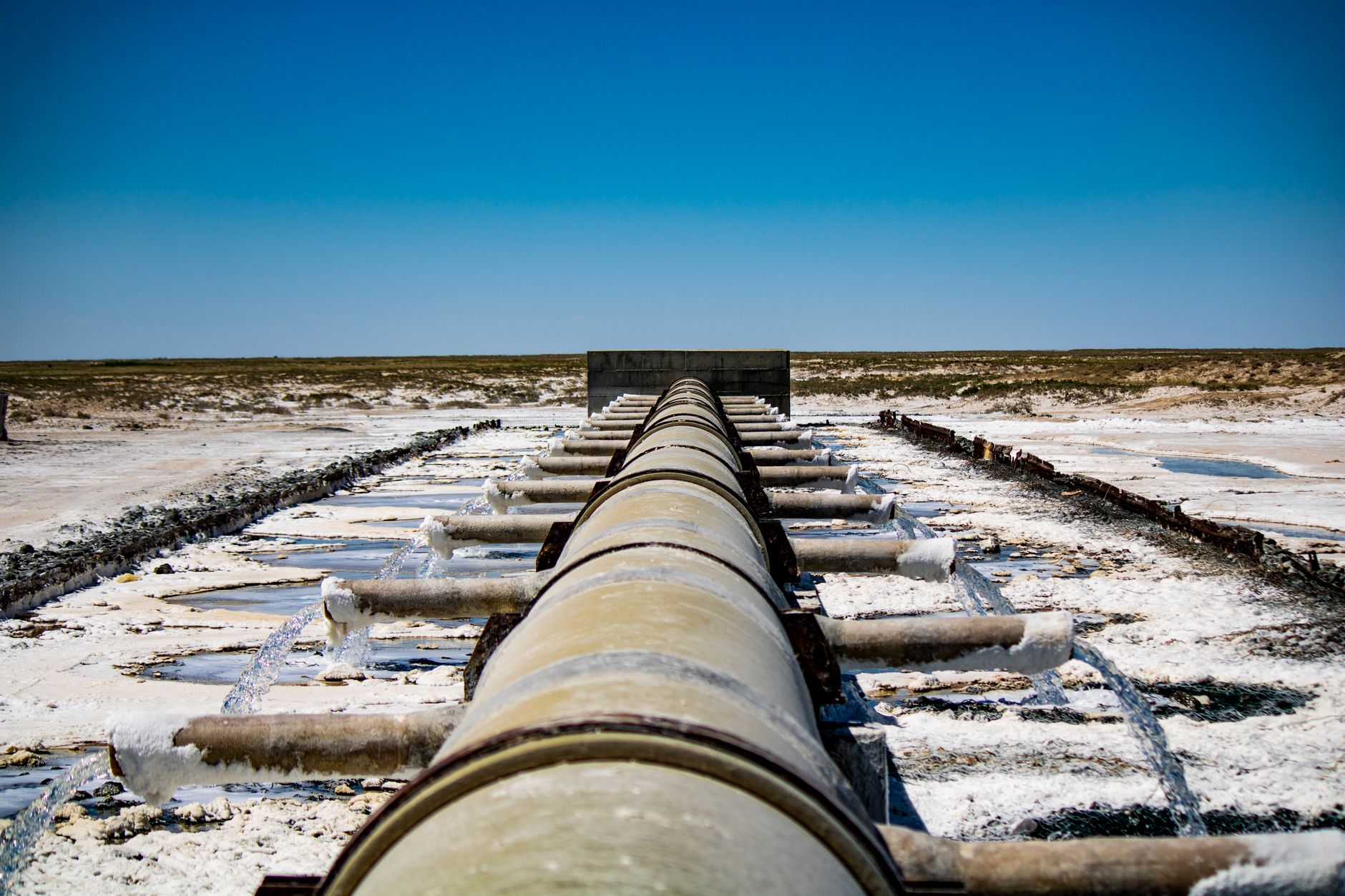
Saudi Arabia Pipeline Outage Impacts 4% of Global Oil Supply
Saudi Arabia's East-West pipeline, responsible for 4% of global oil supply, is offline due to Houthi strikes. It could take five to six weeks to repair, with Yanbu reserve stocks only capable of lasting 5 to 7 days. Brent crude prices surged from $88 to $110 per barrel within two weeks. In August, Saudi crude production fell to 6.2 million barrels per day from 10.9 million in February, highlighting the vulnerability in global oil supply. This situation could lead to higher gasoline prices for consumers already facing $4.16 per gallon. Ordinary investors should monitor oil price movements and potential impacts on inflation due to this disruption.
Read More: Saudi Arabia Pipeline Outage Impacts 4% of Global Oil Supply
Houthi Attacks on Saudi Arabia Raise Market Concerns
Iran-backed Houthis in Yemen have claimed responsibility for new attacks on Saudi Arabia. This escalation in conflict could potentially impact oil supply and prices, affecting markets globally. Investors should remain cautious as geopolitical tensions can lead to volatility in energy markets. This matters for ordinary investors as fluctuations in oil prices can directly influence overall market performance.
Read More: Houthi Attacks on Saudi Arabia Raise Market Concerns
FRO VLCC Rates Surge Amid Middle East Shipping Risks
Very Large Crude Carrier (VLCC) rates have surged to record highs due to increased shipping risks in the Middle East. Reports indicate that tensions, particularly involving Iran and the USA, have heightened concerns for shipping security. These developments could lead to further increases in tanker rates as market participants react to the uncertainty. For investors, this means potential volatility in oil transportation stocks, particularly those associated with Frontline Ltd (FRO).
Read More: FRO VLCC Rates Surge Amid Middle East Shipping Risks
Iran Ship Strike Kills 1 in Strait of Hormuz
Iranian media reported that one person was killed in a ship strike in the Strait of Hormuz. This region is vital for oil transport, making security incidents potentially impactful on global oil prices. The event raises concerns about stability in a key economic area. For ordinary investors, disruptions in such strategic locations could lead to fluctuations in oil stocks and related assets.
Read More: Iran Ship Strike Kills 1 in Strait of Hormuz
Oil Prices Rise Over 80% from Last Year, Affecting Households
Oil prices have increased from 55p per litre to over £1 in the past year, affecting approximately 41,000 households in Devon dependent on heating oil. Higher fuel costs are impacting agricultural vehicles and creating financial strain for rural residents, especially with winter approaching. Cheryl Cottle-Hunkin expressed concern over sudden price spikes, stating that filling an oil tank could cost homeowners around £500 more than expected. This situation is critical for ordinary investors as rising oil prices can influence overall inflation and consumer spending patterns.
Read More: Oil Prices Rise Over 80% from Last Year, Affecting Households
Iranian Ship Struck Near Strait of Hormuz, 1 Fatality Reported
An Iranian commercial ship was struck near the Strait of Hormuz, leading to 1 reported fatality, according to Iran's state media. This incident raises concerns about maritime security in a crucial shipping lane, which is vital for the transport of oil. Such events can influence oil prices and market stability, as the Strait is a key route for global oil shipments. Investors should monitor developments in this region, as ongoing tensions can lead to fluctuations in oil markets.
Read More: Iranian Ship Struck Near Strait of Hormuz, 1 Fatality Reported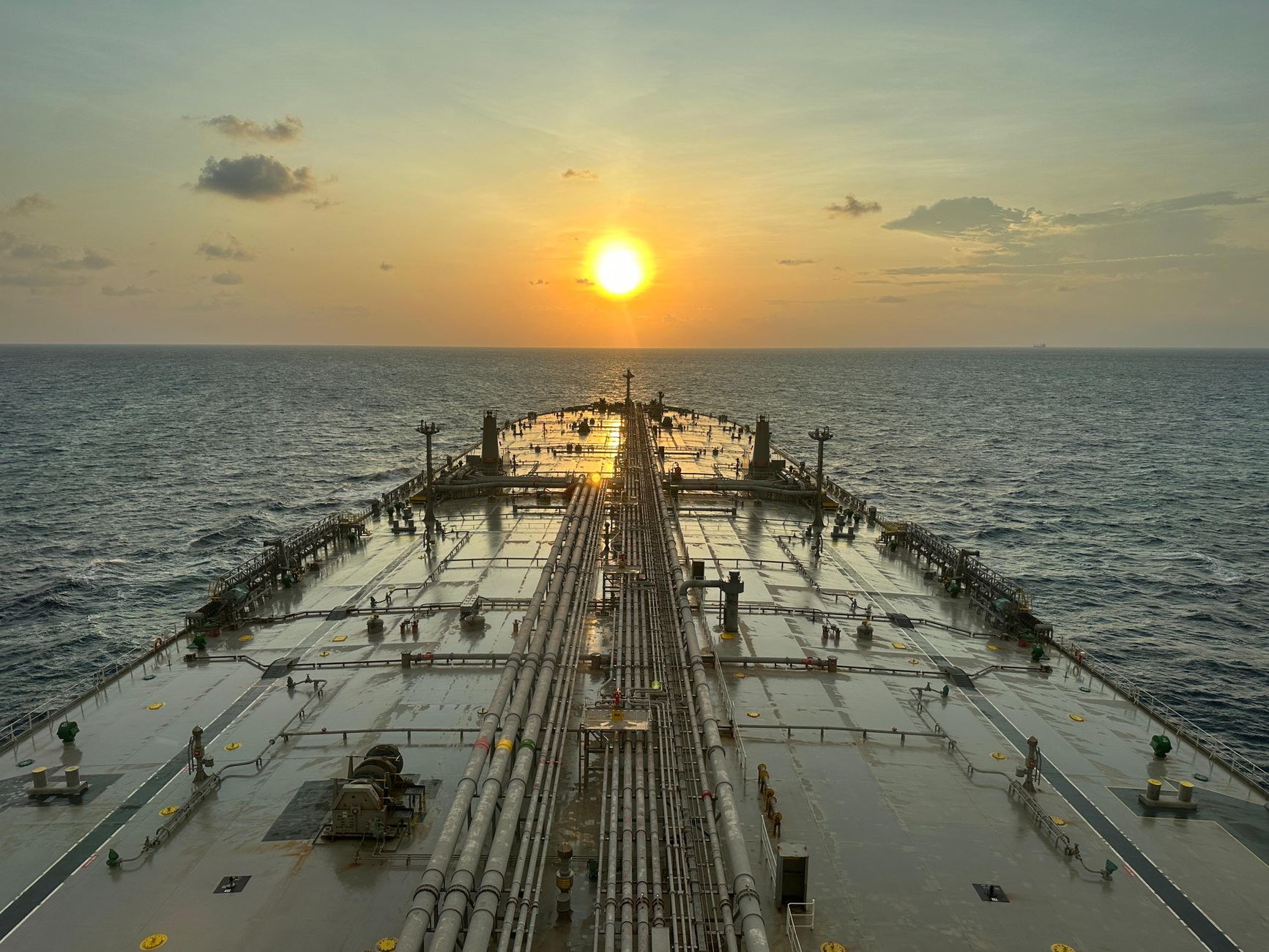
Strait of Hormuz Shipping Threats Impact Oil Markets
A recent report indicates an attack on shipping in the Strait of Hormuz, raising concerns about disruptions to oil supplies. This waterway is crucial for global oil transportation, and threats to its security can lead to increased oil prices and volatility in the oil markets. With the potential for supply disruptions, investors will be closely monitoring developments in this region. These events may affect oil prices, which matter for investors in related sectors.
Read More: Strait of Hormuz Shipping Threats Impact Oil Markets
Iraq Pipeline Attack Linked to Territory Issues
Iraq has stated that the recent attack on a Saudi pipeline originated from its territory. This incident raises significant geopolitical concerns in the Middle East, particularly regarding security and stability in the region. The implications of such attacks can affect global oil prices and market sentiment. Investors should monitor developments closely as this situation unfolds, considering its potential impact on oil supply and prices.
Read More: Iraq Pipeline Attack Linked to Territory Issues