SP500 News & Analysis
50 articles
Market Mood

S&P 500 Heavily Concentrated in Five Tech Giants
The S&P 500 index is significantly concentrated in five technology companies, which may pose risks given their large market influence. These companies have a disproportionate weight on the index, implying that any significant movement in their stock prices could heavily impact overall market performance. The article suggests evaluating whether these giants are still worthwhile investments given their current levels of influence in the index. This concentration could have implications for investors in terms of market risk and diversification. For ordinary investors, the significant influence of a few stocks on the broader market means individual stock performance could drive index movements.
Read More: S&P 500 Heavily Concentrated in Five Tech Giants
S&P 500 Futures Steady as Big Banks Begin Earnings Season
S&P 500 futures remain stable with a minimal change as major banks prepare to commence their earnings reports this week. This marks the beginning of the earnings season, which analysts predict will provide insights into the impact of higher interest rates on Wall Street banks that experienced a strong first half of the year. The upcoming week will be crucial for several economic indicators, including two inflation reports and retail sales data. Big banks' earnings reports will serve as a primary focus, providing clues on the financial sector's performance amidst higher interest rates. This matters for investors as the earnings reports and economic data will offer guidance on the economy's health and potential market direction. Investors should watch for how banks' profits are affected by rising rates, as this could influence future investment decisions.
Read More: S&P 500 Futures Steady as Big Banks Begin Earnings Season
New ETF Offers All-or-Nothing S&P 500 Bet
A new exchange-traded fund (ETF) has been introduced that allows investors to make an all-or-nothing bet on the S&P 500 index reaching 10,000. This product is a recent example of how Wall Street is blurring the lines between traditional investing and speculative gambling. The ETF, which has recently launched, is designed to attract investors looking for a high-risk, high-reward investment strategy focused solely on a significant increase in the S&P 500. This type of financial product reflects a broader trend of creating investment opportunities that blur conventional lines between investment strategies and speculative bets. For ordinary investors, this ETF presents a chance to engage in a high-stakes investment linked directly to the performance of the S&P 500. It offers significant potential rewards, but also high risks in the event that the index does not achieve the targeted milestone.
Read More: New ETF Offers All-or-Nothing S&P 500 Bet
OpenAI Revenue Miss Impacts AI Stocks, Nasdaq Down 1%
U.S. stock futures remained relatively stable on Thursday night following OpenAI's underwhelming revenue report. The S&P 500 futures rose 0.09%, Nasdaq 100 futures increased by 0.05%, and Dow Jones Industrial Average futures edged up by 23 points, equivalent to 0.04%. However, the AI sector saw significant negative movement, leading to a broader tech slump. Key AI stocks such as CoreWeave dropped over 7%, while Oracle, Intel, and Super Micro Computer each fell by around 5%. Advanced Micro Devices fell nearly 4%, and Nvidia decreased by almost 3% following OpenAI's announcement of $50 billion in annualized revenue, which was lower than the widely reported $68 billion figure which included partner revenues. As a result, the Nasdaq Composite fell by more than 1%, marking its largest one-day loss since mid-August, and the S&P 500 lost 0.5%. However, the Dow bucked the trend, closing slightly positive.
Read More: OpenAI Revenue Miss Impacts AI Stocks, Nasdaq Down 1%
S&P 500 Achieves Record as 'Magnificent Seven' Lift Market
The S&P 500 has returned to record territory, supported by the strong performance of the 'Magnificent Seven'. This group of leading stocks has helped rejuvenate a market that faced challenges from increasing bond yields and persistently high crude-oil prices. The term 'Magnificent Seven' refers to a leading set of stocks that significantly influence market momentum. These stocks have made a notable difference despite previous market stagnation. Their resurgence suggests potential continued growth for the S&P 500, which had been pressured by external economic factors. This resurgence in the S&P 500 highlights the influential role of key stocks in determining broader market trends. Investors should note the impact of these leading stocks on future market movements.
Read More: S&P 500 Achieves Record as 'Magnificent Seven' Lift MarketS&P 500 Hits First Record High Since August
The S&P 500 index has reached a new record high, marking its first since mid-August. This development signifies a positive uptick in market sentiment and investor confidence on Wall Street. The index's performance is often seen as a key indicator of the overall health and direction of the economy and investor sentiment. As stock prices continue to rise, market observers note a resurgence in broader market gains across various sectors. The recent increase in the S&P 500 aligns with broader market trends that have seen similar gains. Investors are encouraged by several positive economic indicators, including steady job growth and robust corporate earnings. This new high is reflected in the increased activity and upward price momentum observed across major indices in the market. For investors, the S&P 500's record high suggests potential growth opportunities. It indicates strength in market fundamentals and could signal further gains if current economic conditions persist. This milestone is particularly important as it reflects recovery and confidence in economic resilience amid recent volatility.
Read More: S&P 500 Hits First Record High Since August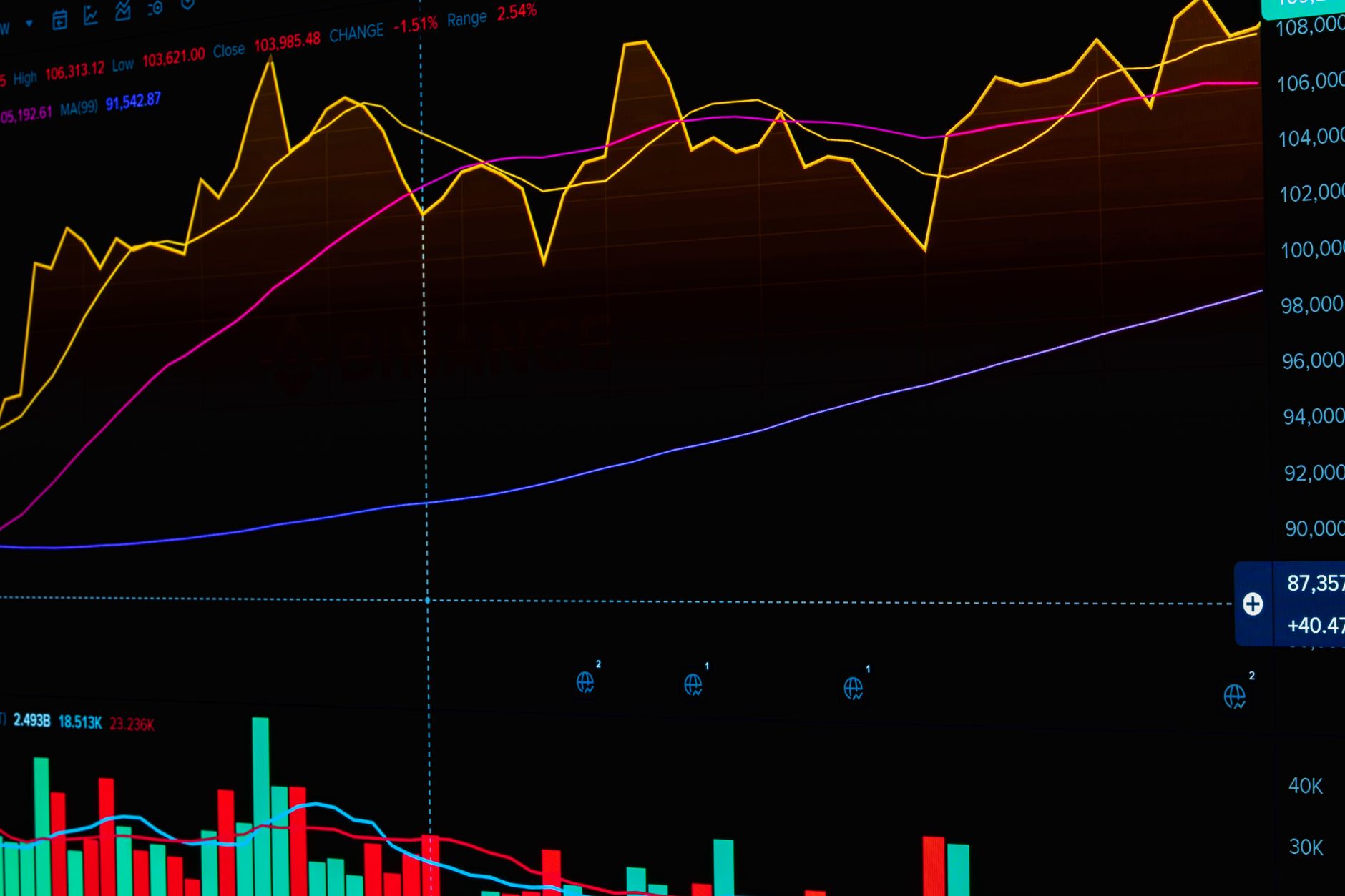
Quant Funds See 15.7% Returns, Outperform S&P 500's 11.7%
Quantitative hedge funds leveraging complex algorithms and machine learning have outperformed the stock market in 2023. Trend-following hedge funds, also known as commodity trading advisors or managed futures strategies, use quantitative programs and statistical models to identify trends and invest across various futures markets. Societe Generale's SG CTA Index, a benchmark for these strategies, reported a 15.7% return during the first nine months of the year. This surpasses the S&P 500's growth of 11.7% in the same period. Key factors contributing to these returns include accurate market predictions regarding the bond sell-off, bullish dollar and oil positions, and strategic short positions on bonds in response to inflationary pressures. Andrew Beer and Nicolas Gaussel, industry professionals, highlighted the success of CTAs in navigating volatile markets, emphasizing their ability to outperform traditional portfolios by taking strategic short positions in bonds and equities. Gaussel pointed out the advantage CTAs have due to the changed negative correlation between equities and oil this year. The broader market's performance, hampered by the positive correlation between equities and bonds, contrasts with the CTAs' approach, which doesn't depend solely on bonds for diversification. This highlights the potential of quant funds to generate returns even under challenging market conditions.
Read More: Quant Funds See 15.7% Returns, Outperform S&P 500's 11.7%
S&P 500 Approaches Record High on Tech Sector Gains
The S&P 500 index is nearing its all-time high as the technology sector sees significant rallies. An analyst notes that investors may be overly pessimistic about stocks, despite expectations of continued robust earnings. The increasing bond yields are seen as potentially overextended, suggesting some room for equity growth over the next six to twelve months. This optimistic outlook is underpinned by resilient economic growth predictions.
Read More: S&P 500 Approaches Record High on Tech Sector Gains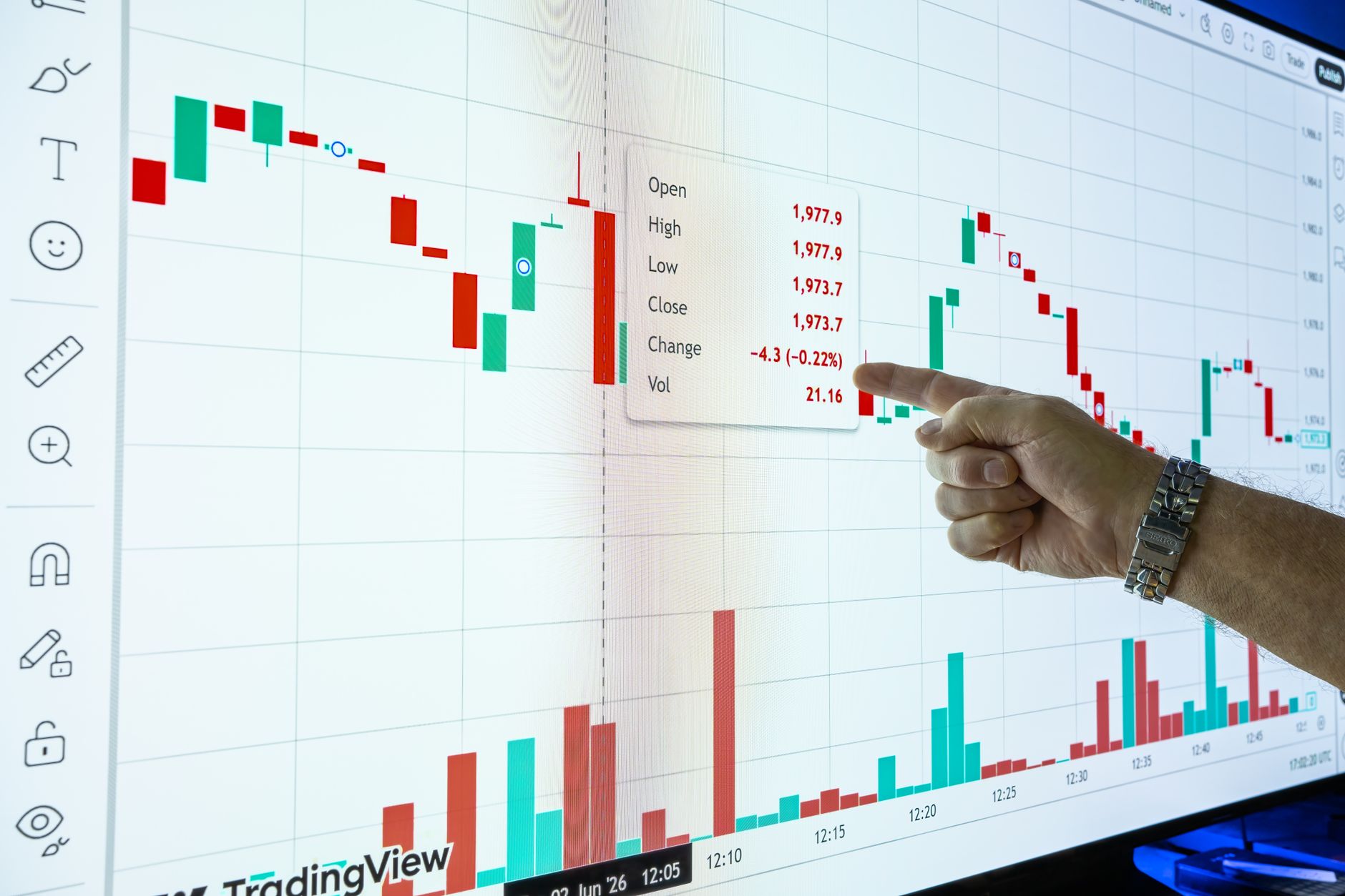
Futures Little Changed after Dow Falls Over 300 Points
Stock futures were mostly unchanged on Monday night, following a session where the Dow Jones Industrial Average dropped more than 300 points. The S&P 500 declined by 0.8%, and the Nasdaq Composite fell by 0.9%. Treasury yields continued to rise, with the 10-year note yield closing above 5.2%, and the 30-year note at 5.56%. This trend signals potential challenges for investors as higher interest rates may impact equity markets moving forward.
Read More: Futures Little Changed after Dow Falls Over 300 Points
Bond Yields Surge Above 5% as Wall Street Fears Fed Rate Hikes
Bond yields have surpassed 5%, impacting stock performance on Wall Street. The Nasdaq and S&P 500 indices are declining, retreating from previous record levels. This sudden increase in yields suggests a shift in market sentiment regarding future Federal Reserve interest rate hikes. Higher bond yields typically lead to increased borrowing costs, which can affect corporate profits and investor preferences. Such changes in yields and rates could influence the broader market, affecting investor strategies.
Read More: Bond Yields Surge Above 5% as Wall Street Fears Fed Rate Hikes
S&P 500 Futures Up 0.12% as Nasdaq Hits Record High
U.S. equity futures are trading higher, with S&P 500 futures adding 0.12% and Nasdaq-100 futures up 0.14%. The Dow futures rose by 73 points, or 0.14%. The Nasdaq Composite achieved an all-time intraday high on Tuesday, closing at a record, while the S&P 500 finished slightly lower but remains 0.7% from its all-time high. Traders are also monitoring upcoming earnings reports from companies like General Mills and Paychex, which could influence market movement for investors.
Read More: S&P 500 Futures Up 0.12% as Nasdaq Hits Record High
Stock Futures Rise After Dow's Third Losing Week
U.S. stock futures increased following the Dow's third consecutive week of losses. This rise has occurred as investors await key economic indicators and earnings reports, with particular attention to developments in the S&P 500. Market analysts note potential volatility as trading resumes. This matters for ordinary investors because futures movement may indicate potential changes in stock performance when the markets open, affecting portfolio values.
Read More: Stock Futures Rise After Dow's Third Losing Week
Stock Futures Rise as Dow Slips 1.7% in Third Losing Week
U.S. stock futures rose slightly on September 15, 2026, after the Dow Jones Industrial Average fell 1.7% last week, marking its worst performance since March. S&P 500 futures increased by 0.23%, while Nasdaq-100 futures climbed 0.27%. The Dow futures rose by 0.25%. These movements follow an escalation of hostilities in the Middle East, prompting the U.S. State Department to advise caution for American travelers. This uptick in futures matters for investors as it indicates potential market recovery after recent losses in key indices.
Read More: Stock Futures Rise as Dow Slips 1.7% in Third Losing Week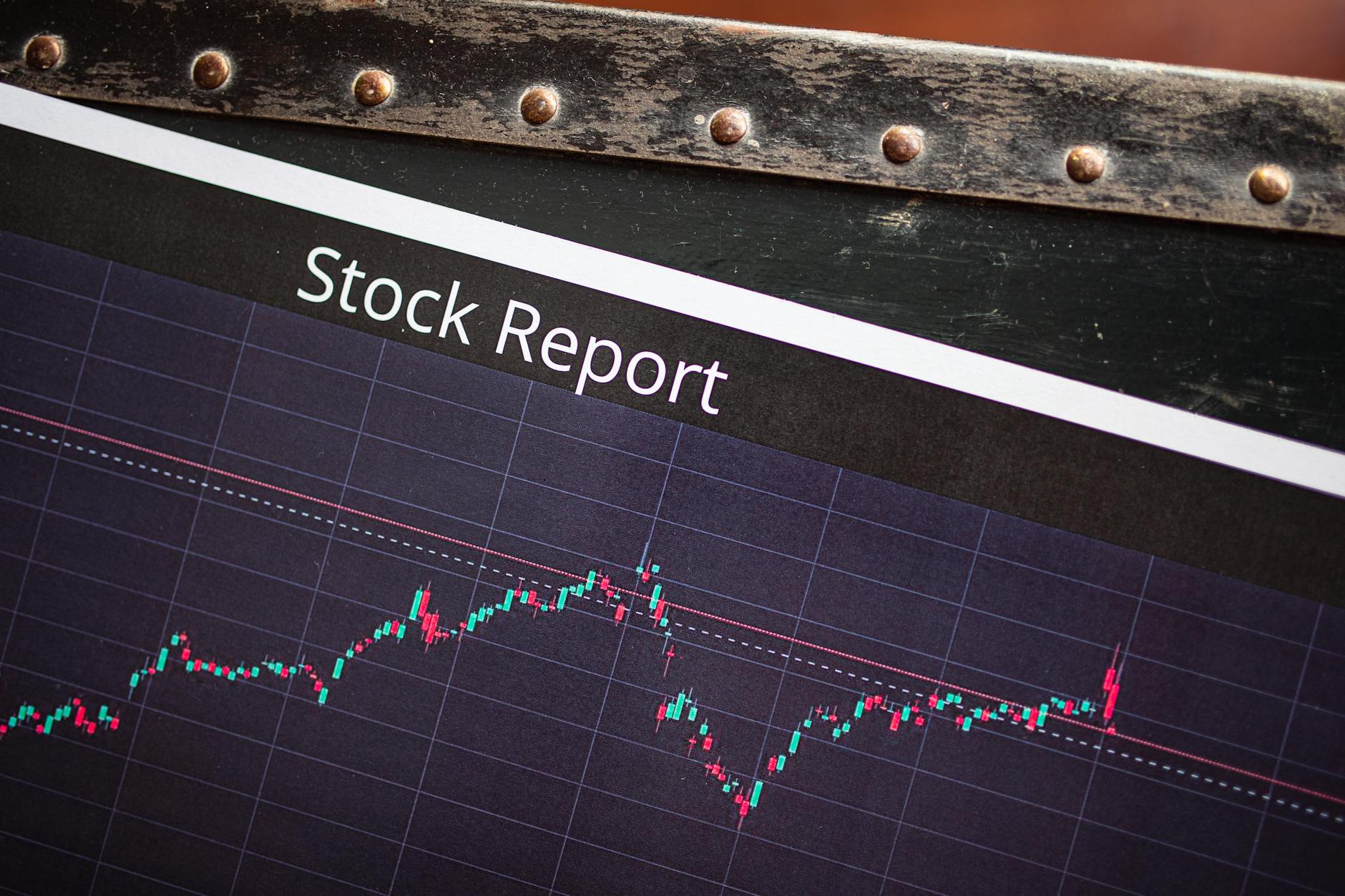
Stock Futures Steady as Fed Decision Approaches and Oil Prices Rise
Stock futures are relatively unchanged as traders await the Federal Reserve's upcoming policy decision. As of Monday evening, S&P 500 futures were up 0.05%, while Dow Jones Industrial Average futures gained 21 points (0.04%), and Nasdaq 100 futures advanced 0.03%. Elevated oil prices have impacted the market, with Brent futures closing above $105 per barrel, influenced by a closure of a key pipeline by Saudi Arabia. The Fed's decision on rates is expected soon, with a 92% likelihood of a quarter-point increase, which is significant for market participants.
Read More: Stock Futures Steady as Fed Decision Approaches and Oil Prices RiseFederalReserve rate hike could impact S&P 500 market performance
Oil prices have risen above $100 per barrel. The August payrolls report indicates the US added three times more jobs than expected, leading to a 90% chance of a Federal Reserve rate increase on Wednesday. Goldman Sachs analysts point out that historically, the S&P 500 index (^GSPC) has seen a negative average return of 2% in the three months following the beginning of a Fed tightening cycle. However, over a longer period, the S&P 500 typically achieves a 12-month return of 9%. This is relevant for investors as potential rate hikes may lead to short-term market volatility.
Read More: FederalReserve rate hike could impact S&P 500 market performance
Falling Oil Price Revives Stocks; Focus on Fed Meeting Next Week
On Friday, oil prices fell, contributing to a rebound in the stock market. The Dow Jones Industrial Average increased by 509 points (0.98%), with the S&P 500 and Nasdaq gaining 0.86% and 0.96%, respectively. Jim Cramer highlighted the importance of the upcoming Federal Reserve meeting, where policymakers are expected to raise rates to combat inflation. Factors like the ongoing conflict in Iran could further influence oil prices and market stability. Ordinary investors should be aware that the market's next direction may heavily depend on these inflationary pressures and interest rate decisions.
Read More: Falling Oil Price Revives Stocks; Focus on Fed Meeting Next WeekStock Futures Little Changed Ahead of August Jobs Report and Trends
Stock futures were little changed as traders anticipated August's jobs report. Dow Jones futures dropped 3 points (0.01%), S&P 500 futures slid 0.03%, and Nasdaq-100 futures fell 0.06%. The Dow gained over 600 points (1.2%) in Thursday’s trading, marking its best performance since August 4. Economists expect 53,000 nonfarm payroll additions for the month and a 4.1% unemployment rate, compared to July's loss of 23,000 jobs. This matters for ordinary investors as upcoming employment figures could influence market direction and Federal Reserve policies.
Read More: Stock Futures Little Changed Ahead of August Jobs Report and Trends
Federal Reserve Interest Hike Odds Rise to 60% After Warsh Speech
After Federal Reserve chair Kevin Warsh's speech, the odds of an interest rate hike for September increased to nearly 60%, up from 35% the previous day, according to CME Group data. The Cboe Volatility Index (VIX) fell to 14.1, its lowest level this year, suggesting stock traders are adapting positively to potential hikes. U.S. equities remain stable, contrasting with declines in bitcoin and gold, each down at least 2.5%. This suggests that investors are preparing for higher rates, which could influence market volatility and stock performance going forward.
Read More: Federal Reserve Interest Hike Odds Rise to 60% After Warsh Speech
S&P 500 Falls 1.4% As Bank of America Clients Sell Stocks
For the first time in eight weeks, Bank of America clients were net sellers of U.S. equities, contributing to a 1.4% decline in the S&P 500. The drop was mainly driven by outflows in single stocks, although equity ETFs saw inflows. Institutional clients led the selling, and hedge funds also sold after previous buying activity. This shift in client behavior may signal a cautious market outlook, impacting investor sentiment.
Read More: S&P 500 Falls 1.4% As Bank of America Clients Sell Stocks
Tax-Loss Harvesting Saves Up to $3,000 in Annual Income Tax Benefits
Tax-loss harvesting enables investors to sell losing funds and instantly invest in similar funds, allowing them to offset capital gains dollar-for-dollar. This strategy can reduce ordinary income by up to $3,000 annually, with any unused losses carrying forward indefinitely. During the 2022 market downturn, when the S&P 500 fell by 19.95%, this technique helped investors maintain market exposure while realizing tax losses. Ordinary investors may benefit from understanding this strategy to effectively manage tax liabilities on their capital gains.
Read More: Tax-Loss Harvesting Saves Up to $3,000 in Annual Income Tax BenefitsVYM Outperforms S&P 500 With 17% YTD Return Through August 19
The Vanguard High Dividend Yield ETF (VYM) has achieved a 17% year-to-date return as of August 19, surpassing the S&P 500's 13% return. This performance is attributed to VYM's focus on mature dividend-paying companies, resulting in a forward P/E ratio of approximately 16, compared to the S&P 500's 23. Over the past five years, VYM's return stands at 79%, while the S&P 500 has yielded 73%. This ETF's valuation strategy indicates a significant distinction in market behavior, with implications for investors considering dividend-focused strategies in a growth-driven market.
Read More: VYM Outperforms S&P 500 With 17% YTD Return Through August 19
S&P 500 Falls 0.7% as Futures Remain Flat Amid Bond Yield Surge
U.S. stock futures were near the flatline on Tuesday night after major averages fell for a third straight session. The Dow Jones Industrial Average dropped 116 points (0.2%) and the S&P 500 declined by 0.7%. The 30-year Treasury yield reached a new 19-year high, while other countries also reported significant increases in their bond yields. Despite rising yields, investors continue to believe in strong economic growth and earnings, which may support the stock market. This market behavior is important for ordinary investors as it reflects the ongoing impacts of government debt levels and inflation concerns.
Read More: S&P 500 Falls 0.7% as Futures Remain Flat Amid Bond Yield Surge
S&P 500 Futures Muted, Nasdaq Edges Up on Tech Strength
Futures contracts showed mixed, largely muted movement: S&P 500 E-minis rose just 0.04% and Nasdaq 100 E-minis gained 0.33%, while Dow E-minis fell 0.33%, as investors weighed continued strength in technology stocks.
Read More: S&P 500 Futures Muted, Nasdaq Edges Up on Tech Strength
AI Impact on Index Funds: Free Cash Flow Turns Negative
In a recent episode of Motley Fool Hidden Gems Investing, Bethany McLean discussed several market concerns regarding the 'Magnificent Seven' companies, stating that their free cash flow is turning negative. She emphasized that S&P 500 index funds, perceived to offer market diversification, are increasingly concentrated in the AI sector. The podcast highlights the implications of these trends for investors, particularly those relying on index funds for broad market exposure. Understanding these dynamics is crucial for ordinary investors as it indicates potential risks of overexposure to the AI market.
Read More: AI Impact on Index Funds: Free Cash Flow Turns Negative
S&P 500 Hits Record Close Amid Unchanged Wholesale Inflation
The S&P 500 closed at a record high, supported by softer-than-expected inflation data for July and falling oil prices. Wholesale inflation showed no change in July, contributing to easing rate-hike concerns among investors. The Dow experienced a slight decline while the Nasdaq and S&P 500 gained. This development is significant as it indicates a potential stabilization in the market, making it a crucial time for investors to evaluate their positions in relation to inflation trends and interest rate expectations.
Read More: S&P 500 Hits Record Close Amid Unchanged Wholesale Inflation
July Inflation Expected at 3.4%, Markets Await Federal Reserve Decision
US stock futures showed little movement as traders await July inflation data, which is projected to show a 3.4% year-on-year increase, down from 3.5% in June. Dow futures remained flat, while S&P 500 contracts rose 0.2% and Nasdaq 100 gained 0.6%. Traders are weighing a 50-50 chance of a rate hike by the Federal Reserve in September, a noticeable shift following a weaker-than-expected July jobs report. This upcoming inflation data could influence market direction significantly, impacting investor strategies around interest rates.
Read More: July Inflation Expected at 3.4%, Markets Await Federal Reserve Decision
S&P 500 Futures Slip Ahead of Inflation Data and Strait of Hormuz Talks
S&P 500 futures declined as doubts grew over a potential deal regarding the Strait of Hormuz, leading to a flat performance for the index. The Dow Jones Industrial Average futures fell by 58 points, or 0.11%. Meanwhile, WTI crude oil rose by 1% to over $79 a barrel. Investors are also anticipating consumer and producer price index readings this week to gauge inflation, with Fed funds futures indicating a 44% likelihood of a Fed interest rate hike in September, down from 67% a week prior. Monitoring these developments is crucial for investors as they could influence stock prices moving forward.
Read More: S&P 500 Futures Slip Ahead of Inflation Data and Strait of Hormuz TalksS&P 500 Futures Flat Amid Iran Uncertainty and Inflation Insights
S&P 500 futures are currently little changed as investors monitor the potential reopening of the Strait of Hormuz and await inflation data. Uncertainties surrounding Iran continue to influence market sentiment. Despite these factors, traders are preparing for upcoming economic indicators that may affect market volatility. This is relevant for investors as market reactions to inflation data may impact asset prices and investment strategies.
Read More: S&P 500 Futures Flat Amid Iran Uncertainty and Inflation Insights
VIX Rises Amid S&P 500's 1.8% Rally and Record Call Volume
On Tuesday, the Cboe Volatility Index (VIX) increased by one point during a 1.8% rally in the S&P 500. Over 4 million S&P 500 index call options were traded, marking an all-time record volume. Additionally, the price of call options tied to the Nasdaq 100 surged by 42%, the largest single-day increase in five years. Unusual market dynamics showed that as stocks climbed, the VIX also went up, influenced by substantial call buying, which indicates that market volatility may continue to be heightened. This activity may present both opportunities and risks for investors considering options trading strategies.
Read More: VIX Rises Amid S&P 500's 1.8% Rally and Record Call VolumeS&P 500 Reaches New High; Michael Burry Warns of Potential Fall
The S&P 500 recently achieved a new high, following significant gains on Tuesday. Investor Michael Burry warns this could lead to a downturn reminiscent of the 1987 market crash. He continues to maintain bearish views on technology stocks. This development is crucial for markets as it indicates investor sentiment and potential volatility ahead for stocks, particularly in the tech sector.
Read More: S&P 500 Reaches New High; Michael Burry Warns of Potential Fall
S&P 500 Futures Little Changed After Record High Close
S&P 500 futures saw a minor increase of 0.1% following a significant two-day rally, where the index closed at a record high above 7,700 with a rise of 1.8%. Dow futures rose by 90 points (0.2%), and Nasdaq-100 futures declined by 0.2%. Notable market actions included a drop of 8% in AMD's shares following its earnings report and a nearly 7% loss for SpaceX due to rising capital expenditures reported at $18.4 billion in Q2. The strong earnings reports and optimism regarding a potential U.S.-Iran deal impacted market sentiment, presenting potential opportunities for investors to assess upcoming earnings reports from companies like Disney and Uber.
Read More: S&P 500 Futures Little Changed After Record High Close
Goldman Sachs Predicts Increased S&P 500 Volatility Ahead of Elections
Goldman Sachs expects increased volatility in the S&P 500 as the U.S. midterm elections approach in three months. Analysts led by Ben Snider noted that historical trends indicate rising economic policy uncertainty during election seasons. The S&P 500 has delivered a median return of 0% in the months leading up to elections since 1974 but typically gains 6% in the following three months. For ordinary investors, this trend implies the potential for market fluctuations that can impact equity investments around the elections.
Read More: Goldman Sachs Predicts Increased S&P 500 Volatility Ahead of ElectionsS&P 500 Outperformed Nasdaq-100 in July Amid Chip Volatility
In July, the equal-weighted S&P 500 outperformed the Nasdaq-100, indicating rebound amid declining performances in tech stocks. This follows a period of volatility around semiconductor stocks, although specific performance metrics are not mentioned. The article raises the question of whether the ongoing turbulence in the AI sector will persist into August. For investors, understanding these trends is crucial as they reflect market shifts that could impact portfolio performance.
Read More: S&P 500 Outperformed Nasdaq-100 in July Amid Chip Volatility
Federal Reserve Holds Rates; 57% Likelihood of Hike in September
The Federal Reserve held interest rates steady in a recent meeting, with Chairman Kevin Warsh stating inflation remains a priority. Three policymakers dissented, the highest number since September 2016, suggesting increased pressure for a rate hike. Fed funds futures indicate a 57% likelihood of a quarter-point increase at the September meeting, while about 53% of Kalshi traders anticipate a hike. The S&P 500 fell 1.5% on the same day, reflecting investor unease about tighter monetary policy ahead. This matters for ordinary investors as potential rate hikes can impact borrowing costs and stock market performance.
Read More: Federal Reserve Holds Rates; 57% Likelihood of Hike in September
Fed Meeting Today Weighs Interest Rate Decisions Amid Market Changes
The Federal Reserve's FOMC meeting is taking place today to discuss interest rate changes, impacting markets as oil prices rise. S&P 500 futures are currently flat with the Dow experiencing declines, while traders anticipate decisions that could shift market dynamics. The article highlights that chip stocks are also under pressure ahead of the Fed's announcement. This is significant for investors as interest rate decisions can lead to notable changes in stock performance and market conditions.
Read More: Fed Meeting Today Weighs Interest Rate Decisions Amid Market Changes
S&P 500 Falls as Treasury Yields and Oil Prices Surge
The S&P 500 index fell below key chart support levels due to rising Treasury yields and oil prices. There is a confirmed trend of increasing Treasury yields alongside a strengthening U.S. dollar. These factors create a 'triple threat' for stocks, indicating potential challenges in the market. Investors may need to consider alternatives for their investments during this period, highlighting uncertainty in the stock market.
Read More: S&P 500 Falls as Treasury Yields and Oil Prices Surge
S&P/TSX Composite Up Over 200 Points, U.S. Markets Higher
The S&P/TSX composite index increased by more than 200 points, indicating a positive shift in the Canadian market. Simultaneously, U.S. stock markets also reflected gains, suggesting a broad bullish trend in equity markets. The resilience of these indices may signal investor confidence, which could influence trading patterns. For ordinary investors, this upward trend could present potential opportunities for investment in both Canadian and U.S. equities.
Read More: S&P/TSX Composite Up Over 200 Points, U.S. Markets Higher
Neutral Market Impact Expected from Upcoming Federal Reserve Decisions
The Federal Reserve will announce its interest rate decision on March 22, 2023, following the latest inflation data release. Market analysts are closely watching for potential changes, as the inflation rate currently stands at 6.0%. Additionally, the P/E ratio (price-to-earnings ratio) for the S&P 500 is approximately 22.5, leading to discussions about equity valuations. Investor sentiment may shift depending on the Fed's approach to managing inflation, particularly as recent data suggests mixed economic signals. Understanding these dynamics is essential for investors to navigate potential market fluctuations.
Read More: Neutral Market Impact Expected from Upcoming Federal Reserve Decisions
Stock Futures Climb Amid Earnings Focus; Market Steadies
U.S. stock futures increased as traders began to focus on earnings reports, particularly in the tech sector, amid ongoing tensions in the Middle East. Investors are anticipating results from major tech firms, which could influence market sentiment. The S&P 500 index futures showed positive movement as markets opened higher. This shift in focus to earnings is significant for market conditions, as upcoming reports could affect stock prices and investor confidence, particularly for tech sector stocks.
Read More: Stock Futures Climb Amid Earnings Focus; Market Steadies
Tesla (TSLA) and Alphabet (GOOG) Earnings Highlight Week of Results
This week marks the earnings reports for major companies like Tesla (TSLA) and Alphabet (GOOG), amid concerns over capital expenditures for AI development. Notably, analysts project a 24.7% year-over-year earnings growth for the S&P 500 in Q2 2026, surpassing both the five-year average of 16.4% and the ten-year average of 10.3%. This growth would represent the second consecutive quarter with earnings above 20% and the seventh consecutive quarter with double-digit growth. The financial health of these companies and the broader S&P 500 may impact investment decisions as the earnings season unfolds.
Read More: Tesla (TSLA) and Alphabet (GOOG) Earnings Highlight Week of Results
Oil Prices Reach $90 Amid U.S.-Iran Negotiations, Stocks Rise
Oil prices briefly topped $90 per barrel, marking their highest level since early June before pulling back to around $88.25. U.S. stock futures saw increases: S&P 500 futures rose 0.36%, Nasdaq-100 futures gained 0.78%, and Dow futures advanced by 121 points or 0.23%. The volatility index decreased to 18.22, down 2.93%, signaling reduced short-term market fear. This context around oil prices and stock performance matters for investors as it reflects broader market sentiment and influences trading strategies.
Read More: Oil Prices Reach $90 Amid U.S.-Iran Negotiations, Stocks Rise
SK Hynix Shares Fall Amid U.S.-Iran Tensions and Oil Rise
As tensions escalate between the U.S. and Iran, the Strait of Hormuz is reported closed, affecting market sentiment. The Dow Jones, S&P 500, and Nasdaq futures are all set to decline. In Seoul, SK Hynix saw a significant drop, but the article does not specify the percentage. Rising oil prices could influence the broader market dynamics. This information is critical for investors as geopolitical events can lead to increased volatility in stock prices.
Read More: SK Hynix Shares Fall Amid U.S.-Iran Tensions and Oil Rise
Futures Slip 0.3% Amid U.S., Iran Airstrikes Tensions and Earnings
Stock futures fell slightly on Sunday night with Dow Jones futures down 135 points (0.3%) and S&P 500 futures also losing 0.3%. Tensions escalated following airstrikes exchanged between the U.S. and Iran, with Brent crude prices rising 3.7% to $78.86 per barrel. Major U.S. banks and S&P 500 companies are set to report earnings this week, with expectations showing a potential 23% growth in second-quarter profits year over year, according to analysts. This matters for ordinary investors as they should stay informed about market volatility and earnings reports which can affect stock prices overall.
Read More: Futures Slip 0.3% Amid U.S., Iran Airstrikes Tensions and Earnings
S&P 500 Declines Following Trump’s Iran Deal Statement
The S&P 500 index closed down after President Trump announced that the Iran nuclear deal is 'over.' This geopolitical news has potential implications for market stability, as tensions in the Middle East can influence oil prices and investor sentiment. The S&P 500's drop reflects broader concerns about future economic impacts and volatility. For everyday investors, these movements can affect stock prices and indicate potential shifts in market trends.
Read More: S&P 500 Declines Following Trump’s Iran Deal Statement
Futures Flat as Investors Await Fed Minutes Amid Oil Price Surge
Stock futures are mostly unchanged as investors monitor tensions in the Middle East and await the Federal Reserve's upcoming minutes. Major indexes, including the S&P 500 and Nasdaq, are reflecting this stagnation. Meanwhile, oil prices have risen following the U.S. decision to revoke Iran’s license to sell oil. This matters for ordinary investors because changes in oil prices can impact inflation and, by extension, interest rates set by the Fed, influencing overall market conditions.
Read More: Futures Flat as Investors Await Fed Minutes Amid Oil Price Surge
Nasdaq Futures Rise Ahead of Tech Earnings Week
Nasdaq futures have increased as investors anticipate a busy earnings week for tech companies. The S&P 500 and Nasdaq futures have extended gains following a record-setting week. Notably, Dow futures approached 53,000, reflecting optimism in chip stocks which are recovering. This overall upward trend in futures indicates potential positive market responses as major earnings reports are due shortly, impacting tech sector valuations including companies like Apple (AAPL) and others.
Read More: Nasdaq Futures Rise Ahead of Tech Earnings Week
EMXC and FRDM ETFs Outperform S&P 500 by 30 Points in 2026
In 2026, iShares MSCI Emerging Markets ex China ETF (EMXC) is up 39% year to date, while Freedom 100 Emerging Markets ETF (FRDM) is up 41%. This performance eclipses the S&P 500's gain of approximately 9%, creating a 30-point divergence. The EMXC fund has total assets of $24.42 billion and consists of 650 individual holdings. By excluding China, these funds have capitalized on significant growth in countries like Taiwan, India, and South Korea, which has become attractive to investors seeking exposure to emerging markets without Chinese assets.
Read More: EMXC and FRDM ETFs Outperform S&P 500 by 30 Points in 2026
XLP and XLU ETFs Outyield S&P 500 by Over 2 Percent
The XLP and XLU ETFs provide dividend yields exceeding the S&P 500 by over 2%. These funds focus on consumer staples and utilities, sectors known for their inelastic demand during economic downturns. The S&P 500 is currently yielding about 1%, making these ETFs attractive for income-focused investors seeking stability. Given their historical resilience, these sectors may offer lower volatility and smaller drawdowns than the broader market during bear markets, highlighting their importance in a diversified portfolio.
Read More: XLP and XLU ETFs Outyield S&P 500 by Over 2 Percent
Futures Slip as Investors Await Warsh Comments Amid Market Adjustments
U.S. stock futures, including Dow, S&P 500, and Nasdaq, declined as investors anticipated comments from Warsh. The market adjustment follows recent U.S.-Iran tensions impacting geopolitical stability. This comes after the Dow experienced its strongest first half in five years. The S&P 500 and Nasdaq futures also faced pullbacks amidst fluctuating chip stock performance in Q2 2026. Geopolitical factors and potential shifts in market sentiment may affect trading volumes moving forward.
Read More: Futures Slip as Investors Await Warsh Comments Amid Market Adjustments
Dow (DJI) Rises; Nasdaq (IXIC) on Track for 20% Quarter Gain
The Dow Jones Industrial Average (DJI) is on pace to experience its best first half in five years. The Nasdaq Composite (IXIC) is on track to finish the quarter with a 20% gain, marking its most significant quarterly increase since 2020. This performance reflects positive market sentiment amid broader economic trends. The S&P 500 is also set to conclude its best quarter in six years, indicating strong investor confidence and potential market stability.
Read More: Dow (DJI) Rises; Nasdaq (IXIC) on Track for 20% Quarter Gain