Iran News & Analysis
50 articles
Market Mood
Brent Oil Hits $110 Amid Iran Hormuz Attacks, Ukraine Tensions
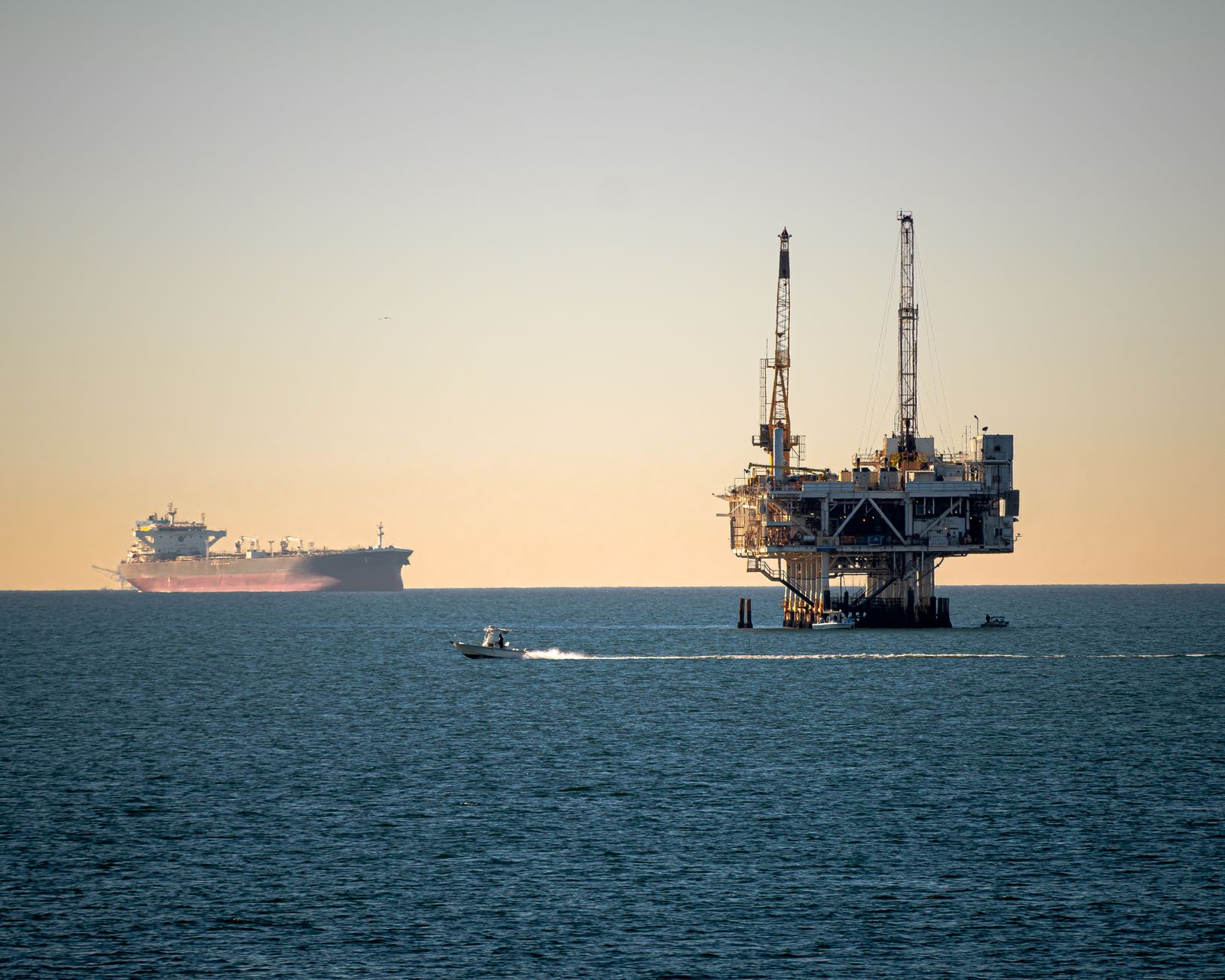
Brent crude oil prices rose sharply to reach $110 per barrel following heightened geopolitical tensions. This increase marked the highest level since May, closing at $109.86 with a 3.7% gain. Concurrently, U.S. West Texas Intermediate (WTI) also rose 3.5% to settle at $101.41 per barrel. Over the past week, WTI increased over 10%, while Brent advanced nearly 5% amidst escalating conflicts in strategic areas including the Strait of Hormuz and Ukraine's ongoing military actions against Russian refineries. Iranian forces were implicated in attacks on vessels in the Gulf and Houthi militants launched missile strikes at Saudi Arabia, exacerbating supply concerns. Meanwhile, Saudi Arabia intercepted several missile attacks aimed at its oil infrastructure, including one near the terminal in Yanbu. Despite these regional conflicts, daily crude export levels through Hormuz reported a pullback to 9.4 million barrels, approximately 70% of prewar averages. The conflict has also contributed to a significant rise in diesel prices in the U.S., which surpassed $6.33 a gallon, a 70% increase from the previous year. U.S. commercial inventories saw a substantial drop by more than 8 million barrels due to hurricane impacts on the Gulf Coast. These geopolitical instabilities have intensified supply fears, pushing up crude oil prices worldwide. For ordinary investors, the developments could mean sustained higher prices at the pump and broader economic impacts due to elevated energy costs.
Read More: Brent Oil Hits $110 Amid Iran Hormuz Attacks, Ukraine Tensions
GFS Pride Sinks in Hormuz as Iran's Attacks Intensify
The container ship GFS Pride sank in the Strait of Hormuz following a strike by an unidentified projectile. The vessel caught fire, but all 21 crew members evacuated safely with no injuries reported. The event marks an escalation in attacks on commercial ships in the region, with Iran's Revolutionary Guard claiming the ship hit a naval mine, though no independent evidence corroborates this. Iran's actions in the Strait of Hormuz, including attacks on more than 20 vessels this month, are reportedly aimed at disrupting crude oil exports. Exports through the strait dropped to 8.5 million barrels per day as of October 12, around 40% below normal prewar levels. Despite reaching prewar levels in September, crude oil shipments have been affected by ongoing security threats. Iran's escalated attacks pose significant risks to commercial vessels and have already disrupted oil export levels from the region.
Read More: GFS Pride Sinks in Hormuz as Iran's Attacks Intensify
Iran Fortifies Nuclear Sites Amid U.S. Strike Concerns
Iran is reportedly enhancing its military defenses as it anticipates potential U.S. military action following the November midterm elections. According to The Wall Street Journal, Iran is reinforcing defenses at critical locations like nuclear sites and preparing its population for war through rallies and missile training. U.S. President Donald Trump stated that American forces would not attack Iran before the midterm elections on November 3. Meanwhile, a Saudi-led coalition has intercepted a ballistic missile shot at Riyadh, highlighting ongoing regional tensions. This includes multiple Houthi attacks on Saudi energy facilities and airports, leading to casualties and the temporary closure of King Khalid International Airport. Additionally, a thwarted attack on an air force base in the U.K. allegedly directed by Iran's Islamic Revolutionary Guard has raised security concerns. British officials summoned the Iranian ambassador in response. Iran's actions are part of broader defensive preparations amid apprehensions about potential conflict escalation in the Middle East. The article underscores increased geopolitical tensions that may impact global security dynamics. For investors, these developments could affect markets linked to geopolitical stability, especially in the Middle East. The situation highlights risks that may influence global oil prices and supply chains.
Read More: Iran Fortifies Nuclear Sites Amid U.S. Strike Concerns
Trump Claims Russia, China Not Assisting Iran
Former President Donald Trump stated that Russia and China are not aiding Iran amidst current geopolitical tensions. These comments arrived during a public appearance where Trump discussed international relations, particularly focusing on the perceived alliances and strategies of major global powers. The statement emphasizes Trump's perspective on the geopolitical dynamics involving Russia, China, and Iran. Understanding these international relationships helps investors assess geopolitical risks that could impact global markets.
Read More: Trump Claims Russia, China Not Assisting Iran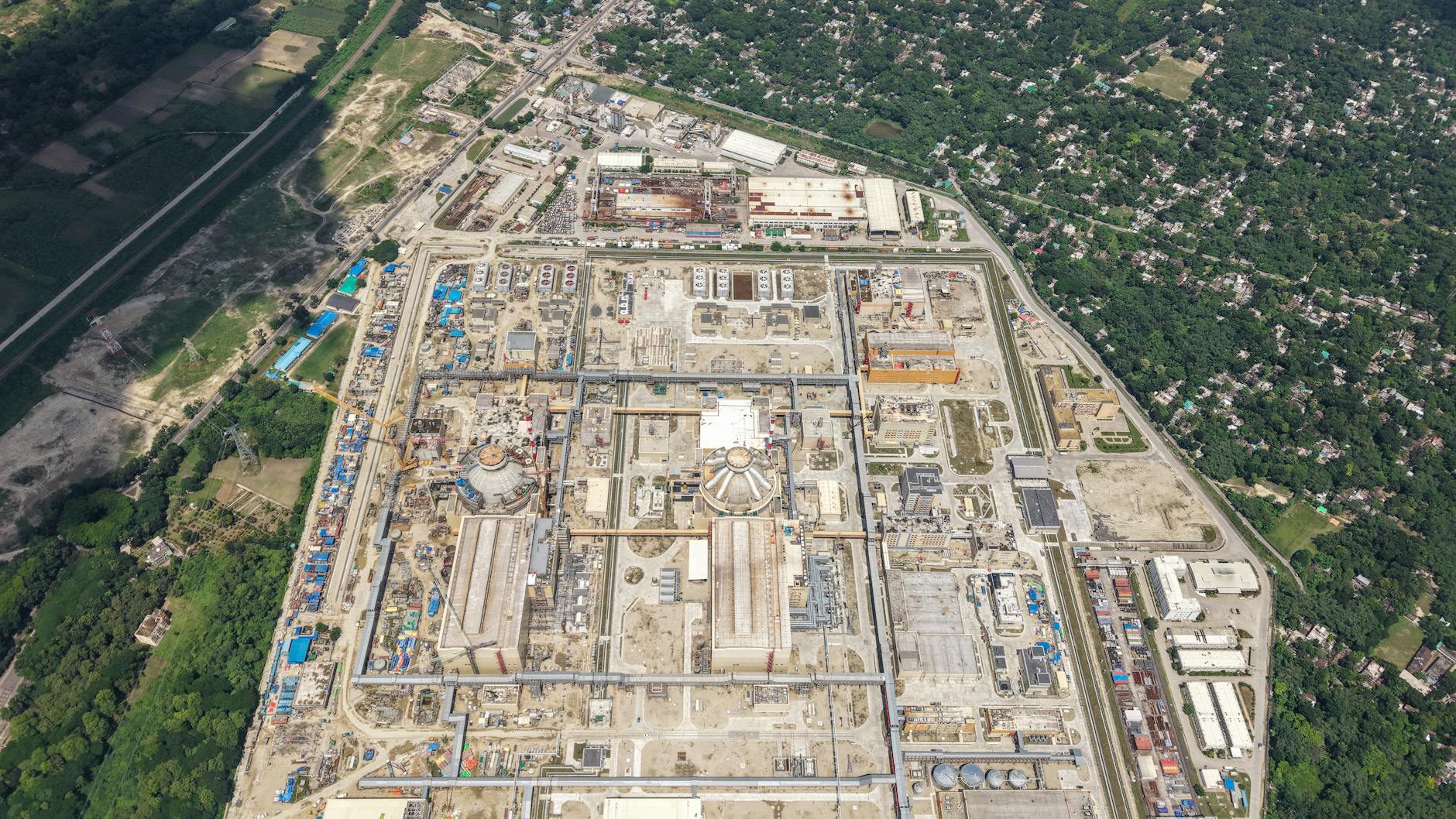
Iran Enhances Nuclear Sites Amid Rising Tensions
Iran is reportedly strengthening its nuclear facilities, according to the Wall Street Journal. This move is considered a preparative measure in response to mounting tensions and potential conflicts. While Iran's government is communicating this initiative to its citizens, it also signals a possible shift in geopolitical dynamics. This development is significant as it could impact global relations, potentially affecting oil prices and regional stability in the Middle East.
Read More: Iran Enhances Nuclear Sites Amid Rising Tensions
UK Imposes Sanctions on Iran Over RAF Fairford Incident
The UK government has announced new sanctions on Iran following an incident at the RAF Fairford in Gloucestershire. Andy Burnham, a prominent political figure, claimed that the events were 'almost certainly directed' by the Islamic Revolutionary Guards. The sanctions are a response to what has been characterized as a security threat at a military base also used by the US military in the UK. The specifics of the sanctions, including any economic measures, have yet to be detailed by officials. These sanctions are part of the UK's broader effort to address international security concerns related to Iran's actions. For ordinary investors, these geopolitical developments could impact markets sensitive to Middle East tensions.
Read More: UK Imposes Sanctions on Iran Over RAF Fairford Incident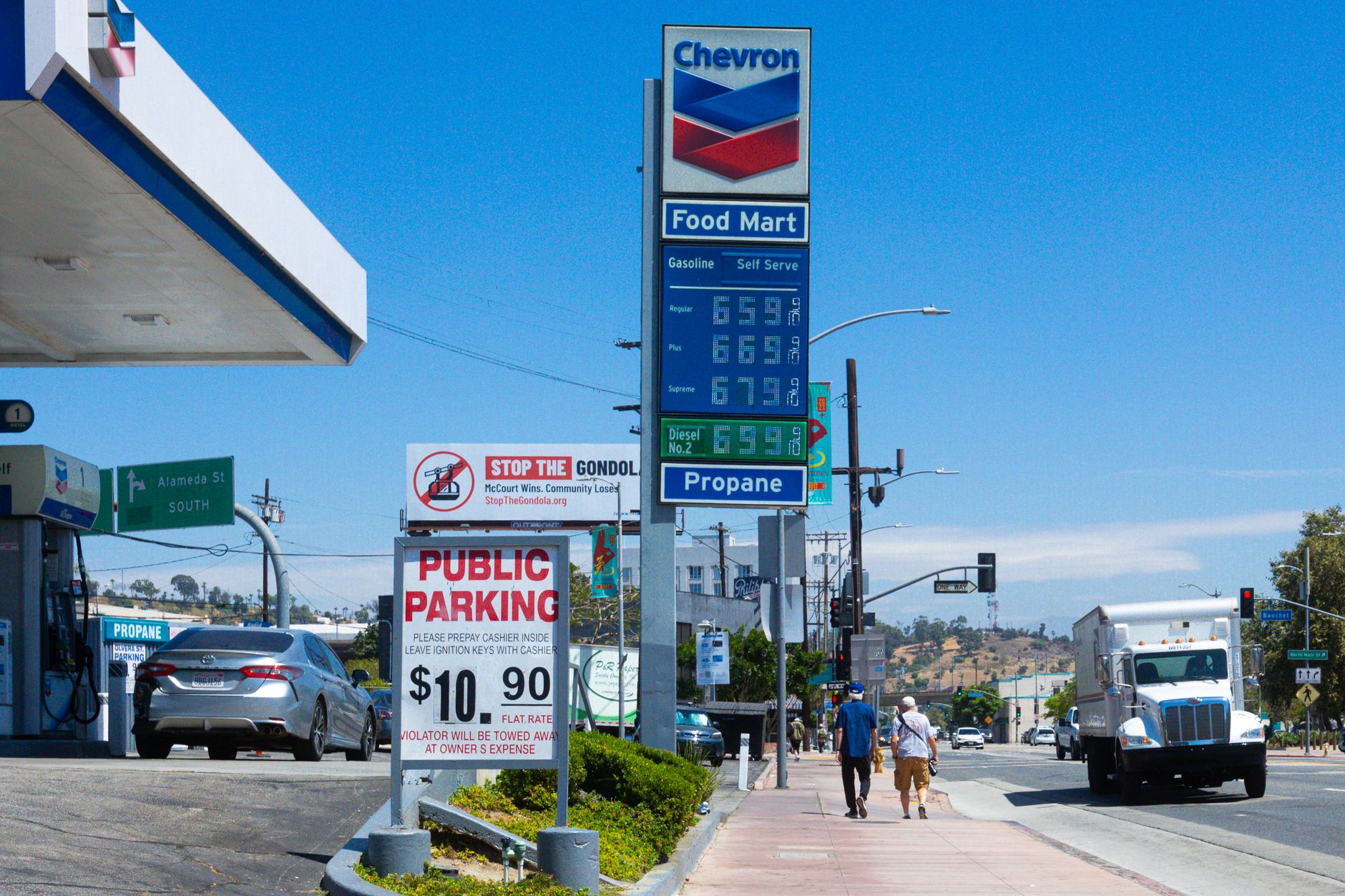
Oil Prices Steady as Trump Rules Out Iran Strikes Pre-Midterms
Oil prices have remained steady after comments from President Trump indicating a likelihood of ruling out military strikes on Iran before the U.S. midterm elections. This development signals a possible de-escalation of tensions that previously contributed to oil market volatility. The announcement appears to have reassured markets, leading to a stabilization in oil prices, as traders adjust expectations around geopolitical risks. The stance comes in light of previous concerns that conflict involving Iran could disrupt oil supplies and drive prices higher. For ordinary investors, stability in oil prices can reflect less volatility in related sectors such as energy stocks, which often react to geopolitical uncertainties.
Read More: Oil Prices Steady as Trump Rules Out Iran Strikes Pre-Midterms
Trump Considers Saudi Support After Deadly Houthi Attacks
U.S. President Donald Trump stated he is considering joining Saudi Arabia in retaliating against the Iran-backed Houthis in Yemen. This decision follows a deadly attack on Saudi Arabia's King Khalid International Airport in Riyadh that killed 12 people and injured 309. Trump's comments were made in Washington, D.C. on October 10, 2026, in response to the attack and Saudi Arabia's urgent request for U.S. defense support. This potential involvement could draw the U.S. further into the ongoing conflict involving Iran in Yemen. The U.S. administration recently approved a potential $24.3 billion sale of nearly 50 F-35 warplanes to Saudi Arabia, highlighting strategic ties between the two nations amid the conflict escalation. The Saudi-led coalition, fighting against the Houthis, reported that the attack was a 'war crime', as per Colonel Turki Al-Maliki's statement, and vowed a decisive response. Riyadh's airport, which had been attacked for the second time within a week, remains operative with an upcoming international energy conference still scheduled in the city. The Houthis have issued renewed warnings against using Saudi airports, except for those in Mecca and Medina, claiming they are theaters of operations.
Read More: Trump Considers Saudi Support After Deadly Houthi Attacks
Riyadh Airport Faces New Attack with 225 Flights Canceled
Riyadh's King Khalid International Airport experienced another attack and was evacuated on Saturday. The attack occurred two days after three Saudi citizens were killed, including a pilot, due to ongoing assaults linked to the Iran war. Air traffic at Riyadh airport has stopped temporarily, and 225 flights have been canceled over the past day, according to flight-tracking information. A regional official confirmed the incident, though there was no immediate comment from Houthi rebels or Saudi authorities. The airport issued warnings to passengers to verify flight statuses before proceeding to the airport. In related developments, fighting between Iran-backed Houthi rebels and Saudi-backed forces has intensified in Yemen, with Saudi air support trying to curb Houthi advancements along the Red Sea. This conflict has led to increased vulnerability of key Saudi infrastructure, including airports and oil facilities. The Saudi government is seeking international support amid these developments. The Canadian embassy has warned of ongoing military activity. The conflict poses risks to both regional stability and global oil supply routes. Investors may be concerned about potential disruptions in the oil market, which plays a critical role in the global economy. In particular, disruptions to Saudi Arabia's infrastructure could increase volatility in oil prices, impacting sectors beyond regional borders.
Read More: Riyadh Airport Faces New Attack with 225 Flights Canceled
Putin Discusses Iran War Proposal with Trump Amid Diesel Deal
Russian President Vladimir Putin has relayed Iran's vision for ending the war in Iran to U.S. President Donald Trump, according to Russian state media. This message followed Trump's announcement that Russia will supply over 4 million tons of diesel to the global market, amid rising energy prices due to conflicts in Iran and Ukraine. The diesel supply is part of a broader arrangement, starting with an immediate shipment of over 300,000 tons, followed by more deliveries as the situation develops. The U.S. Treasury has temporarily lifted sanctions on Russian diesel through April 2027 under a general license issued on Friday. Ukrainian President Zelenskyy criticized this arrangement, arguing that sanction relief could prolong the conflict without concrete steps from Russia to de-escalate hostilities.
Read More: Putin Discusses Iran War Proposal with Trump Amid Diesel Deal
US-Iran Conflict Decisions Not Influenced by Election Calendar
According to AP News, both Donald Trump and Iranian officials have stated that their decisions regarding the ongoing conflict are not influenced by the upcoming US election calendar. This aligns both parties in agreeing on this specific point, despite the broader tensions between the two nations. The article does not provide specific numbers or detailed strategies but points out the timing neutrality both parties express in relation to the US elections. This comes amidst a backdrop of complex geopolitical tensions between the United States and Iran. For investors, the importance of this statement lies in understanding that geopolitical movements might not align with US political events, impacting markets dependent on Middle Eastern stability.
Read More: US-Iran Conflict Decisions Not Influenced by Election Calendar
Iran Escalates Attacks on Tankers Beyond Hormuz
Iran has reportedly attacked tankers beyond the Strait of Hormuz. This move is seen as an escalation by Tehran to maintain leverage over a strait crucial for global energy supplies. The Strait of Hormuz is a vital conduit for oil, with around 20% of global petroleum passing through it daily. These incidents could potentially create disruptions in the oil market, as any threat to this critical channel can impact oil supply and prices. The strategic importance of the strait means that geopolitical tensions in the region can put upward pressure on global oil prices. For investors, this development matters because changes in oil supply can affect oil prices, impacting sectors such as energy stocks and broader commodity markets.
Read More: Iran Escalates Attacks on Tankers Beyond Hormuz
Pilot Killed in Riyadh Airport Houthi Attacks; Coalition to Respond
Three Saudi nationals, including a pilot, were killed in attacks on Riyadh's King Khalid International Airport by Iran-backed Houthi militants. The attacks targeted airport facilities and an aircraft belonging to the Saudi carrier Saudia. Due to these attacks, hundreds of flights were canceled, but airport operations have now returned to normal according to the Saudi Arabian General Authority of Civil Aviation (GACA). Yemen's Houthi group claimed responsibility for the attacks, which are part of a series of escalations in their campaign against Riyadh. The raids disrupted flights, with data from Cirium showing that 31 flights due out the following day were canceled. Despite this disruption, GACA reported that air traffic operations have resumed normally. The Houthis' actions have prompted discussions of increased defense measures involving French military protection for key oil terminals and support from Turkey and Pakistan in the Saudi-led coalition's military efforts. The Saudi-led coalition, through spokesperson Major General Turki al-Malki, stated that they would respond firmly to these attacks. The coalition also confirmed the destruction of three missile launchers used in these strikes. This incident is part of ongoing conflicts involving the Houthis and the broader geopolitical tensions in the region. The Saudi-led coalition's planned response and the resumed airport operations are central developments to monitor for stability in the area.
Read More: Pilot Killed in Riyadh Airport Houthi Attacks; Coalition to Respond
Gold Steadies Amid US-Iran Tensions and Fed Rate Assessment
Gold prices have steadied as traders evaluate the ongoing tensions between the US and Iran, alongside the Federal Reserve's monetary policy path. The geopolitical situation may influence global market sentiment, while expectations regarding the Fed's policy could impact investment in precious metals. The tensions between the US and Iran add to the uncertainty in the commodity markets, where gold is often seen as a safe haven. Market participants are closely monitoring these developments to gauge potential impacts on gold prices. Gold's steady performance signals traders' caution amid these geopolitical and economic considerations, with the Fed's interest rate stance playing a crucial role in gold's appeal as an investment. For ordinary investors, these factors could affect gold's price movements, impacting its investment attractiveness.
Read More: Gold Steadies Amid US-Iran Tensions and Fed Rate Assessment
Trump Clarifies Remarks on Iran Amid Misinterpretation Concerns
Donald Trump clarified a previous comment implying that Iran could potentially target Los Angeles. Trump stated that the comment had been misinterpreted and did not imply any immediate threat. This announcement comes amid heightened tensions with Iran and continues to draw attention to international relations issues. Trump did not provide further details on the context of his original remark or any related intelligence. Clarifications on such sensitive statements are important as they impact international relations and market stability. Any misinterpretation can lead to increased geopolitical tension, affecting investor confidence in global markets. While Trump's comment was clarified, the situation underscores the importance of precise communication regarding international security matters.
Read More: Trump Clarifies Remarks on Iran Amid Misinterpretation Concerns
Trump Unlikely to Pursue Iran Deal Amid US Strike Preparations
U.S. President Donald Trump has indicated he is no longer interested in reaching a deal with Iran, as reports suggest the U.S. military is preparing for possible strikes against the country. This development comes amid discussions of resuming large-scale military operations in the coming weeks, potentially targeting Iran's energy, infrastructure, and nuclear sites. The military actions are reported to possibly occur before the midterm elections, potentially influencing their outcome. Trump's approval ratings have been challenged by high living costs due to rising gasoline and diesel prices. Iranian officials have rejected U.S. claims regarding the challenges in negotiation talks. Meanwhile, oil exports from the Middle East have been recovering to near pre-war levels, with combined crude volumes from Gulf countries excluding Iran reaching approximately 18.5 million barrels per day, as reported by Kpler. This situation could lead to slower and uneven normalization of oil traffic under continuous conflict. This situation is important for investors as it involves potential geopolitical tensions that could impact global crude oil prices and influence U.S. political dynamics ahead of elections. Crude oil supply levels and geopolitical changes could play a significant role in crude market volatility.
Read More: Trump Unlikely to Pursue Iran Deal Amid US Strike Preparations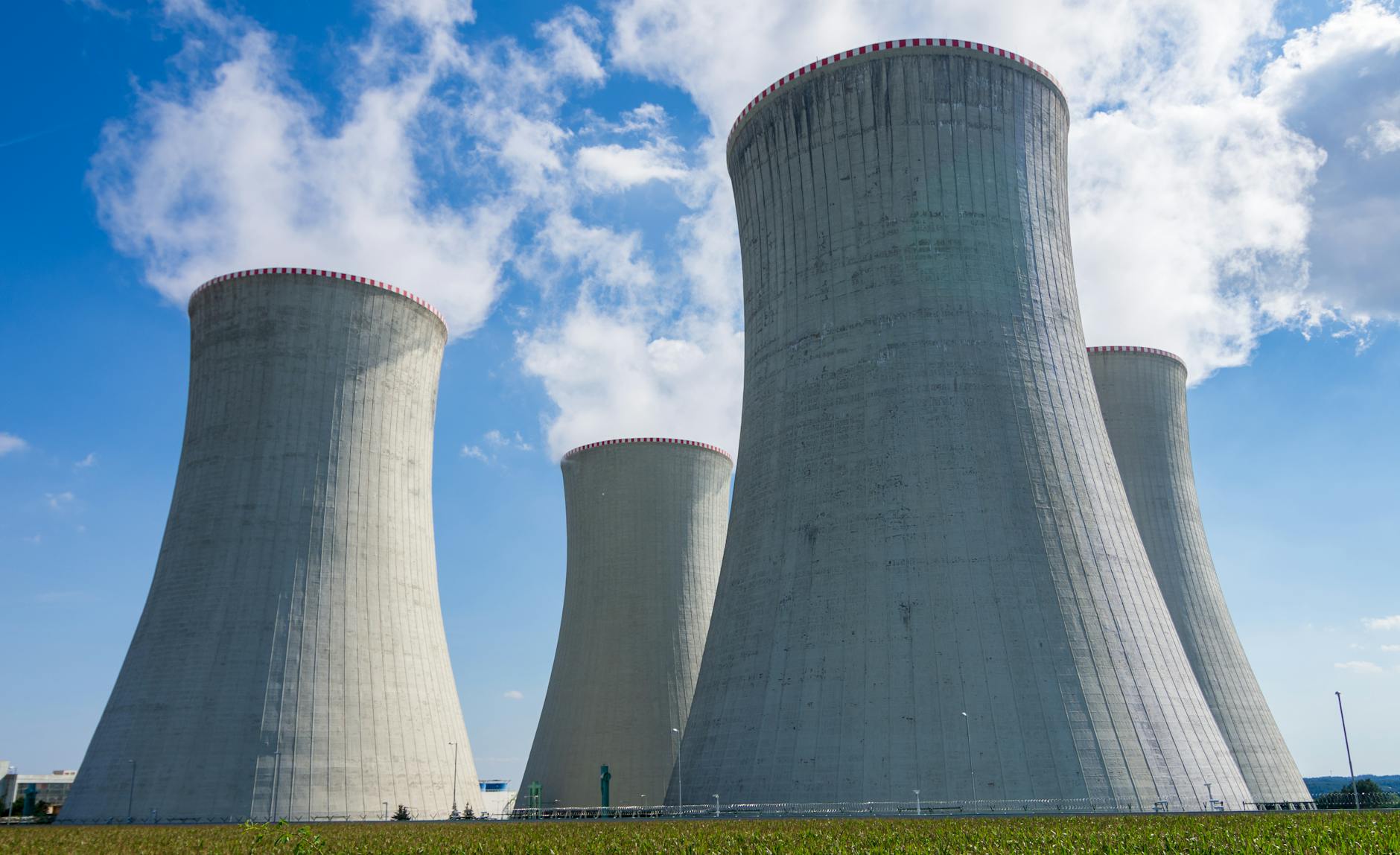
Iran Misses Nuclear Deal Chances, Rubio Says Amid Tensions
U.S. Secretary of State Marco Rubio has stated that Iran missed multiple opportunities to agree on a nuclear deal, as negotiations with Washington remain stalled. This statement was made during Rubio's visit to Greece, where he reiterated U.S. demands for curbing Iran's nuclear ambitions, crucial for reaching a lasting ceasefire agreement. Vice President J.D. Vance highlighted the need for a significant reduction in Iran's nuclear enrichment as part of any agreement to resolve the ongoing conflict. Energy markets reacted to the ongoing tensions, with Brent crude rising by 0.64% to $101.23, and U.S. West Texas Intermediate futures increasing by 0.21% to $89.63. These fluctuations followed attacks by Yemen's Iran-backed Houthis on Saudi airports, as well as recent actions by Iran in the Strait of Hormuz. For investors, the continued political stalemate and military activities affecting oil routes in the Middle East underscore the ongoing volatility in energy prices. The lack of a nuclear agreement could lead to sustained disruptions and impact global energy markets.
Read More: Iran Misses Nuclear Deal Chances, Rubio Says Amid Tensions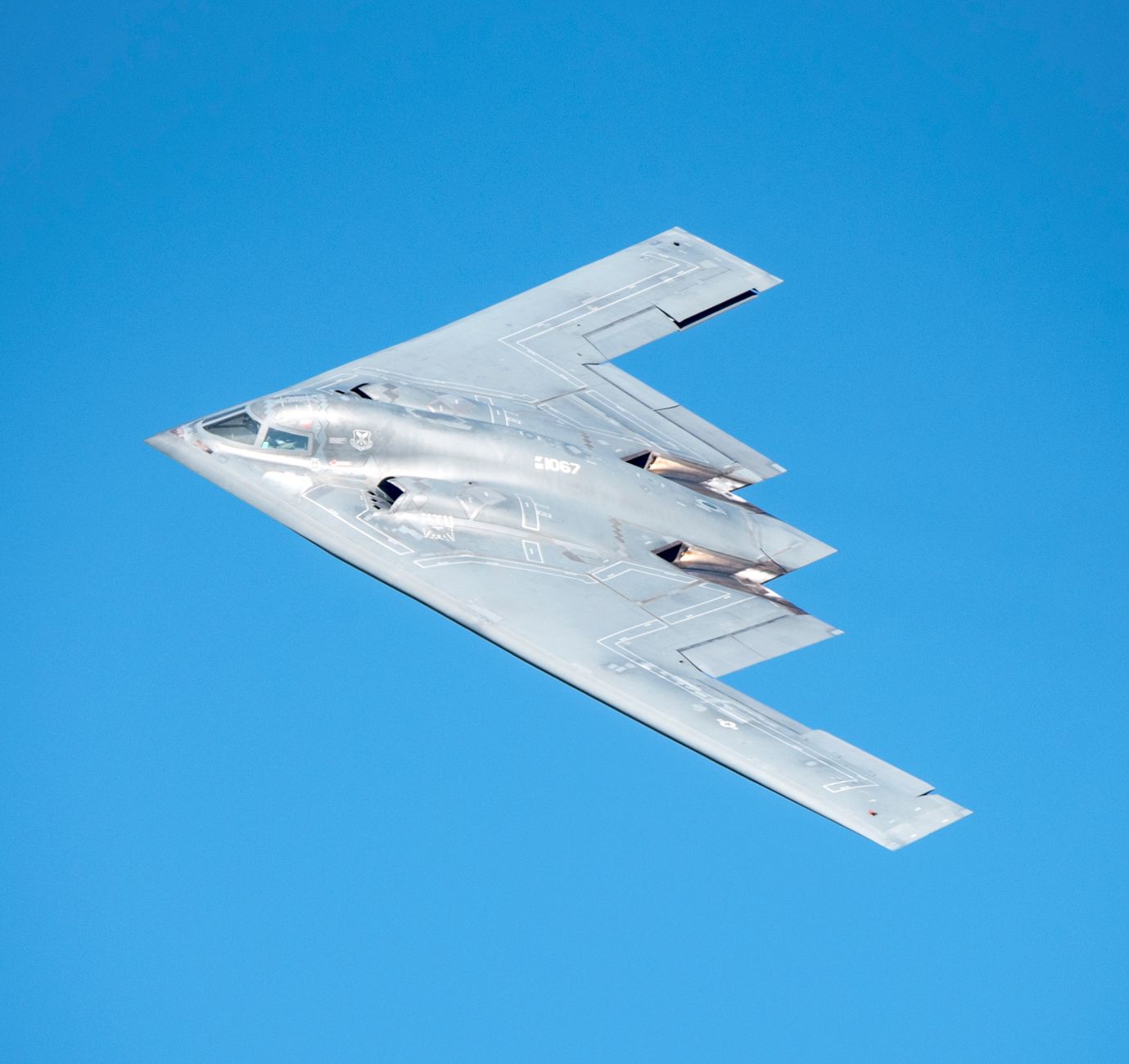
Trump Confirms US Moving Bombers Due to Iran-Linked Threat
President Donald Trump announced the United States has moved all its long-range bombers out of the United Kingdom due to a perceived threat he attributed to links with Iran. The redeployment was confirmed after a report by Associated Press indicated that a terror attack plan was discovered at RAF Fairford, the air base where these B-1 bombers were stationed. Trump emphasized that relocating the bombers incurred minimal costs and that the decision was made to safeguard these critical assets. The long-range bombers have been involved in airstrike missions on Iran, highlighting their strategic importance. The Associated Press highlighted that these aircraft have now been repositioned back to their home bases in the US. The decision to relocate these bombers underscores the US's precautionary stance amid regional tensions. For investors, these geopolitical developments may affect market stability and defense sector consideration, particularly where global security dynamics and resource allocation are concerned.
Read More: Trump Confirms US Moving Bombers Due to Iran-Linked Threat
Yemeni Government Begins Offensive Against Iran-Backed Houthis
The Yemeni government, backed by Saudi Arabia, has announced a significant military offensive aimed at reclaiming territories from the Iran-backed Houthi forces. This announcement follows a recent Houthi offensive that captured important regions including the Bab el-Mandeb strait. Yemeni President Rashad al-Alimi emphasized the goal to liberate the country from the Houthis, known as Ansar Allah, who have controlled key areas since 2014. The Houthis have reportedly launched ballistic missiles and drones targeting Saudi Aramco sites, alleging retaliation against Saudi airstrikes in Yemen. These developments illustrate escalating tensions in the region, with Saudi Arabia reportedly planning a coordinated assault with its Yemeni allies. The U.S. is providing intelligence to aid Riyadh, while European and regional countries offer defensive support. This military campaign is a significant escalation in the broader conflict involving Iran and its regional adversaries. Investors and stakeholders should closely monitor potential disruptions to international shipping and oil supply routes, notably through the Bab el-Mandeb strait.
Read More: Yemeni Government Begins Offensive Against Iran-Backed Houthis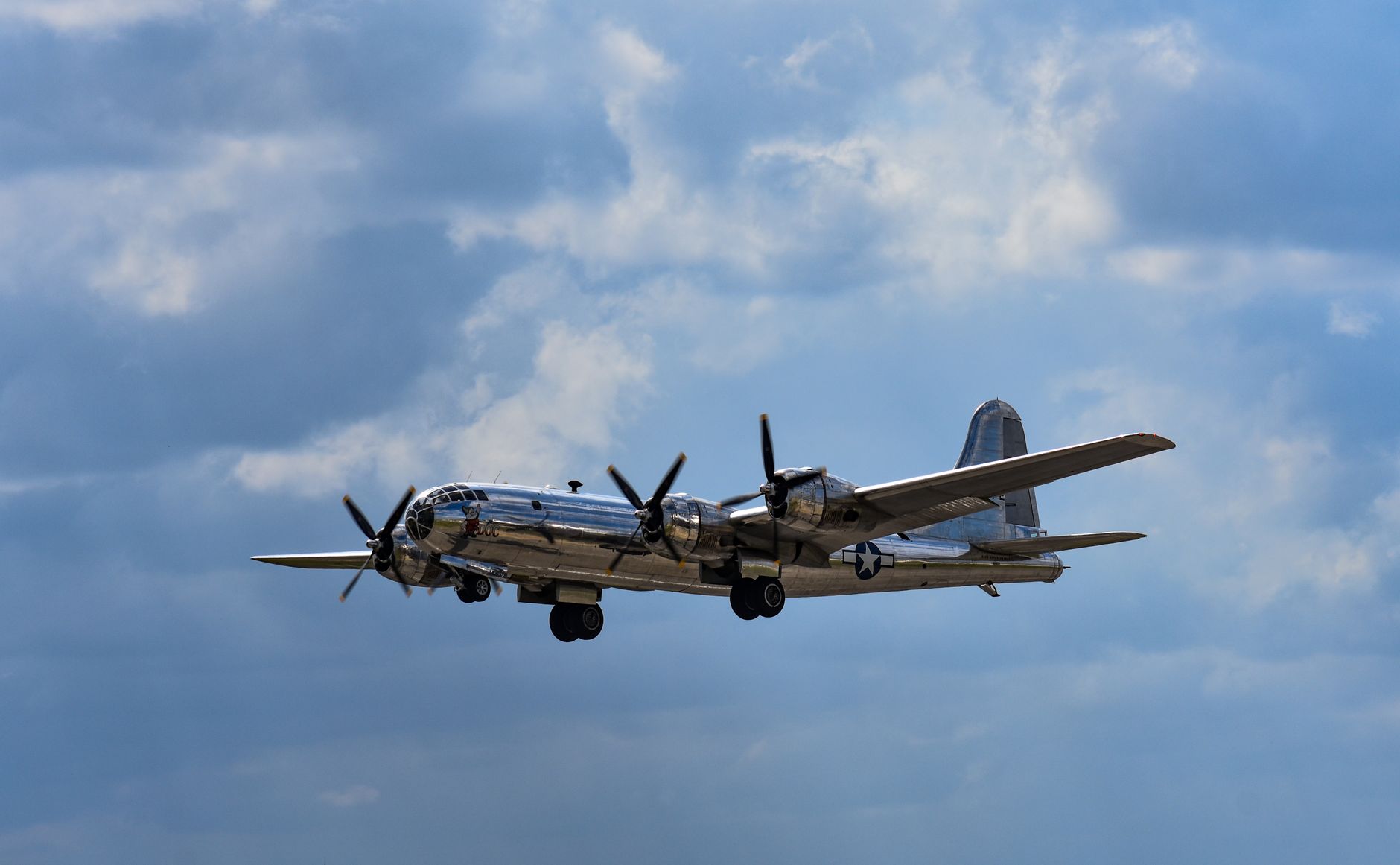
US Recalls B-1 Bombers After Alleged Plot Involving Iran
The US has recalled its B-1 bombers from an air base in the UK after an alleged terror plot. The plot reportedly involved five British men arrested near RAF Fairford. UK and American officials allege that Iran was involved in the incident. The recall of these bombers could affect military operations and strategic presence in the region, with implications for defense logistics and international relations.
Read More: US Recalls B-1 Bombers After Alleged Plot Involving Iran
Yemen Leader Announces Military Operations Against Houthis
The leader of Yemen has announced major military operations against the Iran-backed Houthi movement. This escalates the ongoing conflict in the region, which has involved various international powers. There were no specific dates or figures mentioned regarding the military actions. The situation continues to place stress on the affected regions and could influence geopolitical stability in the Middle East. The Houthi movement, supported by Iran, has been engaged in a prolonged conflict with Yemeni government forces. This announcement marks a significant step in the ongoing military engagements and could potentially change the dynamics of the conflict. However, details on the scale and timeline of the operations were not disclosed. This matter is of importance because of its potential impact on geopolitical stability, which could, in turn, affect global markets, particularly considering Yemen's strategic location near major oil shipping routes.
Read More: Yemen Leader Announces Military Operations Against Houthis
Iran's Rial Hits New Low Despite $2 Billion Intervention
Iran's currency, the rial, has reached a new low against the US dollar, continuing its downward trend despite a recent $2 billion intervention by Iranian authorities. The Central Bank of Iran's efforts to bolster the currency through significant currency sales have not yielded the desired stability in the exchange rate. This situation highlights ongoing economic challenges in the country, exacerbated by international sanctions and internal financial strains. The weakening of the rial is significant for Iranian consumers and businesses, as it increases the cost of imports and reduces purchasing power in international markets. For investors, the ongoing devaluation presents increased risks and potential economic instability.
Read More: Iran's Rial Hits New Low Despite $2 Billion Intervention
U.S. Expands Military Presence Amid Iran Tensions
The United States is increasing its military presence in the Middle East. This decision comes as tensions with Iran continue to escalate. The focus is on protecting American interests and ensuring security in the region. The move highlights the ongoing pressure on Iran against the backdrop of geopolitical developments. The expanded military presence aims at deterring potential threats and reinforcing stability in the area. This decision reflects strategic interests amidst rising tensions. As part of this expansion, additional personnel and equipment will be deployed to reinforce existing forces. For investors, this geopolitical development signals increased regional uncertainty which could impact global oil prices and markets sensitive to Middle East stability.
Read More: U.S. Expands Military Presence Amid Iran Tensions
Trump Suggests Iran War Resolution Post-U.S. Elections
Former President Donald Trump stated that the potential resolution of tensions with Iran, particularly concerning the Strait of Hormuz, might occur after the upcoming United States elections. Tensions have been persisting in the region for an unspecified period, affecting global perceptions of stability in the area. Trump's comments suggest that diplomatic or strategic decisions might be delayed until after the electoral process in the U.S. is concluded. While no concrete timeline or specific plans were mentioned, this statement highlights the geopolitical uncertainty that could influence energy markets, particularly oil shipping routes through the Strait of Hormuz.
Read More: Trump Suggests Iran War Resolution Post-U.S. Elections
OPEC+ Quotas Review Delayed Amid Iran Conflict
The review of OPEC+ quotas has been delayed due to the ongoing conflict in Iran. This postponement could affect the oil supply in the markets, leading to potential price fluctuations. OPEC+ was expected to assess its production levels to help stabilize the market, but now the timeline remains uncertain. The delayed decision emphasizes the geopolitical factors influencing oil prices, which are crucial for investors tracking energy sectors. Therefore, this situation might lead to increased volatility in oil markets in the near future.
Read More: OPEC+ Quotas Review Delayed Amid Iran Conflict
U.S. Sends Third Carrier Group Amid Iran Conflict with 2,000 Marines
The U.S. is sending a third aircraft carrier strike group to the Middle East, accompanied by an amphibious force with 2,000 Marines, as tensions escalate in a months-long conflict. This deployment follows President Donald Trump's intention to resume strikes on Iran post-November midterm elections. The buildup, which includes the USS Theodore Roosevelt group and the Makin Island force, is expected to be completed by November. This military presence is significant as it coincides with an ongoing stalemate in negotiations regarding oil trade and sanctions. Investors should note that oil prices remain above pre-war levels, indicating continued market impact from this conflict.
Read More: U.S. Sends Third Carrier Group Amid Iran Conflict with 2,000 Marines
Rubio Orders Iranian UN Delegation to Leave NYC Ahead of Schedule
Senator Marco Rubio has ordered an Iranian delegation visiting the United Nations to leave New York City ahead of schedule. The order reflects ongoing tensions regarding Iran's policies and its presence at the UN. This development highlights the sensitive nature of U.S.-Iran relations and may have implications for international diplomacy. For investors, shifts in geopolitical relations can affect market stability and sectors sensitive to international policies.
Read More: Rubio Orders Iranian UN Delegation to Leave NYC Ahead of ScheduleIran Receives US Response on War Ending Terms
Iran has indicated that it has received an official response from the United States regarding its latest offer to end the ongoing conflict. This communication signifies a potential step towards diplomatic dialogue aimed at resolving the situation. The specifics of the response and its implications remain unclear, but this interaction could influence market perceptions regarding geopolitical risks in the region. For ordinary investors, the evolving dynamics may impact commodities like oil, given the link between geopolitical stability and oil prices.
Read More: Iran Receives US Response on War Ending Terms
Trump denies Iran sanctions relief while oil prices fluctuate
U.S. President Donald Trump denied claims of offering sanctions relief to Iran for changes to its nuclear program, calling an Axios report a 'HOAX.' Brent crude prices dropped 0.31% to $102.27 per barrel and U.S. West Texas Intermediate futures fell 0.47% to $88.96 per barrel. These price movements come amid Qatar's ongoing efforts to mediate peace talks between the U.S. and Iran, with discussions regarding the Strait of Hormuz expected. This matters for investors as fluctuations in oil prices directly affect the energy market and related investments.
Read More: Trump denies Iran sanctions relief while oil prices fluctuate
UK Police Arrest Five in Bomb Threat Investigation Linked to Iran
U.K. counter-terrorism police arrested five men near RAF Fairford over the weekend, suspected of explosives and terrorism offenses. The investigation is looking into a possible link with Iran following an alleged bomb threat against the U.S. Air Force base. The base has been a key command post for U.S. operations in Europe and strikes on Iranian missile sites. This situation raises concerns regarding state involvement in terrorist activities and could impact U.S.-Iran relations that are already tense.
Read More: UK Police Arrest Five in Bomb Threat Investigation Linked to Iran
Oil Rebounds Following Trump Rejection of Iran Peace Deal
Oil prices have rebounded after President Trump rejected a proposed peace deal with Iran. The market response indicates volatility, as geopolitical tensions often affect oil supply and pricing dynamics. Traders are closely monitoring these developments, which could influence future supply levels and oil production costs. This rebound in oil prices may signify opportunities for investors involved in energy sectors and commodities.
Read More: Oil Rebounds Following Trump Rejection of Iran Peace Deal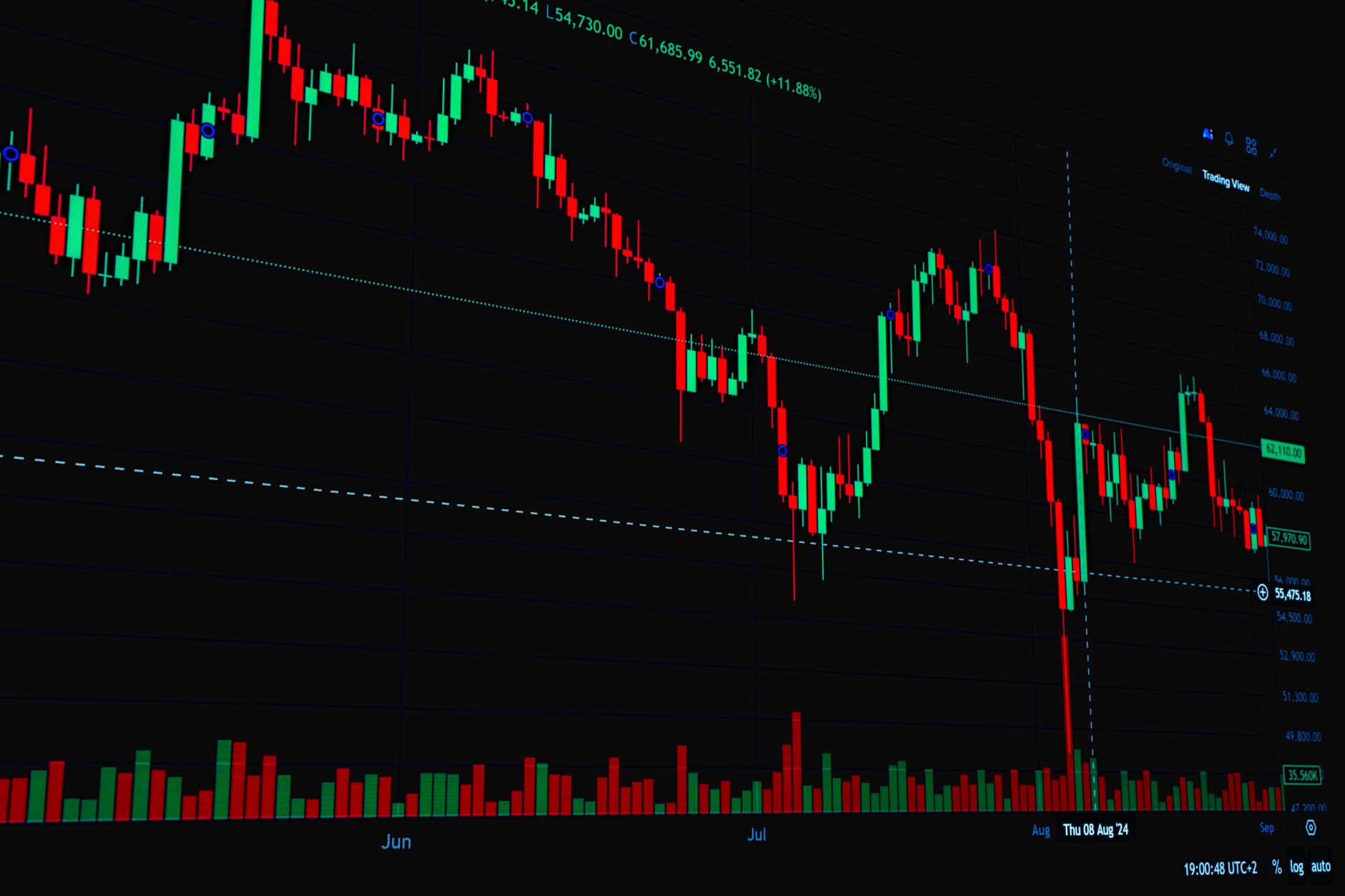
Oil Prices Rise as Stock Futures Slip Following Iran Offer Rejection
Oil prices have increased while stock futures have declined after a rejected offer from Iran regarding oil exports. The article discusses the current state of the market in light of this development, highlighting ongoing geopolitical tensions impacting prices. With rising oil prices, ordinary investors should note that changes in oil supply dynamics can influence energy stocks and overall market trends. This situation signals a potential shift in trading patterns, affecting various sectors dependent on oil prices.
Read More: Oil Prices Rise as Stock Futures Slip Following Iran Offer Rejection
Iran's Foreign Minister Highlights Diplomacy Amid War Readiness
Iranian Foreign Minister Abbas Araghchi stated that Iran is prepared for a 'doomsday' war with the U.S. but remains open to diplomatic negotiations. He emphasized that any reopening of the Strait of Hormuz depends on the fulfillment of specific conditions set by Iran. This comes amid ongoing tensions and reports of Iran disrupting oil exports through the strait, which has contributed to rising gas prices and inflation. For ordinary investors, the situation may affect oil supply and prices, highlighting the importance of geopolitical factors on market stability.
Read More: Iran's Foreign Minister Highlights Diplomacy Amid War Readiness
Iran Insists on Diplomatic Solution Following Trump's Peace Plan Rejection
Iran has reiterated its preference for a diplomatic resolution after President Trump rejected its proposed peace plan. This rejection may affect the ongoing tensions in the region. Iran's stance emphasizes the need for dialogue rather than military confrontation. Investors in the region should be aware of the potential implications this diplomatic engagement might have on market stability and oil prices.
Read More: Iran Insists on Diplomatic Solution Following Trump's Peace Plan Rejection
Trump Rejects Iran Ceasefire Proposal Amid Rising Tensions
President Donald Trump has rejected Iran's conditional proposal to reopen the Strait of Hormuz. Trump confirmed this decision during a press interaction, stating, 'They made a proposal but I rejected it.' Additionally, Saudi-led coalition forces intercepted and destroyed two drones and two ballistic missiles launched by Iran-backed Houthi rebels aimed at Saudi Arabia. The ongoing conflict has led to significant restrictions on energy shipments in the Middle East, contributing to rising oil prices, which directly impacts ordinary investors' costs for energy products.
Read More: Trump Rejects Iran Ceasefire Proposal Amid Rising Tensions
Iran Awaits US Response on Hormuz Peace Plan Amid Trump Rejection
Iran is waiting for a response from the United States regarding a peace plan for the Strait of Hormuz. Reports indicate that former President Donald Trump has rejected the deal. This event is significant as the Strait of Hormuz is a crucial chokepoint for the global oil supply, with about 20% of the world's total oil passing through it. The outcome of this peace plan could influence oil markets and geopolitical stability in the region, affecting prices for ordinary investors.
Read More: Iran Awaits US Response on Hormuz Peace Plan Amid Trump RejectionIran’s Foreign Minister Offers New Plan to Reopen Strait
Iran's foreign minister has proposed a new offer to reopen the strait, a key maritime route, amid ongoing geopolitical developments in the Middle East. The reopening could influence global oil supply and shipping costs significantly. This comes as tensions in the region affect investor perceptions of stability, leading to potential implications for energy prices. Understanding these developments is crucial as they can directly affect oil prices and market dynamics.
Read More: Iran’s Foreign Minister Offers New Plan to Reopen Strait
Iran's Offer to Reopen Strait of Hormuz in 7 Days Amid Conflict
Iran's Foreign Minister Abbas Araghchi proposed to reopen the Strait of Hormuz and restart nuclear talks with the U.S. within seven days, contingent on U.S. compliance with certain conditions. This announcement follows ongoing missile strikes between Iran, the U.S., and Israel that began on February 28, and comes shortly after President Donald Trump's statements at the United Nations General Assembly. Brent crude traded 1% lower at $105.56 per barrel, and U.S. West Texas Intermediate futures were down 1.8% at $92.94. This development could influence oil supply and pricing in the region significantly, impacting energy markets and ordinary investors' portfolios.
Read More: Iran's Offer to Reopen Strait of Hormuz in 7 Days Amid Conflict
Iran Proposes New 7-Day Ceasefire for Strait of Hormuz
Iran's foreign minister announced a proposal for a new seven-day ceasefire, which could lead to the reopening of the Strait of Hormuz within a week. This decision may have implications for global oil supply routes, given the strategic importance of the region. The impact on oil prices could be significant if tensions de-escalate as a result of this ceasefire. For investors, this situation highlights the ongoing volatility in oil markets and its effects on energy prices.
Read More: Iran Proposes New 7-Day Ceasefire for Strait of Hormuz
Iran Oil Exports Drop to Zero Amid Negotiations
Iran's crude exports have dropped to zero in September from 893,000 barrels per day in July due to U.S. naval blockades. Negotiations involving a Qatari mediator are ongoing, with Iran outlining conditions to end a seven-month war, including easing of military pressure. Shipping traffic through the Strait of Hormuz is considerably below normal, averaging 6.98 million barrels a day compared to a pre-war baseline of 18.3 million barrels. This situation affects global oil supply, with Brent crude futures at $98.37 per barrel and West Texas Intermediate at $89.16 per barrel, indicating market sensitivity to diplomatic developments.
Read More: Iran Oil Exports Drop to Zero Amid Negotiations
UN General Assembly September 2026 Highlights Key Global Leaders
The 81st session of the United Nations General Assembly began on September 21, 2026, in New York with participation from nearly 130 global leaders. Significant discussions include topics such as the U.S.-Iran war and Russia's invasion of Ukraine. U.S. President Donald Trump mentioned the need for a pivotal decision regarding Iran, after a productive three-hour meeting with Iranian officials. The assembly's outcomes could influence international relations and economic policies, making attention to these discussions relevant for investors globally.
Read More: UN General Assembly September 2026 Highlights Key Global Leaders
U.S. to Shut Down Iranian Airlines from Sept. 23, 2026
U.S. Treasury Secretary Scott Bessent announced that all Iranian airlines will be shut down starting September 23, 2026. The U.S. plans to prevent these airlines from accessing fuel, landing services, and ticket sales, which will impact their operations significantly. This move is part of broader efforts to economically isolate Iran, including sanctions on VTB Bank, a major Russian financial institution. For ordinary investors, this development may affect oil supply routes and prices due to increased tensions in the region, particularly around key choke points like the Bab el-Mandeb Strait.
Read More: U.S. to Shut Down Iranian Airlines from Sept. 23, 2026
Saudi Arabia issues alerts amid F-35 sale and Iran-Pakistan talks
Saudi Arabia issued alerts following reports of explosions near King Khalid International Airport in Riyadh. The Directorate of Saudi Civil Defense confirmed the situation was under control. In related news, the U.S. approved a potential $24.3 billion sale of 48 F-35 warplanes to Saudi Arabia, bolstering its military capability. Additionally, Pakistan's Foreign Minister highlighted the importance of uninterrupted energy supplies during talks with Iran's Foreign Minister, emphasizing implications for development and global supply chains. Such geopolitical developments could influence market stability and energy prices for ordinary investors.
Read More: Saudi Arabia issues alerts amid F-35 sale and Iran-Pakistan talks
UN Report Claims U.S. War Crimes in Iran Conflict with 150 Casualties
A United Nations fact-finding mission indicated there are reasonable grounds to believe the U.S. committed war crimes during the Iran conflict, citing a Tomahawk missile strike that killed over 150 people in Minab and another airstrike resulting in 22 civilian deaths. The U.S. State Department rejected the findings, labeling the report as anti-American. Negotiations surrounding the Middle East conflict might be revived, with a potential meeting involving Gulf Arab nations, the U.S., and Iran tentatively scheduled around the upcoming United Nations General Assembly. This situation may affect geopolitical stability and investor sentiment in the region.
Read More: UN Report Claims U.S. War Crimes in Iran Conflict with 150 Casualties
UN Experts Cite Possible US War Crimes in Iran Strikes
UN-backed experts have cited potential US war crimes connected to strikes in Iran following an investigation. The report highlights the legality of certain military actions taken by US forces, underscoring implications for international law. This finding could potentially lead to discussions on accountability and military operations abroad. Investors may want to consider geopolitical tensions as factors influencing market stability and foreign relations.
Read More: UN Experts Cite Possible US War Crimes in Iran Strikes
Trump Meeting Gulf Leaders on Iran War Next Week
U.S. President Donald Trump plans to meet leaders from Gulf Cooperation Council states next Tuesday at the United Nations General Assembly to discuss the war with Iran. This meeting comes amid stalled ceasefire talks and escalating attacks from Iran and Houthi militants, which have disrupted energy exports. Brent crude prices recorded at $105.8 per barrel, and West Texas Intermediate crude at $102.14, showing slight declines as markets respond to the situation. This meeting is significant for ordinary investors as it addresses factors directly affecting oil supply and pricing due to geopolitical tensions.
Read More: Trump Meeting Gulf Leaders on Iran War Next Week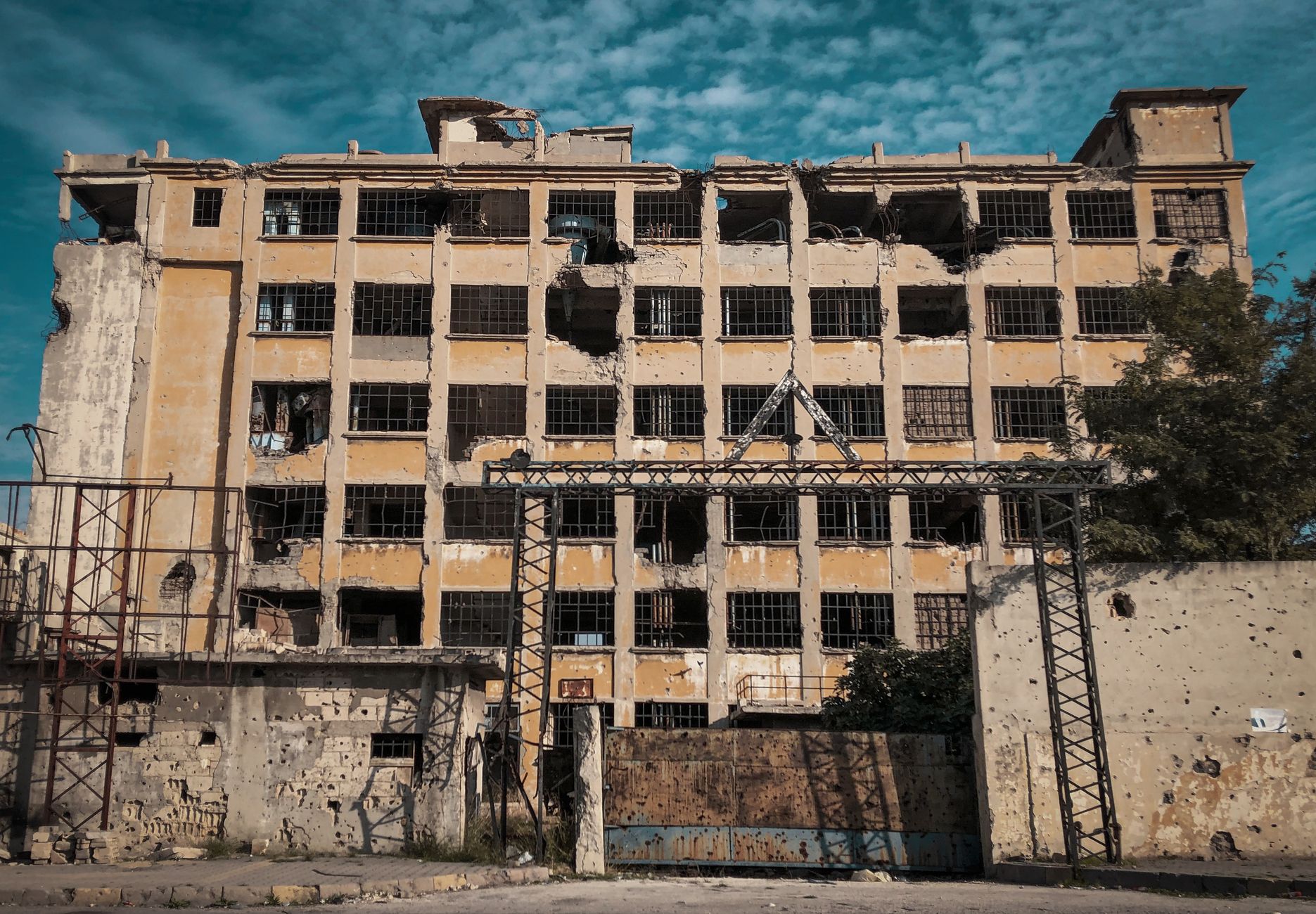
Iran War Costs $33.4 Billion, Hundreds of Structures Damaged
As of June 29, the U.S. government reports the Iran war has cost an estimated $33.4 billion, impacting U.S. military infrastructure and aircraft. The casualties include hundreds of buildings damaged at U.S. bases and dozens of aircraft, such as four F-15E fighter jets and a fifth-generation F-35A, the first of its kind to suffer battle damage. The costs also encompass $184 million in damage to U.S. diplomatic facilities in Iraq, Kuwait, Saudi Arabia, and the United Arab Emirates. This data indicates significant military spending and operational implications, which can influence defense budgets and related sectors for investors.
Read More: Iran War Costs $33.4 Billion, Hundreds of Structures DamagedTrump discusses Iranian oil control, U.S. revenues from Venezuela
President Donald Trump indicated the U.S. may control Iranian oil, similar to its recent deal with Venezuela, which involved gaining access to about 20% of Venezuela's oil reserves. Under that agreement, Venezuela ceded majority control of more than 65 billion barrels of oil reserves to the U.S. for $209 billion. Trump suggested that the expected end of the Iran conflict may lead to a significant drop in gasoline prices. This news is relevant for investors as oil prices are currently elevated due to geopolitical tensions, with U.S. West Texas Intermediate futures reaching $102.3, up 2.3%.
Read More: Trump discusses Iranian oil control, U.S. revenues from Venezuela
Iran and UAE Join BRICS in War Restraint Statement at Summit
Iran and the UAE signed a joint BRICS statement calling for restraint in the Middle East war on September 12, 2026. This meeting marks the highest-level engagement between the two countries since the start of the conflict. The declaration urges cooperation, protection of civilians, and respect for territorial integrity. The BRICS group, originally composed of Brazil, Russia, India, China, and South Africa, now includes Iran and the UAE among its members. This development could reflect increased diplomatic efforts in a region under strain, which may influence market sentiment regarding geopolitical risks.
Read More: Iran and UAE Join BRICS in War Restraint Statement at Summit
Iran and UAE Support BRICS Statement Amid Ongoing Conflict
Iran and the United Arab Emirates (UAE) have expressed support for a joint statement from BRICS, which calls for restraint amid the ongoing conflict. This statement from BRICS, an economic bloc that includes Brazil, Russia, India, China, and South Africa, highlights the importance of dialogue and peace. The involvement of both Iran and the UAE illustrates a unified front among some nations in the region. This development may influence global market sentiment by emphasizing diplomatic solutions over military escalation.
Read More: Iran and UAE Support BRICS Statement Amid Ongoing Conflict