Crude News & Analysis
46 articles
Market Mood
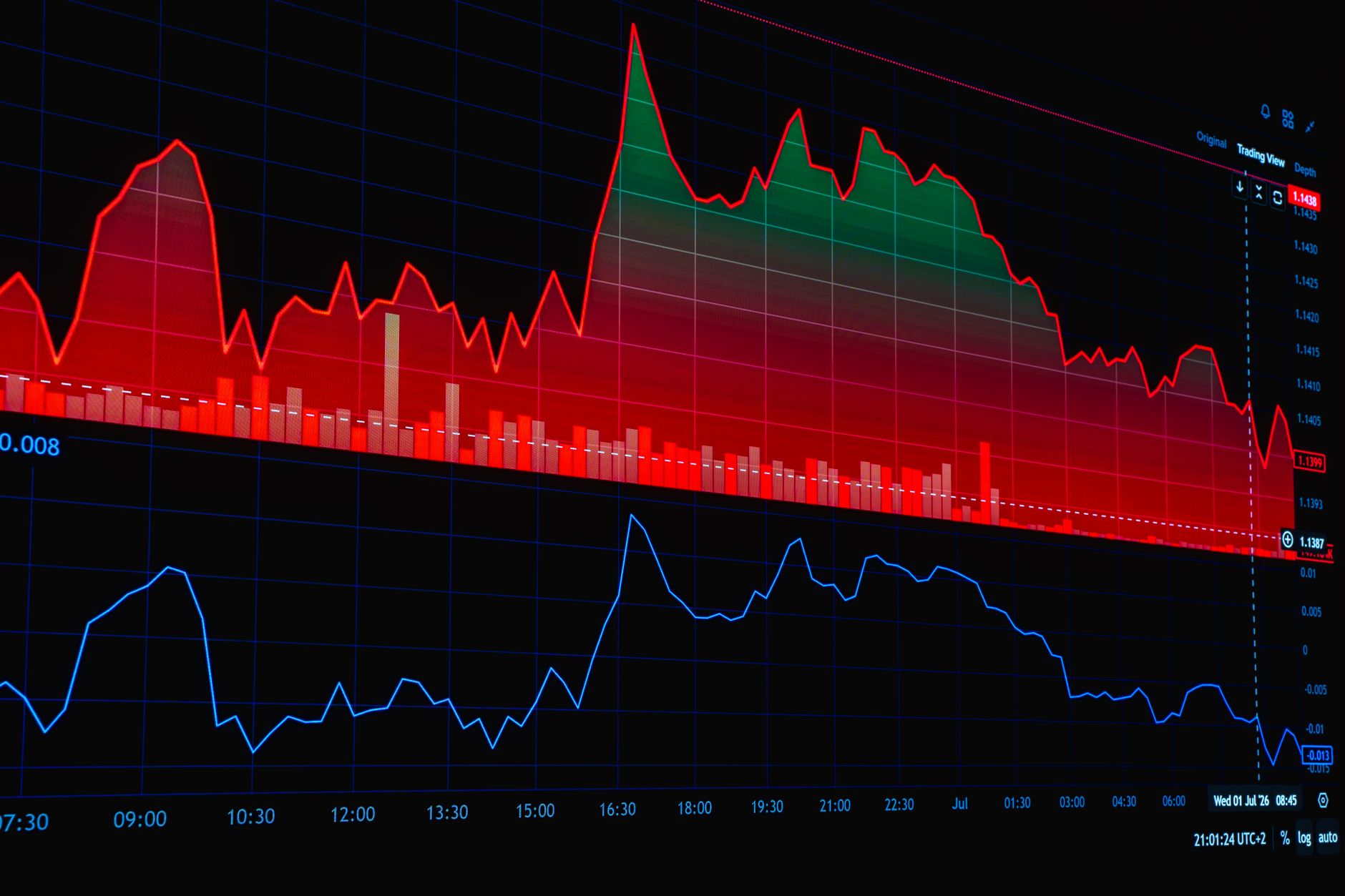
Oil Prices Decline as Brent Crude Falls 1.66% to $102.15
Oil prices fell on Monday, with Brent crude futures for November delivery dropping 1.66% to $102.15 a barrel, and U.S. West Texas Intermediate futures for October decreasing by 1.83% to $98.46 per barrel. The total oil flows averaged 17.1 million barrels per day over the past 10 days, which is 6.1 million bpd below the 2025 average. Analysts from JPMorgan noted that Middle East oil flows remain strong despite recent disruptions, but potential supply issues persist. This price decline highlights market sensitivity to export conditions and geopolitical tensions, affecting ordinary investors' awareness of oil price volatility and supply chain dynamics.
Read More: Oil Prices Decline as Brent Crude Falls 1.66% to $102.15
Oil Prices Fall as Brent Futures Hit $105.81 Per Barrel
Oil prices continued to decline as Brent futures fell to $105.81 per barrel and U.S. crude dropped 0.22% to $102.14 per barrel. Concerns over supply disruptions eased after Saudi Arabia reported it would provide additional crude cargoes to Asia through ship-to-ship transfers. U.S. Energy Secretary Chris Wright described the East-West pipeline outage as a 'brief and temporary interruption.' The market remains cautious, as further escalations in the Middle East might lead to increased inflation and bond yields, impacting investors' outlook on the economic landscape.
Read More: Oil Prices Fall as Brent Futures Hit $105.81 Per Barrel
Oil Transits Record 17 Million Barrels Through Hormuz Amid Conflict
On Monday, more than 17 million barrels of oil transited the Strait of Hormuz, marking a record since the Iran war began in February, according to U.S. Energy Secretary Chris Wright. This volume surpassed pre-war levels of around 20 million barrels per day when factoring in Saudi Arabia’s and the UAE's bypass routes. U.S. crude oil prices were approximately $90 per barrel earlier in the session but fell about 1% on Wednesday. This information is crucial for investors as it indicates heightened oil transport activity during regional tensions, impacting supply and pricing in the oil market.
Read More: Oil Transits Record 17 Million Barrels Through Hormuz Amid Conflict
Trump Announces Iran Negotiations to Resume Monday Amid Oil Drop
U.S. President Donald Trump stated that negotiations with Iran will start on Monday after he canceled planned strikes on the country. Oil prices reacted to this potential diplomatic resolution, with Brent crude falling 4.6% to around $83.96 a barrel and U.S. crude down about 4.7% to $80.6. Trump indicated a deal involving the Hormuz Strait and Iran's denuclearization could be imminent. For ordinary investors, developments like this could impact energy markets and oil prices significantly as tensions in the region fluctuate.
Read More: Trump Announces Iran Negotiations to Resume Monday Amid Oil Drop
Oil Prices Drop as Brent Falls Below $100 After Tensions
Brent crude oil prices have opened lower following two weeks of escalating violence, which had pushed prices to over $100 a barrel. The reduction in military strikes by Iran and the US over the Strait of Hormuz has contributed to this decline. As oil prices are typically sensitive to geopolitical tensions in this region, the current pause may signal a temporary relief for markets. Investors often monitor oil prices closely as they impact global economies and inflation trends.
Read More: Oil Prices Drop as Brent Falls Below $100 After Tensions
Oil Prices Dip but Stay Near Highest Since June Amid Middle East Tensions
Oil prices decreased slightly but remained close to the highest levels seen since mid-June. Brent crude futures fell by 19 cents, or 0.2%, to $84.76 a barrel, while U.S. West Texas Intermediate futures dropped 17 cents, also 0.2%, to $79.43 a barrel. Tensions in the Middle East, particularly with Iran's threats regarding the Red Sea oil export route, could lead to further price increases. These developments are significant as disruptions in oil supply can impact global prices and affect investors in oil-related markets.
Read More: Oil Prices Dip but Stay Near Highest Since June Amid Middle East Tensions
Oil Prices Steady Near $75 Amid Iran Tensions and Supply Abundance
West Texas Intermediate (WTI) crude oil prices moved back above $75 per barrel recently, reflecting stable market conditions despite ongoing tensions in Iran. The futures curve indicates prices will remain just above $70 later this year. Analysts suggest that ample energy supplies from the U.S. are contributing to the stability of oil prices. This situation matters for ordinary investors as energy costs directly affect economic growth and household budgets across different regions, particularly in comparison with higher electricity prices in Europe.
Read More: Oil Prices Steady Near $75 Amid Iran Tensions and Supply Abundance
OPEC+ Increases Oil Output by 188,000 bpd from August 2023
OPEC+ announced a quota increase of 188,000 barrels per day (bpd) from August, adding to previous increases throughout June and July. The total output from OPEC+ members has risen from 33.13 million bpd in May to projected increases despite ongoing geopolitical tensions affecting exports from the Strait of Hormuz. Brent crude prices were trading near $72 per barrel, down from peaks of over $120. The adjustments occur as the United Arab Emirates departs the group, affecting future production management among its remaining members.
Read More: OPEC+ Increases Oil Output by 188,000 bpd from August 2023
CME Group Launches 10-Barrel Oil Contract Amid Iran War
CME Group is set to launch a 10-barrel crude oil contract, reacting to increased retail trading activity triggered by the ongoing conflict in Iran. This move comes as market participants increase their bets on crude prices, suggesting a growing interest from retail traders in the oil market. The introduction of smaller contracts could potentially attract more individual investors. The impact on oil prices remains to be seen as trading dynamics shift with this new offering.
Read More: CME Group Launches 10-Barrel Oil Contract Amid Iran War
Oil (WTI) Quarterly Price Drop Hits 6-Year Low
Oil prices experienced the largest quarterly drop in six years due to workarounds for the Strait of Hormuz and a decrease in crude imports to China. This significant drop in prices can potentially affect market dynamics, particularly for oil-dependent economies. As oil supply issues ease, traders might see a shift in demand and pricing strategies. The easing of this historic supply crunch could lead to more stability in oil markets moving forward.
Read More: Oil (WTI) Quarterly Price Drop Hits 6-Year Low
Stock Futures Slightly Higher, Dow Up 124 Points Amid Middle East Tensions
Stock futures were slightly higher with Dow Jones Industrial Average futures rising by 124 points, or 0.2%. S&P 500 futures increased by 0.4%, and Nasdaq-100 futures advanced by 0.5%. Crude prices climbed, with Brent oil up 0.8% to $72.57 per barrel, while West Texas Intermediate futures increased by 1.1% to $70. The article notes a mixed performance in Asia-Pacific markets due to ongoing tensions, impacting market sentiment across different sectors.
Read More: Stock Futures Slightly Higher, Dow Up 124 Points Amid Middle East Tensions
Oil Prices Surge After Tanker Incident in Middle East Conflict
Following an incident involving a crude oil tanker in the Middle East, oil prices saw a notable increase. The disruption in this region, which is critical for global oil supplies, has led to a rise in Brent crude oil by 2.5% to $83.50 per barrel. This spike reflects ongoing tensions and potential supply chain impacts, influencing trading volumes and investor sentiment. Such fluctuations can affect numerous sectors reliant on oil, making this event significant for market watchers and analysts.
Read More: Oil Prices Surge After Tanker Incident in Middle East Conflict
Saudi Aramco (2222) Resumes Oil Loadings After Four-Month Halt
Saudi Aramco (2222) resumed crude loadings at its Ras Tanura terminal after a near four-month suspension. Two Very Large Crude Carriers (VLCCs) were observed loading crude at the port, which previously exported over 5 million barrels per day (bpd). Recent conflict saw Saudi exports drop to approximately 4 million bpd from over 7 million bpd in February. The resumption comes as global oil prices fell more than $1 per barrel amid rising supply pressures and intensified competition among producers.
Read More: Saudi Aramco (2222) Resumes Oil Loadings After Four-Month Halt
Global Stocks Decline 0.34% Amid Tech Selloff and Crude Oil Drop
Global equity markets decreased by 0.34%, with technology stocks falling 4.5%, marking a 7% weekly decline—its largest since March. The S&P 500 rose by 0.28%, while the Dow Jones Industrial Average increased by 0.31%. Crude oil prices fell by 4.24% to $72.07 per barrel as supply concerns eased and Saudi Aramco resumed operations. The MSCI index of Asian stocks outside Japan saw a decline of nearly 3%. This downturn reflects market consolidation after a period of growth, particularly affecting the tech sector and influencing investor sentiment.
Read More: Global Stocks Decline 0.34% Amid Tech Selloff and Crude Oil Drop
Oil Prices Near Pre-War Levels as Oman Exempts Transit Fees
Oil prices have returned to levels not seen since before the onset of conflict in Iran, as Oman announced it would not impose 'transit fees' for vessels traveling through the Strait of Hormuz. This decision is expected to enhance Gulf shipping flows, positively affecting supply levels. Brent crude oil prices have experienced significant fluctuations, and this price stabilization may influence market dynamics by potentially lowering costs for consumers and businesses reliant on oil. The easing of transit costs could also ease geopolitical tensions in the region, impacting energy markets broadly.
Read More: Oil Prices Near Pre-War Levels as Oman Exempts Transit Fees
Oil Prices Decline as Hormuz Tanker Traffic Resumes and Supplies Improve
Oil prices fell as tanker traffic resumed through the Strait of Hormuz after being blockaded since late February. U.S. crude for August delivery decreased by 1.66% to approximately $69 per barrel, while Brent crude fell by 1.79% to below $73 per barrel. Over 20 oil tankers, carrying around 35 million barrels of crude, have passed through the strait since a reopening agreement was reached. Citi forecasts Brent could drop to $60-$65 per barrel in the next 6-12 months, though risks in the region remain due to navigational warnings from Iran's Islamic Revolutionary Guard Corps Navy.
Read More: Oil Prices Decline as Hormuz Tanker Traffic Resumes and Supplies Improve
U.S. Iran Peace Talks Reach 60-Day Roadmap Amid Stock Market Decline
Negotiators reached a 60-day roadmap for an Iran peace deal, marking progress following tensions over threats from both Iran and U.S. President Donald Trump. The Lake Lucerne Summit resulted in a joint statement highlighting constructive discussions and a mechanism for future talks. Crude prices fell in response to the news, while tanker traffic through the Strait of Hormuz increased. U.S. stock market futures are trending lower as investors react to the evolving geopolitical situation, which presents a mixed outlook for market stability.
Read More: U.S. Iran Peace Talks Reach 60-Day Roadmap Amid Stock Market Decline
Nordic American Tankers (NAT) Trading at $5.57 with P/E Ratios
Nordic American Tankers Limited (NAT) shares traded at $5.57 as of June 17, with trailing and forward P/E ratios reported at 21.54 and 13.97, respectively. The company focuses on Suezmax vessels in the crude tanker market, benefiting from increased tanker demand driven by longer shipping routes and geopolitical influences. Supply growth remains constrained due to limited new ship deliveries and environmental regulations, which supports higher freight rates. Analysts suggest that if current trends continue, NAT may see improved market momentum, potentially increasing its earnings sensitivity to tighter freight cycles.
Read More: Nordic American Tankers (NAT) Trading at $5.57 with P/E Ratios
Oil Prices Outlook: Tentative U.S.-Iran Ceasefire Extended 60 Days
The U.S. and Iran have reached a tentative agreement to extend their ceasefire for 60 days and reopen the Strait of Hormuz. Analysts suggest that a return to oil prices of $67 a barrel could take years. This development indicates the importance of increased global crude supplies and lowered shipping costs for stabilizing the market. The implications for oil markets could be significant, depending on how this situation evolves and affects global supply chains.
Read More: Oil Prices Outlook: Tentative U.S.-Iran Ceasefire Extended 60 Days
MSCI Global Equities Index Recovers Amidst Geopolitical Tensions
On June 8, MSCI's global equities index increased by 0.06%, reaching 1,106.50, aided by a bounce back in the technology sector. The S&P 500 technology index rose 2.3% on Monday following a 5.8% decline on Friday. U.S. crude futures increased by 1.42% to $91.83 per barrel, while Brent crude was up 1.82% at $94.78. The overall market showed signs of recovery after a previous sell-off but remains cautious due to geopolitical tensions and the potential impact of U.S. Federal Reserve interest rate hikes.
Read More: MSCI Global Equities Index Recovers Amidst Geopolitical Tensions
Oil Tankers Stuck in Strait of Hormuz Impact Global Crude Flows
Many oil tankers have become stuck in the Strait of Hormuz, a critical chokepoint for global crude shipping. This situation raises concerns about the future return rates of these vessels to the Middle East. The implications for crude oil supply and pricing could be significant, potentially affecting market stability and oil prices. The event presents notable uncertainty in crude logistics that market participants will need to monitor closely.
Read More: Oil Tankers Stuck in Strait of Hormuz Impact Global Crude Flows
Oil Prices Mixed as U.S.-Iran Cease-Fire Deal Progress Reported
Global oil prices exhibited a mixed response, with U.S. crude prices showing a slight increase on Thursday amid reports of progress toward a U.S.-Iran cease-fire deal. This development is significant as it could influence oil supply dynamics in the region. The precise impact on global oil prices remains uncertain but is closely monitored by market participants. Traders will be evaluating further developments on this front for potential market reactions.
Read More: Oil Prices Mixed as U.S.-Iran Cease-Fire Deal Progress Reported
Dow Futures Rise 305 Points on U.S.-Iran Deal Hopes
Dow Jones Industrial Average futures increased by 305 points, or 0.6%, while S&P 500 futures rose 0.7% and Nasdaq-100 futures advanced 1% as traders considered the potential for a U.S.-Iran deal to end the conflict. President Donald Trump stated that negotiations were progressing favorably, although he cautioned about potential military actions if talks fail. Last week, the S&P 500 gained 0.9%, the Dow climbed 2.1%, and the Nasdaq rose 0.5%. Current expectations for a July rate hike have risen to 8.5%, up from 0.9% a month ago, indicating changing market dynamics.
Read More: Dow Futures Rise 305 Points on U.S.-Iran Deal Hopes
Oil Prices Rise as Stockpiles Deplete 95% Below Normal Levels
Oil prices are rising as physical supplies of oil through the Strait of Hormuz are reported to be 95% below regular levels. This significant decrease in supply may impact market dynamics as the travel season approaches. The inventory levels could lead to increased prices, affecting transportation and consumer costs. Investors should monitor these developments closely for potential effects on energy stocks and market stability.
Read More: Oil Prices Rise as Stockpiles Deplete 95% Below Normal Levels
Crude Oil Prices Could Hit $150, Impacting Stocks
Evercore’s Roger Altman stated in a CNBC interview that a significant rise in crude oil prices could destabilize markets, especially if prices approach $150 per barrel. This potential increase in oil prices is projected to trigger the second major inflation shock of the decade following COVID-19. Investors should monitor fluctuations in crude as they can impact stock valuations broadly. The comments highlight the interconnectedness of oil prices and overall market stability.
Read More: Crude Oil Prices Could Hit $150, Impacting Stocks
U.S. Treasury lets Russian oil waiver expire amid $100 crude prices
The U.S. Treasury Department has allowed the waiver on Russian oil to expire as crude oil prices approach $100 per barrel. This decision may tighten global oil supplies and could lead to further price increases in the market. With U.S. authorities implementing this move, traders anticipate heightened volatility in oil trading. The expiration of this waiver is important for market dynamics, impacting not only crude prices but also stocks related to oil production, such as Exxon Mobil (XOM) and Chevron (CVX).
Read More: U.S. Treasury lets Russian oil waiver expire amid $100 crude prices
China Agrees to Buy U.S. Oil, 237.8 Million Barrels in 2025
During a bilateral summit, U.S. President Donald Trump announced that China has agreed to purchase American oil. The U.S. crude and petroleum exports to China decreased by 25% year-on-year, totaling 237.8 million barrels in 2025, with crude oil exports down 95% to about 8.4 million barrels. Trump stated that Chinese ships will start arriving in Texas, Louisiana, and Alaska for these shipments. This development could impact U.S.-China trade relations and the oil market significantly, especially considering China's previous dependence on Iranian oil imports.
Read More: China Agrees to Buy U.S. Oil, 237.8 Million Barrels in 2025
Oil Prices Hit Four-Year High Amid U.S.-Iran Tensions
Oil prices have surged to a four-year high due to ongoing tensions surrounding Iran and U.S. military considerations. The current geopolitical climate, particularly the U.S. administration's approach, has intensified market volatility. The increase in oil prices signifies potential impacts on global energy markets. This situation is critical as it could influence inflation and associated economic factors.
Read More: Oil Prices Hit Four-Year High Amid U.S.-Iran Tensions
Iran Oil Supply Issues Could Impact Global Crude Market
Iran is reportedly running out of storage capacity for its oil. In the coming weeks, this situation could lead to a decrease in global crude supply. Investors may not be fully prepared for the market implications of this development. Fluctuations in oil supply can significantly impact prices and influence trading strategies across the commodities markets.
Read More: Iran Oil Supply Issues Could Impact Global Crude Market
UAE (UAE) Exits OPEC Amid Hormuz Oil Crisis
The United Arab Emirates (UAE) has announced its exit from OPEC due to increasing tensions in the Gulf region, specifically linked to the ongoing Iran war. This decision is seen as a significant shift, potentially impacting oil supply management within the cartel. The exit may lead to fluctuations in crude oil prices as UAE's production policies diverge from OPEC's collective decisions. The implications of this move raise concerns for Saudi Arabia and the broader oil market dynamics.
Read More: UAE (UAE) Exits OPEC Amid Hormuz Oil Crisis
Oil Prices Increase Amid U.S.-Iran Stalemate Over Hormuz Closure
Oil prices have risen as tensions escalate between the U.S. and Iran, particularly over the closure of the Strait of Hormuz. The situation remains unresolved, with no deal in sight, contributing to the rise in crude futures. This geopolitical standoff impacts market sentiment as the S&P 500 reached a record close, despite the ongoing uncertainty. The prolonged stalemate is likely to affect oil supply and pricing dynamics in the market, with traders closely monitoring developments.
Read More: Oil Prices Increase Amid U.S.-Iran Stalemate Over Hormuz Closure
Oil Prices Surge Above $108 as Iran Production Concerns Rise
Global oil prices exceeded $108 per barrel due to escalating concerns regarding potential cuts in Iranian production linked to limited crude storage capacity. The ongoing standoff between the U.S. and Iran, compounded by disruptions in the Strait of Hormuz, has heightened these concerns. The rise in oil futures reflects the sensitivity of markets to geopolitical tensions affecting supply. This could lead to increased volatility in energy markets amidst fluctuating crude availability.
Read More: Oil Prices Surge Above $108 as Iran Production Concerns Rise
Iran War Boosts Panama Canal Prices to Record Highs
The Iranian conflict has caused bids for Panama Canal lanes to rise, with Asian buyers seeking western crude offering prices five times higher than pre-conflict levels. This significant increase in demand for oil transit through the canal may impact global shipping routes and freight costs. As shipping prices rise, it could lead to increased costs for consumers and businesses alike. The situation's development is crucial for market observers, particularly those interested in oil and commodities.
Read More: Iran War Boosts Panama Canal Prices to Record Highs
Oil Prices Fall 1.44% Amid Iran Conflict Comments and Ceasefire Hopes
Oil prices experienced a decline with U.S. crude oil futures for May delivery falling 1.44% to $93.33 per barrel, while Brent for June delivery decreased by 1.29% to $98.1 per barrel. This movement comes after President Trump stated that the war in Iran 'should' end soon and announced a ceasefire between Israel and Lebanon. The U.S. State Department highlighted efforts to create lasting peace in the region, which could ease supply disruptions. However, analysts at ING noted that approximately 13 million barrels per day of supply has been disrupted, creating a tight physical market.
Read More: Oil Prices Fall 1.44% Amid Iran Conflict Comments and Ceasefire Hopes
Oil Futures Rise Amid Ongoing Hormuz Reopening Uncertainty
Oil futures have experienced upward movement as the market anticipates the reopening of the Strait of Hormuz. The current trading activity reflects concerns over supply disruptions given the geopolitical situation in the region. Specific figures regarding price changes or trading volumes were not detailed in the article. As developments unfold, the potential reopening could influence oil supply and pricing in the global market. This situation is significant for energy markets and related assets.
Read More: Oil Futures Rise Amid Ongoing Hormuz Reopening Uncertainty
Japan (JP) pledges $10bn for Asian energy crisis support
Japan has committed $10 billion to assist Asian countries, particularly in South East Asia, with energy security, primarily crude oil procurement, amid disruptions due to the Iran war. This funding is equivalent to a year's worth of crude oil imports for countries in the Association of Southeast Asian Nations (ASEAN). The initiative was recognized positively during an online meeting with leaders from several Asian nations. Japan's reserves currently have enough oil for 254 days of domestic consumption, with plans to release an additional 20 days' worth in early May 2024. This support aims to strengthen supply chains and enhance regional energy stability.
Read More: Japan (JP) pledges $10bn for Asian energy crisis support
Fire at Australia Oil Refinery Impacts Output and Prices
A fire at one of Australia's two oil refineries is expected to reduce output significantly, impacting local oil supply. The refinery's operational capacity and supply chain stability may be affected during the recovery period. Market analysts are monitoring crude oil prices, which could see volatility due to reduced production. This event highlights vulnerabilities in energy infrastructure, particularly for companies reliant on consistent supply. Investors in energy stocks should prepare for potential fluctuations in share prices.
Read More: Fire at Australia Oil Refinery Impacts Output and Prices
Markets Adjust as U.S. Blockade Raises Crude Prices Over 55%
The U.S. blockade of the Strait of Hormuz has caused crude prices to surge over 55%, leading to rising bond yields and a firmer U.S. dollar, which gained about 1.4% since the commencement of conflict. Equities fell modestly, with major Asian benchmarks down around 1%, reflecting a more restrained market reaction to geopolitical risks. Spot gold prices decreased by 0.5%, settling at $4,720.28 per ounce. Analysts suggest that investors are becoming accustomed to geopolitical shocks, with indications that market volatility may be easing as seen with the VIX adjustment recently.
Read More: Markets Adjust as U.S. Blockade Raises Crude Prices Over 55%
Crude Prices Rise Amid Asian Stocks Decline Ahead of Blockade
Crude oil prices increased as Asian stocks declined in response to geopolitical tensions. Notably, Donald Trump directed the US Navy to interdict vessels engaging with Iran in the Strait of Hormuz. This could impact trade routes and oil supply, potentially leading to fluctuations in crude prices. Stakeholders should monitor oil market reactions to changes in geopolitical stability in the region.
Read More: Crude Prices Rise Amid Asian Stocks Decline Ahead of Blockade
Brent Oil Price Hits $131.97 Amid Market Stress Indicators
The spot price of dated Brent crude reached $131.97 per barrel, an increase of over 7% from the previous session, although it dropped from a Tuesday high of $144.42. Analysts indicate that the disparity between dated Brent and front-month futures highlights ongoing supply constraints due to geopolitical tensions, particularly in the Strait of Hormuz. Approximately 20% of global oil and gas transit through this crucial passage, and experts warn that normalization in shipping traffic may not happen soon. This situation suggests that while prices may fluctuate, physical shortages could persist, impacting overall market stability.
Read More: Brent Oil Price Hits $131.97 Amid Market Stress Indicators
ConocoPhillips (COP) Stock Surges 16.3% Amid Oil Price Increases
ConocoPhillips (COP) shares increased by 16.3% in March, outperforming the S&P 500, which fell by 5%. The surge was driven by significant rises in crude oil prices, with Brent crude up 43% to approximately $104 per barrel and WTI up 51%. Both benchmarks had their largest monthly gains since 2020 and saw over 70% growth in Q1, the highest quarterly gain for Brent since 1990. However, ongoing military tensions in Iran are impacting oil exports and may delay future LNG projects with QatarEnergy, affecting potential cash flow increases.
Read More: ConocoPhillips (COP) Stock Surges 16.3% Amid Oil Price Increases
OPEC+ Theoretical Oil Output Hike Amid Iran War Uncertainty
OPEC+ is considering a theoretical increase in oil output in response to market dynamics influenced by tensions in Iran. India has reported a crude oil price reaching a four-year high, signaling potential supply challenges. Discussions by OPEC+ delegates suggest that this output increase may be merely symbolic rather than a definitive strategy. The market's reaction to these developments will be closely monitored as OPEC+ prepares for its upcoming meeting, where production cuts may also be reconsidered.
Read More: OPEC+ Theoretical Oil Output Hike Amid Iran War Uncertainty
India (IND) Purchases Iranian Oil After Seven-Year Absence
India, the world's third-largest oil importer, has resumed purchases of Iranian oil after not receiving any since May 2019 due to U.S. sanctions. The Indian oil ministry reported that there are no payment hurdles for these imports amid ongoing Middle East supply disruptions. Additionally, India has secured 44,000 metric tons of Iranian liquefied petroleum gas. This shift in sourcing could impact global oil markets as India adjusts its crude oil imports based on commercial considerations.
Read More: India (IND) Purchases Iranian Oil After Seven-Year Absence
Oil Prices Rise as U.S. Geopolitical Tensions Increase
On Thursday, U.S. crude oil recorded its largest one-day price increase in six years, driven by ongoing geopolitical tensions related to Iran. The price surge is having a direct impact on gas costs for consumers. Reports indicate that overall oil prices are at their highest level since 2008. As markets respond to these developments, it will be important to monitor the implications for energy stocks and inflation rates.
Read More: Oil Prices Rise as U.S. Geopolitical Tensions Increase
Crude Oil Prices Misalign with Global Supply Crisis from Mideast War
Limited data available — the article discusses crude oil prices and their disconnect with perceived global supply challenges related to the Mideast war. Specific price changes or figures regarding supply metrics are not provided. This situation could impact energy markets, but without concrete numbers, it's challenging to gauge the overall market effect. Monitoring ongoing geopolitical developments may influence future pricing and supply forecasts.
Read More: Crude Oil Prices Misalign with Global Supply Crisis from Mideast War
Oil Prices Surge 60% in March Amid Iran Conflict Impact
In March, oil prices increased by 60% as a result of Tehran's closure of the Strait of Hormuz following US-Israeli strikes. This event marks one of the largest crude price rallies in decades, significantly impacting global energy supplies. The disruption in a critical shipping channel raises concerns about supply stability and prices, which could influence energy markets worldwide. Investors may need to monitor how these developments affect energy stocks and overall market dynamics.
Read More: Oil Prices Surge 60% in March Amid Iran Conflict Impact