Energy News & Analysis
50 articles
Market Mood

Elementl Secures Korean Support for Small Modular Reactor Development
Elementl has received backing from Korean entities to advance its small modular reactor (SMR) initiatives. The support aims to accelerate the development and deployment of compact nuclear reactors that provide flexible power options. This collaboration highlights increased interest in SMRs as a potential low-carbon energy source. Small modular reactors offer advantages in scalability and safety compared to traditional nuclear plants, making them appealing for future energy strategies. The partnership with Korean stakeholders could enhance Elementl's access to technological expertise and funding. For investors, this development indicates progress in Elementl's long-term growth projects related to nuclear energy technology and potential market expansion in Asia.
Read More: Elementl Secures Korean Support for Small Modular Reactor Development
Ukraine Strikes on Russian Energy Sites Escalate Tensions with Trump
Ukraine has conducted strikes on Russian energy sites, actions that have intensified the political divide with former President Donald Trump. The attacks target key infrastructure affecting Russia's energy capabilities. These strikes have led to heightened discussions and debates in U.S. political circles concerning the approach to the conflict in Ukraine and the broader geopolitical implications. The strikes on major Russian energy facilities are significant as they impact Russia's energy exports and economy. The political rift with Trump relates to differences in opinions on U.S. involvement and strategy regarding the Russia-Ukraine conflict. This discord reflects broader tensions in U.S. domestic politics over foreign policy and military engagement. This development matters for markets because disruptions in Russian energy supply can affect global energy prices and investor sentiment. Ongoing strikes may lead to volatility in energy stocks and commodities. The political discord could influence U.S. policy decisions affecting sanctions and support related to the conflict, thereby impacting market stability.
Read More: Ukraine Strikes on Russian Energy Sites Escalate Tensions with Trump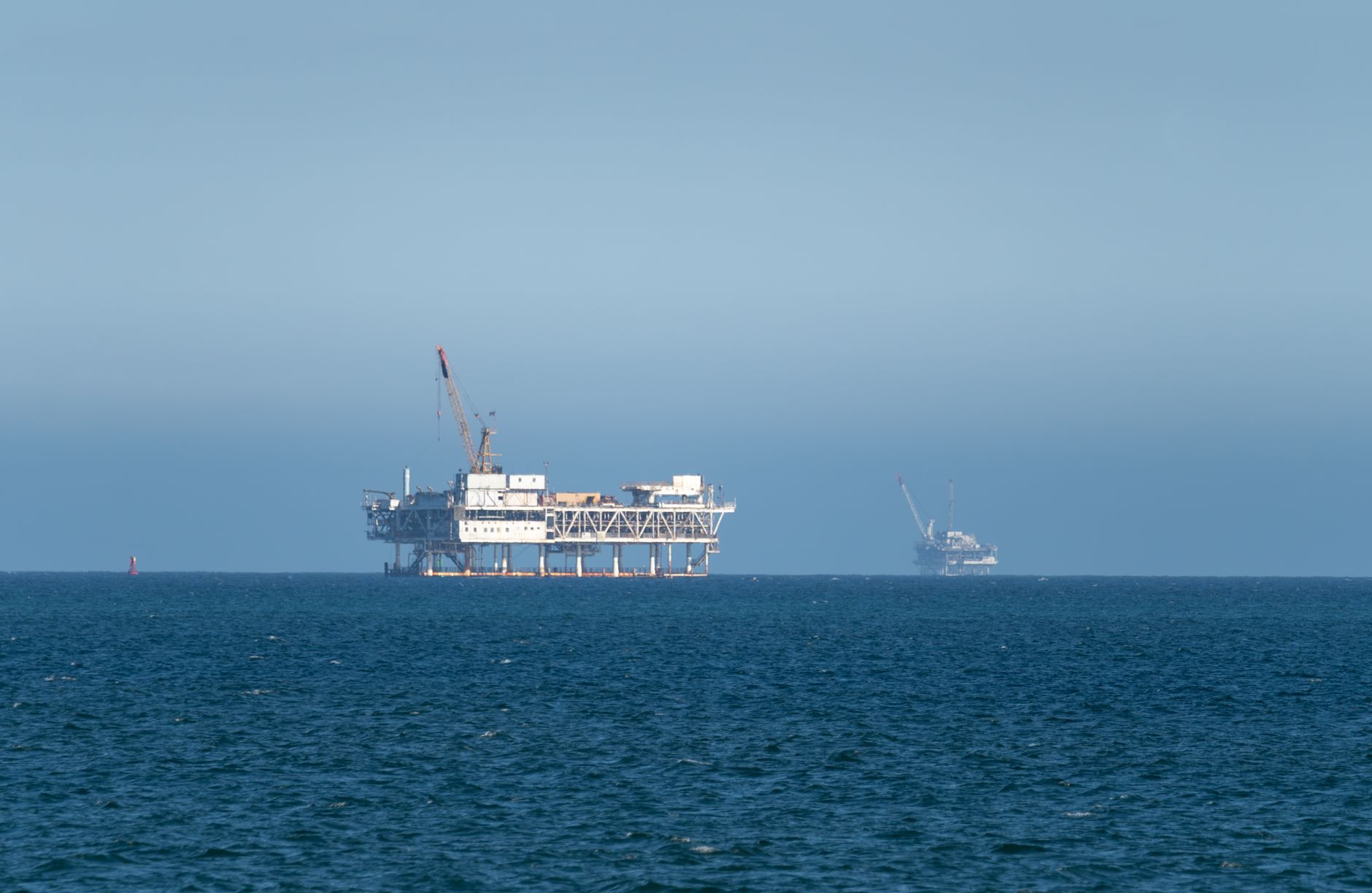
Rosebank Oil Field Offshore Life and UK Energy Approval Updates
The Rosebank oil field in the North Atlantic is currently at the center of a political debate surrounding energy policy, climate change, and economic implications. It is larger than the nearby Jackdaw field and would produce higher greenhouse gas emissions if approved for gas production. The UK government recently granted consent for gas production at the Jackdaw field, positioning Rosebank as the next crucial decision for Energy Secretary Miatta Fahnbulleh. The Petrojarl Rosebank, a floating production, storage, and offloading vessel (FPSO), is stationed 80 miles northwest of Shetland and has been chartered from Aberdeen-based Altera. The vessel supports 122 workers with single-man cabins and good facilities. Offshore conditions are challenging, with swells reaching up to 30 meters in winter, making Rosebank's environment one of the harshest in the world for oil operations, according to Altera’s CEO Chris Brett. Life on board requires endurance and adaptation to difficult weather, with employees like helideck manager Nicola Boyd working two weeks on and three weeks off. The Rosebank project’s potential approval carries significance for emissions and profitability for its owners, Adura and Ithaca. The political and environmental scrutiny makes this an important ongoing issue for regional energy development and regulatory policy. This matters for investors as it directly affects operational risks, costs, and potential revenues tied to government approvals and offshore conditions affecting production schedules.
Read More: Rosebank Oil Field Offshore Life and UK Energy Approval Updates
Russia Secretly Financed $25B Alaska Gas Project Amid U.S. Talks
Multiple reports reveal that Russia secretly funded a $25 billion natural gas project in Alaska. U.S. executives have resigned amid claims that a sanctioned Russian company, Novatek, covertly controlled the venture. The project has attracted scrutiny due to its ties to Russia's Novatek and connections to U.S. political figures. Financial and media sources including Bloomberg, the Financial Times, and The New York Times have highlighted hidden Russian financing and ownership issues. This secret involvement emerged during talks between the U.S. and the Kremlin on gas supplies, raising concerns about sanctioned entities indirectly influencing American energy projects. The revelation underscores risks in geopolitical and regulatory oversight related to energy investments. For investors, the undisclosed Russian control of a major shale gas project valued at $25 billion raises questions about ownership transparency and potential regulatory or sanction risks impacting future revenues and project viability.
Read More: Russia Secretly Financed $25B Alaska Gas Project Amid U.S. Talks
Heating Oil Costs Challenge Republicans in US Senate Races
As winter approaches, heating oil prices have become a significant issue for Republican candidates in upcoming US Senate races. Rising costs for heating oil are creating challenges that Republicans must address to appeal to voters concerned about energy expenses. The article highlights that heating oil, an essential fuel for many households during cold months, is influencing political discourse and campaign strategies. Candidates from the Republican side face pressure to propose solutions amid these growing costs, which could impact voter decisions. This development matters for investors and market watchers because political responses to energy costs can affect policy decisions, potentially influencing energy markets and related sectors. The extent to which heating oil costs alter Senate race outcomes could signal shifts in energy regulation and subsidies.
Read More: Heating Oil Costs Challenge Republicans in US Senate Races
Food Crisis Risks Rising Following Energy Crisis According to WSJ
The Wall Street Journal reported concerns that a food crisis could occur following the current energy crisis. The article explains that disruptions in energy supplies are causing potential downstream effects on food production and supply chains. Rising energy costs can increase expenses for agriculture, transportation, and food processing. The WSJ highlights how the energy crisis impacts key inputs like fuel and fertilizers, making farming more costly and possibly reducing crop yields. This tension between energy shortages and food availability could challenge markets and food security. No specific numbers were provided in the report. This development matters because energy issues may translate into higher food prices and supply challenges, affecting consumers and inflation measures. Investors should note the link between energy cost volatility and potential pressures on agriculture sectors, which can influence related stocks and commodities.
Read More: Food Crisis Risks Rising Following Energy Crisis According to WSJ
QatarEnergy to Buy 4M Tons LNG Annually from Cheniere Through 2054
QatarEnergy signed a deal with U.S. exporter Cheniere Energy to purchase 4 million metric tons of liquefied natural gas (LNG) annually until 2054. The deal prices LNG indexed to the U.S. Henry Hub gas price plus a fixed fee. Deliveries are set to begin in the 2030s. This deal represents less than 1% of the global LNG trade, which totals over 400 million metric tons annually. The agreement follows attacks associated with the Iran war, which damaged Qatar's Ras Laffan facility, removing about 17% of its LNG capacity. Qatar declared force majeure monthly since the March attack due to these uncontrollable events. Repairs are expected to take around three years, limiting Qatar's current LNG exports. This long-term deal reflects shifting global energy markets as Qatar secures U.S. LNG supply amid regional instability impacting its traditional shipping routes like the Strait of Hormuz. The deal also benefits U.S. LNG exporters, with shares of Cheniere and Venture Global rising 26% and 40% respectively since the conflict began. For investors, this contract highlights a sustained increase in demand for U.S. LNG from major global suppliers facing supply vulnerabilities.
Read More: QatarEnergy to Buy 4M Tons LNG Annually from Cheniere Through 2054
Russia Strikes Knock Out Power for 500,000 in Ukraine Amid Peace Talks
Russia and Ukraine exchanged intense strikes on civilian and energy infrastructure despite ongoing U.S.-brokered peace talks. Russia's attacks on Ukrainian energy facilities caused power outages affecting over 500,000 people across multiple regions, including Zhytomyr, Volyn, Mykolaiv, Poltava, Khmelnytskyi, and Rivne, according to Ukraine's Energy Ministry. Emergency restoration work has started where security permits. DTEK, a major Ukrainian private energy company, reported that one of its thermal power plants stopped generating electricity due to Russian shelling. Since the full-scale invasion in 2022, DTEK's thermal plants have been hit more than 230 times. Russia claimed its air defense forces intercepted 443 Ukrainian drones overnight. The attacks occurred shortly after U.S. envoy Steve Witkoff met Russian President Vladimir Putin, who expressed readiness to resume U.S.-mediated peace talks with Ukraine in November. Putin emphasized the talks' goal to secure lasting peace agreements ensuring safety for both countries, rather than temporary ceasefires. Ukrainian President Volodymyr Zelenskyy stated Ukraine paused attacks on Russian energy targets for three days but resumed them due to continued Russian strikes, while expressing willingness for a ceasefire conditioned on strong security guarantees. This ongoing conflict and destruction of infrastructure pose substantial uncertainty for regional stability and energy security. The power outage figures and repeated attacks on energy assets highlight the war’s direct impact on civilian life and infrastructure, indicating continued volatility despite diplomatic efforts.
Read More: Russia Strikes Knock Out Power for 500,000 in Ukraine Amid Peace Talks
European Indexes Decline as Energy-Intensive Stocks Weaken
European stock indexes fell due to weaker performance in energy-intensive sectors. This decline reflects the sensitivity of these stocks to current market conditions. The article highlights that energy-focused companies underperformed, pulling down overall European market indexes. Specific figures or percentages for the drop were not provided. This movement matters because energy-intensive stocks often influence broader European market trends, affecting investors' portfolio values and sector allocations.
Read More: European Indexes Decline as Energy-Intensive Stocks Weaken
Gold Prices Fall Amid Rising Energy Costs, Market Reacts
Gold prices have fallen as energy prices have risen. The rise in energy costs is putting downward pressure on gold prices, according to the report. This reflects a shift in market dynamics where increasing energy expenses can affect commodity prices like gold. The article highlights the inverse relationship between gold and energy prices, showing how cost increases in one sector can impact another. Specific figures for gold price changes or energy price increases were not provided in the article. This matters for investors as changes in energy costs can influence the performance of gold as a safe-haven asset. Rising energy prices could reduce investment demand for gold, affecting its market value and related asset portfolios.
Read More: Gold Prices Fall Amid Rising Energy Costs, Market Reacts
Britain's NESO Assures Electricity Supply Security This Winter Amid Stress Concerns
Britain's National Energy System Operator (NESO) has stated that the electricity supply will remain secure and resilient throughout this winter despite engineers' concerns. NESO's winter outlook report confirmed preparations for possible challenges during colder months, with expectations that electricity supplies will stay reliable, though it warned about potential "tight days" when additional generation notices may be required. NESO clarified that these notices are routine and do not indicate power cuts. An independent investigation by Eversheds Sutherland revealed high stress levels among NESO engineers, related to managing supply due to the shift from traditional gas-fired power to less flexible renewable sources. This transition has raised concerns about balancing supply and demand, with a reported disconnect between control room staff and NESO leadership understanding the operational pressures. Meanwhile, National Gas, a separate private company running the gas network, expects to meet demand and anticipates increased gas use for power generation during peak times because of renewable intermittency. The investigation was initiated following a whistle-blower's claims to a Conservative shadow energy secretary about NESO allegedly concealing information regarding grid security. The report highlighted operational challenges but NESO reassured that Great Britain's electricity system remains among the most secure and reliable globally. This matters for investors and consumers because it confirms that despite transitional challenges in energy sources, the risk of power disruptions remains low due to NESO's operational protocols and preparedness measures.
Read More: Britain's NESO Assures Electricity Supply Security This Winter Amid Stress Concerns
Japan May End Gasoline Subsidies in December, Reuters Reports
Japan is considering ending its gasoline subsidies in December, according to Reuters. The government has been providing these subsidies to reduce fuel costs for consumers. The move to end subsidies would impact gasoline prices, potentially leading to increases for consumers. This consideration comes amid ongoing discussions about fiscal measures and energy policy in Japan. The change matters because it could affect consumer expenses and market demand for gasoline. Ending subsidies might also influence inflation and energy sector outlooks in Japan, shaping economic and investment conditions. Investors and consumers should watch for official government announcements to confirm the timing and scale of subsidy removal and prepare for possible changes in gasoline costs.
Read More: Japan May End Gasoline Subsidies in December, Reuters Reports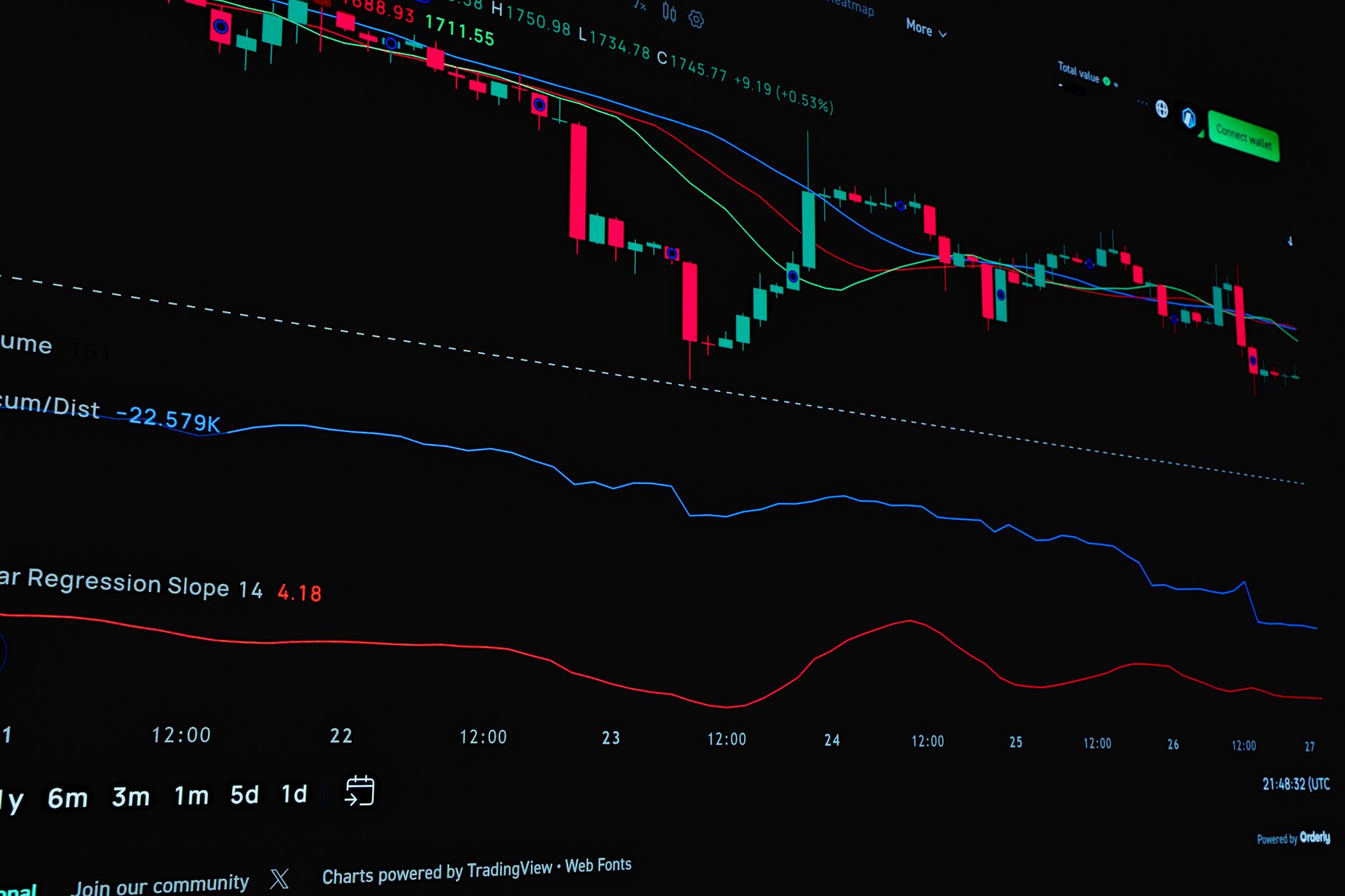
Pershing Square CEO Bill Ackman Predicts Strong 2027 Market Recovery
Bill Ackman, CEO of Pershing Square Capital Management LP, stated that ongoing geopolitical conflicts, specifically the Ukraine-Russia and U.S.-Iran wars, along with high inflation and interest rates, are currently restraining market growth. Ackman expressed optimism that once these conflicts subside, the market environment could improve significantly. Ackman highlighted that a resolution to the Russia-Ukraine conflict could cause energy prices to fall substantially. This decrease in energy costs would likely reduce inflationary pressures and benefit financial markets. He forecasted 2027 as an 'amazing' year for stocks, suggesting a potential strong market rebound. This outlook is noteworthy for investors as the easing of geopolitical tensions and lower inflation could translate into improved market returns. The shift in energy prices and inflation levels are specific mechanisms Ackman identifies that could change the investment landscape in 2027, influencing revenue and costs across sectors.
Read More: Pershing Square CEO Bill Ackman Predicts Strong 2027 Market Recovery
Diesel Price Rise Attributed to Ukraine War by Kansas Senator Roger Marshall
Kansas Senator Roger Marshall stated that the rise in diesel prices is primarily due to the war in Ukraine rather than conflict involving Iran. This comment clarifies the senator's view on the cause of current fuel price increases. The Ukraine war's impact on global energy markets is highlighted as the key factor influencing diesel price dynamics. Senator Marshall's statement places focus on geopolitical conflict in Ukraine as a significant driver of higher diesel costs. He contrasts this with the Iran war, which he suggests is not the main cause of price hikes. The comment was reported by AP News, with no accompanying data on exact pricing or timing. This matters because understanding the factors behind fuel price changes affects economic and market assessments. For investors and consumers alike, knowing that the Ukraine conflict is influencing diesel prices points to ongoing geopolitical risk affecting energy supply and costs.
Read More: Diesel Price Rise Attributed to Ukraine War by Kansas Senator Roger Marshall
Super El Niño Likely to Increase Agricultural Costs Globally
Global agricultural markets are currently facing high costs for diesel fuel and fertilizers. A "super" El Niño event is expected to further exacerbate these challenges for farmers and consumers worldwide. Although exact figures are not provided, the article highlights the potential for increased agricultural expenses due to this weather phenomenon. The El Niño event, known for causing significant climatic disruptions, tends to impact crop yields and farming operations negatively. Combined with existing high input costs like diesel and fertilizer, the super El Niño could drive up food prices and production expenses. This matters to investors as worsening conditions in agriculture can affect commodity prices, food supply chains, and related company profits. Rising costs and reduced output may impact agricultural stocks and commodity markets, influencing investment decisions tied to this sector.
Read More: Super El Niño Likely to Increase Agricultural Costs Globally
TSX Futures Rise on Elevated Oil Prices
TSX futures showed a slight increase due to elevated oil prices, indicating a positive reaction in the Canadian market. The rise in futures suggests investor optimism linked to stronger oil prices, which are a key factor for Canada's resource-driven economy. Oil prices have an important influence on the Toronto Stock Exchange as many companies are in the energy sector. The futures tick higher reflects expectations of benefits for these companies while energy prices remain elevated. This development matters for ordinary investors because it signals potential upward movement in Canadian equities related to energy. The futures increase serves as an early indicator of trading sentiment before the market opens.
Read More: TSX Futures Rise on Elevated Oil Prices
Trump Urges Data Centers to Pay Communities Dividends for Support
U.S. President Donald Trump urged data center companies to strike financial deals with local communities by paying them dividends to gain support for their facilities. He noted that data centers initially unpopular in certain areas became well accepted when financial agreements were made. Trump also mandated that new large data centers produce their own electricity and either give or sell excess power back to local grids, potentially reducing electricity prices. The rising cost of AI infrastructure has increased public opposition to data center expansions due to concerns over environmental impacts such as water usage, power consumption, and electricity prices. Many states are considering moratoriums on these developments. Data center stocks have faced pressure amid worries about the sector's financial health as companies turn to debt markets to finance growth. HSBC CEO Georges Elhedery emphasized a cautious approach to investing in this infrastructure, highlighting the need to evaluate tenancy agreement quality and contract pricing. Power availability is a major constraint for data center growth, with U.S. and European grids becoming strained by large energy users like data centers. Trump's comments underscore these challenges and his approach to balancing infrastructure expansion with local community benefits. This policy insight matters to investors because it signals potential new costs and restrictions on data center operators as well as possible impacts on electricity prices and operational expenses.
Read More: Trump Urges Data Centers to Pay Communities Dividends for Support
Halliburton (HAL) Stock Price Target Raised by TD Cowen on Growth Outlook
TD Cowen has increased the stock price target for Halliburton (HAL) based on a positive growth outlook. This adjustment reflects the firm's confidence in Halliburton's future business prospects amid current market conditions. The rating change follows recent evaluations of Halliburton's operational performance and sector dynamics. TD Cowen's revised target suggests anticipated revenue or earnings growth, although specific numeric targets or percentage changes were not disclosed. This update is significant for investors tracking energy services companies as it signals analyst optimism towards Halliburton's strategic position. The raised price target may influence trading activity and investor sentiment toward HAL shares.
Read More: Halliburton (HAL) Stock Price Target Raised by TD Cowen on Growth Outlook
Europe Sees 500,000 Protests Over Cost of Living and Public Services
Hundreds of thousands of protesters marched across several European countries over the weekend, expressing frustration on high living costs and strained public services. France witnessed the largest turnout with more than 500,000 people demonstrating on October 17, 2026. The protests originated from various issues including deteriorating school conditions in France, a sharp rent increase and eviction in Spain, and poor university conditions in Albania. High fuel and energy prices are a shared backdrop, exacerbated by wars in Iran and Ukraine that pushed diesel prices higher across Europe. Some demonstrations saw violence such as looting, vandalism, clashes with police, and arson incidents. These protests highlight the challenge governments face balancing improved living conditions and public service support with maintaining fiscal discipline. Rising housing costs and energy prices continue to strain households in multiple countries. The unrest underscores widespread public discontent with the current economic and social environment. For investors, these protests indicate heightened political risks and potential disruptions that could affect consumer spending and economic stability in Europe. The pressure on public finances and social services may influence future policy decisions impacting market conditions.
Read More: Europe Sees 500,000 Protests Over Cost of Living and Public Services
Granite Asia Sees Asian Startups IPO in 4-5 Years, Half Western Timeline
Jenny Lee, senior managing partner at Granite Asia, said Asian startups are going public faster than before, reaching IPOs in just four to five years. This is about half the usual eight to 10 year private holding period typical in Western markets. Lee shared this insight at the DBS Asia Future Forward Conference in Singapore. Granite Asia has invested in over 40 equity deals in the past two years, working with startups from early funding rounds through public listings. Lee noted that later-stage companies are improving productivity and becoming profitable faster. The firm focuses on sectors such as artificial intelligence applied to science, robotics, energy storage, and apps targeting Asian subcultures in countries like India and Japan. This acceleration in IPO timing reflects a shift in Asian venture capital dynamics and could impact market supply of new public tech stocks. Faster public listings might increase investment opportunities sooner, while boosting innovation around energy and regional digital technology. Investors could see changes in revenue and profitability timelines for startups moving to public markets more quickly than before.
Read More: Granite Asia Sees Asian Startups IPO in 4-5 Years, Half Western Timeline
3 Canadian Energy Stocks Gain Focus for Cash Returns
Three Canadian energy stocks have recently drawn investor attention due to their attractive cash returns. This renewed focus highlights the potential income opportunities in the sector amid prevailing market conditions. The article emphasizes the importance of cash returns as a factor for investors evaluating energy stocks in Canada. Specific stock names or exact figures were not provided, but the overall trend suggests heightened interest in dividend or cash yield as part of investment strategies. For ordinary investors, this focus on cash returns matters because it highlights income-generating potential in energy stocks. Investors seeking steady cash flow may find opportunities in these Canadian energy companies based on the discussion.
Read More: 3 Canadian Energy Stocks Gain Focus for Cash Returns
IMF Chair Highlights Global Resilience Amid Tensions
The International Monetary Fund (IMF) steering committee, led by Saudi Arabian Finance Minister Mohammed Al-Jadaan, emphasized the global economy's resilience despite ongoing challenges. At a press briefing in Bangkok on October 17, 2026, Al-Jadaan highlighted the importance of unity among members and the agreement on the chair's statement, despite a walkout by nearly half of the delegates during Russia's finance minister's remarks. The statement underscored that the global economy shows remarkable resilience amidst wars, threats to energy and food security, high debt levels, and AI-related risks. Al-Jadaan stressed the need for fiscal authorities to build financial buffers while still supporting vulnerable populations and growth investments. He also highlighted the importance of maintaining central bank independence and encouraging private sector-led growth. The chair's statement warned that escalating conflicts and trade tensions could worsen critical trade routes, impact commodity prices, and destabilize energy and food security. IMF Managing Director Kristalina Georgieva noted that while the meetings were productive, there was anxiety about growing divergences, with some lower-income countries expressing concern over not keeping pace with AI advancements. This resilient economic outlook matters for investors as it suggests that while the global economy is under pressure, there is collective determination to maintain stability and pursue growth-supportive policies. The focus on rebuilding buffers and supporting private sector growth indicates paths for potential future economic recovery and investment opportunities.
Read More: IMF Chair Highlights Global Resilience Amid Tensions
Vermilion Energy (TSX:VET) Undervalued Amid Strong Sales
Vermilion Energy (TSX:VET) is perceived as undervalued according to a recent Yahoo Finance analysis. The company's stock remains attractive due to strong sales performance, suggesting potential growth despite current market conditions. The article emphasizes the strength of Vermilion's sales as a key factor for its valuation. No specific sales figures or revenue numbers are provided in the article, making quantitative analysis difficult. Strong sales performance is highlighted as a central factor in the company's current valuation. The article does not specify the exact figures but implies that the business fundamentals support the case for the company being undervalued. For investors, the implication is that Vermilion's attractive valuation could offer potential upside if the strong sales trend continues. The lack of detailed financial data in the article leaves the exact impact on future earnings projections or stock prices unclear.
Read More: Vermilion Energy (TSX:VET) Undervalued Amid Strong Sales
Mideast Conflict Impacts Global Bunker Fuel Purchases
The ongoing Middle East conflict has significantly influenced global bunker fuel purchasing patterns, according to industry executives. The geopolitical tensions have prompted shifts in where and how bunker fuels are bought, with buyers seeking more reliable and less politically exposed sources. This change in purchasing behavior highlights the strategic importance of securing consistent energy supplies amid regional instability. Some suppliers in Europe and Asia may see increased demand as buyers diversify their sources away from the conflict zone. The situation underscores the interconnected nature of global energy markets and the impact of geopolitical events on supply chain decisions. Industry stakeholders are closely monitoring developments to adjust their strategies accordingly. For investors and companies involved in the energy supply chain, understanding these shifts is crucial. The changes may affect operational costs and logistics strategies, impacting profitability. Investors should note how energy companies adapt to these shifting buying patterns and what strategic measures they take to secure supply chains amidst geopolitical uncertainties.
Read More: Mideast Conflict Impacts Global Bunker Fuel Purchases
Trump Announces Greenland Exploration Plans Amid Complexity
Former President Donald Trump announced that oil, gas, and mineral exploration in Greenland is set to commence. However, the process is not straightforward, involving legal, environmental, and geopolitical complexities. Trump's statement contrasts with the logistical challenges and regulatory hurdles that need to be addressed before any exploration can start. Greenland, being a strategic location with potential untapped resources, draws significant attention, but stakeholders must navigate a host of issues to proceed with exploration initiatives. This matters for investors interested in energy and mining sectors, as potential future projects in Greenland depend on overcoming these multifaceted challenges.
Read More: Trump Announces Greenland Exploration Plans Amid Complexity
Russia Attacks Ukraine Power Grid, 600,000 Lose Power
Russia launched an overnight attack on the Ukrainian energy infrastructure, impacting at least 600,000 people in the Kyiv and Kharkiv regions, according to President Volodymyr Zelenskyy. The attack resulted in significant damage, hitting 26 facilities within the power system and 4 in the oil and gas sector, as reported by Zelenskyy on X. The ballistic missile strike was targeted at the energy infrastructure and violated the 'energy ceasefire' announced by former President Donald Trump, which aimed to reduce energy attacks to help lower oil and diesel costs. Ukrainian authorities initially denied knowledge of any ceasefire agreement but have since welcomed such a proposal. Russian authorities have indicated ongoing discussions regarding the ceasefire but are yet to confirm an agreement. Russia's Foreign Minister Sergey Lavrov referenced Zelensky's response, who claimed ignorance about any such agreement and expressed willingness for clarification and readiness for a ceasefire. This attack underscores the continued volatility and uncertainty in the geopolitical landscape affecting energy infrastructure in the region. For investors, this development highlights ongoing risks to energy supply stability, which may impact energy markets and prices.
Read More: Russia Attacks Ukraine Power Grid, 600,000 Lose Power
Taiwan Agrees to Buy 30% of LNG from Alaska Pipeline
Former U.S. President Donald Trump has announced that Taiwan has agreed to purchase 30% of liquefied natural gas (LNG) from a planned pipeline project in Alaska. This agreement signifies a significant development for the Alaska pipeline project, as it secures a substantial buyer for the LNG. The pipeline project, which aims to tap into Alaska's vast natural gas reserves, is expected to enhance energy exports from the U.S. and strengthen economic ties with Taiwan. However, the article does not specify financial terms or projected revenues from this agreement. This matters for investors as securing a major buyer could improve the project's viability and potentially enhance returns for stakeholders involved in the Alaska LNG infrastructure.
Read More: Taiwan Agrees to Buy 30% of LNG from Alaska Pipeline
Heating Oil Faces Regulation as Prices Double in Past Year
Heating oil customers in the UK are facing higher bills with prices nearly doubling in the past year. The government has promised to enhance regulation, promote competition, and offer clearer compensation routes for consumers. They plan to review minimum order levels and develop a regulatory regime to protect consumers and foster competition. However, there is no proposal to apply an energy price cap similar to that on gas and electricity tariffs, nor a timeline for implementing new rules. Heating oil users have been offered discounts on heat pumps and a code of practice is in place, but current practices require some customers to order minimum amounts, often 500 litres, which can result in higher payments for unused oil. The situation remains a challenge for approximately 1.5 million households in the UK that rely on heating oil without the same protections as electricity and gas users. Ofgem's regulations, affecting gas and electricity in Great Britain, are separate from those in Northern Ireland where most heating oil consumers are located. The government intends to discuss recommendations with the Northern Ireland Executive.
Read More: Heating Oil Faces Regulation as Prices Double in Past Year
Trump Defends Russia Diesel Deal Amid Criticism
Former President Donald Trump has defended a deal involving the import of Russian diesel amid bipartisan backlash. Critics from both political parties have expressed concern over the agreement, which they see as counter to American energy independence priorities. Details regarding the volume of diesel involved or specific financial terms were not disclosed in the statement. Trump argued that the deal addresses market demands and supports economic interests, though opponents argue it may undermine energy autonomy. The bipartisan criticism emphasizes the political challenge in balancing international trade agreements with domestic energy policies. Energy analysts have pointed out potential implications for U.S. refineries and the broader fuel market, but exact figures and projections are not specified. The situation highlights tensions between international trade interests and national energy goals. For ordinary investors, the controversy surrounding this deal underscores the complexities involved in energy trade policies and their potential impact on related industries. Observing political and market responses may reveal future implications for energy companies.
Read More: Trump Defends Russia Diesel Deal Amid Criticism
Truist Predicts Comeback for Struggling Solar Stock
A solar stock that has lost one-third of its value this year is seen as having potential for recovery by Truist. The stock's decline highlights challenges faced by the company in the solar industry this year. Truist's optimistic outlook suggests a potential turnaround, which could impact investor sentiment and future trading volumes. The decline in value by approximately a third this year reflects difficulties within the industry or specific operational challenges faced by the company. However, Truist's forecast of a rebound indicates potential positive changes or improvements on the horizon for the firm. For investors, Truist's prediction suggests potential upside if the company's situation improves, impacting future stock performance and market actions.
Read More: Truist Predicts Comeback for Struggling Solar Stock
Russia Strikes Power Plants After US Announcement: Zelenskyy
Ukrainian President Volodymyr Zelenskyy reported that Russia has conducted strikes on power plants in Ukraine. This development comes shortly after an announcement made by the US President on Sunday. The strikes are perceived as a violation of what Zelenskyy refers to as Trump's 'energy ceasefire'. This 'energy ceasefire' is not officially recognized and seems to be a term used to describe a period of reduced hostilities towards energy infrastructure. The actions highlight ongoing tensions between Ukraine and Russia, particularly in energy sectors, which are crucial for Ukraine's infrastructure and economy. There were no specific reports on the scale of damage or the number of power plants affected. For investors, these attacks suggest continued instability in Ukraine's energy sector, potentially affecting energy supplies and economic stability in the region.
Read More: Russia Strikes Power Plants After US Announcement: Zelenskyy
Trump Claims Energy Ceasefire Between Russia and Ukraine
President Donald Trump announced an 'energy ceasefire' between Russia and Ukraine, but it remains unclear if both nations have formally agreed to it. Trump stated on social media that the ceasefire was effective immediately and urged both parties not to break it. However, there was no additional information provided by the White House beyond Trump's statement. Ukrainian President Volodymyr Zelenskyy expressed support for the ceasefire, emphasizing the need for Russia's cooperation and more information from the American side. The backdrop to this announcement includes rising global energy costs, driven by the U.S. conflict with Iran and its impact on oil and gas supplies. Trump mentioned a deal with Russian President Vladimir Putin to ensure the availability of Russian diesel on the market. The potential truce could ease the strain on energy supplies, particularly ahead of the winter season. A resolution to the ongoing energy conflict between Russia and Ukraine is significant due to its potential impact on global energy prices. Investors may see changes in energy market dynamics if the ceasefire is implemented and upheld.
Read More: Trump Claims Energy Ceasefire Between Russia and Ukraine
Senator Questions Legality of Trump's Russian Diesel Deal
A prominent Republican senator has raised concerns over the legality of a diesel deal involving former President Trump and Russia. The senator suggests that the deal might violate U.S. laws, although details about which specific laws could be breached were not provided. This comes amid heightened scrutiny of U.S. energy dealings with Russia, particularly following sanctions and geopolitical tensions. The senator's statement may prompt further investigation or legal review to clarify the deal's compliance with existing regulations. No immediate legal actions have been announced, and it remains to be seen how the issue will develop. The discussion adds to the ongoing energy trade conversation between the U.S. and Russia. For investors, the legality and potential fallout of this deal could impact companies involved in energy trading, though specifics regarding involved corporations or financial figures were not disclosed in the article.
Read More: Senator Questions Legality of Trump's Russian Diesel Deal
Ukraine Allies Vow to Pressure Moscow Amid Ceasefire Claims
Ukraine's allies have vowed to increase pressure on Moscow. This comes as claims circulate about an 'energy ceasefire'. No official confirmation of such a ceasefire has been reported. Ukrainian President Zelenskyy remains a central political figure, despite suggestions from the US President that he should be replaced, which have caused surprise in Kyiv and among European nations. Such geopolitical tensions may affect international relations and energy markets, highlighting the ongoing impact of the Ukraine conflict on global affairs.
Read More: Ukraine Allies Vow to Pressure Moscow Amid Ceasefire Claims
Trump Announces Russia-Ukraine 'Energy Ceasefire' Deal
Donald Trump announced that Russia and Ukraine have reached an 'energy ceasefire,' though no specific details were provided. This announcement follows ongoing tensions between the two countries over energy supplies, which have been critical in their broader geopolitical conflict. Such energy disputes have often led to concerns in global energy markets given the significance of Russian energy exports to Europe and the potential impact on energy prices. However, details on what this ceasefire precisely entails, its terms, or how it will be implemented have not been disclosed by Trump or subsequent reports. The lack of specifics makes it difficult for investors and analysts to assess the potential impact on energy markets or related stocks. This matters to investors because energy supply agreements between major market players like Russia and Ukraine can influence energy prices and stability in global markets.
Read More: Trump Announces Russia-Ukraine 'Energy Ceasefire' Deal
US Seeks Russian Diesel Amid Ukraine Political Tensions
The United States is reportedly seeking to secure diesel supplies from Russia. This move comes as political tensions between the U.S. and Ukraine rise due to comments from former President Trump, who has called for a new Ukrainian president. Such geopolitical developments could impact energy markets, as the U.S. looks for alternative energy sources amidst its diplomatic disputes with Ukraine. Russian diesel could provide a strategic energy resource for the U.S., but the deal would depend on current international relations and trade policies. These tensions highlight the interconnectedness of energy markets and geopolitical factors, influencing global supply strategies. For investors, this situation underscores the potential volatility in energy markets influenced by political dynamics.
Read More: US Seeks Russian Diesel Amid Ukraine Political Tensions
Trump Criticizes Zelenskyy Amid U.S. Diesel Price Blame
President Donald Trump criticized Ukrainian President Volodymyr Zelenskyy, suggesting Ukraine should have a new leader. Trump cited Zelenskyy's failure to end the war with Russia and attributed high diesel prices in the U.S. to Ukraine. The remarks were made during bilateral talks at the NATO Summit on July 08, 2026, in Ankara, Turkey. Trump also announced a deal with Russian President Vladimir Putin to purchase diesel from Russia to address these high fuel prices, before the U.S. midterm elections. Ukrainian and European officials expressed dismay at Trump's diesel agreement with Russia, arguing it supports Russia's war efforts. High diesel prices are partly due to disrupted oil supplies from the Middle East since the start of the Iran conflict. An Associated Press-NORC poll showed American disapproval of Trump's handling of the Iran situation and its impact on prices. According to Ukrainian officials, recent Russian bombings in Zaporizhzhia killed at least 20 people, including three children. This development is significant for investors as it highlights geopolitical tensions and their impact on energy prices. The diesel agreement and high prices could affect U.S. economic stability and international relations, influencing market sentiment.
Read More: Trump Criticizes Zelenskyy Amid U.S. Diesel Price Blame
Saudi Summits Face Attendance Pressure After Airport Attacks
Executives are reconsidering their attendance at two major summits in Saudi Arabia following recent deadly airport attacks. The events in question are the World Petroleum Council Energy Congress and the Future Investment Initiative. These gatherings are significant for discussing global energy trends and investment opportunities. The attacks have raised security concerns, affecting potential turnout. This development is important as it could impact the discussions and deals typically forged at such events, which in turn, could influence global energy and investment strategies.
Read More: Saudi Summits Face Attendance Pressure After Airport Attacks
Trump Announces Diesel Deal with Russia Despite Sanctions
President Donald Trump announced that Russia will supply diesel fuel to the global market, a shift from recent U.S. measures targeting Russian energy exports. The announcement comes shortly before a midterm election, with Trump asserting that the move will help lower high diesel prices. Critics, however, point out contradictions with recent U.S. legislation like the Lindsey O. Graham Sanctioning Russia and Iran Act of 2026, which was enacted to impose tariffs on buyers of Russian oil or gas. Key figures, such as Sen. Richard Blumenthal and Rep. Michael McCaul, expressed concerns about the alignment of this agreement with congressional intent to pressure Moscow economically. The criticism suggests inconsistency with the enforcement of existing sanctions. Comments from political figures and experts highlight the perceived conflict between reducing fuel prices and maintaining pressure on Russia to end the war in Ukraine. This decision is significant for investors monitoring energy markets, as the supply and price of diesel can influence related sectors. The diesel deal's impact on sanctions poses questions about future U.S. foreign and energy policies.
Read More: Trump Announces Diesel Deal with Russia Despite Sanctions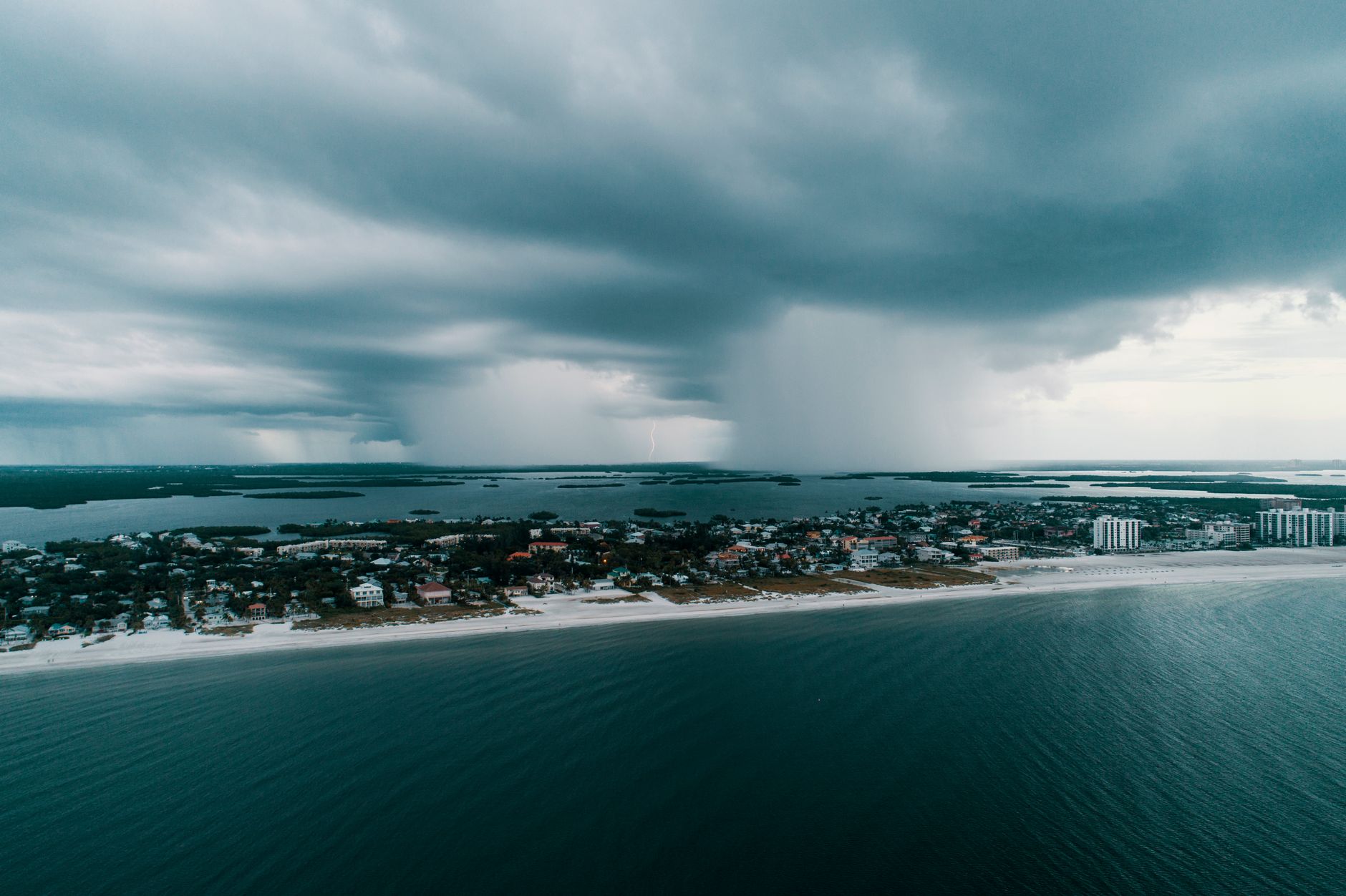
Hurricane Isaias Strengthens, US Gulf Coast Prepares
Hurricane Isaias has intensified as it approaches the US Gulf Coast, raising concerns about potential disruptions in the region. Authorities in affected areas are preparing for landfall, emphasizing the importance of safety measures and evacuation plans. The storm's trajectory and intensity have led to heightened vigilance among residents and local governments, as they brace for possible impact. The strengthening hurricane could lead to disruptions in several sectors, notably impacting both local economies and larger supply chains that rely on the Gulf Coast's transportation and energy infrastructure. The Gulf Coast is a critical region for energy production and refining, which may see operations temporarily halted due to severe weather conditions. Preparing for potential damages and ensuring safety protocols are vital priorities for those in the hurricane's path. For ordinary investors, the potential impact of Hurricane Isaias on energy prices and supply chains could lead to short-term volatility in related markets. This event underscores the importance of considering environmental risks when evaluating investment opportunities in exposed industries.
Read More: Hurricane Isaias Strengthens, US Gulf Coast Prepares
Top 5 Canadian Energy Stocks Offer High Yields
The article highlights five Canadian energy stocks that are considered to provide both high yields and strong returns, making them potential options for investors seeking inflation protection. The highlighted companies are positioned to benefit from current market conditions with some offering substantial dividend yields. The article suggests that these energy stocks have consistently performed well in terms of returns, attracting investor interest amid inflation concerns. Specific figures or company names are not disclosed within the article text. This selection of energy stocks aims to help investors weather the effects of economic inflation by providing reliable dividends and potential growth. Understanding the financial details and market position of these energy stocks is important for making informed investment decisions.
Read More: Top 5 Canadian Energy Stocks Offer High Yields
Rate Fears and Energy Risks Impact TSX Outlook
The TSX is expected to experience a volatile week impacted by concerns over interest rates and energy sector risks. Investor sentiment is being affected by these macroeconomic factors, potentially leading to fluctuating market conditions. Investors are closely monitoring the situation as it evolves. Current concerns could lead to heightened caution in the financial markets, impacting trading strategies in the short term.
Read More: Rate Fears and Energy Risks Impact TSX Outlook
$1,000 Investment in 6 Energy Stocks: Yearly Dividends Explained
The article examines potential dividends from investing $1,000 in six energy dividend stocks over a year. While precise dividend payouts for each stock are not listed, the article implies that such investments can provide steady income, though total returns can vary based on market conditions and each stock's performance. Energy companies often offer higher dividends compared to other sectors due to their cash flow characteristics and capital return strategies. Readers should consider individual company financial health and sector volatility when investing in energy stocks for dividends. Energy companies often pay dividends from stable cash flows generated from operations like oil and gas production. This attracts income-focused investors, especially in high-dividend sectors like energy. Factors such as global oil prices and individual company policies impact dividend sizes. Investors looking for income should assess dividend stocks for regular payouts and growth potential. The article highlights income from energy stocks as a strategy for predictable returns, but volatility in oil markets can pose risks.
Read More: $1,000 Investment in 6 Energy Stocks: Yearly Dividends Explained
Energy Stock Surges 71% Amidst Market Dollar Jitters
Markets experienced fluctuations due to concerns over the dollar, but one energy stock managed a significant increase of 71%. This movement contrasts with broader market volatility prompted by the dollar's instability. Such fluctuations can affect investor decisions and asset allocations, reflecting concerns over currency stability across global markets. The specific energy stock's rise highlights potential sector resilience or unique company developments amidst these challenges. Investors may need to consider how currency and sector-specific factors interact in influencing market performance.
Read More: Energy Stock Surges 71% Amidst Market Dollar Jitters
Markel International Unveils New Energy Property Offering
Markel International has introduced a new energy property offering targeting small to midsize businesses in the US. This initiative aims to support companies operating in the chemical and oil & gas sectors by providing specialized coverage. The new product is expected to address specific insurance needs of these industries, focusing on US-domiciled businesses in the energy sector. The launch is part of Markel International's strategy to enhance its footprint in the energy market. By targeting small and midsize enterprises, Markel aims to capture a significant portion of this niche segment. This move could potentially boost Markel's market share within the specialized insurance industry. For investors, this development indicates Markel's commitment to expanding its product offerings and tapping into underserved markets. Such strategic initiatives could positively impact revenue from these sectors in the long run.
Read More: Markel International Unveils New Energy Property Offering
IEA to Release 100 Million Barrels from Strategic Reserves
The International Energy Agency (IEA) announced a plan to release 100 million barrels of oil from strategic reserves. This move aims to stabilize global oil markets amidst ongoing supply disruptions. The released oil is expected to help manage pricing pressures due to various geopolitical factors affecting the energy sector. The decision to accelerate the release comes in response to heightened concerns about energy security and market volatility. By increasing supply, the IEA seeks to mitigate price hikes affecting consumers and businesses worldwide. This release is part of a broader strategy to ensure energy stability.
Read More: IEA to Release 100 Million Barrels from Strategic Reserves
Trump's Hormuz Comments Highlight Asia's Energy Vulnerability
Singapore's foreign minister, Vivian Balakrishnan, stated that President Donald Trump is not 'completely wrong' in suggesting that disruptions in the Strait of Hormuz are primarily an Asian problem. Balakrishnan pointed out that Asian economies such as Korea, Japan, and China, are majorly dependent on energy transfers through this critical waterway. Asian countries are urged to take more responsibility for securing the Strait instead of relying on U.S. protection efforts. Balakrishnan emphasized the importance of maintaining freedom of navigation through international waterways, which he described as 'non-negotiable' for Singapore. He cited the United Nations Convention on the Law of the Sea, stressing the need for free passage and navigation. The suggestion is that if Iran were to assert control over Hormuz, it would not only affect revenues but also grant Iran significant leverage, equating such power to potential power from a nuclear weapon. The ongoing tensions around the Strait of Hormuz exemplify a broader concern for investors in Asian markets, as the disruption of energy flows could have significant economic implications. For ordinary investors, understanding the dynamic around Hormuz is crucial, as it could impact energy supply and market stability in Asia.
Read More: Trump's Hormuz Comments Highlight Asia's Energy Vulnerability
Trump Eases Limits on Diesel Variety to Curb Costs
Donald Trump has signed an order aimed at reducing restrictions on a variety of diesel fuel. This move is intended to alleviate costs associated with diesel. The order highlights the administration's approach to managing fuel availability and prices by adjusting government-imposed limits. It reflects efforts to address concerns related to energy costs and supply dynamics, particularly as they pertain to diesel fuel. The decision to ease these restrictions can have significant implications for the diesel market and sectors dependent on diesel fuel, such as transportation and logistics. Reducing regulatory constraints on diesel varieties could potentially lead to increased supply and reduced prices, aiming to benefit both consumers and industries reliant on diesel. This change matters to investors as it signals a potential shift in diesel pricing and availability. By easing restrictions, the administration is attempting to influence the fuel market, which can impact the operational costs of businesses relying on diesel fuel.
Read More: Trump Eases Limits on Diesel Variety to Curb Costs
Energy & Utilities Market News Highlights
The Wall Street Journal releases the latest roundup of market talks regarding the energy and utilities sectors. The article highlights various discussions and developments in these industries, focusing on key factors influencing the market. It includes details on current trends, policy implications, and potential future impacts affecting energy companies and utility providers. Market participants are closely following updates and movements within these sectors, assessing how they might influence both short-term and long-term market dynamics. The report also sheds light on any policy changes that could have a significant impact on operations and profitability for companies within these industries. For investors, understanding developments in the energy and utilities markets is crucial to making informed decisions. These sectors play a vital role in the global economy, and changes can affect everything from stock performance to energy prices.
Read More: Energy & Utilities Market News Highlights
Oil Market Turmoil May Persist for Years, Executives Warn
Executives in the oil industry have indicated that the current turmoil in the oil market may persist for several years. This sentiment was expressed during a recent industry meeting, where leaders discussed the ongoing challenges facing the sector, such as geopolitical instability and fluctuating demand. The discussions focused on the potential long-term impacts on oil prices if these issues are not resolved. The executives highlighted several factors contributing to the market's instability, including supply chain disruptions, regulatory changes, and the transition to renewable energy sources. These elements have combined to create a volatile environment that could affect investment and production decisions in the coming years. Some executives also noted that without significant policy shifts, the sector might face prolonged periods of uncertainty. This matters for investors as it implies that oil prices could remain unpredictable, potentially affecting energy stocks. Market participants should be prepared for continued volatility as the industry navigates these complex challenges.
Read More: Oil Market Turmoil May Persist for Years, Executives Warn