MiddleEast News & Analysis
50 articles
Market Mood

Iran Fortifies Nuclear Sites Amid U.S. Strike Concerns
Iran is reportedly enhancing its military defenses as it anticipates potential U.S. military action following the November midterm elections. According to The Wall Street Journal, Iran is reinforcing defenses at critical locations like nuclear sites and preparing its population for war through rallies and missile training. U.S. President Donald Trump stated that American forces would not attack Iran before the midterm elections on November 3. Meanwhile, a Saudi-led coalition has intercepted a ballistic missile shot at Riyadh, highlighting ongoing regional tensions. This includes multiple Houthi attacks on Saudi energy facilities and airports, leading to casualties and the temporary closure of King Khalid International Airport. Additionally, a thwarted attack on an air force base in the U.K. allegedly directed by Iran's Islamic Revolutionary Guard has raised security concerns. British officials summoned the Iranian ambassador in response. Iran's actions are part of broader defensive preparations amid apprehensions about potential conflict escalation in the Middle East. The article underscores increased geopolitical tensions that may impact global security dynamics. For investors, these developments could affect markets linked to geopolitical stability, especially in the Middle East. The situation highlights risks that may influence global oil prices and supply chains.
Read More: Iran Fortifies Nuclear Sites Amid U.S. Strike Concerns
Multiple Airstrikes Target Houthi Rebels in Yemen
In a recent development, Houthi rebels reported being targeted by multiple airstrikes in Yemen. This event adds to the ongoing tensions in the Middle East, involving various factions and external powers. The article does not specify who conducted these airstrikes or provide additional numerical data on the events. The impact on regional stability and geopolitical relations remains uncertain, with potential implications for broader Middle East dynamics. Ordinary investors should note that escalating conflicts in the Middle East can affect global oil supply and prices, impacting energy sector investments.
Read More: Multiple Airstrikes Target Houthi Rebels in Yemen
Travel Warnings Issued After Houthi Attacks on Riyadh Airport
Several countries have issued travel warnings following attacks by Iran-backed Houthi militants on King Khalid International Airport in Riyadh, Saudi Arabia. The Saudi aviation authority has extended the suspension of operations at the airport due to the fatal strikes, which have resulted in 13 deaths and over 300 injuries. These warnings come from Australia, New Zealand, and others including the U.K., U.S., Canada, France, Germany, and Japan. The attacks have highlighted vulnerabilities in Saudi Arabia's defense systems despite significant military expenditures. The timing coincides with Saudi Arabia hosting international conferences like the World Petroleum Congress, amplifying the impact of these events on global perceptions of safety and stability in the region. Meanwhile, diplomatic tensions rise as the U.S. contemplates joining Saudi Arabia in potential retaliation, while Iran signals willingness for dialogue. These developments bear significant implications for global travel, regional security, and the political dynamics in the Middle East.
Read More: Travel Warnings Issued After Houthi Attacks on Riyadh Airport
Oil Prices Rise Amid Mideast Conflict and Tanker Attacks
Oil prices have increased as ongoing Middle East conflict and tanker attacks continue to cause concerns about supply disruptions. The geopolitical tensions in the region have raised fears of potential impacts on oil transport and availability, leading to higher prices in the global oil market. This situation highlights the vulnerabilities in oil supply chains and their susceptibility to geopolitical events. Investors in the oil markets are reacting to these developments, with increased focus on Middle Eastern oil supply stability. This matters for investors as geopolitical uncertainties can lead to price volatility in the oil market, impacting the costs and revenues of involved companies and sectors.
Read More: Oil Prices Rise Amid Mideast Conflict and Tanker Attacks
Trump Considers Saudi Support After Deadly Houthi Attacks
U.S. President Donald Trump stated he is considering joining Saudi Arabia in retaliating against the Iran-backed Houthis in Yemen. This decision follows a deadly attack on Saudi Arabia's King Khalid International Airport in Riyadh that killed 12 people and injured 309. Trump's comments were made in Washington, D.C. on October 10, 2026, in response to the attack and Saudi Arabia's urgent request for U.S. defense support. This potential involvement could draw the U.S. further into the ongoing conflict involving Iran in Yemen. The U.S. administration recently approved a potential $24.3 billion sale of nearly 50 F-35 warplanes to Saudi Arabia, highlighting strategic ties between the two nations amid the conflict escalation. The Saudi-led coalition, fighting against the Houthis, reported that the attack was a 'war crime', as per Colonel Turki Al-Maliki's statement, and vowed a decisive response. Riyadh's airport, which had been attacked for the second time within a week, remains operative with an upcoming international energy conference still scheduled in the city. The Houthis have issued renewed warnings against using Saudi airports, except for those in Mecca and Medina, claiming they are theaters of operations.
Read More: Trump Considers Saudi Support After Deadly Houthi Attacks
Trump Considers Iran Strikes After Saudi Airport Attack
In a recent development, former President Trump is considering renewing strikes against Iran following an attack on a Saudi airport that resulted in the death of 12 people. This situation is causing heightened tensions in the region, as relations between the U.S. and Iran remain strained. The attack on the Saudi airport has been attributed to Iran-backed forces, prompting discussions about a potential military response from the U.S. According to officials, the attack has raised concerns about the stability in the Middle East, and debates within the U.S. administration about how to respond. Trump's potential consideration of military action reflects the ongoing complexity of geopolitical dynamics involving the U.S., Iran, and Saudi Arabia. Any decision to proceed with strikes may have significant implications for international relations and oil markets. For investors, the prospect of renewed military action in the Middle East can have consequences on global oil prices and market stability. Rising tensions could lead to disruptions in oil supply, impacting energy stocks and possibly influencing broader market sentiments.
Read More: Trump Considers Iran Strikes After Saudi Airport Attack
Saudi Arabia Closes Riyadh Airport After Houthi Attack
Saudi Arabia has temporarily closed Riyadh Airport following a missile attack by Houthi forces. The attack resulted in dozens of injuries. The details around the number of injuries or the extent of damage have not been provided. This closure marks a significant disruption in air travel for the region and could impact both personal and commercial flights in Saudi Arabia. Airlines and travelers are closely monitoring the situation for updates on the reopening of the airport. The attack signifies ongoing tensions in the region, which may have broader implications for security and stability in the Middle Eastern aviation sector.
Read More: Saudi Arabia Closes Riyadh Airport After Houthi Attack
Saudi Capital Airport Attacked Again, Officials Confirm
Officials have confirmed another attack on the airport in the Saudi capital. Details surrounding the attackers or the extent of the damage have not been made public. This marks a continuation of security challenges faced by infrastructure in the region. The attack could have implications for travel safety perceptions and international relations concerning the region. The repeated incidents at key infrastructure sites in Saudi Arabia underline ongoing security concerns. No specific group has claimed responsibility, and the Saudi authorities have yet to release detailed information about the nature or impact of the attack on the airport functions. For investors, continued instability in Saudi Arabia could impact markets tied to Middle Eastern geopolitics, potentially affecting oil prices and firms with regional exposure.
Read More: Saudi Capital Airport Attacked Again, Officials Confirm
Ceasefire in Gaza: Stalled Progress One Year Later
A US-brokered ceasefire intended to halt the conflict in Gaza has not led to significant progress as anticipated a year on. The ceasefire, introduced with the aim of reducing violence and fostering peace in the region, hasn't achieved the desired outcomes, raising concerns about future stability and peace efforts. This development highlights ongoing geopolitical challenges in the area, reflecting a complex situation without a definitive resolution. The stalled progress signifies broader implications for regional security and international diplomatic efforts. The situation underscores the difficulties in maintaining and enforcing peace agreements amid persistent political tensions. The lack of advancement since the ceasefire's introduction might affect international relations and local political dynamics, emphasizing the need for continued diplomatic engagement. For investors and stakeholders, the continued instability could signal persistent risks in the region, potentially impacting economic and political strategies related to Middle Eastern markets.
Read More: Ceasefire in Gaza: Stalled Progress One Year Later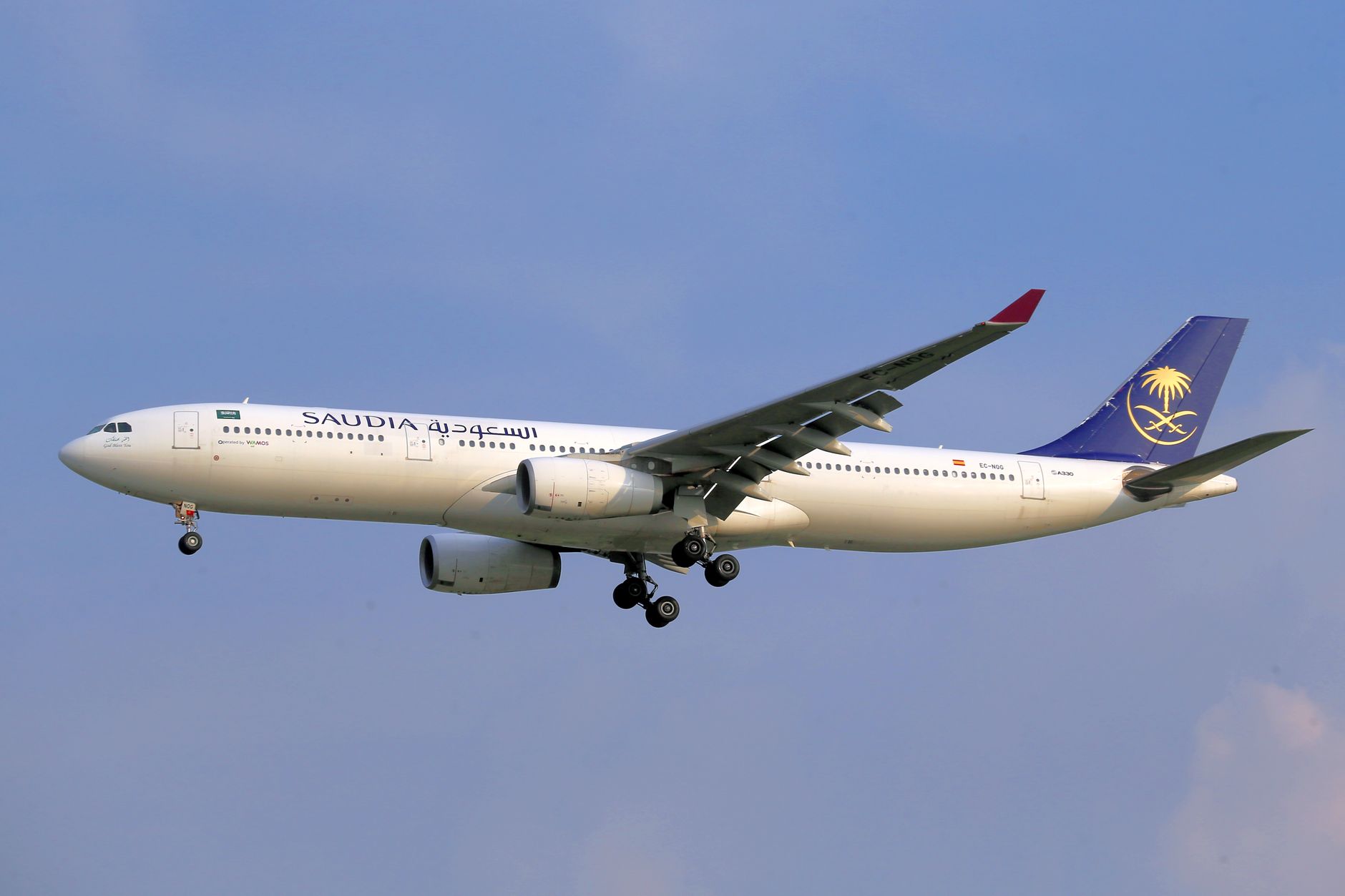
Houthis Target Saudi Air Links Impacting Regional Connectivity
The Houthi rebels have launched attacks aimed at Saudi air links. This move is part of an effort to isolate Saudi Arabia from the rest of the world. The details of the bombardment and specific impact on airlines or logistics remain unspecified in the current report. These actions by the Houthis are a continuation of the ongoing conflict in the region, which has seen various targets being attacked in recent years. For Saudi Arabia, such disruptions can affect its international connectivity and potentially have repercussions on tourism and business travel. The article does not specify any direct damage or casualties resulting from the reported bombardment, but the strategic intent appears to be to pressure the Saudi government by targeting its infrastructure. This has implications for investors watching the Middle Eastern geopolitical landscape, as such regional instability can impact energy markets and broader economic activities. While the article provides no specific data points, the situation underscores the ongoing volatility in the region, which can have ripple effects on global markets.
Read More: Houthis Target Saudi Air Links Impacting Regional Connectivity
OMV Shares Decline Amid Weak Chemicals Segment in Q3
OMV shares fell due to weaker performance in the chemicals segment and reduced liftings in the Middle East for the third quarter. The chemical business at OMV experienced a downturn, which negatively impacted overall performance for the quarter. Additionally, the reduction in oil liftings from the Middle East contributed to financial pressures on the company. These factors led to a noticeable dip in the company's stock price. The third quarter results have highlighted specific challenges faced by OMV, specifically in its chemicals segment and Mideast operations. The company has been adapting to changing market demands and external pressures, making it crucial to monitor future strategies and operational adjustments. Despite these challenges, OMV continues to operate across various segments, potentially mitigating some negative impacts through diversification. For investors, the developments in OMV's chemicals and Middle East operations are crucial indicators of the company's current trajectory. The third quarter results reflect ongoing market and operational challenges, which may influence investment decisions in the near term.
Read More: OMV Shares Decline Amid Weak Chemicals Segment in Q3
Oil Prices Climb 4% Amid Middle East Tensions, Hurricane Impact
Oil prices increased by 4% as concerns over Middle East tensions resurfaced. Additionally, the impact of Hurricane Isaias has disrupted oil supply in affected regions. These factors have contributed to the rising oil prices as traders adjust to potential supply shortages and geopolitical risks.
Read More: Oil Prices Climb 4% Amid Middle East Tensions, Hurricane Impact
Israel Continues Gaza Demolitions Year After Ceasefire
Israel is reported to be demolishing buildings in Gaza one year following the ceasefire. The article highlights the continued actions affecting the physical landscape of Gaza, without providing specific numbers or official statements. This ongoing situation reflects continued tensions and has implications for the region's stability and the humanitarian situation in Gaza. The persistence of demolitions highlights challenges in maintaining peace agreements and impacts rebuilding efforts in Gaza. The article does not provide detailed figures or statements from officials regarding the number of demolitions or their impact. This matters for ordinary investors as prolonged instability in the region could impact geopolitical risk assessments and investor sentiment towards markets linked to the area.
Read More: Israel Continues Gaza Demolitions Year After Ceasefire
Brent Crude Gains 1.17% Amid Houthi Attacks on Saudi Arabia
Oil prices increased on Wednesday, influenced by recent geopolitical tensions in the Middle East. Brent crude futures for December delivery rose 1.17% to reach $101.76 per barrel. Concurrently, U.S. West Texas Intermediate (WTI) futures for November advanced 1.26% to $90.57 per barrel. The market's reaction is due to attacks on Saudi Arabia by Yemen's Iran-backed Houthis, which are raising concerns over potential disruptions in crude oil flows from the region. On Tuesday, the Saudi Energy Minister reported a supply level of 5.8 million barrels through the East-West Pipeline. However, fears remain about future supply stability due to heightened tensions. The situation is compounded by recent reports of attacks on Saudi airports in Jazan and Najran, increasing the geopolitical risk premium in oil markets. Despite some recovery in physical oil supply, these regional hostilities create uncertainty about sustained availability. Naeem Aslam from Zaye Capital Markets emphasized that oil prices are affected by these dual pressures of improving supply and persistent geopolitical risks. For investors, this situation underscores the volatility in oil prices driven by geopolitical events. The potential for further disruptions from Houthi military actions could impact global oil supply and pricing dynamics.
Read More: Brent Crude Gains 1.17% Amid Houthi Attacks on Saudi Arabia
Oil Prices Stable Amid G7 Stockpile Release, Houthi Attacks Risk
Oil prices showed slight movement with Brent futures rising 26 cents to close at $100.58 a barrel. Meanwhile, US West Texas Intermediate (WTI) crude increased by 1 cent to settle at $89.44. The market balanced increased Middle Eastern exports and a G7 emergency stockpile release with risks from attacks by Yemen's Houthis on Saudi targets. Around 12 million barrels per day of crude oil and 2 million bpd of refined products were exported from the Middle East in the past week. The Saudi Energy Minister reported 5.8 million barrels were pumped to Yanbu via the East-West Pipeline by Tuesday morning. While these increases aimed to ease supply concerns, possible disruptions due to regional hostilities kept prices from declining significantly. For regular investors, the situation underscores the volatile nature of oil markets, influenced by geopolitical risks and strategic releases.
Read More: Oil Prices Stable Amid G7 Stockpile Release, Houthi Attacks Risk
Vitol CEO: Middle East Oil Flows Sufficient to Avert $200 Barrel
Vitol CEO Russell Hardy stated that current oil flows from the Middle East are sufficient to avoid an extreme scenario where oil prices could reach $200 per barrel. He highlighted the ongoing stability in oil supply despite geopolitical tensions. Hardy's statements come amid concerns about potential supply disruption in the region, which could have significant impacts on global oil prices. The assurance from a leading energy trader like Vitol may help to ease market fears of drastic price spikes.
Read More: Vitol CEO: Middle East Oil Flows Sufficient to Avert $200 Barrel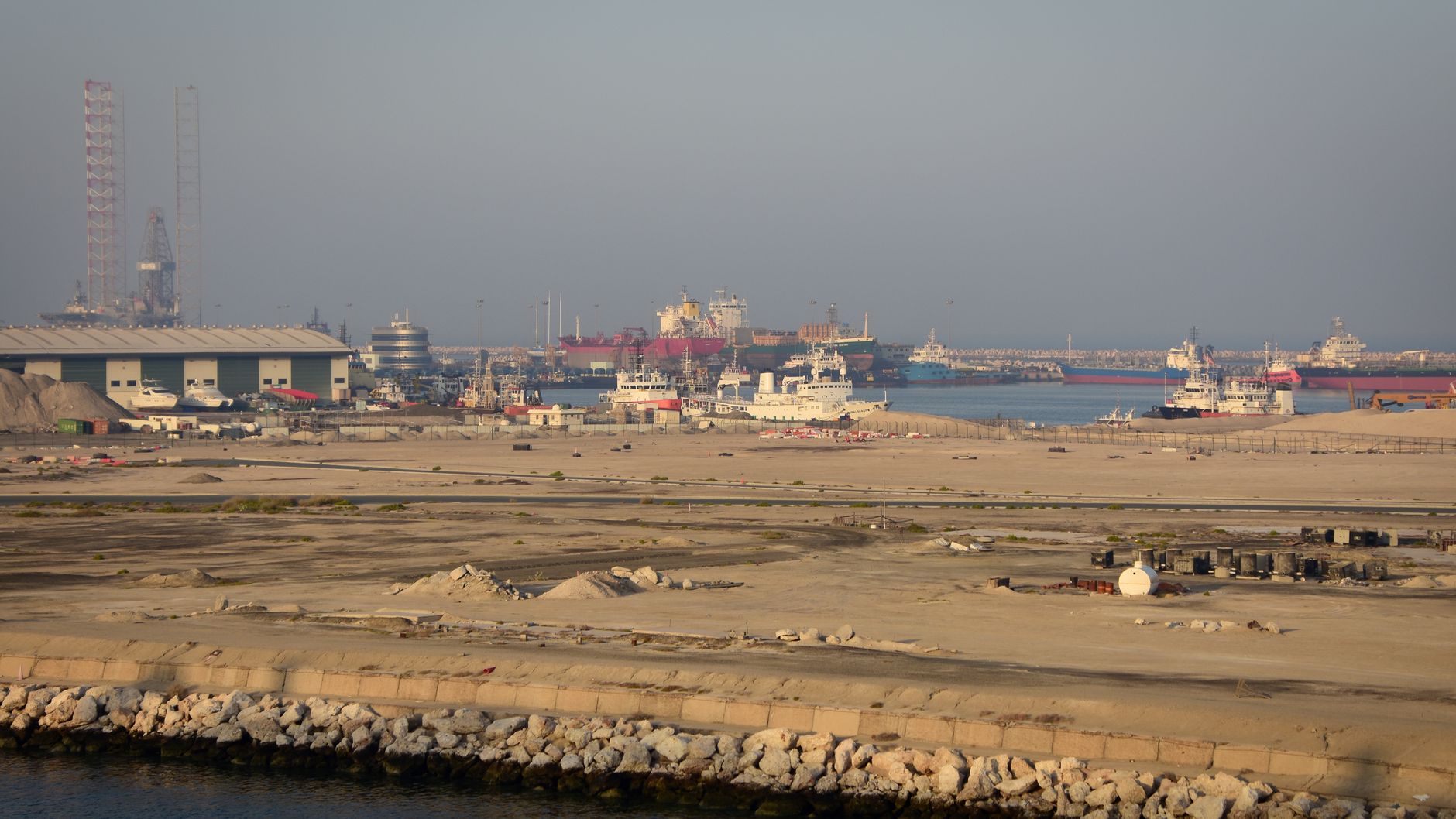
Middle East Oil Exports Surpass Pre-War Levels Amid Tensions
Middle East oil exports have reached levels seen before the Iran war, despite ongoing geopolitical tensions, according to recent data. The steady rise in exports occurs amid continued threats to shipping through the Strait of Hormuz, a vital maritime channel for global oil supply. The geopolitical situation remains unstable, with potential risks affecting oil transportation in the region. Global oil prices have experienced fluctuations due to the conflicting factors of increased exports and ongoing threats. The Group of Seven (G7) nations have announced plans to release crude oil and diesel stocks to address market shortages, further complicating the global oil price landscape. Such releases may temporarily mitigate the impact of disrupted supply routes on oil prices. For investors, the restoration of Middle Eastern oil exports signifies a potential stabilization in supply levels, but regional risks continue to pose uncertainty. Understanding global supply dynamics and regional geopolitical developments is crucial for those involved in energy market investments.
Read More: Middle East Oil Exports Surpass Pre-War Levels Amid TensionsOil Prices Drop as Middle East Exports Recover
Oil prices are declining as exports from the Middle East recover, increasing supply in the global market. This adjustment comes as the Group of Seven (G7) countries have also decided to tap into emergency oil stocks to stabilize prices. These moves aim to address recent market disruptions and ensure steady supply. In this context, increased Middle East exports and G7 interventions are key factors driving the current trend in oil prices. The recovery in Middle East oil exports has been attributed to resumed operations in previously disrupted facilities. This has added more barrels to the market, influencing supply and consequently leading to a decrease in prices. Meanwhile, the G7's decision to access emergency reserves serves as an additional measure to counter any potential shortages. For investors and market participants, these developments suggest that oil supplies are becoming more stable. The intervention by the G7 and the normalization of exports from the Middle East are crucial for maintaining supply chain stability in the oil market.
Read More: Oil Prices Drop as Middle East Exports Recover
Houthis Claim Attack on Saudi Aramco Facility Amid Yemen Conflict
The Houthis, a rebel group in Yemen, have claimed responsibility for a strike on a Saudi Aramco oil facility. The attack marks a significant escalation in the ongoing conflict in Yemen, which has seen increased hostilities recently. Saudi Aramco is a key player in the global oil market, and any disruption to its operations can have widespread implications for oil supply and prices. The company has not yet issued a statement regarding the extent of the damage or any potential impact on its operations. As the situation develops, the oil market may see fluctuations depending on the severity of the disruption and the geopolitical response. This event emphasizes the ongoing risks in the Middle East that can affect global energy supplies.
Read More: Houthis Claim Attack on Saudi Aramco Facility Amid Yemen Conflict
Iraq State Tanker Firm Transports Crude Via Hormuz Strait
Iraq's state oil tanker company has successfully conducted operations to move crude oil through the Hormuz Strait. This development marks a significant logistical achievement for the country, allowing it to bypass regional trade bottlenecks and enhance oil export efficiency. The Hormuz Strait is a critical chokepoint for global oil shipments, making this maneuver strategically important for maintaining Iraq's oil flow and market presence. The transport of crude via Hormuz enables Iraq to reach broader markets with potentially lower costs and increased security compared to alternative routes. The Hormuz Strait, being one of the world's most important oil transit pathways, plays a crucial role in the global oil supply chain. Ensuring reliable passage through this strait can stabilize Iraq's oil export capabilities, benefiting the country's economy. This movement through Hormuz matters to investors as it suggests Iraq's commitment to maintaining stable oil exports. Reliable oil transportation can affect global oil prices, thereby influencing energy market dynamics. Iraq's ability to use this strategic route efficiently reinforces its position in the oil market.
Read More: Iraq State Tanker Firm Transports Crude Via Hormuz Strait
U.S. Expands Military Presence Amid Iran Tensions
The United States is increasing its military presence in the Middle East. This decision comes as tensions with Iran continue to escalate. The focus is on protecting American interests and ensuring security in the region. The move highlights the ongoing pressure on Iran against the backdrop of geopolitical developments. The expanded military presence aims at deterring potential threats and reinforcing stability in the area. This decision reflects strategic interests amidst rising tensions. As part of this expansion, additional personnel and equipment will be deployed to reinforce existing forces. For investors, this geopolitical development signals increased regional uncertainty which could impact global oil prices and markets sensitive to Middle East stability.
Read More: U.S. Expands Military Presence Amid Iran Tensions
Rising Yields Impacting U.S. Stocks Amid Middle East Conflict
U.S. stocks are facing downward pressure due to rising yields and ongoing conflict in the Middle East. Concerns over geopolitical stability and their economic impact have led to fluctuations in stock prices. As the yields continue to rise, this situation can potentially tighten lending conditions for consumers and businesses. The developments highlight a challenging environment for investors as they navigate changing market conditions influenced by global events.
Read More: Rising Yields Impacting U.S. Stocks Amid Middle East Conflict
UN Report Claims U.S. War Crimes in Iran Conflict with 150 Casualties
A United Nations fact-finding mission indicated there are reasonable grounds to believe the U.S. committed war crimes during the Iran conflict, citing a Tomahawk missile strike that killed over 150 people in Minab and another airstrike resulting in 22 civilian deaths. The U.S. State Department rejected the findings, labeling the report as anti-American. Negotiations surrounding the Middle East conflict might be revived, with a potential meeting involving Gulf Arab nations, the U.S., and Iran tentatively scheduled around the upcoming United Nations General Assembly. This situation may affect geopolitical stability and investor sentiment in the region.
Read More: UN Report Claims U.S. War Crimes in Iran Conflict with 150 Casualties
Gas Prices Set to Rise Significantly Amid Middle East Conflict
Gas prices are expected to rise significantly due to ongoing geopolitical tensions, specifically the conflict in the Middle East. Analysts have made predictions about increasing costs, suggesting that the worst of the price hikes is yet to come. The article emphasizes how these changes will impact consumers, particularly those in Portland and Massachusetts, who are already feeling high gas prices. For ordinary investors, understanding these shifts in gas prices is crucial as it can influence broader market trends and consumer spending patterns.
Read More: Gas Prices Set to Rise Significantly Amid Middle East Conflict
Saudi Crown Prince Requests Egypt's Support Amid Houthi Attacks
Saudi Arabia's crown prince is seeking Egypt's support as Houthi attacks disrupt oil routes in the Red Sea. These attacks have raised concerns about regional security and the potential impact on oil supplies. The ongoing conflict in Yemen has long posed risks to maritime navigation and oil shipping in this key area. This situation is significant for investors as it could lead to fluctuations in oil prices due to supply chain disruptions.
Read More: Saudi Crown Prince Requests Egypt's Support Amid Houthi Attacks
Oil Prices Near $110 as StanChart Predicts Gyrations Amid Conflict
Oil prices reached nearly $110 per barrel for the first time since July, with Brent crude trading at $103.58 and WTI at just over $98 as of September 2026. The IRGC claimed to have attacked eight oil tankers and two U.S. Navy destroyers, while CENTCOM denied these claims. Analysts at Standard Chartered foresee continued price volatility due to the ongoing US-Iran conflict, forecasting oil to average $77.50 per barrel in 2027. This situation is crucial for investors as it influences oil supply dynamics and pricing strategies.
Read More: Oil Prices Near $110 as StanChart Predicts Gyrations Amid Conflict
Iran and UAE Join BRICS in War Restraint Statement at Summit
Iran and the UAE signed a joint BRICS statement calling for restraint in the Middle East war on September 12, 2026. This meeting marks the highest-level engagement between the two countries since the start of the conflict. The declaration urges cooperation, protection of civilians, and respect for territorial integrity. The BRICS group, originally composed of Brazil, Russia, India, China, and South Africa, now includes Iran and the UAE among its members. This development could reflect increased diplomatic efforts in a region under strain, which may influence market sentiment regarding geopolitical risks.
Read More: Iran and UAE Join BRICS in War Restraint Statement at Summit
FRO VLCC Rates Surge Amid Middle East Shipping Risks
Very Large Crude Carrier (VLCC) rates have surged to record highs due to increased shipping risks in the Middle East. Reports indicate that tensions, particularly involving Iran and the USA, have heightened concerns for shipping security. These developments could lead to further increases in tanker rates as market participants react to the uncertainty. For investors, this means potential volatility in oil transportation stocks, particularly those associated with Frontline Ltd (FRO).
Read More: FRO VLCC Rates Surge Amid Middle East Shipping Risks
Houthis Control Bab al-Mandeb Strait Amid Oil Price Crisis
The Houthis have taken effective control of the Bab al-Mandeb Strait, impacting the Saudi East-West pipeline, which has been shut down. This development is significant as it escalates tensions in the Middle East and can result in increased oil prices. The geopolitical situation in this crucial shipping route raises concerns about supply disruptions. Ordinary investors should monitor these events, as they could lead to volatility in oil markets and influence related assets.
Read More: Houthis Control Bab al-Mandeb Strait Amid Oil Price Crisis
Houthis seize Red Sea port in Yemen amid regional tensions
The Houthis have seized a strategic port in Yemen located on the Red Sea. This development could impact shipping routes and trade in the region, raising concerns for markets. The ongoing conflict in Yemen has implications for oil prices and security in the Middle East. Investors should monitor this situation closely as it may influence trading dynamics and price volatility in related markets.
Read More: Houthis seize Red Sea port in Yemen amid regional tensions
Gold Price Declines Amid Renewed Middle East Military Strikes
Gold prices have slipped as military strikes in the Middle East have resumed. This shift may affect market sentiment, particularly among investors looking for safe-haven assets like gold. The exact price change or trading volume is not specified in the article, but the context suggests heightened geopolitical tensions impacting gold prices. For ordinary investors, monitoring gold trends is essential as they can indicate shifts in risk appetite and market stability.
Read More: Gold Price Declines Amid Renewed Middle East Military Strikes
German 10-Year Bund Yield Reaches 15-Year High Amid Tensions
The yield on the German 10-year Bund reached a 15-year high, reflecting ongoing tension in the Middle East. This increase in yield indicates a shift in investor sentiment toward higher risk in global markets. Rising yields often lead to higher borrowing costs, which can impact consumer spending and corporate investments. As the situation evolves, market participants should monitor how these yields affect economic stability and interest rates, potentially signaling broader implications for investment strategies.
Read More: German 10-Year Bund Yield Reaches 15-Year High Amid Tensions
U.S. Strikes Iranian Rocket Launchers Amid Escalating Tensions
U.S. forces destroyed two Iranian rocket launchers on Larak Island over the weekend as hostilities between the U.S. and Iran escalated. This strike was the first publicly acknowledged U.S. attack since late July, breaking a month-long lull in fighting. Iran responded by firing eight missiles at Jordanian air bases, all of which were intercepted with no casualties reported. The situation is significant as it may affect oil markets and geopolitical stability in the region, especially with impending new U.S. sanctions targeting Iranian banks.
Read More: U.S. Strikes Iranian Rocket Launchers Amid Escalating Tensions
Asia Stocks Slip Amid Fed Hike Bets and Middle East Tensions
Asia stocks declined as speculation grew regarding a potential interest rate hike by the Federal Reserve (Fed). Increased geopolitical tensions in the Middle East have also contributed to market uncertainty. Investors are cautious amidst concerns reflected in this sentiment shift, impacting trading volumes. This decline could lead to increased volatility in markets, influencing investment strategies for ordinary investors.
Read More: Asia Stocks Slip Amid Fed Hike Bets and Middle East Tensions
Israeli Strikes Result in 8 Fatalities in Gaza and West Bank
Recent Israeli strikes resulted in 5 deaths in Gaza and 3 in the West Bank. This escalation of violence occurs amid ongoing tensions in the Middle East. The impact on regional stability could influence market sentiment and investor confidence in related sectors. Investors should monitor developments in this area as geopolitical tensions can affect oil prices and other commodities.
Read More: Israeli Strikes Result in 8 Fatalities in Gaza and West Bank
Ship Attack in Strait of Hormuz Raises Regional Tensions
A ship was attacked while transiting the Strait of Hormuz, a key waterway for global oil shipments. The incident highlighted ongoing tensions in the region that could impact oil supply routes. Although specific damages and casualties were not disclosed, this event raises concerns among market participants about potential disruptions to oil prices. Investors should be aware that heightened geopolitical risks may lead to volatility in energy markets.
Read More: Ship Attack in Strait of Hormuz Raises Regional Tensions
Middle East Oil Exports Rebound to 15 Million Bpd, U.S. Claims
U.S. Energy Secretary Chris Wright stated that oil exports from the Middle East have rebounded to 15 million barrels per day (bpd), surpassing the pre-war average of 20 million bpd. However, ship-tracking data indicates oil flows are only about 9 million bpd, with gaps of 3 million bpd to 5 million bpd compared to the Secretary's claims. The U.S. Energy Information Administration noted that traffic at the Strait of Hormuz remains significantly constrained. This discrepancy between reported and observed oil flows could impact market perceptions and investor confidence in Middle Eastern oil production.
Read More: Middle East Oil Exports Rebound to 15 Million Bpd, U.S. Claims
Oil Prices Rise Amid Attacks and Iran Talks Impasse
Oil prices are rising due to recent attacks in the Red Sea and Gulf of Oman, which have heightened supply concerns. The situation worsened as negotiations regarding the US-Iran deal stalled, leading to further market uncertainty. Investors are reacting to the increasing risks associated with potential disruptions in the Strait of Hormuz. This volatility in oil prices can affect the broader market, particularly affecting energy sector stocks and commodities linked to oil supply and pricing.
Read More: Oil Prices Rise Amid Attacks and Iran Talks Impasse
Houthis Claim Attack on Aramco Oil Facility in Saudi Arabia
Yemen's Houthis have claimed responsibility for an attack on an Aramco oil facility in Saudi Arabia. This event is significant as it raises concerns over oil supply security in the region, which can impact global oil prices. The specific details regarding the extent of the damage or operational impact on Aramco have not been disclosed. Events like this often lead to increased volatility in oil markets, which is critical information for investors monitoring energy stocks. Aramco's ongoing operations and trade are central to these market dynamics.
Read More: Houthis Claim Attack on Aramco Oil Facility in Saudi ArabiaOil Prices Rise to $80.15 on Claims of Saudi Tanker Strike
Crude oil prices increased on Wednesday following claims by Yemen's Iran-backed Houthi militants that they struck a Saudi tanker in the Red Sea. Brent crude was trading at $80.15 a barrel, up 1%, while U.S. West Texas Intermediate futures for September delivery rose 0.28% to $75.98. The incident raised concerns about stability in the region and potential impacts on oil supply routes. The situation affects market sentiment as it complicates hopes for a ceasefire in the Middle East, prompting increased volatility for investors.
Read More: Oil Prices Rise to $80.15 on Claims of Saudi Tanker Strike
Trump Iran Talks Expected to Start Monday
Former President Donald Trump has stated that talks regarding Iran will commence on Monday. This development is significant as it may influence geopolitical dynamics in the Middle East, potentially affecting oil prices and global markets. The specific impacts on trading volumes or rates were not mentioned. Therefore, investors should monitor how such diplomatic efforts may impact market conditions.
Read More: Trump Iran Talks Expected to Start Monday
Oil Tankers Security Threats Reach Worst Levels in Years
Analysts report that the threat to oil tankers in the Middle East is currently the worst since the onset of the Iran war. Recent attacks on vessels in the Red Sea and a significant reduction in traffic through the Strait of Hormuz—down to eight ships on Sunday from over 100 daily before the conflict—underscore this risk. The Iranian-backed Houthi militia has also intensified threats, declaring a blockade on Saudi ports on July 20. This situation raises concerns about global oil flows and market stability, impacting ordinary investors as crude oil supply continues to be jeopardized.
Read More: Oil Tankers Security Threats Reach Worst Levels in Years
Trump cancels planned Iran attack amid deal discussions
President Donald Trump announced the cancellation of a planned attack on Iran after Tehran made a request and agreed on certain deal terms. Key points include the proposed reopening of the Strait of Hormuz and addressing Iran's nuclear threats. Reports indicated that the U.S. was readying for strikes against Iran, coinciding with rising energy prices and embassy warnings for Americans in the Middle East. This cancellation may impact regional tensions and energy markets as the situation evolves.
Read More: Trump cancels planned Iran attack amid deal discussions
Iran's Power Structure Complicates Ceasefire Negotiations Amid Conflict
Since the Iran war began on February 28, five months of conflict have highlighted the challenges in achieving a ceasefire. A memorandum of understanding from June 17 initiated a 60-day negotiation period but deteriorated quickly due to Iranian attacks on shipping. U.S. military actions resumed, including 13 consecutive nights of strikes until a pause on July 24, with fighting resuming afterward. Iran has targeted U.S. assets in Kuwait and Bahrain, complicating negotiations as various power centers within the Iranian regime influence decisions, impacting potential economic relief for its population of over 90 million. Ordinary investors should monitor developments in the region for potential impacts on oil prices and trade routes.
Read More: Iran's Power Structure Complicates Ceasefire Negotiations Amid Conflict
Iran Attacks U.S. Assets in Kuwait and Bahrain Amid Ongoing Conflict
Iran's army announced attacks on U.S. assets in Kuwait and Bahrain, targeting military facilities like aircraft shelters and communication systems. This follows a series of U.S. strikes against Iran’s Islamic Revolutionary Guard Corps (IRGC). Oil prices were affected, with Brent crude futures trading down nearly 2% at $87.30 per barrel and U.S. West Texas Intermediate futures down 2.3% at $81.71. The evolving conflict has implications for energy security and market stability, particularly in the Strait of Hormuz, vital for global oil flows.
Read More: Iran Attacks U.S. Assets in Kuwait and Bahrain Amid Ongoing Conflict
Drone Attack Hits Two Ships at Egypt's Damietta Port
On July 30, 2026, a drone struck two ships at Damietta Port in Egypt, causing a fire. An initial investigation indicated the attack occurred on July 29. The vessels affected were a regasification ship and a storage vessel. The Egyptian Ministry of Petroleum stated that the situation was managed through established emergency response plans. This incident highlights increasing attacks on energy infrastructure in the Middle East, which could elevate tensions and impact energy markets.
Read More: Drone Attack Hits Two Ships at Egypt's Damietta Port
Iran Missile Attack on U.S. Forces Raises Tensions in Middle East
Iran launched a ballistic missile attack on U.S. forces late Tuesday, according to U.S. Central Command, but all missiles were intercepted. This escalation follows a two-day halt in hostilities and brings renewed tensions after multiple drone attacks attributed to Iran-aligned forces in the region. At least 20 members of the Iran-backed Iraqi Mobilization Forces were reported killed and 32 wounded due to U.S. and Saudi strikes in retaliation. This incident is significant for markets as tensions in the Middle East often lead to fluctuations in oil prices.
Read More: Iran Missile Attack on U.S. Forces Raises Tensions in Middle East
Saipem (SPM) Reports Q2 Loss and 2026 EBITDA Cut
Saipem (SPM) reported a loss in Q2, which has led to a revision in its EBITDA for 2026 due to increased costs in the Middle East. The company did not disclose specific financial figures related to the loss or the new EBITDA estimate. This news reflects ongoing challenges in the region and has contributed to a drop in Saipem's stock price. Investors should be aware that such operational difficulties may impact the company's future performance and stock valuation.
Read More: Saipem (SPM) Reports Q2 Loss and 2026 EBITDA Cut
TSX Futures Rise Amid Middle East Tensions, U.S. Tariffs Impact
TSX futures have increased as tensions in the Middle East escalate along with the announcement of new U.S. tariffs. These developments could influence investor sentiment and market dynamics significantly. Market participants are keeping an eye on geopolitical factors that may impact trading volumes. This rise in TSX futures may signal increased investor interest in the Canadian market amid global uncertainties, which is noteworthy for those considering investments.
Read More: TSX Futures Rise Amid Middle East Tensions, U.S. Tariffs Impact
TSX Futures Increase Amid Ongoing Middle East Tensions
TSX futures have recently shown an uptick as tensions in the Middle East continue. The broader market sentiment reflects cautious optimism despite geopolitical instability. Ongoing conflicts in the region may lead to fluctuations in energy prices, which can impact various sectors. For investors, this is significant as movements in TSX futures could indicate trends in Canadian stocks and overall market direction.
Read More: TSX Futures Increase Amid Ongoing Middle East Tensions