Tariffs News & Analysis
50 articles
Market Mood

Audi to Invest $4bn in US Plant Amid Tariff Challenges
Audi announced plans to build a new $4 billion manufacturing plant in the United States. This move was revealed during a rally for President Trump in Georgia. The investment is part of Audi and its parent company Volkswagen's response to the tariffs imposed by the US government. The announcement comes as both Audi and Volkswagen are seeking relief from President Trump's levies on imported vehicles and parts. The new plant aims to mitigate the impact of tariffs by increasing local production capacity. This development could influence the automotive market by altering supply chains and potentially lowering costs related to import tariffs. Investors should note that the $4 billion plant signifies Audi’s commitment to the US market and its strategy to adapt to trade policies affecting costs and pricing.
Read More: Audi to Invest $4bn in US Plant Amid Tariff Challenges
Trump Highlights $4 Billion Audi Plant in Georgia Amid Tariff Defense
Former President Donald Trump promoted a $4 billion Audi manufacturing plant in Georgia while defending his administration's use of tariffs. Trump emphasized the plant's investment and job creation as benefits stemming from his trade policies. He argued that tariffs helped protect domestic industries and contributed to economic growth. The Audi plant represents a major capital investment in the U.S. automotive sector, supporting manufacturing jobs in Georgia. Trump linked this development directly to the protectionist measures, presenting it as proof of the tariffs' effectiveness. He defended the tariffs against criticism that they harm consumers or global trade relations. This matters since the link between tariffs and domestic investment shapes debates on trade policy and economic nationalism. For investors, the highlighted $4 billion investment underscores how manufacturing expansions can coincide with protectionist trade actions, affecting sectors such as autos and industrials. The discussion signals ongoing political support for tariffs that could influence future trade and economic policies impacting corporate profits and costs.
Read More: Trump Highlights $4 Billion Audi Plant in Georgia Amid Tariff Defense
Audi (NSU) to Invest $4B in First U.S. Factory in Georgia
Audi has announced plans to build its first-ever factory in the United States, investing $4 billion in a new plant located in Georgia. This decision was confirmed by former President Donald Trump amid ongoing tariff pressures impacting the auto industry. The new facility represents Audi's initial manufacturing presence in the U.S., highlighting a strategic shift as tariffs influence supply chains and production costs. The investment signifies a major expansion for the German automaker into the American manufacturing sector, which has previously been centered largely in Europe. This factory build is notable because it reflects broader trade and tariff impacts prompting companies to localize production. For investors, the $4 billion investment and the new plant in Georgia could affect Audi's operational costs and market presence in the U.S., potentially influencing revenue generation from the region over the long term.
Read More: Audi (NSU) to Invest $4B in First U.S. Factory in Georgia
Tariffs Become Politically Controversial Term, WSJ Reports
The Wall Street Journal reports on how the term "tariffs" has become highly unpopular in political discussions. The article focuses on the political context and the emotional response that the term now provokes among politicians and the public. While the article does not provide specific economic figures, it emphasizes the contentious nature of tariffs in current politics and policy debates. The discussion touches on how tariffs affect trade policy and political interactions but does not quantify these impacts. This matters for markets because tariffs influence trade costs and economic relations, which can affect company costs and international commerce. Understanding the political sensitivity about tariffs helps investors gauge potential policy changes and related market impacts, especially in sectors affected by trade restrictions.
Read More: Tariffs Become Politically Controversial Term, WSJ Reports
Trump Ends Tariffs on Select Canadian Products Impacting Trade
The Trump administration has ended tariffs on certain Canadian products. This policy change affects trade relations between the U.S. and Canada. Additionally, the article references Senator Collins facing a close electoral race but provides no detailed data on this political development. Ending tariffs could reduce costs for U.S. businesses and consumers purchasing these Canadian goods. It may also impact trade balances and market dynamics between the two countries.
Read More: Trump Ends Tariffs on Select Canadian Products Impacting Trade
Trump Administration Eases 50% Tariffs on Canadian Goods Starting Oct 30
The Trump administration announced it will lift some 50% tariffs on Canadian goods starting October 30. The tariffs, previously applied on $20 billion of Canadian products after trade talks failed, will be eased on items like plywood sheets, paper products, machinery, refrigeration equipment, packing crates, and boxes. This easing follows lobbying by Republican Senator Susan Collins, who is in a close Senate race in Maine. Collins said the exemptions will benefit Maine's agricultural industries, including blueberry, potato, apple, and seaweed producers. However, the administration will impose tariffs on other items such as carpets and waste products. The tariff changes come two weeks before the U.S. midterm elections, which will determine Congressional control and potentially affect the remainder of President Trump's term. Canada stated readiness to work toward a mutually beneficial trade relationship. This adjustment reflects an effort by the White House to defend American workers while responding to local industry pressures. For investors, the tariff relief on specific goods may reduce supply chain costs and trade tensions for U.S. and Canadian companies involved in these sectors. The change specifically impacts trade values tied to the $20 billion affected by the tariffs and could influence cross-border commerce in the near term.
Read More: Trump Administration Eases 50% Tariffs on Canadian Goods Starting Oct 30
Signify (LIGHT) Profit Rises on U.S. Tariff Refund, Shares Up 9%
Signify's shares rose 9% after the company reported profits above forecasts. The profit increase was driven by a U.S. tariff refund and cost-cutting measures implemented by the company. The tariff refund contributed directly to improved earnings, while cost reductions enhanced operational efficiency. This combination helped Signify surpass analyst expectations, leading to positive market reaction reflected in the share price. The share rally matters because it shows how tariff adjustments and internal cost control can boost profitability. For investors, the 9% share increase indicates stronger company performance driven by specific financial events rather than organic sales growth.
Read More: Signify (LIGHT) Profit Rises on U.S. Tariff Refund, Shares Up 9%
Food Importer Files Lawsuit to Block Trump Canada Tariffs
A food importing company has filed a new lawsuit aiming to block tariffs imposed by the Trump administration on Canadian goods. The lawsuit targets trade barriers introduced as part of US-Canada trade policy changes. The case focuses on tariffs affecting the food import sector, potentially impacting prices and supply chains. This legal action represents ongoing challenges to the tariffs from various business groups. For investors, the lawsuit could influence market dynamics in food import companies and related sectors if successful in removing or reducing tariff costs. It underscores the legal risks and uncertainties around trade policy enforcement on imports from Canada.
Read More: Food Importer Files Lawsuit to Block Trump Canada Tariffs
Trump Faces Lawsuit Over 50% Canadian Tariffs on $20bn Goods
US President Donald Trump is facing a new legal challenge over tariffs, following a lawsuit filed by the Liberty Justice Center on behalf of Gellert Global Group. The lawsuit contests the White House's imposition of a 50% tariff on $20 billion of Canadian goods after US-Canada trade talks collapsed in August. The Liberty Justice Center argues that the White House exceeded its authority under Section 338 of the 1930 Tariff Act by imposing these tariffs without adhering to the required procedures. The lawsuit claims the tariffs caused immediate harm to American businesses such as Gellert Global Group, a New Jersey-based food company that pays 50% tariffs on cheese imported from Canada. The company is also affected by Canadian retaliatory tariffs on American-made cheese. The lawsuit contends that Section 338 does not permit broad tariffs or import restrictions when trade disputes arise and that the White House failed to wait the mandatory 30 days before imposing tariffs. The legal challenge also states that the Trade Act of 1974 supersedes Section 338. This case questions the extent of presidential power to impose tariffs without Congressional approval. This matters for investors because the lawsuit challenges the legal foundation for significant tariffs that affect cross-border trade and could influence future tariff policies, impacting companies involved in US-Canada trade and their supply chains.
Read More: Trump Faces Lawsuit Over 50% Canadian Tariffs on $20bn Goods
Copper Prices Hold Decline Amid US Tariff Risk Concerns
Copper prices continued to decline as traders assess uncertainties linked to U.S. tariff policies. Market participants are weighing the potential impacts of these tariffs, which could affect supply chains and demand for copper. The article does not specify exact price changes or percentage moves for copper. However, it highlights that trading activity is cautious due to tariff-related risks. This cautious sentiment could influence copper market dynamics in the near term. Understanding tariff effects is important for investors because tariffs can alter costs for producers and consumers, impacting revenue and profitability in related industries. The uncertainty around U.S. trade policies is a key factor currently influencing copper price movements.
Read More: Copper Prices Hold Decline Amid US Tariff Risk ConcernsTrump Waives Russia-Related Sanctions and Tariffs
President Trump has waived certain sanctions and tariffs related to Russia, ahead of their scheduled implementation. These measures were initially set to take effect under a new law aimed at responding to Russian actions. The specifics of the sanctions and tariffs involved were not detailed in the report. This decision follows a pattern of fluctuating policies regarding international trade and relations involving the U.S. and Russia. By waiving these measures, the administration signals a strategic decision likely to impact diplomatic and economic relations between the two nations. For ordinary investors, the waiver could mean reduced uncertainty in affected sectors until further policies are announced.
Read More: Trump Waives Russia-Related Sanctions and Tariffs
U.S. India Trade Deal Delayed as Greer Signals No Imminent Agreement
U.S. trade representative Jamieson Greer stated that a trade deal with India is not imminent amid ongoing negotiations. This comes after a phone call between President Donald Trump and Prime Minister Narendra Modi, which Greer described as constructive. Key issues remain, including India's purchases of Russian oil and India's demand for preferential tariffs on agricultural products. For ordinary investors, continued tariffs—now up to 100% on certain imports—could affect trade flows and market conditions between the two countries.
Read More: U.S. India Trade Deal Delayed as Greer Signals No Imminent Agreement
Trump's Tariffs Face Court Challenge Covering 99.4% of Imports
President Donald Trump's tariff policy is being challenged again in federal court. A three-judge panel at the U.S. Court of International Trade is hearing arguments against Trump's tariffs, which impose rates of 10% or 12.5% on goods from 86 countries, covering 99.4% of U.S. imports. This is the third legal intervention in less than two years regarding these tariffs. The challengers argue that the government's justification is inadequate and does not meet the statutory requirements. The outcome may affect trade costs and market access for numerous imports for businesses and consumers.
Read More: Trump's Tariffs Face Court Challenge Covering 99.4% of Imports
U.S. Bans $19.9 Billion Canadian Imports Amid Trade Tensions
The U.S. government has banned imports of specific Canadian goods, including vehicles, dairy, and alcohol products, affecting around $19.9 billion worth of imports according to the American Action Forum. This decision is part of ongoing trade tensions, as President Donald Trump expressed expectations for a 'fair deal' with Canada in the coming weeks, despite little progress being noted by U.S. Trade Representative Jamieson Greer. Canadian officials, including Trade Minister Dominic LeBlanc, criticized the tariffs imposed as unjustified and harmful to their economy. This ban and the associated tariffs could impact cross-border trade dynamics significantly, influencing prices and availability of these goods in the U.S. market.
Read More: U.S. Bans $19.9 Billion Canadian Imports Amid Trade Tensions
Cleveland-Cliffs (CLF) Slides After Stelco Idles Plant Due to Tariffs
Cleveland-Cliffs (CLF) shares declined following a report that Stelco plans to temporarily idle a plant as a response to U.S. tariffs. This decision may lead to reduced demand for raw materials that Cleveland-Cliffs supplies. The news raises concerns about the potential impact on revenue and supply chain dynamics in the steel industry. The idling of Stelco's plant reflects the ongoing challenges posed by trade policies, which affects companies involved in steel production and distribution.
Read More: Cleveland-Cliffs (CLF) Slides After Stelco Idles Plant Due to Tariffs
U.S. and China Agree on $30 Billion Tariff Cut and AI Dialogue
The United States and China have reached an agreement to cut tariffs by $30 billion. This decision is intended to ease trade tensions between the two nations. Additionally, both countries will initiate a dialogue focused on artificial intelligence (AI). Such developments could lead to improved trade relations and opportunities for businesses in both markets. This matters for investors as reduced tariffs may enhance revenue potential for companies engaged in U.S.-China trade.
Read More: U.S. and China Agree on $30 Billion Tariff Cut and AI Dialogue
Costco (COST) Reports Fourth Quarter Profit Beat with Tariff Refunds
Costco's (COST) fourth quarter results exceeded expectations, driven by tariff refunds. This financial boost allowed the company to report a profit that surpassed analysts' forecasts. Despite the positive outcome, investors remain cautious about future performance. The tariff refunds played a significant role in the profit increase, underscoring the impact of external factors on the company's financials. For ordinary investors, understanding the influence of tariff refunds on Costco's revenue may inform investment decisions.
Read More: Costco (COST) Reports Fourth Quarter Profit Beat with Tariff Refunds
U.S.-China Trade Truce Extended to January 10, Says Bessent
The U.S. and China have agreed to extend their trade truce from November to January 10, as announced by U.S. Treasury Secretary Scott Bessent. This extension aims to keep tariffs lower and maintain the flow of rare earth materials. Originally established during a meeting in South Korea last October, the one-year deal is crucial as it indicates ongoing U.S. concerns regarding China's commitments. For investors, the extension may influence trade-related stock valuations, particularly in sectors dependent on rare earths and technology amid continued negotiations.
Read More: U.S.-China Trade Truce Extended to January 10, Says Bessent
Vera Bradley (VRA) Reports Q2 Revenue of $71.6 Million
Vera Bradley, Inc. (NASDAQ: VRA) reported on September 15, 2026, that its fiscal 2027 second-quarter revenue reached $71.6 million, a 1.1% increase. The company achieved a GAAP operating income of $4.2 million, contrasting with a loss of $4.6 million in the same quarter last year. This figure includes a $7.7 million tariff refund, indicating a potential operating loss of approximately $3.5 million if the refund is excluded. The quarter also showed positive trends with direct revenue growing by 8.0% and a 28.4% year-over-year reduction in inventory, suggesting improved customer demand and operational efficiency. This matters for investors as the upcoming quarter will have a smaller benefit from refunds, which may impact future profitability.
Read More: Vera Bradley (VRA) Reports Q2 Revenue of $71.6 Million
US, China Talks on AI Tariffs Ahead of Upcoming Summit
The United States and China are preparing for discussions on artificial intelligence (AI), tariffs, and critical minerals ahead of an upcoming summit. This meeting aims to address key issues that may influence trade and investment between the two countries. The outcome of these dialogues could affect market conditions, specifically in sectors reliant on technology and raw materials. For investors, any changes in tariffs or trade policies could directly impact supply chains and costs associated with AI and mineral resources.
Read More: US, China Talks on AI Tariffs Ahead of Upcoming Summit
U.S. Treasury's Bessent, China's He Meet Ahead of Trade Summit
U.S. Treasury Secretary Scott Bessent and Chinese Vice Premier He Lifeng will meet on Sunday to discuss agreements on AI, tariffs, and critical minerals prior to a summit between U.S. President Donald Trump and Chinese President Xi Jinping. The meetings at JP Morgan Chase's headquarters are set to start at about 10:30 a.m. (1430 GMT). Key topics include the status of a U.S.-China trade truce expiring on November 10 and discussions involving a $17 billion annual increase in U.S. agricultural purchases by China. These negotiations are important as they may shape future trade relations and tariffs affecting global markets.
Read More: U.S. Treasury's Bessent, China's He Meet Ahead of Trade Summit
Trump Threatens Serious Tariffs on EU-Canada Associate Deal
U.S. President Donald Trump warned of 'very serious' tariffs on the European Union if a proposed associate membership deal with Canada is approved. This statement highlights ongoing tensions regarding trade policies between the U.S. and its allies. Specific details about the potential tariff rates were not provided, but Trump's firm stance underscores the importance of trade relations. Investors should note that such tariffs could impact international trade dynamics, particularly in the sectors affected by these duties.
Read More: Trump Threatens Serious Tariffs on EU-Canada Associate Deal
House Set to Pass Russia Sanctions Bill Targeting Top Oil Buyers
The U.S. House is expected to pass the Lindsey O. Graham Sanctioning Russia and Iran Act of 2026, allowing tariffs up to 100% on countries purchasing Russian oil, including China and India. This legislation aims to target Russia’s economy and increase sanctions on Iranian entities. The Senate previously approved the bill with a vote of 86-11, indicating strong bipartisan support. Critics argue the bill expands presidential tariff authority too much and may negatively impact American consumers and support for Ukraine. This matters for investors as it could influence energy prices and market stability regarding U.S. foreign policy.
Read More: House Set to Pass Russia Sanctions Bill Targeting Top Oil Buyers
US Bans Canadian Alcohol and Goods Effective September 29
The US will implement an import ban on various Canadian products, including alcoholic spirits, dairy goods, and motor vehicles, starting September 29. This ban follows Canadian retaliatory tariffs on US goods, which were enacted after trade negotiations stalled in late August. The US is Canada's largest trading partner, with over two-thirds of its exports going to the US, while Canada ranks as the second-largest trading partner for the US. This trade war could lead to increased prices and reduced customer numbers on both sides, impacting businesses reliant on cross-border trade.
Read More: US Bans Canadian Alcohol and Goods Effective September 29
Volkswagen (VWAGY) Plans 50,000 Job Cuts Amid 8% Share Surge
Volkswagen (VWAGY) plans to cut 50,000 jobs, adding to previously approved cuts for a total of 100,000 positions as part of its Future Plan 2030. The company's shares increased by 8% on the announcement amid tariff pressures, with tariff expenses reaching €2.9 billion ($3.4 billion) for 2025. Volkswagen also aims to simplify its model portfolio by 50% by 2035 and is addressing competition from Chinese manufacturers. For ordinary investors, this restructuring signifies a strategic shift that could impact Volkswagen's long-term competitiveness and market positioning.
Read More: Volkswagen (VWAGY) Plans 50,000 Job Cuts Amid 8% Share SurgeTariffs on Semiconductors Confirmed by Commerce Secretary Lutnick
Commerce Secretary Howard Lutnick confirmed that the U.S. is preparing a tariff framework on semiconductors. He indicated that the tariffs will target foreign-produced chips while exempting domestic production. Additionally, he stated that rising Treasury yields, which reached their highest levels since November 2023, should stabilize and decline in the coming six months due to an expected economic growth and deficit reduction. This announcement may impact companies involved in semiconductor production and affect their market strategies, making it important for investors to stay informed.
Read More: Tariffs on Semiconductors Confirmed by Commerce Secretary Lutnick
Apple (AAPL) Renames Lake Ontario as Lake America Following Trump Order
Apple has renamed Lake Ontario as Lake America on its maps service for US users, following an executive order from President Donald Trump. Users in Canada will still see Lake Ontario. This change aligns with a new 50% tariff on $20 billion of Canadian goods due to collapsed trade negotiations. Rival Google has also adopted the name change for its US users. This situation illustrates the increasing impact of political decisions on technology and consumer services, which could affect user engagement and market perception of Apple (AAPL).
Read More: Apple (AAPL) Renames Lake Ontario as Lake America Following Trump Order
Canada's Carney Speaks on Trade Talks and U.S. Tariffs
Canadian Prime Minister Mark Carney criticized the Trump administration's mockery of Canada amid suspended trade negotiations on August 22, 2026. He highlighted the U.S. imposing a 50% tariff on $20 billion worth of Canadian imports. Following this, Canada announced tariffs on over 700 U.S. goods. Carney emphasized the need for serious discussions to achieve a mutually beneficial trade deal. This ongoing situation may influence investor sentiment regarding trade relations and market stability between Canada and the U.S.
Read More: Canada's Carney Speaks on Trade Talks and U.S. Tariffs
G20 Meeting: U.S. Tariffs and Debt Discussions Impacting Growth
During the G20 summit, U.S. Treasury Secretary Scott Bessent emphasized the need for the U.S. to grow its way out of a record national debt, which is in the tens of trillions of dollars. Despite the Supreme Court striking down various tariffs earlier this year, the U.S. has imposed a 50% import tax on many Canadian goods. Eli Lilly CEO Dave Ricks discussed that GLP-1 medications may not have fully penetrated the economy yet, with only 25 to 30 million users out of a potential billion globally. These developments suggest potential shifts in market dynamics affecting both tariffs and healthcare spending.
Read More: G20 Meeting: U.S. Tariffs and Debt Discussions Impacting Growth
Toyota and Honda face potential costs from Trump’s Canada tariffs
The Canadian government announced it may impose tariffs on automobile imports in retaliation for U.S. tariffs on Canadian aluminum. Toyota and Honda could potentially incur costs due to these tariffs. While the specific financial impacts have not been disclosed, this development could affect profit margins for these automakers as they navigate increased expenses. Investors should monitor how these tariffs might influence the automotive sector and stock performance of impacted companies like Toyota (TM) and Honda (HMC).
Read More: Toyota and Honda face potential costs from Trump’s Canada tariffs
GM (GM) Plans C$1.1 Billion Investment Amid Tariff Pressures
General Motors (GM) has announced plans to invest C$1.1 billion in Canada as pressures from U.S. tariffs increase. This investment aims to enhance GM's production capabilities and secure its supply chain in the face of tariffs impacting the automotive industry. The decision underscores the company's strategy to adapt its operations amidst changing trade policies. This development matters for ordinary investors as it may strengthen GM's competitive position and potentially influence its stock performance in response to tariff pressures.
Read More: GM (GM) Plans C$1.1 Billion Investment Amid Tariff Pressures
Canada Tariffs Impact on Trade Relations and Markets
Canada's announcement of new tariffs could have significant implications for trade relations and market dynamics. The specifics of the tariffs and their economic impact are crucial for businesses and investors operating within affected sectors. Such policy changes often lead to fluctuations in trading volumes and investor confidence. Understanding these measures is essential for ordinary investors, as they may affect stock valuations and trade volumes in related industries.
Read More: Canada Tariffs Impact on Trade Relations and MarketsGita Gopinath on Trump's tariffs and dollar risks for markets
Gita Gopinath, former IMF deputy, discusses the impacts of Trump's tariffs, which she describes as protectionism, and how they may threaten the value of the dollar. Gopinath emphasizes the critical state of the economy, suggesting we are currently experiencing significant uncertainty. This perspective may influence market strategies, particularly among investors focused on currency and trade-related sectors. Understanding these factors is crucial for ordinary investors as it may lead to volatility in the dollar and affected asset prices.
Read More: Gita Gopinath on Trump's tariffs and dollar risks for markets
U.S. to Consider New Tariffs on Semiconductors and Tech Products
The U.S. administration under President Donald Trump is reportedly considering new tariffs on semiconductors and an expanded range of tech products, including laptops and data center servers. These measures, still in early phases, may roll out in a staggered manner. Trump's proposed tariffs could be around 100% on certain semiconductors, though no charges would apply for domestic manufacturers. Existing tariffs of 25% on select AI chips were imposed in January 2023. This matters for investors as the semiconductor industry's cost structure could be significantly impacted by new tariffs, affecting overall market dynamics.
Read More: U.S. to Consider New Tariffs on Semiconductors and Tech Products
Flexsteel Reports Margin Gains Amid Ongoing Tariff Pressure
Flexsteel Industries Inc. presented at the Midwest IDEAS conference, highlighting margin gains despite challenges from tariffs. The company is focusing on operational efficiency to counteract the rising material costs due to trade policies. Specific data on the percentage of margin gains was not disclosed, but the management expressed optimism about maintaining profitability. Investors should note how continuous tariff pressure may affect future pricing strategies and profit margins for Flexsteel (FLXS).
Read More: Flexsteel Reports Margin Gains Amid Ongoing Tariff Pressure
Trump Increases US Tariffs on Canadian Cars to 50%
President Trump announced that the United States will increase tariffs on Canadian cars to 50%. This decision marks a further escalation in the trade war with Canada. The impact of such high tariffs could affect automotive manufacturers and could influence market dynamics in the sector. Investors should monitor the situation closely as it may lead to increased vehicle prices and affect trade relations.
Read More: Trump Increases US Tariffs on Canadian Cars to 50%
U.S. Trade War: 50% Tariffs Impact Automakers and Home Builders
The U.S. has announced new tariffs of 50% on Canadian goods, affecting sectors such as automakers and home builders. Analysts suggest that while these tariffs create challenges for certain areas, the overall economic impact on the U.S. may be modest. This situation may lead to increased costs for consumers and potential supply chain disruptions. Investors should be aware of how these tariffs could sway market sentiments, particularly in affected sectors like automotive and housing.
Read More: U.S. Trade War: 50% Tariffs Impact Automakers and Home Builders
Trump to Raise Canada Auto Tariffs to 50% Starting January 2027
President Donald Trump announced on August 21, 2026, that tariffs on imports of cars, trucks, and auto parts from Canada will increase to 50% on January 1, 2027. This change follows the collapse of trade negotiations, as current tariffs stand at 25%. In retaliation, the U.S. had previously imposed 50% tariffs on approximately $20 billion worth of Canadian goods. This policy shift could impact automotive trade dynamics and prices, particularly for U.S. consumers dependent on Canadian imports.
Read More: Trump to Raise Canada Auto Tariffs to 50% Starting January 2027
Canadian Dollar Falls 0.55% Amid U.S. 50% Tariffs on $20 Billion
The Canadian dollar declined 0.55% against the U.S. dollar after the U.S. imposed 50% tariffs on approximately $20 billion of Canadian imports. The tariffs target various goods including dairy, furniture, and agricultural equipment, which could threaten Canada's economic growth. Canadian Prime Minister Mark Carney announced retaliatory tariffs set to begin on September 8. Analysts warned that these trade tensions could further weaken Canada's GDP, potentially pushing it towards recession if retaliatory measures escalate, impacting ordinary investors' market outlook.
Read More: Canadian Dollar Falls 0.55% Amid U.S. 50% Tariffs on $20 Billion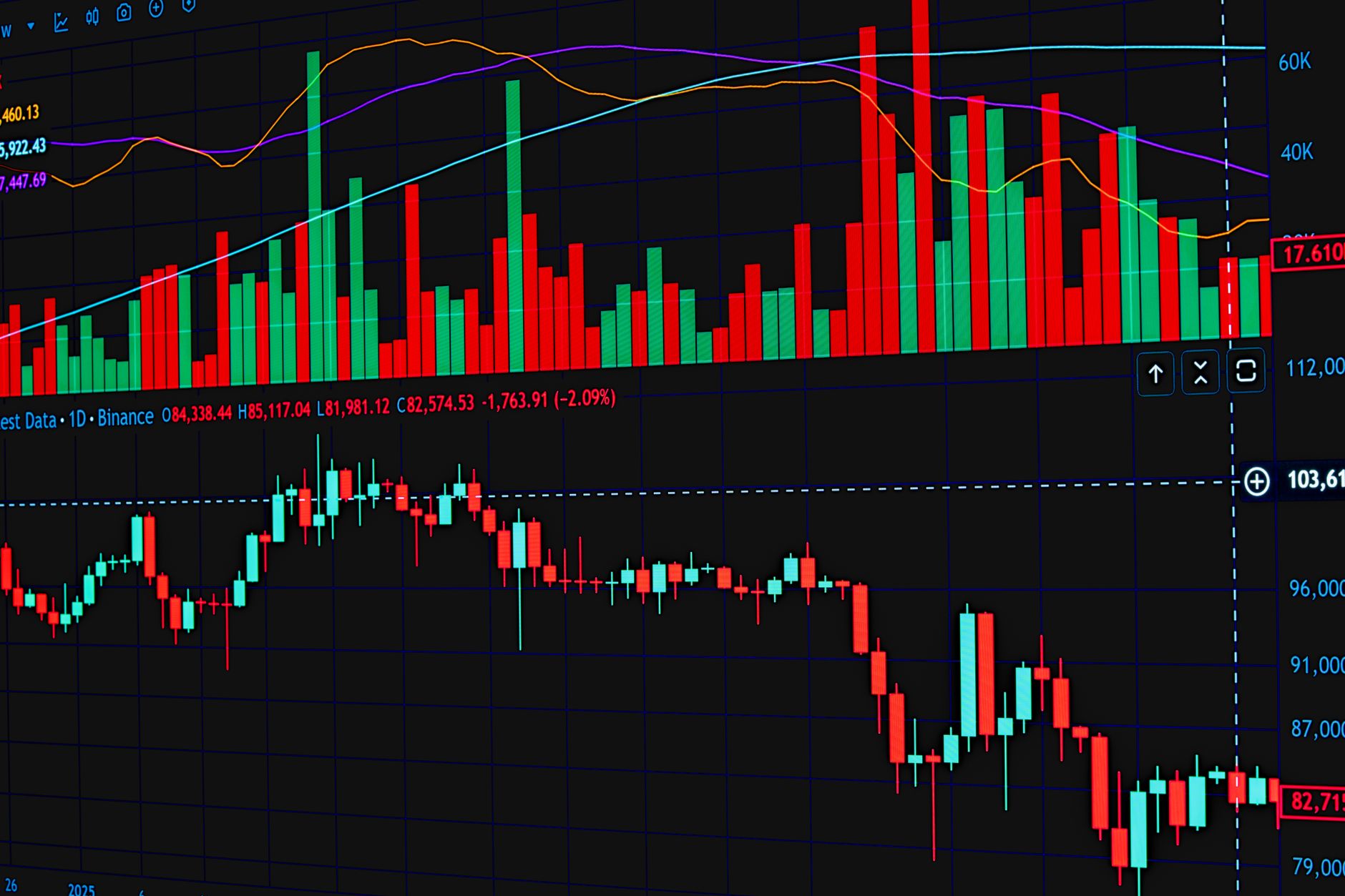
Nucor (NUE) and Steel Dynamics Surge After Canada Trade Talks Fail
Nucor (NUE) and Steel Dynamics saw a rally following the collapse of U.S.-Canada trade talks that would have reduced U.S. tariffs on steel and aluminum. The trade discussions fell apart, leading to the imposition of new 50% tariffs on $20 billion of Canadian goods. This development impacted stocks positively after they had declined last week in anticipation of a deal. The reaction from these stocks indicates market optimism regarding the potential for higher domestic steel prices due to increased tariffs, which could benefit producers like Nucor and Steel Dynamics.
Read More: Nucor (NUE) and Steel Dynamics Surge After Canada Trade Talks Fail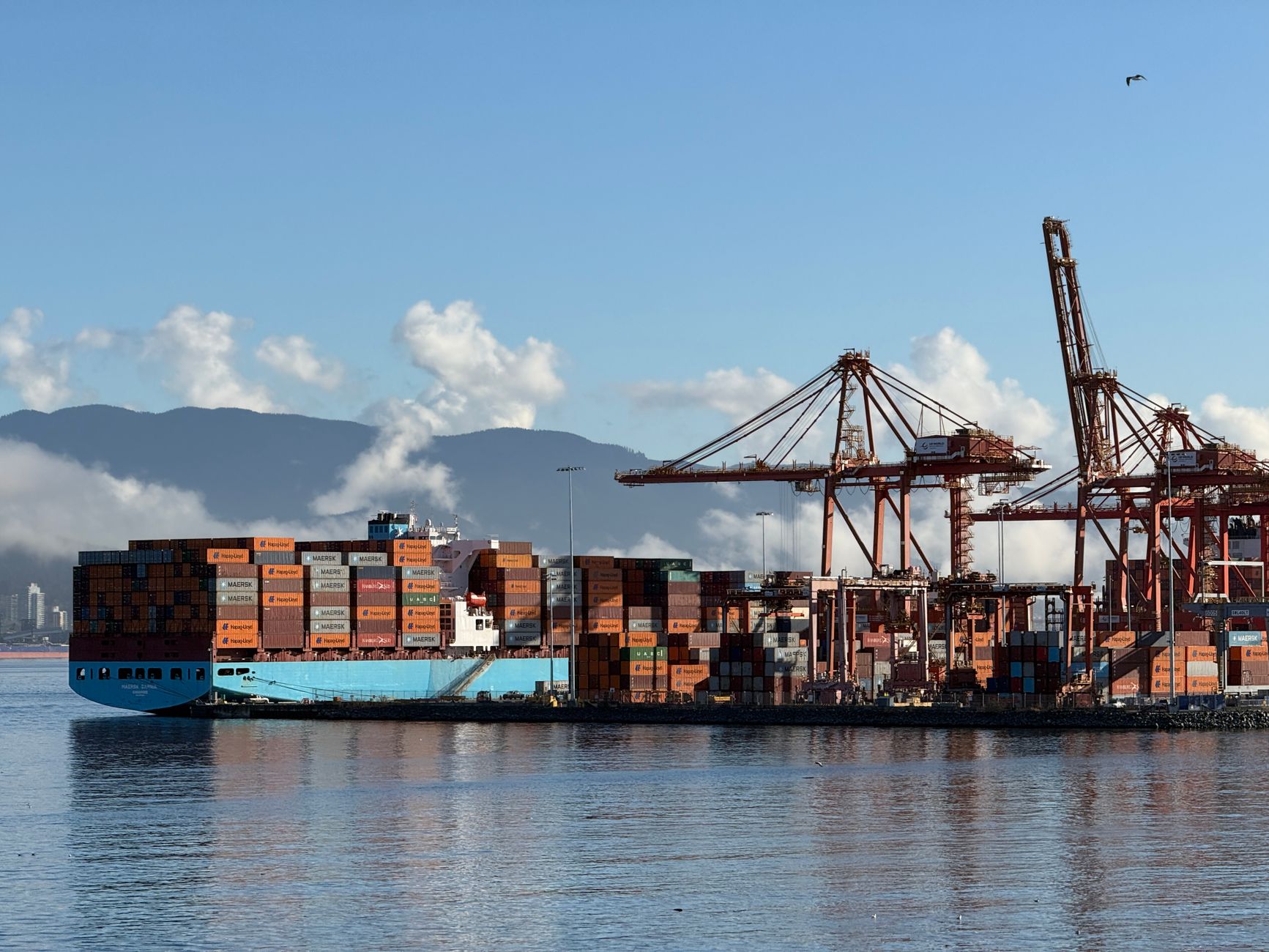
US Tariffs on Canada Reach 50% Following Trade Talks Collapse
Following the breakdown of trade negotiations, U.S. President Donald Trump announced new tariffs of 50% on various Canadian goods, impacting around $20 billion of imports, or about 5% of total Canadian trade. Canadian Prime Minister Mark Carney criticized the tariffs, stating they were a miscalculation and confirmed Canada would match the tariffs dollar-for-dollar starting September 8. The trade relationship between the U.S. and Canada, which has been closely integrated, is now described as being in a trade 'war.' This development may affect businesses reliant on cross-border trade, highlighting the complexities of U.S.-Canada economic relations.
Read More: US Tariffs on Canada Reach 50% Following Trade Talks Collapse
Canada Announces Dollar-for-Dollar Tariffs on U.S. Goods
Canada's Prime Minister Mark Carney announced that the country will impose retaliatory tariffs on U.S. goods. These tariffs are designed to be 'dollar-for-dollar' in response to the breakdown of trade talks between Canada and the U.S. This development highlights escalating trade tensions, which could impact market sentiment and trade flows. Investors should monitor how these tariffs may affect commerce between the two nations and the broader implications for the economy.
Read More: Canada Announces Dollar-for-Dollar Tariffs on U.S. Goods
U.S. Raises 50% Tariffs on Canadian Goods as Talks Fail
On September 8, retaliatory tariffs will start as Canada responds to the U.S.'s 50% tariffs on Canadian products following failed trade talks. These tariffs affect roughly $20 billion in Canadian exports such as wine, furniture, and dairy products. Canada's Prime Minister Mark Carney stated that negotiations did not meet their objectives, and an agreement was not finalized despite being reportedly close. This matters for investors as escalating trade tensions may impact market stability and trade-related sectors.
Read More: U.S. Raises 50% Tariffs on Canadian Goods as Talks Fail
Tariff Refunds Increase Following Supreme Court Decision
Tariff refunds are being returned to companies after the Supreme Court rejected tariffs imposed by President Donald Trump. This development follows a significant legal decision affecting how corporations can receive refunds from the government. The ongoing rollout of these refunds signifies potential shifts in corporate finances and consumer pricing. This could impact market dynamics as consumers advocate for a larger share of benefits from these refunds.
Read More: Tariff Refunds Increase Following Supreme Court Decision
U.S. Imposes 50% Tariffs on $20 Billion of Canadian Goods
The U.S. imposed 50% tariffs on $20 billion worth of Canadian goods, effective just after midnight on Saturday, August 18, 2026. This move follows failed negotiations, deepening trade tensions between the U.S. and Canada. This tariff affects just over 5% of Canada's exports to the U.S., which could complicate upcoming discussions on trade agreements, including the U.S.-Mexico-Canada free trade agreement. Canada plans to retaliate with equal measures, potentially impacting various sectors and leading to job losses. For investors, this situation could introduce volatility in markets linked to trade and exports.
Read More: U.S. Imposes 50% Tariffs on $20 Billion of Canadian Goods
US Imposes 50% Tariffs on Canadian Goods Amid Trade Talks Fail
The United States has announced a 50% tariff on certain Canadian goods after unsuccessful trade negotiations. This significant tariff is likely to impact industries reliant on cross-border trade, including manufacturing and agriculture. Such tariffs can lead to increased costs for consumers and companies, affecting market prices and trade relationships. This situation may cause volatility in related sectors, potentially altering investment strategies for markets impacted by these trade dynamics.
Read More: US Imposes 50% Tariffs on Canadian Goods Amid Trade Talks FailUS 50% Tariffs on $20 Billion Canadian Products Impact Markets
The US has imposed 50% tariffs on $20 billion worth of Canadian products. In response, Canada announced plans to retaliate, although specific retaliatory measures were not detailed. These tariffs could influence trade dynamics and impact market conditions, especially for companies involved in cross-border trade with Canada. Investors should monitor how this trade dispute develops, as it may affect stock prices and supply chains for companies in both countries.
Read More: US 50% Tariffs on $20 Billion Canadian Products Impact Markets
US Canada Trade Deal May Cut Tariffs on Steel and Autos
As the deadline approaches, President Donald Trump indicated that a deal with Canada is progressing. Reportedly, the US may reduce tariffs on Canadian steel and aluminum from 50% to 25% and on Canadian automobiles from 25% to 15%. Additionally, Canada might allow greater access for American dairy producers and lift its retaliatory tariffs. Experts estimate Canada could lose 90,000 jobs if a 50% tariff proposed by Trump is implemented. This matters for ordinary investors as changes in trade terms can significantly impact market stability and economic conditions in both countries.
Read More: US Canada Trade Deal May Cut Tariffs on Steel and Autos
Trump allows 300,000 metric tons of beef imports tariff-free
President Donald Trump announced that the U.S. will permit up to 300,000 metric tons of ground beef to be imported without out-of-quota tariffs over the next three months. He indicated that this beef would be sold at 25% below current market prices. While the move aims to enhance affordability, it has faced criticism from the National Cattlemen's Beef Association, with concerns that it may adversely affect American ranchers and their ability to rebuild the cattle herd. This decision could impact food prices and the ranching industry significantly as the U.S. beef herd is at its lowest since the 1950s.
Read More: Trump allows 300,000 metric tons of beef imports tariff-free
Canada-US Trade Deal Finalised, Tariffs Paused Until Weekend
Canada and the US are finalising a trade deal, with President Trump stating it will benefit US farmers and manufacturers. Canadian Prime Minister Mark Carney mentioned securing advantageous terms for Canada's strategic sectors. Trade negotiators met three times in three days, leading to a pause on new tariffs, originally set to hit 50% on Canadian goods. The agreement could eliminate some irritants, with Trump indicating Canada's commitment to remove tariffs on US farmers, although specific details remain unclear, impacting how trade evolves between the two nations.
Read More: Canada-US Trade Deal Finalised, Tariffs Paused Until Weekend