Commodities News & Analysis
50 articles
Market Mood
Brent Oil Hits $110 Amid Iran Hormuz Attacks, Ukraine Tensions
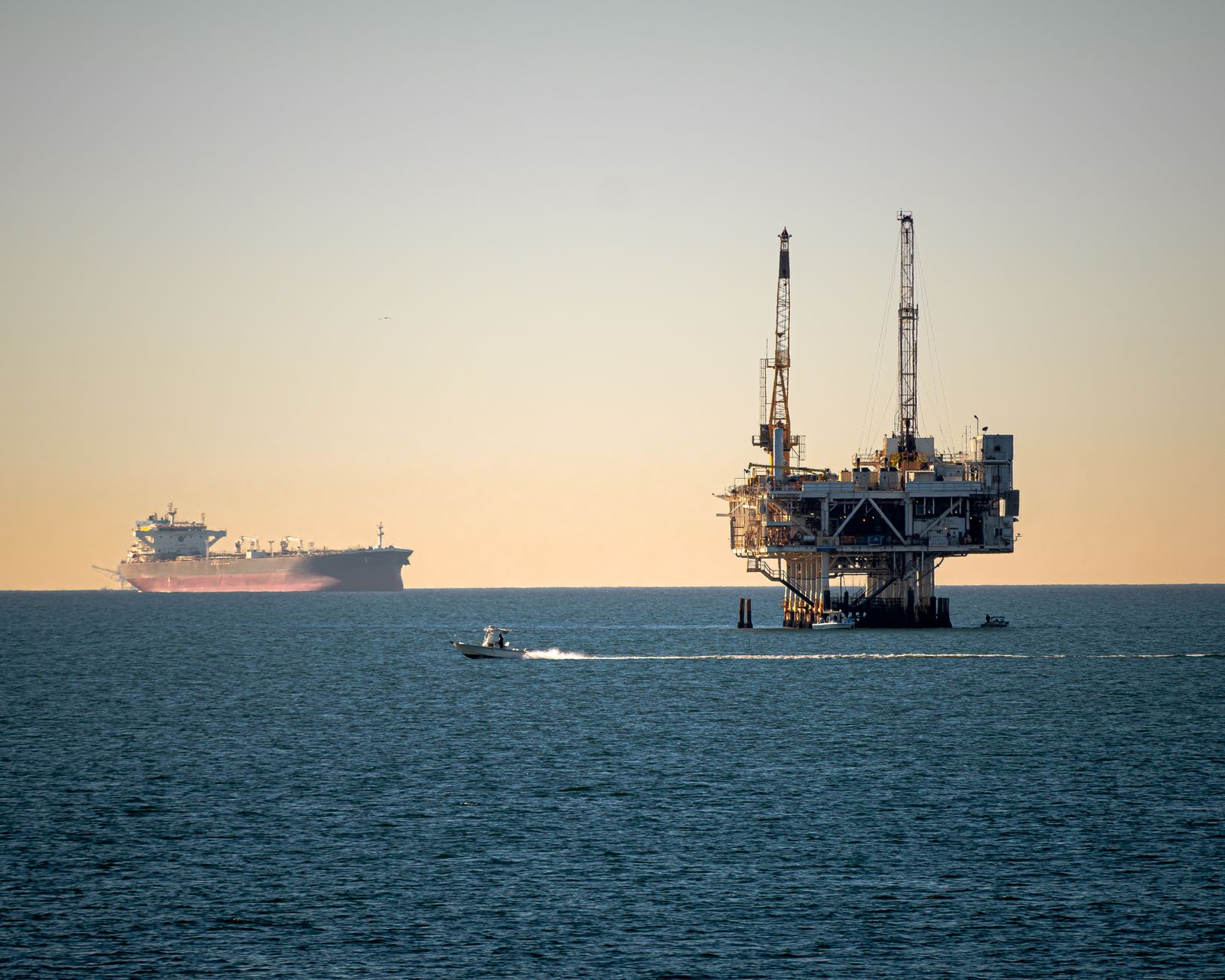
Brent crude oil prices rose sharply to reach $110 per barrel following heightened geopolitical tensions. This increase marked the highest level since May, closing at $109.86 with a 3.7% gain. Concurrently, U.S. West Texas Intermediate (WTI) also rose 3.5% to settle at $101.41 per barrel. Over the past week, WTI increased over 10%, while Brent advanced nearly 5% amidst escalating conflicts in strategic areas including the Strait of Hormuz and Ukraine's ongoing military actions against Russian refineries. Iranian forces were implicated in attacks on vessels in the Gulf and Houthi militants launched missile strikes at Saudi Arabia, exacerbating supply concerns. Meanwhile, Saudi Arabia intercepted several missile attacks aimed at its oil infrastructure, including one near the terminal in Yanbu. Despite these regional conflicts, daily crude export levels through Hormuz reported a pullback to 9.4 million barrels, approximately 70% of prewar averages. The conflict has also contributed to a significant rise in diesel prices in the U.S., which surpassed $6.33 a gallon, a 70% increase from the previous year. U.S. commercial inventories saw a substantial drop by more than 8 million barrels due to hurricane impacts on the Gulf Coast. These geopolitical instabilities have intensified supply fears, pushing up crude oil prices worldwide. For ordinary investors, the developments could mean sustained higher prices at the pump and broader economic impacts due to elevated energy costs.
Read More: Brent Oil Hits $110 Amid Iran Hormuz Attacks, Ukraine Tensions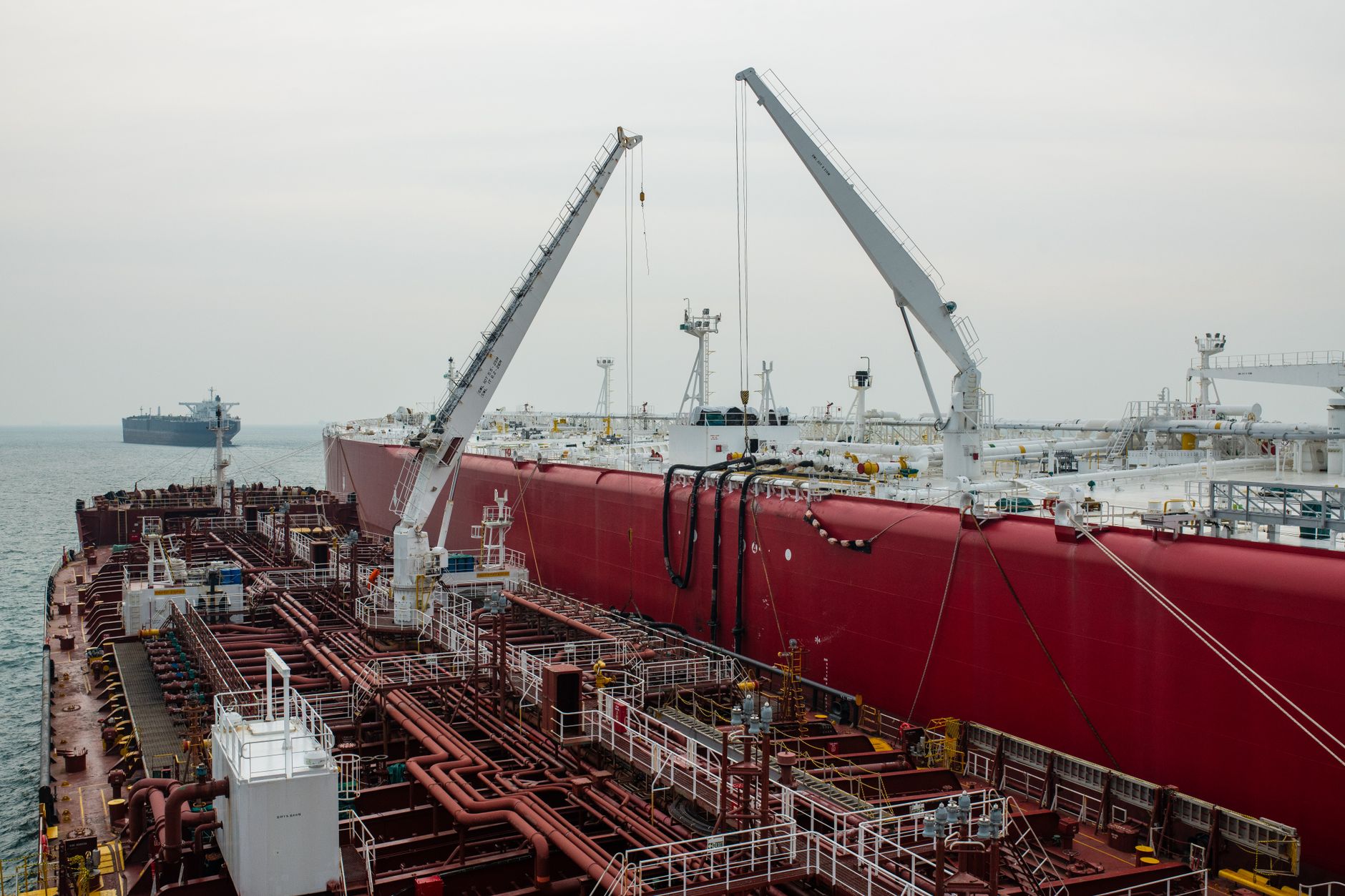
Oil Hits $110 Per Barrel Amid Middle East, Russia Worries
Oil prices have risen to $110 per barrel, marking the first time since May that this level has been reached. The increase is attributed to concerns over supply disruptions related to tensions in the Middle East and Russia. This rise in oil prices could lead to increased costs for transportation and manufacturing, affecting various sectors reliant on oil as an essential commodity. The situation remains delicate as geopolitical uncertainties persist, which may continue to influence oil market dynamics in the coming days and weeks. For consumers and businesses, rising oil prices may result in higher living and operational costs, directly impacting profitability and expense management.
Read More: Oil Hits $110 Per Barrel Amid Middle East, Russia Worries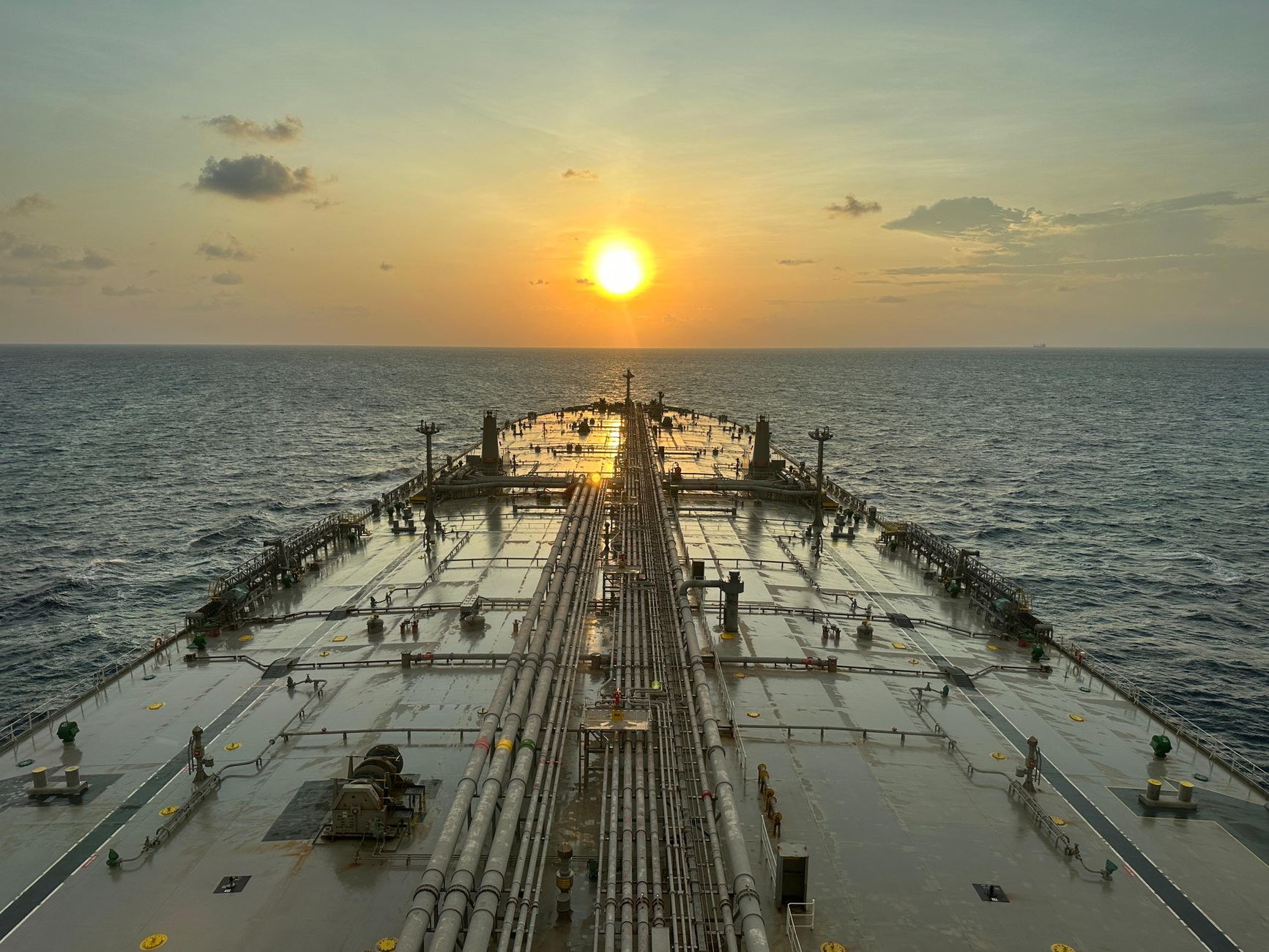
Oil Shipping Costs Drive Prices $30-$40 Higher
The real price of oil is suggested to be $125 per barrel or higher due to increased delivery costs, according to energy insiders. While oil futures show a different figure, the cost of chartering very large crude carriers (VLCCs) for oil delivery has risen significantly. Recent charters from the U.S. Gulf Coast to Asia cost $76 million to $77 million, leading to a premium of approximately $38 per barrel over oil's market price. This trend reflects in rising stock prices of shipping companies. The article also mentions an increase in the stocks of shipowners, which have risen due to these higher shipping premiums. However, it notes that even though oil volumes through the Hormuz Strait are returning to pre-war levels, the shipping costs show no signs of decreasing. These developments matter for investors because they highlight how logistical costs can substantially influence the actual price paid for physical commodities like oil. Shell (SHEL), being a major player in global energy markets, has experienced a stock increase, reaching new highs amid bullish analyst sentiments.
Read More: Oil Shipping Costs Drive Prices $30-$40 Higher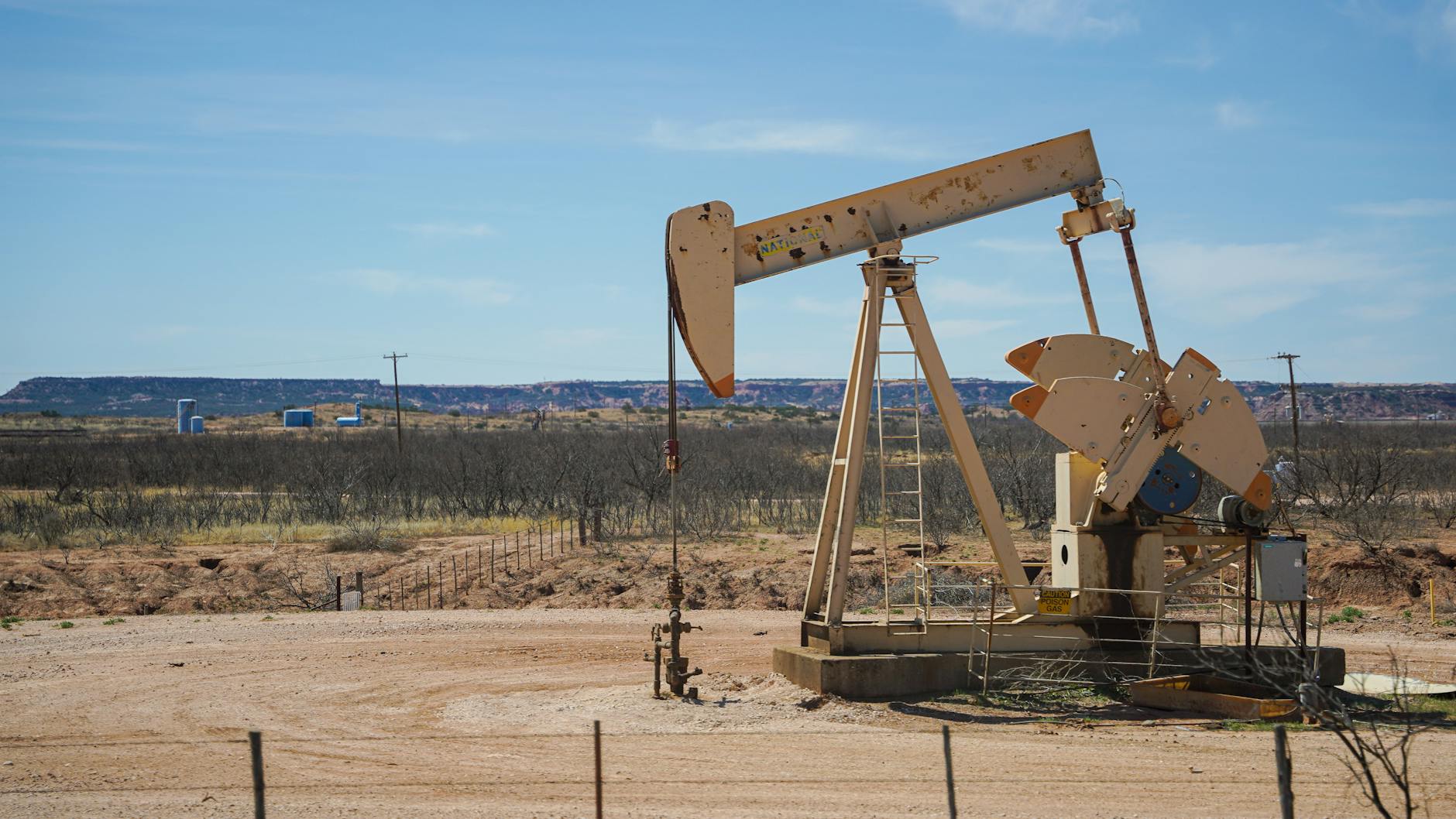
Brent Oil Dips on U.S. Sanctions, Big Crude Draw Boosts WTI
Brent crude prices dipped slightly following reports suggesting a potential easing of U.S. sanctions on certain oil-related activities. Meanwhile, West Texas Intermediate (WTI) received a boost due to a significant drawdown in crude inventories, signaling stronger demand or tighter supply conditions. The exact size of the inventory draw was not specified in the article, but such data can impact oil prices by affecting market perceptions of supply and demand balance. The potential easing of sanctions could increase the availability of oil from previously restricted sources, potentially adding to the global supply. Meanwhile, the reported inventory draw for WTI suggests current market conditions are drawing down existing oil stockpiles more quickly, which can support higher prices if demand outpaces supply. These developments matter to investors as they indicate shifts in oil supply dynamics. Changing sanctions could influence Brent prices, while the crude inventory levels impact WTI, affecting energy sector stocks and related financial instruments.
Read More: Brent Oil Dips on U.S. Sanctions, Big Crude Draw Boosts WTI
Trump Announces Greenland Exploration Plans Amid Complexity
Former President Donald Trump announced that oil, gas, and mineral exploration in Greenland is set to commence. However, the process is not straightforward, involving legal, environmental, and geopolitical complexities. Trump's statement contrasts with the logistical challenges and regulatory hurdles that need to be addressed before any exploration can start. Greenland, being a strategic location with potential untapped resources, draws significant attention, but stakeholders must navigate a host of issues to proceed with exploration initiatives. This matters for investors interested in energy and mining sectors, as potential future projects in Greenland depend on overcoming these multifaceted challenges.
Read More: Trump Announces Greenland Exploration Plans Amid Complexity
Taiwan Agrees to Buy 30% of LNG from Alaska Pipeline
Former U.S. President Donald Trump has announced that Taiwan has agreed to purchase 30% of liquefied natural gas (LNG) from a planned pipeline project in Alaska. This agreement signifies a significant development for the Alaska pipeline project, as it secures a substantial buyer for the LNG. The pipeline project, which aims to tap into Alaska's vast natural gas reserves, is expected to enhance energy exports from the U.S. and strengthen economic ties with Taiwan. However, the article does not specify financial terms or projected revenues from this agreement. This matters for investors as securing a major buyer could improve the project's viability and potentially enhance returns for stakeholders involved in the Alaska LNG infrastructure.
Read More: Taiwan Agrees to Buy 30% of LNG from Alaska Pipeline
Limited Fire Reported at Aramco Compound After Attack
The Saudi Ministry of Energy reported a limited fire at an Aramco compound. The fire followed an attack targeting the compound. Specific details on the extent of the damage or the impact on Aramco's operations were not provided. The incident signifies potential security concerns for energy infrastructure in the region. Aramco is a significant player in the global oil industry, making any disruptions critical to monitor closely. The attack highlights ongoing geopolitical tensions that could affect oil markets. For investors, the security of Saudi oil infrastructure is crucial due to its influence on global oil supply and pricing.
Read More: Limited Fire Reported at Aramco Compound After Attack
Trump's Diesel Deal: 35.76 Million Barrels from Russia
President Donald Trump announced a diesel supply agreement with Russia, expected to introduce 4.8 million metric tons or 35.76 million barrels to the global market. This deal intends to alleviate rising fuel prices but covers less than two weeks of U.S. diesel demand, which stood at 3.65 million barrels per day for the week ending October 2. Russia plans to deliver the diesel in stages, starting with 300,000 metric tons immediately available to the market. The supply agreement includes subsequent shipments of 500,000 tons in November and 3 million tons later, depending on Russian refinery conditions. However, the Energy Information Administration notes that the Russian diesel supply meets only about 2% of U.S. demand. Analysts predict that this may slightly reduce wholesale diesel prices by $1 to $2 per barrel in the U.S. Gulf Coast and Europe, though the U.S. remains a net diesel exporter. The deal underscores political efforts ahead of U.S. midterm elections as Trump faces criticism over fuel costs. It highlights the minimal expected impact of this supply on global markets, potentially easing competition for U.S. barrels in other regions. For ordinary investors, the deal is unlikely to drive significant changes in market prices or investor sentiment due to its limited scale.
Read More: Trump's Diesel Deal: 35.76 Million Barrels from Russia
Oil Prices Drop 1.5% Amid Russian Supply Prospects
Oil prices have fallen as markets react to the potential increase in Russian diesel supply and the ongoing Saudi-Houthi conflict. Brent crude futures decreased by 1.48%, reaching $105.05 per barrel, while U.S. West Texas Intermediate futures fell 1.57% to $92.27 per barrel. Despite concerns, these prices have been supported by tensions between Saudi Arabia and the Houthi rebels in Yemen, which have limited further declines. President Donald Trump defended a temporary easing of restrictions on Russian diesel supplies, aiming to allow more Russian energy into U.S. and global markets. This decision has been criticized by U.S. lawmakers due to the ongoing conflict in Ukraine. Analysts at Goldman Sachs predict that an additional 800,000 metric tons of Russian diesel supply will have a limited effect on decreasing global fuel prices, suggesting a possible reduction of only $1 to $2 per barrel in the U.S. Gulf Coast and Europe. This news is important as changes in oil prices influence fuel costs, which can affect transportation and broader economic conditions. The global diesel supply remains strained, with significant drops in production and inventories, highlighting ongoing challenges in energy markets.
Read More: Oil Prices Drop 1.5% Amid Russian Supply Prospects
Oil Prices Dip Amid Russia Diesel Supply Prospects
Oil prices fell as prospects for increased Russian diesel supply countered concerns about supply risks from the Gulf region. This development affected overall market sentiment, leading to a decrease in oil prices. Analysts noted that the potential for more Russian diesel supply eases some pressures on global oil supply, which has been strained due to geopolitical tensions in the Gulf area. The news of Russia potentially increasing its diesel exports comes as a relief to markets worried about supply disruptions. This counteracts fears stemming from geopolitical developments in the Gulf that have caused volatility in oil supply. Market participants will be closely watching how the situation unfolds, particularly any concrete actions from Russia related to diesel supply increases. This matters to investors because shifts in oil supply and prices can significantly impact energy-related stocks and broader economic conditions. An increase in Russian diesel supplies could stabilize oil markets and potentially lower energy prices, affecting earnings in the energy sector.
Read More: Oil Prices Dip Amid Russia Diesel Supply Prospects
Rising Heating Oil Costs Impact Rural Communities
Rural communities are experiencing significant challenges due to increasing heating oil prices. This situation is especially difficult for those in isolated areas that often rely on oil for heating. The increase in costs affects household budgets in these communities, particularly in regions like Wiltshire, where reliance on oil is common. This financial strain can impact the local economy by reducing disposable income and limiting spending on other goods and services. Heating oil price hikes add economic pressure on rural households. These communities often lack access to alternative heating methods, making the rising costs unavoidable. Consequently, families in rural areas face tough choices between heating their homes and other expenses. This situation matters because it highlights the vulnerability of rural communities to fluctuations in fuel prices. For investors, shifting energy prices can influence consumer spending patterns and economic activity in affected regions, potentially affecting broader market conditions.
Read More: Rising Heating Oil Costs Impact Rural Communities
Gold Prices Rise as Traders Consider Russia-Ukraine Ceasefire
Gold prices experienced a slight increase as traders assess the potential impact of an 'energy ceasefire' agreement between Russia and Ukraine. This development comes amid ongoing geopolitical tensions, potentially influencing global energy markets and commodity prices. Gold's performance is often sensitive to geopolitical events and changes in economic policies, as it is regarded as a safe-haven asset during uncertain times. The current price movement reflects traders' anticipation of reduced risks stemming from the tentative cessation of hostilities in energy supply disruptions in the region. The article did not provide specific figures or percentages regarding the gold price change. However, this news highlights the market's reaction to geopolitical developments, particularly those involving major energy producers like Russia. The term 'energy ceasefire' refers to a temporary halting of disruptions or threats to energy supplies, which could stabilize prices and supply chains. The importance of this development for investors lies in its potential to affect gold prices and the broader market sentiment, which can have ripple effects on other commodities and financial markets. As gold is a hedge against risk, any prolonged stability in the region may lead to adjustments in gold's appeal as a risk-averse investment option.
Read More: Gold Prices Rise as Traders Consider Russia-Ukraine Ceasefire
Oil Prices Fall on Russia-Ukraine Energy Ceasefire News
Oil prices dropped on Monday following President Donald Trump's announcement of an 'energy ceasefire' between Russia and Ukraine. Brent crude for December delivery fell 1.65% to $102.99 per barrel, while U.S. West Texas Intermediate (WTI) futures for November declined 1.92% to $90.09 per barrel. This development comes amid expectations of increased supplies, with Russia agreeing to supply over 4 million tons of diesel to the global market under a deal with the U.S. The agreement aims to prevent Russian and Ukrainian energy facilities from being targeted, potentially stabilizing energy markets. Ukrainian President Volodymyr Zelenskyy expressed support for the ceasefire. In the Middle East, Iran has initiated discussions with Saudi Arabia following Houthi attacks on the kingdom. The dialogue aims to ease regional tensions and could impact oil supply dynamics. The situation remains volatile, with the U.S.-Iran conflict and Hurricane Isaias potentially affecting oil supplies. Trump's ceasefire and Russia's diesel supply agreement could help stabilize prices, but geopolitical tensions and natural events like hurricanes continue to pose risks.
Read More: Oil Prices Fall on Russia-Ukraine Energy Ceasefire News
Oil Prices Rise Amid Mideast Conflict and Tanker Attacks
Oil prices have increased as ongoing Middle East conflict and tanker attacks continue to cause concerns about supply disruptions. The geopolitical tensions in the region have raised fears of potential impacts on oil transport and availability, leading to higher prices in the global oil market. This situation highlights the vulnerabilities in oil supply chains and their susceptibility to geopolitical events. Investors in the oil markets are reacting to these developments, with increased focus on Middle Eastern oil supply stability. This matters for investors as geopolitical uncertainties can lead to price volatility in the oil market, impacting the costs and revenues of involved companies and sectors.
Read More: Oil Prices Rise Amid Mideast Conflict and Tanker Attacks
Taylor Farms to Reduce Lettuce Supply from Mexico
Taylor Farms has announced plans to reduce its distribution of lettuce sourced from Mexico. The decision comes as part of a broader strategy in addressing supply chain efficiencies and managing production costs. Taylor Farms aims to focus more on local production facilities to meet its distribution needs. The changes in sourcing strategy are expected to have implications for the company's operational and supply strategies, although exact figures and timelines were not disclosed in the article. This shift forms part of Taylor Farms' larger strategy to optimize production and distribution processes amidst evolving agricultural trade dynamics. For ordinary investors, this move may impact Taylor Farms' cost structure and operational risk profile associated with international logistics.
Read More: Taylor Farms to Reduce Lettuce Supply from Mexico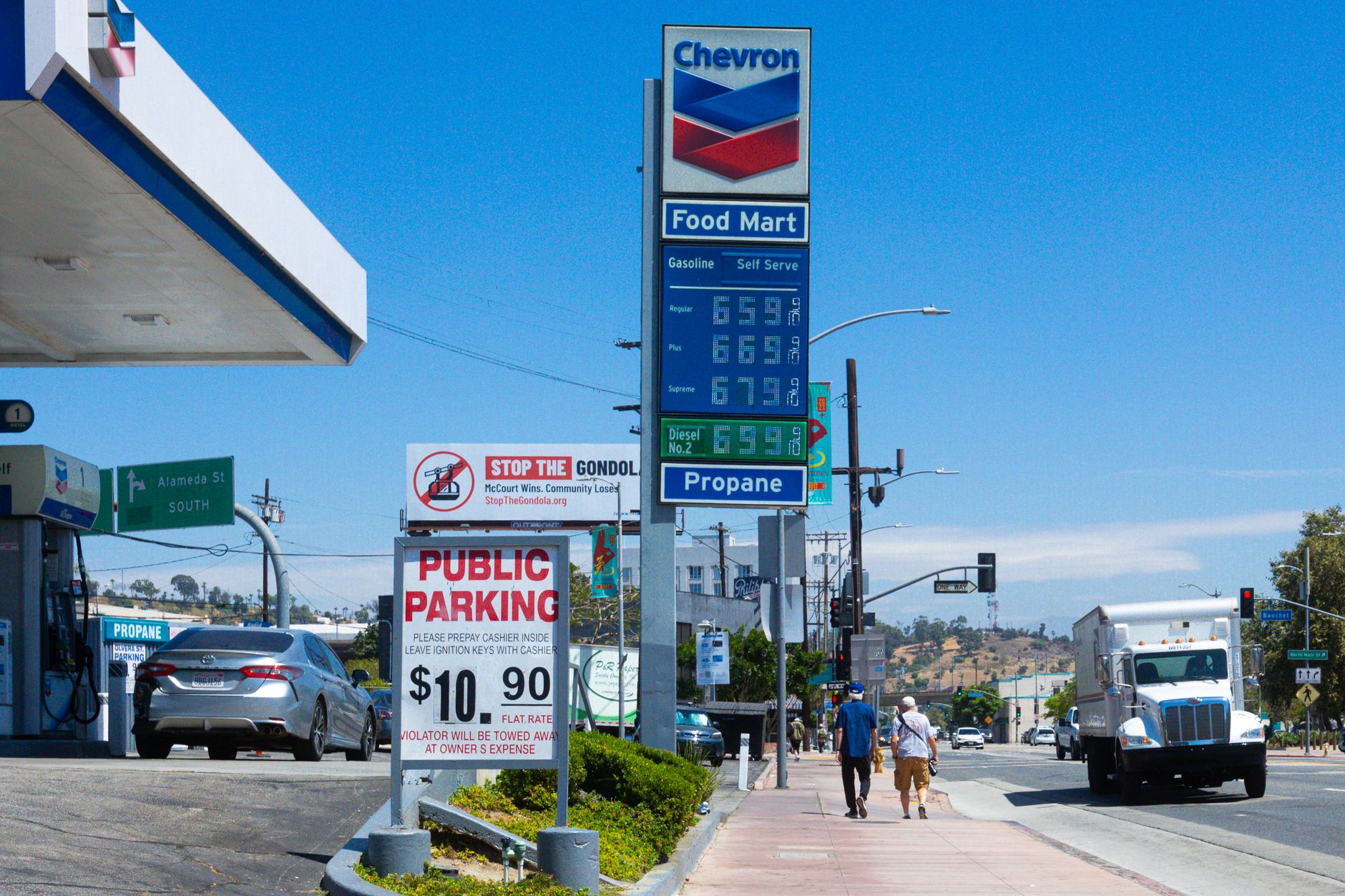
Oil Prices Steady as Trump Rules Out Iran Strikes Pre-Midterms
Oil prices have remained steady after comments from President Trump indicating a likelihood of ruling out military strikes on Iran before the U.S. midterm elections. This development signals a possible de-escalation of tensions that previously contributed to oil market volatility. The announcement appears to have reassured markets, leading to a stabilization in oil prices, as traders adjust expectations around geopolitical risks. The stance comes in light of previous concerns that conflict involving Iran could disrupt oil supplies and drive prices higher. For ordinary investors, stability in oil prices can reflect less volatility in related sectors such as energy stocks, which often react to geopolitical uncertainties.
Read More: Oil Prices Steady as Trump Rules Out Iran Strikes Pre-Midterms
BP Cuts Gulf of Mexico Production Due to Hurricane Isaias
BP has reduced production at two oil platforms in the Gulf of Mexico. The adjustment comes in response to Hurricane Isaias, as safety measures take priority. BP's decision is part of their proactive approach to ensuring the safety of personnel and environmental protection in the face of severe weather conditions. The company has not disclosed specific figures on the production cut. These platforms contribute significantly to BP's output, underlining the importance of the decision. Industry protocols typically necessitate such precautionary measures to protect infrastructure and avoid potential spills during hurricanes. Investors should note that temporary production cuts like this could influence the company's short-term output and financial performance. However, the impact may be mitigated if operations resume quickly after the storm.
Read More: BP Cuts Gulf of Mexico Production Due to Hurricane Isaias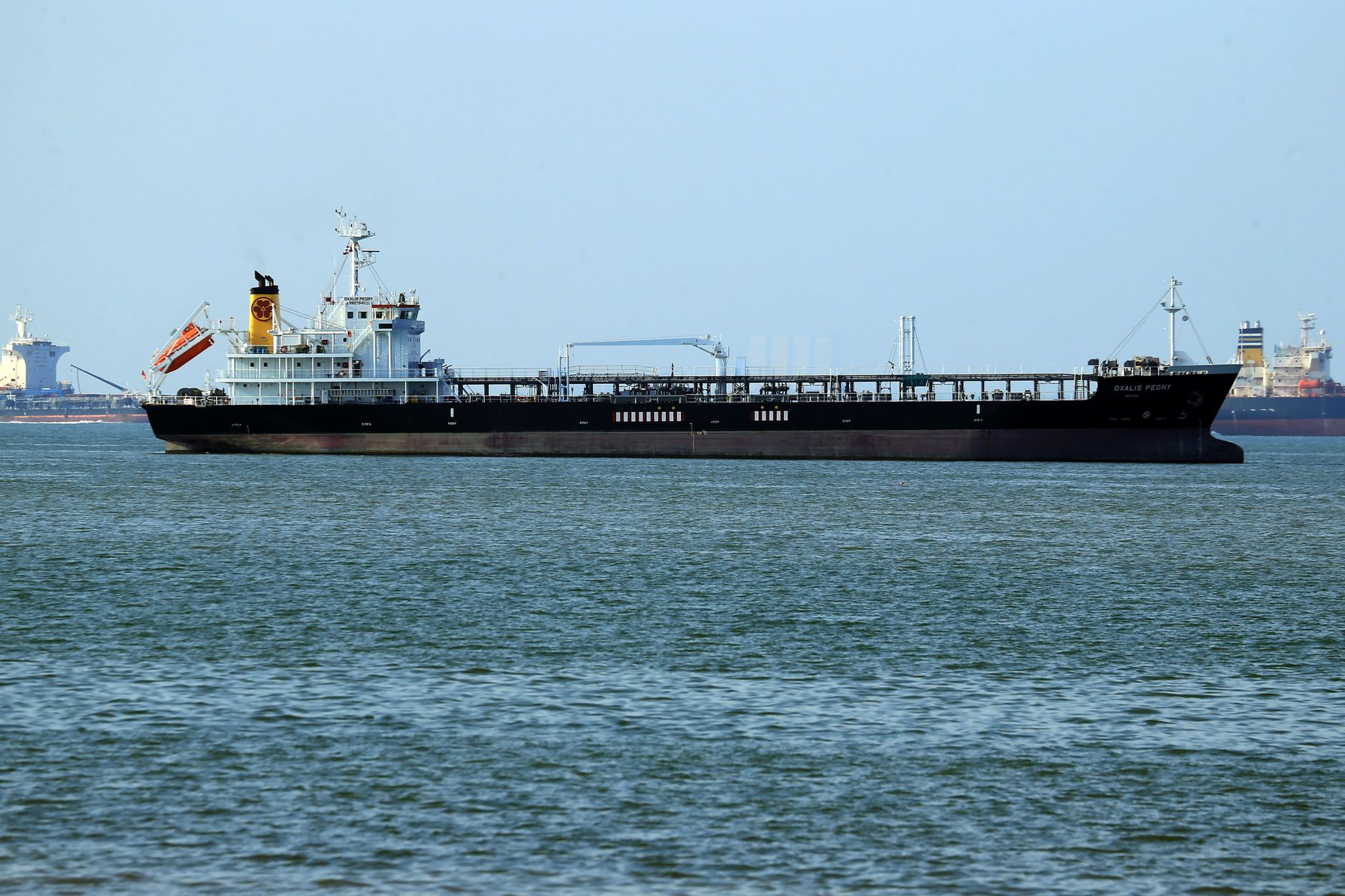
Tanker Attacks Intensify, Impact Gulf Oil Markets
Recent attacks on oil tankers in the Gulf region have intensified, causing significant disruptions in the oil markets. These incidents have escalated tensions and raised concerns about the safety of oil transport routes. The attacks highlight the strategic vulnerability of the region, which is a critical artery for global oil supply. Market analysts are closely monitoring the situation as any prolonged disruptions could lead to increased volatility in oil prices. The ongoing instability in the Gulf thus poses a potential risk not only to oil markets but also to global economic stability.
Read More: Tanker Attacks Intensify, Impact Gulf Oil Markets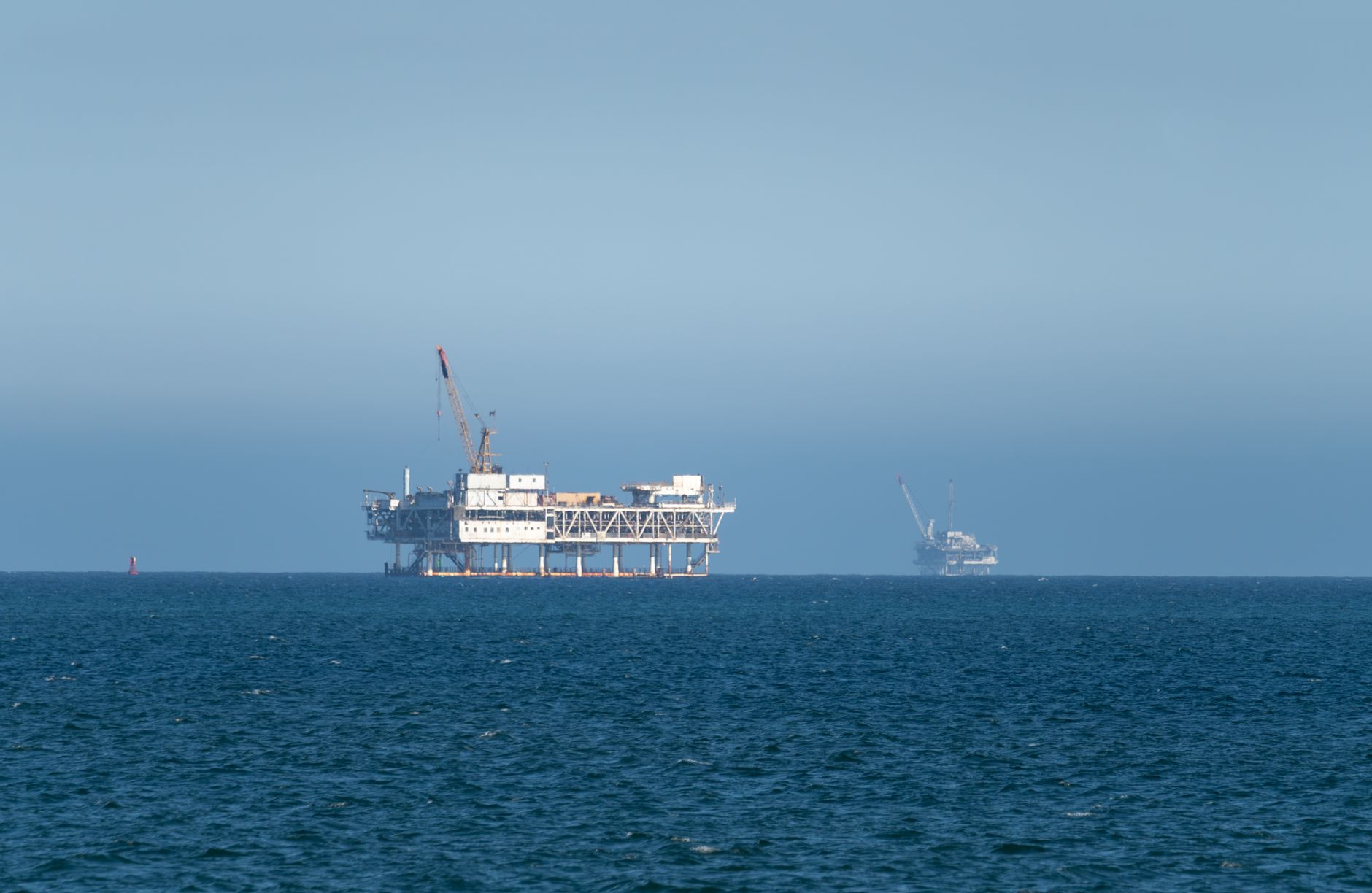
Hurricane Isaias Threatens Gulf Oil Production
Hurricane Isaias, the first major storm of the Atlantic season, is approaching the Gulf of Mexico, posing a threat to oil and gas production in the region. The storm could impact states including Florida, Alabama, Georgia, and Mississippi. The energy sector is on alert as this weather event may disrupt operational activities, potentially leading to delays and production halts. Companies in the region are monitoring the storm closely to mitigate any adverse effects on their operations. For investors in the oil and gas market, the hurricane's path could affect supply, potentially influencing oil prices. As energy companies prepare for possible disruptions, market participants will be evaluating the extent and impact of production interruptions. This is significant for investors as any disruption in oil production can affect supply chains, leading to price fluctuations in global markets.
Read More: Hurricane Isaias Threatens Gulf Oil Production
Trump Claims Russian Diesel Supply to US Market
Former President Donald Trump has announced that Russia will supply diesel fuel to the United States and global markets. This statement was made during an interview, and specifics regarding the volume or timeline of these supplies were not disclosed. There were no immediate confirmations or comments from Russian officials or relevant U.S. energy authorities about such an agreement. The development comes amid ongoing concerns about global energy supplies and potential impacts on prices as well as geopolitical tensions. The involvement of Russia in supplying diesel to the U.S. could influence energy prices depending on the actual volume and timing. It would be important to monitor any official confirmation or further details to assess its true effect on the energy markets. For now, specifics such as pricing, delivery schedules, or direct agreements remain unspecified. Investors should consider the potential implications for the energy market, with attention to how this might impact diesel supply chains and pricing dynamics. Continued monitoring of official statements and market reactions could provide further clarity.
Read More: Trump Claims Russian Diesel Supply to US Market
Gold Futures Drop with Strong Dollar and High Yields
Gold futures experienced a decline as the U.S. dollar strengthened and bond yields remained high. This dual pressure has affected the pricing of gold, usually considered a safe-haven asset, and led to reduced investor interest. The strength of the dollar makes gold more expensive for holders of other currencies, while high bond yields diminish gold's appeal as an investment due to better returns in competing assets. As a result, gold futures have come under downward pressure in the current market environment. The combination of a strong dollar and high yields poses a challenge to gold prices, affecting investors who rely on gold as a hedge. These financial dynamics are pushing investors to reconsider their positions in gold assets and look for alternatives that might offer better returns or lower risk. The ongoing fluctuations in the international financial markets continue to impact gold's performance, showcasing its sensitivity to currency and bond market changes. For investors, understanding the interplay between currency strength, bond yields, and commodity prices like gold can be crucial for making informed decisions. The current market conditions may necessitate a reassessment of gold's role in a diversified portfolio, as external economic factors significantly influence its valuation.
Read More: Gold Futures Drop with Strong Dollar and High Yields
China to Resume Fuel Exports in October After Brief Halt
China will resume its fuel exports in October following a temporary suspension, according to four trade sources. The brief halt raised concerns about supply disruptions, but the quick resumption suggests these may be limited. This move is seen as an effort to manage domestic inventories and global market demands. Specific export volumes were not disclosed by the sources. The resumption comes amid shifts in global oil demand and supply, which have been influenced by various geopolitical and economic factors. The decision to resume exports is likely influenced by internal considerations such as balancing domestic supply and refining capabilities with global market positioning. This development could have implications for global oil prices and the balance of trade among importing nations. For investors and market participants, China's fuel export decisions are crucial as they influence global supply chains and market stability.
Read More: China to Resume Fuel Exports in October After Brief Halt
Gold Steadies Amid US-Iran Tensions and Fed Rate Assessment
Gold prices have steadied as traders evaluate the ongoing tensions between the US and Iran, alongside the Federal Reserve's monetary policy path. The geopolitical situation may influence global market sentiment, while expectations regarding the Fed's policy could impact investment in precious metals. The tensions between the US and Iran add to the uncertainty in the commodity markets, where gold is often seen as a safe haven. Market participants are closely monitoring these developments to gauge potential impacts on gold prices. Gold's steady performance signals traders' caution amid these geopolitical and economic considerations, with the Fed's interest rate stance playing a crucial role in gold's appeal as an investment. For ordinary investors, these factors could affect gold's price movements, impacting its investment attractiveness.
Read More: Gold Steadies Amid US-Iran Tensions and Fed Rate Assessment
Gold Rises Over 1% as Dollar Weakens
Gold prices increased by over 1% as the U.S. dollar weakened and Treasury yields retreated. The softer dollar made gold more attractive to overseas buyers, contributing to the rise in its price. Meanwhile, a fall in Treasury yields reduced the opportunity cost of holding non-yielding bullion, further supporting gold's rise. The weakening dollar and declining Treasury yields are key factors affecting the attractiveness and pricing of gold. As gold does not offer interest, lower yields make it more appealing compared to interest-yielding assets. The article highlights how currency and bond markets influence precious metal prices. This matters for investors as it indicates how shifts in currency strength and bond yields can impact gold prices. Such fluctuations can provide opportunities for portfolio diversification, especially during times of financial uncertainty.
Read More: Gold Rises Over 1% as Dollar Weakens
Reliance (RELIANCE) Leads in Venezuelan Crude Imports, India
Reliance Industries, led by Indian billionaire Mukesh Ambani, has become the largest buyer of Venezuelan crude outside the U.S., significantly contributing to the country's imports. According to Kpler data, Reliance imported 76% of the 257,000 barrels per day of Venezuelan crude into India in September, with the Jamnagar complex being the main destination. The Jamnagar facility is known for its capacity to process heavy and extra-heavy Venezuelan crude, which is challenging to refine elsewhere in India. Reliance has a market capitalization of over $169 billion and is also investing in a U.S. oil refinery project proposed by President Donald Trump, labeled by Trump as a $300 billion initiative. India's imports of Russian oil remain high, with 1.82 million barrels per day in September, despite political pressure from the U.S. to reduce reliance on Russian energy. The strength of Reliance's Jamnagar refinery in processing Venezuelan crude aligns with its strategic move to diversify energy sources, particularly during geopolitical tensions influencing global oil supply. Reliance's involvement in expanding crude imports underlines its commitment to ensuring energy security for India. The company's strategic investments in both Venezuelan and U.S. energy projects could influence costs and stability in India's energy markets.
Read More: Reliance (RELIANCE) Leads in Venezuelan Crude Imports, India
Hormuz Transits Drop to Lowest in 2 Months After Attacks
Recent data shows that the number of transits through the Strait of Hormuz has reached its lowest level in over two months following a series of attacks. The Strait of Hormuz is a crucial passageway for global oil shipments, and any disruptions can have significant implications for global oil markets. The reduction in transits could lead to supply concerns and potential price fluctuations in the oil sector. The article highlights the importance of maintaining security and stability in the region to ensure the uninterrupted flow of oil shipments. Global markets must monitor the situation for any further developments that could impact oil supply and prices.
Read More: Hormuz Transits Drop to Lowest in 2 Months After Attacks
Oil Prices Rise Amid IEA Supply Concerns and Stock Release
Oil prices experienced a rise in a volatile trading session due to ongoing supply concerns. The International Energy Agency (IEA) has pledged to accelerate the release of oil stocks to mitigate these supply issues. The commitment by the IEA is aimed at stabilizing the market as geopolitical tensions and supply disruptions continue to impact the global oil market. These developments play a crucial role in maintaining balance amid fluctuating oil prices. The IEA's move underscores the importance of strategic reserves in managing market stability and addressing supply disruptions. The current market conditions reflect the broader impact of global supply chain challenges on commodity prices. Prices have reacted to a combination of geopolitical factors and strategic stock releases, which continue to influence market dynamics. For ordinary investors, these changes in oil pricing underscore the influence of global supply variables on market stability and potential investment returns linked to the energy sector.
Read More: Oil Prices Rise Amid IEA Supply Concerns and Stock Release
U.S. Natural Gas Futures Rise Before Storage Data Release
U.S. natural gas futures experienced gains as traders anticipate government storage data set to be released soon. This increase in futures indicates market expectations around upcoming supply figures. Traders typically watch this data closely to understand potential shortages or surpluses in supply, which can influence prices. The storage data is seen as a key indicator of supply-demand dynamics in the natural gas market. The exact numbers for the futures gain were not specified in the report, but the anticipation of the storage data highlights its significance for market participants. Such data helps in forecasting supply levels and prices and can impact trading strategies. Market observers will be looking for changes in storage levels that can affect natural gas prices in the short term. For investors, this matters as it could indicate tighter supply, potentially driving up prices and affecting profitability for those relying on natural gas. Understanding these dynamics is crucial for making informed investment decisions in energy markets.
Read More: U.S. Natural Gas Futures Rise Before Storage Data Release
IEA to Release 100 Million Barrels from Strategic Reserves
The International Energy Agency (IEA) announced a plan to release 100 million barrels of oil from strategic reserves. This move aims to stabilize global oil markets amidst ongoing supply disruptions. The released oil is expected to help manage pricing pressures due to various geopolitical factors affecting the energy sector. The decision to accelerate the release comes in response to heightened concerns about energy security and market volatility. By increasing supply, the IEA seeks to mitigate price hikes affecting consumers and businesses worldwide. This release is part of a broader strategy to ensure energy stability.
Read More: IEA to Release 100 Million Barrels from Strategic Reserves
Oil Shock: Potential Impact on Strength and Resilience
The recent oil price shock could influence economic resilience. The article discusses potential implications for global markets, though it does not provide specific data or figures. The focus is on how economies might adapt and grow stronger in response to the challenges posed by fluctuating oil prices. While specific outcomes are not detailed, the article suggests that resilience could be a result of adjusting to this economic pressure. For investors, the key takeaway is understanding how shifting oil prices might change economic strengths and weaknesses over time.
Read More: Oil Shock: Potential Impact on Strength and Resilience
Brent Crude Gains 1.17% Amid Houthi Attacks on Saudi Arabia
Oil prices increased on Wednesday, influenced by recent geopolitical tensions in the Middle East. Brent crude futures for December delivery rose 1.17% to reach $101.76 per barrel. Concurrently, U.S. West Texas Intermediate (WTI) futures for November advanced 1.26% to $90.57 per barrel. The market's reaction is due to attacks on Saudi Arabia by Yemen's Iran-backed Houthis, which are raising concerns over potential disruptions in crude oil flows from the region. On Tuesday, the Saudi Energy Minister reported a supply level of 5.8 million barrels through the East-West Pipeline. However, fears remain about future supply stability due to heightened tensions. The situation is compounded by recent reports of attacks on Saudi airports in Jazan and Najran, increasing the geopolitical risk premium in oil markets. Despite some recovery in physical oil supply, these regional hostilities create uncertainty about sustained availability. Naeem Aslam from Zaye Capital Markets emphasized that oil prices are affected by these dual pressures of improving supply and persistent geopolitical risks. For investors, this situation underscores the volatility in oil prices driven by geopolitical events. The potential for further disruptions from Houthi military actions could impact global oil supply and pricing dynamics.
Read More: Brent Crude Gains 1.17% Amid Houthi Attacks on Saudi Arabia
Equinor Warns UK Oil Fields Need Approval to Avoid 'Uninvestable' Risk
Equinor has warned that failing to approve new oil and gas fields in the UK could render the country 'uninvestable'. This warning comes as UK oil production is forecast to halve by 2035, and the UK already relies on Norway for half of its gas needs. Equinor's CEO Anders Opedal stated that the UK can still manage its energy security if projects like Rosebank and Jackdaw receive approval. Both fields are located on the North Sea and hold significant oil and gas reserves. The final decision on these fields is pending and rests with Energy Secretary Miatta Fahnbulleh, following a public consultation that closed in August. Current legal rulings have caused delays, although Adura—a joint venture between Equinor and Shell—has stated Jackdaw could supply gas by this winter if approved soon, as it is 99% complete. The UK's energy strategy faces renewed scrutiny due to rising energy prices and concerns about long-term security. Environmental groups have challenged previous approvals for these projects, citing inadequate consideration of climate impacts. The debate highlights the delicate balance between energy security and environmental responsibilities. This situation matters for investors as it could impact energy costs and supply reliability in the UK. Approvals could lead to increased local energy production, potentially stabilizing prices and offering new investment avenues. However, delays or rejections might elevate reliance on imports, impacting the economy and investment opportunities.
Read More: Equinor Warns UK Oil Fields Need Approval to Avoid 'Uninvestable' Risk
Oil Prices Stable Amid G7 Stockpile Release, Houthi Attacks Risk
Oil prices showed slight movement with Brent futures rising 26 cents to close at $100.58 a barrel. Meanwhile, US West Texas Intermediate (WTI) crude increased by 1 cent to settle at $89.44. The market balanced increased Middle Eastern exports and a G7 emergency stockpile release with risks from attacks by Yemen's Houthis on Saudi targets. Around 12 million barrels per day of crude oil and 2 million bpd of refined products were exported from the Middle East in the past week. The Saudi Energy Minister reported 5.8 million barrels were pumped to Yanbu via the East-West Pipeline by Tuesday morning. While these increases aimed to ease supply concerns, possible disruptions due to regional hostilities kept prices from declining significantly. For regular investors, the situation underscores the volatile nature of oil markets, influenced by geopolitical risks and strategic releases.
Read More: Oil Prices Stable Amid G7 Stockpile Release, Houthi Attacks Risk
Diesel Prices Rise 68% Amid Iran Conflict, Affecting Consumers
Diesel prices have increased by 68% since the onset of the Iran war, according to AAA data. This rise is more than gasoline's price increase and poses a threat to consumer costs across various product categories, particularly affecting lower- and middle-income households. On Tuesday, diesel prices averaged $6.32 per gallon, a significant jump from $3.76 per gallon prior to the conflict starting on February 27. This situation has prompted international actions, with the Group of Seven nations agreeing to release diesel stocks to help manage the rising prices. The ongoing conflict in Iran is the primary factor behind the increase in fuel prices. Supply disruptions in the Middle East have affected oil flow and refining operations, exacerbating the situation. Additionally, the ongoing war in Ukraine has added to the price pressures, with Russian refinery bombings and resultant export bans pushing diesel prices higher. This development is significant for investors as the high diesel prices could translate to increased costs for businesses and consumers, potentially impacting profit margins and consumer spending habits.
Read More: Diesel Prices Rise 68% Amid Iran Conflict, Affecting Consumers
Vitol CEO: Middle East Oil Flows Sufficient to Avert $200 Barrel
Vitol CEO Russell Hardy stated that current oil flows from the Middle East are sufficient to avoid an extreme scenario where oil prices could reach $200 per barrel. He highlighted the ongoing stability in oil supply despite geopolitical tensions. Hardy's statements come amid concerns about potential supply disruption in the region, which could have significant impacts on global oil prices. The assurance from a leading energy trader like Vitol may help to ease market fears of drastic price spikes.
Read More: Vitol CEO: Middle East Oil Flows Sufficient to Avert $200 Barrel
Gold Prices Steady Amid Strong Dollar and Rising Yields
Gold prices remained stable despite the impact of a stronger dollar and rising yields on the interest rate outlook. The current market dynamics involve a firming U.S. dollar and increasing bond yields, which typically make gold less attractive as an investment alternative. A stronger dollar increases the cost of gold for investors holding other currencies, while higher yields provide more competitive returns on other assets. Consequently, these factors have influenced the rate path considerations and investor sentiment towards gold. The broader implications of this stability in gold prices relate to investor expectations around future interest rate decisions by central banks. The interplay between currency strength, bond yields, and interest rate policies remains crucial in determining gold's attractiveness and potential price movements. For investors, this stability signifies a balancing act between macroeconomic factors affecting the price of gold. Despite a strengthened dollar and rising yields, gold's steady price is notable, indicating resilience or hesitation in market movements.
Read More: Gold Prices Steady Amid Strong Dollar and Rising Yields
Oil Market Turmoil May Persist for Years, Executives Warn
Executives in the oil industry have indicated that the current turmoil in the oil market may persist for several years. This sentiment was expressed during a recent industry meeting, where leaders discussed the ongoing challenges facing the sector, such as geopolitical instability and fluctuating demand. The discussions focused on the potential long-term impacts on oil prices if these issues are not resolved. The executives highlighted several factors contributing to the market's instability, including supply chain disruptions, regulatory changes, and the transition to renewable energy sources. These elements have combined to create a volatile environment that could affect investment and production decisions in the coming years. Some executives also noted that without significant policy shifts, the sector might face prolonged periods of uncertainty. This matters for investors as it implies that oil prices could remain unpredictable, potentially affecting energy stocks. Market participants should be prepared for continued volatility as the industry navigates these complex challenges.
Read More: Oil Market Turmoil May Persist for Years, Executives Warn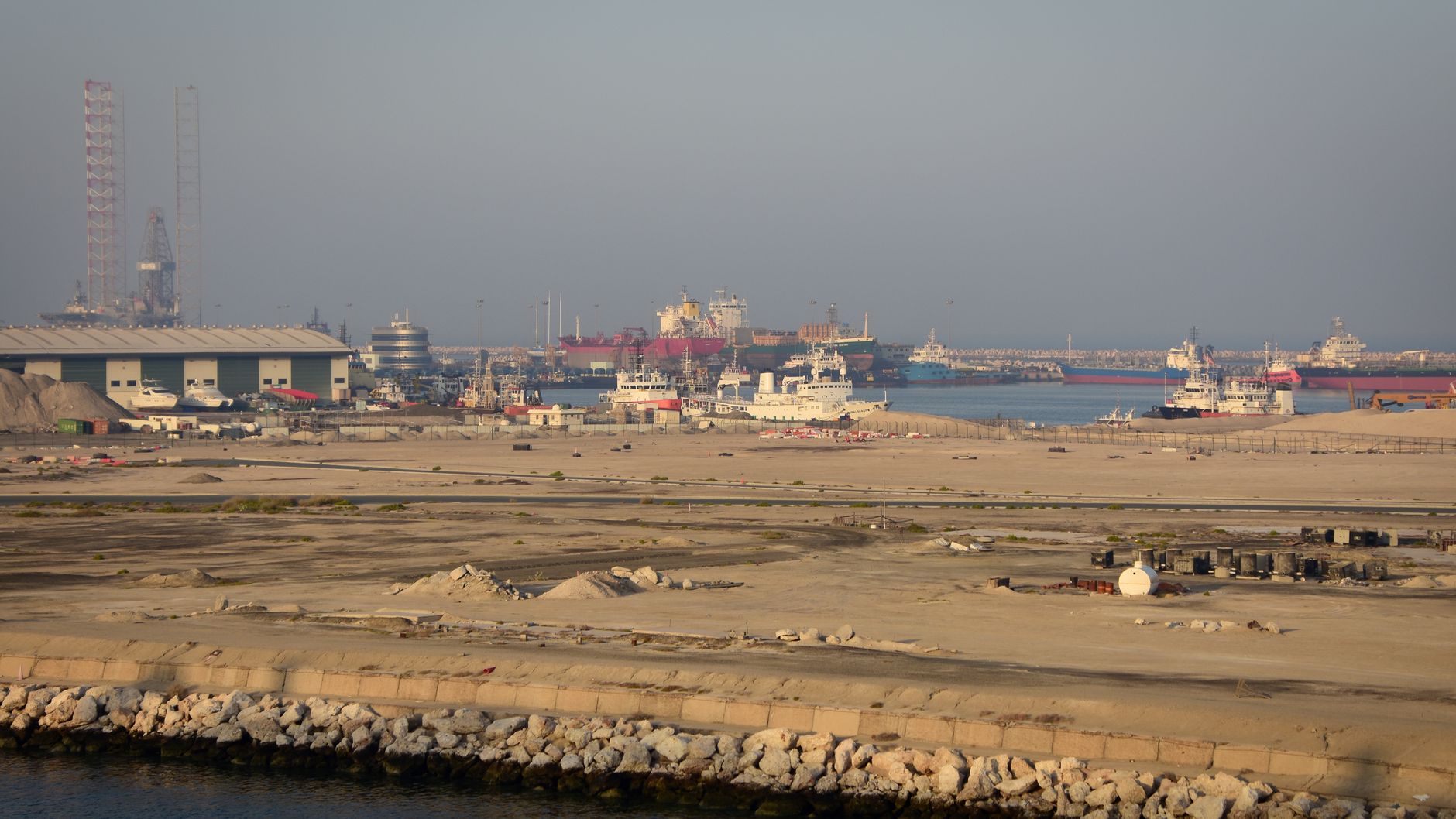
Middle East Oil Exports Surpass Pre-War Levels Amid Tensions
Middle East oil exports have reached levels seen before the Iran war, despite ongoing geopolitical tensions, according to recent data. The steady rise in exports occurs amid continued threats to shipping through the Strait of Hormuz, a vital maritime channel for global oil supply. The geopolitical situation remains unstable, with potential risks affecting oil transportation in the region. Global oil prices have experienced fluctuations due to the conflicting factors of increased exports and ongoing threats. The Group of Seven (G7) nations have announced plans to release crude oil and diesel stocks to address market shortages, further complicating the global oil price landscape. Such releases may temporarily mitigate the impact of disrupted supply routes on oil prices. For investors, the restoration of Middle Eastern oil exports signifies a potential stabilization in supply levels, but regional risks continue to pose uncertainty. Understanding global supply dynamics and regional geopolitical developments is crucial for those involved in energy market investments.
Read More: Middle East Oil Exports Surpass Pre-War Levels Amid Tensions
Krait Critical Minerals Completes Second Financing Phase
Krait Critical Minerals has successfully closed the second tranche of its financing round. Specific details on the amounts raised or terms involved were not disclosed in the report. The completion of this phase indicates progress in Krait's strategy to mobilize funds for further exploration and development activities in its mineral projects. The company aims to use the funds to advance its ongoing projects, although the article does not provide detailed figures or timelines. This financing step is part of a larger effort to secure necessary capital for continued operations and potential growth. For investors, the successful close of this tranche signifies the company's ability to attract capital, which is crucial for executing its business objectives and potentially enhances its operational capacity.
Read More: Krait Critical Minerals Completes Second Financing Phase
Oil Exporters to Maintain Production Levels in November
Major oil exporters have reached an agreement to maintain their current production levels for the month of November. This decision was reported by AP News, although specific countries involved and initial production figures were not detailed in the article. The move comes as global oil markets seek stability amid varying supply and demand dynamics worldwide. The decision indicates a degree of optimism from oil producers that current output levels will balance the market without causing significant price fluctuations. Maintaining production levels suggests that the exporters are not anticipating immediate significant changes in global demand that would necessitate an increase or decrease in output. This decision could impact global oil prices, potentially keeping them steady over the coming month as supply constraints remain unchanged. For investors, this stability in oil production is critical as it reduces uncertainties about potential supply shifts that could impact oil markets. Keeping output levels stable could help stabilize prices and avoid potential spikes that might affect global economic conditions.
Read More: Oil Exporters to Maintain Production Levels in November
Saudi Arabia Reduces Oil Price to Asia to Six-Year Low
Saudi Arabia has reduced the price of its flagship crude oil, Arab Light, to Asian markets. The new price is the lowest in six years. This move comes amid a market environment influenced by global demand dynamics and competitive pricing strategies from other oil-producing nations. The discount is said to reflect Riyadh's aim to maintain its market share in a competitive region primarily driven by recovering economies post-pandemic. The move by Saudi Arabia, the world's largest oil exporter, highlights the kingdom's efforts to remain competitive amidst a volatile oil market. Historically, changes in Saudi pricing strategies are closely watched by market participants, as they can signal shifts in global supply dynamics, especially in Asia, where demand is rebounding. For investors and stakeholders, understanding Saudi Arabia's pricing decisions is crucial as it affects global oil prices and potentially influences energy stocks. This latest pricing strategy might impact oil companies with a significant presence in Asia or those directly influenced by Arabic suppliers.
Read More: Saudi Arabia Reduces Oil Price to Asia to Six-Year LowOil Prices Drop as Middle East Exports Recover
Oil prices are declining as exports from the Middle East recover, increasing supply in the global market. This adjustment comes as the Group of Seven (G7) countries have also decided to tap into emergency oil stocks to stabilize prices. These moves aim to address recent market disruptions and ensure steady supply. In this context, increased Middle East exports and G7 interventions are key factors driving the current trend in oil prices. The recovery in Middle East oil exports has been attributed to resumed operations in previously disrupted facilities. This has added more barrels to the market, influencing supply and consequently leading to a decrease in prices. Meanwhile, the G7's decision to access emergency reserves serves as an additional measure to counter any potential shortages. For investors and market participants, these developments suggest that oil supplies are becoming more stable. The intervention by the G7 and the normalization of exports from the Middle East are crucial for maintaining supply chain stability in the oil market.
Read More: Oil Prices Drop as Middle East Exports RecoverOil Prices Rise After Yemeni Houthis Attack Aramco
Oil prices increased following reported attacks by Yemeni Houthis on facilities owned by Saudi Aramco. The geopolitical tension resulting from these attacks has led to concerns about potential disruptions in oil supply, contributing to the rise in prices. Saudi Aramco is a major oil company, and any threat to its infrastructure can impact global oil markets, affecting supply and investor sentiment. Analysts are observing how quickly Aramco can assess and repair any potential damage to maintain market stability. This situation is crucial for investors as oil supply stability is essential for price predictability.
Read More: Oil Prices Rise After Yemeni Houthis Attack Aramco
Crude Oil Stem Losses as G-7 Plans Fuel Release
Crude oil prices have reduced earlier losses as traders anticipate a potential fuel release by G-7 nations. The news followed declines amid concerns over global oversupply. Details on the exact volume and timing of the potential fuel release have not been disclosed, leaving market participants speculating on the impact it could have on supply levels. There is no clear indication of how this situation may affect future oil prices. Traders and investors are closely watching for G-7's next move, which may significantly influence the market dynamics. For investors, the key factor to monitor is any announcement regarding the fuel release, which could alter crude oil prices further.
Read More: Crude Oil Stem Losses as G-7 Plans Fuel Release
Oil Prices Decline Due to G-7 Fuel Release Plan
Oil prices have fallen following an announcement by the G-7 group, who plan to release fuel supplies to the market. The move is intended to ease supply constraints and stabilize prices amid current market conditions. While the exact amount of fuel to be released was not specified, the announcement has already impacted market sentiment and lowered oil prices.
Read More: Oil Prices Decline Due to G-7 Fuel Release Plan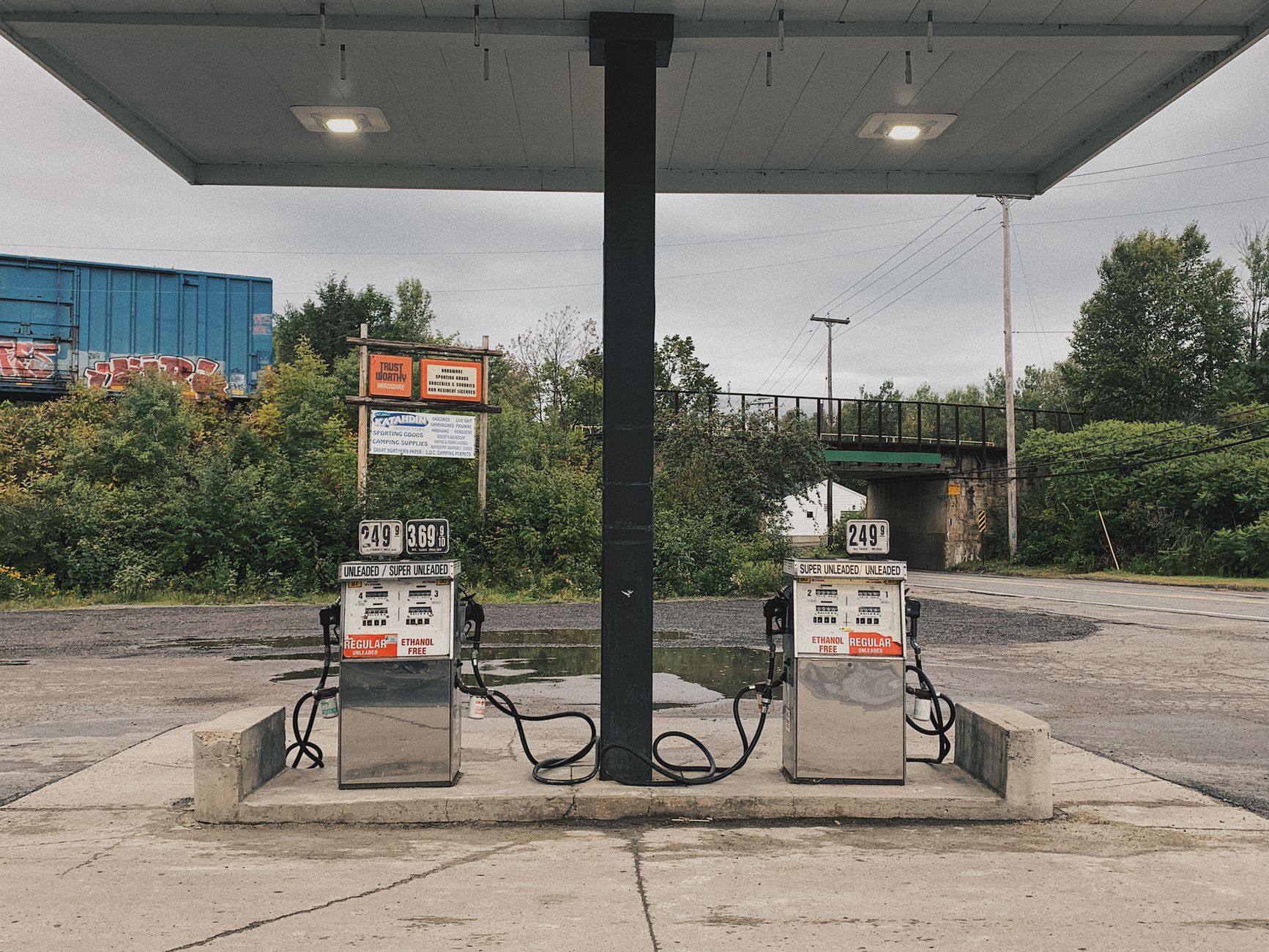
Diesel-Market Crunch Impacts Supply and Prices
The diesel market is currently experiencing a supply crunch, leading to higher prices. Key causes include increased demand and limited production in major countries. This shortage has resulted in price hikes across various regions, impacting both consumers and industries reliant on diesel fuel. The situation has prompted discussions among market analysts about potential regulatory measures or strategic reserves to mitigate the effects of this crunch. This diesel shortage matters to investors because it could lead to increased transportation and manufacturing costs, potentially affecting company margins. It may also influence government policies aimed at stabilizing fuel supplies and prices.
Read More: Diesel-Market Crunch Impacts Supply and Prices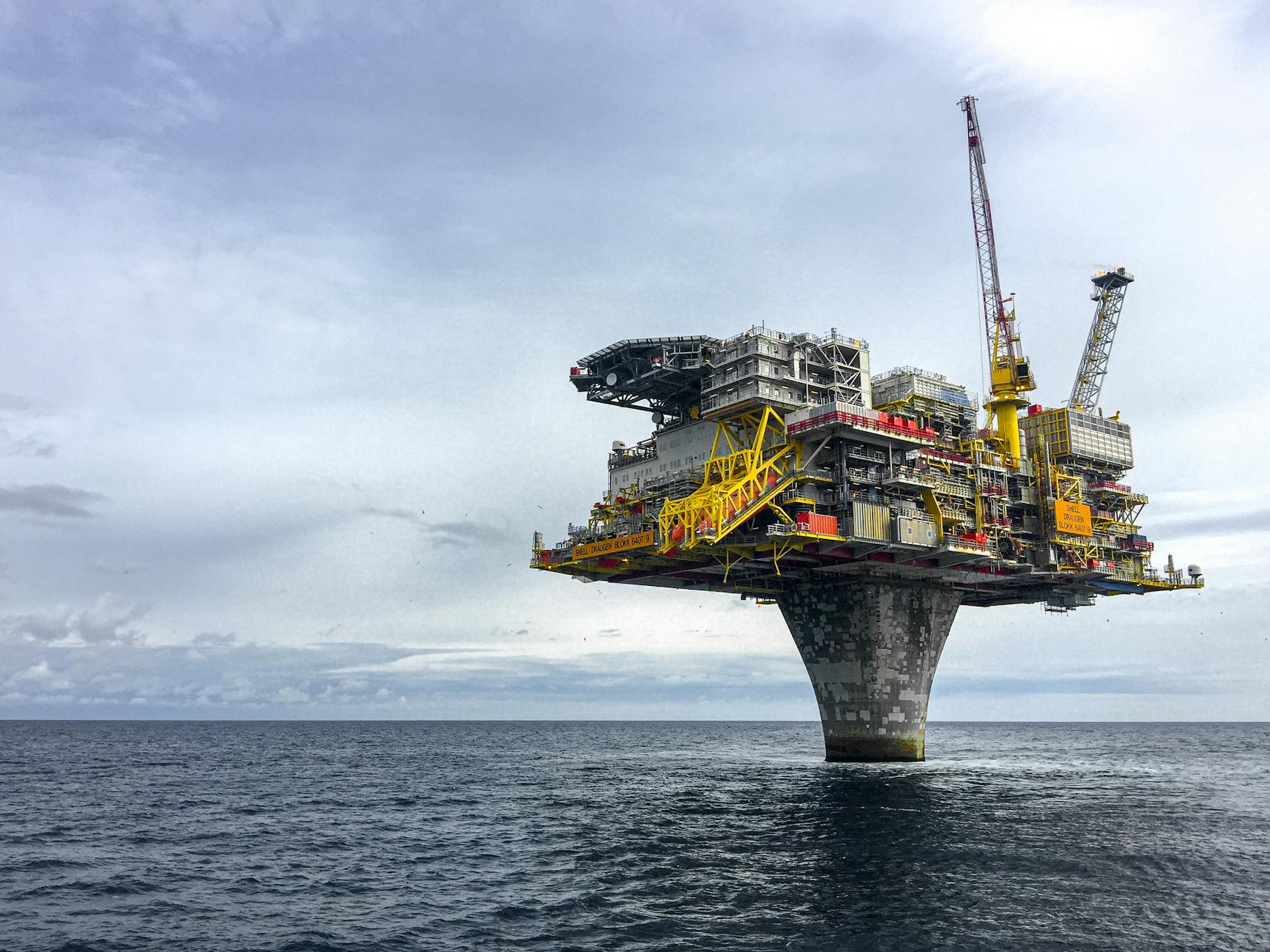
Crude Oil Prices Rise Amid Supply Concerns
Crude oil prices have increased due to concerns over supply disruptions. The supply issues are causing uncertainty in the oil markets, potentially impacting global oil prices and related sectors. Traders and investors are responding to potential reductions in oil availability, which can lead to increased oil prices and affect industries reliant on oil supplies. The situation highlights the global dependency on steady oil supplies and the economic impact when issues arise. Changes in crude oil prices can influence a wide range of sectors, from transportation to manufacturing, stressing the need for stable supply lines. For investors, the rise in crude oil prices due to supply concerns reinforces the volatility of the oil market. Such fluctuations could affect investment decisions in oil-related stocks and futures.
Read More: Crude Oil Prices Rise Amid Supply Concerns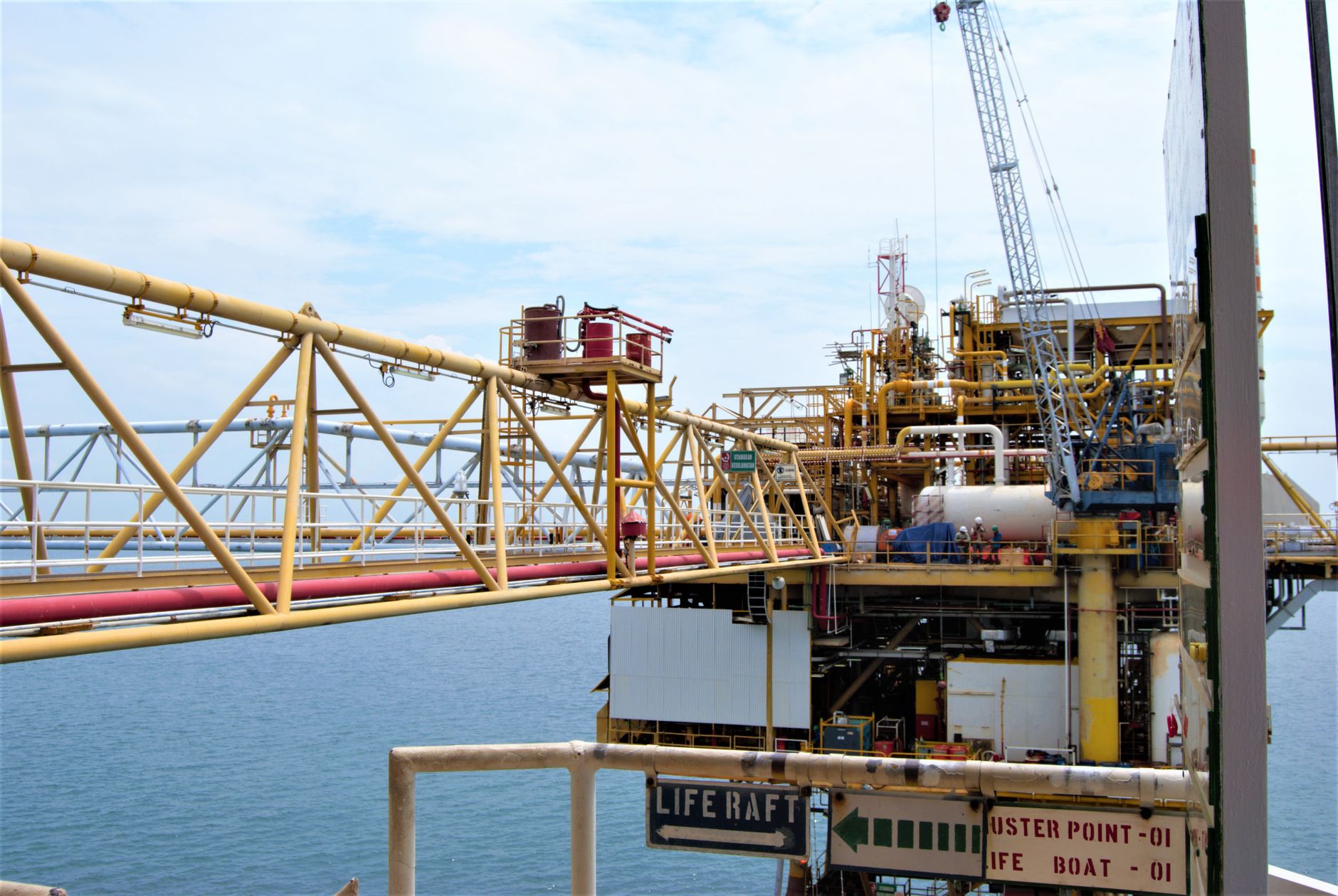
OPEC+ to Maintain November Oil Output Targets Steady
OPEC+ has provisionally decided to keep their oil output targets steady for November, according to unnamed sources. This decision follows discussions among the member countries concerning production quotas amid ongoing global economic uncertainties. The organization remains cautious about altering production levels due to potential impacts on oil prices worldwide as economies continue to grapple with inflation and supply chain disruptions. The decision to keep output targets unchanged reflects OPEC+’s strategy to maintain market stability rather than react hastily to short-term market fluctuations. Oil prices have experienced volatility over the past year due to a variety of factors, including geopolitical tensions and pandemics affecting supply chains. Leaders within the group suggested that the steady output will prevent further destabilization of oil prices, which could have broader economic implications. For investors, the stability in production targets means there may be less immediate volatility in oil prices. This could allow for more predictable market conditions in the near term, impacting decisions for companies and investors involved in the energy sector.
Read More: OPEC+ to Maintain November Oil Output Targets Steady
Iraq State Tanker Firm Transports Crude Via Hormuz Strait
Iraq's state oil tanker company has successfully conducted operations to move crude oil through the Hormuz Strait. This development marks a significant logistical achievement for the country, allowing it to bypass regional trade bottlenecks and enhance oil export efficiency. The Hormuz Strait is a critical chokepoint for global oil shipments, making this maneuver strategically important for maintaining Iraq's oil flow and market presence. The transport of crude via Hormuz enables Iraq to reach broader markets with potentially lower costs and increased security compared to alternative routes. The Hormuz Strait, being one of the world's most important oil transit pathways, plays a crucial role in the global oil supply chain. Ensuring reliable passage through this strait can stabilize Iraq's oil export capabilities, benefiting the country's economy. This movement through Hormuz matters to investors as it suggests Iraq's commitment to maintaining stable oil exports. Reliable oil transportation can affect global oil prices, thereby influencing energy market dynamics. Iraq's ability to use this strategic route efficiently reinforces its position in the oil market.
Read More: Iraq State Tanker Firm Transports Crude Via Hormuz Strait
Oil Consumption: Understanding Our Global Oil Use Beyond Fuel
The article delves into the diverse uses of oil beyond just fueling vehicles. It highlights various sectors where oil consumption is significant, such as manufacturing, chemicals, and plastics. The discussion provides context on global oil consumption patterns and how they influence economic activities. Although specific consumption figures are not provided, the article emphasizes the broad impact of oil on multiple industries which contributes to overall energy demand. Understanding these connections helps investors see the broader implications of oil prices on the economy.
Read More: Oil Consumption: Understanding Our Global Oil Use Beyond Fuel