Central Banks News & Analysis
50 articles
Market Mood

Japan Core Inflation Surpasses BOJ Target for First Time in Months
Japan's core inflation likely exceeded the Bank of Japan's (BOJ) target. This marks the first time it has happened since December 2022. This development could influence the BOJ's future monetary policy decisions. Inflation data is a crucial indicator as it affects interest rates and economic strategy. However, no definitive decisions have been announced by BOJ regarding immediate policy changes. Investors should closely follow future BOJ announcements for potential impacts on the Japanese market. Core inflation exceeding the target suggests underlying economic changes, signaling adjustments in monetary strategy.
Read More: Japan Core Inflation Surpasses BOJ Target for First Time in Months
Fed's Goolsbee Comments on Inflation and Outlook
Austan Goolsbee, Federal Reserve Bank of Chicago President, described current inflation trends as discouraging but expressed some optimism about potential improvements. While acknowledging negative inflation signals, Goolsbee highlighted that there are reasons for cautious optimism, implying the Federal Reserve's strategy of gradual interest rate increases might still bear fruit. Goolsbee did not provide specific economic forecasts or pinpoint policy changes. His remarks indicate the ongoing challenge inflation poses to the U.S. economy, reinforcing the current monetary policy approach focused on managing inflation expectations carefully. For investors, Goolsbee's comments suggest that the Federal Reserve remains vigilant regarding inflation and may continue with its measured approach to interest rate adjustments. This stance is crucial as it directly affects borrowing costs and can influence market conditions.
Read More: Fed's Goolsbee Comments on Inflation and Outlook
Major Brokerages See Fed Rate Hike in December
Several major brokerages are projecting that the Federal Reserve will next raise interest rates in December. These expectations come as analysts weigh economic performance and inflation trends. According to the article, analysts from key financial institutions anticipate that persistent inflationary pressures will influence the Fed's decision-making process. If the rate hike occurs, it would potentially impact borrowing costs and financial markets. The timing of the rate hike is also contingent upon upcoming economic data and Federal Reserve assessments. For investors, the anticipated December rate hike signals the Fed's ongoing focus on inflation and could affect market interest rates.
Read More: Major Brokerages See Fed Rate Hike in December
Fed Official Describes September CPI Data as Discouraging
In remarks about the U.S. economy, Federal Reserve official Austan Goolsbee described the September Consumer Price Index (CPI) data as discouraging. The CPI is a key indicator of inflation, and its figures can influence the Federal Reserve's monetary policy decisions. Goolsbee's comments suggest concerns about inflation persisting at unwanted levels, which may impact future rate decisions by the central bank. The Fed closely watches inflation data to adjust interest rates accordingly.
Read More: Fed Official Describes September CPI Data as Discouraging
U.S. Price Pressures Intensify as Fuel Costs Rise, Fed Survey Shows
U.S. price pressures are increasing driven by a rise in fuel costs, as highlighted in a recent survey by the Federal Reserve. The survey indicated growing concerns over inflation as energy prices contribute to higher input costs for various industries. These pressures are impacting economic forecasting and planning within affected sectors. Importantly, this development could potentially lead to shifts in Federal Reserve policy if inflation remains persistent, as they aim to balance economic growth with price stability. For investors, understanding these dynamics is crucial as changes in fuel costs can influence broader market conditions and potential policy adjustments.
Read More: U.S. Price Pressures Intensify as Fuel Costs Rise, Fed Survey Shows
Fed's Williams Sees No Rate Hikes in 2027 Despite Market Expectations
John Williams, President of the Federal Reserve Bank of New York, stated that he does not foresee additional rate hikes in 2027 following one more increase this year. This stands in contrast with traders and some Federal Open Market Committee (FOMC) members who predict at least one increase in 2027. According to CME's FedWatch, there is a 90% chance that the Fed's overnight rate will rise by at least half a percentage point by the end of 2027. Williams' remarks highlight differing viewpoints within the Federal Reserve, as he stands with eight out of 18 FOMC members forecasting one more rate hike for 2027. In September, the Fed raised rates for the first time since 2023 and plans for additional hikes were mentioned but not scheduled. The next Fed meetings are expected at the end of this month and in December. Williams expressed optimism about disinflationary trends, suggesting inflation could align with the Fed's 2% target in 2027. However, energy prices remain a concern. This matters for investors as divergent views on rate hikes can influence market expectations and future interest rate paths.
Read More: Fed's Williams Sees No Rate Hikes in 2027 Despite Market Expectations
Fed’s Williams Sees No Rate Hike in 2027
Federal Reserve Bank of New York President John Williams has indicated there is no need for another interest rate hike in 2027. This statement was reported by Bloomberg News, reflecting the central bank's current assessment of economic conditions and inflation expectations. Williams' view suggests that the Federal Reserve may be confident in its progress toward its dual mandate of stable prices and maximum employment without further rate increases. The decision not to hike rates hinges on economic data and inflation remaining stable over the forecast horizon. Williams emphasized that the current policy path aims to support sustained economic growth while keeping inflation at target levels. His comments align with the Federal Reserve’s cautious approach to tightening monetary policy amid uncertain economic conditions. For investors, this implies a possible stable rate environment in the coming years, impacting borrowing costs and potentially supporting equity valuations. Maintaining current interest rate levels may encourage investment and spending, contributing to economic expansion.
Read More: Fed’s Williams Sees No Rate Hike in 2027
Fed's Hammack Indicates Potential Need for Higher Rates
Beth Hammack, President of the Federal Reserve Bank of Cleveland, suggested that tighter monetary policy may be necessary to combat inflation. Speaking at a conference, Hammack highlighted the importance of incremental and swift adjustments in monetary policy to avoid larger future corrections. Hammack mentioned the need for a restrictive policy stance to return inflation to the 2% target. The Fed last lifted rates for the first time in three years and officials are considering further hikes. Traders see a 78% chance that the Federal Reserve will keep rates unchanged at its meeting later this month. However, the likelihood of another rate hike occurring in December is nearly 88%, according to the CME's FedWatch tool. Persistently high inflation remains a significant concern for the Federal Reserve. The personal consumption expenditures price index rose 3.4% year over year in August, with the core reading at 3%. Hammack emphasized the risk of an 'inflationary mindset' becoming entrenched if inflation persists. This development matters for investors as potential interest rate hikes can influence borrowing costs, economic growth, and market valuations. A decision to increase rates may impact both consumer spending and business investments, affecting overall market activity.
Read More: Fed's Hammack Indicates Potential Need for Higher RatesFed's Musalem Calls for More Rate Hikes to Hit 2% Target
Federal Reserve official Musalem stated that additional rate hikes are necessary to achieve the Fed's 2% inflation target. This announcement comes amid ongoing inflationary pressures and cautious economic growth. Musalem emphasized the need for continued monetary tightening to maintain economic stability and control inflation. The call for further rate increases aligns with the Federal Reserve's broader strategy of using interest rate adjustments to manage inflation. No specific timeline was provided for the next rate hike, but the statement supports ongoing discussions about future policy actions by the Fed. For ordinary investors, this suggests potential increases in borrowing costs, which could impact consumer spending and overall economic activity. The Fed's policy direction can influence market conditions, affecting both financial assets and the broader economy.
Read More: Fed's Musalem Calls for More Rate Hikes to Hit 2% Target
Trump Forms Committee to Evaluate Federal Reserve's Lisa Cook
President Donald Trump has announced the creation of a committee to assess whether Federal Reserve Board Governor Lisa Cook should be dismissed. Trump has accused Cook of mortgage fraud and had previously attempted to remove her in 2025, but the effort was blocked by the Supreme Court on procedural grounds. The committee, comprised of Trump appointees Kevin Hassett, Keith Sonderling, and Andrea R. Lucas, will review evidence and Cook's response. Cook is expected to attend a hearing at the White House on November 5, with a follow-up allowed until November 10, but no final deadline for the decision has been set. This method of using a committee for such decisions has historical precedent, but is not mandated by the Supreme Court's ruling regarding procedural requirements for such removals. Cook's attorneys have denied the fraud allegations and stated that there is no cause for her removal. They have welcomed the committee's hearing as a chance for Cook to present her side and address the allegations. An eventual recommendation will be made by the committee to President Trump, who holds the final decision-making power. This development could impact the Federal Reserve's operations if Cook is removed, as it concerns governance at a high level. The involvement of a committee adds an unusual procedural layer to the process of removing a Fed governor.
Read More: Trump Forms Committee to Evaluate Federal Reserve's Lisa Cook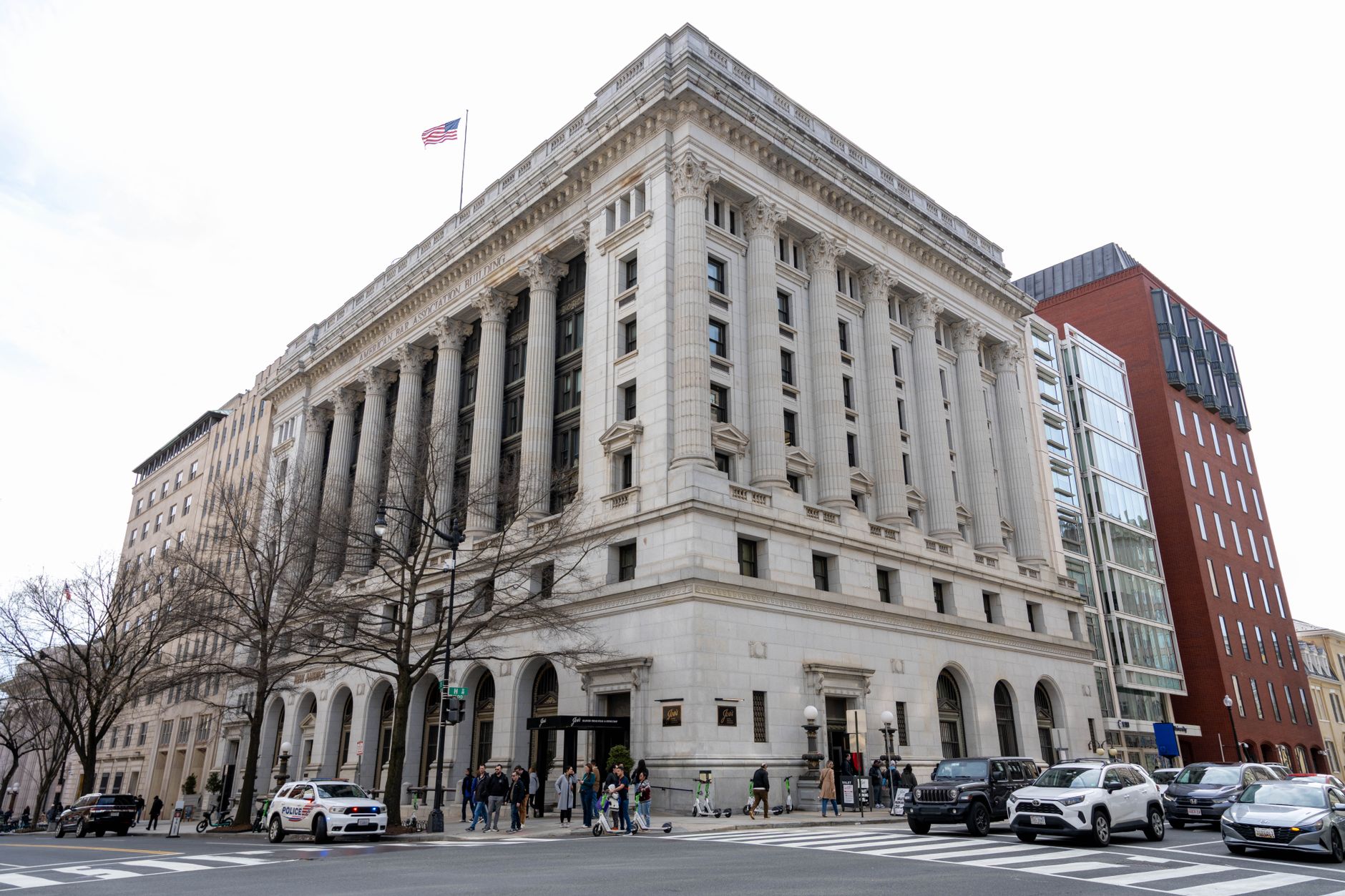
White House to Investigate Fed's Lisa Cook
The White House plans to conduct an inquiry into Lisa Cook, a member of the Federal Reserve's board. The specifics of the inquiry focus on Lisa Cook's role and her actions within the Federal Reserve. Details about the motivations or scope of the investigation were not disclosed. This move is unusual as it involves direct intervention from the executive branch in matters related to the central bank. Historically, the Federal Reserve operates independently from White House influence, focusing on setting monetary policy free from political pressures. Analysts are observing this development closely, as it could affect perceived Fed independence and future policy decisions.
Read More: White House to Investigate Fed's Lisa Cook
Trump Schedules Nov. 5 Hearing for Fed Governor Ouster
Donald Trump has scheduled a hearing for November 5 as part of his ongoing effort to remove a Federal Reserve governor. The move is part of a renewed bid by the former president, who has criticized the Fed's policies in the past. The hearing may indicate further political involvement in Federal Reserve affairs, marking a significant step in Trump's attempts to influence the central bank's operations. This action is notable as it reflects ongoing tension between Trump and the Federal Reserve’s existing governance. The hearing comes amid Trump's broader criticism of Federal Reserve policies during his presidency. While the article does not specify which Fed governor is being targeted, it highlights the contentious nature between Trump and the central banking system, which has continued since his time in office. This development matters as it signals potential changes in Federal Reserve governance, which could impact monetary policy decisions. The involvement of political figures in the Federal Reserve's structure could result in shifts that might affect interest rates and economic policy which, in turn, influence market conditions.
Read More: Trump Schedules Nov. 5 Hearing for Fed Governor Ouster
Trump Creates Panel to Investigate Federal Reserve's Lisa Cook
President Donald Trump has created a 'committee of inquiry' to investigate Federal Reserve Governor Lisa Cook for allegedly making false statements related to mortgage instruments. The move comes amid ongoing efforts by Trump to remove Cook, a Biden appointee, from the Federal Reserve Board. The committee includes Kevin Hassett, Keith Sonderling, and Andrea Lucas as members. No independent arbiters are involved in this investigation. Cook, through her attorneys, has expressed skepticism about the inquiry's legitimacy but welcomes the opportunity to clear her name. The announcement places a spotlight on tensions between Trump and the Federal Reserve, especially regarding interest rate policies. Trump's administration has criticized Cook, highlighting a long-standing conflict with the Federal Reserve. Cook has consistently denied any wrongdoing, with past legal actions temporarily blocking her dismissal by Trump. The committee's in-person hearing is scheduled for November 5, shortly after the midterm elections. For investors, the outcome of this inquiry could influence Federal Reserve policies and leadership, potentially affecting economic strategies and interest rate decisions. This could have broader implications for financial markets depending on the findings.
Read More: Trump Creates Panel to Investigate Federal Reserve's Lisa Cook
Fed Officials Show Limited Interest in Continuous Rate Hikes
The Federal Reserve's minutes indicate that officials do not favor a series of continuous interest-rate hikes. The September rate hike was largely seen as a precautionary measure against persistent inflation. This reflects the Fed's cautious approach in balancing economic growth with inflation control. If inflation remains persistent, the central bank is prepared to act, but the likelihood of successive hikes remains low. This is important for investors as it suggests a more stable interest rate environment, which can impact borrowing costs and investment decisions.
Read More: Fed Officials Show Limited Interest in Continuous Rate Hikes
RBI Hikes Rates to 5.50% Amid Rising Inflation
The Reserve Bank of India (RBI) increased the benchmark repo rate by 25 basis points (0.25%), raising it to a 1-year high of 5.50%. This is India's first rate hike since 2023, aligning with global efforts to counter rising inflation. Governor Sanjay Malhotra announced this decision after a monetary policy review, highlighting the need to shift to 'calibrated tightening' as inflation concerns grow. Inflation in India has been climbing for ten months, with retail inflation reaching 4.8% in August, above the RBI's 4% target. The central bank forecasts core inflation at 4.4% and headline inflation at 5.2% for the financial year ending March 2027. Economic growth is expected to slow to 7.1% due to geopolitical tensions, trade issues, and high international commodity prices. The rate hike aims to protect India's attractiveness to global investors. With HSBC and Goldman Sachs predicting further rate increases in December, the RBI signals that rate cuts are unlikely soon. This may affect India's growth trajectory, as economic activities still remain resilient.
Read More: RBI Hikes Rates to 5.50% Amid Rising Inflation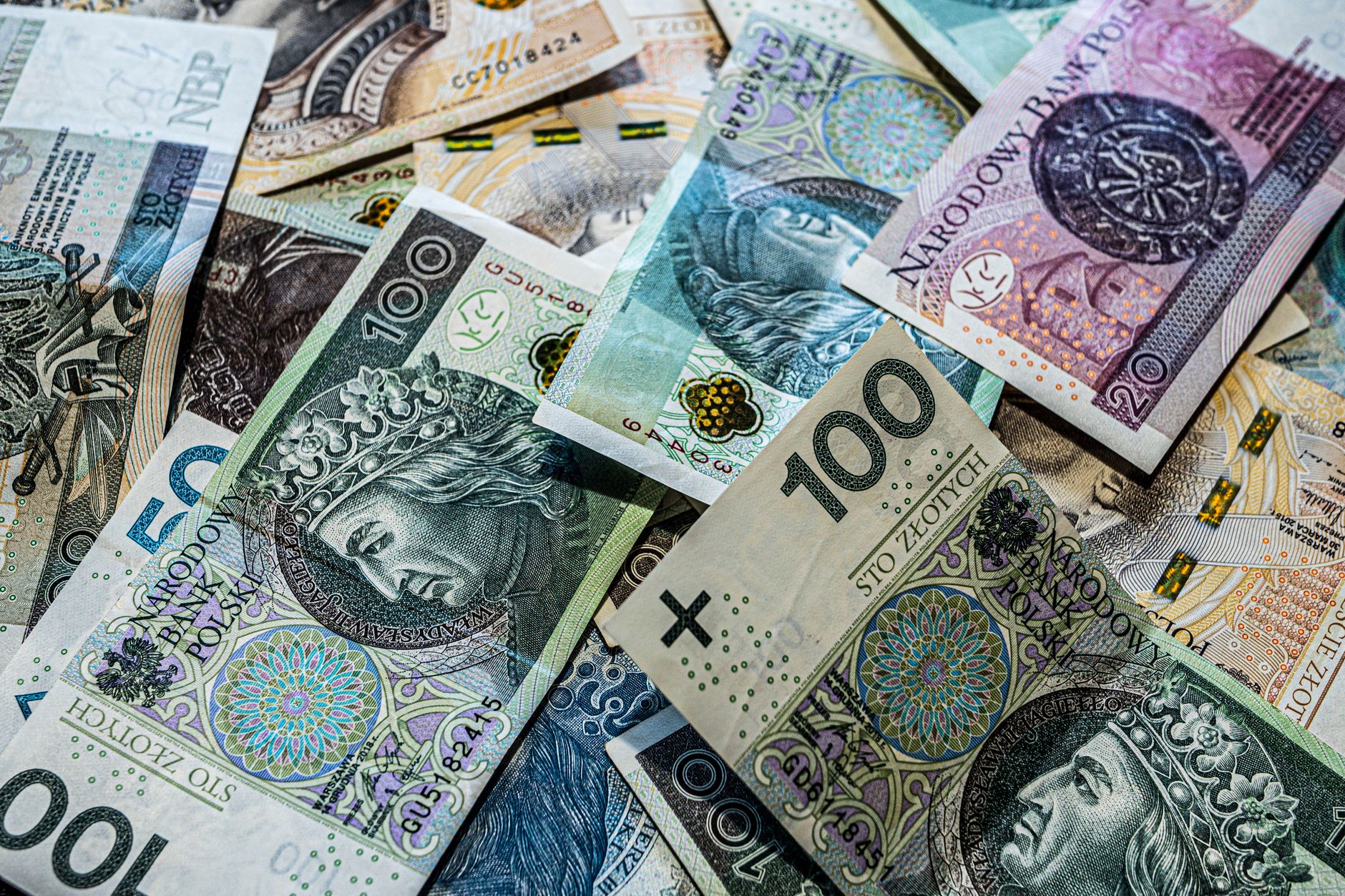
BOJ Chief Emphasizes Anchoring Inflation to Target
The Bank of Japan's (BOJ) chief has called for an increased emphasis on anchoring inflation around the central bank's target. This statement comes amid ongoing discussions about the future direction of the country's monetary policy and its impact on inflation levels. The BOJ has been striving to maintain stable inflation, which is crucial for economic growth and monetary policy effectiveness. The chief highlighted the importance of ensuring inflation is well-contained around the target to support economic stability. Central banks typically aim for a stable inflation target to balance economic growth without igniting runaway inflation or deflation, which can be detrimental to the economy. The BOJ's focus on inflation anchoring suggests a commitment to maintaining its current strategies until desired inflation goals are met. This renewed focus on anchoring inflation highlights the central bank's proactive approach to maintaining economic stability in the face of global economic uncertainties. For investors, understanding central bank policies can be critical, as these policies can influence interest rates, economic growth, and ultimately market performance.
Read More: BOJ Chief Emphasizes Anchoring Inflation to TargetFed Minutes Shape FX and Bond Markets with Rate-Hike Outlook
The upcoming week focuses on the Federal Reserve minutes which will provide insights into near-term interest rate decisions. This has implications for foreign exchange and bond markets, as expectations for rate hikes may impact currency valuations and bond yields. Markets are particularly interested in clues about the Federal Reserve's perspective on economic conditions and future policy adjustments. The minutes are expected to shed light on the discussions from the last meeting and any potential shifts in the monetary policy stance that might affect financial conditions. The Fed's guidance will be crucial for investors looking to understand future monetary policy and its effects on financial markets. The decision from the minutes could influence market volatility and guide investment strategies for those in currency and bond markets.
Read More: Fed Minutes Shape FX and Bond Markets with Rate-Hike Outlook
Fed's Hammack: Time Available to Consider Rate Change
Federal Reserve's Senior Policy Advisor, Hammack, indicated that there is sufficient time to evaluate the next interest rate adjustment. This statement suggests a deliberate approach to future monetary policy changes, reflecting the current economic conditions. The decision on any rate change is not rushed, and considerations will be based on evolving data and economic forecasts.
Read More: Fed's Hammack: Time Available to Consider Rate Change
Fed's Hammack: Decision on Rate Move Still Pending
Federal Reserve official Hammack informed PBS that the central bank still has time to decide on the next monetary policy move. The decision will be guided by forthcoming economic data and overall market conditions. This statement suggests that the Federal Reserve remains flexible and observant of the economic landscape before committing to any policy changes. Observers should be prepared for adjustments depending on future economic indicators. This matters to investors as interest rate decisions can influence borrowing costs and overall economic growth.
Read More: Fed's Hammack: Decision on Rate Move Still Pending
Bond Traders Shift Fed Rate Hike Expectations on Jobs Data
Bond traders are moderating their expectations for potential rate hikes by the Federal Reserve following softer-than-expected jobs data. This pullback in rate hike bets suggests a shift in market sentiment regarding future monetary policy adjustments by the Fed. Bond traders' decisions are influenced by the jobs data as it serves as an indicator of the economy's condition, impacting the Fed's policy moves. This change in expectation can affect fixed-income markets and broader financial markets as interest rates heavily influence borrowing costs and investment yields.
Read More: Bond Traders Shift Fed Rate Hike Expectations on Jobs Data
BOE Warns of Government Bonds Threat from AI Growth Miss
The Bank of England (BOE) has expressed concerns regarding the impact of slower-than-expected artificial intelligence (AI) growth on government bonds. This warning highlights a significant threat to bond prices as the economy adapts to these technological changes. The BOE's statement reflects ongoing adjustments in the bond market, which may affect investor strategies. Understanding the BOE's perspective is essential for investors as it indicates potential volatility in government bonds.
Read More: BOE Warns of Government Bonds Threat from AI Growth Miss
ECB’s Rehn: Soaring Yields May Curb Inflation from Energy Costs
European Central Bank (ECB) board member Olli Rehn stated that rising yields could mitigate the inflation impact caused by high energy prices. He mentioned that inflation levels are expected to remain elevated. Higher yields typically indicate higher borrowing costs, which can influence spending and economic growth. This matters for investors as it highlights a potential shift in monetary policy dynamics due to energy-related inflation pressures.
Read More: ECB’s Rehn: Soaring Yields May Curb Inflation from Energy Costs
Japan Economy Minister Says No Excessively Loose Monetary Policy Needed
Japan's economy minister stated that the country does not require excessively loose monetary policy. This statement comes as Japan navigates economic pressures, suggesting a potential shift in the nation's approach to monetary policy. The emphasis on not needing a loose monetary stance could signal a more cautious economic outlook. For investors, this means potentially stable interest rates and a more predictable economic environment. This could impact market strategies for those investing in Japan.
Read More: Japan Economy Minister Says No Excessively Loose Monetary Policy Needed
Fed Officials Dismiss October Rate Increase Speculation
Federal Reserve officials have indicated that there will likely not be an increase in interest rates during the upcoming October meeting. This comes as markets had begun to anticipate a possible hike, which would influence borrowing costs and consumer spending. The sentiment reflects a broader strategy to maintain current monetary policy. For investors, clarity on rate decisions is crucial as it affects financial markets and overall economic conditions.
Read More: Fed Officials Dismiss October Rate Increase SpeculationFed (FederalReserve) Logan calls for 50 bps rate hikes
Fed official presides over discussions that indicate a push for 50 basis points (0.50%) or more in upcoming interest rate hikes. This comes as inflationary pressures persist, prompting officials to consider aggressive measures. The sentiment reflects a potentially significant adjustment in monetary policy which may influence market conditions. Investors should prepare for changes in rate settings that could affect loan costs and investment strategies.
Read More: Fed (FederalReserve) Logan calls for 50 bps rate hikes
Trump Discusses Inflation's Impact on Debt Reduction
Former President Trump stated that inflation could help reduce national debt quickly. He criticized Federal Reserve Chair Kevin Warsh for supporting a recent rate hike and argued he should have opposed it. Trump believes that economic growth can address the debt issue effectively. This commentary reflects ongoing concerns about inflation and interest rates, which could influence the Federal Reserve's future decisions. For ordinary investors, these statements highlight potential shifts in monetary policy that may affect borrowing costs and investment strategies.
Read More: Trump Discusses Inflation's Impact on Debt Reduction
Japan Business Mood Data Eases BOJ Hike Pressure
Recent data indicates a mixed business sentiment in Japan, which may reduce pressure on the Bank of Japan (BOJ) to implement an immediate interest rate hike. The indicators reflect uncertainty among businesses, potentially leading the BOJ to maintain its current monetary policy stance for a more extended period. Maintaining low interest rates can support economic activities and consumer spending. This matters for investors as it suggests that the BOJ may keep rates unchanged, impacting market strategies and overall financial conditions.
Read More: Japan Business Mood Data Eases BOJ Hike Pressure
Kashkari Confirms Inflation at 3% Despite Soft PCE Data Release
Minneapolis Federal Reserve President Neel Kashkari stated on Wednesday that inflation remains a significant concern, with the core personal consumption expenditures price index at 3% annually, lower than forecasts. Despite this, Kashkari emphasized that inflation has been elevated for over five years and did not view the latest data as a significant change. He also mentioned that the economy is resilient, supported by strong consumer spending and gross domestic product figures. For ordinary investors, this indicates that interest rates may continue to rise, affecting borrowing costs and potentially impacting investment decisions.
Read More: Kashkari Confirms Inflation at 3% Despite Soft PCE Data Release
Federal Reserve Cost Overruns Reach $2.4 Billion in Renovation
The Federal Reserve's inspector general reported management failures led to significant cost overruns in the renovation of its headquarters, raising costs from an estimated $1.3 billion in 2020 to a current budget of $2.4 billion by August 2026. The report noted that construction costs alone increased by $960 million, with some expenses soaring, such as plumbing and HVAC, which rose by 223%. The watchdog found no evidence of criminal activity worthy of a referral, which may alleviate some criticism of former Fed Chair Jerome Powell. For investors, understanding cost management and oversight like this can affect perceptions of institutional stability and operational efficiency.
Read More: Federal Reserve Cost Overruns Reach $2.4 Billion in Renovation
Colombia Central Bank Raises Interest Rate to 12.25%
The central bank of Colombia raised its benchmark interest rate to 12.25%. This increase is part of the bank's efforts to combat inflation and stabilize the economy. Market analysts note that such rate hikes influence borrowing costs for consumers and businesses. The decision impacts the financial environment, potentially affecting investments and spending. For ordinary investors, understanding these changes is crucial as they may lead to higher costs of borrowing.
Read More: Colombia Central Bank Raises Interest Rate to 12.25%
ECB's Next Move on Prices and Demand Analysis
Isabel Schnabel of the European Central Bank (ECB) has emphasized the importance of price expectations and demand in determining the ECB's upcoming policy decisions. The ECB is closely monitoring these factors as they can significantly influence inflation rates across the Eurozone. This analysis comes amid ongoing discussions on monetary policy and its impact on economic recovery. Understanding these dynamics is crucial for investors as they navigate interest rates and market conditions in the region.
Read More: ECB's Next Move on Prices and Demand Analysis
Australia Central Bank Raises Rates Amid Inflation Concerns
Australia's Central Bank has raised its interest rates as inflation concerns continue to grow. The specific new rate was not disclosed in the article. This decision follows ongoing inflation fears, indicating tightening monetary policy. The move could affect borrowing costs for consumers and businesses in Australia, impacting overall economic activity. For investors, changes in interest rates can influence stock valuations, especially in sectors sensitive to borrowing costs.
Read More: Australia Central Bank Raises Rates Amid Inflation Concerns
RBA Expected to Cut Rates by 25 bps as Inflation Risks Grow
The Reserve Bank of Australia (RBA) is widely expected to cut rates by 25 basis points (0.25%) in the upcoming meeting. The adjustment comes amid growing concerns about inflation risks that may impact economic stability. Currently, inflation remains a significant focus for the RBA as they aim to manage economic growth. This anticipated rate change could affect borrowing costs for consumers and businesses, influencing market dynamics in Australia.
Read More: RBA Expected to Cut Rates by 25 bps as Inflation Risks Grow
ECB Interest Rate Hikes Under Investor Scrutiny
There is growing speculation among investors regarding the number of interest rate hikes expected from the European Central Bank (ECB). Recent discussions suggest the ECB may make several adjustments in the upcoming months as it continues to address inflation concerns. As of now, the exact number of hikes remains uncertain, creating fluctuations in market sentiment. This uncertainty may affect bond yield movements and borrowing costs across the Eurozone, impacting businesses and consumers alike.
Read More: ECB Interest Rate Hikes Under Investor Scrutiny
Treasury Yields Reach 5.15% as Fed Faces Dilemma on Rate Hikes
Treasury yields increased to around 5.15% as the market prices in ongoing inflation challenges and energy price increases. The Federal Reserve, led by Chairman Kevin Warsh, faces pressures to adjust monetary policy to restore price stability, with expectations of a rate hike in October. Analysts believe there could be three to six total rate hikes coming up, a shift from earlier projections of just one this year. This matters for ordinary investors as it indicates potential changes in interest rates impacting borrowing costs and growth projections.
Read More: Treasury Yields Reach 5.15% as Fed Faces Dilemma on Rate HikesBanxico Holds Benchmark Rate at 6.5% Amid Sticky Inflation
Banxico maintained the benchmark interest rate at 6.5% as core inflation remains persistent. This decision reflects ongoing concerns about inflation pressures, which could affect overall economic growth. By not adjusting rates, Banxico aims to balance between controlling inflation and supporting economic activity. For average investors, the unchanged rate may influence borrowing costs and savings yields in the near term.
Read More: Banxico Holds Benchmark Rate at 6.5% Amid Sticky Inflation
Switzerland Keeps Rates at 0% Amid Inflation Concerns
Switzerland's central bank maintained its key interest rate at 0% as of March 13, 2024. This decision contrasts with the tightening measures implemented by key trading partners like the U.S. Federal Reserve and the European Central Bank. The country's annual inflation rate stood at 0.8% in August, below levels recorded elsewhere, with central banks aiming for a target of 2%. Traders see nearly a 50% chance the Swiss National Bank (SNB) could begin raising its rate by December 2024, with expectations it may reach 0.75% by next September. This is significant for investors as central bank rate decisions can influence currency stability and inflation expectations.
Read More: Switzerland Keeps Rates at 0% Amid Inflation Concerns
Global Bond Sell-Off: Fed Rate Rise Expectations at 70%
A global bond sell-off is occurring as expectations for a Federal Reserve rate increase in October rise to about 70%. This situation is putting pressure on public finances, as rising yields impact borrowing costs for governments. Oil prices are remaining above $100, contributing to inflation concerns. The outcome of these developments can affect government revenue and overall market stability, which is relevant for investors in fixed income and related markets.
Read More: Global Bond Sell-Off: Fed Rate Rise Expectations at 70%
US Treasury Yields Rise Most Since Tariffs; Fed Rate Hikes Expected
US Treasury yields have seen their largest increase since the tariffs on 'liberation day' affected markets. Traders are increasing their bets on potential rate rises by the Federal Reserve due to new economic data that suggests the economy is overheating. This comes as rates are expected to rise amidst inflation concerns. The implications of these changes could impact borrowing costs for consumers and businesses. Investors should pay attention to how these yield movements may affect market conditions going forward.
Read More: US Treasury Yields Rise Most Since Tariffs; Fed Rate Hikes Expected
Turkey Central Bank Predicts Continued Disinflation Amid Supply Issues
The Turkey Central Bank anticipates that disinflation will persist due to ongoing supply chain issues. Specific metrics or numerical data regarding this forecast were not provided in the article. The bank's assessment reflects challenges in the current economic context that may influence future monetary policy. As disinflation can impact interest rates and overall economic growth, this ongoing trend is significant for market stakeholders. Continuous changes in inflation rates can affect investor decisions and market stability.
Read More: Turkey Central Bank Predicts Continued Disinflation Amid Supply Issues
New Zealand central bank chief identifies risks to economy and inflation
New Zealand's central bank chief has expressed concerns about risks to the economy and inflation. Specific details about the extent of these risks were not provided. This acknowledgment signals the potential for adjustments in monetary policy by the Reserve Bank. The outlook for required interest rate changes (macroeconomic impact) will depend on future inflation trends, which remains crucial for market participants. Monitoring these developments will help investors gauge the economic environment and potential impacts on investment opportunities.
Read More: New Zealand central bank chief identifies risks to economy and inflation
China Central Bank Expands Financial Market Opening Commitment
China's central bank announced plans to further open its financial markets. This includes measures aimed at increasing transparency and accessibility for foreign investors. The exact details and timeline of these measures were not specified. The move is significant as it may attract more foreign investment into China's markets, indicating a potential shift in economic policy. This expansion is relevant for investors looking for opportunities in Chinese assets.
Read More: China Central Bank Expands Financial Market Opening Commitment
Euro Zone Yields Ease Ahead of ECB Lagarde Speech
Euro zone yields have eased as markets await European Central Bank (ECB) President Christine Lagarde's upcoming speech. This anticipation reflects investor focus on future monetary policy decisions. As of now, market participants are particularly interested in the potential implications for interest rates. The movements in yields may impact borrowing costs and investment strategies in the broader Eurozone economy, influencing ordinary investors through changes in loan rates and returns on savings.
Read More: Euro Zone Yields Ease Ahead of ECB Lagarde SpeechFed Rate Hike: Treasurers Should Request Higher Deposit Rates
Following a Federal Reserve rate hike, treasurers are encouraged to ask banks for higher interest rates on deposits. This strategy comes as the Fed aims to control inflation, which was at 3.7% in August 2023. By securing better rates, organizations can improve their cash management and interest income. For ordinary investors, understanding this tactic may help them make informed decisions regarding cash reserves and potential investments in interest-bearing accounts.
Read More: Fed Rate Hike: Treasurers Should Request Higher Deposit Rates
Fed's Kashkari on Inflation: Still High Across US Economy
Neel Kashkari, President of the Minneapolis Federal Reserve, stated in a Fox News interview that inflation levels in the U.S. economy remain too high. He emphasized that inflation continues to pose challenges, suggesting that the Federal Reserve's policy decisions will need to account for ongoing inflationary pressures. This statement indicates that the Fed may maintain its cautious approach to monetary policy. For ordinary investors, this suggests that interest rates could remain elevated, which may impact borrowing costs and investment strategies.
Read More: Fed's Kashkari on Inflation: Still High Across US Economy
Minneapolis Fed’s Kashkari: Inflation Remains Too High
Minneapolis Fed President Neel Kashkari stated that inflation is still too high, indicating ongoing concerns about rising price levels. He expressed that inflation remains above the Fed's target, although no specific numbers or rates were provided in the statement. This remark reinforces the likelihood of continued monetary policy adjustments to address inflation. For investors, this statement highlights the potential for future interest rate changes, which could influence market conditions. Monitoring such developments is important for understanding economic trends.
Read More: Minneapolis Fed’s Kashkari: Inflation Remains Too High
China Holds Lending Rates as Monetary Easing Narrows
The People's Bank of China has decided to keep the one-year Loan Prime Rate steady at 3.45% and the five-year rate at 4.20%. This decision reflects the central bank's cautious approach, as it assesses economic conditions amid persistent global uncertainties. With inflation pressures rising and the economy facing headwinds, the room for monetary easing is increasingly limited. For investors, this means that the potential for interest rate cuts in the near term appears diminished, impacting borrowing costs and economic growth prospects.
Read More: China Holds Lending Rates as Monetary Easing Narrows
China Keeps Benchmark Lending Rates Unchanged for 16th Month
In September, China maintained its benchmark lending rates for the 16th consecutive month. This decision comes amid ongoing economic pressures and aims to support growth. The central bank's choice to hold rates indicates a steady approach as the country navigates its economic challenges. This matters for investors as it reflects China’s strategy to manage borrowing costs and potentially influence domestic markets.
Read More: China Keeps Benchmark Lending Rates Unchanged for 16th Month
Fed Hiked Rates Amid Supply Shock Analysis
The Federal Reserve increased interest rates in response to supply chain disruptions affecting the economy. This significant policy change comes at a time when inflationary pressures are evident. The Fed's decision to adjust rates aims to stabilize the economic environment amid ongoing supply issues. These actions from the Federal Reserve influence market dynamics and lending costs for consumers and businesses alike.
Read More: Fed Hiked Rates Amid Supply Shock AnalysisFed Issues First Rate Hike Since 2023 Amid Economic Changes
The Federal Reserve has announced its first rate hike since 2023. This decision comes as part of ongoing efforts to manage economic activity and inflation. A specific increase in interest rates is not detailed in the article. This rate hike could influence borrowing costs and consumer spending, impacting various sectors of the economy. Investors should note that interest rate changes can have significant effects on market dynamics and asset prices.
Read More: Fed Issues First Rate Hike Since 2023 Amid Economic Changes