Diesel News & Analysis
23 articles
Market Mood

White House Considers Ban on Diesel Exports Amid Price Increase
The White House is considering a ban on diesel exports as prices continue to rise. This potential action comes as global diesel prices have been under pressure, significantly affecting the supply chain. The move aims to stabilize domestic markets and curb soaring fuel costs. Restrictions on exports could result in increased fuel availability for local consumption. This matters for ordinary investors as it may influence fuel prices and could affect revenue for companies involved in the diesel supply chain.
Read More: White House Considers Ban on Diesel Exports Amid Price Increase
India Keeps Diesel Exports Amid US Ban Threat
India plans to maintain its diesel exports despite the potential for a ban from the United States, which is causing volatility in the market. This decision comes amid fears that a US prohibition on diesel imports would impact global supply lines. Diesel is a critical fuel for transportation and industry, and India's role as a significant exporter positions it to influence prices and availability. For ordinary investors, this means continued diesel supply from India may help stabilize fuel prices amid geopolitical tensions.
Read More: India Keeps Diesel Exports Amid US Ban Threat
Diesel Export Ban Could Raise Prices, Morgan Stanley Reports
Morgan Stanley warns that a proposed 90-day ban on U.S. diesel exports might lead to increased gasoline prices. The White House is preparing this plan as gas prices could rise benefiting domestic supplies. Diesel has a significant role in the U.S. oil market, and limiting exports may alter the supply dynamics. For ordinary investors, higher gasoline costs could affect transportation and logistics expenses, impacting broader market prices.
Read More: Diesel Export Ban Could Raise Prices, Morgan Stanley Reports
Record Diesel Prices Impact Grocery Costs Ahead of Thanksgiving
Diesel prices are rising and may lead to increased grocery bills. The article mentions that these prices are breaking records, signaling potential financial strain on consumers. As Thanksgiving approaches, higher fuel prices could directly affect food supply costs. This shift in expenses is significant for ordinary consumers and could lead to higher prices for essential goods.
Read More: Record Diesel Prices Impact Grocery Costs Ahead of Thanksgiving
Trump Considers Diesel Export Ban, Fuel Prices May Rise 30 Cents
The oil industry has warned that a potential diesel export ban could raise fuel prices by 30 cents per gallon. President Donald Trump is weighing restrictions as he faces political pressure ahead of the midterm elections in November. The President's comments suggest a 90-day ban is being considered, which could reduce U.S. refinery output and lead to higher gasoline prices. This is significant for ordinary consumers, as any export ban may result in immediate price increases at the pump due to reduced supply.
Read More: Trump Considers Diesel Export Ban, Fuel Prices May Rise 30 Cents
Trump's Diesel Ban Could Impact US Fuel Sales
The proposed suspension of foreign diesel sales may have immediate appeal, but it could lead to longer-term negative consequences for the U.S. market. The ban looks to affect diesel supply chains, which are crucial for various sectors. The potential impact on pricing and availability is significant, as reduced imports may lead to increased domestic prices. This matters for ordinary investors as changes in fuel pricing can directly affect operational costs across many industries.
Read More: Trump's Diesel Ban Could Impact US Fuel Sales
Oil Prices Near Two-Week Lows; Diesel Cracks Hit Record Highs
Oil prices remained near their lowest levels in more than two weeks, with Brent crude rising $1.15 to $100.40 a barrel and West Texas Intermediate increasing 35 cents to $90.90. Diesel refining margins reached record highs with the premium on European low-sulphur gasoil to Brent at about $95 per barrel. The increase in Gulf crude supplies and potential U.S. restrictions on diesel exports are influencing the market, alongside geopolitical tensions affecting supply. This situation could affect ordinary investors by leading to changes in fuel prices and volatility in oil markets.
Read More: Oil Prices Near Two-Week Lows; Diesel Cracks Hit Record Highs
Trump Supports Diesel Export Ban Amid Record Fuel Prices
Donald Trump has expressed support for a ban on diesel exports as fuel prices reach record highs. The current situation surrounding fuel prices is significant as they impact multiple sectors and influence consumer costs. This move could lead to changes in availability and pricing dynamics within the fuel market. For ordinary investors, fluctuations in diesel prices may affect companies reliant on fuel for operations or transportation, ultimately influencing their revenue.
Read More: Trump Supports Diesel Export Ban Amid Record Fuel Prices
Diesel export ban being examined by Trump administration amid high prices
The Trump administration is exploring the feasibility of a diesel export ban to address record high diesel prices, which have surged to $6.53 per gallon, almost $3 higher than last year. Treasury Secretary Scott Bessent indicated that a decision would be made soon on whether to implement a full or partial ban. This move comes as the U.S. refineries ramp up diesel exports to benefit from elevated global prices, significantly impacting farmers and truckers ahead of the November midterm elections. The high diesel prices could lead to increased costs for consumers, affecting grocery bills and prices for other goods.
Read More: Diesel export ban being examined by Trump administration amid high prices
Trump Proposes Diesel Export Ban Amid Rising Fuel Prices
President Donald Trump stated that his administration is contemplating a ban on diesel exports due to increasing prices for the fuel. The discussion around this potential ban is developing quickly, with a decision expected soon. This policy consideration comes in response to significant price hikes impacting the diesel market. For investors in the energy sector, any ban on diesel exports could influence supply dynamics and potentially affect pricing strategies.
Read More: Trump Proposes Diesel Export Ban Amid Rising Fuel Prices
Diesel Prices Reach $6.31 Per Gallon, Impacting U.S. Economy
The price of diesel fuel has reached an all-time high of $6.31 per gallon, significantly impacting the transportation sector. In California, the diesel price is reported at $8 per gallon. Higher transit costs are contributing to increased retail gas prices, as retailers face constrained margins of about 15 cents per gallon. This rise in diesel prices will affect not only freight haulers but also ultimately consumers and companies across various sectors. For ordinary investors, this ongoing increase in diesel costs will likely lead to higher prices on goods, impacting overall inflation and spending patterns.
Read More: Diesel Prices Reach $6.31 Per Gallon, Impacting U.S. Economy
Diesel Prices Surpass $6 as U.S. Concerns Grow Over Oil Supply
U.S. diesel prices topped $6 per gallon for the first time, with an average nationwide price of $6.06, marking a 63% increase from the previous year. President Donald Trump urged Ukraine's President Zelenskyy to halt attacks on Russian oil refineries, stating these actions contribute to global fuel supply shortages. Coinciding with this, Brent crude futures rose 2.1% to $106.69 per barrel, and West Texas Intermediate futures also increased by 2.1% to $102.15, reflecting heightened market instability. Ordinary investors should closely monitor these developments, as rising fuel prices can impact transportation and logistics costs broadly.
Read More: Diesel Prices Surpass $6 as U.S. Concerns Grow Over Oil Supply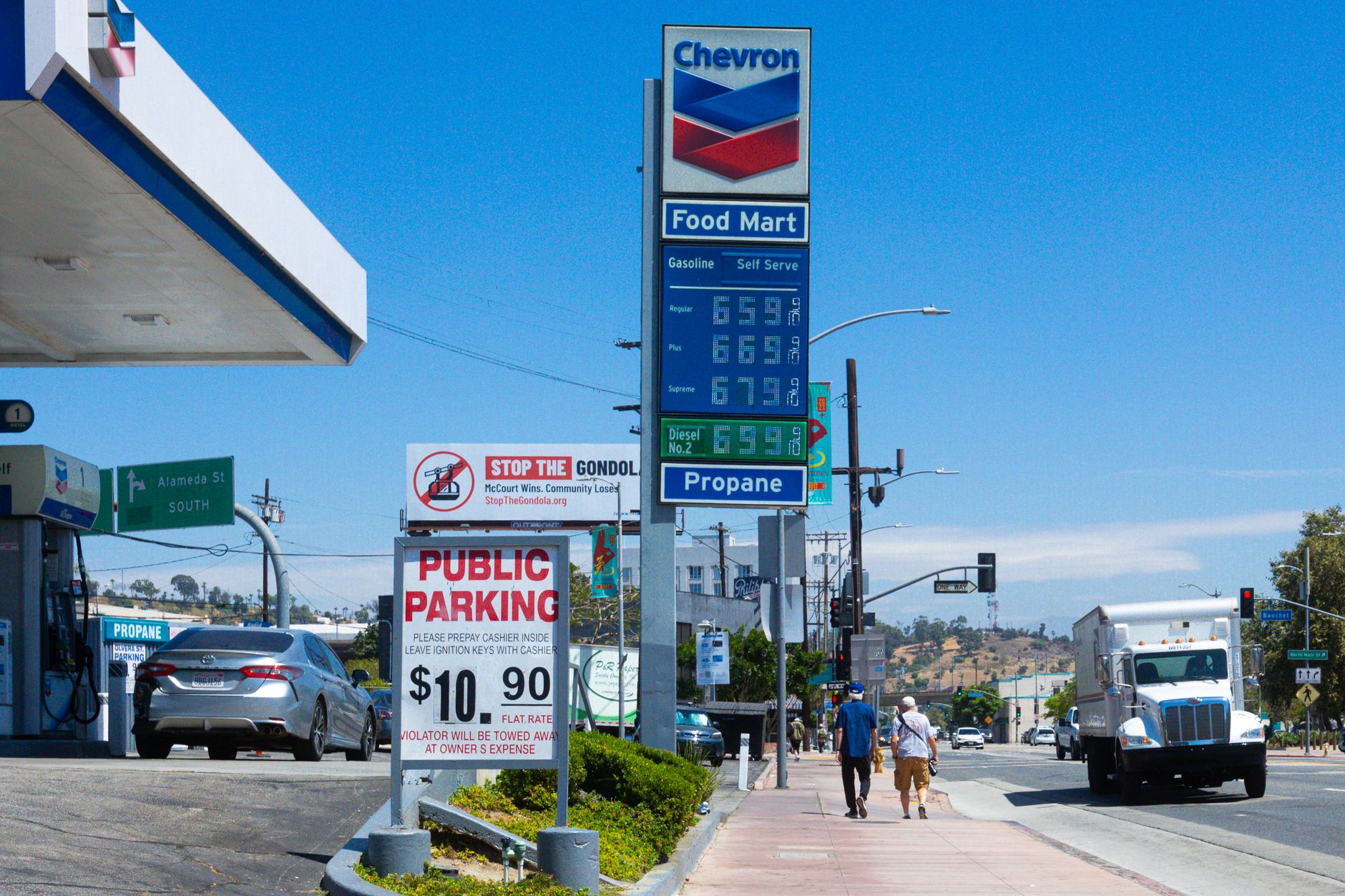
U.S. Diesel Prices Hit Record $6.0556 Per Gallon Amid Supply Issues
U.S. diesel prices reached $6.0556 per gallon on Friday, marking the first time prices have exceeded $6. Supply disruptions from the Ukraine and Iran conflicts are driving costs up, with truckers and farmers paying about 63% more compared to last year. Crude oil futures surpassed $100 per barrel for the first time since May, gaining about 20% in September. This price surge could lead to higher costs for consumer goods and energy, significantly impacting everyday Americans and the broader economy.
Read More: U.S. Diesel Prices Hit Record $6.0556 Per Gallon Amid Supply Issues
Citi: Global Oil Inventories Declining at 3M Barrels Per Day
Citi estimates that global oil inventories are declining at a rate of approximately 3 million barrels per day between February and August 2026, leading to a cumulative reduction of around 519 million barrels. If this trend continues, OECD stockpiles could reach about 70 days of supply cover by the end of 2027, while global reserves may reach that level in the first quarter of 2029. Brent crude prices have increased to over $93 per barrel from about $80 in early August, indicating rising pressure on oil markets. This situation highlights potential localized crises in specific refined products, particularly diesel, which have seen prices surpass $100 per barrel above WTI. Ordinary investors should monitor these developments as they could significantly impact oil prices and related investments.
Read More: Citi: Global Oil Inventories Declining at 3M Barrels Per Day
California Diesel Prices Rise to $6.92 Amid Ongoing Iran War
Since the onset of the Iran war, California's diesel prices have risen to $6.92 per gallon, up from $5.10 prior to the conflict. This increase contributes to rising costs across the U.S., as nearly one-third of the nation's container imports and exports pass through California's San Pedro Bay port complex. The current average price for diesel in the U.S. is $5.36. With an estimated 8% shortfall in global diesel supply, these elevated prices could impact freight costs, thereby affecting the overall price of goods nationwide. This situation is significant for investors as it highlights potential inflationary pressures on the supply chain.
Read More: California Diesel Prices Rise to $6.92 Amid Ongoing Iran War
U.S. diesel price jumps 34 cents to $5.13 amid Iran war
The U.S. average price for diesel rose 34 cents last week to $5.13 per gallon, marking the largest weekly increase since March. This climb in diesel prices occurs amid ongoing issues stemming from the Iran war, with the U.S. energy sector showing increased vulnerability as refinery capacity hits 96.1%. The national average gas price also increased by 4.4% to $4.06 a gallon over the past week. For ordinary investors, rising fuel prices often translate to higher operational costs for many industries, potentially impacting overall economic performance.
Read More: U.S. diesel price jumps 34 cents to $5.13 amid Iran war
Diesel Prices Fall to $5.21/g Amid Declining Inventories
The average weekly retail diesel price in the U.S. fell to $5.21/g, the lowest since early March, marking the fifth consecutive week of price declines totaling 43 cents per gallon. This follows a previous average of $4.859/g on March 9 and $5.071/g a week later. Despite falling prices, total U.S. inventories dropped to 1.573 billion barrels, the lowest in over two years. The disconnect between the DOE/EIA and AAA average prices, currently at $5.317/g, is raising concerns among traders regarding global inventory levels and market stability.
Read More: Diesel Prices Fall to $5.21/g Amid Declining Inventories
UK Inflation Rate Decreases to 2.8% Amid Rising Energy Prices
The UK's inflation rate fell to 2.8% in April 2023, down from 3.3% in March, largely due to lower gas and electricity prices. Analyst projections indicate inflation could rise to about 4% by the end of the year, influenced by the ongoing Iran conflict. The average price of petrol reached 156.8p per litre, while diesel prices increased over 30p to 190p per litre. Despite the decrease, the rise in fuel prices suggests potential inflationary pressures remain, with producer input prices rising by 7.7% year-on-year.
Read More: UK Inflation Rate Decreases to 2.8% Amid Rising Energy Prices
Petrol Prices Reach 158.52p Amid Conflict Impact on Energy Market
The average price of unleaded petrol has increased to 158.52p per litre, the highest since the onset of the Iran war, according to the RAC. Prices surged following the conflict that began on February 28, impacting energy production and transport in the Middle East. The price of Brent crude oil is currently about $111 per barrel, up from approximately $73 prior to the conflict. Diesel prices also rose, now averaging 185.92p per litre, while the average price of unleaded petrol was 132.83p at the conflict's start. The RAC anticipates petrol could reach at least 160p unless oil prices dramatically drop.
Read More: Petrol Prices Reach 158.52p Amid Conflict Impact on Energy Market
Gas Prices Dropping Below $4 as Diesel Also Declines
Gas prices are anticipated to drop below $4 per gallon in the coming days. In more than 20 states, gas and diesel prices have decreased since last week, indicating a broader trend of declining fuel costs. AAA reported that this drop offers relief to drivers as market conditions are changing. Projections suggest further declines could impact consumer spending and overall economic activity in affected regions.
Read More: Gas Prices Dropping Below $4 as Diesel Also Declines
Viva (VVR) Refinery Fire Impacts 120,000 Barrels Daily Production
A fire at the Viva Energy's Corio oil refinery in Geelong has extinguished after burning for 13 hours. The refinery processes up to 120,000 barrels of oil per day, contributing to 50% of Victoria's fuel and 10% of Australia's petrol supply. Although the refinery remains partially operational, impacts on petrol production are anticipated, with diesel prices reportedly having doubled amid fuel shortages. The cause of the fire was linked to equipment failure, and an investigation is underway, with the government monitoring the situation closely.
Read More: Viva (VVR) Refinery Fire Impacts 120,000 Barrels Daily Production
Iran Conflict Raises UK Farmers' Costs by 100% in Diesel Prices
Fertiliser costs for UK fruit growers have increased by 40%, while red diesel costs have surged by 100%. The conflict in Iran has disrupted supply chains, affecting prices of crucial agricultural inputs. Inflation in farm running costs is reported to be over 7% higher this March compared to the previous year, driven by rising fuel and fertiliser prices. Even with a ceasefire planned, the Food and Drink Federation expects UK food inflation to reach at least 9% by year-end, highlighting the potential long-term impact on the agricultural sector.
Read More: Iran Conflict Raises UK Farmers' Costs by 100% in Diesel Prices
UK Petrol Prices Rise Above 150p/Litre; Diesel Exceeds 177p Amid Geopolitical Tensions
The average price of petrol in the UK has surpassed 150p per litre for the first time since May 2024, with diesel now above 177p. This increase follows military actions involving the US and Israel in Iran, impacting fuel supply and prices. Unleaded petrol is now 17p per litre more expensive than prior to the conflict, while diesel prices have increased by 35p per litre. Asda's CEO reported significant demand for fuel and indicated that profit margins are down, countering claims of profiteering amidst rising prices. The Petrol Retailers Association noted that supplier stability is being monitored, highlighting ongoing communications between industry and government.
Read More: UK Petrol Prices Rise Above 150p/Litre; Diesel Exceeds 177p Amid Geopolitical Tensions