Sanctions News & Analysis
50 articles
Market Mood

Trump to Take 60 Days to Decide on Russia Sanctions
Marco Rubio stated that former President Donald Trump will take up to 60 days to evaluate potential sanctions on Russia. These sanctions are presumably in response to undisclosed actions by Russia that could have geopolitical implications. Rubio did not specify what actions these sanctions might be connected to, nor did he detail the specific nature of the sanctions being considered. Rubio's announcement highlights the ongoing discussions within political circles regarding the appropriate response to international events involving Russia. This decision window may impact international relations and market stability as investors await the outcome. The decision on whether to impose sanctions could influence global markets, particularly those involved in trade and political relations with Russia. Investors may watch closely for any immediate geopolitical shifts or impacts on international trade policies. The delay in making a decision could introduce uncertainty into the financial markets, affecting sentiment toward industries sensitive to foreign policy changes. The market impact of this decision could depend on the severity and scope of potential sanctions. For investors, understanding the potential ramifications is crucial as decisions regarding international sanctions can have far-reaching effects on global economies. The 60-day timeline provides a period during which markets may react to emerging information about the potential sanctions and their implications.
Read More: Trump to Take 60 Days to Decide on Russia Sanctions
Trump Waives Russian Sanctions Amid Congressional Concern
President Trump's decision to waive sanctions on Russia has sparked outrage in Congress. The lack of immediate action suggests no quick countermeasures will be taken. The move allows certain corporate and governmental entities in Russia to avoid repercussions initially imposed by previous U.S. policies. While the decision has caused a political stir, no concrete legislative plans have emerged to counteract this waiver. The primary concern for Congress stems from the implications this waiver could have on U.S.-Russia relations. There is widespread bipartisan dissatisfaction but a delay in formulating a robust response strategy. The situation highlights ongoing debates within U.S. governance about maintaining or adjusting foreign policy stances towards adversarial states. This development matters as it could influence future foreign policy strategies and legislative actions concerning international relations and trade sanctions. The uncertainty about the next steps in Congress and its potential economic impact on affected U.S. industries and alliances is central to investor consideration.
Read More: Trump Waives Russian Sanctions Amid Congressional Concern
Trump Waives Russian Sanctions and Tariffs Before Deadline
President Donald Trump issued an executive order late Friday waiving parts of the Graham Act, a newly enacted sanctions package against Russia. This order exempts key provisions that required increased duties on Russian imports and tariffs on countries purchasing Russian crude oil or gas. The move preserves existing sanctions on Russia while waiving new ones, just two days before the act's implementation deadline. Trump's administration had signed the Russia sanctions bill into law just two days after its passage in the House on September 16, 2025. The Graham Act, named after the late Senator Lindsey Graham, aimed to penalize Russia for its ongoing conflict in Ukraine by targeting its economy. The legislation required increased duties on Russian goods by up to 500% and tariffs of up to 100% on certain countries like China and India. Trump's executive order, however, waives these specific requirements while maintaining existing sanctions. The decision has sparked both support and criticism. Kirill Dmitriev, an envoy for Russian President Vladimir Putin, referred to the waiver as a 'historic moment' for U.S.-Russia relations. Conversely, U.S. Senator Richard Blumenthal condemned Trump's move, arguing it aligned with Russian interests and against American and European allies. This matter holds significance as it was made just weeks before the upcoming midterm elections, highlighting high fuel prices as a voter concern.
Read More: Trump Waives Russian Sanctions and Tariffs Before Deadline
Zelenskyy Urges New US Sanctions on Russia Amid Delays
Ukrainian President Volodymyr Zelenskyy has called for support for new US sanctions on Russia, emphasizing the importance of these measures in response to ongoing geopolitical tensions. The appeal comes as former President Donald Trump has delayed the implementation of these sanctions. Zelenskyy's request highlights the continued international focus on Russia's actions and the response from global leaders. The call for these sanctions is part of a broader strategy to address the concerns related to Russia's geopolitical activities. Zelenskyy's appeal underscores the significance of international cooperation and the role of the US in shaping global diplomatic and economic policies. This matter is crucial for investors as geopolitical developments can influence market stability and the economic environment. Sanctions could impact sectors tied to Russian markets or reliant on international trade corridors.
Read More: Zelenskyy Urges New US Sanctions on Russia Amid Delays
Trump Waives Russia-Related Sanctions and Tariffs
President Trump has waived certain sanctions and tariffs related to Russia, ahead of their scheduled implementation. These measures were initially set to take effect under a new law aimed at responding to Russian actions. The specifics of the sanctions and tariffs involved were not detailed in the report. This decision follows a pattern of fluctuating policies regarding international trade and relations involving the U.S. and Russia. By waiving these measures, the administration signals a strategic decision likely to impact diplomatic and economic relations between the two nations. For ordinary investors, the waiver could mean reduced uncertainty in affected sectors until further policies are announced.
Read More: Trump Waives Russia-Related Sanctions and Tariffs
Trump Exempts Russia From New Energy Sanctions Mandated by Law
The US President has decided to exempt Russia from further energy sanctions that were mandated by a new law. This decision follows a deal made with Moscow, aimed at releasing diesel supplies. Generally, sanctions are used as a tool to apply economic pressure and affect a country's economic activities.
Read More: Trump Exempts Russia From New Energy Sanctions Mandated by Law
UK Imposes Sanctions on Iran Over RAF Fairford Incident
The UK government has announced new sanctions on Iran following an incident at the RAF Fairford in Gloucestershire. Andy Burnham, a prominent political figure, claimed that the events were 'almost certainly directed' by the Islamic Revolutionary Guards. The sanctions are a response to what has been characterized as a security threat at a military base also used by the US military in the UK. The specifics of the sanctions, including any economic measures, have yet to be detailed by officials. These sanctions are part of the UK's broader effort to address international security concerns related to Iran's actions. For ordinary investors, these geopolitical developments could impact markets sensitive to Middle East tensions.
Read More: UK Imposes Sanctions on Iran Over RAF Fairford Incident
Trump Announces Diesel Deal with Russia Despite Sanctions
President Donald Trump announced that Russia will supply diesel fuel to the global market, a shift from recent U.S. measures targeting Russian energy exports. The announcement comes shortly before a midterm election, with Trump asserting that the move will help lower high diesel prices. Critics, however, point out contradictions with recent U.S. legislation like the Lindsey O. Graham Sanctioning Russia and Iran Act of 2026, which was enacted to impose tariffs on buyers of Russian oil or gas. Key figures, such as Sen. Richard Blumenthal and Rep. Michael McCaul, expressed concerns about the alignment of this agreement with congressional intent to pressure Moscow economically. The criticism suggests inconsistency with the enforcement of existing sanctions. Comments from political figures and experts highlight the perceived conflict between reducing fuel prices and maintaining pressure on Russia to end the war in Ukraine. This decision is significant for investors monitoring energy markets, as the supply and price of diesel can influence related sectors. The diesel deal's impact on sanctions poses questions about future U.S. foreign and energy policies.
Read More: Trump Announces Diesel Deal with Russia Despite Sanctions
Zelenskyy Urges Trump to Sanction Firms Developing Rassvet
Ukraine’s President Zelenskyy stated that he has asked former U.S. President Trump to impose sanctions on firms involved in the development of 'Rassvet', a project seen as a rival to Starlink, backed by Russia and China. This request highlights the ongoing geopolitical tensions surrounding technological advancements in space communications. The focus is on companies contributing to the Rassvet project, which aims to compete with existing satellite networks like Starlink. Sanctions could potentially hinder the project's progress by limiting these companies' access to U.S. technology and resources. For investors, this matter could impact firms within the space technology sector that are linked either financially or through partnerships with the Rassvet project. Should U.S. sanctions be enacted, it might stall the development of competing technologies, impacting market competition and growth projections.
Read More: Zelenskyy Urges Trump to Sanction Firms Developing Rassvet
Nestle (NSRGY) Faces Kremlin Action on Russian Assets Amid Sanctions
Nestle (NSRGY) is evaluating its options after the Kremlin announced plans to place the Russian assets of its business under temporary external administration. This action, driven by a decree signed by President Vladimir Putin, targets Western companies amid ongoing sanctions related to the Ukraine war. Nestle's shares fell 2.2% on Friday following this news. These developments highlight the challenges and risks for foreign businesses operating in Russia, impacting their operations and potential revenue streams.
Read More: Nestle (NSRGY) Faces Kremlin Action on Russian Assets Amid Sanctions
House Approves Russia Sanctions Bill, Next Step for Trump
The U.S. House of Representatives has approved a sanctions bill targeting Russia, which now heads to President Donald Trump for his signature. This legislation aims to impose significant economic penalties in response to Russia's actions. By tightening restrictions on Russian financial institutions, the bill is expected to affect trade dynamics. For investors, the sanction's implications on markets and sectors involved with Russia can create volatility.
Read More: House Approves Russia Sanctions Bill, Next Step for Trump
House Set to Pass Russia Sanctions Bill Targeting Top Oil Buyers
The U.S. House is expected to pass the Lindsey O. Graham Sanctioning Russia and Iran Act of 2026, allowing tariffs up to 100% on countries purchasing Russian oil, including China and India. This legislation aims to target Russia’s economy and increase sanctions on Iranian entities. The Senate previously approved the bill with a vote of 86-11, indicating strong bipartisan support. Critics argue the bill expands presidential tariff authority too much and may negatively impact American consumers and support for Ukraine. This matters for investors as it could influence energy prices and market stability regarding U.S. foreign policy.
Read More: House Set to Pass Russia Sanctions Bill Targeting Top Oil Buyers
U.S. to Sanction 'Large Bank' on September 11 as Iran Strategy Continues
U.S. Treasury Secretary Scott Bessent announced that a 'large bank' will face sanctions on September 11, 2026, as part of the U.S. strategy against Iran. Bessent did not specify the bank's identity but noted closures of the 30th-largest Turkish bank and the sanctioning of Golden Global Yatirim Bankasi Anonim Sirketi. These actions occur amidst ongoing economic measures linked to the Middle East conflict and follow sanctions on almost 60 entities since February. This matters for investors as these sanctions may affect market stability in related sectors and financial institutions.
Read More: U.S. to Sanction 'Large Bank' on September 11 as Iran Strategy Continues
Trump Confirms No Regrets Over Iran War Amid Economic Pressure
President Donald Trump stated he has no regrets about starting the Iran war and would do it again, despite potential impacts on midterm elections. Economic pressure continues as U.S. Treasury Secretary Scott Bessent announced sanctions against a large bank linked to Iran, following previous sanctions on the Dubai branches of Egypt's second largest bank, which provided Iran with $1.8 billion. As discussions arise about the war potentially extending beyond Trump's current term, he emphasized that the conflict will conclude immediately after the midterm elections. This situation could impact oil and gas prices and market stability for investors.
Read More: Trump Confirms No Regrets Over Iran War Amid Economic Pressure
EU Joins U.S. Operation Economic Outcast Against Iran Sanctions
The European Union has formally joined the U.S.-led 'Operation Economic Outcast,' aimed at cutting Iran from the global financial system. U.S. Treasury Secretary Scott Bessent praised the EU's decision, emphasizing a unified effort to address Iran's destabilizing activities. The sanctions, originally launched in late August 2026, target Iran's access to digital assets, technology, gold reserves, and more. This move is significant as it reinforces economic pressure on Iran, which has heavily relied on trade, especially with China, for its oil exports.
Read More: EU Joins U.S. Operation Economic Outcast Against Iran Sanctions
U.S. Strikes Iranian Rocket Launchers Amid Escalating Tensions
U.S. forces destroyed two Iranian rocket launchers on Larak Island over the weekend as hostilities between the U.S. and Iran escalated. This strike was the first publicly acknowledged U.S. attack since late July, breaking a month-long lull in fighting. Iran responded by firing eight missiles at Jordanian air bases, all of which were intercepted with no casualties reported. The situation is significant as it may affect oil markets and geopolitical stability in the region, especially with impending new U.S. sanctions targeting Iranian banks.
Read More: U.S. Strikes Iranian Rocket Launchers Amid Escalating Tensions
Taliban seeks sanctions relief and asset release for mineral deals
The Taliban government in Afghanistan is seeking sanctions relief and the release of frozen assets five years after taking power. Their overture to the Trump administration indicates an interest in mineral deals that could potentially enrich the country’s economy. This development may affect international relations and market perceptions regarding Afghanistan’s minerals, including lithium and rare earth elements. For investors, this matters as it could signal future opportunities in resource-related sectors depending on how diplomatic relations evolve.
Read More: Taliban seeks sanctions relief and asset release for mineral deals
Bessent Predicts Weekly US Sanctions on Iran's Economy
Bessent anticipates new secondary sanctions from the US on a weekly basis, aiming to escalate pressure on Iran. These sanctions could significantly impact Iran’s economy and its relationships with other nations. The ongoing sanctions strategy reflects the US's commitment to alter Iran's actions on geopolitical matters. This situation could influence market sentiment regarding companies engaged in trade with Iran or those affected by such sanctions.
Read More: Bessent Predicts Weekly US Sanctions on Iran's Economy
U.S. Sanctions Another Bank to Isolate Iran Before G20 Meeting
The U.S. plans to impose sanctions on an additional bank this week as part of efforts to economically isolate Iran, according to Treasury Secretary Scott Bessent. This initiative follows recent military actions by U.S. forces against Iranian targets, highlighting escalating tensions. Bessent indicated that all options are on the table regarding potential sanctions against China, Iran's largest trading partner, during the upcoming G20 meetings. This matters for investors as it signals ongoing geopolitical tensions that could impact market stability and international trade relationships.
Read More: U.S. Sanctions Another Bank to Isolate Iran Before G20 Meeting
US Sanctions Prompt Iran's Harsh Warning Amid Middle East Tensions
Iran issued a warning of significant responses as the United States announced new sanctions. The sanctions may have implications for the geopolitical landscape in the Middle East. This announcement comes amid rising tensions in the region, likely influencing market perceptions and investor sentiment. Ordinary investors should monitor these developments as they could impact oil prices and geopolitical stability.
Read More: US Sanctions Prompt Iran's Harsh Warning Amid Middle East Tensions
US to Expand Sanctions Against Iran Ahead of October Economic D-Day
The US is anticipated to broaden secondary sanctions aimed at isolating Iran, with significant economic implications described as 'economic D-Day.' This approach is reported to affect Iran's financial systems and energy sector, pushing market participants to reassess exposure to Iranian assets. Investors should be vigilant as these sanctions could create volatility in energy markets and impact global oil prices. Understanding the potential shifts in trade dynamics is crucial for ordinary investors looking to navigate the implications of these sanctions.
Read More: US to Expand Sanctions Against Iran Ahead of October Economic D-Day
U.S. Financial Offensive Against Iran Begins August 21, 2026
The U.S. Treasury Secretary Scott Bessent announced that the U.S. will introduce significant new financial measures against Iran on August 21, 2026. This comes after both parties failed to establish a ceasefire in their ongoing conflict. The new measures will enhance existing sanctions that impact Iran's banking, energy, aviation, and cryptocurrency sectors. For ordinary investors, the escalated tensions and sanctions could affect oil prices and market stability, as roughly a fifth of the world's seaborne oil passes through the Strait of Hormuz.
Read More: U.S. Financial Offensive Against Iran Begins August 21, 2026
Scott Bessent to Announce Iran Sanctions Monday, Raising Economic Stakes
Treasury Secretary Scott Bessent will hold a press conference on Monday to announce sanctions against Iran, described as the largest campaign of economic isolation. He stated that these will be the toughest sanctions in history, aiming to force U.S. allies to cease business with Iran. Plans include financial penalties for nations aiding Iran in evading these sanctions. This development is significant for markets as it outlines a potentially aggressive U.S. stance against Iran, which may impact global oil prices and geopolitical stability in the region.
Read More: Scott Bessent to Announce Iran Sanctions Monday, Raising Economic Stakes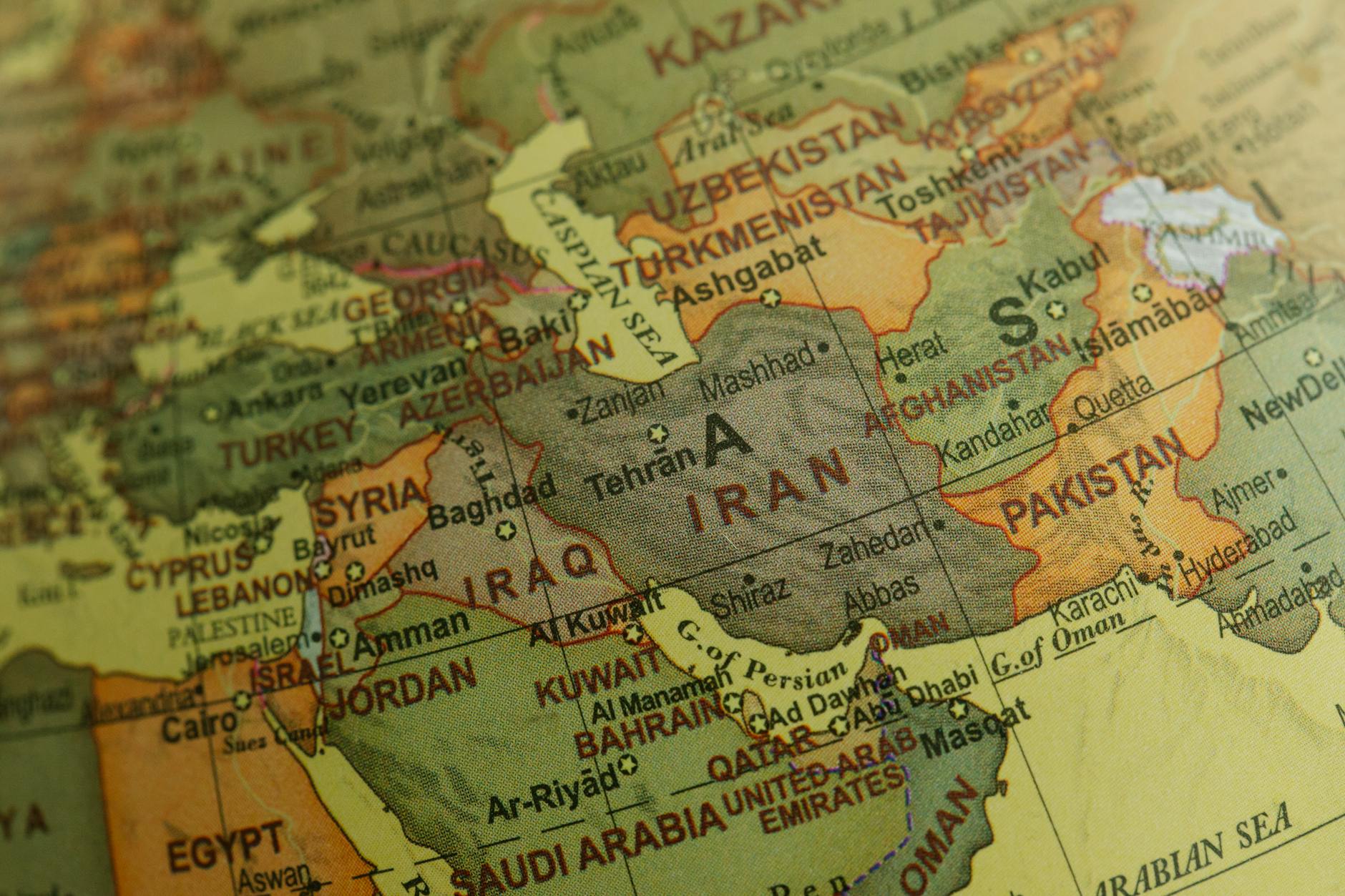
Iran Condemns US Plans for New Sanctions Amid Tensions
Iran's government has publicly condemned the upcoming announcement of new sanctions by the United States, although specific details about the sanctions have not been disclosed. The Iranian government views these sanctions as an attempt to undermine its sovereignty and economy. This situation heightens existing tensions between the two countries, which could have broader implications for global markets and geopolitical stability. Investors should remain aware of how these developments may affect oil prices and related energy sectors.
Read More: Iran Condemns US Plans for New Sanctions Amid Tensions
Iran Criticizes US Sanctions, Oil Prices Stay at $94.39 per Barrel
Iran condemned the U.S.' plans for new economic sanctions, which U.S. Treasury Secretary Scott Bessent stated will create significant economic isolation against Iran. Bessent emphasized that this strategy aims to reduce the need for military operations. Oil prices remained stable, with Brent crude futures closing at $94.39 per barrel and U.S. West Texas Intermediate futures rising to $87.00. The ongoing situation could impact oil supply and prices, affecting markets and investors with interests in petroleum sectors.
Read More: Iran Criticizes US Sanctions, Oil Prices Stay at $94.39 per Barrel
PMI Data Ahead; U.S. Warns of Tough Sanctions Impacting Markets
The U.S. is preparing to impose 'tough' sanctions on Iran, affecting global markets. This announcement accompanies upcoming PMI (Purchasing Managers' Index) data, which is closely watched by investors. PMI data can indicate economic health and potentially influence market movements. These developments may contribute to heightened volatility in market sectors impacted by U.S. foreign policy and economic trends. Investors should monitor these changes closely as they could affect market conditions.
Read More: PMI Data Ahead; U.S. Warns of Tough Sanctions Impacting Markets
Russia State-Backed Startup Evasion Network Emerges in Market
A new startup in Russia, reportedly backed by the state, is developing a network to help businesses evade international sanctions. This initiative raises concerns about compliance across global markets and the potential ramifications for companies engaging with Russian firms. While specific metrics regarding operational scale or revenue were not disclosed, the implications of sanctions evasion could affect investor sentiment towards companies operating in sanctioned regions. Understanding these developments is crucial for ordinary investors who may be impacted by shifts in geopolitical landscapes and market policies.
Read More: Russia State-Backed Startup Evasion Network Emerges in Market
Tariffs up to 100% on Russian Oil Purchasers Approved by Senate
The U.S. Senate approved a sanctions bill that includes tariffs of up to 100% on countries among the top five purchasers of Russian crude oil or gas, which are China and India. This legislation aims to target funding for Russia's military actions amid its invasion of Ukraine. It also sanctions Russian leaders, including President Vladimir Putin. The bill is expected to face challenges in the House, with concerns about the authority it grants Republican President Donald Trump, who requested the sanctions extension on Iran. This is significant as it may impact global oil prices and trade relationships.
Read More: Tariffs up to 100% on Russian Oil Purchasers Approved by Senate
US Announces New Cuba-Related Sanctions Impacting Trade
The U.S. government has implemented new sanctions related to Cuba, aimed at restricting commerce and travel to the island nation. Specific details on affected sectors or entities have not been provided, but the sanctions are expected to further complicate US-Cuba relations. This decision aligns with ongoing geopolitical tensions and may influence market perceptions of companies involved in Cuban trade. Investors should be aware of potential impacts on businesses affected by these restrictions, particularly in sectors like tourism and goods trading.
Read More: US Announces New Cuba-Related Sanctions Impacting TradeTrump Proposes Tariffs on Iran Amid $1.4M Trade Challenge
President Donald Trump is advocating for Congress to add tariffs on Iran to a sanctions bill aimed at both Russia and Iran, despite the U.S. importing only $1.4 million worth of goods from Iran in 2025. This amount is primarily composed of works of art, antiques, and collectibles, making up 55% of the imports. The proposed tariffs may hinder the bipartisan support the sanctions bill currently enjoys. The significance for investors lies in the potential disruption of the sanctions bill's passage, which could impact geopolitical stability and market reactions to U.S.-Iran relations.
Read More: Trump Proposes Tariffs on Iran Amid $1.4M Trade ChallengeUkraine's Zelenskyy Meets Trump Amid Ongoing Conflicts and Sanctions
Ukrainian President Volodymyr Zelenskyy met with U.S. President Donald Trump on July 28, 2026, to bolster support for Ukraine amid escalating conflicts with Iran and Russia. Trump has paused airstrikes against Iran to pursue diplomatic efforts, while Zelenskyy aims to improve ties after a previous contentious meeting. Concurrently, the Senate is set to vote on legislation targeting Russia and its allies, which would impose tariffs on goods from significant buyers of Russian energy, including China and India. This meeting matters for investors as political decisions regarding sanctions could impact global markets and energy prices.
Read More: Ukraine's Zelenskyy Meets Trump Amid Ongoing Conflicts and Sanctions
Trump Threatens Iran Amid New Treasury Sanctions on Financier
President Trump issued a warning to Iran, stating there are '1000 Missiles' ready if Tehran attempts assassination. This follows new U.S. Treasury sanctions on an alleged Iranian financier, which Iran called a violation of a recent preliminary deal. Despite this escalation, Trump noted that the U.S. and Iran have agreed to continue peace talks. This situation affects market perceptions of geopolitical stability and could impact investors' confidence in regions sensitive to U.S.-Iran relations.
Read More: Trump Threatens Iran Amid New Treasury Sanctions on Financier
US Imposes New Iran Sanctions Amid Ongoing Conflict
The U.S. has introduced new sanctions on Iran in response to escalating conflict in the region. The sanctions target several Iranian officials and entities linked to various military activities. This move comes as tensions have risen, impacting oil prices, which saw fluctuations due to market reactions. Investors should note that geopolitical tensions can influence market stability and energy prices significantly.
Read More: US Imposes New Iran Sanctions Amid Ongoing Conflict
U.S. Targets Cuba's Overseas Doctors Amid Economic Pressures
The U.S. government has intensified actions against Cuba's overseas medical missions, which are a significant source of revenue for the country. This program reportedly accounts for millions in annual income, with estimates suggesting it raises around $1 billion for Cuba. These sanctions could impact Cuba's economy as it relies heavily on this income. For investors, this situation is a reminder of how geopolitical tensions can affect markets and specific sectors tied to international trade and foreign aid.
Read More: U.S. Targets Cuba's Overseas Doctors Amid Economic Pressures
US Strikes on Iran Follow Oil Sanctions Reinstatement
The U.S. has resumed military strikes against Iran following the reinstatement of oil sanctions related to shipping attacks. This development could impact oil supply chains and pricing due to heightened tensions in the Middle East. Sanctions were reintroduced to limit Iran's oil exports, which may affect global oil markets and trading volumes. Ordinary investors should monitor these events as they can influence oil prices and related investments.
Read More: US Strikes on Iran Follow Oil Sanctions Reinstatement
US Iran Oil Sanctions Waived, Talks to End War Update
The US has issued a 60-day waiver of oil sanctions against Iran, allowing the country to sell oil in US dollars, a first in decades. In negotiations in Switzerland, the US and Iran agreed to a roadmap towards a final deal within 60 days. Iran's foreign ministry denied claims that it would allow nuclear inspectors back into the country, stating it made no new commitments. The waiver, detailed by Treasury Secretary Scott Bessent, also permits production and shipping of Iranian crude and unlocks necessary banking and transportation transactions.
Read More: US Iran Oil Sanctions Waived, Talks to End War Update
U.S. Sanctions on Iran, Russia Impact Trading and Evasion Tactics
The effectiveness of U.S. sanctions against Iran, Russia, and North Korea continues to be challenged by their evasion tactics. U.S. Treasury Secretary Janet Yellen noted that sanctions have not significantly curtailed these nations' ability to maneuver around restrictions. This could have implications for global markets as these countries remain engaged in international trade. The persistence of these evasion tactics suggests that existing sanctions may require reevaluation to improve enforcement and compliance.
Read More: U.S. Sanctions on Iran, Russia Impact Trading and Evasion Tactics
IRGC Benefit from Sanctions Relief Under U.S. Deal Analysis
The IRGC is expected to benefit from potential sanctions relief as part of a U.S. deal. While specific details and quantifications of this relief have not yet been disclosed, it could significantly impact Iran's economic situation and its military funding. This move is part of ongoing diplomatic efforts related to Iran's nuclear program. The implications for the markets can vary, particularly in sectors impacted by Iran's sanctions.
Read More: IRGC Benefit from Sanctions Relief Under U.S. Deal Analysis
Iranian Guards' Empire Potentially Gains from Sanction Relief
The Iranian Revolutionary Guards may benefit significantly if U.S. sanctions are lifted. The potential removal of these sanctions could lead to increased economic activity and trade. This change would have implications for businesses within Iran and may impact international market dynamics. While no specific numbers or estimates were provided, the scenario suggests a possible shift in market sentiment towards Iran-related investments.
Read More: Iranian Guards' Empire Potentially Gains from Sanction Relief
UK Intercepts Russian Oil Tanker SMYRTOS Amid Sanctions Enforcement
The U.K. armed forces boarded the oil tanker SMYRTOS as part of a new enforcement initiative against Russian oil trade. This operation, described by the U.K.'s Ministry of Defence as the first of its kind, took place in the English Channel. The U.K. has sanctioned over 500 vessels in efforts to combat the shadow fleet, which has reportedly increased in size following the $60-a-barrel price cap on Russian oil imposed in December 2022. The operation signals a strong stance against those violating international sanctions on Russia, a crucial factor for market participants monitoring oil supply chain dynamics.
Read More: UK Intercepts Russian Oil Tanker SMYRTOS Amid Sanctions Enforcement
UK Intercepts Russian Oil Tanker Linked to Shadow Fleet
The UK has intercepted a Russian oil tanker in the English Channel, which is reportedly linked to a shadow fleet evading sanctions. This operation represents ongoing tensions related to international trade and sanctions enforcement. The tanker’s cargo and destination have not been disclosed, but the interception indicates increased scrutiny on maritime activities connected to Russia. Market implications could arise if further sanctions impact supply chains or oil prices, particularly for related commodities.
Read More: UK Intercepts Russian Oil Tanker Linked to Shadow Fleet
UK to Ban Russian Diesel Imports by January 2027 Amid Sanctions
The UK government has committed to banning imports of diesel and jet fuel from Russian oil by 1 January 2027. This ban is part of a sanctions package related to the war in Ukraine. The government is also phasing out the use of diesel and jet fuel refined in third countries from Russian crude oil, with a review of the temporary import license conducted every two weeks. Trade Minister Chris Bryant emphasized this action as a signal of increased pressure on Russia amidst global oil supply challenges.
Read More: UK to Ban Russian Diesel Imports by January 2027 Amid Sanctions
EU Sanctions Proposed Against 90 Russian Banks and Crypto Platforms
The European Union has proposed a 21st round of sanctions against Russia, impacting 170 individuals and organizations, including nearly 90 banks. This largest single batch of sanctions would raise the total number of sanctioned banks in Russia to over 100, constituting more than half of the country's 213 internationally connected lenders. The measures include asset freezes and increased transaction restrictions for these banks and 11 crypto platforms. The sanctions require unanimous approval from EU member states to be enacted, reflecting ongoing financial pressure on Russia's banking sector.
Read More: EU Sanctions Proposed Against 90 Russian Banks and Crypto Platforms
France Sanctions on Israeli Settlers Expected in Coming Days
France has indicated that additional sanctions could be imposed on Israeli settlers in the near future. This statement reflects ongoing geopolitical tensions, particularly in relation to the Israel-Palestine conflict. While no specific figures or metrics were mentioned, potential sanctions could impact market sentiment in the region and lead to fluctuations in investment strategies. Investors are advised to monitor developments closely as further actions may affect diplomatic relations and financial markets.
Read More: France Sanctions on Israeli Settlers Expected in Coming Days
US Sanctions Cuban President Impacting Markets and Trade
The US government has imposed sanctions on the president of Cuba, as confirmed by the Treasury Department's website. These sanctions are intended to target financial transactions involving the Cuban government. Such measures may impact US-Cuba trade relations and influence market perceptions of risk associated with investments in the region. The sanctions were part of broader efforts to address concerns about human rights violations in Cuba.
Read More: US Sanctions Cuban President Impacting Markets and Trade
US Sanctions Iran's Largest Crypto Exchange Amid IRGC Links
The United States has imposed sanctions on Iran's largest cryptocurrency exchange due to its connections with the Islamic Revolutionary Guard Corps (IRGC). This action highlights ongoing regulatory scrutiny within the cryptocurrency market as the U.S. government targets entities linked to terrorism. The sanctions could lead to decreased trading volumes for the affected exchange and potential impacts on the market for Iranian digital assets. Overall, this development could influence the broader cryptocurrency landscape as nations like the U.S. strengthen their regulatory frameworks.
Read More: US Sanctions Iran's Largest Crypto Exchange Amid IRGC Links
US Treasury (UST) Issues New Sanctions on Crypto Exchanges
The US Treasury has announced new sanctions targeting crypto exchanges that are facilitating transactions for entities within Iran. This action aims to disrupt the flow of funds that may support illegal activities. Market analysts suggest that these sanctions could impact crypto trading volumes and market dynamics, especially in relation to exchanges that operate internationally. The implications of these sanctions on cryptocurrency markets may lead to increased volatility as exchanges adapt to new regulatory requirements.
Read More: US Treasury (UST) Issues New Sanctions on Crypto Exchanges
US Treasury Removes 80 Outdated Sanctions Blacklist Names
The US Treasury announced the removal of 80 outdated names from its sanctions blacklist as part of a new review process. This action reflects an effort to streamline the sanctions list and could potentially impact trade and relations with certain countries. The removal of these names may alter the compliance landscape for businesses that previously faced restrictions. The review is part of the Treasury's ongoing assessment of sanctions effectiveness and relevance.
Read More: US Treasury Removes 80 Outdated Sanctions Blacklist Names
UK Sanctions Huobi Exchange Tied to Justin Sun
The UK Foreign Office has announced sanctions against Huobi, a crypto exchange linked to billionaire Justin Sun. The measures are part of efforts to prevent Russia from evading economic sanctions. This action could impact the operations of Huobi and its market presence, particularly in regions affected by these sanctions. Such regulatory moves may influence overall confidence in cryptocurrency exchanges operating under increased scrutiny, affecting market liquidity and trading volumes.
Read More: UK Sanctions Huobi Exchange Tied to Justin Sun
UK Eases Russian Oil Sanctions Amid Rising Diesel Prices
The UK government has relaxed sanctions on Russian oil refined into diesel and jet fuel in third countries, effective Wednesday, amid rising fuel prices. This change aims to address supply concerns due to blockades in the Strait of Hormuz following the US-Israel conflict with Iran. European jet fuel prices have more than doubled since the war began, with recent increases prompting airlines to cancel flights and raise fares. The UK government plans to review these adjustments periodically, signaling a potential shift in its approach to sanctions against Russia.
Read More: UK Eases Russian Oil Sanctions Amid Rising Diesel Prices