SaudiArabia News & Analysis
23 articles
Market Mood

Saudi Arabia Oil Transport Options Expand
Saudi Arabia has developed new transportation strategies for its oil exports. This move provides the country with another route to access international markets. As global demand for oil remains steady, diversifying export options can enhance the country's revenue potential. This is crucial for investors watching the oil market, as additional transport routes could affect supply levels and pricing. The strategies aim to stabilize oil flow in response to market fluctuations.
Read More: Saudi Arabia Oil Transport Options Expand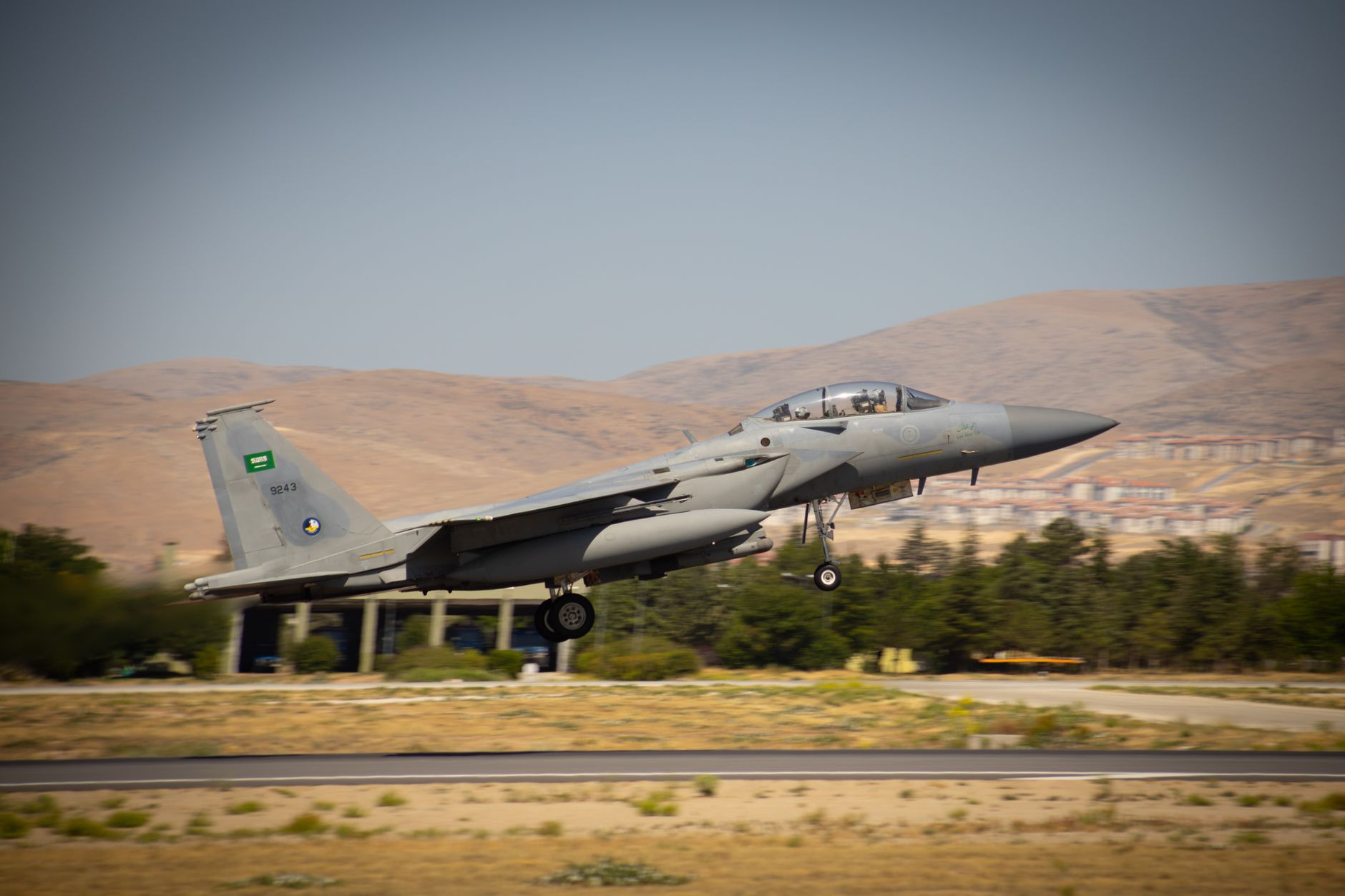
F-35 Sale to Saudi Arabia Approved at $24.3 Billion
The U.S. government has approved a potential sale of F-35 fighter jets to Saudi Arabia, valued at $24.3 billion. This approval signifies continued military cooperation between the U.S. and Saudi Arabia. This potential deal could influence defense sector investments and contracts, reflecting the strong demand for advanced military technology. For investors, this represents a significant opportunity in the defense market as the sale may lead to increased revenue for companies involved in military contracts.
Read More: F-35 Sale to Saudi Arabia Approved at $24.3 Billion
Saudi Crown Prince Requests Egypt's Support Amid Houthi Attacks
Saudi Arabia's crown prince is seeking Egypt's support as Houthi attacks disrupt oil routes in the Red Sea. These attacks have raised concerns about regional security and the potential impact on oil supplies. The ongoing conflict in Yemen has long posed risks to maritime navigation and oil shipping in this key area. This situation is significant for investors as it could lead to fluctuations in oil prices due to supply chain disruptions.
Read More: Saudi Crown Prince Requests Egypt's Support Amid Houthi Attacks
Brent crude rises to $108 after Saudi Arabia closes pipeline
Brent crude rose 3.46% to $108.23 per barrel after Saudi Arabia shut a critical pipeline that bypasses the Strait of Hormuz. U.S. West Texas Intermediate futures increased by 3% to $103.14 per barrel. The disruption comes amid escalating tensions between the U.S. and Iran, with Brent prices gaining about 9% last week. Analysts note that if the pipeline remains closed beyond a five-to-seven-day inventory cushion, market conditions could change. This is significant for investors as it may impact oil supply and pricing in the near term.
Read More: Brent crude rises to $108 after Saudi Arabia closes pipeline
Adobe (ADBE) Expands AI Tools Offer in $4 Billion Saudi Arabia Deal
Adobe (ADBE) announced it will provide free access to its AI tools in Saudi Arabia as part of a $4 billion deal. This initiative aims to boost the digital economy in the region and support local businesses. The collaboration emphasizes the growing demand for AI technology in various industries. For investors, such strategic moves can enhance Adobe's market position and potentially influence its stock performance.
Read More: Adobe (ADBE) Expands AI Tools Offer in $4 Billion Saudi Arabia Deal
Saudi Aramco (2222) Fire Extinguished After Houthi Drone Attack
A fire at Saudi Aramco's refinery in Jizan, Saudi Arabia, was extinguished by firefighters after Houthi rebels claimed responsibility for a drone strike on July 26, 2026. The Saudi Ministry of Energy confirmed that no injuries occurred, and the cause of the fire was not specified. Previously, the Houthis have claimed several attacks on Saudi Aramco facilities amid ongoing regional tensions. This incident may raise concerns about stability in oil supplies and could impact market perceptions of security in the oil sector, particularly for Aramco (2222).
Read More: Saudi Aramco (2222) Fire Extinguished After Houthi Drone Attack
Saudi Crown Prince Urges Trump on Iran War Escalation
The Saudi crown prince has advised US President Donald Trump against escalating the Iran conflict as discussions of new military strikes are underway. This interaction indicates a critical diplomatic stance amid rising tensions in the region. No specific numbers or dates were provided in relation to military actions or economic impacts. The situation may influence market perceptions regarding oil prices and geopolitical stability, which could affect investor sentiment.
Read More: Saudi Crown Prince Urges Trump on Iran War Escalation
3D Systems (DDD) Receives Military License for Saudi JV Venture
3D Systems (DDD) has obtained a military manufacturing license for its joint venture in Saudi Arabia. This license allows the company to proceed with production relevant to defense applications. The move is part of a broader strategy to engage in the defense sector and capture new markets in the Middle East. For ordinary investors, this expansion into military manufacturing could indicate potential growth opportunities and increased revenue streams for 3D Systems moving forward.
Read More: 3D Systems (DDD) Receives Military License for Saudi JV Venture
Trump's Saudi Nuclear Deal Requires Israel Relations, No Enrichment
President Donald Trump announced that Saudi Arabia will not enrich uranium under the recent nuclear deal signed with the U.S. The agreement is contingent upon Saudi Arabia establishing diplomatic relations with Israel through the Abraham Accords. White House press secretary Karoline Leavitt confirmed that the deal will not proceed if Saudi Arabia does not join these accords. The U.S. Department of Energy described the deal as the foundation for a multibillion-dollar nuclear partnership, requiring congressional review as per the Atomic Energy Act, which may impact regional dynamics.
Read More: Trump's Saudi Nuclear Deal Requires Israel Relations, No Enrichment
Oil Prices Drop After Saudi Arabia Cut by $1 Per Barrel
Oil prices have continued to decline following Saudi Arabia's decision to lower its prices by $1 per barrel for November. This price cut raises concerns over a global oil surplus as demand remains weak. Market analysts are monitoring these developments closely as they could lead to a further reduction in oil prices. A decline in oil prices can significantly impact the energy sector and related investments such as ExxonMobil (XOM) and Chevron (CVX). This matters to ordinary investors since lower oil prices can influence inflation rates and ultimately affect overall market performance.
Read More: Oil Prices Drop After Saudi Arabia Cut by $1 Per Barrel
OPEC+ Countries to Increase Oil Production by 188,000 Barrels Daily
Seven countries in the OPEC+ alliance, including Saudi Arabia and Russia, will increase oil production by a total of 188,000 barrels per day starting in August. This decision marks the fifth consecutive month of production hikes amid falling fuel prices, with Brent crude closing under $72 a barrel. The increase comes as market conditions shift following a recent interim deal between the U.S. and Iran. OPEC+ is committed to monitoring market stability, indicating ongoing caution regarding oil supply dynamics.
Read More: OPEC+ Countries to Increase Oil Production by 188,000 Barrels Daily
MGC Seeks $799 Million in Riyadh IPO Offering
Saudi contractor MGC is seeking to raise up to $799 million through an initial public offering (IPO) in Riyadh. This move comes as the company aims to expand its operations and strengthen its market position. The IPO is indicative of a growing trend in the region, with several companies looking to leverage favorable market conditions. The potential for increased investment and capital influx may positively impact the Saudi market overall.
Read More: MGC Seeks $799 Million in Riyadh IPO Offering
Trump Calls Off Planned Attack on Iran Due to UAE Request
President Trump stated that he canceled a planned attack on Iran that was set for Tuesday. This decision follows requests from the UAE, Saudi Arabia, and Qatar for the United States to refrain from military action. The announcement carries implications for regional stability and potential U.S. involvement in Middle Eastern conflicts. The information highlights the influence of U.S. allies in shaping military operations in sensitive geopolitical situations.
Read More: Trump Calls Off Planned Attack on Iran Due to UAE Request
Iran (IRN) Reviewing U.S. 14-Point Peace Proposal Amid Conflict
Iran is currently reviewing a U.S. peace proposal received via Pakistani mediators, according to Esmaeil Baqaei, a spokesperson from Iran's Ministry of Foreign Affairs. Reports suggest that a 14-point memorandum of understanding is being considered to end the ongoing conflict. President Trump indicated that the Iranians are eager to negotiate, stating the war may 'be over quickly.' While stocks rose and oil prices fell on Wednesday following these developments, the market saw shifts again on Thursday due to ongoing uncertainties regarding the Strait of Hormuz, impacting global energy supply. The continuation of 'Project Freedom' is also under consideration after restrictions by Saudi Arabia and Kuwait were allegedly lifted.
Read More: Iran (IRN) Reviewing U.S. 14-Point Peace Proposal Amid Conflict
Saudi Arabia Lifts Suspension of Trump’s Project Freedom
Saudi Arabia has lifted the suspension of 'Project Freedom' following a call between Crown Prince Mohammed bin Salman and US President Donald Trump. The key details regarding funding or investment amounts related to the project were not disclosed. This development may influence market sentiment, particularly in sectors tied to international relations and energy, as well as potential future investments from Saudi Arabia. The resolution of this suspension indicates renewed cooperation that could have economic implications for both countries.
Read More: Saudi Arabia Lifts Suspension of Trump’s Project Freedom
UAE's OPEC Exit May Impact Trade Ties with Saudi Arabia
The UAE's recent decision to exit OPEC raises questions about its trade relations with Saudi Arabia. This change could impact oil production strategies and pricing strategies within the region. The UAE has been a significant oil contributor to OPEC and its exit might lead to a restructuring of alliances. Analysts suggest that fluctuations in oil prices could affect market stability across the oil sector and related economies.
Read More: UAE's OPEC Exit May Impact Trade Ties with Saudi Arabia
Gulf Leaders Meet in Saudi Arabia to Discuss Iranian Strikes
Gulf leaders are scheduled to meet in Saudi Arabia to discuss their response to recent Iranian strikes. This meeting raises concerns over regional stability and potential impacts on oil prices and energy markets. The context of escalating tensions could affect trading volumes and market reactions in related sectors. The meeting outcomes may influence investor sentiment towards Middle Eastern companies and energy stocks.
Read More: Gulf Leaders Meet in Saudi Arabia to Discuss Iranian Strikes
Saudi Non-Oil Sector Contracts for First Time Since 2020
The Saudi non-oil sector experienced its first contraction since 2020, primarily influenced by disruptions from the ongoing war, which halted orders. This contraction can impact economic growth in Saudi Arabia, affecting various sectors reliant on non-oil activities. The repercussions may lead to increased volatility in the Saudi stock market and slower growth projections. Market analysts will closely monitor subsequent economic data for further signs of the sector's recovery.
Read More: Saudi Non-Oil Sector Contracts for First Time Since 2020
Iran Military Strike Injures 12 U.S. Troops at Saudi Base Amid Ongoing Conflict
An Iranian military strike on Prince Sultan Air Base in Saudi Arabia resulted in injuries to 12 U.S. troops, two of whom sustained serious injuries, according to a U.S. official. This event adds to over 300 U.S. military service members injured since hostilities began on February 28, with 273 of the previously injured already returned to duty. Additionally, the conflict has resulted in the deaths of 13 U.S. troops. This escalation may have implications for geopolitical stability in the region, affecting market sentiment.
Read More: Iran Military Strike Injures 12 U.S. Troops at Saudi Base Amid Ongoing Conflict
Missile Strike from Yemen Wounds US Troops at Saudi Air Base
A missile fired from Yemen has resulted in injuries to US troops stationed at an air base in Saudi Arabia. This incident is significant as it escalates military tensions in the region. The Houthis have issued warnings to other nations, indicating a potential increase in conflict. The geopolitical implications could affect market stability, particularly in the oil sector, given the region's importance in oil production.
Read More: Missile Strike from Yemen Wounds US Troops at Saudi Air Base
Zelenskyy Visits Saudi Arabia for Support Amid U.S. Military Shift
Ukrainian President Volodymyr Zelenskyy visited Saudi Arabia to seek support as the U.S. considers redirecting military resources from Ukraine to the Middle East. During the visit, Zelenskyy met with Saudi Crown Prince Mohammed bin Salman and discussed military tensions in the region. Over 200 Ukrainian experts are being sent to advise on air defense systems. The Pentagon is reportedly evaluating the redirection of military equipment and a potential deployment of an additional 10,000 troops amid a buildup of existing forces, including 5,000 Marines and paratroopers from the 82nd Airborne Division.
Read More: Zelenskyy Visits Saudi Arabia for Support Amid U.S. Military Shift
Saudi Arabia and UAE Consider Military Involvement in Iran Conflict
Saudi Arabia and the UAE are contemplating joining the military conflict involving Iran, amidst increasing regional tensions. This potential shift in involvement could affect oil prices and regional stability, which are critical for markets reliant on Middle Eastern energy supplies. Analysts are closely monitoring any escalation, given that both countries are major oil producers, impacting global oil supply and pricing. The implications of their potential involvement on oil prices and geopolitical stability are significant for global markets.
Read More: Saudi Arabia and UAE Consider Military Involvement in Iran Conflict
Saudi Arabia Initiates Oil Flow Through East-West Pipeline Amid Hormuz Crisis
Following US and Israeli strikes on Iran, Saudi Arabia activated a contingency plan involving the 1,200-kilometer East-West pipeline to maintain oil exports. Crude exports from Yanbu reached a five-day rolling average of 3.66 million barrels, approximately half of Saudi Arabia’s total before the conflict. The Strait of Hormuz, normally facilitating 20 million barrels per day, faces closures, pushing Saudi Aramco to maximize utilization of alternative routes. This quick response underscores Saudi Arabia's role as a stabilizing force in global oil markets during geopolitical tensions.
Read More: Saudi Arabia Initiates Oil Flow Through East-West Pipeline Amid Hormuz Crisis