OIL News & Analysis
50 articles
Market Mood

Strait of Hormuz Traffic Drops Near 3-Month Low Amid Tensions
Iran's authorities declared the Strait of Hormuz remains blocked, countering U.S. claims of control. Vessel transits averaged about 13 as of August 6, marking a nearly 90% drop from the pre-February average of 130 ships. This decline follows escalated tensions and demands from Iran for U.S. actions, including ending the naval blockade and sanctions relief. The situation may impact oil supply routes, highlighting potential risks for markets as negotiations between the U.S. and Iran intensify.
Read More: Strait of Hormuz Traffic Drops Near 3-Month Low Amid Tensions
Oil Prices Drop 1% on Weak Demand Outlook
Oil prices fell by 1% due to a weakened demand outlook that overshadowed concerns about supply uncertainty. This decline reflects shifting market dynamics as investors react to forecasts predicting lower consumption levels. The adjustment in prices indicates that traders are cautious about future demand trends. For investors, this trend in oil prices can signal potential shifts in energy sector investments and broader market implications.
Read More: Oil Prices Drop 1% on Weak Demand Outlook
Oil Market Impact: Strait of Hormuz Shipping Remains Open
Recent reports clarify that the Strait of Hormuz is not closed to oil transportation, alleviating concerns in the oil market. The straight is a crucial passage for a significant portion of the world's oil trade. With the shipping lanes open, prices may stabilize, affecting supply dynamics globally. This news is vital for investors as it indicates continued access for oil exports from key producers in the region.
Read More: Oil Market Impact: Strait of Hormuz Shipping Remains Open
Real Oil Squeeze in Refineries Impacts Supply Dynamics
Refineries are experiencing significant pressures on oil supply due to multiple factors, including maintenance shutdowns and declining output from major oil fields. These conditions are causing lower levels of refining activity, which directly impacts the availability of refined products. Additionally, high oil prices have further strained the market, as refineries try to balance production costs against profitability. This situation is noteworthy for investors as it may lead to increased prices for oil and refined products in the near term.
Read More: Real Oil Squeeze in Refineries Impacts Supply Dynamics
Oil Prices Touch $90 a Barrel Amid U.S.-Iran Stalemate
Oil prices reached $90 a barrel as the U.S.-Iran negotiations showed no progress. Traffic in the Strait of Hormuz is at a near three-month low, with concerns growing about oil supply and demand dynamics. The prevailing deadlock in the talks could further impact oil availability. This situation is significant for markets as it indicates potential fluctuations in global oil prices, which could affect various sectors reliant on oil. Investors should monitor these developments closely.
Read More: Oil Prices Touch $90 a Barrel Amid U.S.-Iran Stalemate
Saudi Arabia Oil Exports Double to 2.3M bpd via Mediterranean Pipeline
Saudi Arabia has increased oil exports through a pipeline to the Mediterranean, with exports from Egypt's Sidi Kerir port rising to approximately 2.3 million barrels per day in August, up from around 1 million bpd in July. This change comes as Iran's Houthi allies declared a maritime embargo, impacting the Red Sea routes. Saudi exports through the Bab el-Mandeb Strait dropped nearly 90% to 1.3 million barrels during the week of August 3 compared to July 20. This shift in export strategy may impact global oil supply and pricing dynamics, particularly for Asia-focused imports, which are now less cost-effective.
Read More: Saudi Arabia Oil Exports Double to 2.3M bpd via Mediterranean Pipeline
European Stocks Decline Amid Oil Surge and U.S. Inflation Concerns
European stocks posted a slight decline as investors grappled with a six-day surge in oil prices. This increase, reaching levels not seen in recent months, is compounded by looming U.S. inflation reports, whichcould impact market sentiment. The situation raises concerns about rising production costs that may affect various sectors. The combined pressures of commodity prices and inflation data are crucial for market stability and investor strategies.
Read More: European Stocks Decline Amid Oil Surge and U.S. Inflation Concerns
Oil Prices Rise Amid Attacks and Iran Talks Impasse
Oil prices are rising due to recent attacks in the Red Sea and Gulf of Oman, which have heightened supply concerns. The situation worsened as negotiations regarding the US-Iran deal stalled, leading to further market uncertainty. Investors are reacting to the increasing risks associated with potential disruptions in the Strait of Hormuz. This volatility in oil prices can affect the broader market, particularly affecting energy sector stocks and commodities linked to oil supply and pricing.
Read More: Oil Prices Rise Amid Attacks and Iran Talks Impasse
UAE Shuttles Oil Exports From Iraq Through Strait of Hormuz
The UAE is transporting oil exports from Iraq through the Strait of Hormuz, a significant maritime channel. This adjustment comes in response to previous disruptions and is expected to affect global oil supply dynamics. The Strait of Hormuz is a critical chokepoint, with an estimated 20% of the world's oil passing through it. Such movements can influence oil prices, drawing attention from global markets and investors concerned about supply stability.
Read More: UAE Shuttles Oil Exports From Iraq Through Strait of Hormuz
Asia FX Stays Steady Ahead of U.S. CPI Data Release
In the lead-up to the U.S. Consumer Price Index (CPI) report, the Asian foreign exchange markets remained stable, with no significant movements reported. The dollar showed little change as traders await inflation data, which could influence the Federal Reserve's future policy decisions. Meanwhile, tensions in the Strait of Hormuz have contributed to an increase in oil prices, affecting oil-related stocks and traders' sentiment. Understanding these developments is crucial for investors looking to navigate potential market shifts, especially with the CPI release on the horizon.
Read More: Asia FX Stays Steady Ahead of U.S. CPI Data Release
Oil Gains as Pakistan Reports US-Iran Hormuz Deal Progress
Oil prices maintained gains as Pakistan reported that the US and Iran are nearing a deal regarding the Strait of Hormuz. This development is significant as the Strait is a crucial waterway for global oil shipments. Any agreements made could impact oil supply and prices significantly. This situation is especially relevant for investors monitoring oil market movements.
Read More: Oil Gains as Pakistan Reports US-Iran Hormuz Deal Progress
Oil Prices Rise Above $83 as Iran Closes Strait of Hormuz
U.S. West Texas Intermediate futures rose 1.4% to $83.27 per barrel, while Brent crude increased 1.3% to $88.85 per barrel. An Iranian official indicated that the Strait of Hormuz will remain closed until certain U.S. conditions are fulfilled. This situation coincides with reports that U.S. crude oil stockpiles are at their lowest in over 40 years. For ordinary investors, this rising oil price may impact energy sector stocks and related investments.
Read More: Oil Prices Rise Above $83 as Iran Closes Strait of Hormuz
Oman Reports Tanker Oil Spill Covers 400 Square Km Area
Oman has reported that an oil spill from a grounded tanker has impacted an area of 400 square kilometers. This incident raises environmental concerns and could affect local economic activities related to oil and marine resources. The spill poses risks to marine life and could lead to increased regulatory scrutiny of shipping operations in the region. This may impact market perceptions of oil logistics companies operating in the area.
Read More: Oman Reports Tanker Oil Spill Covers 400 Square Km Area
TSX Futures Rise Amid U.S. Inflation Data and Oil Prices
TSX futures increased as investors reacted to U.S. inflation data and fluctuating oil prices. The article mentions that choppy oil prices remain a focal point for the market's direction. Market participants are adjusting their strategies based on these factors. This is relevant for investors as U.S. inflation and oil price trends can impact broader market performance and investment decisions.
Read More: TSX Futures Rise Amid U.S. Inflation Data and Oil Prices
TSX Futures Rise Amid U.S. Inflation Data and Oil Price Changes
TSX futures showed an upward trend as U.S. inflation data was released. Investors are focusing on the fluctuations in oil prices, which have been described as choppy. Choppy oil prices can lead to uncertainty in markets, affecting investor sentiment. The movement in TSX futures may signal a cautious optimism among investors based on economic indicators. This matters for ordinary investors as it suggests potential volatility and opportunities in the market.
Read More: TSX Futures Rise Amid U.S. Inflation Data and Oil Price Changes
Oil Prices Dip Amid Oman-Iran Talks Affecting Markets
Oil prices decreased as traders assessed the ongoing discussions between Oman and Iran. The focus is on negotiations regarding oil production and supply, leaving markets in a cautious state. This comes after a period of gains in oil prices, indicating potential volatility. For investors, such geopolitical developments may signal changing market conditions and affect trading strategies related to oil investments.
Read More: Oil Prices Dip Amid Oman-Iran Talks Affecting Markets
Oil Prices Rise 5% Amid US-Iran Negotiation Standoff
Oil prices increased by 5% over the last two days, reaching around $88 a barrel as the U.S. and Iran face a deadlock in negotiations over a peace deal and the reopening of the Strait of Hormuz. This situation is contributing to uncertainty regarding global inflation, affecting stock markets. The U.S. consumer price report for July, set for release Wednesday, could influence expectations for the Federal Reserve's September meeting, where a 50/50 chance of an interest rate hike has been noted. For ordinary investors, rising oil prices in conjunction with inflation concerns may lead to increased volatility in the stock market.
Read More: Oil Prices Rise 5% Amid US-Iran Negotiation Standoff
Stock Futures Steady Amid Iran Deal Prospects and Oil Price Jump
Stock futures showed little movement as traders assessed the potential reopening of the Strait of Hormuz against ongoing U.S.-Iran tensions. The Dow Jones Industrial Average futures were down 37 points, while S&P 500 futures were slightly lower. Oil prices rose, with West Texas Intermediate crude increasing 5.1% to $82.13 per barrel and Brent crude climbing 5% to $87.72. Investors will focus on upcoming inflation data, including the July consumer price report, which may influence the Federal Reserve's rate decisions, impacting market sentiment.
Read More: Stock Futures Steady Amid Iran Deal Prospects and Oil Price Jump
U.S. Strategic Petroleum Reserve Falls to 298.7 Million Barrels
The U.S. Strategic Petroleum Reserve (SPR) has decreased by 6.1 million barrels, now totaling 298.7 million barrels, the lowest level since January 1983. This reduction comes amidst global pressures on inventories linked to the Iran war. The SPR was approximately 415 million barrels prior to the recent disruption caused by actions against Iran. This situation is notable as it affects global oil supply dynamics and can influence market prices for crude oil, which is important for investors in energy sectors.
Read More: U.S. Strategic Petroleum Reserve Falls to 298.7 Million Barrels
Oil Climbs as Strait of Hormuz Reopening Doubts Persist
Oil prices have risen amid concerns about the reopening of the Strait of Hormuz, a crucial route for global oil transport. The exact impact on prices was not specified, but the uncertainty surrounding the situation influences market sentiments. Investors should note that fluctuations in oil prices can significantly affect inflation and energy stocks. This situation highlights the importance of geopolitical events on commodity prices and their potential impact on ordinary investors' portfolios.
Read More: Oil Climbs as Strait of Hormuz Reopening Doubts Persist
Asia Stocks Gain 2% as Oil Prices Rise Amid Gulf Confusion
Asian stock markets saw gains with a rise of approximately 2%, driven by fluctuations in oil prices. This movement occurs amid ongoing uncertainties in the Gulf region, impacting investor sentiment. The recovery in Asian shares reflects potential optimism in the face of geopolitical tensions. For ordinary investors, understanding these fluctuations is vital since they can influence stock valuations and market stability.
Read More: Asia Stocks Gain 2% as Oil Prices Rise Amid Gulf Confusion
Oil Prices Rise Amid Hormuz Deal Uncertainty
Oil prices have been increasing as negotiations around a deal in the Hormuz Strait remain uncertain. The persistent lack of agreement impacts supply concerns. This volatility in oil prices can lead to fluctuations in the energy market, affecting broader economic conditions. For ordinary investors, understanding these trends in oil could assist in anticipating potential impacts on related investments and market dynamics.
Read More: Oil Prices Rise Amid Hormuz Deal Uncertainty
Oil Rises 1.09% to $84.46 Amid U.S.-Iran Strait of Hormuz Uncertainty
Oil futures rose on July 12, 2026, with Brent crude for October delivery increasing by 1.09% to $84.46 per barrel. U.S. West Texas Intermediate futures for September gained 0.84% to $78.84 per barrel. Mixed signals from the U.S. and Iran regarding negotiations to reopen the Strait of Hormuz are contributing to the market's volatility. The U.S. maintains that any reopening must ensure unrestricted freedom of navigation, while Iran has set conditions for reopening. This uncertainty impacts oil supply concerns and pricing, relevant for ordinary investors engaged in energy markets.
Read More: Oil Rises 1.09% to $84.46 Amid U.S.-Iran Strait of Hormuz Uncertainty
Iran Links Hormuz Reopening to US Concessions on Key Demands
Iran has indicated that it will reopen the Strait of Hormuz contingent upon the US meeting several demands. The specific demands and timeline for the reopening have not been disclosed. The Strait of Hormuz is a critical waterway for global oil shipments, with an estimated 20% of the world’s oil passing through it. This situation could impact oil prices and market sentiment as investors monitor developments in US-Iran relations closely.
Read More: Iran Links Hormuz Reopening to US Concessions on Key Demands
Ring Energy (REI) Q2 Earnings: Sales Up 3% to 19,990 BOE/day
Ring Energy (NYSEAMERICAN:REI) reported second-quarter sales volumes of 19,990 barrels of oil equivalent (BOE) per day, a 3% increase from the previous quarter. Revenue reached approximately $104.7 million, with realized pricing rising 36% to $57.55 per BOE. The company's lease operating expense fell to $10.12 per BOE, down 3% from $10.41 per BOE in Q1. Ring also increased its second-half capital spending plan to between $80 million and $100 million, aimed at supporting production growth and infrastructure investments. This matters for investors as the company's improved financials and capital plans may positively impact its future performance.
Read More: Ring Energy (REI) Q2 Earnings: Sales Up 3% to 19,990 BOE/day
Saudi Aramco (2222) Fire Extinguished After Houthi Drone Attack
A fire at Saudi Aramco's refinery in Jizan, Saudi Arabia, was extinguished by firefighters after Houthi rebels claimed responsibility for a drone strike on July 26, 2026. The Saudi Ministry of Energy confirmed that no injuries occurred, and the cause of the fire was not specified. Previously, the Houthis have claimed several attacks on Saudi Aramco facilities amid ongoing regional tensions. This incident may raise concerns about stability in oil supplies and could impact market perceptions of security in the oil sector, particularly for Aramco (2222).
Read More: Saudi Aramco (2222) Fire Extinguished After Houthi Drone Attack
Strait Reopening: Key Factors to Watch for Market Impact
The reopening of the Strait is expected to affect global supply chains, particularly in the shipping and oil sectors. Market analysts are watching for changes in shipping costs and oil prices, as increased shipping activity may lead to reduced costs. The historical correlation between strait accessibility and oil prices suggests volatility in the energy markets. Investors should monitor these developments closely as they can influence commodity prices significantly.
Read More: Strait Reopening: Key Factors to Watch for Market Impact
Houthis Claim Attack on Aramco Oil Facility in Saudi Arabia
Yemen's Houthis have claimed responsibility for an attack on an Aramco oil facility in Saudi Arabia. This event is significant as it raises concerns over oil supply security in the region, which can impact global oil prices. The specific details regarding the extent of the damage or operational impact on Aramco have not been disclosed. Events like this often lead to increased volatility in oil markets, which is critical information for investors monitoring energy stocks. Aramco's ongoing operations and trade are central to these market dynamics.
Read More: Houthis Claim Attack on Aramco Oil Facility in Saudi Arabia
Saudi Aramco (2222) Jazan Refinery Attacked by Houthi Rebels
Yemen's Houthis claimed responsibility for an attack on the Saudi Aramco Jazan refinery. The fire resulting from the attack has been extinguished. Saudi Aramco (2222) has not reported any casualties or significant damage. Such incidents can impact oil supply stability, potentially influencing market prices for crude oil.
Read More: Saudi Aramco (2222) Jazan Refinery Attacked by Houthi Rebels
Negotiators Reach Key Iran Deal on Hormuz Strait Opening Soon
Negotiators are approaching an agreement with Iran to reopen the Hormuz Strait, a major channel for oil transportation. Successfully opening this route could have important implications for global oil supply and prices. Investors should note that the Strait of Hormuz is vital for shipping about 20% of the world's crude oil. This development is significant as it may impact oil markets and prices, which could affect energy stocks.
Read More: Negotiators Reach Key Iran Deal on Hormuz Strait Opening Soon
Iran Strait of Hormuz Deal Close but Not Enough for Access
Iran announced that a deal regarding the Strait of Hormuz is close but indicated that it is insufficient to open the waterway at this time. The Strait of Hormuz is a critical route for global oil shipments, impacting international oil supply and prices. An agreement could affect trading volumes in oil markets if access were to improve. Investors should be aware that ongoing negotiations could influence oil prices in the future.
Read More: Iran Strait of Hormuz Deal Close but Not Enough for Access
Kyiv Targets Russian Refineries Amid Ongoing Conflict
Ukrainian forces targeted Russian refineries as part of ongoing military actions. The specifics of the attacks and their potential economic implications on energy prices remain crucial for market observers. Oil prices may experience fluctuations due to the uncertainty surrounding supply disruptions. This situation highlights the geopolitical tensions that can affect commodity markets, which directly impacts ordinary investors.
Read More: Kyiv Targets Russian Refineries Amid Ongoing Conflict
Klesch Becomes Germany's 2nd Largest Oil Refiner After BP Deal
Klesch Group has acquired assets from BP, making it the second-largest oil refiner in Germany, surpassing competitors. This acquisition is significant in the competitive energy market as it affects oil supply and refining capacity in the region. The move could potentially influence oil pricing dynamics in Europe. For investors, this may present new opportunities or shifts in the market landscape, particularly in relation to refining stocks.
Read More: Klesch Becomes Germany's 2nd Largest Oil Refiner After BP Deal
Colombia President Backs Oil and Gas Energy Policy Shift
Colombia's new president has signaled a shift in the country's energy policy, expressing support for the oil and gas sectors. This includes prioritizing oil and gas production to enhance energy security and promote investment. The administration plans to attract foreign investments and ensure energy production aligns with environmental standards. This shift is significant for markets, as it may influence energy prices and investment flows in the region.
Read More: Colombia President Backs Oil and Gas Energy Policy Shift
Iran Sees Potential U.S. Exit from Gulf Amid Regional Shifts
Iran is pursuing opportunities to diminish U.S. military presence in the Gulf, citing shifting geopolitical dynamics in the region. This strategy could potentially impact the security of energy shipping routes vital to global markets. The changing landscape indicates that Iran may be looking to strengthen alliances with neighboring countries, further influencing regional stability. Investors should be aware of how such geopolitical developments may affect oil prices and energy market volatility.
Read More: Iran Sees Potential U.S. Exit from Gulf Amid Regional Shifts
Tariffs up to 100% on Russian Oil Purchasers Approved by Senate
The U.S. Senate approved a sanctions bill that includes tariffs of up to 100% on countries among the top five purchasers of Russian crude oil or gas, which are China and India. This legislation aims to target funding for Russia's military actions amid its invasion of Ukraine. It also sanctions Russian leaders, including President Vladimir Putin. The bill is expected to face challenges in the House, with concerns about the authority it grants Republican President Donald Trump, who requested the sanctions extension on Iran. This is significant as it may impact global oil prices and trade relationships.
Read More: Tariffs up to 100% on Russian Oil Purchasers Approved by Senate
Eurozone Bond Yields Increase Amid Higher Oil Prices
Eurozone government bond yields have increased due to rising oil prices. Higher oil costs typically contribute to inflationary pressures, which can lead to higher interest rates. This increase in yields can impact borrowing costs across the Eurozone. For investors, the performance of government bonds may vary as market conditions shift in response to energy prices.
Read More: Eurozone Bond Yields Increase Amid Higher Oil Prices
Oil Prices Rise Amid Iran Strikes in Strait of Hormuz
Oil prices have extended gains following Iran's strikes on targets in the Strait of Hormuz. This strategic waterway is crucial for global oil supply, and these actions have raised concerns about potential disruptions. Specifically, tensions in the region could lead to increased volatility in oil prices, impacting market stability. For investors, this development highlights the importance of geopolitical events on commodity prices, particularly oil, which is already sensitive to supply dynamics.
Read More: Oil Prices Rise Amid Iran Strikes in Strait of HormuzOil Prices Rise Amid Strait of Hormuz Reopening Concerns
Oil prices have increased due to concerns about plans to reopen the Strait of Hormuz. This waterway is crucial for global oil transport, and any changes could significantly impact supply dynamics. Traders are closely monitoring the situation, which could influence future price movements. Investors should be aware that fluctuations in oil prices can affect market stability and energy costs.
Read More: Oil Prices Rise Amid Strait of Hormuz Reopening ConcernsOil Futures Rise 1.25% to $83.52 Amid Iran's Supply Concerns
Oil prices increased on Friday, with Brent crude futures for October delivery rising 1.25% to $83.52 per barrel and U.S. West Texas Intermediate futures for September up 1.10% to $78.14 per barrel. This spike is attributed to concerns over supply disruptions following Iran's draft plan to restrict navigation through the Strait of Hormuz, banning U.S. and Israeli ships. Additionally, U.S. imports of Saudi crude fell to zero in July for the first time since 1985. These developments could impact inflation and market dynamics, making it relevant for investors to monitor oil price movements closely.
Read More: Oil Futures Rise 1.25% to $83.52 Amid Iran's Supply Concerns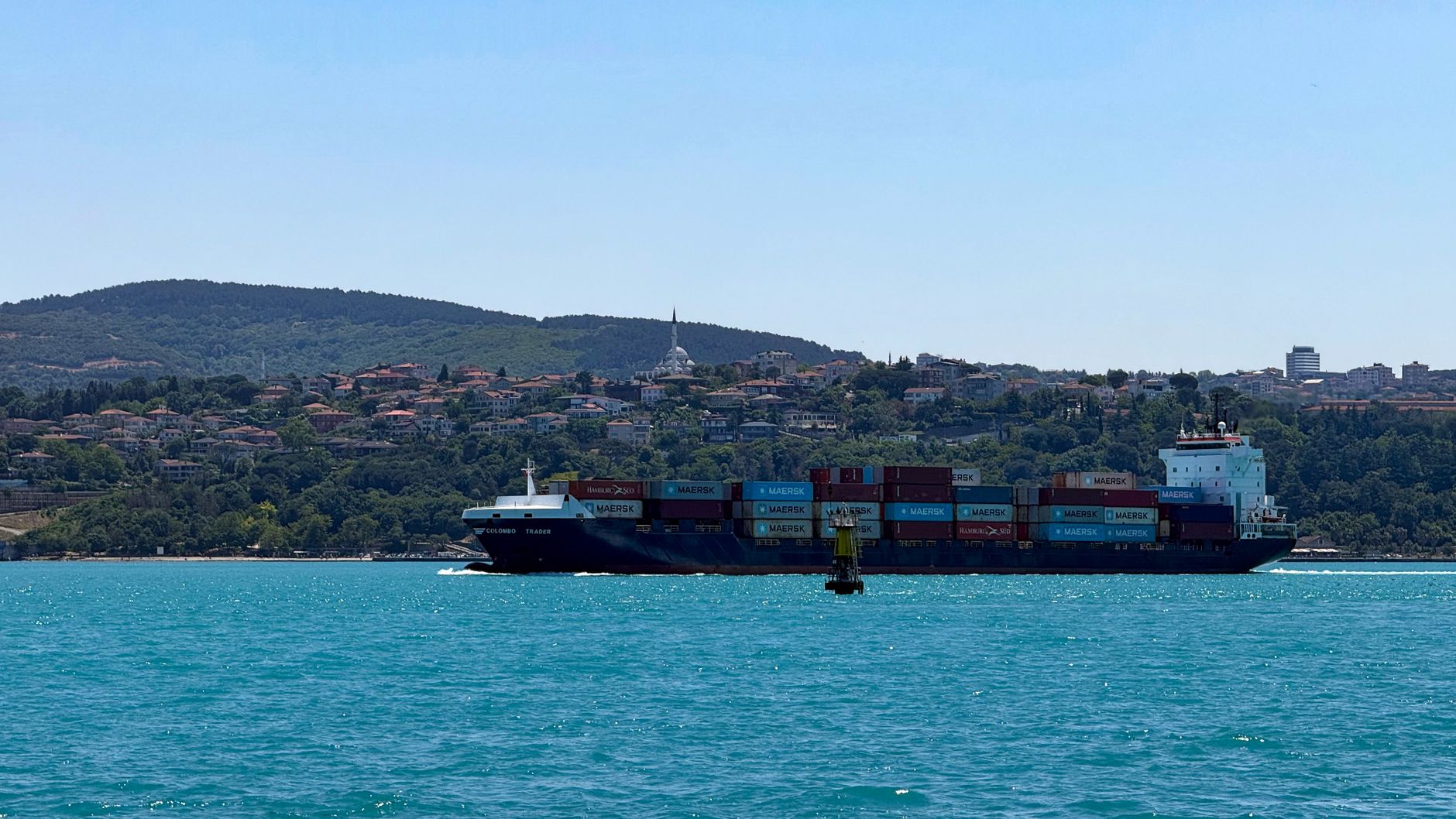
Hormuz Traffic Declines: Only 2 Vessels Transited Amid Tensions
Traffic through the Strait of Hormuz declined significantly, with only two vessels transiting on Wednesday, down from eight a day earlier, according to Kpler vessel-tracking data. This sharp drop contrasts with a pre-war baseline of approximately 130 to 140 daily transits. Meanwhile, shipping through the Bab el-Mandeb fell to just one vessel from 20 the previous day. The disruption has implications for oil prices, as Brent crude futures gained 1.3% to $83.55 a barrel amidst rising tensions in the region. Ordinary investors should note that reduced shipping activity can influence oil prices and market volatility.
Read More: Hormuz Traffic Declines: Only 2 Vessels Transited Amid Tensions
Hormuz Opening Remains Uncertain Amid New Strike Reports
The situation in the Hormuz Strait has become uncertain following a new strike, with the Trump Administration suggesting that a deal may be close. This development could impact oil shipping routes and lead to fluctuations in oil prices, which could affect markets. No specific numbers or trading volumes were reported in connection to the situation. Investors in oil-related companies should monitor the ongoing developments closely as they may influence market dynamics.
Read More: Hormuz Opening Remains Uncertain Amid New Strike Reports
Canadian Natural Plans $8.25 Billion Oil Sands Expansion
Canadian Natural Resources Limited announced a memorandum of understanding (MOU) that could facilitate an $8.25 billion oil sands expansion. This development indicates a significant investment in the oil sector, which may impact market dynamics and investor interest in the company. The expansion's details and timeline are not fully disclosed, but the potential size of the investment signals a strong commitment to growth in energy production. Understanding these moves could inform ordinary investors regarding shifts in Canadian Natural's (CNQ) future performance and broader energy market trends.
Read More: Canadian Natural Plans $8.25 Billion Oil Sands Expansion
Oil Prices Rise Amid Anticipation of Strait of Hormuz Deal
Oil prices have increased as the market remains focused on a potential deal regarding the Strait of Hormuz. The article discusses the current volatility in oil trading influenced by geopolitical tensions. Traders are awaiting official announcements, and the resolution or continuation of these tensions could significantly impact pricing. This is important for investors, as fluctuations in oil prices can affect various sectors and broader market conditions.
Read More: Oil Prices Rise Amid Anticipation of Strait of Hormuz Deal
Helmerich & Payne Revenue Surges in Q3 2026, Shares Up 13%
In Q3 2026, Helmerich & Payne (HP) reported revenue that exceeded expectations, contributing to a 13% increase in their share price. This revenue surge reflects the company's strong operational performance amid current market conditions. Investors have reacted positively, indicating confidence in future earnings potential. The growth in shares is significant for market sentiment surrounding the oil and drilling sectors, potentially impacting investment strategies. This matters for ordinary investors as it highlights a positive trend in Helmerich & Payne's financial health and prospects.
Read More: Helmerich & Payne Revenue Surges in Q3 2026, Shares Up 13%
Ukraine Strikes Russian Refineries, Affects Oil Supply
Ukraine's military targeted two major Russian oil refineries on Thursday, according to President Volodymyr Zelenskyy. The Bashneft-Novoil refinery in Bashkortostan and the Slavneft-Yanos refinery in Yaroslavl, which produces around 15 million tons of crude oil annually, were struck. Following the attacks, a fire broke out at the Slavneft-Yanos facility, where falling debris from destroyed drones hit storage tanks. The Yaroslavl region reported 93 drones were neutralized with no casualties, but four individuals were injured. This action could impact oil supply and revenues, critical to Russia's ongoing military efforts.
Read More: Ukraine Strikes Russian Refineries, Affects Oil Supply
Iran-Oman Shipping Deal Nears Finalization Amid Strait of Hormuz Tensions
Iran has reportedly reached an agreement with Oman regarding a shipping route through the Strait of Hormuz, which is crucial for global oil transport. This deal is in the final stages, but Iran's foreign ministry spokesman Esmaeil Baqaei noted that it won't ensure safe navigation due to ongoing US blockades. Traffic through the strait has decreased significantly since conflict escalated, impacting around 20% of the world's oil and liquefied natural gas shipments. The outcome of this agreement is essential as it may influence global energy prices and shipping security, affecting investors and markets.
Read More: Iran-Oman Shipping Deal Nears Finalization Amid Strait of Hormuz Tensions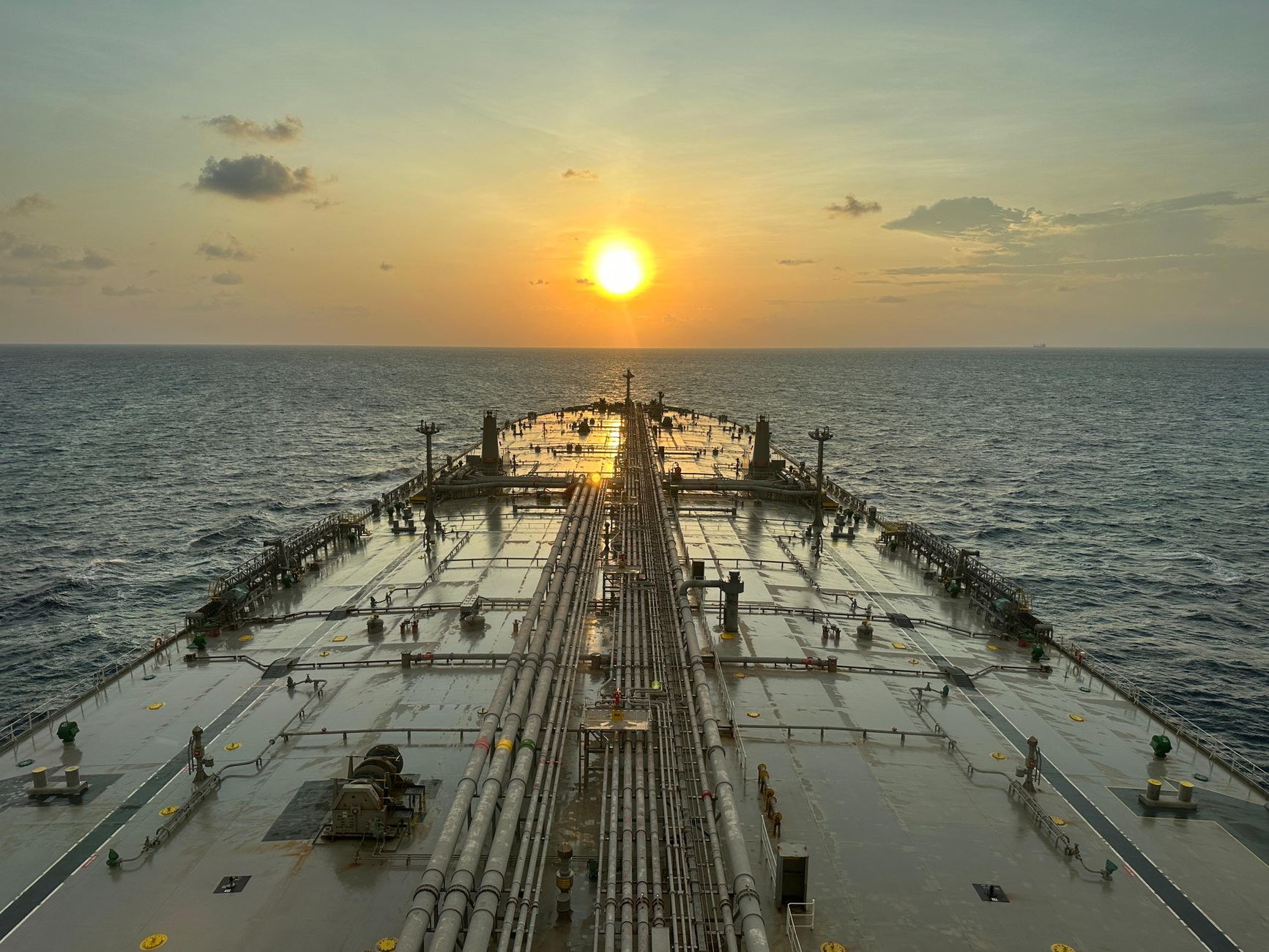
Oil Prices Drop After Iran-Oman Shipping Deal and U.S. Inventory Rise
Oil prices have declined following a shipping deal between Iran and Oman regarding the Strait of Hormuz. Additionally, U.S. crude inventories saw a rebound, impacting supply dynamics. This shift in oil pricing is critical as it may influence market strategies and investment decisions. Investors should monitor these developments closely as they could affect global oil supply and demand, thereby impacting prices.
Read More: Oil Prices Drop After Iran-Oman Shipping Deal and U.S. Inventory Rise
Oil Prices Slip Amid Iran-Oman Talks for US-Iran Deal
Oil prices are experiencing a decline as diplomatic talks between Iran and Oman raise hopes for a peace deal involving the US. The outcome of these negotiations could impact oil supply dynamics, influencing market prices. Investors are closely monitoring these developments, given the volatile nature of oil markets. A successful agreement may stabilize prices, benefiting energy sector stocks. This matters for ordinary investors as fluctuations in oil prices can lead to significant changes in stock values across energy-related companies.
Read More: Oil Prices Slip Amid Iran-Oman Talks for US-Iran Deal
Oil Prices Rise to $80.15 on Claims of Saudi Tanker Strike
Crude oil prices increased on Wednesday following claims by Yemen's Iran-backed Houthi militants that they struck a Saudi tanker in the Red Sea. Brent crude was trading at $80.15 a barrel, up 1%, while U.S. West Texas Intermediate futures for September delivery rose 0.28% to $75.98. The incident raised concerns about stability in the region and potential impacts on oil supply routes. The situation affects market sentiment as it complicates hopes for a ceasefire in the Middle East, prompting increased volatility for investors.
Read More: Oil Prices Rise to $80.15 on Claims of Saudi Tanker Strike