China News & Analysis
50 articles
Market Mood

China Industrial Profit Growth Rises Amid Economic Divergence
China's industrial profit growth has accelerated despite growing economic divergence across sectors and regions. Recent data show that industrial profits increased, reflecting a complex economic landscape where some industries outperform while others face headwinds. The improvement in industrial profits comes amidst ongoing challenges in the broader economy, with disparities in performance between different regions and sectors. This divergence indicates uneven recovery patterns and varying demand levels within China's economy. For investors, this situation suggests that profit gains in industrial sectors could offer opportunities, but the uneven economic conditions mean risks remain. The growth in industrial profits highlights sectors that may benefit from policy support or consumer demand shifts, affecting revenue and investment outlooks.
Read More: China Industrial Profit Growth Rises Amid Economic Divergence
China Industrial Profits Rise 14.4% in September Led by AI Manufacturing Boom
China’s industrial profits grew 14.4% in September from a year earlier, marking the strongest growth since June. This increase was driven mainly by a boom in manufacturing connected to artificial intelligence (AI), which offset weak domestic demand. For the first nine months of 2026, industrial profits increased 15.5%, slightly below the 15.7% growth seen from January to September 2025. Profits surged particularly in high-tech sectors such as electronics and advanced technology manufacturing. Electronics special materials manufacturers saw profits more than triple, while semiconductor device equipment profits grew 51.7%. Optical fiber manufacturers' profits increased more than sixfold and cable makers' profits more than doubled year-over-year during the same period. Raw material producers for copper and aluminum also benefited with profits up nearly 45%, fueled by demand from AI and renewable energy industries. Despite gains in high-tech manufacturing and a global AI boom, overall investment and industrial capacity utilization remain subdued due to ongoing weak household demand and a property market downturn. The rise in factory-gate prices, the fastest pace since mid-2022, contributed to higher input costs amid the Middle East conflict. This dynamic creates a divergence in sector performance, with consumer-related industries like clothing, autos, and furniture lagging behind high-tech sectors. This matters as the AI-driven industrial profit growth highlights a widening economic divide within China’s economy. Investors should focus on sectors linked to AI and advanced technology as these continue to drive earnings, while sectors reliant on domestic consumption face challenges due to weak household demand and property market issues.
Read More: China Industrial Profits Rise 14.4% in September Led by AI Manufacturing Boom
China Industrial Profits Rise 14.4% in September Driven by AI Demand
China’s industrial profits increased by 14.4% year over year in September, marking a significant boost attributed to demand driven by artificial intelligence. This growth follows recent trends of increased investment and consumption in AI technologies within industrial sectors. The rise in profits reflects stronger production and sales performance among China's industrial enterprises. The exact figures and the sectors most impacted were not detailed, but the connection to AI demand highlights the role of technology innovation in boosting industrial profitability. This increase matters because it signals that China's industrial economy is benefiting from new technology trends, potentially contributing to overall economic growth. For investors, the 14.4% profit rise illustrates that companies connected to AI demand may see stronger financial results, influencing decisions on exposure to Chinese industrial equities and technology-linked sectors.
Read More: China Industrial Profits Rise 14.4% in September Driven by AI Demand
China Yuan Reaches 4-Year High Before Key Policy Meetings
China's yuan reached its strongest level in four years ahead of important upcoming policy meetings. This marks a significant gain in the currency's value, reflecting market expectations for China's economic direction. The yuan's climb could be influenced by policy signals expected at these meetings, which investors closely monitor for guidance on China's economic management and currency strategy. The exact exchange rate level was not specified. This rise in the yuan may impact trade, investment flows, and global currency markets, especially as China remains a major economic player. For investors, movements in the yuan suggest shifts in China's economic outlook, potentially affecting costs and returns related to Chinese assets and trade positions.
Read More: China Yuan Reaches 4-Year High Before Key Policy Meetings
China’s AI Development Relies Increasingly on U.S. Technology
China's artificial intelligence (AI) sector is becoming more dependent on copying American AI technologies, according to a recent report by The Economist. The article highlights a growing reliance on U.S. innovation rather than independent AI development within China. The article does not provide specific figures or company names but indicates a trend where Chinese AI advances link closely to innovations originating from the United States. This dynamic might reflect challenges China faces in developing proprietary AI solutions amid U.S. technological leadership. The importance of this trend lies in its implications for global AI competition and technology transfer, which could influence supply chains, innovation races, and geopolitical technology policies. For investors, this suggests ongoing U.S. dominance in AI innovations, affecting competitiveness and technology valuation.
Read More: China’s AI Development Relies Increasingly on U.S. Technology
Luxury Groups Lose €250bn Value Amid China Demand Slowdown
European luxury groups experienced a combined value decline of €250 billion due to weakening demand from Chinese consumers and broader declines in global stock markets. The luxury sector’s downturn reflects the specific impact of the Chinese economic slowdown on luxury goods consumption, alongside negative market trends worldwide. This significant value reduction indicates that luxury companies with strong exposure to China are particularly vulnerable to shifts in consumer behavior and market sentiment. The downturn highlights how intertwined global luxury sales are with fluctuations in Chinese demand, as well as the sensitivity of luxury stocks to overall market volatility. For investors, this means the luxury sector faces increased risks tied to external economic factors, including China’s consumption patterns and global market conditions. The €250 billion value drop underscores the challenges luxury firms currently confront in maintaining their market capitalization amid uncertain demand and broader economic cooling.
Read More: Luxury Groups Lose €250bn Value Amid China Demand Slowdown
US Proposes Expansion of Curbs on Chinese Biotech and Tech Investments
The US Treasury has proposed new rules to restrict outbound investments in Chinese biotech firms and sensitive high-tech sectors. These measures include the COINS Act, which aims to limit American capital flowing into Chinese biotech companies but excludes large pharmaceutical licensing deals from the restrictions. China has urged the US to halt this proposed expansion of outbound investment curbs, signaling escalating tensions over technology and biotechnology investments. The US Treasury’s rule aims to crack down on investments deemed sensitive for national security, targeting sectors beyond prior restrictions. This move reflects growing US efforts to control the transfer of advanced technology and bio-related investments to China. Investors could see changes in capital allocation and cross-border deal dynamics as these rules affect who can invest and where. The tightening of regulations could reduce investment opportunities in Chinese biotech and technology firms for US investors.
Read More: US Proposes Expansion of Curbs on Chinese Biotech and Tech Investments
North Korean Leader Kim Jong Un Visits China Reported by South Korean Agency
North Korean leader Kim Jong Un has visited China, according to a report by a South Korean news agency cited by AP News. The visit is notable as it involves high-level diplomatic engagement between North Korea and China. No specific dates, duration, or details about the agenda of the visit were provided in the report. The trip highlights ongoing political relations between the two countries amid regional and global geopolitical dynamics. Both nations share strategic interests and historical ties that could influence their cooperation. This visit matters to markets and international relations as it could signal shifts in diplomatic or economic interactions in East Asia. For investors, any developments in North Korea-China relations might affect regional stability, which in turn can impact trade flows and geopolitical risk assessments.
Read More: North Korean Leader Kim Jong Un Visits China Reported by South Korean Agency
European Stocks Drop on China Woes Impacting Volvo Car and Gucci
European stock markets declined due to concerns over economic challenges in China affecting major companies like Volvo Car and Gucci. The article highlights that these China-related issues have caused a downturn in European equities, signaling interconnected risks between global markets. Volvo Car and Gucci are specifically mentioned as being hit by the economic conditions in China, but no specific share price movements, percentages, or trading volumes are provided in the article. The impact suggests that consumer and industrial sectors linked to China are under pressure. This matters for investors because it shows how economic problems in one major market, China, can influence the stock performance of European companies and overall market sentiment. The linkage between China-related challenges and European stock prices indicates ongoing vulnerabilities in global supply chains and demand.
Read More: European Stocks Drop on China Woes Impacting Volvo Car and Gucci
Volvo Cars (VOLV) Reports Q3 Loss of 5.6B SEK and Plans 2,500 Job Cuts
Volvo Cars reported an operating loss of 5.6 billion Swedish Kronor ($563.7 million) in the third quarter, a decline from an operating profit of 6.4 billion Swedish Kronor in the previous period. The company is facing challenging market conditions in China and the U.S., where revenues in China fell nearly 50% year-on-year due to increased competition and pricing pressure from new Chinese rivals. The U.S. market pressured profit margins due to tariffs and reduced customer incentives for electric cars. In response, Volvo Cars announced plans to cut 2,500 jobs globally, including 2,000 positions in Sweden, aiming to reduce costs by 5 billion Swedish Kronor. The stock price reflected this news, dropping 31%. This cost-cutting move is an attempt to mitigate the negative impact on the company’s free cash flow caused by sales declines and tougher market conditions. For investors, the job cuts and loss figures signal near-term challenges affecting Volvo Cars’ profitability and operational costs.
Read More: Volvo Cars (VOLV) Reports Q3 Loss of 5.6B SEK and Plans 2,500 Job Cuts
U.S. Proposes Tighter Investment Rules on Chinese Tech Sectors
The U.S. government has proposed stricter regulations on investments in Chinese technology sectors. The new rules aim to limit American capital flow into areas considered sensitive for national security, including advanced computing and semiconductor industries. The proposal seeks to enhance oversight and restrict investments that could potentially benefit Chinese military capabilities. Details of the proposal include expanded criteria for reviewing foreign investments and updated guidelines for sectors involving emerging technologies. The announcement reflects ongoing geopolitical tensions and efforts to control technology transfers between the U.S. and China. Officials emphasize safeguarding critical technologies while maintaining fair investment practices. This development could impact investors by reducing opportunities to invest in certain Chinese tech companies and increasing regulatory compliance requirements for U.S. investors. It highlights the growing intersection of national security concerns and global investment strategies, influencing market access and risk assessment for assets tied to Chinese technology firms.
Read More: U.S. Proposes Tighter Investment Rules on Chinese Tech Sectors
China Stocks Extend Bear Market Despite Government Buying Support
China's stock market has continued to decline further into a bear market despite efforts by the government to support prices through buying activity. The article reports that state intervention has not prevented stock values from falling deeper, indicating ongoing market weakness. Details about the magnitude of the decline, specific indexes affected, or exact figures on government purchases are not provided in the text. The continued market downtrend shows that official buying has been insufficient to reverse negative investor sentiment. This ongoing decline matters because it highlights challenges in stabilizing the Chinese stock market. For investors, it suggests that government buying programs have limited impact on stopping price falls, which could affect investment returns and risk assessments for holdings exposed to Chinese equities.
Read More: China Stocks Extend Bear Market Despite Government Buying Support
China's CSI 300 Hits Bear Market on 20% Drop Since June Peak
China's CSI 300 index entered bear-market territory after falling 20% from its June peak, marking a 10-week consecutive decline. The index has lost 2.6% so far this week and was over 1% lower on Thursday, reflecting persistent downward pressure on Chinese equities. The CSI 300, which includes 300 of the largest stocks in Shanghai and Shenzhen, faces challenges from structural economic issues like excess capacity, overinvestment, and weakening profit growth amid intense competition. China recorded its weakest industrial profit growth in September this year, with economic growth slowing to its lowest in over three years during the second quarter. Contributing factors include a prolonged property sector slowdown and weak consumer demand. Investor sentiment is affected by geopolitical uncertainty, concerns about an artificial intelligence bubble, and declining consumer confidence. Retail investors dominate Chinese markets, accounting for 90% of daily trading, which may increase market volatility due to their tendency to exit quickly during uncertain periods. Despite these challenges, some analysts note resilient exports and improving property prices in major cities, suggesting the market sell-off is more a crisis of confidence than a fundamental economic crisis. A potential strong equity rebound is anticipated in 2027. For investors, the CSI 300's 20% decline signals continued risks in China’s equity market, driven by economic headwinds and retail investor behavior, which may affect trading volumes and valuation levels in the near term.
Read More: China's CSI 300 Hits Bear Market on 20% Drop Since June Peak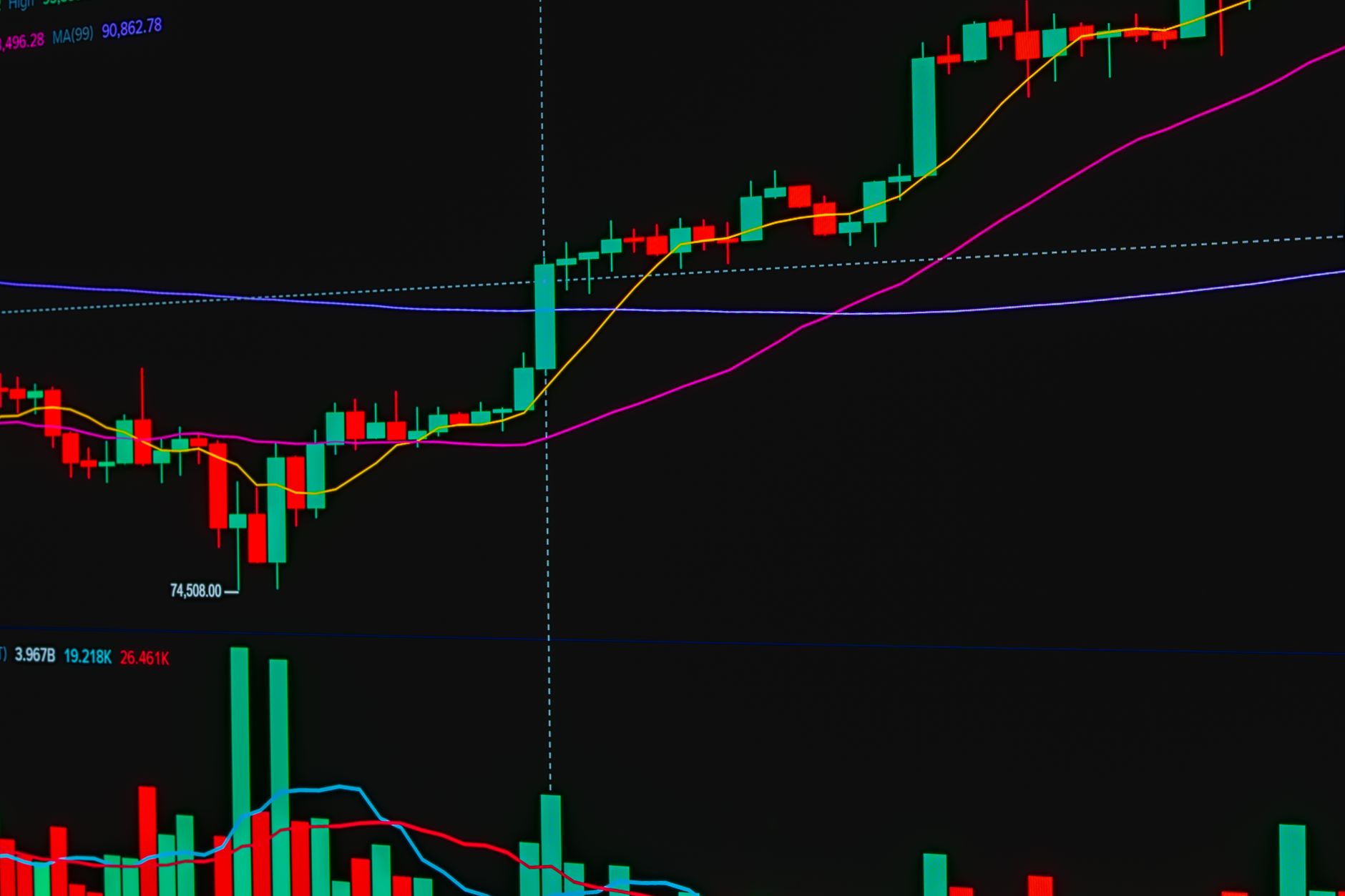
China Stocks Near Bear Market as AI and Policy Hopes Decline
China's stock market is approaching bear market territory amid declining enthusiasm for AI-related trades and fading policy optimism. Investors had hoped advances in artificial intelligence and supportive government policies would boost market performance, but these hopes have weakened, leading to significant market declines. The slide reflects a drop of at least 20% from recent highs, a common benchmark for a bear market though the article does not quote exact figures. Market participants are recalibrating their expectations due to reduced momentum in AI stocks and less clarity on government intervention or stimulus. This shift indicates less confidence among investors in near-term growth catalysts. This matters for ordinary investors because the stock prices may continue to face pressure until clearer positive drivers emerge. The decline indicates increased risks and potential volatility for investors holding Chinese equities, especially those previously banking on AI advances and policy support to enhance returns.
Read More: China Stocks Near Bear Market as AI and Policy Hopes Decline
Sovereign Wealth Funds Surge 190% Investment in China and Hong Kong in 2026
Sovereign wealth funds increased their investments in mainland China and Hong Kong to $14.2 billion in the first nine months of 2026. This amount surged 190% compared to total investments in 2025, as reported by Global SWF, a Singapore-based consultancy. The rise reverses a 54% decline in 2025 driven by geopolitical tensions and economic concerns. Middle Eastern sovereign wealth funds led the rebound, with Saudi Arabia's Public Investment Fund responsible for $6 billion of the inflows. The Abu Dhabi Investment Authority contributed $2.5 billion, while Mubadala and Qatar Investment Authority invested $800 million and $600 million, respectively. Collectively, these four Gulf funds made up nearly 70% of sovereign investments into the region during this period. The renewed interest is motivated by opportunities in Chinese technology, biotechnology, consumer markets, and advanced manufacturing. Experts highlight China's manufacturing strengths and extensive research infrastructure as advantages for AI-related industry applications. For Mubadala, Asia and especially China remain key for portfolio diversification and growth, noting current attractive valuations and potential consumer market expansion. This surge matters for investors as it highlights a significant rebound in sovereign wealth fund confidence, potentially influencing capital flow and market valuations in Chinese and Hong Kong sectors, especially in technology and consumer industries.
Read More: Sovereign Wealth Funds Surge 190% Investment in China and Hong Kong in 2026
China Faces Japan-Style Economic Risks from Property Bust
China faces economic risks similar to Japan's lost decades, triggered by a property market bust. Japan's experience shows how a real estate collapse can lead to prolonged economic sluggishness. The article highlights concerns that China’s property market issues could undermine the government's long-term plans. It draws parallels to Japan's experience with a property bust that triggered an economic slump lasting decades. This comparison matters because China’s property sector is a significant part of its economy and financial system. A similar downturn could slow growth and disrupt markets, impacting both domestic and global investors. Investors should watch how China manages its property sector challenges, as similar events in Japan led to very long recoveries and impacted economic policies and market performance.
Read More: China Faces Japan-Style Economic Risks from Property Bust
Daiwa and Mizuho Approved to Launch China Securities Units
Daiwa Securities and Mizuho Securities have received regulatory approval to start securities businesses in China. This approval allows both firms to operate securities units, expanding their presence in the Chinese financial market. The article states that the clearance comes from Chinese regulators and highlights this as a significant step for the companies. This development reflects ongoing efforts by Japanese financial institutions to deepen their engagement in China’s financial services sector. The regulatory clearance will enable Daiwa and Mizuho to offer more comprehensive investment services directly within the Chinese market. For investors, this matters because it signals potential future revenue growth from expanded operations in a major emerging market. The regulatory green light suggests growing openness of China’s market, which could offer new opportunities for foreign securities firms like Daiwa and Mizuho.
Read More: Daiwa and Mizuho Approved to Launch China Securities UnitsChinese Economy Shows Resilience but Weak Recovery Momentum in Official Statement
A Chinese official stated that the economy remains resilient but acknowledged that the recovery momentum is still weak. No specific economic growth figures or quantitative data were provided in the statement. The official emphasized the ongoing challenges facing the economy despite some signs of stability. This outlook reflects cautious optimism about China's economic condition. While resilience suggests the economy is withstanding pressures, the weak recovery momentum indicates growth is not yet robust or accelerating. The official's remarks may influence market expectations about China's near-term economic performance. For investors, this matters because the official stance highlights ongoing economic vulnerabilities that could affect corporate earnings and investment returns related to China. The lack of strong recovery signals means that economic growth may remain subdued, influencing currency stability, commodity demand, and regional trade dynamics.
Read More: Chinese Economy Shows Resilience but Weak Recovery Momentum in Official Statement
China Plans Export Controls on Solar Tech to Safeguard Industry
China has proposed new export controls on solar-manufacturing technologies, a move aiming to protect its domestic industry. The proposal seeks to regulate the transfer of critical technologies involved in producing solar products, which could impact global supply chains. These technologies include tools and processes for manufacturing silicon and ingots, key components in solar products. The regulations could potentially challenge international solar manufacturers relying on Chinese supplies. This development comes as China remains a dominant player in the solar industry, accounting for a significant portion of the global market. By imposing these controls, China aims to secure its technological advancements and maintain its competitive edge. The proposal does not specify which companies or technologies will be affected, leading to uncertainty about the immediate effects on the global market. For investors, this regulation indicates potential shifts in the solar manufacturing supply chain, possibly influencing production costs and availability. The controls are also relevant to companies dependent on Chinese technology exports, as they might need to seek alternative suppliers or adapt to regulatory changes.
Read More: China Plans Export Controls on Solar Tech to Safeguard Industry
China AI Supply-Chain IPOs Steady Amid Valuation Drop: Citi
Citi reports that initial public offerings (IPOs) in China's AI supply-chain sector remain stable despite a reduction in valuations. According to the bank's analysis, these IPOs are holding firm during a period where many tech valuations have generally pulled back. This stability is seen as a positive sign for the sector's resilience to broader market forces. The report does not specify individual company performance or exact numbers related to these IPOs or their valuations. The ongoing stability of these IPOs suggests confidence in the long-term potential of AI technology within China's supply chain sector. While many other segments have experienced valuation pressures, the ability of AI-focused offerings to avoid large declines may indicate a robust investment interest and sector-specific resiliency. This matter is crucial for investors as it highlights a sector that could continue to offer opportunities even amid market volatility. Steady IPO activity in China's AI supply chain could present a relative safe haven for those interested in technology investments in the region.
Read More: China AI Supply-Chain IPOs Steady Amid Valuation Drop: Citi
Nvidia CEO Advocates AI Cooperation with China on Safety
Nvidia's CEO, Jensen Huang, emphasizes the necessity for the chipmaker to collaborate with Chinese AI companies to monitor potential risks associated with AI technology. Huang highlighted the significance of advancing technology safely during a CNBC interview in London. This comes amidst intensified discussions on AI safety, where some researchers, including those from OpenAI and Anthropic, have called for a slowdown in AI development due to existential risks to humanity. While many are pushing for more AI regulation, Jensen Huang opposes this approach and advocates for dialogue as a measure to collaborate on AI safety. His comments suggest fostering a dialogue between the U.S. and Chinese governments regarding AI-related risks and opportunities. In September, there was a discussion between U.S. Treasury Secretary Scott Bessent and his Chinese counterpart on establishing a U.S.-China AI dialogue. For investors, this dialogue could influence Nvidia's (NVDA) ability to partner internationally in AI technology development. The cooperation may impact regulations and market dynamics in AI sectors, crucial for Nvidia's growth strategy.
Read More: Nvidia CEO Advocates AI Cooperation with China on Safety
China National Building Material Stock Declines Amid Market Shifts
China National Building Material's stock has seen a decrease today on the market. The decline follows shifts affecting the construction and materials sectors in China, which have been impacted by broader economic conditions. The company's operations are influenced by demand and market conditions in various regions, which currently face challenges. Specific market dynamics, such as regulatory changes and changes in materials pricing, affect the outlook for companies like China National Building Material. These factors contribute to today's decline and are part of a larger trend that has been influencing the sector. For ordinary investors, the decline in China National Building Material's stock highlights the importance of understanding how broader economic and regulatory changes can impact specific sectors and stocks within them.
Read More: China National Building Material Stock Declines Amid Market Shifts
China Opens Joint Airfield in Laos as Construction Continues
China has opened a joint airfield in Laos with ongoing construction, raising questions about its potential military role. The development signals increasing strategic partnerships between China and Laos, but details about the airfield's specific purposes remain limited. Observation and analysis will be needed to assess any military use in the future.
Read More: China Opens Joint Airfield in Laos as Construction Continues
China's Exports Jump 36.3% in September, Surpassing Forecasts
China's exports rose 36.3% in September compared to a year ago, marking the fastest increase since February. Imports increased by 31% during the same period, surpassing the previous month's 28.2% growth rate. Both exports and imports exceeded expectations from a Reuters poll, which forecasted 25.5% and 24.5% growth respectively. China's export growth to the U.S. was particularly strong, rising 39.6%, contributing to a record monthly trade surplus of $133.5 billion— the highest since January 2025. The report also highlights that while the value of China's integrated circuit board exports surged by 136%, the number of units only increased by 1%. Crude oil imports fell in volume for the sixth consecutive month, yet their value rose. The rise in exports is attributed in part to increased demand for parts related to artificial intelligence and stabilization in U.S.-China tensions. Additionally, China and the U.S. agreed to roll back tariffs on $30 billion worth of goods while China agreed to halve hybrid car exports to the EU. This surge in exports and imports showcases China's strong external trade sector despite domestic demand concerns. For investors, this indicates the potential for ongoing trade-driven economic benefits, bolstered by reduced trade tensions and rising demand in specialized sectors.
Read More: China's Exports Jump 36.3% in September, Surpassing Forecasts
Asia Stocks Rise as Chipmakers Rebound, China Trade Exceeds Forecasts
Asia's stock markets saw a slight increase driven by a rebound in chipmaker stocks and better-than-expected trade figures from China. The chipmaking sector, crucial to the technology industry, led gains across markets as investors reacted positively to signs of recovery. China's trade data also surpassed forecasts, offering further support to regional markets amidst broader economic uncertainties. Markets responded to the positive news with moderate optimism, as investors evaluated the potential for sustained improvements in trade and technology sectors. Key elements influencing these changes included chipmakers' recovery, which plays a significant role in global technology supply chains. Meanwhile, China's unexpectedly robust trade performance provides a positive signal for economic activities, potentially easing concerns over global trade headwinds. Investors remain cautiously optimistic, focusing on the implications for Asian economies and tech sectors. The developments are crucial for investors tracking Asian equities, as the rebound in chipmakers may suggest recovery in tech demand, and China's trade beat might indicate resilience in Asia's economic landscape.
Read More: Asia Stocks Rise as Chipmakers Rebound, China Trade Exceeds Forecasts
China to Lead $5 Trillion Humanoid Robot Market
China is positioned to become the leader in the emerging humanoid robot market, which is estimated to reach $5 trillion. This market reflects advancements in AI and robotics, with potential applications across various industries including manufacturing, healthcare, and services. China's technological investments and governmental support play a critical role in driving this growth. The nation's robust infrastructure and readiness to integrate cutting-edge technologies place it at a strategic advantage in this sector. The forecast of a $5 trillion market underscores the large economic opportunity this sector represents. Companies involved in robotics and AI are likely to benefit from this growth, especially as Chinese companies push innovation forward. This development aligns with China's broader goals of advancing its technology sector and economic influence globally. China’s strategic positioning in this market is expected to have significant implications for global technological leadership and competition. For investors, this presents a promising opportunity as such a large market may offer substantial returns. The focus on technology within China could signify a pivotal shift in the global economic landscape, influencing markets and competitive dynamics internationally.
Read More: China to Lead $5 Trillion Humanoid Robot Market
China Producer Prices Surge 5% in September, Exceeding Expectations
China's producer price index increased by 5% in September, marking the fastest pace since June 2022. This was above the 4.5% rise expected by economists, reflecting higher fuel prices impacting business costs. The prior month's increase was 3.8%, according to the National Bureau of Statistics. Rising fuel costs and higher coal demand influenced the rise in prices, with temporary tight supply also noted in major coal-producing areas. Meanwhile, consumer prices rose by 0.9%, slightly below the 1% forecast but up from August's 0.8%. Gasoline prices, which surged 16.6%, significantly contributed to the consumer inflation rate, although this was partly counterbalanced by falling food prices, which declined by 1.7%. Despite the domestic demand remaining subdued, the new data suggests that deflationary pressures are retreating slowly. The core consumer price index, excluding food and energy, increased by 1%. Hao Zhou, chief economist at Guotai Junan International Holdings, suggested that the economy is slowly recovering from deflation, despite an uneven industrial and consumer sector recovery. Recent economic data showed sluggish retail sales growth but stronger-than-expected industrial output. The higher producer and consumer inflation readings come amid China's slowest growth rate in over three years, with GDP growth at 4.3% for the second quarter, missing projections. A readout from the State Council on Sept 28 implied potential policy support enhancements to address economic challenges. Such measures are seen as essential to achieving long-term growth targets, including doubling GDP by 2035. For ordinary investors, these inflation figures highlight fluctuating costs and economic conditions impacting the Chinese market.
Read More: China Producer Prices Surge 5% in September, Exceeding Expectations
China's Exports Surge 36% Amid AI Shipment Boom
China experienced a significant increase in exports, surging by 36%, driven predominantly by AI-related shipments. This increase was accompanied by a substantial rise in imports, attributed largely to high oil prices, which led to an increase in the import bill. The growth in exports highlights China's expanding role in the AI sector and its impact on the global market. The concurrent rise in imports reflects the effects of fluctuating oil prices on trade balances.
Read More: China's Exports Surge 36% Amid AI Shipment Boom
China's Economic Decline Impacts Labor Market
China's economy is experiencing a downturn, which is impacting the country's labor market. Younger generations are facing limited job opportunities, and this is contributing to what is described as a 'lost generation.' The decline in China's economy is affecting job prospects for millions of young people as companies exercise caution and reduce hiring in response to economic uncertainties. The situation highlights the broader challenges within the Chinese economic system, as the slowing economy affects various sectors. This could potentially have long-term impacts on the younger population's career opportunities and economic mobility. The article emphasizes the significance of these trends for social stability and growth. For investors, the weakened job market in China could signal broader economic challenges, potentially impacting consumer spending and economic confidence. The situation underscores the importance of monitoring economic policies and reforms that might address these issues.
Read More: China's Economic Decline Impacts Labor Market
Trump Claims Russia, China Not Assisting Iran
Former President Donald Trump stated that Russia and China are not aiding Iran amidst current geopolitical tensions. These comments arrived during a public appearance where Trump discussed international relations, particularly focusing on the perceived alliances and strategies of major global powers. The statement emphasizes Trump's perspective on the geopolitical dynamics involving Russia, China, and Iran. Understanding these international relationships helps investors assess geopolitical risks that could impact global markets.
Read More: Trump Claims Russia, China Not Assisting Iran
Europe-China Rivalry Intensifies at Paris Motor Show
The Paris Motor Show is showcasing a variety of new models as the competition between European and Chinese automakers intensifies. Automakers from both regions are unveiling a range of vehicles in hopes of capturing market share. The event is drawing significant attention as it highlights the ongoing competitive landscape in the automotive industry. Industry representatives and analysts are closely watching how these new entries from China will perform against established European brands such as Renault and Peugeot. The outcomes of these competitive displays could influence market dynamics in the auto industry, particularly in Europe, as companies strive to innovate and appeal to consumers. Investors are monitoring these developments to assess potential impacts on market shares and revenue streams for the involved companies.
Read More: Europe-China Rivalry Intensifies at Paris Motor Show
NBA China Games Boost Macao's Live Event Industry
The NBA China Games 2026, held on October 9 and 11 in Macao, featured NBA teams Dallas Mavericks and Houston Rockets. This event marked the second year of a five-year deal to host the games in the region. Attendees included notable figures such as Yao Ming and David Beckham, and fan events featured K-pop performances and high-profile speakers like Alibaba's Joe Tsai. Live event tourism, a growing trend in the travel industry, is expected to expand significantly by 2030, potentially reaching a value of $2.8 trillion. The NBA China Games help the league grow its international fanbase in China, leveraging the popularity of basketball and influential figures like former player Yao Ming. Related sectors, such as international sports partnerships and collectibles, also benefit from this expanded fan engagement. For ordinary investors, the expanding live event tourism and increased global engagement with sports like basketball offer potential growth opportunities in related industries, such as hospitality and global franchises like the NBA.
Read More: NBA China Games Boost Macao's Live Event Industry
Stellantis, Renault Rise as EU, China Limit Hybrid Exports
Stellantis and Renault saw gains in their stock prices following an agreement reached between the European Union and China to limit Chinese hybrid car exports. The agreement is aimed at addressing the imbalance caused by cheaper Chinese vehicles flooding the European market, which threatened European automakers' competitiveness. Stellantis and Renault are expected to benefit as the curbs could help strengthen their market positions in Europe by reducing competitive pressure from Chinese hybrids. The details of the agreement have not been disclosed, but it signifies a joint approach by the EU and China to adjust trade relations in favor of European manufacturers.
Read More: Stellantis, Renault Rise as EU, China Limit Hybrid Exports
Volkswagen Sees Sharpest Delivery Drop in 4 Years
Volkswagen has reported its largest drop in deliveries in over four years, citing weakening demand in China as a major factor. The company did not provide specific figures for the decline in deliveries, but highlighted the broader impact of slowing economic growth in the region on its sales performance. This trend marks a significant challenge for Volkswagen as China represents one of its largest markets globally. The automaker is also dealing with a highly competitive landscape and shifting consumer preferences in China, further affecting its market position. In addition, the Chinese government's policies towards electric vehicles are influencing traditional automakers like Volkswagen. Weak demand from China, compounded by these policy changes, poses a serious concern for Volkswagen's future growth prospects. Investors will need to closely monitor how Volkswagen navigates these challenges. The automaker's performance in China will be crucial for its overall financial health and stock performance.
Read More: Volkswagen Sees Sharpest Delivery Drop in 4 Years
Intel CEO on Rapid AI Model Adoption in China
Intel's CEO has noted a rapid adoption of frontier AI models in China. The CEO highlighted that China's integration of advanced AI technology into various sectors is progressing quickly. This observation underscores potential growth opportunities for technology companies that cater to AI demand in China. The fast uptake of AI models suggests that businesses in the region are likely modernizing and seeking competitive advantages through advanced technology. For investors, this trend could indicate an increased demand for AI-related hardware and software solutions from companies like Intel (INTC).
Read More: Intel CEO on Rapid AI Model Adoption in China
China Resists Joining Developed Nations for Economic Strategy
China has chosen not to pursue the official status of a developed nation. This decision is strategically driven, as retaining its developing country status allows China to access differential trade benefits and hold certain international advantages. The country benefits from flexibility in implementing trade and environmental agreements, which are often more lenient for developing countries. Moreover, such status potentially allows China more leeway in tariff negotiations, further aiding its economic strategy. Economically, this position helps China maintain competitive advantages amid global trade potentials and pressures. China's decision not to join the ranks of developed countries reflects its strategic economic plans. By staying classified as a developing nation, China can utilize trade advantages, enhancing its domestic economic growth while navigating international expectations. These strategic choices align with China’s goal of sustaining its economic influence on a global scale, offering incentives for its long-term economic planning. This approach matters for investors and market participants as it influences the flow of international trade and investments. China's strategy affects not only its domestic market stability but also global market dynamics. Understanding the implications of China’s economic positioning helps investors gauge potential opportunities and risks related to trade and policy shifts.
Read More: China Resists Joining Developed Nations for Economic Strategy
China Imports Record Gold: $158.8B in Jan-Aug 2026
China's central bank has been purchasing gold for 23 consecutive months, with its imports reaching record levels. By September, it had purchased about 23 tonnes, marking the largest monthly acquisition in nearly three years, a move likely influenced by Beijing's ambition to diversify away from the USD. Between January and August 2026, China imported gold worth $158.8 billion, over 1,000 tonnes, surpassing the entire 2025 figure of $96.5 billion and 886 tonnes. This surge comes amidst an economic climate where alternative safe investments are limited, and gold prices have experienced significant drops, falling over 8% in September to approximately $4,176 per ounce, down from January's high above $5,500 per ounce. The People's Bank of China's strategy is seen as political, aiming to lessen dependence on U.S. Treasuries due to geopolitical risks, with gold offering security that foreign-held reserves do not.
Read More: China Imports Record Gold: $158.8B in Jan-Aug 2026
VW Chief Calls for Franco-German Cooperation on China Car Battle
Volkswagen's (VW) CEO Oliver Blume urged France and Germany to collaborate in response to China's growing influence in the automotive market. Speaking ahead of the Paris Motor Show, Blume emphasized the importance of finding joint solutions between the two countries. Blume's comments come as European carmakers face increasing competition from Chinese manufacturers, who are expanding rapidly in the electric vehicle sector. He highlighted past successful collaborations between the nations as a model for tackling current challenges. This announcement highlights a strategic concern for European car manufacturers about maintaining their market position as Chinese car companies increase their global footprint, particularly in electric vehicles. By fostering bi-national cooperation, VW seeks to strengthen innovations and competitiveness in Europe, which is crucial as the automotive sector undergoes technological transformations. For ordinary investors, the collaboration proposed by Blume is important as it could lead to joint initiatives that might bolster European carmakers' capabilities, potentially impacting market share and profits.
Read More: VW Chief Calls for Franco-German Cooperation on China Car Battle
Chinese Memory Chip Maker Shows Global Growth Potential
A Chinese memory chip manufacturer is highlighted for its potential to excel on a global stage. The article focuses on the company's strengths in the international market but does not specify any concrete financial data or statements from company officials. Despite lacking specific figures, the coverage suggests optimism about the company's competitive position in the global memory chip industry. The potential market impact stems from the company's global reach and the increasing demand for memory chips. However, without specific data points, investor sentiment may remain speculative. For investors, the key consideration is the company's position in a growing industry with high potential for expansion. The article suggests that the company's global strategy might lead to significant gains, but it lacks detailed financial metrics or forecasts to support this outlook.
Read More: Chinese Memory Chip Maker Shows Global Growth Potential
Europe Can Counter China Shock with Economic Strategy
The article discusses how Europe can address the economic impact of the 'China shock' by prioritizing creative destruction over protectionism. It suggests that policymakers in Brussels focus on supporting innovation and economic adaptation rather than shielding industries from competition. This approach aims to enhance economic resilience and long-term growth in the face of global challenges. The article emphasizes the importance of strategic policy adjustments to strengthen Europe's economic position and improve its competitiveness in the global market. By fostering an environment conducive to innovation and adapting to changing economic dynamics, Europe can better manage the challenges posed by global economic shifts. This strategic focus matters for ordinary investors as it highlights the importance of innovation-driven growth, which can lead to healthier economic development and potentially more opportunities for investment in competitive sectors.
Read More: Europe Can Counter China Shock with Economic StrategyChina's Debt Burden Limits Economic Stimulus Options
China faces challenges in enacting economic stimulus due to its growing debt burden. This issue is impacting the country's potential to support economic growth and recovery, as there is limited space for stimulus measures given the existing financial obligations. Analysts suggest that constraints on China's ability to stimulate the economy could have broader implications for global markets, particularly those dependent on Chinese growth as a driver of economic expansion. The high debt levels may necessitate a more cautious approach to economic policy, reducing the likelihood of aggressive stimulus initiatives that have been observed in previous years. For investors, understanding China's constrained financial flexibility is crucial as it may influence investment strategies, particularly in sectors reliant on Chinese economic activity.
Read More: China's Debt Burden Limits Economic Stimulus Options
China Generates 10.52 Million Jobs, Plans New AI Strategies
China has successfully created 10.52 million new jobs. The country is also announcing upcoming policies focused on expanding employment in AI and services sectors. These efforts are part of a broader strategy to stabilize the job market and support economic growth. The specific measures China will adopt for AI and services-centered employment have not been detailed yet, but they are expected to bolster future job prospects in these growing fields. This move highlights China's commitment to modernizing its workforce and tackling unemployment. The job creation efforts and focus on emerging sectors demonstrate the country's proactive approach to economic challenges, which could have significant implications for its long-term economic stability.
Read More: China Generates 10.52 Million Jobs, Plans New AI Strategies
Chinese Stock Market Lags in AI Rally
The Chinese stock market has been noticeably absent from the global artificial intelligence (AI) rally. While AI stocks have surged globally, Chinese equities have struggled due to regulatory concerns and economic challenges. The Hang Seng Index has declined by approximately 14% this year, contrasting with gains in AI-focused markets elsewhere. Analysts attribute China's difficulties to its regulatory environment and a sluggish economy that have hindered the momentum seen in other regions. Despite global enthusiasm for AI, China faces unique hurdles that affect its market performance. Regulatory policies in China have created uncertainty, affecting investor confidence. The tech sector, in particular, has faced stringent regulations, impacting stock prices. The lack of strong AI sector performance has diverged from worldwide trends where AI has significantly driven stock gains. Furthermore, China's economic slowdown has shown an adverse impact on stocks, compounding the difficulties faced by Chinese equities. For investors, this signals caution when considering Chinese AI stocks, given the regulatory and economic uncertainties. This disparity highlights the importance of understanding regional market dynamics and regulatory landscapes, which can significantly influence investment outcomes.
Read More: Chinese Stock Market Lags in AI Rally
China Reports 10.52 Million Urban Jobs Added Jan-Sept
China announced the creation of 10.52 million urban jobs between January and September. The country is also planning to implement new policy measures to boost employment in the services sector. The announcement reflects the government's efforts to stabilize and grow employment amid ongoing economic challenges. The policy rollout is anticipated to support and increase job opportunities in a key sector of the economy, potentially aiding in overall economic stability. This development matters as it may influence China's broader economic growth and stability, impacting global markets concerned with China's economic performance.
Read More: China Reports 10.52 Million Urban Jobs Added Jan-Sept
EU and China Agree on Trade Deal to Cut Hybrid Exports
The European Union and China have agreed on an interim trade deal. According to an EU envoy, the agreement has the potential to reduce Chinese hybrid car exports to the EU. Specific details of the volume reductions or implementation timeline were not disclosed directly in the report. The agreement is seen as a step forward in EU-China trade relations, focusing on creating balanced trade practices. This move is part of ongoing discussions aimed at addressing trade imbalances and enhancing cooperation between the two economies. The deal comes amidst wider global trade negotiations and tensions over environmental standards and trade policies. There are no immediate figures provided on how this will influence either market directly. The interim nature of the agreement suggests that further negotiations may refine its scope or lead to a more permanent arrangement. For investors, the potential reduction in Chinese hybrid vehicle exports could impact automakers' market presence in the EU, potentially benefiting local manufacturers. Further developments in this trade relationship will be crucial to watch for any tactical shifts by companies in the automotive sector.
Read More: EU and China Agree on Trade Deal to Cut Hybrid Exports
China and EU Agree on Hybrid Car Export Restrictions
China and the European Union have reached an agreement to avoid a potential trade conflict concerning hybrid vehicles. The European trade commissioner announced that Beijing has agreed to limit vehicle exports to the EU. This development is the result of successful negotiations between the two parties, with the commissioner highlighting that dialogue and compromise can yield positive outcomes. This agreement is important as it mitigates the risk of a trade dispute, which could have resulted in tariffs or other trade barriers impacting the automotive sector. For investors, the agreement suggests stability in the EU-China trade relations, particularly in the automotive industry, reducing uncertainty for companies involved.
Read More: China and EU Agree on Hybrid Car Export Restrictions
China Defends Yuan Policy Amid European Trade Pressure
China has defended its yuan policy as European leaders express concerns about the growing trade surplus between China and Europe. The exchange rate of the yuan has been a point of tension, with Europe intensifying its scrutiny on trade imbalances. European leaders are pressing China to address the trade deficit, which they attribute to China's monetary policies. Details on specific changes in the yuan's exchange rate or concrete numbers related to the trade surplus were not provided. However, the European Union has been vocal about the need for fair trading practices, highlighting the importance of currency valuation in these trade dynamics. This matter is significant for investors as changes in China's currency policy could impact global trade relations and economic policies. It is relevant for understanding the macroeconomic landscape that influences international markets.
Read More: China Defends Yuan Policy Amid European Trade Pressure
China to Resume Fuel Exports in October After Brief Halt
China will resume its fuel exports in October following a temporary suspension, according to four trade sources. The brief halt raised concerns about supply disruptions, but the quick resumption suggests these may be limited. This move is seen as an effort to manage domestic inventories and global market demands. Specific export volumes were not disclosed by the sources. The resumption comes amid shifts in global oil demand and supply, which have been influenced by various geopolitical and economic factors. The decision to resume exports is likely influenced by internal considerations such as balancing domestic supply and refining capabilities with global market positioning. This development could have implications for global oil prices and the balance of trade among importing nations. For investors and market participants, China's fuel export decisions are crucial as they influence global supply chains and market stability.
Read More: China to Resume Fuel Exports in October After Brief Halt
Investors Overpricing Taiwan Conflict Risk, Says U.S. Diplomat
Michael DeSombre, a top U.S. East Asian diplomat, stated that investors are overestimating the risk of conflict between China and Taiwan. Despite Beijing's directive for the army to be ready by 2027, DeSombre emphasized that deterrent strategies and significant consequences would prevent any military action. The diplomat's statements came during an interview at the Milken Institute Asia Summit, where he highlighted the importance of maintaining credibility in deterrence with allies. China claims Taiwan as its territory but has not publicly confirmed any timeline for potential action. Although tensions remain, there have been no new agreements on Taiwan following a recent summit between U.S. President Donald Trump and Chinese President Xi Jinping. Meanwhile, arms sales to Taiwan remain a contentious issue, with a recent $14 billion package being withheld following backlash over a previous $11 billion deal. This insight suggests that the market may be misjudging potential geopolitical risks, affecting investor strategy in the region. For ordinary investors, understanding the perceived overpricing of risk could impact assessments of related assets, such as those in Taiwan's chip manufacturing sector.
Read More: Investors Overpricing Taiwan Conflict Risk, Says U.S. Diplomat
UK Faces Chinese EV Tariff Dilemma Amid EU Pressure
The United Kingdom faces a challenging decision as it deliberates whether to adopt the European Union's tariffs on Chinese electric vehicles (EVs). Currently, Chinese EVs only incur a 10% standard import duty in the UK, contrasting sharply with the EU's additional tariffs on Chinese vehicles, which can reach up to 35.3%. The UK's consideration aims to align with EU trade policies and avoid potential barriers that 'Made in Europe' proposals might impose on UK companies selling into the EU market. Moreover, Chinese car brands have significantly increased their market presence in the UK. Data from JATO Dynamics reveals that Chinese automakers' registrations between January and August climbed to 519,424, capturing a 28.1% market share, a notable rise from 12.9% during the same period in 2025. The increase was more pronounced in hybrid vehicles, with an addition of 62,655 registrations, compared to 32,565 for battery-electric vehicles. This decision is important for investors because it affects the competitive landscape in the UK automobile industry and could influence Chinese automakers' growth in the market. It also highlights the potential impact of international trade dynamics on domestic policies and market opportunities.
Read More: UK Faces Chinese EV Tariff Dilemma Amid EU Pressure