GEOPOLITICS News & Analysis
50 articles
Market Mood

U.S. to Implement Unique Economic Measures on Iran Soon
U.S. Treasury Secretary Scott Bessent announced that unprecedented economic measures will be applied against Iran, including increased economic isolation and a blockade in the Strait of Hormuz. U.S. Defense Secretary Pete Hegseth stated that the military can maintain a naval blockade indefinitely. The USS George Washington carrier strike group is replacing the USS Abraham Lincoln, which has been deployed for over 250 days. Concerns have been raised about living conditions aboard the Lincoln, though Hegseth claims many reports are misrepresented. These developments may impact market stability and investor confidence regarding geopolitical tensions.
Read More: U.S. to Implement Unique Economic Measures on Iran Soon
Brazil Implements Reciprocity Against US Tariffs as Trade Escalates
Brazil has initiated a reciprocity process against the United States in response to tariffs imposed on Brazilian steel and aluminum. This action comes after the US levied tariffs of 25% on steel and 10% on aluminum, affecting Brazilian exports significantly. The Brazilian government has not specified the exact countermeasures to be applied yet. This development could influence trade negotiations and market sentiments regarding tariffs between the two nations, affecting industries reliant on trade with Brazil.
Read More: Brazil Implements Reciprocity Against US Tariffs as Trade Escalates
Senators Press Rubio, Bessent on Russia Sanctions Discussion
Senators have raised concerns with Marco Rubio and Brian Bessent regarding the absence of counter-evasion sanctions against Russia. This increased scrutiny follows findings of Russia's continued attempts to circumvent existing sanctions imposed after its invasion of Ukraine. The discussions are part of ongoing legislative efforts to tighten sanctions enforcement. For investors, this could indicate potential future volatility in markets related to companies with ties to Russia or sanctions, emphasizing the importance of monitoring geopolitical developments.
Read More: Senators Press Rubio, Bessent on Russia Sanctions Discussion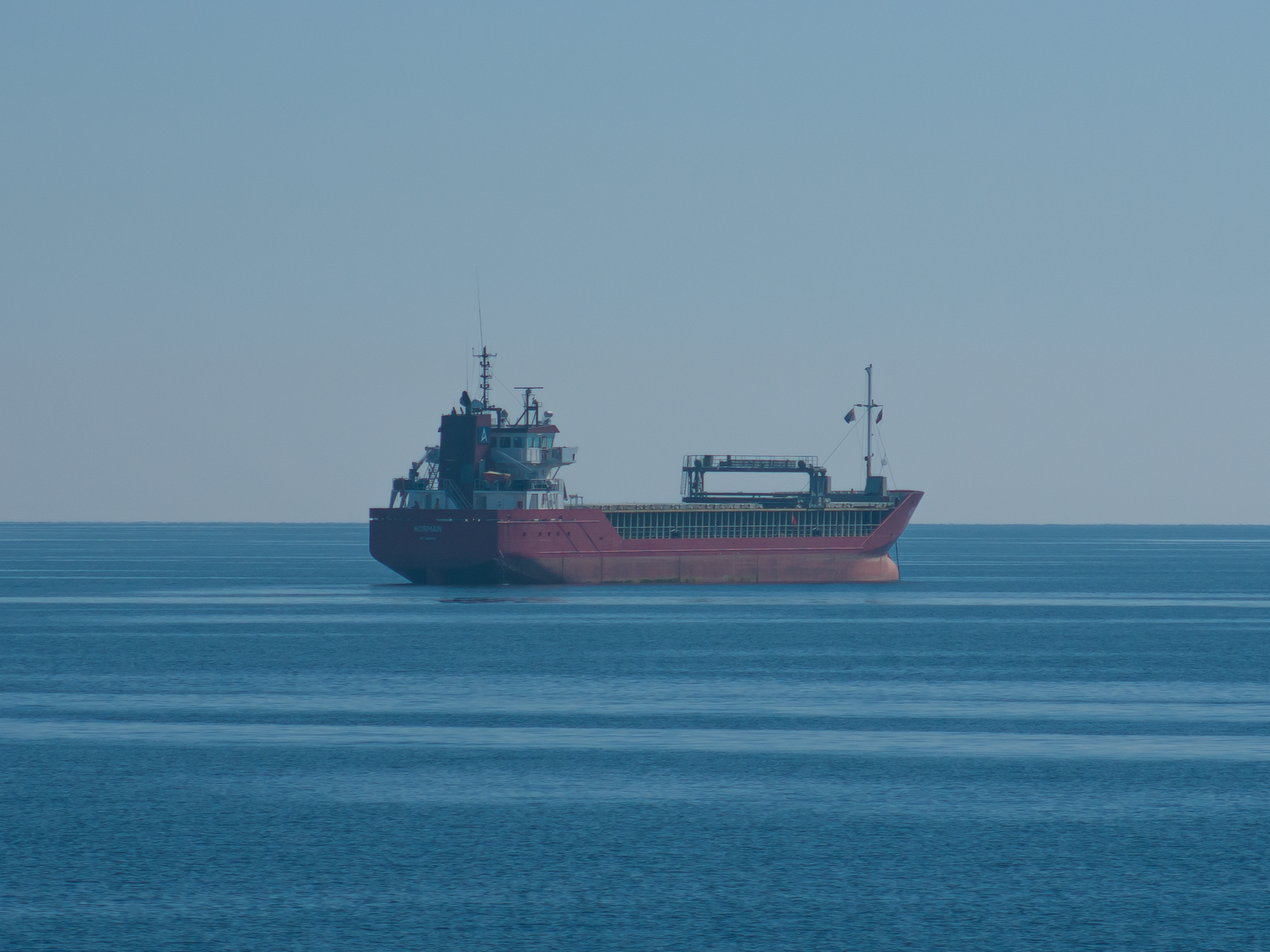
Houthi Attack Kills 6 in Red Sea; U.S. Strikes Cargo Ship
On August 10, 2026, Houthi rebels killed six people aboard the Egyptian-owned cargo ship Tihamah in the Bab el-Mandeb Strait, marking the first fatalities from attacks on Red Sea shipping in over a year. U.S. forces responded by launching missiles at the Panama-flagged Vela Nova after it reportedly attempted to breach a naval blockade of Iranian ports. Yemen's transport ministry stated that the casualties included four crew members, three of whom were Pakistani nationals. This incident underscores increasing tensions in critical shipping lanes that may impact global trade and security for investors.
Read More: Houthi Attack Kills 6 in Red Sea; U.S. Strikes Cargo Ship
US Strikes Ship in Gulf of Oman Amid Red Sea Attack Incident
An attack in the Red Sea resulted in the deaths of four crew members and two rescuers. In response, the US military conducted a strike in the Gulf of Oman. The incident underscores rising tensions in the region which can impact oil shipping routes. This matters for markets as geopolitical instability often leads to fluctuations in oil prices and related investments.
Read More: US Strikes Ship in Gulf of Oman Amid Red Sea Attack Incident
Wildberries and Russian Banks Face Pressure from Ukraine Drone Attacks
Ukraine's drone attacks have created operational challenges for Wildberries, impacting their reliance on logistics. The attacks have led to potential disruptions in banking operations as well, indicating a broader effect on Russia's economy. Details regarding specific financial impact or stock performance were not disclosed in the article. This situation underscores the current geopolitical tensions, which can influence market stability and investor sentiment significantly.
Read More: Wildberries and Russian Banks Face Pressure from Ukraine Drone Attacks
Kashmir Protests Result in Dozens Killed Amid Military Tensions
Recent protests in Kashmir have resulted in dozens killed, marking the worst violence in the region in decades. This escalation of conflict raises concerns for stability in Pakistan, potentially impacting investor confidence and market sentiment. The violence highlights ongoing tensions that the military rulers may struggle to manage. This situation is significant for investors seeking insight into geopolitical risks that could affect market stability.
Read More: Kashmir Protests Result in Dozens Killed Amid Military Tensions
US Senate Confirms Todd Blanche as Attorney General Amid Tensions
The US Senate confirmed Todd Blanche as Attorney General following a narrowly contested vote. This decision reflects bipartisan concerns surrounding the appointment of an ally to former President Donald Trump. The tight vote may affect legislative dynamics and future appointments within the administration. The market impact could stem from how this confirmation influences investor confidence in governmental stability and regulatory actions.
Read More: US Senate Confirms Todd Blanche as Attorney General Amid Tensions
Typhoon Dolphin impacts Japan; China closes ports ahead of storm
Typhoon Dolphin made landfall in Okinawa, Japan, prompting China to close ports in anticipation of the storm's arrival. Authorities in Japan prepared for heavy rainfall and strong winds as the typhoon approached. The closures in China are intended to ensure the safety of maritime activities ahead of the storm. This situation could disrupt trade and supply chains in the region, affecting markets and businesses reliant on these ports.
Read More: Typhoon Dolphin impacts Japan; China closes ports ahead of storm
Russia State-Backed Startup Evasion Network Emerges in Market
A new startup in Russia, reportedly backed by the state, is developing a network to help businesses evade international sanctions. This initiative raises concerns about compliance across global markets and the potential ramifications for companies engaging with Russian firms. While specific metrics regarding operational scale or revenue were not disclosed, the implications of sanctions evasion could affect investor sentiment towards companies operating in sanctioned regions. Understanding these developments is crucial for ordinary investors who may be impacted by shifts in geopolitical landscapes and market policies.
Read More: Russia State-Backed Startup Evasion Network Emerges in Market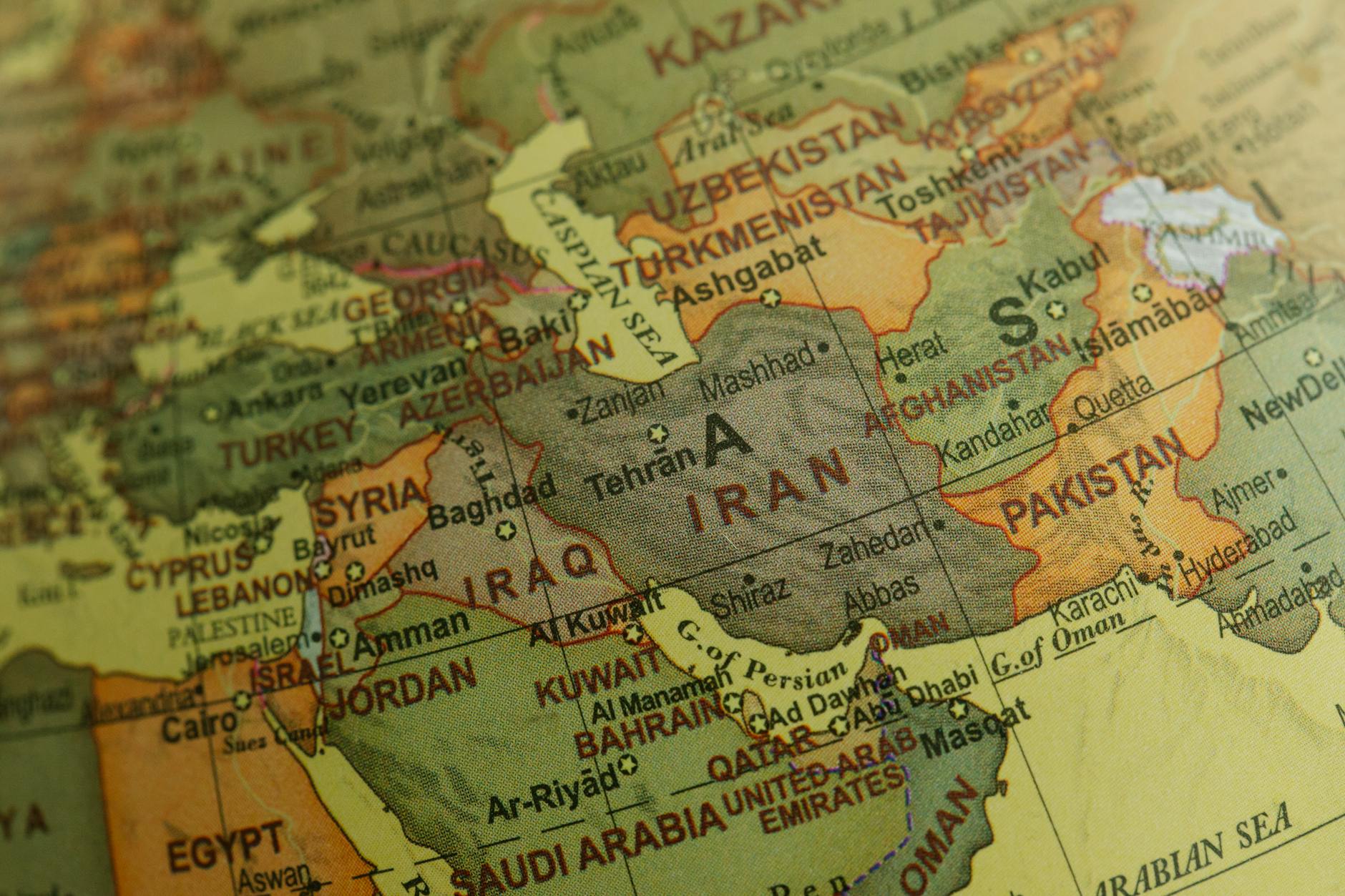
Iran Sees Potential U.S. Exit from Gulf Amid Regional Shifts
Iran is pursuing opportunities to diminish U.S. military presence in the Gulf, citing shifting geopolitical dynamics in the region. This strategy could potentially impact the security of energy shipping routes vital to global markets. The changing landscape indicates that Iran may be looking to strengthen alliances with neighboring countries, further influencing regional stability. Investors should be aware of how such geopolitical developments may affect oil prices and energy market volatility.
Read More: Iran Sees Potential U.S. Exit from Gulf Amid Regional Shifts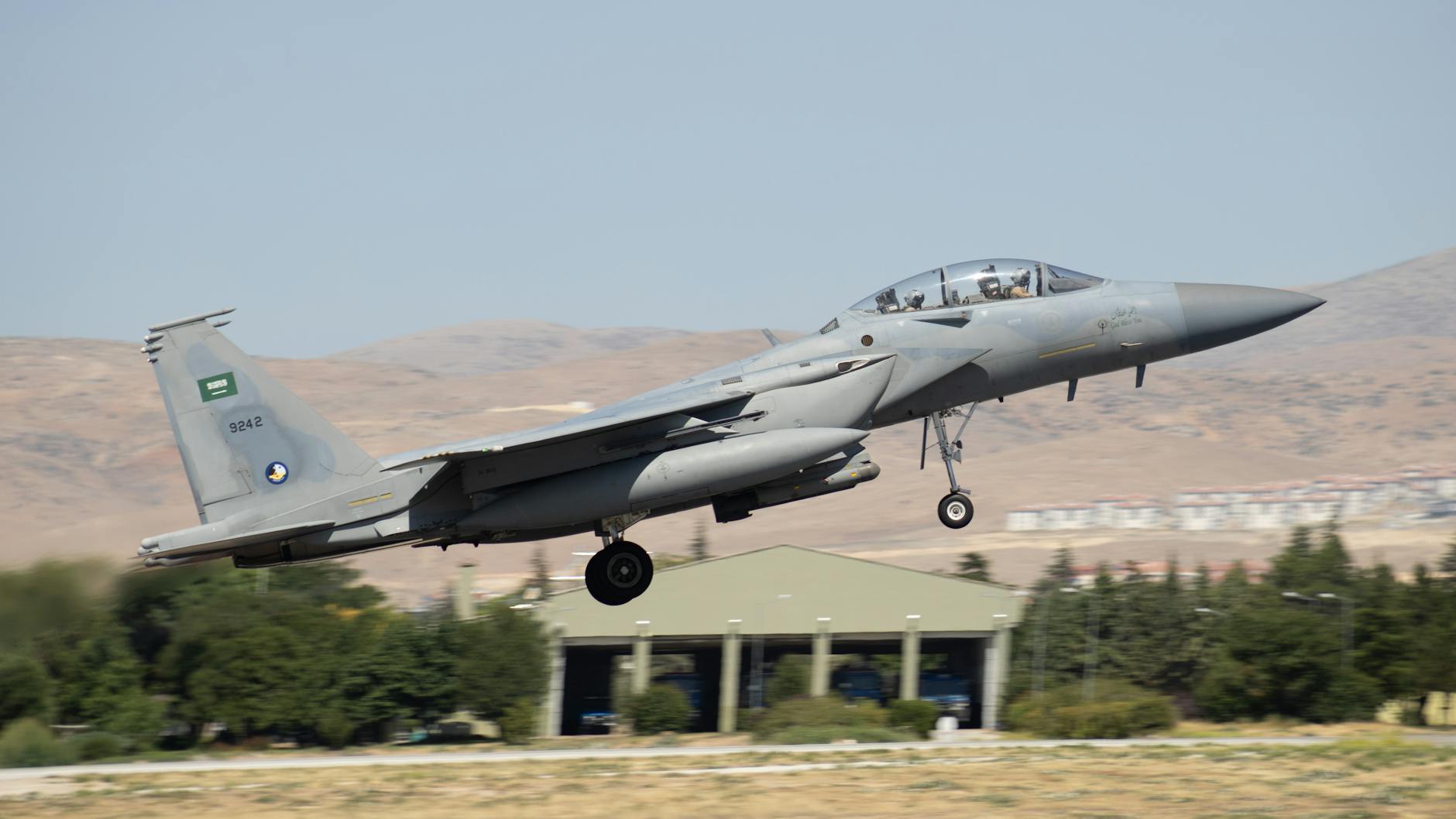
Turkey, Pakistan, Saudi Arabia Sign Mutual Defense Deal
Turkey, Pakistan, and Saudi Arabia have signed a mutual defense deal, although specific financial implications or trading volumes are not detailed in the report. This agreement may impact regional security dynamics and geopolitical strategies, which can indirectly influence market perceptions. Such defense collaborations could affect investor sentiment regarding stability in the Middle East. For ordinary investors, understanding these geopolitical developments is essential as they can lead to fluctuations in oil prices and the stock performance of related sectors.
Read More: Turkey, Pakistan, Saudi Arabia Sign Mutual Defense Deal
Colombia's new president takes office emphasizing security measures
Colombia's new president recently took office in a ceremony held in Cali. The president's administration will focus on a tough approach to tackling armed groups in the country. This new leadership aims to enhance national security and stability in Colombia, which is relevant for investors monitoring geopolitical risks in the region. Strengthened governance could influence economic conditions and investments in Colombia, impacting both local and foreign investors.
Read More: Colombia's new president takes office emphasizing security measures
Spain Reinstates Border Controls on Italy Amid Migrant Tensions
Spain has reinstated border controls on its border with Italy due to rising tensions over migrants. This decision reflects a widening rift between Spanish Prime Minister Pedro Sánchez and Italian Premier Giorgia Meloni. The situation may influence diplomatic relations between Spain and Italy, potentially impacting trade and migration policies. Investors should monitor developments as they could affect economic stability in the region.
Read More: Spain Reinstates Border Controls on Italy Amid Migrant Tensions
Senate Confirms Dozens of Trump Nominees for Diplomacy Roles
The US Senate confirmed multiple nominees from President Trump's administration, which aims to fill vacancies in the diplomatic corps. This confirmation marks a significant step in increasing the efficiency and operations within U.S. foreign relations. The move could impact international negotiations and the overall posture of U.S. diplomacy. For investors, stable diplomatic relations may influence market confidence and economic dealings.
Read More: Senate Confirms Dozens of Trump Nominees for Diplomacy Roles
Saudi Arabia, Turkey, Pakistan Sign Defense Pact in Mecca
Saudi Arabia, Turkey, and Pakistan have signed a defense pact aimed at enhancing regional security cooperation in response to ongoing wars and instability. This agreement marks a significant step in military collaboration among the three nations. The signing took place in Mecca, but specific details on the pact's terms or funding were not disclosed. Such agreements can influence geopolitical stability and potentially affect market sentiments in the region.
Read More: Saudi Arabia, Turkey, Pakistan Sign Defense Pact in Mecca
Wildberries Faces Impact from Ukrainian Attacks on Russian Operations
Ukrainian attacks have targeted Wildberries, a leading Russian e-commerce platform, disrupting operations amid ongoing tensions. This event may affect the company's market position and influence investor sentiment regarding Russian assets. While specific financial data was not provided, Wildberries is a significant player in the Russian market. The situation underscores the potential impact of geopolitical conflicts on regional businesses, which could lead to increased volatility for investors in Russian stocks.
Read More: Wildberries Faces Impact from Ukrainian Attacks on Russian Operations
Thailand High School Shooting Claims At Least 6 Lives
A shooting at a high school in Thailand resulted in the deaths of at least 6 people, according to authorities. This incident highlights ongoing concerns about school safety and violence. The shooter is identified as a student of the school, which raises significant questions regarding security measures in educational institutions. Such events may impact public perceptions of safety and policy discussions around firearms and youth violence, which could have wider implications for markets related to security and mental health services.
Read More: Thailand High School Shooting Claims At Least 6 Lives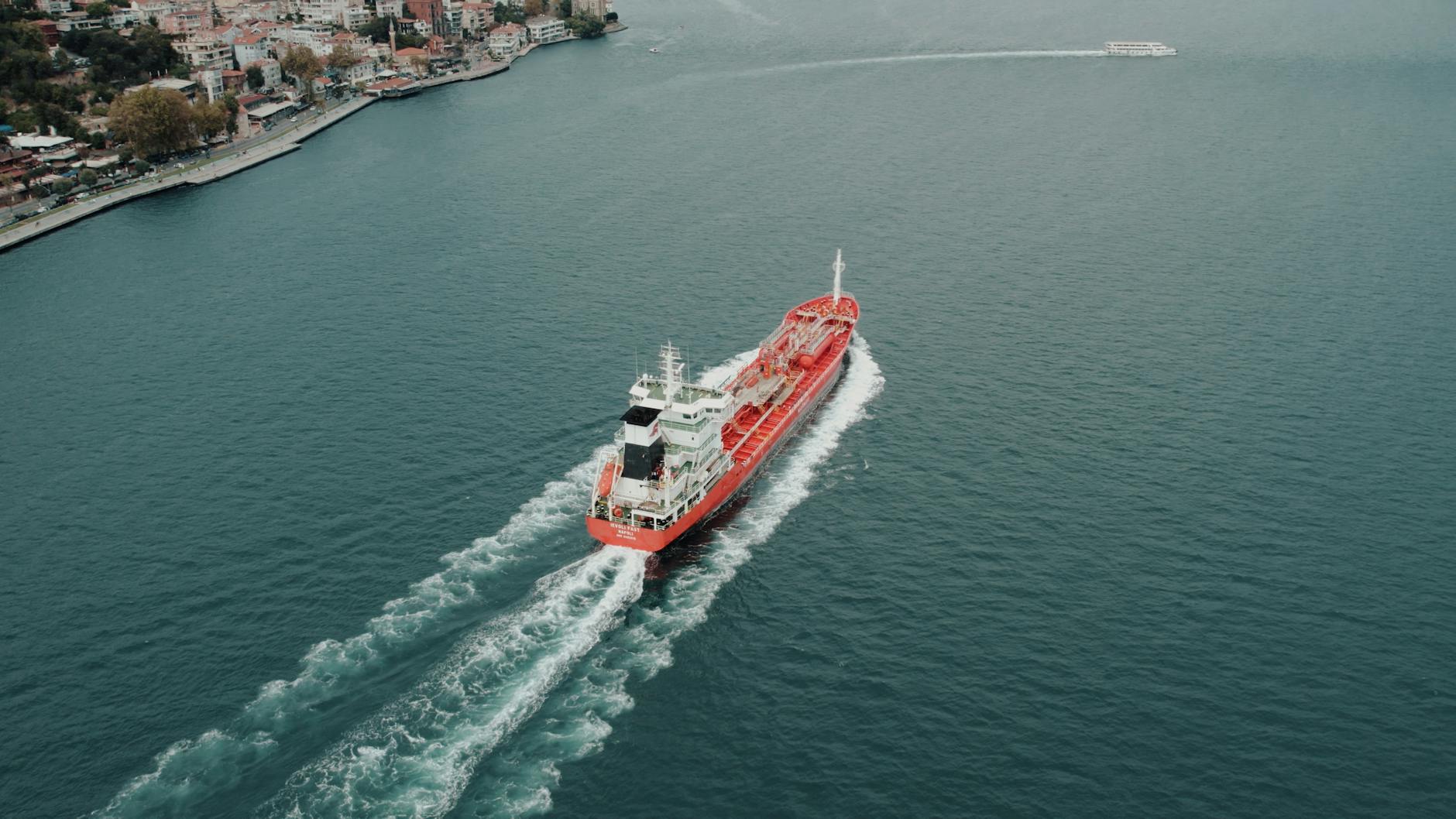
Oil Prices Rise Amid Iran Strikes in Strait of Hormuz
Oil prices have extended gains following Iran's strikes on targets in the Strait of Hormuz. This strategic waterway is crucial for global oil supply, and these actions have raised concerns about potential disruptions. Specifically, tensions in the region could lead to increased volatility in oil prices, impacting market stability. For investors, this development highlights the importance of geopolitical events on commodity prices, particularly oil, which is already sensitive to supply dynamics.
Read More: Oil Prices Rise Amid Iran Strikes in Strait of Hormuz
Houthi Attacks Injure 11 Civilians Near Yemen Border
The Saudi military reported that Houthi attacks resulted in 11 civilian injuries, including a child, near the Yemen border. This incident underscores ongoing conflict in the region, which could impact humanitarian efforts and potentially influence market stability. The situation remains tense, as such attacks can affect oil supply routes and regional security, which are critical for investors. Understanding these dynamics is essential for evaluating risks associated with investments in the region.
Read More: Houthi Attacks Injure 11 Civilians Near Yemen Border
Argentina President Milei Faces Pressure Over Huawei Data Project
Argentina's President Javier Milei is experiencing pressure from both Washington and Beijing regarding a data centre project linked to Huawei. This incident emphasizes the geopolitical tension surrounding technology investments between the two nations. The ongoing dynamics could influence Argentina's investment landscape and relationships with key global powers. Understanding these factors is crucial for investors watching the potential shifts in regional market stability and technology investment policies.
Read More: Argentina President Milei Faces Pressure Over Huawei Data Project
2 Israeli Soldiers Killed in Lebanon Amid June Truce with Hezbollah
Two Israeli soldiers were killed in Lebanon, marking the first Israeli deaths since the June truce with Hezbollah. This incident raises concerns about the stability in the region, which could impact investor confidence and market perceptions related to geopolitical risks. The ongoing tension may influence oil prices and defense stocks due to potential escalation. Investors should monitor these developments as they could affect market volatility and sector performance.
Read More: 2 Israeli Soldiers Killed in Lebanon Amid June Truce with Hezbollah
U.S. Iran Deal Nears with Commitments on Strait of Hormuz
Iran stated the U.S. is ready to 'return to commitments,' following remarks from President Donald Trump about a potential deal. The interim understanding from June 17 involves the transit of commercial vessels through the Strait of Hormuz for 60 days without charge, in exchange for the lifting of the U.S. naval blockade on Iranian ships. Iran's Deputy Foreign Minister Kazem Gharibadadi emphasized that no negotiations with the U.S. are currently happening. The market impact could relate to oil prices and shipping stability in the region, important for investors monitoring geopolitical risks.
Read More: U.S. Iran Deal Nears with Commitments on Strait of Hormuz
Trump States US-Iran Discussions Are 'Very Good'
President Trump mentioned that the US and Iran are engaged in 'very good discussions.' The specifics of these discussions were not disclosed, but they may indicate a shift in relations between the two countries. Positive diplomatic engagements can often influence market performance and investor sentiment. This is particularly relevant for sectors sensitive to geopolitical stability. For investors, developments in US-Iran relations could impact global markets and oil prices.
Read More: Trump States US-Iran Discussions Are 'Very Good'
Ukraine Interceptor Stocks Low Amid 40-Day Air Campaign Expiry
Ukraine has warned that its stocks of Patriot interceptors are running low as a 40-day air campaign comes to an end. This situation follows a recent bombardment that resulted in 17 fatalities in Kyiv. The reduction of defensive capabilities might impact Ukraine's ability to fend off further attacks. Investors should be aware of the military developments, as they could potentially affect the geopolitical landscape, influencing markets significantly.
Read More: Ukraine Interceptor Stocks Low Amid 40-Day Air Campaign Expiry
Ukrainian Attack Reports 15 Killed from Russian Missile Barrage
A recent missile and drone strike in the Ukrainian capital region has resulted in the deaths of at least 15 individuals. This incident reflects the ongoing conflict and may impact market stability as geopolitical tensions remain high. The situation could lead to increased volatility in related sectors, influencing investor sentiment. As the conflict progresses, ordinary investors should be aware of how these events can affect market dynamics and investment decisions.
Read More: Ukrainian Attack Reports 15 Killed from Russian Missile Barrage
U.S. and Iran Deal Possible This Week for Strait of Hormuz
Treasury Secretary Scott Bessent stated the U.S. and Iran may reach a deal by Tuesday or Wednesday to reopen the Strait of Hormuz, ensuring freedom of movement for commercial ships. This statement was made during an interview on CNBC's 'Squawk Box'. The potential agreement aims to lead towards a more normalized position in the ongoing conflict. The reopening of this critical waterway could have significant implications for global oil transportation and market stability.
Read More: U.S. and Iran Deal Possible This Week for Strait of Hormuz
Cargo Ship Struck in Strait of Hormuz Amid US-Iran Talks
A cargo ship reported being struck in the Strait of Hormuz, highlighting tensions between the US and Iran as their claims about ongoing discussions differ. This incident raises concerns about maritime security in a region crucial for global oil shipments. The Strait of Hormuz is a significant chokepoint for oil transportation, and any disruptions can impact oil prices. Therefore, the situation is important for investors monitoring energy markets and regional stability.
Read More: Cargo Ship Struck in Strait of Hormuz Amid US-Iran Talks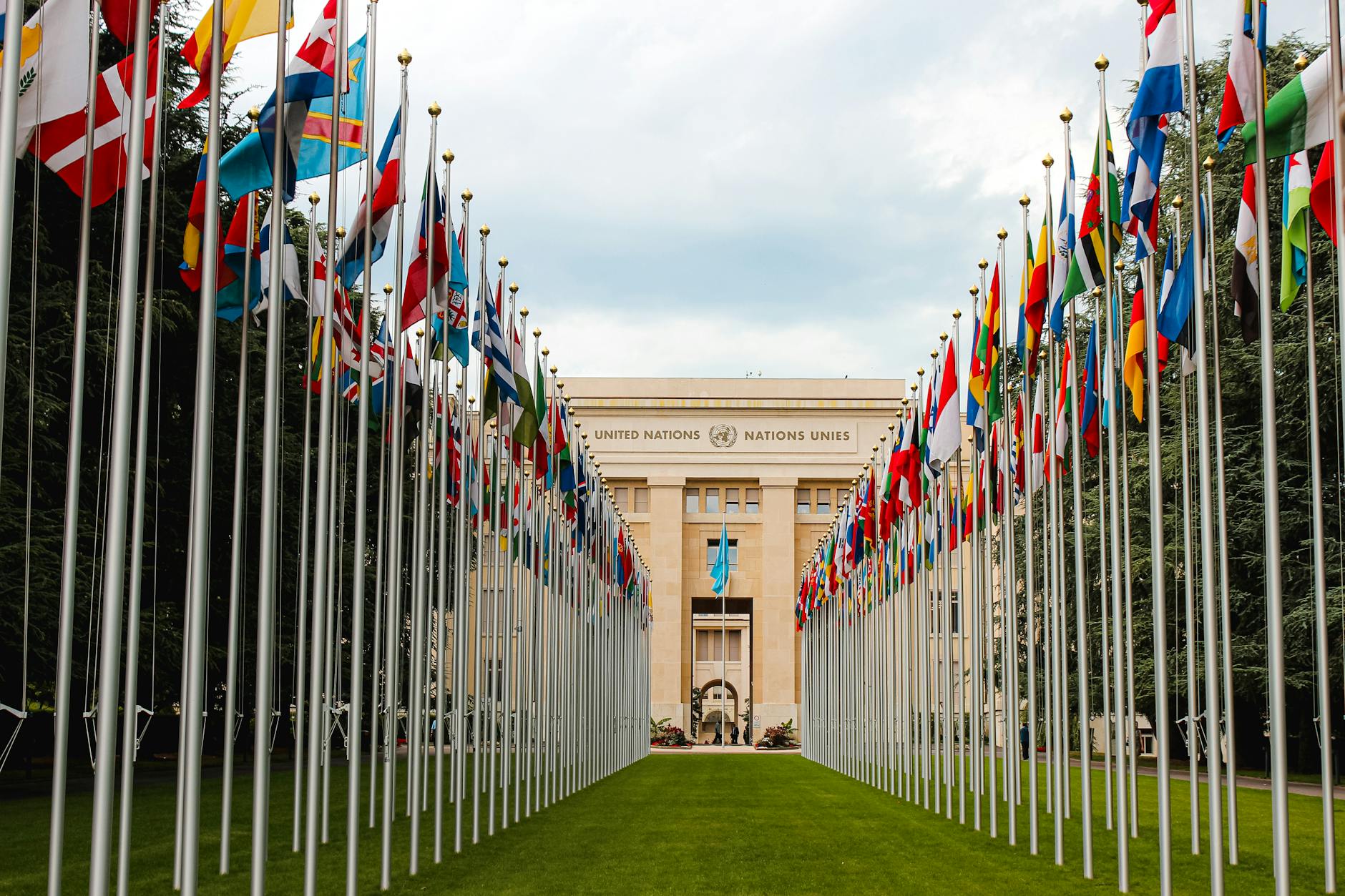
Trump Calls Off Attack on Iran Citing Diplomatic Progress
President Donald Trump has called off a planned military strike on Iran, attributing the decision to progress in diplomatic negotiations. This move may lead to reduced tensions in the Middle East, which could impact oil prices and market stability. The situation reflects ongoing geopolitical dynamics that can affect investor sentiment. Investors should monitor developments closely as changes in foreign policy may influence future market conditions.
Read More: Trump Calls Off Attack on Iran Citing Diplomatic Progress
US-Iran Talks Uncertainty Grows After Ship Struck in Hormuz
Discussions between the U.S. and Iran remain uncertain following an incident where a ship was struck in the Strait of Hormuz. The event raises concerns over shipping safety and potential disruptions in oil supply routes, which could impact global oil prices. An escalation in tensions could lead to market volatility, particularly affecting oil-related sectors. Investors should monitor developments closely as any significant changes may influence market dynamics.
Read More: US-Iran Talks Uncertainty Grows After Ship Struck in Hormuz
Iran Pressure Campaign: Impact on US Policy and Investors
Iran is increasing its efforts to apply pressure on the US by escalating military threats and diplomatic maneuvers. The country's actions, which aim to secure concessions from Washington, could lead to significant geopolitical tensions. This development might affect oil prices and market stability. Investors should monitor these unfolding events closely, as geopolitical risks can influence market movements and investor sentiment.
Read More: Iran Pressure Campaign: Impact on US Policy and Investors
Aung San Suu Kyi Meets International Red Cross Amid Detention
Aung San Suu Kyi, the former leader of Myanmar, has had a rare meeting with the International Red Cross. This meeting marks a significant moment given her ongoing detention. The specifics of the meeting and its outcomes have not been detailed in the reporting. This event may impact perceptions of Myanmar’s political situation among international observers and affect future humanitarian efforts in the region.
Read More: Aung San Suu Kyi Meets International Red Cross Amid Detention
Denmark Targets August 21 for Second UN Chief Poll
Denmark has scheduled the second poll for a UN chief on August 21. This event is part of the selection process for the United Nations Secretary-General. The significance of this date may outline Denmark’s commitment to leading the selection process, which can impact international diplomatic relations. Understanding who becomes the next UN chief can influence global policies and market stability, making this development relevant for investors.
Read More: Denmark Targets August 21 for Second UN Chief Poll
Japan Yen Intervention Confirmation by Finance Minister Katayama
Japan's Finance Minister Satsuki Katayama confirmed the country's intent to coordinate with the United States to counter 'disorderly movements' of the yen. This statement underscores Japan's commitment to stabilizing its currency through possible intervention strategies. Since clarity on Japan's plans may influence currency trading, market participants will closely monitor developments. The yen's stability is significant for investors as it can affect trade balances and investment flows.
Read More: Japan Yen Intervention Confirmation by Finance Minister Katayama
Oil Drops 4.5% to $80.89 After Trump Calls Off Iran Strike
Oil prices fell on Monday, with West Texas Intermediate futures for September delivery decreasing by 4.5% to $80.89 per barrel. Brent crude futures for October delivery also dipped 4.4% to $84.10 a barrel. This decline followed President Donald Trump's announcement that he had called off a planned strike on Iran, leading investors to reduce geopolitical risk premiums. The situation may affect market sentiment toward oil prices as diplomatic negotiations continue, which is important for energy investors.
Read More: Oil Drops 4.5% to $80.89 After Trump Calls Off Iran Strike
Iran Talks Scheduled for Monday with No Deal Deadline
Former President Donald Trump announced that talks with Iran will take place on Monday but did not specify a deadline for reaching a deal. This announcement comes amid ongoing discussions about Iran's nuclear program and the geopolitical tensions surrounding it. While no specific figures or metrics were provided, the outcome of these talks could have implications for oil prices and market stability. The uncertainty surrounding diplomatic negotiations often leads to fluctuations in investor sentiment and asset prices.
Read More: Iran Talks Scheduled for Monday with No Deal Deadline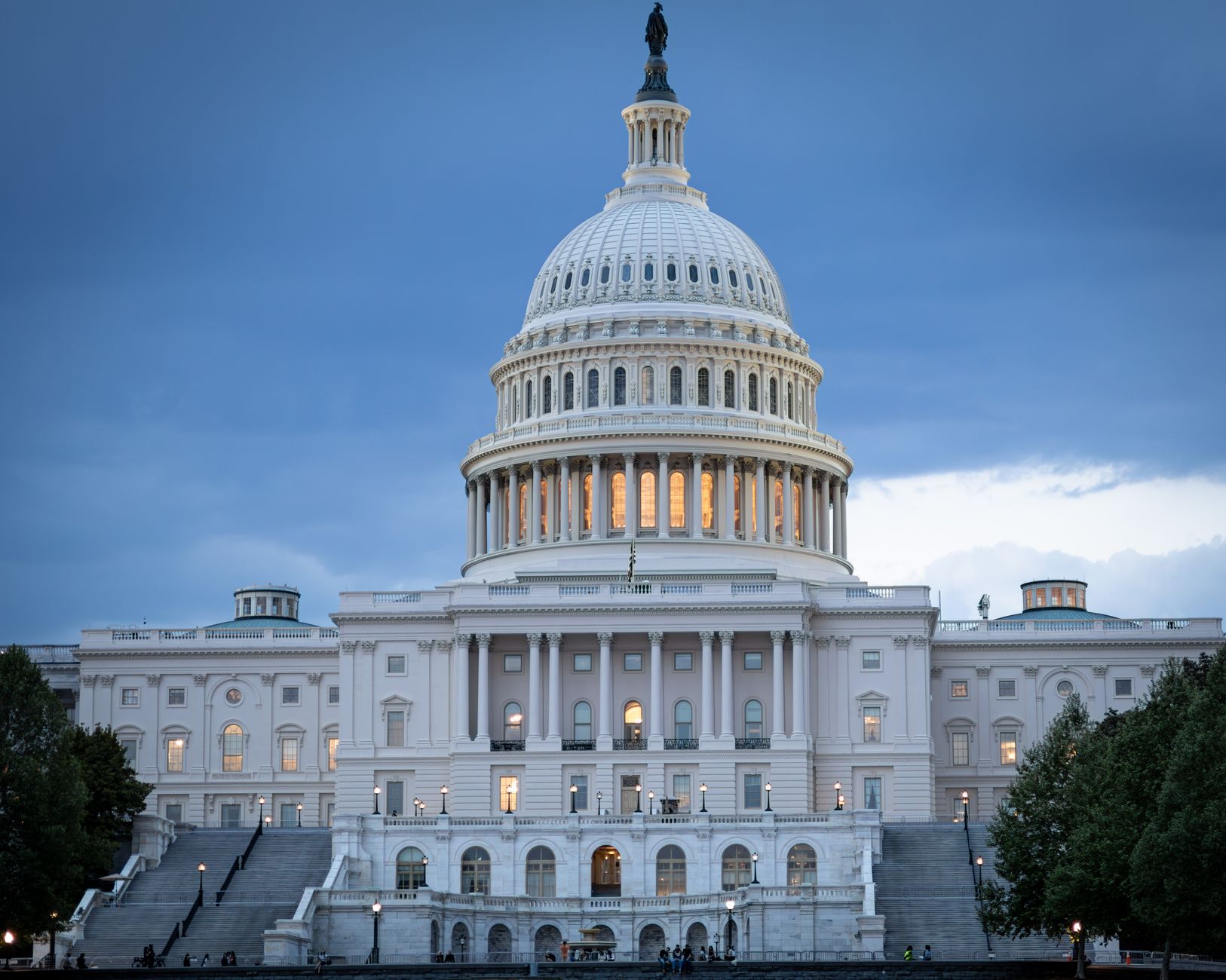
US Senator Moreno urges Ohio’s Miller to resign amid abuse allegations
US Senator Moreno stated that Ohio Congress member Miller should not continue serving due to allegations of abuse. This announcement comes amid increasing scrutiny regarding Miller's conduct. The implications of such allegations could impact Miller's political career as well as public perception of congressional integrity. For markets, ongoing controversies around public officials can influence investor confidence in regulatory stability and governance issues.
Read More: US Senator Moreno urges Ohio’s Miller to resign amid abuse allegations
Kaptur Injured in Car Crash: Details and Impact on Constituents
US lawmaker Marcy Kaptur was injured in a car crash, according to her office. Specific details regarding her condition or the circumstances of the accident have not been provided. This incident may affect her legislative duties and engagement in key committees. As Kaptur represents Ohio's 9th congressional district, her health status is important for her constituents and could impact local political dynamics.
Read More: Kaptur Injured in Car Crash: Details and Impact on Constituents
Trump Cancels Iran Strikes Amid Allies' Request
President Trump stated that he cancelled planned strikes on Iran following requests from Middle Eastern allies. He mentioned that the 'perimeters of a deal' to resolve the conflict have been agreed upon after his prior threats of military action. This development indicates a shift in U.S. military strategy in the region. It matters for investors as geopolitical tensions can significantly impact oil prices and stock market performance.
Read More: Trump Cancels Iran Strikes Amid Allies' Request
Trump cancels planned Iran attack amid deal discussions
President Donald Trump announced the cancellation of a planned attack on Iran after Tehran made a request and agreed on certain deal terms. Key points include the proposed reopening of the Strait of Hormuz and addressing Iran's nuclear threats. Reports indicated that the U.S. was readying for strikes against Iran, coinciding with rising energy prices and embassy warnings for Americans in the Middle East. This cancellation may impact regional tensions and energy markets as the situation evolves.
Read More: Trump cancels planned Iran attack amid deal discussions
Bomb Attack in Moscow Kills 3, Injures 21 at Restaurant
A bomb explosion in central Moscow resulted in the deaths of three people and left 21 wounded. The attack took place at a restaurant, although further details about the incident are not provided. This event marks a significant security concern in the region and may impact public perceptions of safety. Investors in areas related to security and public safety may find this news pertinent as it could influence market sentiment regarding risk and stability.
Read More: Bomb Attack in Moscow Kills 3, Injures 21 at Restaurant
Ukrainian Strikes Kill Two in Russia, Target Wildberries Warehouse
Ukrainian drone strikes have killed two individuals in Russia and targeted a Wildberries warehouse, which could impact Russian logistics. Wildberries, a major online retailer in Russia, may face disruptions in its operations following the attack. This incident highlights ongoing tensions in the region, potentially affecting market sentiment. Investors should monitor developments in geopolitical situations, as they can influence asset prices and market stability.
Read More: Ukrainian Strikes Kill Two in Russia, Target Wildberries Warehouse
Ukrainian Drones Strike Wildberries Warehouse in Russia
Ukrainian drones carried out strikes in Russia, resulting in two fatalities and targeting a Wildberries warehouse. The strikes are part of ongoing tensions in the region. No specific figures on economic impact or damage were disclosed in the report. This situation could lead to heightened geopolitical risks, affecting market stability and investor sentiment, especially in markets sensitive to such developments.
Read More: Ukrainian Drones Strike Wildberries Warehouse in Russia
Iran's Leaders United on War Goals Amid Divisions
Iran's leadership appears united regarding the ongoing war, yet there are differences in their strategic objectives. The internal divisions highlight varying perspectives on the war's purpose and potential outcomes. Despite the cohesiveness shown in public statements, these disagreements could influence Iran's future military strategies and diplomatic efforts. This situation may affect regional stability and broader geopolitical dynamics, impacting investors with interests in the Middle East.
Read More: Iran's Leaders United on War Goals Amid Divisions
Trump Cancels Iran Attack After Negotiation Framework Established
President Trump canceled a planned military action against Iran following an agreement framework for diplomatic discussions. This decision comes amid heightened tensions and volatile geopolitical implications. By refraining from military engagement, the administration aims to explore potential negotiations, potentially stabilizing the region. This shift in strategy may influence investor sentiment regarding energy markets and related assets. Such geopolitical decisions can impact oil prices and stocks tied to the energy sector, reflecting broader economic conditions.
Read More: Trump Cancels Iran Attack After Negotiation Framework Established
Trump Cancels Iran Strikes After Allies' Request
President Trump announced the cancellation of planned strikes on Iran following a request from Middle Eastern allies. He stated that 'perimeters of a deal has been agreed to.' This development may influence geopolitical stability in the region and market reactions tied to oil prices and defense stocks. While no specific numbers were provided regarding military actions or economic impacts, the situation is significant for market watchers. Oil traders and defense industry investors should monitor this evolving geopolitical landscape closely.
Read More: Trump Cancels Iran Strikes After Allies' Request
Trump to Halt Iran Strikes After War Deal Parameters Reached
Former President Donald Trump announced plans to order a halt to Iran strikes after certain parameters were established for a deal aimed at ending the conflict. While the article does not specify exact figures or details regarding the parameters, this development could signal a potential shift in U.S. foreign policy affecting market stability and investor sentiment. The cease in military actions may influence oil prices significantly, especially in the context of ongoing geopolitical tensions. Understanding these changes is important for investors tracking geopolitical risks in the market.
Read More: Trump to Halt Iran Strikes After War Deal Parameters Reached
Israeli Strikes Kill 4 in Gaza Amid Trump Ceasefire Efforts
Israeli strikes in Gaza resulted in the deaths of at least four people. This event occurred despite ongoing efforts to establish a ceasefire led by former President Donald Trump. The situation may affect regional stability and investor sentiment in related markets. Investors should be aware of the potential implications for geopolitical risks as tensions in the region continue.
Read More: Israeli Strikes Kill 4 in Gaza Amid Trump Ceasefire Efforts
Saudi Crown Prince Urges Trump on Iran War Escalation
The Saudi crown prince has advised US President Donald Trump against escalating the Iran conflict as discussions of new military strikes are underway. This interaction indicates a critical diplomatic stance amid rising tensions in the region. No specific numbers or dates were provided in relation to military actions or economic impacts. The situation may influence market perceptions regarding oil prices and geopolitical stability, which could affect investor sentiment.
Read More: Saudi Crown Prince Urges Trump on Iran War EscalationSaudi Prince Questions Trump's Iran Strategy Amid Tensions
A Saudi prince expressed concerns regarding former President Trump's plans for a potential military strike on Iran. The comments come amidst heightened tensions in the region and the potential implications for U.S.-Iran relations. This geopolitical issue could influence oil prices and market volatility, given the strategic importance of Iran in the oil industry. Investors should monitor this situation closely as it may have direct repercussions on commodities and overall market sentiment.
Read More: Saudi Prince Questions Trump's Iran Strategy Amid Tensions