US News & Analysis
50 articles
Market Mood

Trump Greets Xi During US State Visit - Key Diplomatic Event
Former President Trump will greet Chinese leader Xi Jinping upon his arrival for a state visit to the United States. This meeting marks a significant moment in US-China relations, which influences international trade and economic policies. The event could impact market sentiment, particularly for companies engaged in trade with China. Ordinary investors should note that such high-profile diplomatic meetings may affect market dynamics and investment decisions in sectors dependent on US-China relations.
Read More: Trump Greets Xi During US State Visit - Key Diplomatic Event
UN Report Claims U.S. War Crimes in Iran Conflict with 150 Casualties
A United Nations fact-finding mission indicated there are reasonable grounds to believe the U.S. committed war crimes during the Iran conflict, citing a Tomahawk missile strike that killed over 150 people in Minab and another airstrike resulting in 22 civilian deaths. The U.S. State Department rejected the findings, labeling the report as anti-American. Negotiations surrounding the Middle East conflict might be revived, with a potential meeting involving Gulf Arab nations, the U.S., and Iran tentatively scheduled around the upcoming United Nations General Assembly. This situation may affect geopolitical stability and investor sentiment in the region.
Read More: UN Report Claims U.S. War Crimes in Iran Conflict with 150 Casualties
UN Experts Cite Possible US War Crimes in Iran Strikes
UN-backed experts have cited potential US war crimes connected to strikes in Iran following an investigation. The report highlights the legality of certain military actions taken by US forces, underscoring implications for international law. This finding could potentially lead to discussions on accountability and military operations abroad. Investors may want to consider geopolitical tensions as factors influencing market stability and foreign relations.
Read More: UN Experts Cite Possible US War Crimes in Iran Strikes
Canadian Firms Invest $9B In U.S. Real Estate Amid Trade War
Canadian firms invested $9 billion in U.S. real estate over the 12 months ending in June, an increase from the $5 billion rolling average at the end of the previous quarter. In the year through June, 32% of the capital raised for global acquisitions was directed to the U.S., up from 19.3% in the prior 12 months. This trend continues despite escalating tariffs between the U.S. and Canada. For ordinary investors, these figures highlight ongoing opportunities in U.S. real estate despite geopolitical tensions.
Read More: Canadian Firms Invest $9B In U.S. Real Estate Amid Trade War
US Declares End of Largest Recorded Cyclosporiasis Outbreak
U.S. officials have announced the end of the largest recorded cyclosporiasis outbreak, which was linked to iceberg lettuce. The Centers for Disease Control and Prevention (CDC) confirmed that the outbreak has concluded. This development marks a significant conclusion to public health concerns surrounding this outbreak. For investors, this resolution may stabilize market reactions in sectors related to food safety and agriculture as it alleviates ongoing health risks related to produce.
Read More: US Declares End of Largest Recorded Cyclosporiasis Outbreak
US Bans Canadian Alcohol and Goods Effective September 29
The US will implement an import ban on various Canadian products, including alcoholic spirits, dairy goods, and motor vehicles, starting September 29. This ban follows Canadian retaliatory tariffs on US goods, which were enacted after trade negotiations stalled in late August. The US is Canada's largest trading partner, with over two-thirds of its exports going to the US, while Canada ranks as the second-largest trading partner for the US. This trade war could lead to increased prices and reduced customer numbers on both sides, impacting businesses reliant on cross-border trade.
Read More: US Bans Canadian Alcohol and Goods Effective September 29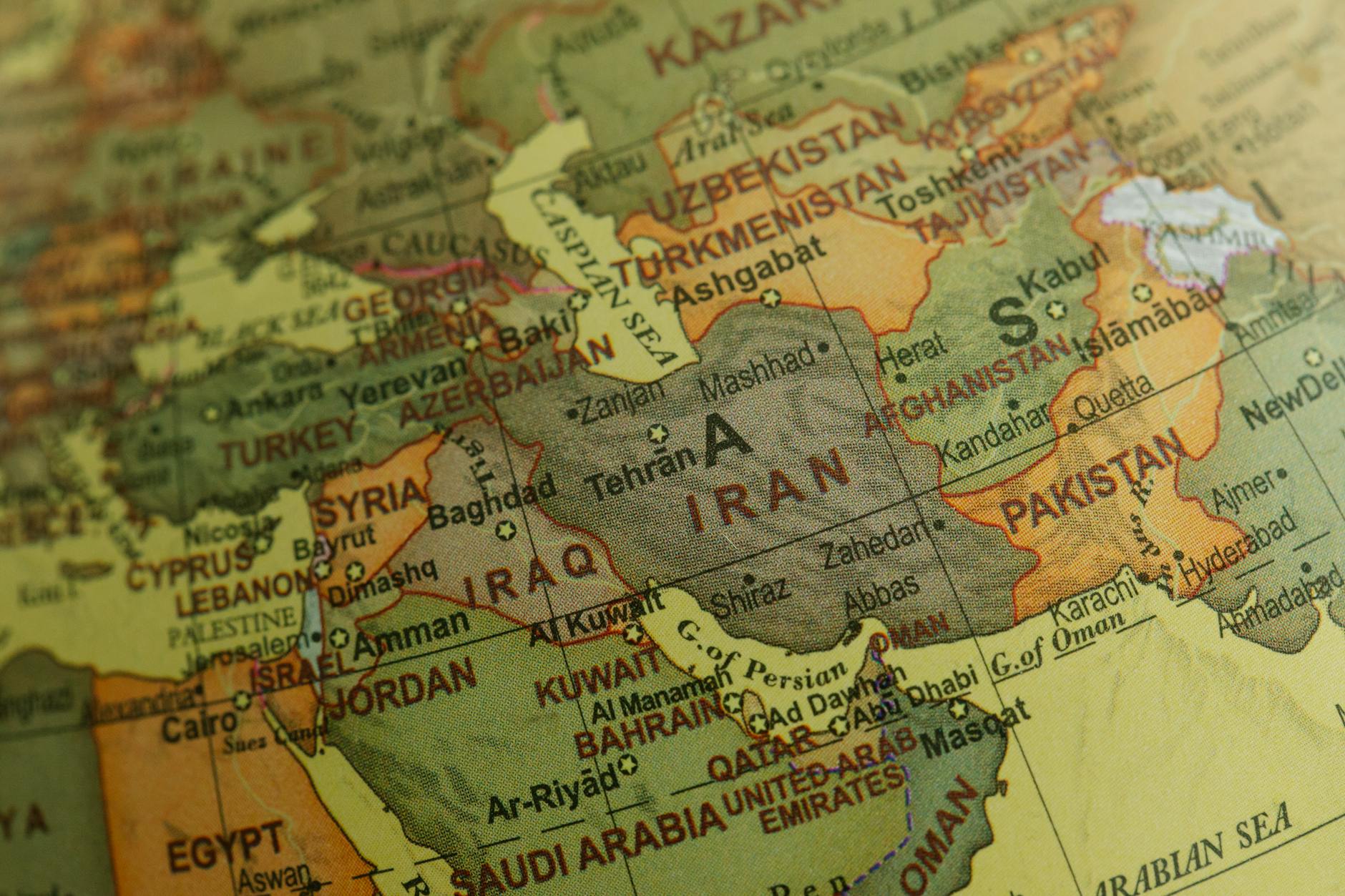
Iran Condemns US Plans for New Sanctions Amid Tensions
Iran's government has publicly condemned the upcoming announcement of new sanctions by the United States, although specific details about the sanctions have not been disclosed. The Iranian government views these sanctions as an attempt to undermine its sovereignty and economy. This situation heightens existing tensions between the two countries, which could have broader implications for global markets and geopolitical stability. Investors should remain aware of how these developments may affect oil prices and related energy sectors.
Read More: Iran Condemns US Plans for New Sanctions Amid Tensions
Trade War Deepens Between Canada and US Amidst Alliance Tensions
A trade war is escalating between Canada and the US, highlighting a significant shift in their previously close relationship. Specific data points or economic figures were not provided in the article, but the impact on trading relationships could affect various sectors. This could lead to uncertainty in markets, with potential repercussions for companies operating across the border. A trade rupture of this nature can influence investor sentiment regarding both countries' economies and trade-dependent sectors.
Read More: Trade War Deepens Between Canada and US Amidst Alliance Tensions
U.S. Imposes 50% Tariffs on $20 Billion of Canadian Goods
The U.S. imposed 50% tariffs on $20 billion worth of Canadian goods, effective just after midnight on Saturday, August 18, 2026. This move follows failed negotiations, deepening trade tensions between the U.S. and Canada. This tariff affects just over 5% of Canada's exports to the U.S., which could complicate upcoming discussions on trade agreements, including the U.S.-Mexico-Canada free trade agreement. Canada plans to retaliate with equal measures, potentially impacting various sectors and leading to job losses. For investors, this situation could introduce volatility in markets linked to trade and exports.
Read More: U.S. Imposes 50% Tariffs on $20 Billion of Canadian Goods
Ray Dalio Warns Debt Crisis Looms as U.S. Budget Deficit Hits $432B
Ray Dalio, founder of Bridgewater Associates, highlighted concerns over a potential debt crisis following Treasury Secretary Scott Bessent's announcement of government debt buybacks likely exceeding $4 billion. He noted that the U.S. budget deficit reached $432 billion in July and federal spending is approximately 40% higher than revenue. Dalio warned that total debt could amount to $11 trillion in service payments, which is roughly 200% of annual revenue. He advised investors to consider assets like gold and bitcoin in response to this financial landscape, emphasizing the importance of addressing debt levels before they become unmanageable.
Read More: Ray Dalio Warns Debt Crisis Looms as U.S. Budget Deficit Hits $432B
Trump Pauses 50% Tariffs on $20bn Canadian Goods for 3 Days
US President Donald Trump has delayed implementing new 50% tariffs on nearly $20 billion of Canadian goods for three days. This pause comes as the US and Canada work towards finalizing a trade agreement after facing an impasse over key issues. Trump mentioned potential concessions from Canada on agriculture and manufacturing, alongside reductions in US tariffs. This move is significant for businesses on both sides of the border, as the new tariffs could have negatively impacted trade. Investors should note the ongoing negotiations, as final outcomes could affect market stability.
Read More: Trump Pauses 50% Tariffs on $20bn Canadian Goods for 3 Days
US Debt Focus as Global Bond Rout Deepens Ahead of Wednesday
America's growing debt is set to be a major focus as concerns about a global bond rout intensify. The article questions how much the U.S. will need to pay to maintain global lending. Specific figures regarding debt levels or payment terms were not provided. This situation may influence investor sentiment towards U.S. bonds and related financial markets, as they assess the implications of rising borrowing costs.
Read More: US Debt Focus as Global Bond Rout Deepens Ahead of Wednesday
Iran Links Hormuz Reopening to US Concessions on Key Demands
Iran has indicated that it will reopen the Strait of Hormuz contingent upon the US meeting several demands. The specific demands and timeline for the reopening have not been disclosed. The Strait of Hormuz is a critical waterway for global oil shipments, with an estimated 20% of the world’s oil passing through it. This situation could impact oil prices and market sentiment as investors monitor developments in US-Iran relations closely.
Read More: Iran Links Hormuz Reopening to US Concessions on Key Demands
US Currency Activism Signals 변화; Japan's Yen Intervention
The U.S. has shown its willingness to intervene in currency trades that conflict with its interests, particularly in light of Japan's efforts to support its yen. This proactive stance indicates a shift in U.S. currency policy, aiming to maintain market stability. The implications of such interventions may influence foreign exchange markets by increasing volatility in currency pairs involving the yen. For investors, this means potential changes in trading strategies and currency valuations that could affect broader market dynamics.
Read More: US Currency Activism Signals 변화; Japan's Yen Intervention
Japan Yen Intervention Confirmed with US, More Actions Possible
Japan confirmed it coordinated a joint yen intervention with the United States, aiming to stabilize the currency amid significant volatility. This step reflects the commitment to support the Japanese yen's value, which has recently faced pressure. Market participants will watch closely for potential additional actions, as officials signal readiness for further measures. Such interventions can influence trading conditions in currency markets and impact investors globally, especially those trading currencies linked to the yen.
Read More: Japan Yen Intervention Confirmed with US, More Actions Possible
US Launches Strikes on Iranian Targets After Foiling Missile Attack
The United States conducted strikes on Iranian targets following the foiling of a missile attack on American forces. This military action marks a response to heightened tensions in the region and the protection of U.S. personnel. Such developments can influence market stability and investor sentiment regarding geopolitical risk. Investors will be attentive to how these actions may affect oil prices and overall market dynamics.
Read More: US Launches Strikes on Iranian Targets After Foiling Missile Attack
Trump Administration Bans Chinese Humanoid Robots to Protect Security
The Trump administration announced a ban on imports of new foreign-made humanoid robots, highlighting national security risks. This action targets advanced robots, many of which are made in China, reflecting competitive tensions in robotics and artificial intelligence. Additionally, the Federal Communications Commission (FCC) banned imports of power inverters, citing similar risks to the US economy. This ban does not affect existing models authorized by the FCC. This matters for investors as it indicates heightened regulatory scrutiny and could impact the technology supply chain.
Read More: Trump Administration Bans Chinese Humanoid Robots to Protect Security
Tate Brothers Seek Release from US Jail Amid Extradition Fight
Andrew and Tristan Tate are seeking release from a U.S. jail as they contest extradition to Romania. The brothers are accused of serious crimes, but they deny any wrongdoing. Their legal team is pursuing a strategy to challenge this extradition. This decision could influence their current legal situation and potential return to Romania, which is important for those monitoring their high-profile cases.
Read More: Tate Brothers Seek Release from US Jail Amid Extradition Fight
Iran Denies 10-Day Ceasefire Amid US Military Actions
Iran has denied reports of a 10-day ceasefire despite a temporary halt in hostilities with the U.S., which ceased strikes on July 22, 2026. Negotiations are currently ongoing with Oman regarding the Strait of Hormuz, vital for global oil supply, while direct talks with the U.S. are not taking place. Meanwhile, oil prices dropped by over 7% following the ceasefire announcement, reflecting investor optimism despite underlying tensions. This pause is significant as it highlights the potential for improved conditions that can affect oil markets and global supply chains.
Read More: Iran Denies 10-Day Ceasefire Amid US Military Actions
Lula Criticizes US Tariffs in Recent Washington Post Op-Ed
In a recent op-ed in the Washington Post, Brazilian President Luiz Inácio Lula da Silva described new US tariffs as a mistake. Lula's comments are aimed at fostering a discussion about international trade and tariffs between the US and Brazil. The tariffs could impact various sectors, influencing market dynamics and trade relationships. This is notable for investors focused on US-Brazil trade relations and industries affected by tariff changes.
Read More: Lula Criticizes US Tariffs in Recent Washington Post Op-Ed
US Imposes New Tariffs of 10% to 12.5% on 60 Trade Partners
The US is imposing new tariffs ranging from 10% to 12.5% on 60 trading partners due to concerns over forced labour practices. These tariffs will take effect following the expiration of a temporary 10% tax on foreign goods. Key economic partners affected include the UK, China, the European Union, Canada, Japan, and India, covering 99.4% of US imports. This move reflects the current administration's commitment to trade policies addressing human rights abuses, which may increase costs for businesses and consumers.
Read More: US Imposes New Tariffs of 10% to 12.5% on 60 Trade Partners
Pakistan Seeks $10 Billion US Backstop Facility for Reserves
Pakistan is pursuing a $10 billion backstop facility from the United States to bolster its foreign reserves. The request aims to stabilize the economy amid ongoing challenges. This financial support could significantly impact investor confidence and market stability in Pakistan. It highlights the need for external funding to address the nation's economic issues. For ordinary investors, this development may indicate potential opportunities or risks in the region's markets as Pakistan seeks financial support.
Read More: Pakistan Seeks $10 Billion US Backstop Facility for Reserves
U.S. service members killed, Iran suspends peace agreement commitments
Iran's Supreme Leader Ayatollah Mojtaba Khamenei announced that the country has 'unforgettable lessons in store' for the U.S. after American forces concluded a seventh night of strikes against Iran. The U.S. military reported two service members killed in Jordan and another missing in action, bringing total confirmed deaths to 16 since February 28. Iran also announced the suspension of its commitments to the Islamabad Memorandum of Understanding with the U.S., citing violations by the U.S. This escalation in military conflict could have significant implications for markets, particularly regarding oil prices and geopolitical risk for investors.
Read More: U.S. service members killed, Iran suspends peace agreement commitments
U.S. Strikes Iran Before Hormuz Strait Naval Blockade Resumes
U.S. forces launched airstrikes against Iranian targets aimed at degrading capabilities used to attack commercial shipping before resuming a naval blockade of Iranian ports in the Strait of Hormuz. The strikes began at 3 p.m. ET, while the blockade is scheduled to restart at 4 p.m. ET. This blockade follows a temporary ceasefire that was previously lifted. Tensions in the region have escalated, with President Donald Trump stating the ceasefire is over after accusations of violations from both sides. The situation may affect shipping routes and oil prices, impacting global markets.
Read More: U.S. Strikes Iran Before Hormuz Strait Naval Blockade Resumes
Oil Prices Rise 4% Amid U.S. and Iran Trade Strikes
Oil prices increased by 4% following military engagements between the U.S. and Iran in the Strait of Hormuz. This region is critical for global oil shipments, and heightened tensions typically lead to rising oil prices due to supply concerns. The price surge highlights the volatile nature of oil markets in response to geopolitical events, which can directly affect energy costs. Investors should be aware of how such geopolitical tensions can influence oil prices, impacting broader market conditions.
Read More: Oil Prices Rise 4% Amid U.S. and Iran Trade Strikes
Oil Jumps Amid US-Iran Tensions, Impacting Markets
Oil prices have risen significantly due to escalating tensions between the US and Iran, particularly regarding the Strait of Hormuz. This region is crucial for global oil transport, and ongoing military exchanges have raised concerns about potential disruptions. The instability could affect global oil supply and prices. For investors, these developments are critical as they could lead to fluctuations in energy stocks and overall market sentiment.
Read More: Oil Jumps Amid US-Iran Tensions, Impacting Markets
US Airstrikes Increase Tensions Amid Market Uncertainty
Stock futures dipped as tensions rose between the U.S. and Iran following recent airstrikes. This surge in military activity challenges market confidence that the worst is over, particularly affecting oil prices and Middle Eastern stability. Analysts indicate that ongoing conflicts in the Hormuz region may lead to significant disruptions in oil supply, which could further impact global markets. For ordinary investors, this heightened political risk may affect market volatility and energy prices, significantly influencing investment strategies.
Read More: US Airstrikes Increase Tensions Amid Market Uncertainty
FIFA clears Balogun for US-Belgium match ahead of World Cup
FIFA has officially cleared forward Folarin Balogun for participation in the upcoming World Cup clash between the United States and Belgium. This decision is significant as it allows Balogun, who was previously ineligibile, to play in a crucial match that could impact the team's performance. His availability could influence the team's strategy and dynamics on the field. The clash is a highly anticipated event in the tournament.
Read More: FIFA clears Balogun for US-Belgium match ahead of World Cup
China Releases Pastor Ezra Jin After U.S. Diplomatic Pressure
Pastor Ezra Jin has been released from imprisonment in China following diplomatic pressure from the United States. This event underscores the ongoing tensions between the U.S. and China concerning human rights issues. The U.S. government's involvement in Jin's release may influence future bilateral relations and impact U.S. policy towards China. The specifics of the negotiations or the number of U.S. citizens impacted by similar detentions were not disclosed.
Read More: China Releases Pastor Ezra Jin After U.S. Diplomatic Pressure
Erdogan Comments on US-Iran Deal Impacting Israel Relations
Turkish President Recep Tayyip Erdogan stated that Israel should not obstruct the ongoing negotiations between the United States and Iran. His remarks indicate potential geopolitical tensions which could affect market stability in the region. No specific economic metrics or data points were provided related to market impact or key figures. This situation may create uncertainty in market reactions concerning Middle Eastern geopolitics and associated assets.
Read More: Erdogan Comments on US-Iran Deal Impacting Israel Relations
Pope Leo XIV Appeals for Immigrant Support during U.S. Independence Day
Pope Leo XIV marked the 250th anniversary of U.S. independence by urging Americans to welcome and protect immigrants in a letter sent from Italy. His visit to Lampedusa coincided with over 7,000 migrants arriving in Europe this year, emphasizing the need for compassion and assistance. The pope called on European leaders to develop a comprehensive approach to migration, integrating immediate support with long-term strategies. His appeal highlights the global challenge of migration, reflecting on the dignity of every individual seeking refuge.
Read More: Pope Leo XIV Appeals for Immigrant Support during U.S. Independence Day
Trump to Speak at Mount Rushmore Amid Storm Warning
President Trump will deliver a speech at Mount Rushmore during a storm warning, amidst high temperatures that could impact 250th anniversary celebrations. The specific temperature forecasts and the number of attendees expected at the event were not disclosed. This weather-related concern may affect the logistics of the events planned for the anniversary. Any disruptions could also have implications on local businesses and tourism during the celebrations.
Read More: Trump to Speak at Mount Rushmore Amid Storm Warning
Europe Shares Extend Record Rally Amid Cool U.S. Economic Data
European shares extended their record rally, with significant gains observed. The Stoxx Europe 600 index reached an all-time high, rising by 1.1%. This increase is attributed to better-than-expected U.S. economic data, including a 0.4% increase in U.S. retail sales and a reduction in unemployment claims. The positive sentiment in Europe reflects confidence in economic stability, potentially impacting investor behavior in the region’s markets moving forward.
Read More: Europe Shares Extend Record Rally Amid Cool U.S. Economic Data
Canada Pipeline Plans 1mn Barrels Daily Supply to Asia
Canada is planning a new oil pipeline projected to supply Asia with 1 million barrels per day. This initiative aims to reduce its dependence on the US amid ongoing trade tensions. The new pipeline represents a significant shift in market strategy and could impact global oil supply dynamics. The move is crucial for Canada's energy sector and may alter trading patterns between North America and Asia.
Read More: Canada Pipeline Plans 1mn Barrels Daily Supply to Asia
U.S. Job Creation Cools with 57,000 Payrolls Growth in June
In June, U.S. nonfarm payrolls increased by 57,000, significantly lower than May's downwardly revised figure of 129,000 and below the Dow Jones forecast of 115,000. The unemployment rate dropped to 4.2%, while the labor force participation rate fell by 0.3 percentage points to 61.5%. Additionally, average hourly earnings rose 0.3% month-over-month and 3.5% year-over-year. The report suggested that the Federal Reserve may face less pressure to tighten monetary policy, impacting market expectations going forward.
Read More: U.S. Job Creation Cools with 57,000 Payrolls Growth in June
Taiwan Needs Drones to Deter Conflict, US Diplomat Says
A US diplomat stated that Taiwan requires an increased number of drones to enhance its defense capabilities. This statement underscores the strategic importance of Taiwan in regional security discussions. While specific numbers of drones were not provided, the implication suggests a need for escalation in defense technology investments. This development could have implications for defense contractors and the broader markets focused on military technology. The emphasis on Taiwan's security plays a significant role in the context of US-China relations.
Read More: Taiwan Needs Drones to Deter Conflict, US Diplomat Says
USMCA Renewal Blocked, Missing 16-Year Extension Impacting Trade
The US has declined to renew the US-Mexico-Canada Agreement (USMCA) in its current form, impacting the automatic 16-year extension. This leaves the future of the agreement, crucial for $2 trillion in trade annually, uncertain. The decision initiates a ten-year countdown to potential expiration in 2036 unless the countries agree on modifications and renewals. The US Chamber of Commerce expressed concerns about the effects on sectors dependent on cross-border trade, while some domestic trade groups welcomed the opportunity for annual revisions to improve the deal.
Read More: USMCA Renewal Blocked, Missing 16-Year Extension Impacting Trade
Iran Oil Exports Reach 40 Million Barrels After Blockade Lifted
Iran has exported over 40 million barrels of crude oil since the U.S. lifted its naval blockade. The country is now selling oil at prices approximately 20% higher than those before the war. Brent crude is trading near $73 per barrel, down nearly 40% from a peak of $118 in April. The ceasefire and increased exports have led to significant price fluctuations in the oil market, reflecting geopolitical developments and supply expectations.
Read More: Iran Oil Exports Reach 40 Million Barrels After Blockade Lifted
U.S. and Iran Agreement Halts Fighting Over Strait
The U.S. and Iran have reached an agreement to cease hostilities that had escalated in the Strait. This development is significant as it may stabilize the geopolitical climate in the region, potentially affecting global oil markets and pricing. While specific metrics or data on trading volumes or market impact were not provided, the cessation of conflict may alleviate some investor concerns, contributing to a more favorable market environment. Investors will be observing subsequent diplomatic interactions to gauge the longer-term implications.
Read More: U.S. and Iran Agreement Halts Fighting Over Strait
Klarna Group (KLAR) Reports Cautious Guidance, Shares Drop 13.13%
Klarna Group plc (KLAR) reported a one-month return of -13.13% as of June 26, 2026, when its shares closed at $20.29, reflecting a market capitalization of $7.71 billion. The company faced pressures from cautious guidance regarding growth and emerging U.S. credit products, which delayed profitability. This was compounded by increased regulatory scrutiny in the U.S. and EU concerning consumer-lending rules. Despite this, Klarna experienced a 62.26% share gain over the past three months, indicating potential resilience in its long-term prospects.
Read More: Klarna Group (KLAR) Reports Cautious Guidance, Shares Drop 13.13%
USA Rare Earth (USAR) Commissions Colorado Facility for Oxides
USA Rare Earth (USAR) has commissioned a facility in Colorado aimed at producing rare earth oxides outside of Asia. This facility is expected to enhance USA's capabilities in the rare earth sector and reduce dependency on foreign sources. The strategic move comes as demand for rare earth elements continues to rise, critical for various technologies. The company aims to capitalize on this sector growth, which may impact market dynamics in industrial and tech markets.
Read More: USA Rare Earth (USAR) Commissions Colorado Facility for Oxides
Asia Stocks Mixed as US-Iran Tensions Rise Amid AI Valuation Concerns
Asian stock markets showed mixed results following ongoing tensions between the US and Iran. Investors are concerned about AI valuations and their potential impact on the technology sector. The fluctuations indicate uncertainty in the market, with investor sentiment reflecting apprehension regarding geopolitical issues. Key indices in the region have responded variably, which may influence trading volumes and market dynamics across sectors, including tech.
Read More: Asia Stocks Mixed as US-Iran Tensions Rise Amid AI Valuation Concerns
US Deal with Iran to Halt Strikes and Resume Talks
The US has reportedly agreed to a deal with Iran, aimed at halting recent strikes and resuming diplomatic talks. This development may stabilize tensions in the Strait of Hormuz, a critical passage for global oil shipments. However, Tehran has yet to confirm whether it will cease the reciprocal attacks that have raised concerns over ongoing violence. The outcome of these discussions could impact oil prices and overall market sentiment regarding geopolitical risks.
Read More: US Deal with Iran to Halt Strikes and Resume Talks
Oil (WTI) rises 1.3% to $70.17 amid U.S.-Iran tensions
West Texas Intermediate (WTI) oil futures increased by 1.3% to $70.17 per barrel following renewed military clashes between the U.S. and Iran. This spike in oil prices comes after the tensions led to a blockade of the Strait of Hormuz, a crucial route for oil transmission. The U.S. military conducted strikes on Iranian targets in response to reported attacks on commercial vessels. Both nations have paused hostilities to allow commercial transit, reflecting ongoing negotiations which could impact future oil supply dynamics significantly.
Read More: Oil (WTI) rises 1.3% to $70.17 amid U.S.-Iran tensions
Oil Prices Rise Following US-Iran Flareup and Qatar Talks
Oil prices have increased as tensions rise between the US and Iran, contributing to market volatility. The potential implications of the Qatar negotiations on oil supply are being closely monitored. Investors are concerned that the geopolitical situation could affect oil production levels, leading to price fluctuations. Recent trading data indicates a significant rise in oil futures amid these developments, affecting key players in the market.
Read More: Oil Prices Rise Following US-Iran Flareup and Qatar Talks
Oil Prices Rise After US, Iran Strikes Impact Energy Shipping
On June 29, 2026, Brent crude futures increased by 52 cents, or 0.672%, reaching $72.51 a barrel. U.S. West Texas Intermediate crude rose by 71 cents, or 1.03%, to $69.94 a barrel. The escalation of hostilities in the Strait of Hormuz, following strikes between the U.S. and Iran, has slowed energy shipping and raised concerns about oil supply recovery. Analysts suggest it may take the remainder of the year for supply to reach pre-conflict levels, despite recent agreements to renew talks and halt hostilities, indicating potential volatility in oil prices.
Read More: Oil Prices Rise After US, Iran Strikes Impact Energy Shipping
U.S. Military Strikes Iranian Targets After Tanker Hit in Hormuz
The U.S. military conducted strikes on Iranian targets in retaliation for a drone attack on the commercial tanker M/T Kiku, which was hit while carrying over two million barrels of crude oil in the Strait of Hormuz. The incidents occurred amid a 60-day ceasefire agreement between the U.S. and Iran, highlighting escalating tensions. The U.S. Central Command confirmed the strikes targeted military infrastructure, including communication systems and drone facilities. Despite the attacks, commercial vessel transits in the region are reported to continue.
Read More: U.S. Military Strikes Iranian Targets After Tanker Hit in Hormuz
US Iran Conflict Escalation: Significant Shipping Disruptions Likely
The US has launched strikes on Iran in response to attacks on a container ship. Washington claims that Iran's actions constitute unwarranted aggression against commercial shipping, which contravenes a ceasefire. The escalation may lead to increased tensions in the oil markets, as Iran has considerable influence over shipping routes. Investors should monitor potential disruptions in commercial shipping and changes in oil prices due to this geopolitical event.
Read More: US Iran Conflict Escalation: Significant Shipping Disruptions Likely
US Strikes Iran After Attack on Cargo Ship: Gulf Shipping Risks
The US conducted airstrikes in Iraq and Syria targeting Iran-backed militia groups after an assault on a cargo ship in the Strait of Hormuz. This region is crucial for shipping, impacting oil supply routes. The situation has escalated tensions in the Middle East, potentially affecting global oil prices. Monitoring trading volumes and geopolitical responses will be key in assessing market impacts moving forward.
Read More: US Strikes Iran After Attack on Cargo Ship: Gulf Shipping Risks
U.S. Military Strikes Iran Following Ceasefire Violation Accusation
The U.S. military conducted airstrikes against Iranian missile and drone storage locations after President Trump accused Iran of violating a ceasefire agreement with drone attacks on ships in the Strait of Hormuz. Iran's military claimed to have responded to these strikes. The U.S. Central Command reported that an Iran-launched drone had struck the Singapore-flagged cargo ship Ever Lovely but noted that the vessel continued its journey. The situation escalates amid ongoing negotiations for a permanent peace deal between the U.S. and Iran, highlighting the fragile nature of regional stability.
Read More: U.S. Military Strikes Iran Following Ceasefire Violation Accusation