Gold News & Analysis
50 articles
Market Mood

TSX Futures Rise Amid Increasing Gold Prices
TSX futures increased due to rising gold prices, with market attention also focused on comments from Tiff Macklem, the governor of the Bank of Canada (BoC). The uptick in TSX futures suggests optimism in Canadian markets, potentially influenced by movements in gold, a significant component of the country's resource sector. Investors are also keenly awaiting insights from Macklem, which could impact Canada's economic outlook. The focus on Macklem's comments highlights the market's ongoing interest in central bank policies and their economic implications.
Read More: TSX Futures Rise Amid Increasing Gold Prices
Tether Global Investments Acquires $2.7M in Gold.com Stock
Tether Global Investments has announced the acquisition of $2.7 million worth of Gold.com stock. This purchase is part of Tether's ongoing strategy to diversify its portfolio by investing in various sectors. Gold.com is positioned to benefit from the financial backing provided by Tether, potentially leading to further growth opportunities for both companies involved. The move signals Tether's commitment to expanding its investments into different asset classes beyond its traditional holdings. This acquisition is noteworthy as it reflects Tether's intention to broaden its investment strategies. The injection of funds into Gold.com could help the company capitalize on new market opportunities and enhance its market presence. Additionally, this investment may contribute to Tether's overall financial strength by diversifying its assets and reducing dependency on a single asset class. For investors, Tether's strategic investment could indicate a potential for growth and financial stability. Watching how Gold.com utilizes this infusion will help understand the broader impacts on both companies.
Read More: Tether Global Investments Acquires $2.7M in Gold.com Stock
Mackenzie Launches Gold Overlay ETF TSX:MGEG with Global Stocks
Mackenzie has introduced a new Gold Overlay ETF, traded under the ticker TSX:MGEG. This ETF aims to combine global equity exposure with gold investments, offering a diversified approach to investors. It provides a unique way for investors to benefit from both stock market growth and the stability of gold investments. The inclusion of gold is designed to act as a hedge against market volatility, while the global stock component seeks to capture potential growth opportunities in various markets. The ETF's strategy capitalizes on gold's traditional role as a safe haven during economic uncertainty, while seeking to enhance returns through diversified equity investments. Analysts have noted this fund as an innovative approach to risk management and investment diversification. By blending these assets, the ETF seeks to mitigate potential losses during market downturns. For ordinary investors, this ETF represents a strategic opportunity to combine growth and safety within one investment vehicle. It could appeal to those looking for less volatile options amidst economic fluctuations.
Read More: Mackenzie Launches Gold Overlay ETF TSX:MGEG with Global Stocks
China's Gold Purchases Aid Yuan Globalization Efforts
China has been purchasing gold every month for nearly two years to boost the global presence of the yuan. The initiative supports the development of Hong Kong as a yuan-denominated gold trading hub. This effort aims to decrease the current dominance of the U.S. dollar in international financial transactions. According to Charles Chang, managing director at S&P Global Ratings, increased yuan-denominated trading volumes could enhance the physical gold trade in RMB (Chinese yuan). Hong Kong aims to expand the capacity of its Shanghai-linked gold vault from 150 tonnes to over 2,000 tonnes. This expansion will potentially make Hong Kong one of the largest gold trading centers globally. The U.S. holds the largest gold reserves globally, totaling over 8,100 tonnes, while China holds over 2,300 tonnes. Hao Zhou, head of research at Guotai Junan International, mentions that China's ongoing gold-buying streak enhances the credibility of the yuan's internationalization initiative. By increasing its gold reserves, Beijing seeks to fortify its financial system's backing and reduce reliance on dollar-denominated assets. For investors, this matters because China's strategic gold purchases and infrastructure development for trading in yuan could impact global currency markets. These efforts aim to improve the yuan's international standing and diversify away from U.S. dollar reliance, potentially influencing forex and commodities markets.
Read More: China's Gold Purchases Aid Yuan Globalization Efforts
Gold Prices Rise as Traders Consider Russia-Ukraine Ceasefire
Gold prices experienced a slight increase as traders assess the potential impact of an 'energy ceasefire' agreement between Russia and Ukraine. This development comes amid ongoing geopolitical tensions, potentially influencing global energy markets and commodity prices. Gold's performance is often sensitive to geopolitical events and changes in economic policies, as it is regarded as a safe-haven asset during uncertain times. The current price movement reflects traders' anticipation of reduced risks stemming from the tentative cessation of hostilities in energy supply disruptions in the region. The article did not provide specific figures or percentages regarding the gold price change. However, this news highlights the market's reaction to geopolitical developments, particularly those involving major energy producers like Russia. The term 'energy ceasefire' refers to a temporary halting of disruptions or threats to energy supplies, which could stabilize prices and supply chains. The importance of this development for investors lies in its potential to affect gold prices and the broader market sentiment, which can have ripple effects on other commodities and financial markets. As gold is a hedge against risk, any prolonged stability in the region may lead to adjustments in gold's appeal as a risk-averse investment option.
Read More: Gold Prices Rise as Traders Consider Russia-Ukraine Ceasefire
China Imports Record Gold: $158.8B in Jan-Aug 2026
China's central bank has been purchasing gold for 23 consecutive months, with its imports reaching record levels. By September, it had purchased about 23 tonnes, marking the largest monthly acquisition in nearly three years, a move likely influenced by Beijing's ambition to diversify away from the USD. Between January and August 2026, China imported gold worth $158.8 billion, over 1,000 tonnes, surpassing the entire 2025 figure of $96.5 billion and 886 tonnes. This surge comes amidst an economic climate where alternative safe investments are limited, and gold prices have experienced significant drops, falling over 8% in September to approximately $4,176 per ounce, down from January's high above $5,500 per ounce. The People's Bank of China's strategy is seen as political, aiming to lessen dependence on U.S. Treasuries due to geopolitical risks, with gold offering security that foreign-held reserves do not.
Read More: China Imports Record Gold: $158.8B in Jan-Aug 2026
Gold Futures Drop with Strong Dollar and High Yields
Gold futures experienced a decline as the U.S. dollar strengthened and bond yields remained high. This dual pressure has affected the pricing of gold, usually considered a safe-haven asset, and led to reduced investor interest. The strength of the dollar makes gold more expensive for holders of other currencies, while high bond yields diminish gold's appeal as an investment due to better returns in competing assets. As a result, gold futures have come under downward pressure in the current market environment. The combination of a strong dollar and high yields poses a challenge to gold prices, affecting investors who rely on gold as a hedge. These financial dynamics are pushing investors to reconsider their positions in gold assets and look for alternatives that might offer better returns or lower risk. The ongoing fluctuations in the international financial markets continue to impact gold's performance, showcasing its sensitivity to currency and bond market changes. For investors, understanding the interplay between currency strength, bond yields, and commodity prices like gold can be crucial for making informed decisions. The current market conditions may necessitate a reassessment of gold's role in a diversified portfolio, as external economic factors significantly influence its valuation.
Read More: Gold Futures Drop with Strong Dollar and High Yields
Aura Minerals (ORA) Achieves Record Q3 Production of 95,557 Ounces
Aura Minerals (ORA) announced a record production of 95,557 ounces of gold for the third quarter. This marks a significant increase from previous quarters and highlights the company's improved operational efficiency. The production figures for Q3 are a notable achievement for Aura Minerals, reflecting successful execution of their production strategies and optimization processes. The development of new mining projects and improved mining techniques contributed to this increased output. Aura Minerals has expressed confidence in further enhancing their production capabilities, aiming to establish a stable growth trajectory going forward. This record production level is a positive signal for investors, indicating strong future revenue potential if the company maintains or increases production. High output figures like these can result in improved financial results, strengthening Aura Minerals' market position.
Read More: Aura Minerals (ORA) Achieves Record Q3 Production of 95,557 Ounces
Gold Steadies Amid US-Iran Tensions and Fed Rate Assessment
Gold prices have steadied as traders evaluate the ongoing tensions between the US and Iran, alongside the Federal Reserve's monetary policy path. The geopolitical situation may influence global market sentiment, while expectations regarding the Fed's policy could impact investment in precious metals. The tensions between the US and Iran add to the uncertainty in the commodity markets, where gold is often seen as a safe haven. Market participants are closely monitoring these developments to gauge potential impacts on gold prices. Gold's steady performance signals traders' caution amid these geopolitical and economic considerations, with the Fed's interest rate stance playing a crucial role in gold's appeal as an investment. For ordinary investors, these factors could affect gold's price movements, impacting its investment attractiveness.
Read More: Gold Steadies Amid US-Iran Tensions and Fed Rate Assessment
Gold Rises Over 1% as Dollar Weakens
Gold prices increased by over 1% as the U.S. dollar weakened and Treasury yields retreated. The softer dollar made gold more attractive to overseas buyers, contributing to the rise in its price. Meanwhile, a fall in Treasury yields reduced the opportunity cost of holding non-yielding bullion, further supporting gold's rise. The weakening dollar and declining Treasury yields are key factors affecting the attractiveness and pricing of gold. As gold does not offer interest, lower yields make it more appealing compared to interest-yielding assets. The article highlights how currency and bond markets influence precious metal prices. This matters for investors as it indicates how shifts in currency strength and bond yields can impact gold prices. Such fluctuations can provide opportunities for portfolio diversification, especially during times of financial uncertainty.
Read More: Gold Rises Over 1% as Dollar Weakens
Gold Prices Steady Amid Strong Dollar and Rising Yields
Gold prices remained stable despite the impact of a stronger dollar and rising yields on the interest rate outlook. The current market dynamics involve a firming U.S. dollar and increasing bond yields, which typically make gold less attractive as an investment alternative. A stronger dollar increases the cost of gold for investors holding other currencies, while higher yields provide more competitive returns on other assets. Consequently, these factors have influenced the rate path considerations and investor sentiment towards gold. The broader implications of this stability in gold prices relate to investor expectations around future interest rate decisions by central banks. The interplay between currency strength, bond yields, and interest rate policies remains crucial in determining gold's attractiveness and potential price movements. For investors, this stability signifies a balancing act between macroeconomic factors affecting the price of gold. Despite a strengthened dollar and rising yields, gold's steady price is notable, indicating resilience or hesitation in market movements.
Read More: Gold Prices Steady Amid Strong Dollar and Rising Yields
Gold Prices Pull Back; Morgan Stanley Sees Strong Reasons to Hold
Gold prices have recently experienced a pullback, but a Morgan Stanley strategist outlines three key reasons for investors to continue holding the precious metal. The strategist indicates potential benefits in a time of uncertainty, suggesting that gold can act as a hedge against inflation and market volatility. While specific numbers related to gold's price changes are not provided, the continued interest in gold could be significant for market dynamics. This scenario highlights the importance of gold as a defensive asset for investors amidst fluctuating markets.
Read More: Gold Prices Pull Back; Morgan Stanley Sees Strong Reasons to Hold
Gold (GLD) Drops 4% as Rates Climbed to 5.3% and 5.4%
Gold prices fell 4% to their lowest level since early August, coinciding with the 10-year yield rising to 5.3% and the 30-year yield reaching 5.4%. The iShares iBoxx High Yield Corporate Bond ETF (HYG) also faced a five-day decline, reaching its lowest point since April 2025. In options trading for SPDR Gold Shares (GLD), over 68,000 calls were traded compared to roughly 32,000 puts, signaling some traders believe gold may recover. Conversely, trading volume in HYG options was more than 2.5 times its 30-day average, indicating bearish sentiment on high-yield bonds amid rising interest rates.
Read More: Gold (GLD) Drops 4% as Rates Climbed to 5.3% and 5.4%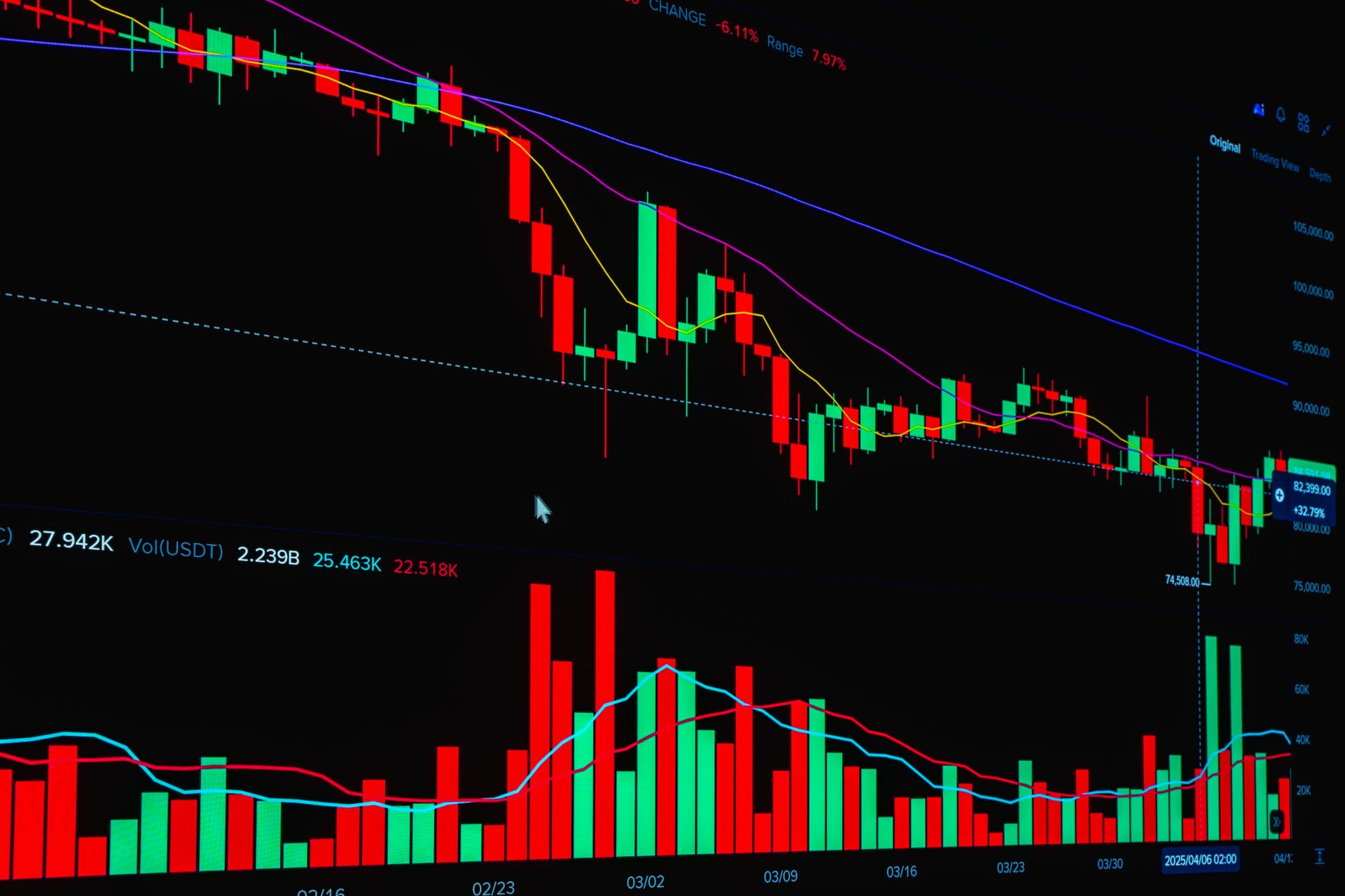
Gold (XAU) Shows Downward Bias in Near-Term Daily Chart Analysis
The daily chart analysis indicates a downward bias for gold prices. This trend suggests a potential decline in the value of gold, which may affect investor decisions. The market sentiment around gold is currently cautious, with no specific price points given for the near-term outlook. Understanding this trend is essential, as it could influence investment strategies in the commodities market.
Read More: Gold (XAU) Shows Downward Bias in Near-Term Daily Chart Analysis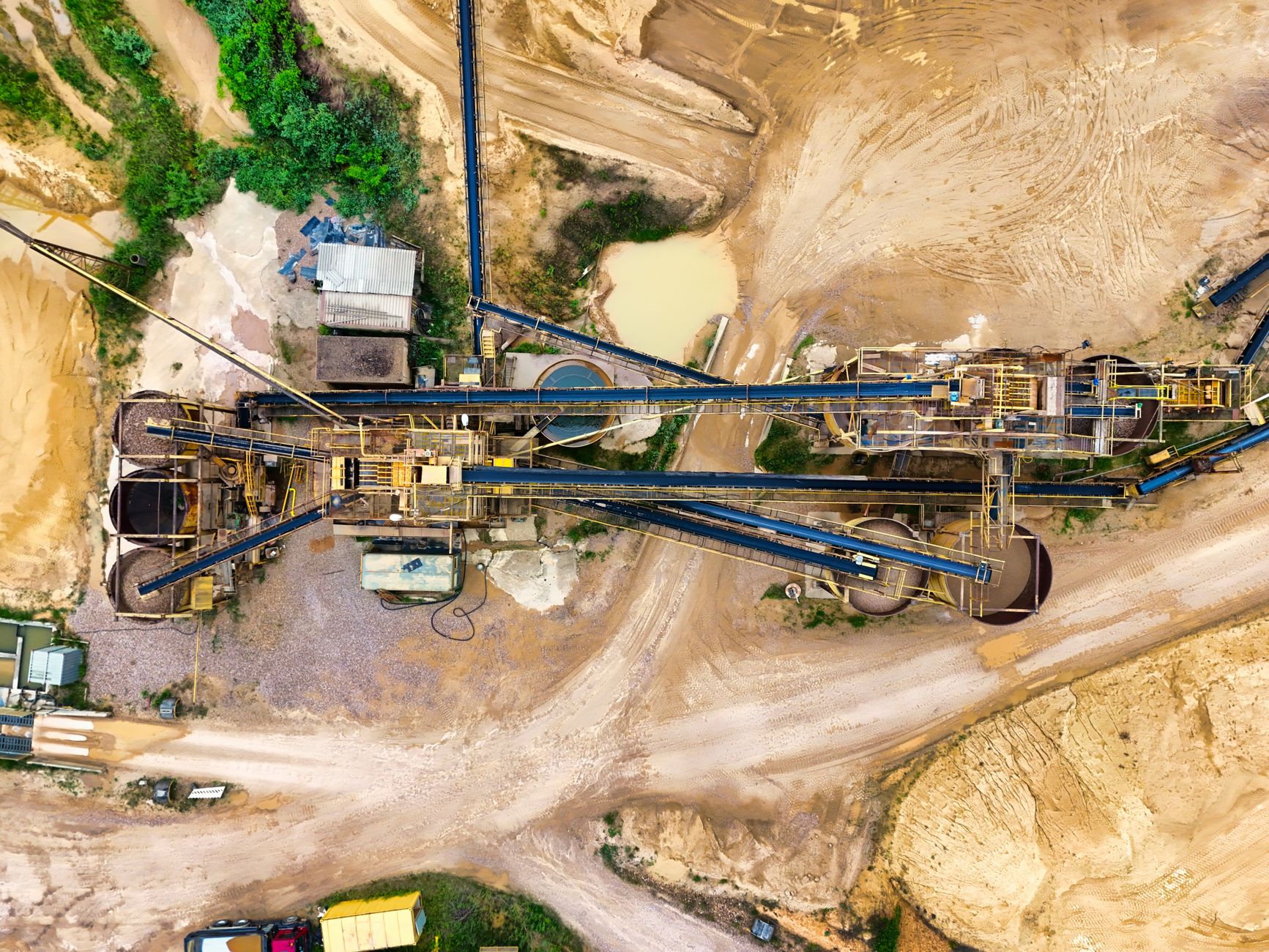
Northern Star (NST) Rejects $27 Billion Gold Fields Takeover Proposal
Northern Star Resources (NST) shares increased over 9% after rejecting a $27 billion takeover offer from Gold Fields. The proposal, which included 0.3125 shares of Gold Fields and 7.25 Australian dollars in cash per share, initially valued Northern Star at A$38.7 billion, or 22% above its price on September 11. However, by September 25, the implied value decreased to A$36.1 billion. Northern Star's board described the offer as materially undervaluing the company. This rejection indicates the company's confidence in its valuation and future growth prospects, which is important for investor considerations regarding its stock performance.
Read More: Northern Star (NST) Rejects $27 Billion Gold Fields Takeover Proposal
Northern Star Rejects $27 Billion Gold Fields Takeover Bid
Northern Star Resources has rejected a $27 billion takeover bid from Gold Fields, calling the approach 'opportunistic' and stating that it undervalues the company. This rejection highlights the difference in valuation between the two entities in the gold mining sector. The decision by Northern Star emphasizes its current financial positioning and market confidence. For investors, the rejection signifies that Northern Star remains independent, which may affect future valuations and market activities in the gold sector.
Read More: Northern Star Rejects $27 Billion Gold Fields Takeover Bid
Northern Star (NST) Rejects Proposal From Gold Fields
Northern Star Resources Ltd. (NST) has rejected a takeover proposal from Gold Fields Ltd., describing it as opportunistic. The proposal aimed to acquire Northern Star at a premium to its current share price but lacked sufficient detail. Northern Star's decision reflects ongoing discussions in the gold sector regarding valuations and consolidations. For investors, this rejection indicates that Northern Star believes its value is higher than what was proposed, which could influence investor perception and stock performance going forward.
Read More: Northern Star (NST) Rejects Proposal From Gold Fields
Goldcana (CSE:GOLD) Closes C$2M Private Placement for Exploration
Goldcana (CSE:GOLD) has completed a private placement, raising C$2 million. This funding will support exploration activities for its projects. The company focuses on identifying mineral opportunities in Canada. The successful capital raise is significant as it allows Goldcana to advance its operational plans and potentially uncover new resources. This matters for ordinary investors as it strengthens the company's financial position and supports future exploration efforts.
Read More: Goldcana (CSE:GOLD) Closes C$2M Private Placement for ExplorationGold Price Drops Amid Higher Oil and US Economic Data
Gold prices decreased as rising oil prices and strong U.S. economic data increased expectations for interest rate hikes. The combination of these factors has led to speculation regarding future monetary policy, influencing market sentiment. The article does not specify exact figures for gold or oil prices. This trend impacts ordinary investors as potential interest rate hikes typically affect financial markets and investment returns.
Read More: Gold Price Drops Amid Higher Oil and US Economic Data
TSX Futures Dip as Gold Prices Fall Amid Mideast Concerns
TSX futures are experiencing a dip due to falling gold prices, amid ongoing geopolitical tensions in the Middle East. The specific impact on the TSX was not detailed, but the connection between gold prices and the futures indicates potential investor caution. Monitoring the geopolitical situation is crucial as developments may influence market movements. For ordinary investors, the decline in gold prices can impact related investments and indicate shifts in market sentiment.
Read More: TSX Futures Dip as Gold Prices Fall Amid Mideast Concerns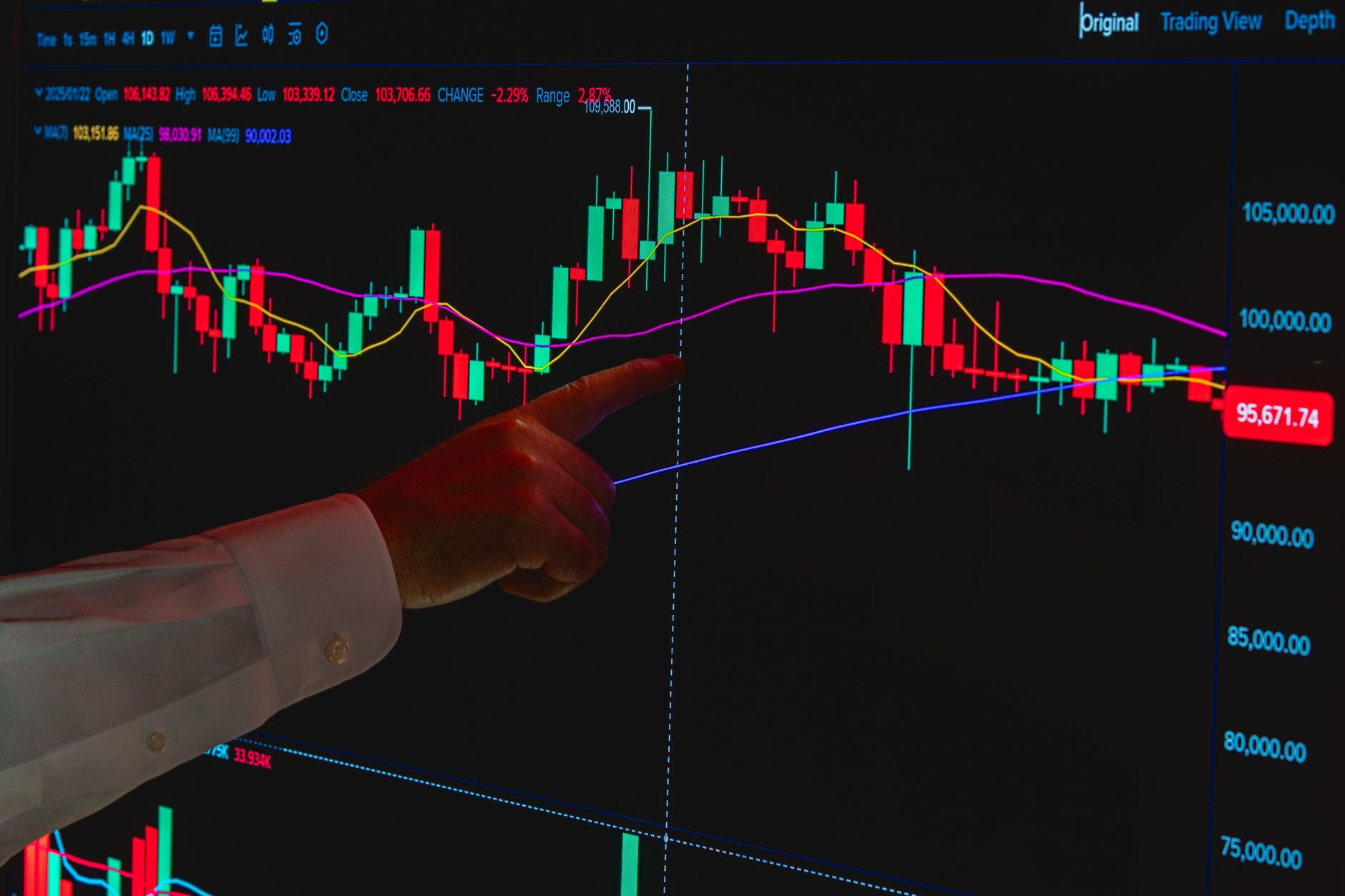
TSX Futures Dip as Gold Prices Fall; Mideast Peace Hopes Shift
TSX futures have decreased amid a decline in gold prices. Current market conditions reflect a focus on Middle Eastern peace developments. The article does not specify particular figures for the gold price change or percentage decreases for TSX futures. This decline in futures could signal broader market trends that investors should monitor closely for potential impacts on commodity-related investments. Understanding these movements matters for investors as it can potentially affect trading decisions and market performance.
Read More: TSX Futures Dip as Gold Prices Fall; Mideast Peace Hopes Shift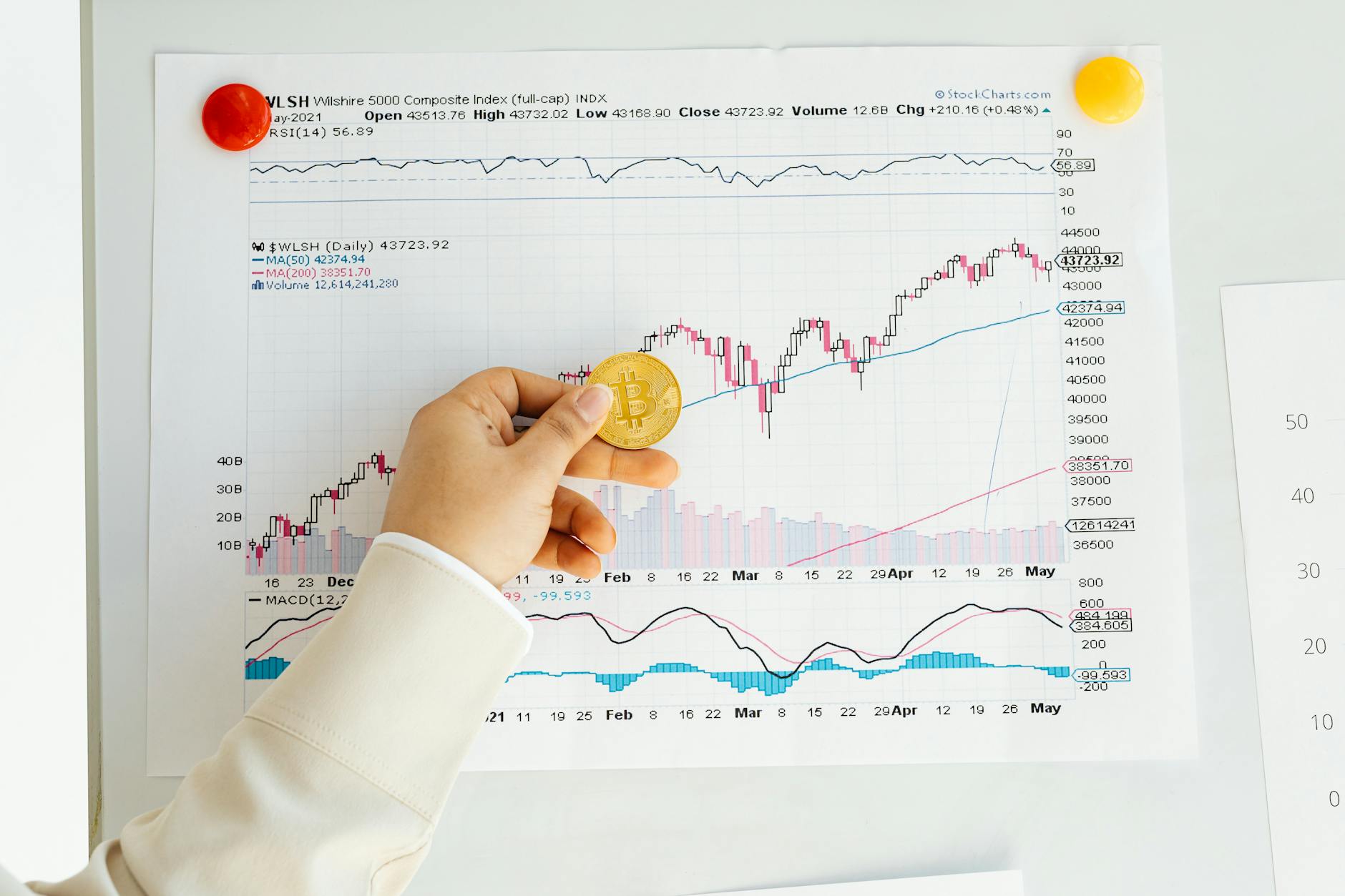
Gold Prices Expected to Remain Stable Amid Market Trends
Gold prices are expected to maintain a firm floor, indicating stability amid current market conditions. Analysts suggest that various economic factors, including interest rates and inflation, will continue to support gold as a safe-haven asset. The article does not provide specific price levels but emphasizes the trends affecting gold’s market standing. For investors, the perceived stability in gold pricing may lead to ongoing interest in gold-related investments.
Read More: Gold Prices Expected to Remain Stable Amid Market Trends
Gold.com Director Benjamin Sells $1.74M in Shares
Benjamin, a director at Gold.com, sold $1.74 million worth of shares. This sale highlights movements within the company's leadership and potentially indicates their outlook on the company's future performance. Events such as insider selling can influence market perception and investor confidence. For ordinary investors, this type of insider transaction may raise questions about the company’s prospects and timing for purchasing shares.
Read More: Gold.com Director Benjamin Sells $1.74M in Shares
Gold Prices Drop as U.S. Treasury Yields Rise
Gold prices have decreased as U.S. Treasury yields rise alongside crude oil prices. The specific yield increase has not been detailed, but the correlation suggests a negative impact on gold, a traditional safe haven asset. Rising Treasury yields generally lead to higher opportunity costs for holding non-yielding assets like gold. This trend may signify tightening conditions in the financial markets, affecting investment strategies. Investors should monitor these shifts since rising rates could impact liquidity and gold demand.
Read More: Gold Prices Drop as U.S. Treasury Yields RiseGold Prices Steady as Fed Hike and Lower Oil Calm Inflation Fears
Gold has maintained its value amid lower oil prices and recent Federal Reserve interest rate hikes that aim to control inflation. The Fed's monetary policy is currently moderated, which helps stabilize market expectations around inflationary pressures. The performance of gold is often viewed as a safe hedge against inflation, making its steadiness significant for investors. This stability might encourage investors looking for a hedge against potential inflation impacts in the financial markets.
Read More: Gold Prices Steady as Fed Hike and Lower Oil Calm Inflation FearsSpot gold to end three-day losing streak after Fed rate hike
Spot gold is poised to end a three-day losing streak following the Federal Reserve's recent interest rate hike. The Fed's move to increase rates has implications for inflation and gold prices. Traditionally, higher rates can lead to lower gold prices as it increases the opportunity cost of holding non-yielding assets. Investors should note that this change may influence gold's market appeal compared to interest-bearing investments.
Read More: Spot gold to end three-day losing streak after Fed rate hike
Goldgroup Mining (GORO) Stock Rallies 6%, Then Gains 0.6% After Fed Rate Increase
Goldgroup Mining (NYSEMKT: GORO) stock rose over 6% in early trading Thursday but settled for a 0.6% gain by 11:11 a.m. ET. This movement followed the U.S. Federal Reserve's decision to increase interest rates by 0.25%, raising the range to 3.75% to 4%. On the same day, gold prices fell to $4,333 per ounce but later increased slightly to $4,397 per ounce. For investors, the outlook is cautious due to Goldgroup's history of losses and predictions that falling gold prices may impact its financial recovery efforts.
Read More: Goldgroup Mining (GORO) Stock Rallies 6%, Then Gains 0.6% After Fed Rate Increase
Wheaton Precious Metals (TSX:WPM) Gold Stock Analysis and Valuation
Wheaton Precious Metals (TSX:WPM) continues to be evaluated in terms of its market valuation, particularly as gold prices fluctuate. The company's performance and valuation metrics are under review, and investors are curious about its current standing. The article explores whether WPM remains undervalued amid changes in the gold market. Understanding WPM’s valuation can help investors make informed decisions about their holdings or consider new investments.
Read More: Wheaton Precious Metals (TSX:WPM) Gold Stock Analysis and Valuation
Equinox Gold (TSX:EQX) Looks Ahead to Growth Opportunities
Equinox Gold (TSX:EQX) is focusing on its future growth strategies. The company is enhancing its operational efficiency and exploring potential acquisitions to expand its production capacity. Additionally, Equinox Gold's recent financial performance shows promise as it aims for increased gold output in the upcoming years. This focus on growth and expansion may attract investor interest as the minerals market evolves, impacting overall revenue prospects.
Read More: Equinox Gold (TSX:EQX) Looks Ahead to Growth OpportunitiesGold Investors Await Next Fed Move Amid Market Uncertainty
Gold investors are focusing on future moves by the Federal Reserve, indicating a strategic shift in sentiment. Currently, investors are looking beyond immediate policy changes, examining potential impacts on gold prices. This shift could affect trading behaviors and buying patterns in the gold market. Understanding these dynamics is essential as they could influence overall investment strategies, particularly for those considering gold as a hedge against inflation or market volatility.
Read More: Gold Investors Await Next Fed Move Amid Market UncertaintyCentral Banks Demand for Gold Could Rise Further in 2023
Central banks' gold purchases have seen significant increases, totaling 400 tons in 2022. As inflation remains high and geopolitical tensions continue, central banks might expand their holdings. The World Gold Council reported a busy central bank gold buying trend, with countries diversifying their reserves. This matters for markets as increased demand for gold could drive prices higher, impacting investors holding gold or gold-related assets.
Read More: Central Banks Demand for Gold Could Rise Further in 2023Gold Prices Stable Ahead of Key U.S. Inflation Figures
Gold prices remained stable in anticipation of important U.S. inflation data. The market is closely watching the upcoming inflation figures, as they could influence future policy decisions. Investors are particularly focused on how these numbers may impact interest rates and economic outlook. Stability in gold often reflects uncertainty in broader markets, suggesting potential shifts for ordinary investors.
Read More: Gold Prices Stable Ahead of Key U.S. Inflation FiguresSudan Gold Ban Takes Effect in Switzerland on Thursday
A ban on gold imports from Sudan will take effect in Switzerland on Thursday. This measure is part of Switzerland's efforts to curb illegal gold trade and human rights abuses linked to the Sudanese mining sector. The decision reflects Switzerland's commitment to ethical sourcing of minerals. This ban may impact gold trading dynamics, particularly concerning the supply chain of gold sourced from Sudan, a country known for its conflicts and regulation challenges. Ordinary investors should watch for potential fluctuations in gold prices due to changes in available supply.
Read More: Sudan Gold Ban Takes Effect in Switzerland on Thursday
Ultra-Rich Invest in Gold, Real Estate Amid Trends in Asia
Asia's ultra-high-net-worth individuals are diversifying their investments into new asset classes, specifically gold and real estate. Gold's current price is approximately $4,400 per ounce, with Goldman Sachs predicting it could rise to $4,900 by year-end due to central bank buying. Wealthy Chinese are increasingly investing in Malaysia, attracted by favorable valuations compared to Singapore, with cities like Kuala Lumpur and Malacca benefiting. This shift is notable as it indicates changing preferences among Asia's wealthy, impacting regional real estate and investment markets.
Read More: Ultra-Rich Invest in Gold, Real Estate Amid Trends in AsiaGold Prices Dip Ahead of U.S. Payrolls Data Release
Gold prices have declined as markets anticipate the release of U.S. payrolls data. This upcoming information is critical for investors as it can impact interest rates and inflation expectations. Fluctuating gold prices are often linked to changes in economic indicators such as employment data. For ordinary investors, understanding these movements helps gauge potential risks and opportunities in the commodities market.
Read More: Gold Prices Dip Ahead of U.S. Payrolls Data ReleaseGold Prices Could Decline Ahead of U.S. Jobs Data Release
Gold prices may experience a decline as attention turns to upcoming U.S. jobs data. Economic indicators from the job market often influence gold's appeal as an investment. Observers will be looking for specific figures to assess potential market movements in response to this data. A change in gold prices impacts not just commodities markets but also broader investor sentiment and strategies concerning gold-related assets.
Read More: Gold Prices Could Decline Ahead of U.S. Jobs Data Release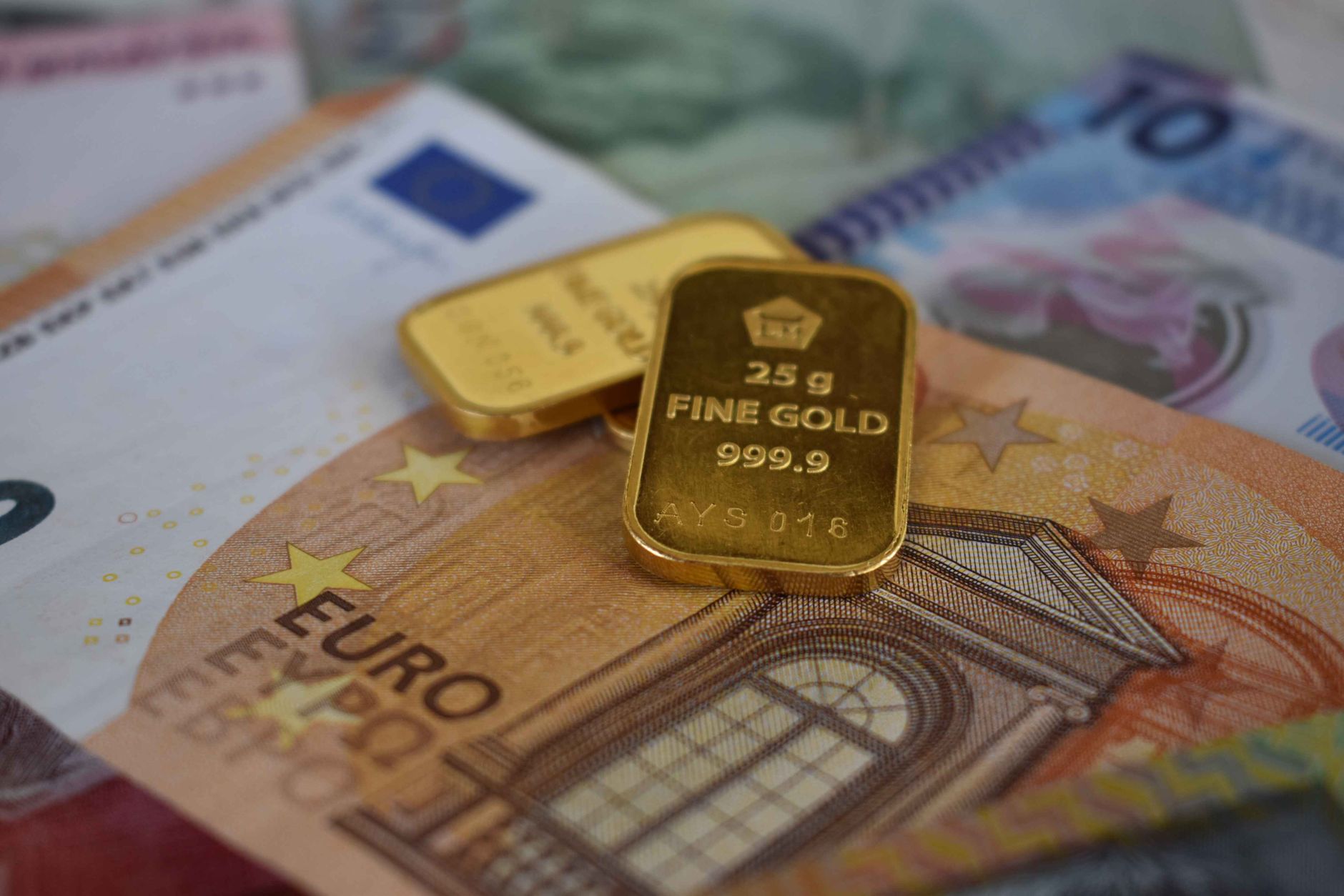
Dutch Central Bank Transfers 86 Tons of Gold to UK for Preparedness
The Dutch central bank (DNB) has moved approximately 86 tons of gold from the U.S. and Canada to the U.K., enhancing its crisis preparedness amid geopolitical unrest. This transfer represents just over 25% of DNB's gold reserves located in New York and Ottawa. The gold is now stored with the Bank of England, which is recognized for its internationally tradable gold standards. Currently, gold is trading at $4,429.61 per ounce, reflecting a nearly 25% increase over the past year, making it a significant asset for investors in uncertain times.
Read More: Dutch Central Bank Transfers 86 Tons of Gold to UK for Preparedness
Gold Sees 3-Week Low Amid Stronger Dollar and Fed Hike Bets
Gold prices have fallen to a 3-week low as the dollar strengthens and speculation about Federal Reserve interest rate hikes grows. This decline in gold has occurred amid rising bond yields, which can affect demand for non-yielding assets like gold. Investors are concerned that the Fed's stance on interest rates may tighten, affecting gold investment. The trend could signal potential further declines in gold prices, impacting those who traditionally invest in this precious metal.
Read More: Gold Sees 3-Week Low Amid Stronger Dollar and Fed Hike BetsGold Price Declines Amid Renewed Middle East Military Strikes
Gold prices have slipped as military strikes in the Middle East have resumed. This shift may affect market sentiment, particularly among investors looking for safe-haven assets like gold. The exact price change or trading volume is not specified in the article, but the context suggests heightened geopolitical tensions impacting gold prices. For ordinary investors, monitoring gold trends is essential as they can indicate shifts in risk appetite and market stability.
Read More: Gold Price Declines Amid Renewed Middle East Military Strikes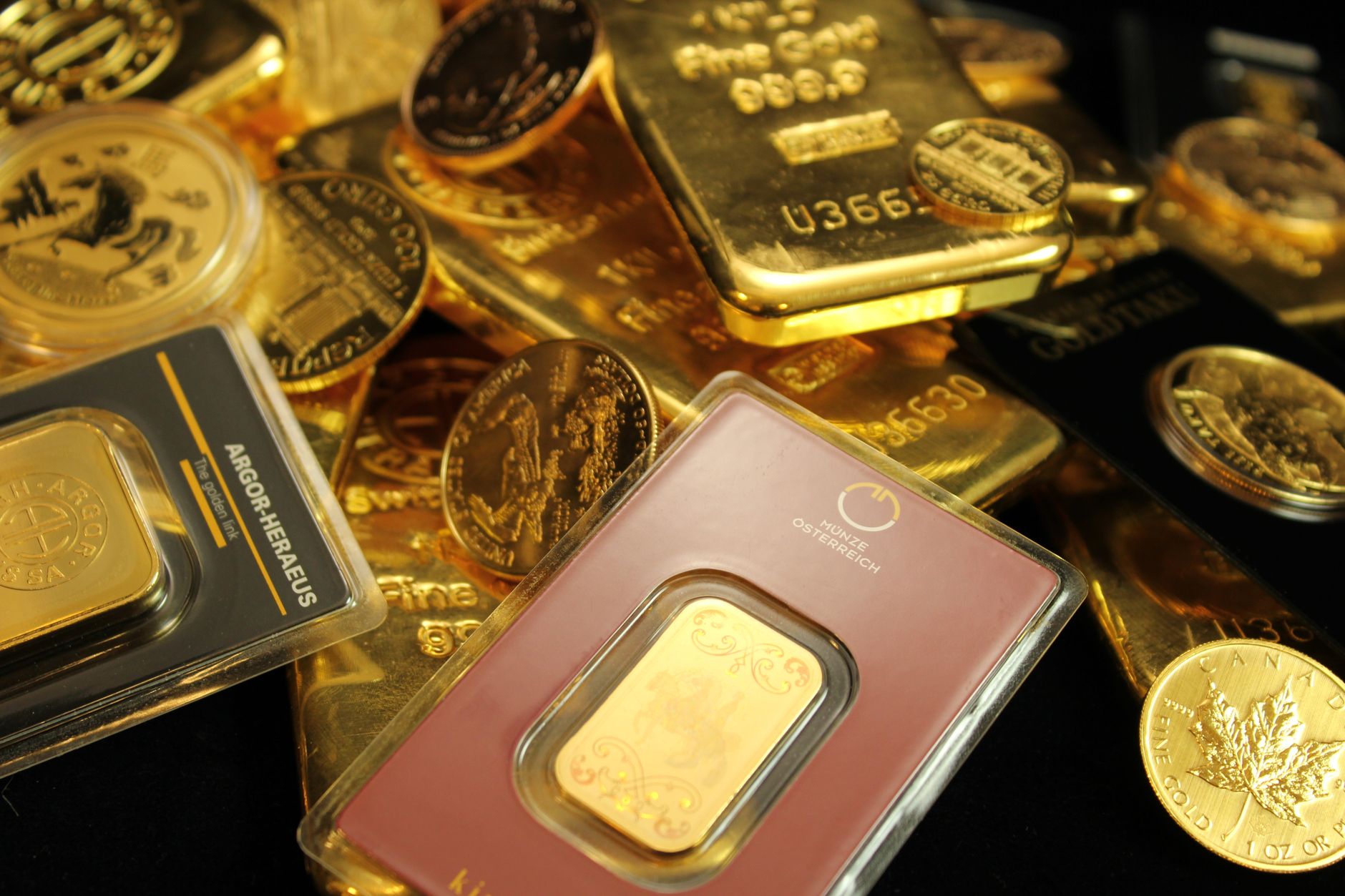
Gold Price Decline as Fed Rate-Hike Bets Increase
Gold prices are experiencing a decline amid rising speculation about future Federal Reserve rate hikes influenced by tensions in the Middle East. Investors are adjusting their bets on monetary policy, and increased volatility has been noted in the markets. As global situations unfold, the demand for gold, often seen as a safe haven, could be affected, impacting its price. This matters for investors as fluctuations in gold prices may influence asset allocation strategies.
Read More: Gold Price Decline as Fed Rate-Hike Bets IncreaseCerrado Gold (TSX:CERT) Potential Growth Amid Gold Market Trends
Cerrado Gold (TSX:CERT) is examining its potential for growth in response to the current strength in gold prices. The company has focused efforts on advancing its projects, aligning with the recent uptick in gold market performance. As investors seek opportunities in the mining sector, Cerrado's strategy could attract attention. Understanding how gold price movements impact mining companies like Cerrado is crucial for investors looking to capitalize on commodity trends.
Read More: Cerrado Gold (TSX:CERT) Potential Growth Amid Gold Market TrendsGold Prices Steady at $4,445/oz After Fed Hike Speculation
Gold prices steadied at $4,445 per ounce following a selloff sparked by Stephen Warsh's comments on potential Federal Reserve rate hikes. This comes after a drop of $70 in gold prices linked to expectations of 2% inflation for personal consumption expenditures (PCE) set to be discussed at Jackson Hole. Traders are now focusing on upcoming payroll data, as Wall Street remains hopeful about gold despite recent declines. Understanding these fluctuations is crucial for ordinary investors, particularly those interested in commodity prices and potential shifts in Federal Reserve policy.
Read More: Gold Prices Steady at $4,445/oz After Fed Hike SpeculationGold Price Stabilizes Following Fed Rate-Hike Speculation
Gold prices have stabilized after a decline, as market speculation surrounding Federal Reserve interest rate hikes increases. This shift follows comments from former Fed governor Kevin Warsh, suggesting the need for tighter monetary policy. The betting odds for a possible rate hike have notably shifted, indicating heightened market sensitivity to Federal Reserve actions. For investors, understanding these dynamics around gold prices and interest rates is critical for making informed investment decisions.
Read More: Gold Price Stabilizes Following Fed Rate-Hike SpeculationGold (GC=F) Price Steady at $4,650.90 Amid Fed Chair Speech
Gold (GC=F) December futures opened at $4,656 per troy ounce, down 0.2% from Thursday's closing price. The current price is $4,650.90 as of 7:43 a.m. ET. Gold has shown a weekly increase of 2.1%, a monthly gain of 15.7%, and a yearly rise of 36.6%. Markets are anticipating key insights from new Fed Chair Kevin Warsh's upcoming speech, which could influence interest rate expectations. Investors should note that gold prices might grow if rates remain steady, as gold does not yield interest.
Read More: Gold (GC=F) Price Steady at $4,650.90 Amid Fed Chair SpeechGold Prices Dip Ahead of Jackson Hole Speech; Weekly Decline Expected
Gold is set for a weekly decline as prices dip ahead of Michael Warsh’s speech at Jackson Hole. The specific price movements and trader sentiment were not provided, but the decline indicates broader market trends leading into the event. Investors often react to commentary from influential figures like Warsh, and fluctuations in gold prices reflect shifts in market expectations. This situation is significant for investors monitoring commodity prices and market reactions to economic discussions.
Read More: Gold Prices Dip Ahead of Jackson Hole Speech; Weekly Decline Expected
Gold (XAU) Surpasses $4,600 as Investors Consider Fed Rate Path
Gold prices have risen back above $4,600, reflecting investor sentiment regarding the Federal Reserve's (Fed) rate decisions. The movement in gold markets indicates a reaction to expectations for future interest rate paths set by the Fed. As interest rates influence the demand for non-yielding assets like gold, changes in rates can directly impact gold prices. This trend may be significant for investors looking for safe-haven assets during periods of economic uncertainty.
Read More: Gold (XAU) Surpasses $4,600 as Investors Consider Fed Rate Path
Gold Prices Decline as PCE Inflation Increases
Gold prices have decreased as personal consumption expenditures (PCE) inflation shows an upward trend. The persisting rise in inflation impacts investor sentiment and may lead to adjustments in interest rates by the Federal Reserve. Investors traditionally use gold as a hedge against inflation, so changes in inflation can influence its demand. Monitoring PCE inflation is crucial for ordinary investors, as it affects market dynamics and investment strategies.
Read More: Gold Prices Decline as PCE Inflation Increases
West Red Lake Gold (WRLG) Q2 2026 EPS Beats Estimates
West Red Lake Gold reported better-than-expected earnings per share (EPS) for Q2 2026, indicating a positive performance in their financial results. The specific EPS figure for this period was not disclosed in the report. Following the earnings announcement, shares of West Red Lake Gold experienced an upward movement, reflecting investor confidence in the company’s operational performance. This development is noteworthy as it may attract more investors looking for opportunities in the gold mining sector. Investors should be attentive to West Red Lake Gold (WRLG) as this reflects potential growth in their market valuation.
Read More: West Red Lake Gold (WRLG) Q2 2026 EPS Beats EstimatesGold Price Surges to $4,600, Driven by Central Bank Demand
Gold prices have increased to over $4,600 per ounce, the highest since May 2026. Central banks have purchased approximately 1,000 metric tons of gold annually over the past four years, double the prior decade's average. A survey indicates that over 80% of central banks expect their gold reserves to increase in the next five years, while 74% anticipate a lower level of U.S. dollar reserves. This surge raises questions about future demand for gold as investors look for safe haven assets amid ongoing government deficits. Understanding these trends may help investors make informed decisions regarding gold investment.
Read More: Gold Price Surges to $4,600, Driven by Central Bank Demand
Gold Jumps 7% to $4,730; Bitcoin Rises 24% to $80,000
Gold prices increased by nearly 7% to around $4,730, and Bitcoin surged 24% to nearly $80,000 following Treasury Secretary Scott Bessent's announcement to double buybacks to $4 billion. This policy move indicates an effort to stabilize rising yields in the bond market. Additionally, the Treasury General Account (TGA) is expected to be tapped, with estimates around $950 billion. These developments may urge investors to consider scarce assets like gold and Bitcoin as alternatives to traditional Treasury holdings, reflecting a shift in market dynamics.
Read More: Gold Jumps 7% to $4,730; Bitcoin Rises 24% to $80,000