Hurricane News & Analysis
10 articles
Market Mood

Hurricane Isaias Weakens to Category 1 After Florida Landfall
Hurricane Isaias has decreased in intensity to a Category 1 storm after making landfall in Florida as a Category 2, according to the US National Hurricane Center. As of Friday, Isaias had maximum sustained winds of 90 mph (150 kph) and was positioned 65 miles west-northwest of Panama City, Florida. The hurricane initially hit near Destin before moving across the Florida Panhandle. Isaias is the first hurricane of the 2026 Atlantic season. It is projected to further weaken but will continue to cause gusty winds inland through Saturday as it transitions to a post-tropical state. The US National Hurricane Center has issued warnings of potential storm surges, urban, river, and flash flooding in the region, impacting areas of southern Alabama, the Florida Panhandle, and southwest Georgia. Emergency management services in Alabama have reported downed trees and power lines, especially affecting Houston County, which is under a flash flood warning. Closed roads and significant power outages have been reported, with over 412,000 people in Florida and nearly 243,000 people in Alabama experiencing power loss. Emergency declarations have been made in both Florida and Alabama to ensure necessary federal resources are allocated for response efforts. The storm is expected to move across Alabama into the Tennessee Valley over the weekend.
Read More: Hurricane Isaias Weakens to Category 1 After Florida Landfall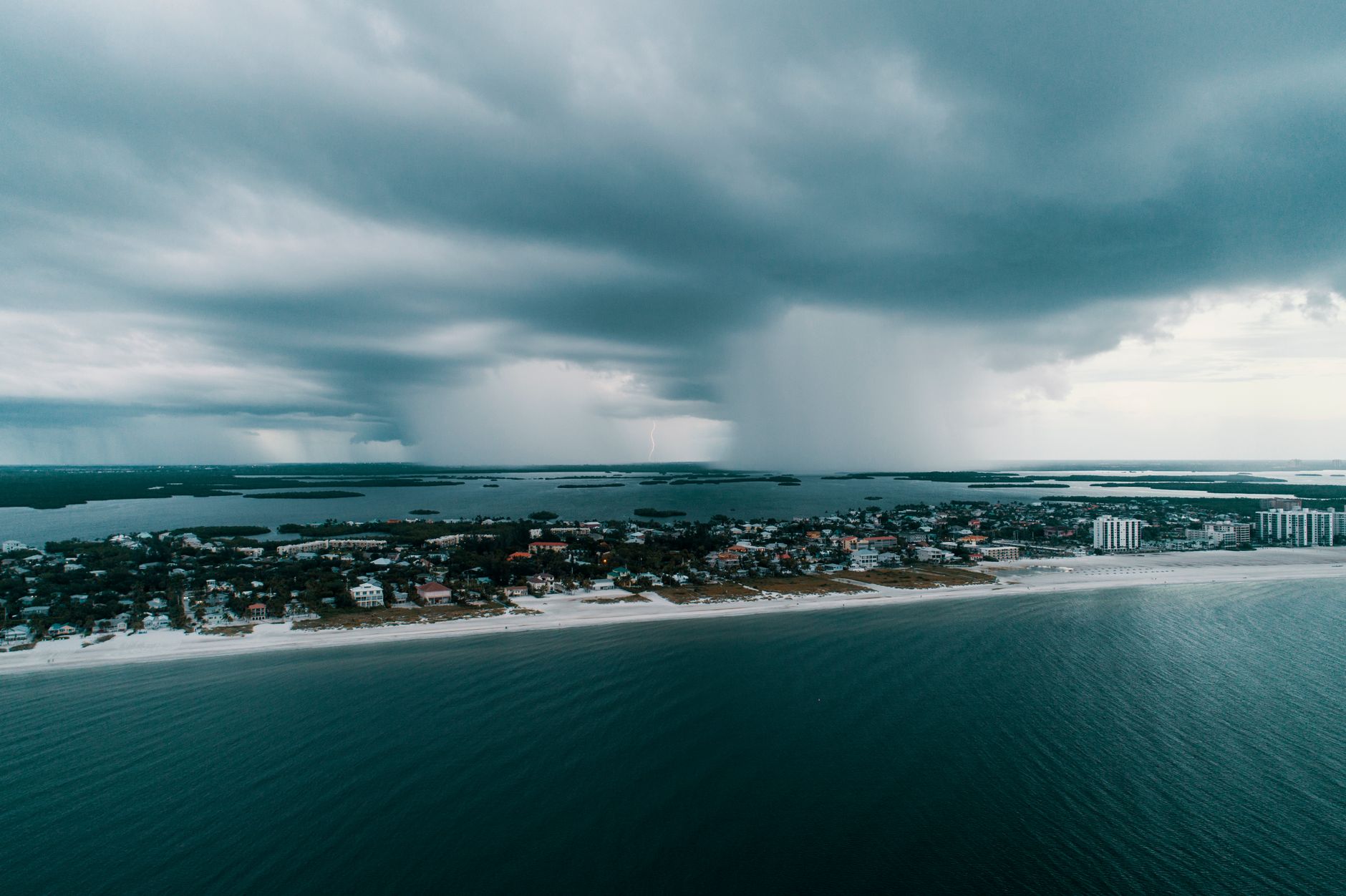
Hurricane Isaias Strengthens, US Gulf Coast Prepares
Hurricane Isaias has intensified as it approaches the US Gulf Coast, raising concerns about potential disruptions in the region. Authorities in affected areas are preparing for landfall, emphasizing the importance of safety measures and evacuation plans. The storm's trajectory and intensity have led to heightened vigilance among residents and local governments, as they brace for possible impact. The strengthening hurricane could lead to disruptions in several sectors, notably impacting both local economies and larger supply chains that rely on the Gulf Coast's transportation and energy infrastructure. The Gulf Coast is a critical region for energy production and refining, which may see operations temporarily halted due to severe weather conditions. Preparing for potential damages and ensuring safety protocols are vital priorities for those in the hurricane's path. For ordinary investors, the potential impact of Hurricane Isaias on energy prices and supply chains could lead to short-term volatility in related markets. This event underscores the importance of considering environmental risks when evaluating investment opportunities in exposed industries.
Read More: Hurricane Isaias Strengthens, US Gulf Coast Prepares
Oil Prices Climb 4% Amid Middle East Tensions, Hurricane Impact
Oil prices increased by 4% as concerns over Middle East tensions resurfaced. Additionally, the impact of Hurricane Isaias has disrupted oil supply in affected regions. These factors have contributed to the rising oil prices as traders adjust to potential supply shortages and geopolitical risks.
Read More: Oil Prices Climb 4% Amid Middle East Tensions, Hurricane Impact
Hurricane Nolo Reaches Category 3 in Pacific Ocean
Hurricane Nolo has been upgraded to a Category 3 hurricane as it continues its path in the remote Pacific Ocean. This development is based on current measurements indicating increased wind speeds and storm intensities associated with this category level. The classification as a Category 3 indicates sustained winds of 111 to 129 mph, which can cause significant damage and large-scale impacts on affected regions, although no specific areas have been directly named yet. For the wider public and investors, understanding the progression of hurricanes like Nolo helps in assessing potential impacts on shipping routes, global weather patterns, and insurance claims.
Read More: Hurricane Nolo Reaches Category 3 in Pacific Ocean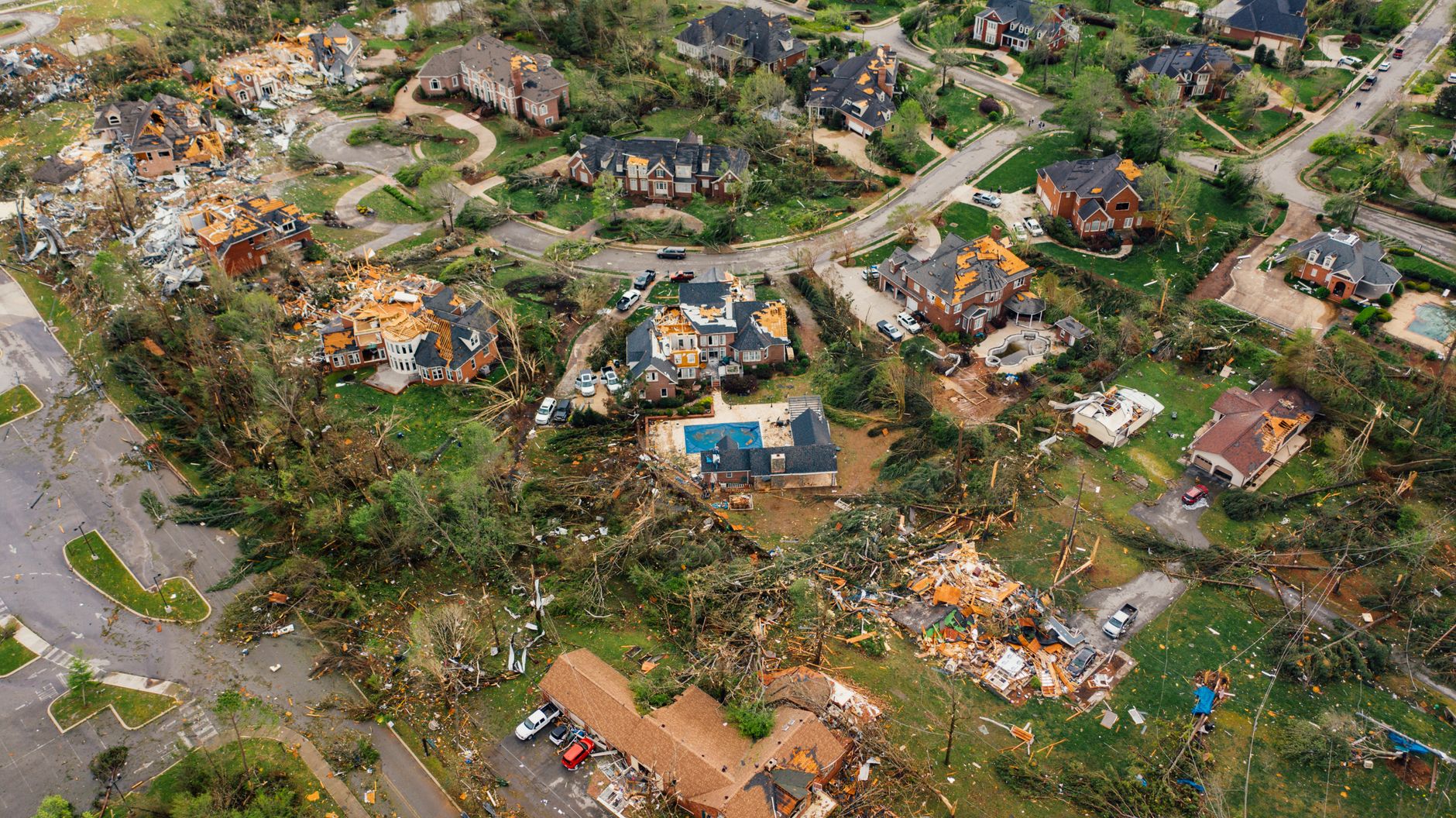
Hurricane Rachel Strengthens to Category 3 Storm Near Mexico
Hurricane Rachel has intensified into a Category 3 storm off the Pacific coast of Mexico. This escalation has implications for coastal areas, particularly regarding potential damage and evacuation measures. While the article does not provide specific figures for economic impact or property damage, Category 3 hurricanes can cause significant disruption. Ordinary investors should be aware that such weather events can impact sectors like insurance and infrastructure, potentially affecting stock performance in related industries.
Read More: Hurricane Rachel Strengthens to Category 3 Storm Near Mexico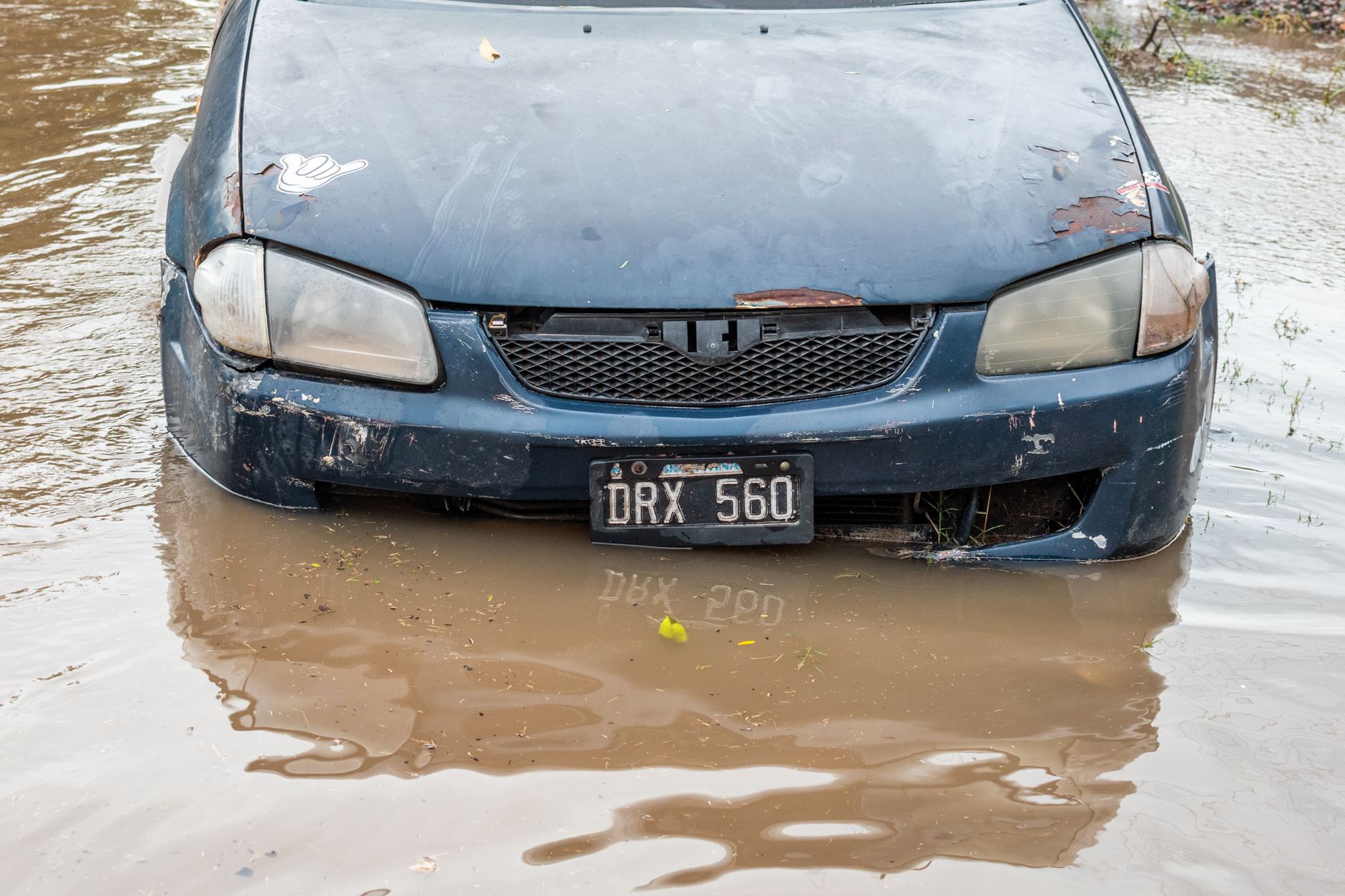
Hurricane Nolo Expected Winds 105 mph; Flash Flooding in Hawaii
Hurricane Nolo is approaching Hawaii with maximum sustained winds of 105 mph (165 kph). The storm center is approximately 145 miles (235 kilometers) south of Hawaii's southernmost point. Rainfall totals up to 20 inches (51 centimeters) are anticipated on the Big Island, raising concerns of flooding and mudslides. An emergency declaration has been approved by President Donald Trump to provide federal assistance for emergency measures. This matters for ordinary residents in Hawaii as they are advised to assemble emergency kits and consider seeking refuge in shelters as Nolo approaches.
Read More: Hurricane Nolo Expected Winds 105 mph; Flash Flooding in Hawaii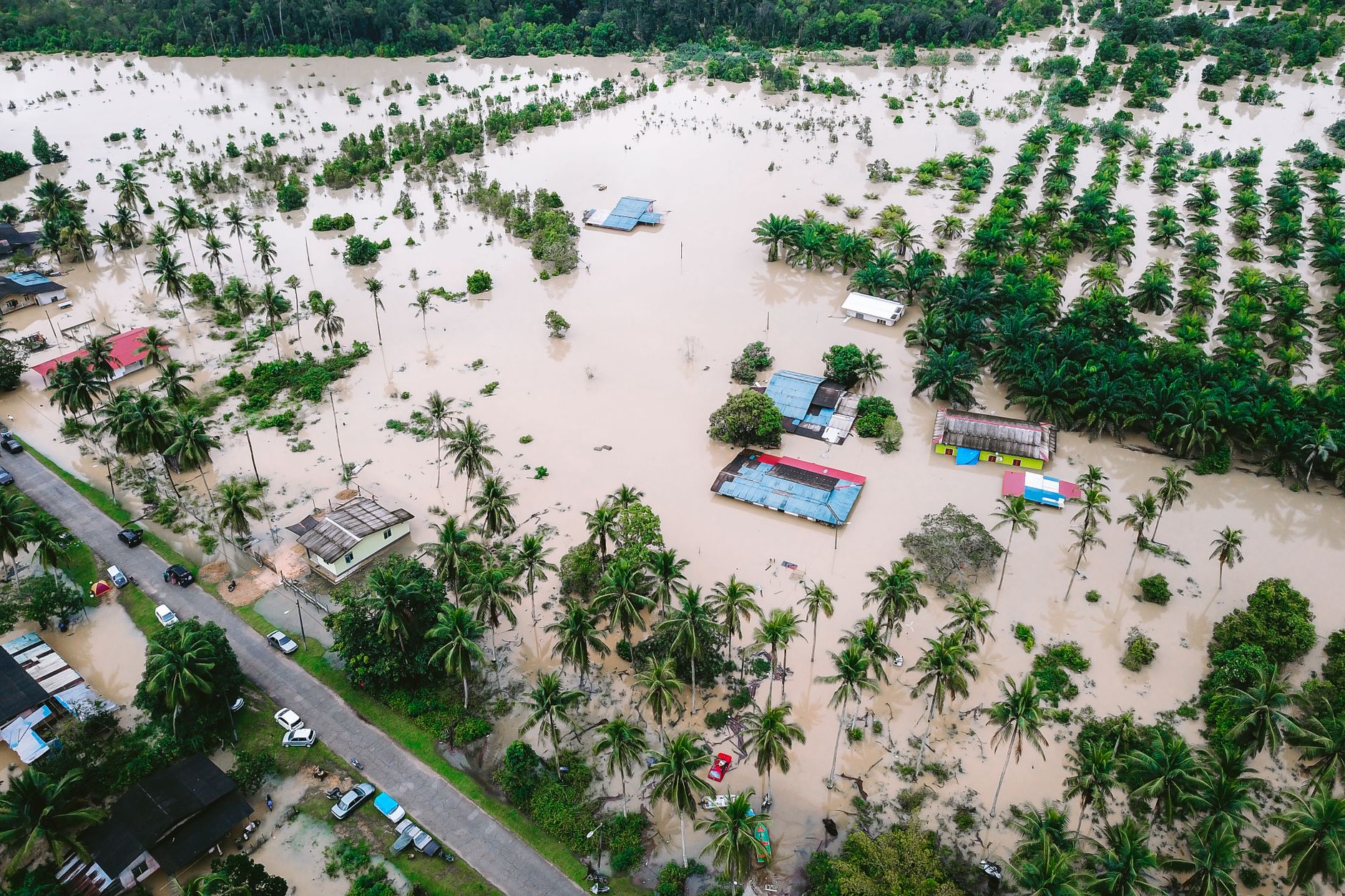
Hurricane Nolo to Bring Strong Winds and Flooding to Hawaii
Hurricane Nolo is forecasted to affect Hawaii with powerful winds and flash flooding. The hurricane will unleash strong effects on the region, impacting both infrastructure and residents. While specific numbers related to wind speed or rainfall have not been provided, the situation poses significant risks to safety and property. Investors in companies tied to reconstruction or emergency services may see changes in demand for their services following the storm's impact.
Read More: Hurricane Nolo to Bring Strong Winds and Flooding to Hawaii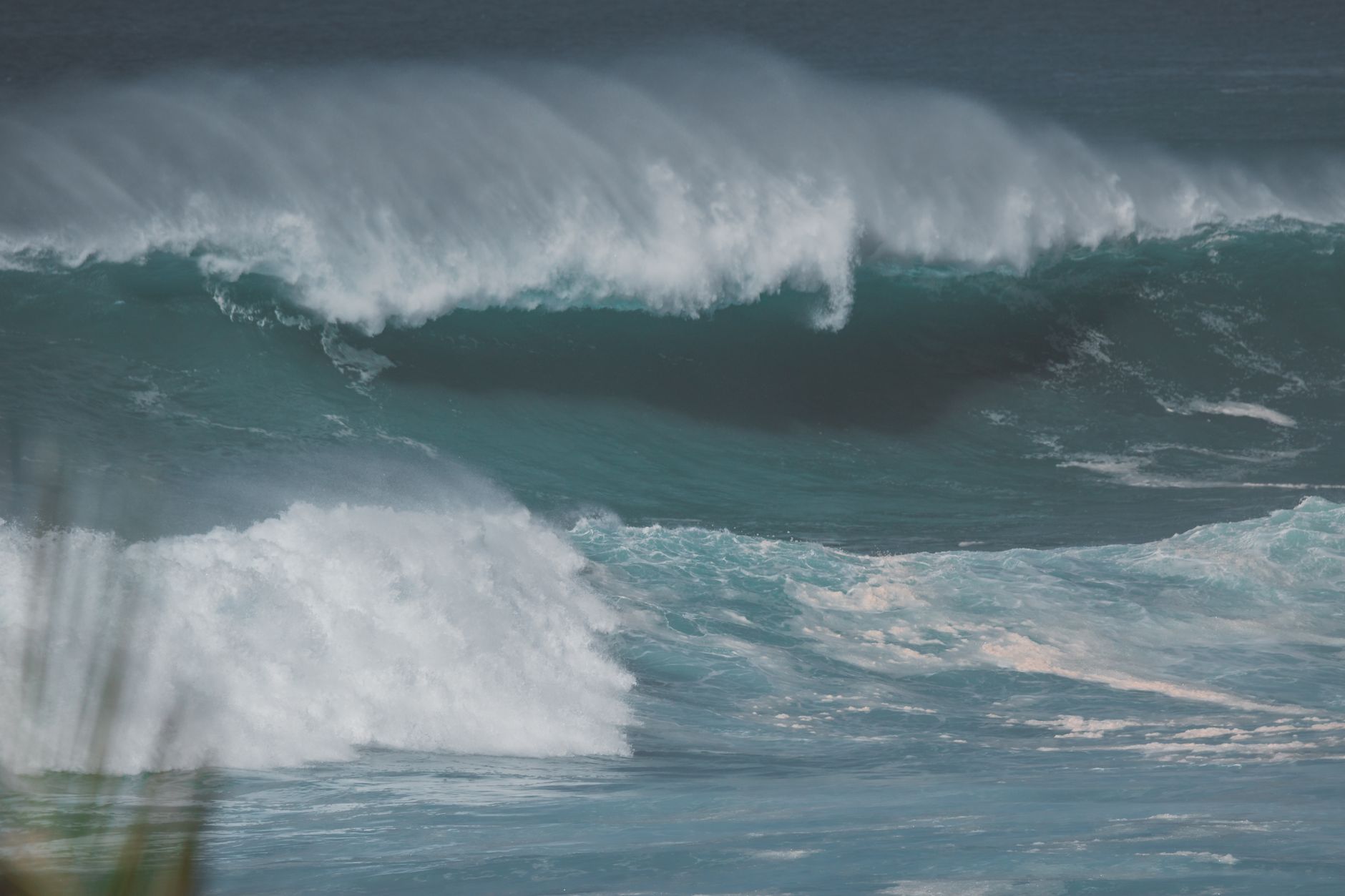
Hurricane Lala Leaves 42,889 Without Power in Hawaii
Hurricane Lala strengthened into a Category 1 storm on August 15, 2026, with maximum sustained winds of 75 mph (120 km/h). More than 42,000 utility customers lost power in Hawaii, with 31,792 outages on the Big Island and 7,203 in Maui County as of 2:14 p.m. HST. Forecasters warned of possible rain accumulations of 10 to 20 inches on the Big Island, leading to life-threatening flooding and mudslides in steep areas. The impact of Hurricane Lala highlights the vulnerability of utility infrastructure during severe weather, which could affect restoration efforts for local residents.
Read More: Hurricane Lala Leaves 42,889 Without Power in Hawaii
Tropical Storm Lala Approaches Hawaii with Hurricane Warnings Issued
Tropical Storm Lala is forecasted to strike Hawaii's Big Island with hurricane force on Saturday, as a state of emergency has been declared by Governor Josh Green. The National Hurricane Center issued a hurricane warning due to potentially destructive winds and rainfall, with higher elevations expecting up to 25 inches (63.5 centimeters) of rain. Tropical storm-force winds extend outward up to 220 miles (350 km), impacting Oahu and Kauai by Sunday morning. This storm's approach could lead to life-threatening flooding and mudslides, emphasizing the need for residents in vulnerable areas to seek shelter.
Read More: Tropical Storm Lala Approaches Hawaii with Hurricane Warnings Issued
Florida Home Insurance Costs Up 18%: One Man's Story
A Florida man paid off his home two months before Hurricane Milton caused severe roof damage, leaving him without insurance costs to cover repairs. Florida's home insurance rates increased by 18% in 2025 compared to 2024, with an average cost of $8,292, the highest in the U.S. Nationally, the 2025 average is $2,948. About one in five homes in Florida are uninsured, despite a high risk of climate-related disasters, marking a significant financial risk for homeowners. This highlights the importance for investors in real estate to consider the increasing cost of home insurance.
Read More: Florida Home Insurance Costs Up 18%: One Man's Story