Germany News & Analysis
50 articles
Market Mood

German Protests by Gen Z Lead to Violence in Berlin and Frankfurt
Protests involving young demonstrators in Germany have escalated into violent clashes with police in Berlin. Additionally, shops were looted in Frankfurt. These events reflect unrest similar to the French riots that occurred last month. The demonstrations, primarily involving Generation Z participants, have resulted in confrontations with law enforcement authorities. Specific figures, such as the number of participants, the extent of damage, or arrests, were not reported in the article. The incidents occurred in major German cities including the capital Berlin and Frankfurt. This unrest signifies ongoing social tensions among youth in Germany, mirroring patterns seen recently in France. However, due to lack of concrete data, the broader economic or market implications remain unclear. Ordinary investors are unlikely to see direct impacts from these events as no financial or company-related data was provided.
Read More: German Protests by Gen Z Lead to Violence in Berlin and Frankfurt
German Protests Over Cost of Living See Looting, 18,000 Demonstrators
Rioters looted shops in central Frankfurt late on Saturday during protests over the cost of living. Clashes with police also occurred in Berlin, Cologne, and Hamburg. Police used water cannons to disperse protesters who targeted emergency workers with fireworks, stones, and bottles. Authorities reported up to 18,000 protesters in Frankfurt, Munich, and Berlin, about half the number anticipated by organisers. The demonstrations were organised by the group Gen Z regelt, which focuses on issues including underfunding in schools, the high cost of living, public spending cuts, and opposition to compulsory military service. The protests included calls for better support for health and education systems and a fairer distribution of economic burdens. The unrest in Germany follows similar youth-led mass protests in France on the same day involving over 320,000 people. The violence and looting resulted in police making many arrests, and a large shopping street in Frankfurt was closed off for security.
Read More: German Protests Over Cost of Living See Looting, 18,000 Demonstrators
German Economy Grows More Than Expected in Q3 Driven by State Spending
Germany's economy expanded faster than anticipated in the third quarter of the year. The growth was primarily supported by increased government expenditure. This unexpected rise points to a stronger economic performance than previously forecasted for the quarter. Official data indicate that state spending played a significant role in boosting economic activity during this period. The details of the growth rate or exact figures were not provided but the emphasis on public spending underscores the government's influence on the economy. This development matters to investors as it suggests resilience in Germany's economy. The boost from state spending could affect fiscal policy expectations and impact related financial markets. Investors should note the role of government spending as a key factor in this recent economic growth.
Read More: German Economy Grows More Than Expected in Q3 Driven by State Spending
Eagle's Nest Retreat in Germany Burned Nearly Completely in Fire
The Eagle's Nest retreat, known as Kehlsteinhaus in Bavaria, Germany, was almost completely destroyed by a fire that started around 9:15 p.m. on October 23, 2026. Firefighters had difficulty reaching the cliff-top site at 1,834 meters elevation due to its remote location. The blaze was still being extinguished the following morning. Authorities detained a suspect shortly after the fire began, but it was not confirmed if the individual was involved. The building was unoccupied during the fire, and no injuries were reported. The site has operated as a cafe and restaurant with a historical exhibition since 1952. The road used by visitor buses to reach the elevator access to the retreat is closed to private traffic. The local tourism authority said it was unclear whether any parts of the building could be salvaged. This fire impacts the preservation of a historic site visited by the public. The damage may affect tourism revenue connected to the site and requires further investigation on remediation and restoration costs. The detention of a suspect indicates a possible investigation into the cause of the fire, which remains officially undetermined. For investors, this event highlights the risks to heritage tourism assets from fire and access challenges, which could influence future operational or insurance costs tied to such remote, historic locations.
Read More: Eagle's Nest Retreat in Germany Burned Nearly Completely in Fire
Nvidia (NVDA) Announces $10B Investment in German AI Startups
Nvidia (NVDA) revealed plans to invest nearly $10 billion in European companies, universities, and research institutions focused on artificial intelligence. This includes backing four German startups: Agile Robots, Avelios Medical, Mirelo, and Reflex Aerospace. Each startup specializes in AI-powered solutions across manufacturing, healthcare, audio generation, and satellite design. The announcement was made during the Invest in Germany Summit in Berlin, where German Chancellor Friedrich Merz emphasized AI's strategic role in strengthening Germany's industrial sectors including manufacturing, machinery, and automotive. Merz encouraged small- and medium-sized enterprises to leverage their existing data through AI. Nvidia CEO Jensen Huang highlighted that AI would augment Germany's industrial capabilities rather than replace them. Nvidia also expanded its partnership with the German federal government via the Industry 4.0 Platform to accelerate industrial AI adoption. The government signed a joint declaration of intent with Nvidia to advance AI models for industrial use. Siemens unveiled new AI solutions developed with Nvidia at its Erlangen factory, aimed at reducing engineering tasks in production preparation. This $10 billion investment underscores Nvidia's commitment to industrial AI in Europe, potentially accelerating the integration of AI technologies in key German industries. For investors, this signals increased corporate focus and government support for AI expansion, which may drive future growth and revenues for Nvidia.
Read More: Nvidia (NVDA) Announces $10B Investment in German AI Startups
German Minister Proposes Debt Brake Exemption for Ukraine Aid
German Finance Minister Christian Lindner is seeking an exemption from the country's 'debt brake' rule to continue financial support for Ukraine. This rule, enshrined in Germany's constitution, limits new borrowing to 0.35% of GDP. Lindner argues that continued assistance to Ukraine is crucial and that exceptional circumstances justify overriding the debt constraint. The proposal comes as Germany explores ways to meet its international commitments while adhering to fiscal rules. No decision has been made yet, but the suggestion could shape Germany’s budgetary policy and impact its financial standing in the EU. Investors watching German fiscal policy will be interested in how this proposal could affect Germany's borrowing ability and fiscal priorities.
Read More: German Minister Proposes Debt Brake Exemption for Ukraine Aid
Nuremberg Airport Shuts Briefly, Jets Escort Flight with Radio Issue
Germany temporarily closed Nuremberg airport due to a flight experiencing radio communication problems. In response, jets were scrambled to escort the flight as a precautionary measure. The event highlights the actions taken by authorities to manage potential aviation risks when communication issues occur during flights. While the incident caused minimal disruption, it underscores the importance of safety protocols in aviation management.
Read More: Nuremberg Airport Shuts Briefly, Jets Escort Flight with Radio Issue
Deutsche Bank CEO Cautions About Extremist Political Gains
Deutsche Bank CEO Christian Sewing has expressed concerns about the influence of extremist political parties on Germany's investment climate. He emphasized that political stability is crucial for maintaining investor confidence and attracting foreign investments. Sewing's comments come amid rising political polarization in Germany, potentially affecting the country's economic environment and investment landscape. His statement underscores the need for a stable political environment to ensure continued economic growth and attractiveness to investors. This matters to investors as political shifts could influence economic policies impacting business conditions.
Read More: Deutsche Bank CEO Cautions About Extremist Political Gains
Germany's Ex-Spymaster Accused of Illegal Purchases
August Hanning, a former German spymaster, faces accusations of illegally purchasing state secrets for more than ten years. The allegations suggest that Hanning, in his capacity as a high-ranking official, may have been involved in unauthorized activities that compromised sensitive information. The scope of these purchases and the potential impact on national security remain central to the investigation. The implications of these allegations could lead to significant legal challenges for Hanning and might affect Germany's approach to handling intelligence matters in the future. The case highlights the vulnerabilities within intelligence operations and the importance of maintaining strict oversight. For investors, this situation underscores the risks associated with geopolitical and governmental issues that can have broad market impacts. Understanding the ramifications on international relations and security protocols will be crucial for assessing future developments.
Read More: Germany's Ex-Spymaster Accused of Illegal Purchases
Germany Doubles 2026 Growth Outlook Amid Manufacturing Recovery
Germany has doubled its economic growth outlook for 2026, driven by a strong rebound in the manufacturing sector. This revision suggests a more optimistic view of the country's long-term economic growth potential. The announcement highlights the resilience and recovery of the manufacturing industry, which has contributed significantly to this positive adjustment in growth expectations. The renewed growth forecast indicates that the German economy is on a recovery path. This change in growth outlook reflects an upward revision in Germany's economic projections, emphasizing the recovery in manufacturing activities. The sector's positive performance underlines the broader economic improvements that can bolster investor confidence in Germany’s future economic prospects. For investors, this upward revision in Germany’s growth outlook is significant as it may lead to increased investment opportunities within the country. Such increased confidence might also have a broader positive impact on the European economy.
Read More: Germany Doubles 2026 Growth Outlook Amid Manufacturing Recovery
German Machinery Orders Fall 5% in August Amid Weak Demand
German machinery orders dropped by 5% in August due to softened domestic and foreign demand. The decline reflects ongoing challenges in the machinery sector, which has been facing reduced demand both within Germany and abroad. According to the article, orders from abroad decreased more sharply than domestic orders, highlighting the impact of global market conditions on Germany's manufacturing industry. This contraction follows a series of fluctuating order levels in previous months, indicating instability in the sector's recovery process post-pandemic. The fall in orders comes amid economic uncertainties and ongoing supply chain disruptions affecting global manufacturing operations. Germany, known for its strong manufacturing sector, particularly in machinery, sees this as a significant indicator of health for its broader economy. Such a decline could have ripple effects, impacting employment and growth in related industries. For ordinary investors, this matters because machinery exports are a key component of Germany's economic output. A sustained decrease in machinery orders could signal broader economic challenges and affect companies reliant on this sector.
Read More: German Machinery Orders Fall 5% in August Amid Weak Demand
Germany's Merz Visits Kyiv Amid Sirens and Explosions
Friedrich Merz, a German politician, visited Kyiv amid ongoing conflict. During Merz's visit, sirens and explosions were reported, highlighting the tense situation in the area. This visit underscores Germany's political engagement with Ukraine amidst the ongoing challenges. The presence of a senior German political figure in Kyiv could indicate potential shifts or affirmations in diplomatic support during the crisis. The heightened tensions during Merz's visit reflect ongoing challenges in Ukraine, affecting security perceptions in the region and potentially influencing international diplomatic strategies. Merz's presence in such conditions shows Germany’s continued focus on Ukraine's situation. For investors, such geopolitical developments can impact market stability, leading to potential shifts in investment sentiment regarding European markets and industries connected to geopolitical risks.
Read More: Germany's Merz Visits Kyiv Amid Sirens and Explosions
Germany's Merz Visits Kyiv with €1.35bn Aid Package Focus
Germany's Merz has arrived in Kyiv, bringing with him an aid package valued at €1.35 billion. The aid package aims to support various sectors, including infrastructure and energy, amid the ongoing conflict in Ukraine. A significant part of the discussions will focus on a drone deal, highlighting military and technological collaboration between the two nations. This visit underscores Germany's continued commitment to supporting Ukraine during the ongoing crisis. For investors, the aid package may influence economic stability in the region and could also impact industries related to defense and technology.
Read More: Germany's Merz Visits Kyiv with €1.35bn Aid Package Focus
US Diesel Stocks Release Request to France and Germany
The US has reportedly urged France and Germany to release their diesel stocks. The action is a response to rising fuel prices and potential supply shortages. If these countries do not comply, they may face an export ban from the US. This situation is significant as it could influence fuel availability and pricing in the European market, affecting consumers and businesses alike. Bear in mind that supply disruptions can lead to higher fuel costs amid inflationary pressures.
Read More: US Diesel Stocks Release Request to France and Germany
UBS Analyzes Political Scenarios in Germany Amid Risks
UBS has provided insights regarding potential political scenarios in Germany, noting the elevated risks that could affect the political landscape. Although specific numbers or predictions were not provided in the article, UBS emphasizes the importance of understanding these scenarios in the current environment. The focus on political stability is crucial for investors as uncertainties can impact market conditions and economic performance. Given the lack of concrete data points, this analysis serves to inform investors about potential developments that could influence their decisions regarding the German market.
Read More: UBS Analyzes Political Scenarios in Germany Amid Risks
CDU Faces Losses in Mecklenburg-Vorpommern Regional Elections
The Christian Democratic Union (CDU) led by Chancellor Merz is reported to have suffered significant losses in the regional elections in Mecklenburg-Vorpommern. The preliminary results indicate that the CDU has fallen short of parliamentary representation in the region. This political outcome may affect the party's stance and policymaking going forward. The impact of such losses could influence investor sentiment towards Germany as political stability plays a crucial role in economic performance.
Read More: CDU Faces Losses in Mecklenburg-Vorpommern Regional Elections
Germany IW Institute Triples 2026 Growth Forecast
Germany's IW institute has increased its growth forecast for 2026, now expecting a GDP growth of 1.6%, compared to an earlier forecast of 0.5%. This adjustment reflects optimism about economic recovery post-pandemic and the resilience of the German economy. The forecast revises expectations for various sectors, which could impact investment decisions and economic planning in the region. This matters for ordinary investors as an increased growth forecast may influence market conditions and corporate profitability in Germany.
Read More: Germany IW Institute Triples 2026 Growth Forecast
German Corporate Insolvencies Reach 13-Year High in 2023
In the first half of 2023, German corporate insolvencies reached a 13-year high, with around 10,490 companies filing for bankruptcy. This marks an increase of 27% compared to the same period in 2022. The growing number of insolvencies could reflect ongoing economic challenges in Europe and may lead to a tighter credit environment. For investors, rising insolvencies may indicate a potential slowdown in the German economy, affecting market sentiment and company valuations.
Read More: German Corporate Insolvencies Reach 13-Year High in 2023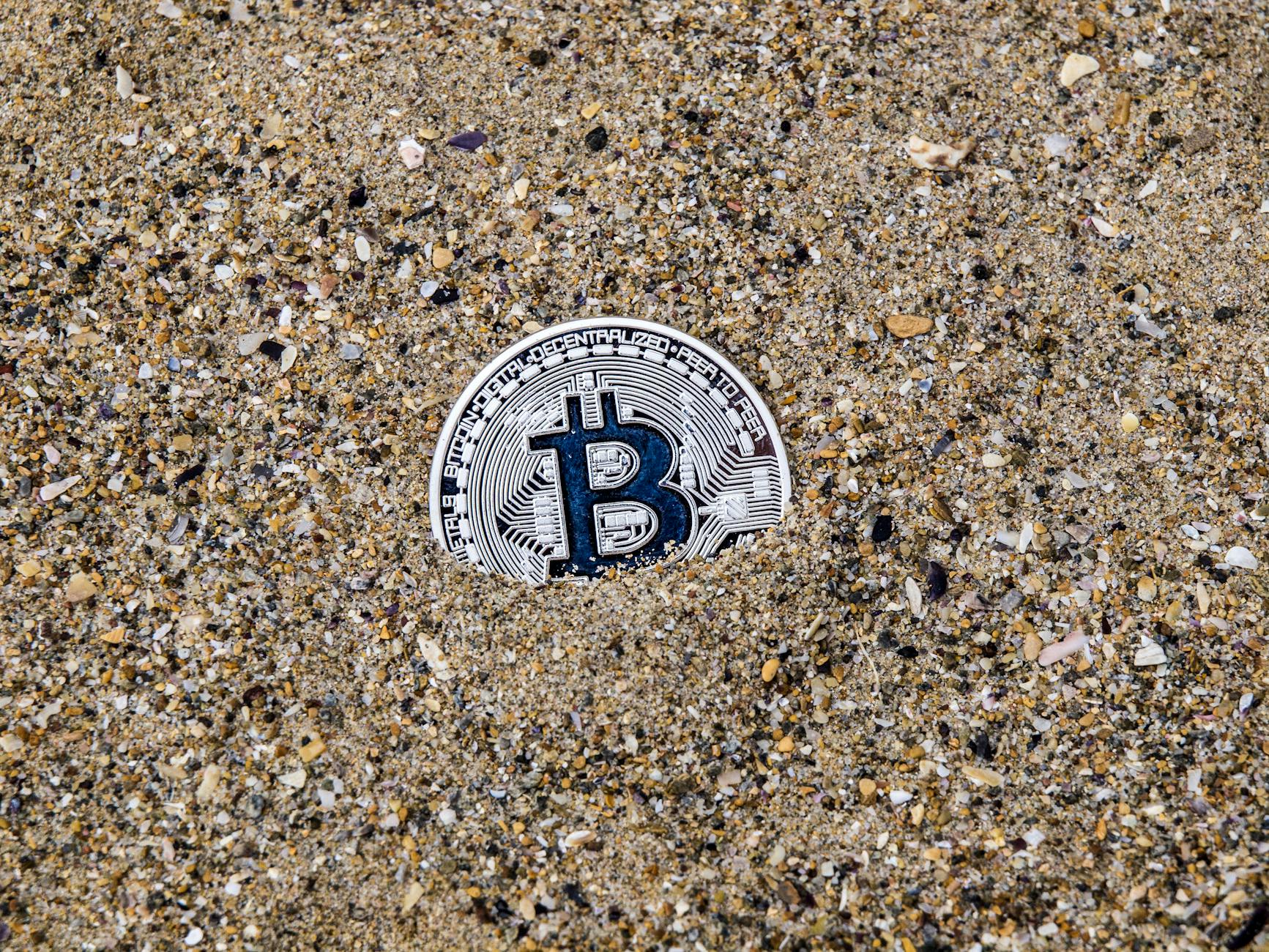
Germany's Bitcoin (BTC) Tax-Free Rule Ends December 31, 2026
Germany plans to end its tax-free Bitcoin (BTC) benefit for investors who purchase after December 31, 2026. Under a draft law, profits from crypto sales will be taxed at a flat rate of 25%, with an annual exemption of €1,000 ($1,163) for gains. This change could generate an expected €160 million ($186.2 million) in tax revenue by 2028, rising to €350 million ($407.35 million) by 2031. Investors holding crypto for 12 months will face taxation on gains for the first time, potentially impacting market behavior as investors rush to buy before the deadline.
Read More: Germany's Bitcoin (BTC) Tax-Free Rule Ends December 31, 2026
Volkswagen (VOW) Proposes Shutdown of Four German Plants by 2034
Volkswagen management plans to shut down four German plants by 2034 according to a report from WiWo. This decision is part of a broader strategy that could reshape the company's operations in the coming years. While specific details on job losses or financial impacts were not disclosed, such significant changes could affect Volkswagen's production capabilities and labor market dynamics in Germany. The proposed shutdown could also influence market perceptions of Volkswagen's long-term strategies and viability in the automotive sector.
Read More: Volkswagen (VOW) Proposes Shutdown of Four German Plants by 2034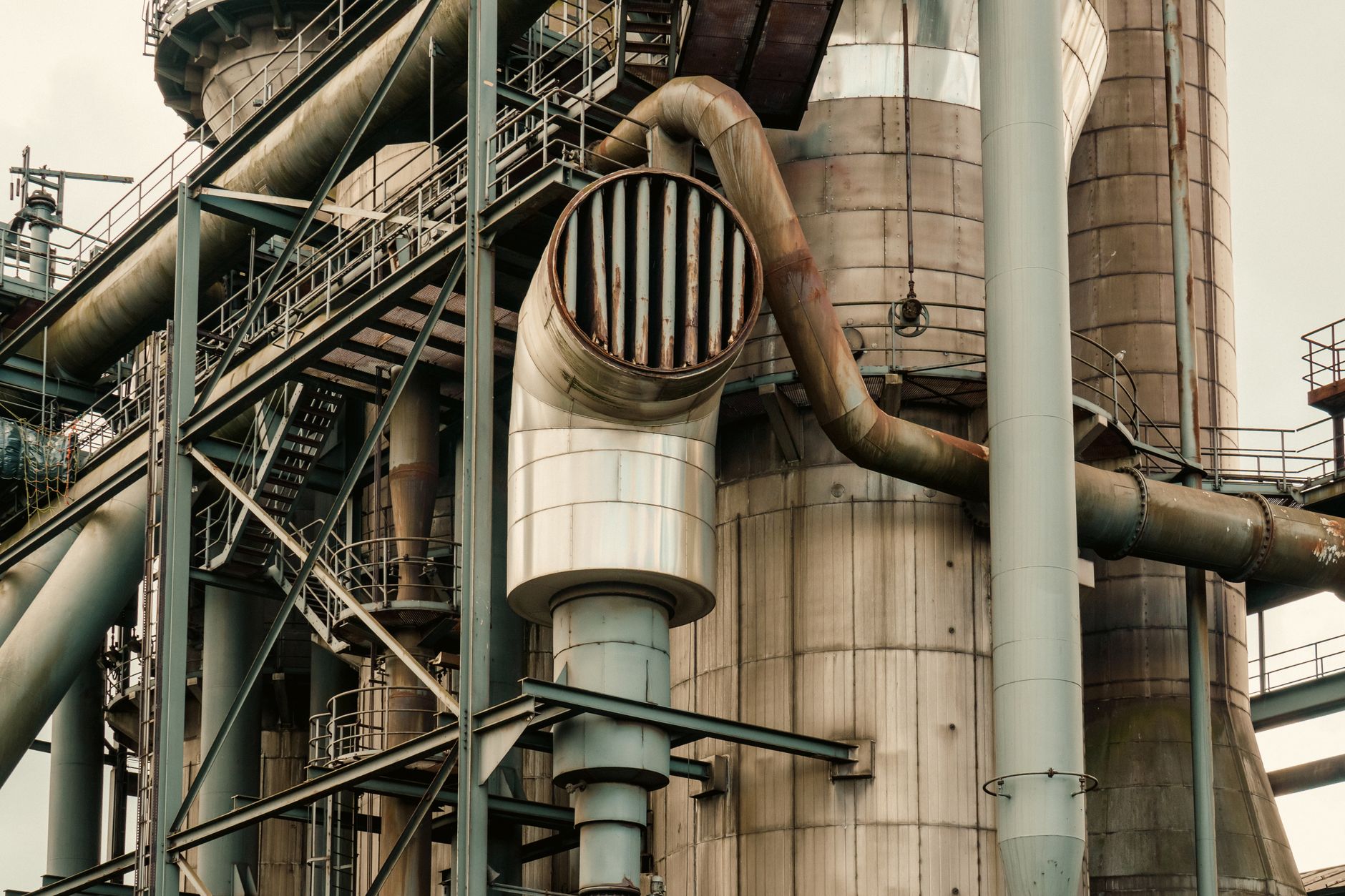
Germany’s Manufacturing PMI Shows Modest Growth in August
Germany's manufacturing sector experienced modest growth in August, as indicated by the Purchasing Managers' Index (PMI), which rose to 48.9. This represents an increase from 48.5 in July. Despite the increase, the PMI remains below the 50 mark, suggesting continued contraction in the sector. The data is significant as it reflects the ongoing challenges faced by manufacturers in Germany, impacting investor sentiment and market expectations in Europe. Investors should note these trends as they might influence German and broader European markets.
Read More: Germany’s Manufacturing PMI Shows Modest Growth in AugustGermany's PMI Shows Modest Manufacturing Growth in August
Germany's Purchasing Managers' Index (PMI) for manufacturing rose to 49.7 in August, up from 48.6 in July. The reading indicates a modest increase in manufacturing activity, although it remains below the neutral mark of 50. This growth is part of a broader trend observed in the eurozone, where PMI data shows slight expansion. For investors, this suggests a potential stabilization in the manufacturing sector, which could influence market sentiment positively. Monitoring such indicators is crucial for decisions in related sectors.
Read More: Germany's PMI Shows Modest Manufacturing Growth in August
German Trade Deficit with China Grows by 10% in Recent Reports
Germany's trade deficit with China increased by 10% in 2023 as imports rose while exports decreased. This shift reflects China's reduced reliance on European industries, impacting economic dynamics between the two countries. Specific figures reveal a notable change in trading patterns, with Germany exporting less to China compared to previous years. This trend may influence broader market perceptions and economic strategies concerning European trade relations with China.
Read More: German Trade Deficit with China Grows by 10% in Recent Reports
German Commercial Property Financing Sentiment Plummets in Survey
A recent survey indicates a significant decline in sentiment for commercial property financing in Germany. The survey results reveal that a large percentage of respondents expect worsening conditions. This decline is noteworthy as it may impact future investment in the German real estate market, influencing both lenders and borrowers. Overall, the decreased sentiment could lead to tighter financing conditions and a slowdown in commercial real estate transactions in Germany.
Read More: German Commercial Property Financing Sentiment Plummets in Survey
German Industrial Orders Rose 10% in May 2023
In May 2023, German industrial orders increased by 10% compared to the previous month, surpassing analysts' expectations. This rise indicates stronger demand for manufactured goods, which can contribute positively to Germany's economic growth. The increase may influence investor sentiment regarding German stocks, particularly those in manufacturing sectors. Analysts view this uptick as a potential sign of recovery in the industrial sector following previous downturns.
Read More: German Industrial Orders Rose 10% in May 2023
German Banks (BTC) Open Crypto Trading for 50 Million Customers
Germany's savings and cooperative banks are introducing cryptocurrency trading, with 50 million customers accessing Bitcoin (BTC) and other cryptocurrencies via their existing banking apps. Both the Sparkassen and Volksbanken dismissed crypto assets as too risky just four years ago. The introduction is facilitated by the European Union's Markets in Crypto-Assets (MiCA) framework and includes established platforms like DZ Bank's meinKrypto, which offers BTC, Ethereum (ETH), Litecoin (LTC), and Cardano (ADA). This shift represents a significant move towards mainstream adoption of crypto trading in Germany's financial institutions, with expected participation from hundreds of banks.
Read More: German Banks (BTC) Open Crypto Trading for 50 Million Customers
German Banks Expand Crypto Trading to Millions of Customers
Several local banks in Germany have begun offering cryptocurrency trading services to millions of retail customers. This expansion into crypto trading is significant as it indicates a growing acceptance of digital currencies within traditional banking. The move aims to democratize access to cryptocurrencies, previously limited to tech-savvy investors. The response from the market will be crucial as it may influence regulatory discussions and consumer adoption rates in the broader European market.
Read More: German Banks Expand Crypto Trading to Millions of Customers
China's Impact on German Industry: Key Economic Insights
Recent developments indicate that China's economic policies are negatively affecting significant sectors of German industry. The impact is felt through reduced exports and competitive pressure. This trend may influence European market dynamics, especially for companies relying on trade with China. The situation could lead to adjustments in strategic planning for firms listed in Germany and across Europe.
Read More: China's Impact on German Industry: Key Economic Insights
German Carmakers Job Cuts Amid Market Flood from Chinese Rivals
German car manufacturers are facing significant job cuts due to increasing competition from Chinese automakers. The influx of cheaper Chinese vehicles raises concerns about the sustainability of the industrial sector in Germany, which is vital for Europe’s largest economy. There are reports of restructuring plans that could notably affect employment levels in the automotive sector. These developments may lead to volatility in the markets, particularly impacting companies associated with the automotive industry in Germany.
Read More: German Carmakers Job Cuts Amid Market Flood from Chinese Rivals
Germany's Court Case Impacts 300,000 Disabled Workers' Wages
A German court case brought by Jürgen Linnemann seeks to challenge the lower wages received by approximately 300,000 disabled workers in sheltered workshops. These workers currently earn less than the legal minimum wage due to their classification as non-employees. The court's ruling could redefine their status and potentially grant them rights that align with minimum wage laws. This case could set a precedent impacting labor practices for disabled individuals in Germany.
Read More: Germany's Court Case Impacts 300,000 Disabled Workers' Wages
Rheinmetall (RHM) Stock Drops 13% After Germany Cancels Warship Plans
Rheinmetall (RHM) shares fell 13% following Germany's decision to scrap plans for building six F126 frigates, which was expected to be a major contract for defense contractors. The project was valued in the multi-billion-euro range and represented the largest warship commission in Germany since World War II. Other defense stocks also declined; Hensoldt dropped 5%, Renk decreased by 3.8%, Saab fell 3.1%, Leonardo was down 3.7%, and BAE Systems declined 1.6%. This cancellation raises concerns about future government spending on defense.
Read More: Rheinmetall (RHM) Stock Drops 13% After Germany Cancels Warship Plans
KNDS Plans IPO to List 20% Shares in Paris and Frankfurt
Defense company KNDS plans to conduct an IPO in Paris and Frankfurt, with a goal of selling up to 20% of its existing share capital. The shares will be sold directly to institutional investors, with no retail offering. KNDS produces military equipment, including Leopard 2A7 tanks, and is viewed as integral to Europe's defense modernization efforts. Additionally, the German government has agreed to acquire 40% of Wegmann & Co.'s ordinary share capital, which further supports KNDS's objectives in the defense sector.
Read More: KNDS Plans IPO to List 20% Shares in Paris and Frankfurt
PMI shows German business activity at 18-month low in June
In June, Germany's business activity fell to an 18-month low according to the PMI data. This decline indicates a slowdown in the eurozone's largest economy, with implications for economic growth and market sentiment. The PMI figure reflects reduced output and new orders, suggesting potential challenges ahead. Analysts view this as significant due to its possible effects on the European Central Bank's monetary policy and overall market conditions.
Read More: PMI shows German business activity at 18-month low in June
Germany's Electricity: 20% Currently from Coal Sources
Germany currently derives 20% of its electricity from coal power stations and aims to phase out coal entirely by 2038, with lignite's phase-out potentially moved to 2030. The country is the largest user of coal in Europe and has substantial lignite reserves, the largest in Europe. The German government is under pressure to reconsider coal usage due to rising natural gas prices, as gas accounts for 13% of its electricity. A statement from energy firm LEAG indicated support from the government for long-term energy security measures, emphasizing the country's self-sufficiency in lignite coal.
Read More: Germany's Electricity: 20% Currently from Coal Sources
U.S. Tariff Probe on Germany Drug Pricing Policies Launched
The U.S. has initiated an investigation under Section 301 of the Trade Act into Germany's pharmaceutical pricing, citing 'persistent underpayment' for medicines. This probe raises concerns regarding Germany's legislation aimed at controlling drug costs, which may lead to potential tariffs. U.S. Trade Representative Jamieson Greer emphasized the need for fair contributions to global pharmaceutical research. Germany's proposed health insurance overhaul includes measures that may discourage the introduction of new drugs, impacting companies in the pharmaceutical sector. The outcome of this investigation could influence future U.S.-Germany trade relations and pricing policies for medications.
Read More: U.S. Tariff Probe on Germany Drug Pricing Policies Launched
US Section 301 Probe on Germany's Drug Pricing Impact
The US government initiated a Section 301 investigation concerning Germany's drug pricing practices. This investigation may lead to tariffs or trade actions if it is determined that the pricing policies infringe on US trade laws. This development is significant as it could affect US pharmaceutical companies and their competitive positioning in international markets. Affected companies may include those publicly traded, altering investor sentiment and market dynamics as they respond to potential changes in trade policies.
Read More: US Section 301 Probe on Germany's Drug Pricing Impact
Germany Rejects UniCredit's (UCG) Share Exchange Bid for Commerzbank
Germany's financial authorities have dismissed UniCredit's (UCG) proposal to exchange shares for a stake in Commerzbank due to insufficient premium on existing share prices. The decision, made by the Financial Market Stabilisation Fund's steering committee, underscored support for Commerzbank remaining independent, a bank critical to Germany's mid-sized businesses. The German government holds a 12% stake in Commerzbank, a legacy from the 2008 financial crisis. Additionally, Commerzbank raised concerns about the legitimacy of share tenders to UniCredit’s offer, suggesting they primarily came from parties connected to UniCredit.
Read More: Germany Rejects UniCredit's (UCG) Share Exchange Bid for Commerzbank
Rothschild (ROTH) to Purchase Marcard, Stein & Co Private Bank
Rothschild & Co (ROTH) has agreed to acquire Marcard, Stein & Co, a German private bank, as part of its strategy to enhance its wealth management activities in Germany. This acquisition will secure a German banking license for Rothschild, enabling it to develop a full banking platform. The deal is viewed as a significant advancement in expanding services for clients in the region. The transaction is currently pending regulatory approval, highlighting its importance in the European banking landscape.
Read More: Rothschild (ROTH) to Purchase Marcard, Stein & Co Private Bank
France (FRA) Pursues Defense Talks with UAE Amid Germany Setbacks
France is currently negotiating defense collaboration with the UAE following Germany's withdrawal from a joint fighter jet program. This shift is significant as it reflects changes in France's defense strategy and international partnerships, potentially affecting defense contracts and geopolitical alliances. The anticipated projects involving various military technologies are crucial for both countries in enhancing their defense capabilities. The outcomes of these negotiations could influence France's defense budget and its role in the European defense sector.
Read More: France (FRA) Pursues Defense Talks with UAE Amid Germany Setbacks
Pentagon Cancels Tomahawk Missile Sale to Germany Amid Concerns
The Pentagon is expected to cancel the sale of Tomahawk missiles to Germany due to rising concerns over Russia's actions. This decision reflects the U.S. government's response to geopolitical tensions in Eastern Europe. The cancellation could impact defense contracts and U.S.-Germany relations, potentially affecting related defense stock prices. There are no disclosed figures regarding the value of the sale or specific financial impacts at this time.
Read More: Pentagon Cancels Tomahawk Missile Sale to Germany Amid Concerns
German 10-Year Bunds Present Buy Opportunity Above 3% Yield
The yield on German 10-Year Bunds has surpassed 3%, prompting analysts to consider them a buying opportunity. This movement in yields could influence market dynamics, as higher yields often attract investors seeking returns. A notable increase in demand for these bonds may indicate a shift in investor sentiment toward safer assets amid economic uncertainty. Understanding these trends in bond yields can provide insights into broader market conditions affecting various investment strategies.
Read More: German 10-Year Bunds Present Buy Opportunity Above 3% Yield
Japan (JPY) Falls to Third-Largest Creditor Behind China
Japan has shifted to the position of the third-largest creditor nation, trailing behind China and Germany, due to new economic developments. The country reported record net external assets amounting to 344 trillion yen ($3.1 trillion). This change highlights Japan's evolving financial status on the global stage and its implications for foreign investments and currency valuations. The reordering among creditor countries could influence market dynamics as countries realign their financial strategies.
Read More: Japan (JPY) Falls to Third-Largest Creditor Behind China
German PMI Shows Private Sector Contracts Second Month Running
Germany's private sector contracted for the second consecutive month, as indicated by the Purchasing Managers' Index (PMI). The latest data reflects ongoing economic challenges. Specific figures from the PMI were not disclosed in the report, but the continued contraction could signal weakness in the German economy and impact investor sentiment. Monitoring this trend is essential for market analysts and investors alike, as its implications may extend to broader Eurozone economic stability.
Read More: German PMI Shows Private Sector Contracts Second Month Running
Chase (JPM) Launches Digital Savings Account in Germany
JPMorgan Chase (JPM) has officially entered the German market by launching a digital savings account. This move aims to expand its services and reach new customers in Europe. The introduction of this account may allow Chase to tap into Germany's substantial savings market, potentially increasing its market share. As Chase scales its operations internationally, it could impact its overall growth prospects and competitive positioning within the financial sector.
Read More: Chase (JPM) Launches Digital Savings Account in Germany
Germany Skeptical on Putin’s Proposal for Peace Talks Role
Germany has expressed skepticism regarding Russian President Vladimir Putin's suggestion to involve former Chancellor Gerhard Schroeder in peace talks concerning Ukraine. No specific figures or concrete data points were mentioned in the proposal. The skepticism from Germany raises concerns about the effectiveness and credibility of any peace initiative, which could impact market sentiment related to the ongoing conflict. The geopolitical landscape remains tense, affecting various sectors, particularly energy markets that are influenced by developments in Ukraine.
Read More: Germany Skeptical on Putin’s Proposal for Peace Talks Role
KNDS Targets €15bn-€20bn Valuation Before IPO Decision
KNDS is pushing for a decision from Berlin regarding its potential stake in the company as it plans for an IPO. The German family shareholders are aiming for a valuation between €15 billion and €20 billion. This valuation will be critical in determining investor interest and market sentiment as KNDS moves forward with the listing. The outcome of this decision may significantly impact both the company's market positioning and investor dynamics in the defense sector.
Read More: KNDS Targets €15bn-€20bn Valuation Before IPO Decision
U.S. Troop Withdrawal from Germany Targets 5,000 Reduction
President Donald Trump announced the U.S. will significantly reduce troop numbers in Germany, aiming for a larger reduction than the initially planned 5,000 troops. The Pentagon indicated a timeline for this withdrawal of six to twelve months. This decision, which faces bipartisan criticism in Washington, reflects ongoing tensions with European allies regarding defense responsibilities and trade agreements. Currently, there are approximately 36,000 American service members stationed in Germany, meaning the pullout would represent about 14% of the total.
Read More: U.S. Troop Withdrawal from Germany Targets 5,000 Reduction
Trump Plan to Withdraw Troops from Germany Raises Concerns
Top Republicans have expressed concern regarding President Trump's proposal to withdraw troops from Germany. This development could potentially impact U.S. military presence in Europe and relationships with NATO allies. The withdrawal plan may affect defense spending in Germany, where approximately 35,000 U.S. personnel are stationed. The implications of this plan could influence market perceptions of defense contractors and related sectors.
Read More: Trump Plan to Withdraw Troops from Germany Raises Concerns
U.S. Troop Reduction: 5,000 Soldiers Withdrawn from Germany
The U.S. plans to withdraw 5,000 soldiers from Germany, its largest base in Europe, as stated by the Pentagon. This decision affects nearly 40,000 troops currently stationed, with estimates suggesting around 35,000 actively present. German Defence Minister Boris Pistorius emphasized that this reduction should motivate Europeans to enhance their defense capabilities, aiming to increase active-duty Bundeswehr soldiers from 185,000 to 260,000. The withdrawal will cancel the deployment of a long-range fires battalion, impacting Germany's deterrence strategy against potential threats from Russia.
Read More: U.S. Troop Reduction: 5,000 Soldiers Withdrawn from Germany
U.S. Considers Troop Reduction in Germany Amid Ongoing Tensions
The U.S. is reviewing a potential reduction of its troop presence in Germany, which numbered over 36,000 as of December 2025, across 20 bases. President Donald Trump indicated that a determination would be made in the near future, although no specific details were provided. Analysts warn that such a withdrawal could negatively impact U.S. interests and NATO allies who rely on American military support as a deterrent against threats like Russia. This consideration comes amid escalating tensions between the U.S. and Germany regarding the Iran conflict.
Read More: U.S. Considers Troop Reduction in Germany Amid Ongoing Tensions