Singapore News & Analysis
13 articles
Market Mood

Nvidia (NVDA) Sales in Singapore Rise to 22% Amid U.S. Export Controls
Singapore has become a major hub for Nvidia (NVDA) chip sales, with revenue linked to the country rising to 22% in the fiscal quarter ending July 2025 from 8% in 2023. The U.S. has imposed export restrictions on Nvidia's advanced AI chips to China since 2022, aiming to limit Beijing's AI development. Singapore's trade ministry estimated that chips physically delivered there accounted for less than 1% of Nvidia's revenue. Singapore is under international scrutiny, especially from the U.S., for its role as a billing and transit hub where Nvidia chips might be diverted to China, bypassing restrictions. Investigations have been ongoing since February 2025 into companies including Megaspeed International, focusing on whether servers containing Nvidia chips were exported via Singapore to Malaysia and then rerouted elsewhere against declarations. The broader case involves alleged transactions totaling about $390 million. Singapore has barred Alice Huang, linked to a scandal affecting Nvidia's CEO Jensen Huang, from re-entering the country. Authorities have increased efforts to detect chip diversion, addressing possible enforcement gaps in export controls and corporate transparency. Experts highlight risks of Nvidia chips being legally sold to third countries like Singapore or Malaysia and then illicitly re-exported to China, or accessed remotely by Chinese companies using overseas data centers. This matters because Singapore’s role as a chip transit hub could undermine U.S. efforts to enforce export controls, affecting Nvidia's supply chain and regulatory risks. The ongoing investigations and export policy enforcement measures are key to preventing unauthorized chip transfers to China, which directly impacts Nvidia's global market strategy and regulatory compliance.
Read More: Nvidia (NVDA) Sales in Singapore Rise to 22% Amid U.S. Export Controls
Singapore Launches 500-Ton Central Bank Gold Vault as Market Entry
Singapore announced a new gold vaulting service for foreign central banks and sovereign entities with an initial capacity of 500 metric tons. The Monetary Authority of Singapore also plans to introduce tax exemptions for wholesale gold-related services like vaulting, refining, recasting, testing, and broking. Additionally, Singapore intends to start operating a physical gold clearing system in the first quarter of 2027 to facilitate bullion transaction settlements. This initiative aims to position Singapore as a global bullion hub, competing with established centers such as London, where vaults hold around 9,850 metric tons of gold, and Hong Kong, which benefits from its proximity to China, the largest gold market. Despite these plans, experts note that Singapore is late to enter the market and faces challenges competing with existing hubs, especially Hong Kong, which is also expanding its gold storage and clearing infrastructure. The new vault, operated by Singapore's central bank, offers a sovereign custodian alternative for foreign monetary authorities differing from commercial vaults already present in the city-state. This development could appeal to financial institutions seeking secure physical gold storage. The effort underscores Singapore's push to capture more gold flows as the gold trading market shifts more towards Asia.
Read More: Singapore Launches 500-Ton Central Bank Gold Vault as Market Entry
Apple (AAPL) Saves $2.7bn in Taxes via Singapore Profit Booking
Apple (AAPL) reported saving $2.7 billion in taxes by booking profits in Singapore, according to new disclosures. The city-state has overtaken Ireland as Apple's largest tax shelter. This shift in tax strategy marks a significant change in Apple's profit allocation and tax management. Singapore now represents the biggest location where Apple routes profits to reduce taxes, surpassing previous reliance on Ireland. The $2.7 billion tax savings reflect Apple's strategic use of international tax regimes to lower expenses. The move highlights evolving trends in multinational tax planning amidst global regulatory scrutiny. This development matters because it shows how Apple adjusts its corporate structure to optimize tax liabilities. The shifting tax base to Singapore could affect Apple's effective tax rate and possibly influence future financial reporting and investment decisions by shareholders considering tax jurisdiction risks.
Read More: Apple (AAPL) Saves $2.7bn in Taxes via Singapore Profit Booking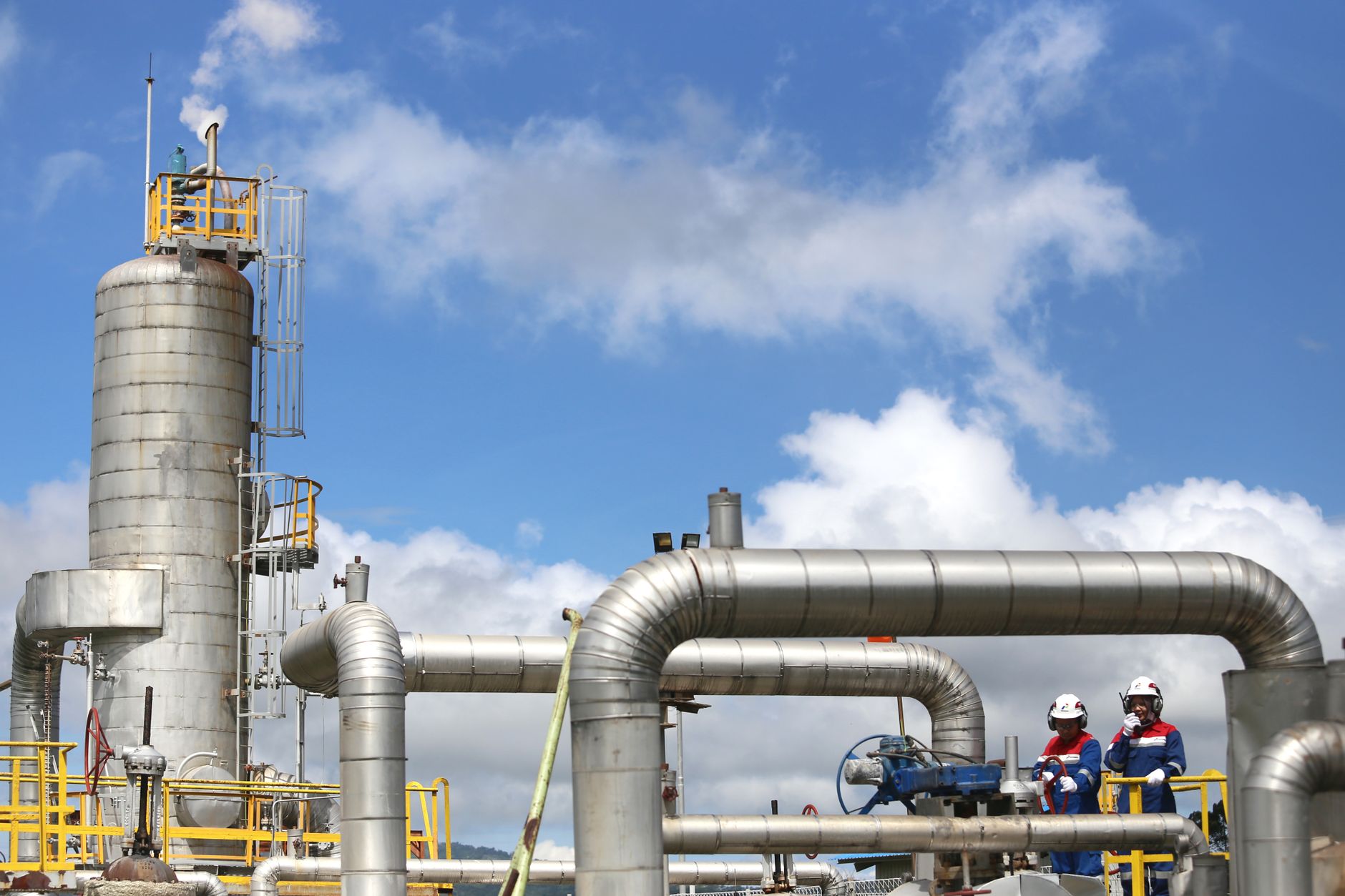
Indonesia Gas Cut Highlights Singapore's Pipeline Supply Risks
Indonesia has reduced its gas exports to Singapore, underscoring Singapore's vulnerability due to heavy reliance on pipeline gas. This cut creates supply challenges for Singapore's energy needs. The reduced gas flow from Indonesia emphasizes the need for Singapore to diversify its energy sources beyond pipelines. Such dependency can affect energy security and prices in the region. For investors and markets, this situation highlights potential volatility in energy costs and supply in Southeast Asia. Singapore may need to increase imports in other forms or invest in alternative energy infrastructure to mitigate these risks.
Read More: Indonesia Gas Cut Highlights Singapore's Pipeline Supply Risks
China Offshore Wealth Crackdown Impacts Hong Kong, Singapore
China has initiated a crackdown on offshore wealth, affecting the country's wealthiest individuals and the financial sectors in Hong Kong, Singapore, and Tokyo that manage these assets. This move is causing significant concern among wealthy Chinese citizens who have used these financial hubs to manage and grow their wealth outside of mainland China's regulatory reach.
Read More: China Offshore Wealth Crackdown Impacts Hong Kong, Singapore
HSBC Faces Hong Kong Scrutiny Over Singapore AI Hub
Hong Kong's monetary authority is questioning HSBC (HSBC) regarding its decision to establish an artificial intelligence hub in Singapore. This move has raised concerns in Hong Kong, which is striving to maintain its status as a leading international financial center. The scrutiny comes as regulators seek to ensure that foreign investment decisions align with local economic interests. Details on the specific inquiries by Hong Kong's authority were not disclosed. However, this development highlights the competitive landscape between regional financial hubs, with Hong Kong eager to strengthen its position against rivals like Singapore. The outcome of these discussions may impact future investment decisions by both HSBC and other financial institutions operating in the region. This situation is significant as it reflects broader trends of regulatory interventions in corporate strategies, especially in competitive financial markets. For investors, the regulatory stance of a financial hub can influence where firms decide to operate and innovate.
Read More: HSBC Faces Hong Kong Scrutiny Over Singapore AI Hub
Singapore Offers S$60,000 Incentive to Boost Fertility Rate
Singapore has launched new measures aimed at improving its low fertility rate, now at 0.87 in 2025, the second lowest globally, after South Korea. The government promises over S$60,000 ($47,100) to support each citizen child from birth to age 17. Additional incentives include lower childcare fees, extended parental leave, and improved access to public housing. While the impact of these measures may take decades to materialize, they mark a significant shift in Singapore's approach to family support, which is crucial for ordinary investors to consider in light of potential long-term socio-economic implications.
Read More: Singapore Offers S$60,000 Incentive to Boost Fertility Rate
Singapore Raises Monetary Policy as Inflation Risk Increases
On Monday, Singapore's Monetary Authority unexpectedly tightened monetary policy for the second consecutive time due to rising oil prices, even with subdued domestic inflation. The authority will slightly increase the rate of appreciation of the Singapore dollar's nominal effective exchange rate policy band, although the width and center were left unchanged. Core inflation rose to 1.6% in June from 1.4% in May, and headline inflation was at 1.9%. The move indicates a proactive stance given Singapore's reliance on imported energy, which could influence future inflation rates for ordinary investors.
Read More: Singapore Raises Monetary Policy as Inflation Risk Increases
Singapore Regulator Targets One Month Private Bank Onboarding Time
The Monetary Authority of Singapore (MAS) has mandated private banks to reduce account opening times to within one month by the end of 2026, down from a current average of six weeks or longer. This initiative aims to enhance Singapore's competitiveness in the global wealth management sector, especially after a notable S$3 billion ($2 billion) money-laundering case three years ago that imposed stricter client vetting processes. The MAS outlined strategies for banks to streamline onboarding procedures while still adhering to anti-money laundering standards. These changes could positively influence the attractiveness of Singapore as a destination for overseas wealth.
Read More: Singapore Regulator Targets One Month Private Bank Onboarding Time
Singapore AI Investment: OpenAI Commits $234 Million to Ecosystem
Singapore has entered into partnerships with Google and OpenAI to enhance its AI capabilities, with OpenAI pledging over 300 million Singapore dollars ($234 million) to develop the local AI ecosystem. The agreements were announced during the ATxSummit, reflecting Singapore's ambition to become a global AI hub. Additionally, Singapore's national AI strategy includes over 1 billion Singapore dollars in investments from 2025 to 2030. The OpenAI Singapore Applied AI Lab, expected to employ over 200 people, will focus on various sectors including education, healthcare, and public services, showcasing a significant commitment to AI innovation.
Read More: Singapore AI Investment: OpenAI Commits $234 Million to Ecosystem
DayOne Plans $5 Billion IPO in Singapore and US Markets
DayOne plans to raise $5 billion through a dual IPO in Singapore and the US. This move is part of new regulations aimed at enhancing Asian listings in Singapore. By utilizing these regulations, the company seeks to attract more investors by expanding its market presence. The outcome of this IPO could influence market dynamics in the Asian financial landscape.
Read More: DayOne Plans $5 Billion IPO in Singapore and US Markets
Chinese Companies and Singapore Move: Impact After AI Start-Up Blocked
Beijing has blocked a takeover of an AI start-up based in Singapore, raising concerns about the future of Chinese companies relocating there. This action may challenge the trend of 'Singapore washing', where firms seek stability by moving to Singapore. Market analysts are monitoring this situation as it could impact investor confidence in Singapore as a business hub. Further developments will be crucial for both Chinese companies and the Singaporean market.
Read More: Chinese Companies and Singapore Move: Impact After AI Start-Up Blocked
Singapore Official Highlights China's Potential Role in Asian Stability
Singapore asserts that China can enhance regional stability in Asia. This statement was made during discussions focusing on collaborative security measures. The comments indicate a potential shift in diplomatic relations and may influence market perceptions regarding geopolitical risk in the region. A more stable Asia could lead to increased investment and trade opportunities.
Read More: Singapore Official Highlights China's Potential Role in Asian Stability