GDP News & Analysis
50 articles
Market Mood

South Korea Q3 GDP Growth Surpasses Expectations with AI Boost
South Korea's gross domestic product (GDP) grew more than expected in the third quarter. The growth was supported by increased activity in the artificial intelligence (AI) sector. This unexpected rise indicates that South Korea's economy is gaining momentum from technology advancements. The economy's performance in Q3 was stronger than market forecasts. AI contributed notably, highlighting the country's expanding role in the tech industry. This improvement could influence investor confidence in South Korean tech companies and overall economic prospects. This matters for investors as the stronger GDP growth driven by AI can signal increased corporate earnings and investment in technology. It may affect market valuations of firms in the tech sector and inform economic outlooks for South Korea.
Read More: South Korea Q3 GDP Growth Surpasses Expectations with AI Boost
South Korea GDP Growth Exceeds Expectations in Q3
South Korea's economy grew faster than expected in the third quarter. Official data showed the nation's gross domestic product (GDP) increased more than analysts had predicted during this period. This faster growth indicates stronger economic activity and resilience compared to previous estimates. The exact figures for GDP increase have not been specified in the article. However, the positive deviation from forecasts suggests improved performance in sectors contributing to the country's output. This outcome reflects the impact of domestic and external factors influencing South Korea's economy in the third quarter. For investors and markets, faster-than-expected GDP growth can signal better corporate earnings and consumer demand moving forward. It may affect currency strength and investment decisions related to South Korean assets, as economic growth often correlates with improved company revenues and overall financial health.
Read More: South Korea GDP Growth Exceeds Expectations in Q3
Anthropic Co-Founder Sees AI Boosting U.S. GDP by 50% by 2030
Anthropic co-founder Jack Clark, speaking at the IMF and World Bank meetings, projected that artificial intelligence advancements could increase U.S. GDP by almost 50% by 2030. Clark's projection is based on an internal model, contingent on continued technological improvements and the creation of new industries. He stressed the importance of international cooperation on AI regulation, given the transformative potential of the technology. Clark emphasized the need to enact strict rules to manage AI's rapid development, warning of a possible 'singularity' where AI's growth could surpass human control. He mentioned that AI is accelerating scientific discoveries, potentially powering significant economic growth. This discussion coincides with Anthropic's preparation for an IPO, which could value the company at up to $2 trillion. This matters to investors because AI's potential to drive substantial economic growth highlights both opportunities for investment and the importance of regulatory frameworks to manage risks.
Read More: Anthropic Co-Founder Sees AI Boosting U.S. GDP by 50% by 2030
UK Economy Grows 0.1% in August, Outperforming Expectations
The U.K. economy surpassed expectations by growing 0.1% in August, as reported by the Office for National Statistics (ONS). This growth countered predictions by economists who expected a 0.1% contraction. Production increased by 0.8%, which helped offset stagnant services and a 0.2% decline in construction. Annual GDP growth was recorded at 2.1%, also higher than the anticipated 1.7%, marking the highest year-on-year growth since August 2022. Following this data release, the British pound appreciated by 0.4% against the U.S. dollar, and U.K. government bond (gilt) yields decreased, with the 10-year gilt yield falling by 9 basis points to 5.3364%. Despite the positive short-term data, concerns persist due to the ongoing cost-of-living crisis and high energy costs resulting from geopolitical tensions. This economic update is significant for investors as it indicates a persistent growth trajectory despite challenges. However, the upcoming Autumn Budget poses uncertainty, as it could introduce new fiscal policies to address public debt and consumer cost pressures.
Read More: UK Economy Grows 0.1% in August, Outperforming Expectations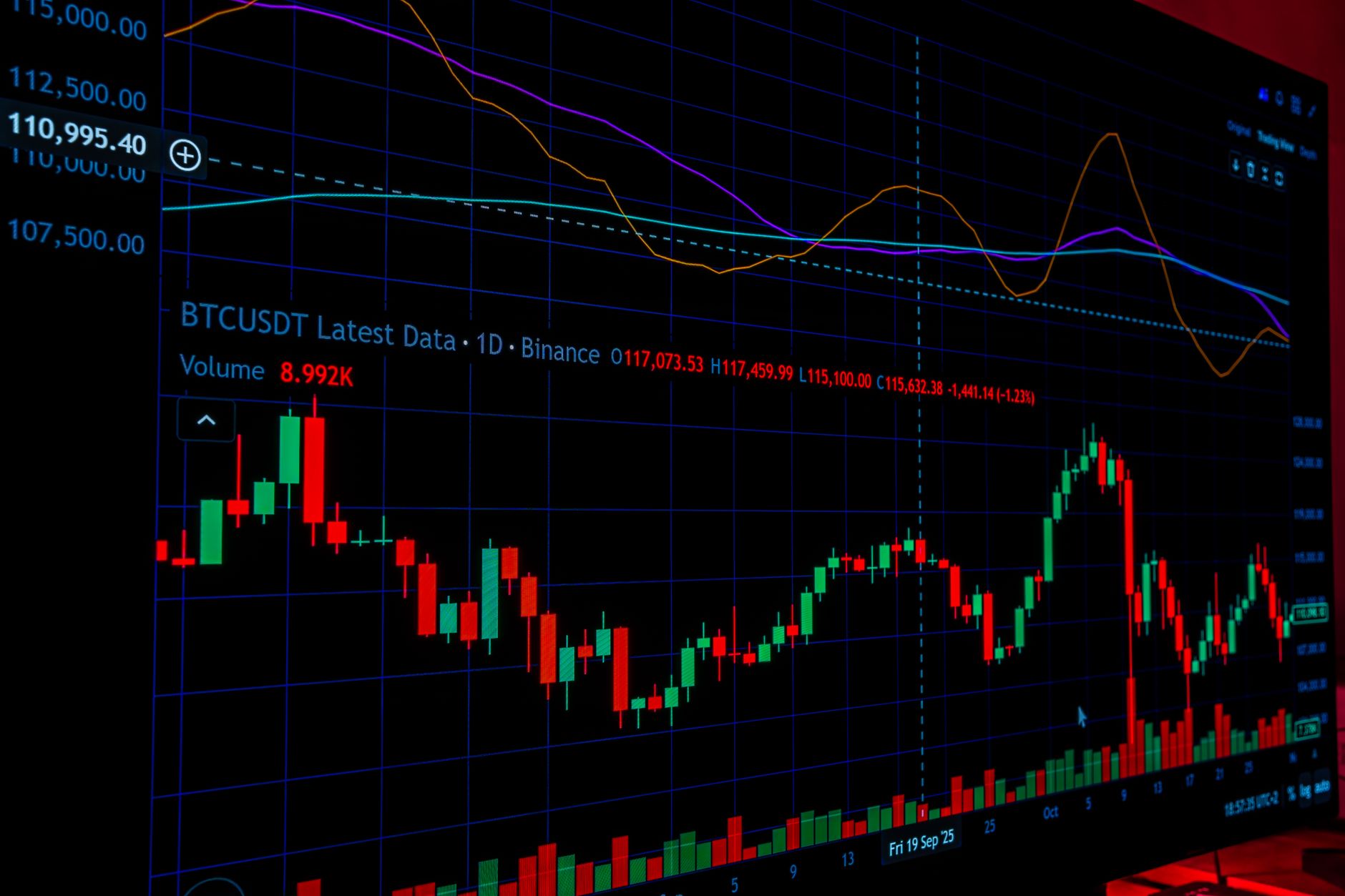
U.S. Trade Deficit Reaches $105.6B, Exceeds Expectations
The U.S. trade deficit expanded to $105.6 billion in August, exceeding the Dow Jones consensus estimate of $102 billion. This represents a 13.7% increase from July and is the widest gap since March 2025, just before tariffs were announced by former President Trump. The data released by the Commerce Department highlights a 4.3% rise in imports, driven by goods related to artificial intelligence and import tariffs. Despite the increase, the year-to-date deficit at $138.2 billion is 20% lower than the same period last year. Financial economist Oren Klachkin from Nationwide observed that rising prices have overstated the deficit expansion but indicated strong domestic demand. Imports may affect GDP calculations negatively, but they could be balanced by increased domestic consumption. Following the trade report, Goldman Sachs reduced its economic growth estimate for the third quarter to 3.1%, a 0.3 percentage point decrease. Similarly, the Atlanta Federal Reserve's GDPNow tracker adjusted its growth forecast to 3.7%, down 0.1 percentage point. The trade deficit expansion illustrates a nuanced economic environment where strong domestic demand plays a critical role. For investors, the change in GDP growth estimates may impact market expectations and policy forecasts.
Read More: U.S. Trade Deficit Reaches $105.6B, Exceeds Expectations
Poland Increases 2025 GDP Growth Forecast to 3.8%
Poland has revised its GDP growth forecast for 2025, expecting a growth rate of 3.8%. The updated figure represents an upward adjustment from previous estimates, signaling increased economic confidence. This revised projection is released amidst ongoing economic evaluations carried out by the Polish government. Such revisions are often reflective of changes in domestic economic conditions or external factors influencing economic performance. Shifts in GDP forecasts can affect government policy decisions and investor sentiment, potentially impacting market outlooks for Poland.
Read More: Poland Increases 2025 GDP Growth Forecast to 3.8%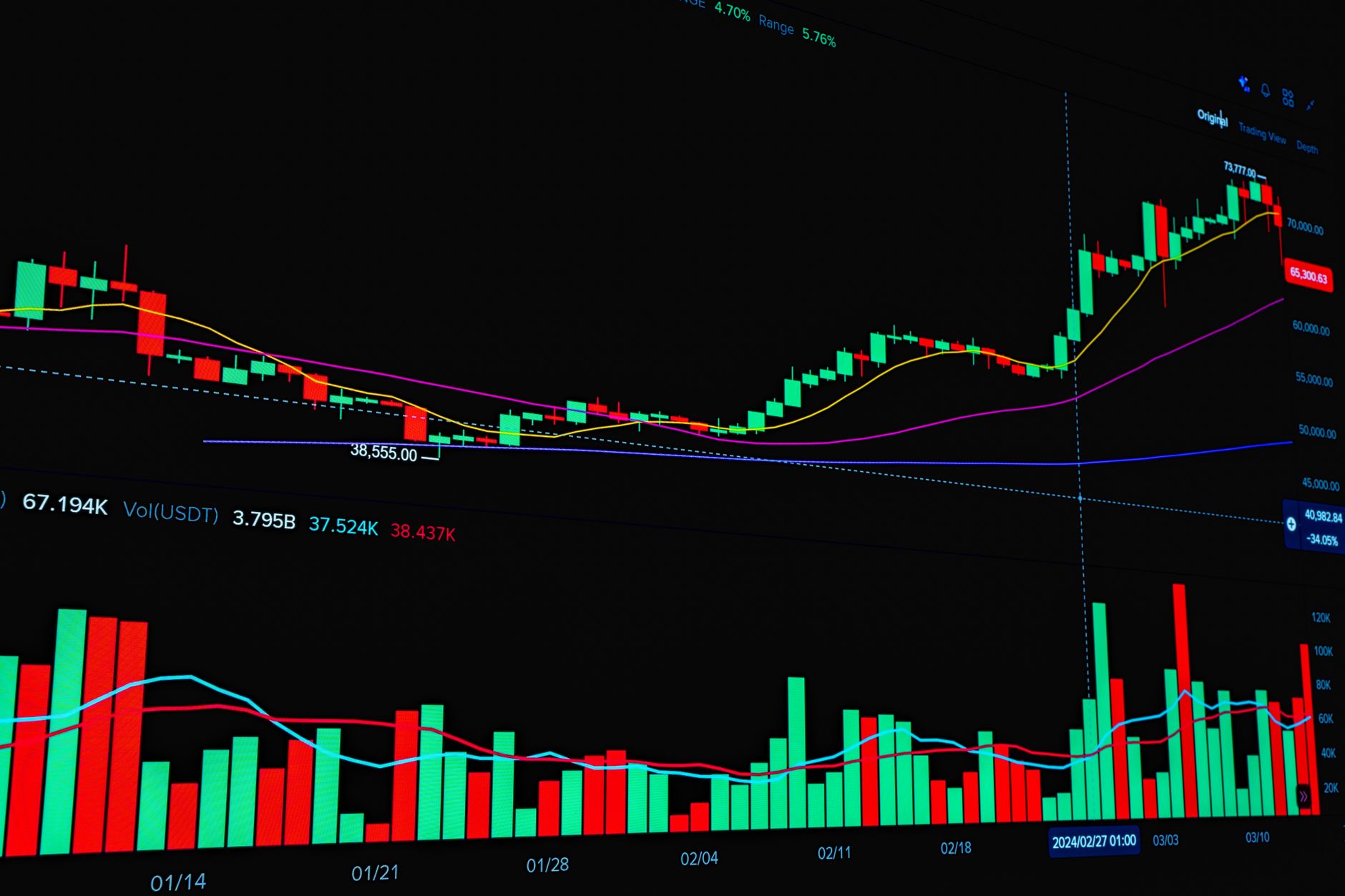
Spain's Service Sector Growth Fastest in 3.5 Years
Spain's service sector experienced significant growth, marking the joint-fastest pace in three and a half years. This increase reflects a robust rebound following previous economic challenges, signaling recovery momentum in the sector. Despite recent difficulties, this growth could suggest strengthening demand and potential opportunities for companies operating within Spain's service industry. Growth in the service sector is crucial as it represents a substantial portion of Spain's overall economy. A sustained increase may contribute positively to the country's economic recovery and employment levels.
Read More: Spain's Service Sector Growth Fastest in 3.5 Years
US AI Investment Could Reach 9% of GDP, Reports WSJ
The Wall Street Journal reports that the United States might invest up to 9% of its GDP in artificial intelligence (AI) technology. This translates to a potential $6 trillion buildout, requiring new innovations in AI data center infrastructure. The AI industry's potential growth is drawing significant attention from both investors and tech companies aiming to capitalize on its development. The article references insights from sources including Bain and Forbes, which highlight the massive scale and financial implications of this technological shift. Amidst the growing focus on AI, companies and investors are driven to innovate and develop infrastructure capable of supporting AI's expansion. These developments stress the importance of robust investments and innovative strategies to successfully integrate AI across various sectors. For investors, understanding the scale of AI investment in the U.S. is crucial as it could significantly impact technology and associated industries. The potential economic impact of deploying large-scale AI infrastructure presents both opportunities and challenges that could shape future market dynamics.
Read More: US AI Investment Could Reach 9% of GDP, Reports WSJ
China's Mini Stimulus Aims for GDP Target Amid Economic Concerns
China's recent 'Mini Stimulus' is expected to help achieve its GDP target but is not projected to significantly enhance economic recovery. The government's strategy focuses on minor policy adjustments rather than substantial reforms or cash injections. Analysts suggest this may stabilize growth at the required levels, without addressing deeper economic issues. Investors should note that the limited impact of this stimulus might affect market expectations for broader economic improvement in China.
Read More: China's Mini Stimulus Aims for GDP Target Amid Economic Concerns
Canada GDP Shows Recovery After Stalling in July
Canada's GDP indicates a recovery after experiencing a stall in July. The report highlights a notable improvement in economic activity, suggesting a rebound following a period of stagnation. This recovery may impact market perceptions of the Canadian economy and investor confidence. Investors should pay attention to resulting shifts in economic forecasts and potential opportunities in Canadian assets.
Read More: Canada GDP Shows Recovery After Stalling in July
Germany IW Institute Triples 2026 Growth Forecast
Germany's IW institute has increased its growth forecast for 2026, now expecting a GDP growth of 1.6%, compared to an earlier forecast of 0.5%. This adjustment reflects optimism about economic recovery post-pandemic and the resilience of the German economy. The forecast revises expectations for various sectors, which could impact investment decisions and economic planning in the region. This matters for ordinary investors as an increased growth forecast may influence market conditions and corporate profitability in Germany.
Read More: Germany IW Institute Triples 2026 Growth Forecast
French Finance Ministry Forecasts 120% Debt to GDP Ratio by 2026
The French finance ministry projects that the country's debt will reach nearly 120% of GDP in 2026. This projection indicates an increase in national debt levels, raising concerns about fiscal sustainability. The news may affect market perceptions regarding the French government's financial health. Investors should be aware of how rising debt ratios can influence government borrowing costs and overall economic conditions in France.
Read More: French Finance Ministry Forecasts 120% Debt to GDP Ratio by 2026
New Zealand Q2 GDP Up 2.5%, Sluggish Growth Persists
New Zealand's GDP for Q2 increased by more than expected, recording a rise of 2.5%. Despite this growth, the overall economic expansion remains sluggish, which may affect future investor confidence. The economy is still experiencing challenges that may limit robust growth going forward. This situation is significant as it informs investors about underlying economic conditions in New Zealand, which could influence investment decisions.
Read More: New Zealand Q2 GDP Up 2.5%, Sluggish Growth Persists
Australia Q2 GDP Growth Surpasses Forecast, Impacts RBA Rate Hike
Australia's Q2 GDP grew by 0.9%, exceeding expectations of 0.7%. This growth strengthens the case for a possible rate hike by the Reserve Bank of Australia (RBA) in the coming months. The data reflects a resilient economy, prompting market speculation about monetary policy adjustments. Positive economic indicators suggest potential for enhanced investment opportunities and adjustments in central bank strategies, which could influence financial markets.
Read More: Australia Q2 GDP Growth Surpasses Forecast, Impacts RBA Rate Hike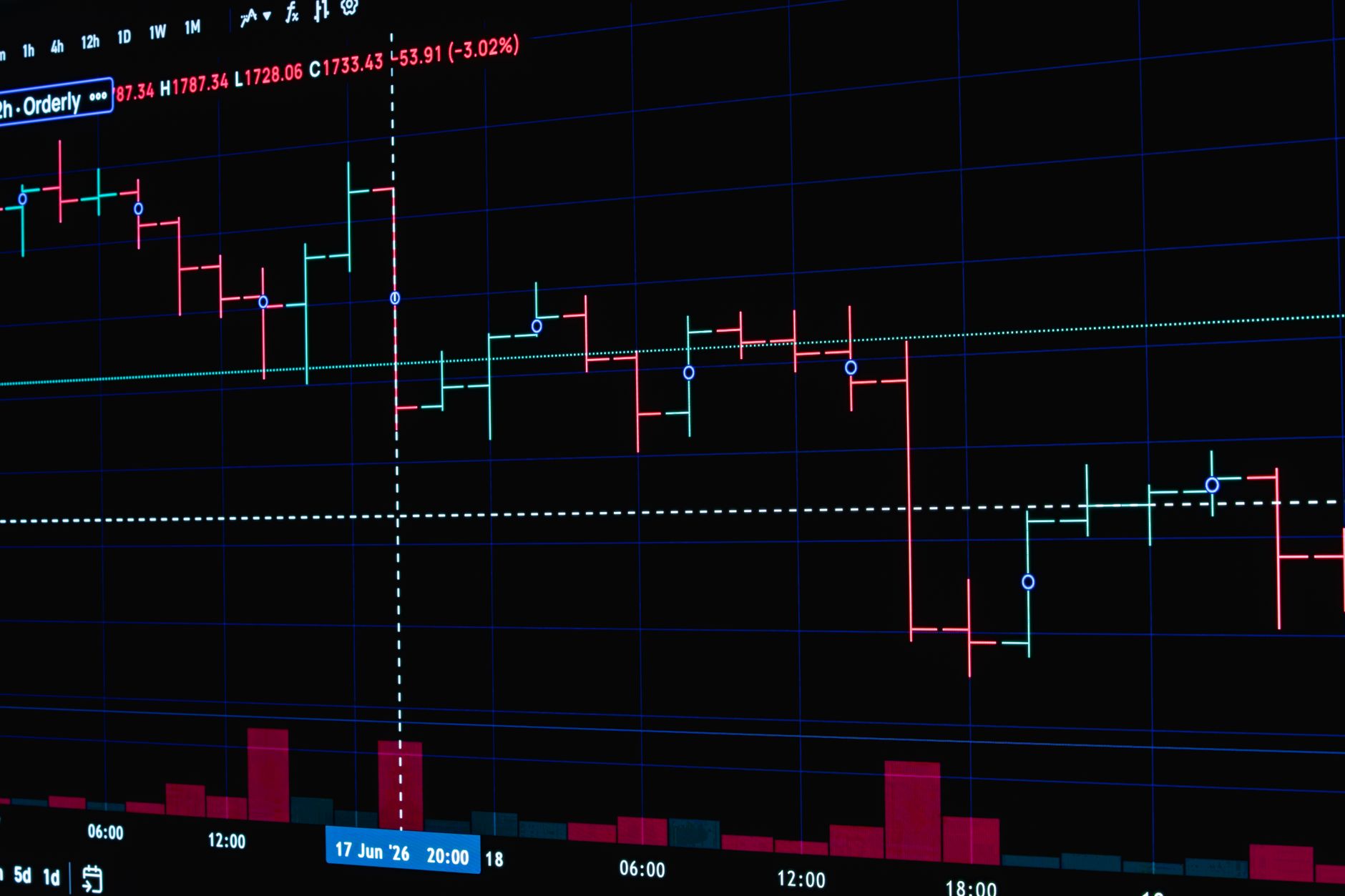
Asia Stocks Decline Amid Oil Surge and Rising Bond Yields
Asian stock markets faced declines influenced by rising oil prices and increasing bond yields. Notably, Australia's Q2 GDP growth surpassed expectations, impacting local market sentiment. Investors are concerned about inflationary pressures prompting a potential tightening of monetary policies. The shifts in oil and bond markets can influence broader market trends, affecting companies and sectors reliant on stable energy prices and financing costs.
Read More: Asia Stocks Decline Amid Oil Surge and Rising Bond Yields
Australia GDP Growth Hits 2.1% in Q2, Exceeds Forecasts
Australia's economy grew by 2.1% year-on-year in the second quarter, surpassing economist expectations of 1.8%. The GDP increased by 0.4% quarter-on-quarter, edging past the predicted 0.3%. This growth was attributed to private demand and mining exports, although household spending only grew by 0.4%. The Reserve Bank of Australia may consider further policy tightening to combat inflation, which was reported at 3.5% in July, above the forecast of 3.3%. The stronger GDP growth impacts investment sentiment regarding the Australian economy.
Read More: Australia GDP Growth Hits 2.1% in Q2, Exceeds Forecasts
Canadian Dollar Falls 0.55% Amid U.S. 50% Tariffs on $20 Billion
The Canadian dollar declined 0.55% against the U.S. dollar after the U.S. imposed 50% tariffs on approximately $20 billion of Canadian imports. The tariffs target various goods including dairy, furniture, and agricultural equipment, which could threaten Canada's economic growth. Canadian Prime Minister Mark Carney announced retaliatory tariffs set to begin on September 8. Analysts warned that these trade tensions could further weaken Canada's GDP, potentially pushing it towards recession if retaliatory measures escalate, impacting ordinary investors' market outlook.
Read More: Canadian Dollar Falls 0.55% Amid U.S. 50% Tariffs on $20 Billion
China's Economy Slows: Retail Sales Grow 0.6% in July
In July, China's economy showed signs of slowing, with retail sales growing only 0.6% year-over-year, falling short of the 1.5% estimate from a Reuters poll. Urban fixed-asset investment contracted 6.7%, worse than anticipated, while the unemployment rate increased to 5.2% from 5% in June. Industrial output rose 4.5%, below the 4.8% expected growth. These figures highlight ongoing concerns about China's economic health and may lead to increased policy support from the Chinese government in the second half of the year.
Read More: China's Economy Slows: Retail Sales Grow 0.6% in July
AI Infrastructure Spending Hits $581 Billion Amid Inflation Challenges
Capital expenditure on AI build-out is projected to reach $581 billion in the U.S. this year, with global spending estimated at $1 trillion. This spending currently represents 1.8% of U.S. gross domestic product (GDP), expected to increase to 2.8% by 2028. Despite the hype surrounding AI's deflationary potential, adoption has been slow, potentially causing short-term inflation. This situation complicates the Federal Reserve's efforts to manage inflation, as rising costs associated with AI infrastructure do not yet translate to clear productivity gains for the economy.
Read More: AI Infrastructure Spending Hits $581 Billion Amid Inflation Challenges
S&P Global PMI Hits 53.6, Indicating 2% GDP Growth Ahead
S&P Global's composite PMI increased to 53.6 in July from 51.9 in June, marking the highest level in eight months. This rise suggests approximately 2% annualized GDP growth for Q3 2026. Concurrently, input costs and selling prices have risen sharply, complicating the Federal Reserve's potential decision to cut interest rates before 2027. The robustness in both services and manufacturing sectors indicates sustained economic expansion. This data signals to investors that the possibility of higher interest rates enduring longer could impact corporate earnings and market strategies.
Read More: S&P Global PMI Hits 53.6, Indicating 2% GDP Growth Ahead
South Korea Q2 GDP Grows 1.1% on AI and Chips Boost
South Korea's GDP grew by 1.1% in the second quarter of 2023, exceeding economist expectations of a 0.9% increase. The growth is attributed to a boost from artificial intelligence and semiconductor industries. This performance signals a recovery from prior economic slowdowns, which is crucial for investor sentiment in the region. Understanding South Korea's economic strength can provide insights into regional market trends and investment opportunities.
Read More: South Korea Q2 GDP Grows 1.1% on AI and Chips Boost
Burnham Becomes UK PM Amid Economic Concerns and Oil Policy Plans
Andy Burnham was sworn in as the U.K.'s seventh prime minister on June 22, 2026. His administration plans to fast-track oil and gas exploration in the North Sea, which U.S. President Donald Trump called 'invaluable.' The U.K. GDP is projected to grow only 0.8% in 2026, following previous growth rates of 1.3% and 1% in 2025 and 2024, respectively. Investors have expressed concerns regarding Burnham's policies, as he is viewed as more left-leaning than his predecessor, Keir Starmer. This shift could impact U.K. bond markets and investor confidence in government spending.
Read More: Burnham Becomes UK PM Amid Economic Concerns and Oil Policy Plans
China (CHN) Posts Slowest GDP Growth in Over 3 Years
China's economic growth has slowed significantly, reporting the lowest GDP growth in over three years. This marks the first time since COVID that the country has missed its growth target. The decline is attributed to a slump in investment, intensifying calls for government stimulus measures. This information is crucial for global markets, as China's downturn could affect international trade dynamics and investor sentiment.
Read More: China (CHN) Posts Slowest GDP Growth in Over 3 Years
China Reports Q2 GDP Growth at 3.5-Year Low
China's GDP growth for Q2 was reported at a 3.0% increase, marking the lowest rate in 3.5 years. Structural imbalances in its economy are complicating policy measures to encourage growth. This slowdown raises concerns for global markets, particularly those reliant on Chinese consumer spending and industrial activity. Investors should note these developments as they could impact companies linked to trade and investment with China.
Read More: China Reports Q2 GDP Growth at 3.5-Year Low
China's GDP Growth at 4.3% in Q2 2026 Calls for Stimulus Action
China's gross domestic product (GDP) grew by 4.3% in Q2 2026, slower than the 5% growth in Q1 2026 and below the 4.5% forecast from economists. Investment in urban fixed-assets, including real estate and infrastructure, fell by 5.7% in the first half of the year. Retail sales rose by 1% in June, rebounding from a drop in May, while industrial production increased by 5.3%. These figures indicate a struggling economy, prompting expectations for increased policy stimulus, which is critical for investor confidence.
Read More: China's GDP Growth at 4.3% in Q2 2026 Calls for Stimulus Action
China GDP Growth at 4.3% Misses Target, Exports Surge 27%
China's economy grew by 4.3% in Q2 2023, falling short of Beijing's annual target of 4.5%-5% after a 5% gain in Q1. Government data released indicated that June exports increased by 27% year-over-year. This period represents the first complete quarter of GDP data since the onset of the Iran war on February 28, 2023, and the lowest quarterly growth since late 2022. Additionally, while retail sales improved by 1% in June, new home prices continued to experience a slight contraction of 0.1%. This information points to ongoing economic challenges that could impact global markets.
Read More: China GDP Growth at 4.3% Misses Target, Exports Surge 27%
Singapore's GDP Grows 5.7% in Q2 2026, Exceeds Expectations
Singapore's economy expanded by 5.7% in the second quarter of 2026, surpassing the 5.5% growth anticipated by economists. This increase was supported by a robust 10.4% growth in the goods sector, although it marks a decline from 6.3% growth in the previous quarter. The services sector's growth slowed to 4.6% from 6.2%. With inflation steady at 1.8% in May, the Monetary Authority of Singapore is expected to announce its monetary policy decision soon, which could influence market conditions. This data is significant for investors looking at economic stability and potential shifts in monetary policy.
Read More: Singapore's GDP Grows 5.7% in Q2 2026, Exceeds Expectations
UK Homeowners Face Higher Mortgage Payments, 5M Affected
The Bank of England forecasts that over five million homeowners will see increased mortgage repayments by the end of 2028, up from the previously projected four million. A typical borrower rolling off a fixed rate may face an increase of £45 per month, while 750,000 homeowners paying less than 3% interest could see an average rise of £170. The average two-year fixed mortgage rate surged from 4.83% to a peak of 5.90% and currently stands at 5.49%. This situation matters for ordinary investors as rising mortgage costs could dampen consumer spending and impact economic growth.
Read More: UK Homeowners Face Higher Mortgage Payments, 5M Affected
Buffett Market Valuation Indicator Hits Record 136% Over GDP
Warren Buffett's favorite market valuation measure indicates that the total market capitalization of the U.S. stock market is now 136% greater than the nation's gross domestic product (GDP), which is approximately 70% higher than the long-term average. Despite this metric suggesting overvaluation, corporate profits have significantly outpaced GDP growth. The current forward-looking price-to-earnings ratio for the S&P 500 (SNPINDEX: ^GSPC) is 21.5. More than 40% of S&P 500 companies' first-quarter revenue came from foreign economies, suggesting the market may not be overvalued as previously thought.
Read More: Buffett Market Valuation Indicator Hits Record 136% Over GDP
S&P 500 (SNPINDEX) Achieves 10% Gain in Q1 2026
The S&P 500 (SNPINDEX: ^GSPC) and Nasdaq-100 gained 10% and 20%, respectively, in the first half of 2026, marking their best quarter since 2020. These indices are set for their fourth consecutive year of double-digit gains. Despite strong corporate earnings growth projected to continue, inflation is over 4%, GDP growth is slowing, and consumer sentiment is low. The Vanguard Total Stock Market ETF (NYSEMKT: VTI) is suggested as a smart investment choice to diversify against potential market vulnerabilities in large-cap and tech stocks.
Read More: S&P 500 (SNPINDEX) Achieves 10% Gain in Q1 2026
Andy Burnham's Devolution Plan Aims to Boost UK Economic Growth
Andy Burnham, in his policy speech, proposed a significant devolution of power to various regions in the UK, including Greater Manchester. He stated that economic growth cannot reach required levels without empowering local governments across the country. Currently, official GDP per capita statistics show Scotland at approximately 93%, Northern Ireland at 83%, and Wales also lagging compared to the UK average; these figures have remained relatively unchanged since 1998. The proposal's impact on future economic growth is uncertain, as past studies show no significant growth increases from devolution. This initiative could influence UK market dynamics if realized.
Read More: Andy Burnham's Devolution Plan Aims to Boost UK Economic Growth
Venezuela's twin quakes impact markets significantly with GDP concerns
Venezuela experienced twin earthquakes that have raised concerns about economic stability and potential impacts on GDP. The country is already facing a severe economic crisis, with a GDP contraction reported at 10% last year. These seismic events may create further challenges for recovery efforts and foreign investment. The market reaction could depend significantly on the government's response and ability to manage the aftermath of these quakes, essential for maintaining investor confidence.
Read More: Venezuela's twin quakes impact markets significantly with GDP concerns
SPY Gains 73% in 5 Years, Analyst Signals Buying Opportunities
The SPDR S&P 500 ETF (SPY) has gained 73% over the last five years, with no pullbacks of 10% or more since April 2025. Currently, the ETF sits at $735.02, having risen 31% since April 2025, but has recently fallen 2.23% in the past week and 1.62% over the past month. Analyst Scott Wren from Wells Fargo highlights a Fed pivot from easing to tightening as a reason for potential market volatility and advises investors to hold cash for buying opportunities rather than chasing current prices. Wren forecasts a 15-25% earnings growth next year, underlining a favorable long-term outlook.
Read More: SPY Gains 73% in 5 Years, Analyst Signals Buying Opportunities
Brexit Impact: UK GDP Forecasted to Drop 6-8% by 2025
The Brexit referendum that took place on June 23, 2016, resulted in a 52% to 48% vote to leave the EU, leading to significant economic changes. By 2025, Brexit is expected to reduce the U.K.'s GDP by 6-8%, as estimated by Stanford professor Nicholas Bloom. Since the vote, the value of the pound has remained approximately 10% below its June 2016 levels, with GBP/EUR averaging €1.16 post-referendum. Additionally, EU net migration turned negative in 2022, indicating changing immigration patterns since the U.K. exited the EU.
Read More: Brexit Impact: UK GDP Forecasted to Drop 6-8% by 2025
China's 618 Festival Online Sales Growth Drop to 4% in 2023
During China's 618 shopping festival from May 13 to June 18, total online sales grew by 4%, a significant decrease from the 15.2% reported last year, according to retail data firm Syntun. This sluggish growth highlights ongoing consumer spending challenges in China, even as sectors like exports and technology show stronger performance. Retail sales fell 0.6% in May year-over-year, marking the first decline since 2022. Goldman Sachs revised its second-quarter GDP growth estimate to 4.5%, slightly down from 4.7%, emphasizing a widening gap between high-tech and consumer sectors.
Read More: China's 618 Festival Online Sales Growth Drop to 4% in 2023
France Economic Slack Impacts Markets Amid Structural Shifts
Citi reports that France is experiencing economic slack due to structural shifts affecting demand. The economic outlook has implications for market confidence and growth, particularly in European equities. Specific figures on GDP growth or unemployment rates are not provided, but the article emphasizes the trend of declining demand which could influence investment strategies. This situation may lead investors to reassess their equity positions in French companies.
Read More: France Economic Slack Impacts Markets Amid Structural Shifts
Indonesia's Emerging Market Status Risks Economic Impact
Indonesia's potential loss of its emerging market status could lead to foreign investment declines and increased borrowing costs. This change may significantly impact the country's GDP growth, which was projected at 5.3% for 2023. Current challenges include inflation rates and capital flight that may exacerbate economic uncertainty. The International Monetary Fund (IMF) has highlighted these risks in its recent assessments, possibly affecting market confidence and trading volumes in Indonesian assets.
Read More: Indonesia's Emerging Market Status Risks Economic Impact
U.S. Defense Review Announces $845B NATO Spending Warning
Defense Secretary Pete Hegseth announced a Pentagon-led review of American forces in Europe, expressing concerns over defense spending among NATO allies. He criticized some nations for not supporting efforts in the Iran war and emphasized a minimum defense commitment of 3.5% of GDP from allies. Last year, the U.S. spent an estimated $845 billion on defense compared to $559 billion for the rest of NATO combined. This review aims to enhance NATO's responsibility on European defense amidst concerning relations within the alliance.
Read More: U.S. Defense Review Announces $845B NATO Spending Warning
Fitch Affirms Vietnam (VNM) at BB+ Rating Amid Stable Debt Levels
Fitch Ratings has affirmed Vietnam's long-term foreign-currency issuer default rating at 'BB+', supported by stable economic growth. The agency noted that Vietnam's GDP growth remained robust, helping stabilize its debt levels. This affirmation is significant for foreign investors as it indicates a relatively low-risk environment for investment in Vietnamese assets. Maintaining this rating could improve investor confidence and market stability in Vietnam (VNM).
Read More: Fitch Affirms Vietnam (VNM) at BB+ Rating Amid Stable Debt Levels
China GDP Growth Forecast Downgrade to 4.0% in Q2:26 Amid Real Estate Slump
Economists predict China's GDP growth will slow to 4.0% in Q2:26, down from a previous estimate of 4.6%. Retail sales growth is anticipated to stagnate at 0% for May after a record-low gain of 0.2% in April, according to a Reuters poll. Industrial output is expected to rise slightly to 4.3% in May, while fixed-asset investment is forecasted to drop by 2% in the first five months, a larger decline than the prior 1.6%. Real estate continues to be a significant drag, contributing to a 13.7% decline in investment.
Read More: China GDP Growth Forecast Downgrade to 4.0% in Q2:26 Amid Real Estate Slump
U.S. National Debt Exceeds $100 Trillion for First Time
The U.S. national debt has surpassed $100 trillion, marking a significant milestone as it now stands at 400% of the annual gross domestic product. This increase in debt could have profound implications for the economy and financial markets as it raises concerns regarding fiscal sustainability. The figure equates to nearly $1 million per U.S. household, a statistic that highlights the growing burden of national debt. Investors may watch these developments closely, as high debt levels could impact government fiscal policies and market confidence.
Read More: U.S. National Debt Exceeds $100 Trillion for First Time
UK Economy Contracts by 0.1% Amid Iran War Impact on Businesses
The UK economy contracted by 0.1% in April 2023, marking its first monthly decline since August 2022, as reported by the Office for National Statistics (ONS). This contraction, influenced by rising costs associated with the Iran war, raises concerns over future growth. Over the three months leading to April, the economy grew by 0.7% compared to the previous quarter. Economists anticipate that the Bank of England will maintain interest rates unchanged during its upcoming meeting due to the projected slowing economic activity.
Read More: UK Economy Contracts by 0.1% Amid Iran War Impact on Businesses
UK Economy Shrinks 0.1% in April Amid Iran Conflict
The U.K. economy contracted by 0.1% in April, driven by a 0.2% decline in services activity, while construction output saw a 0.1% increase. This contraction followed a growth of 0.3% in March. Economists had anticipated the 0.1% contraction per Reuters. The International Monetary Fund has revised its growth forecast for the U.K. down to 0.8% for 2026 from 1.3%, citing the negative impact of the ongoing Iran conflict on global energy markets.
Read More: UK Economy Shrinks 0.1% in April Amid Iran Conflict
BTS (BTS) to Boost South Korea's GDP by $6.58 Billion by 2040
BTS's economic impact, termed 'Bangtan-nomics', could contribute 0.35% to South Korea's GDP annually by 2040, amounting to approximately $6.58 billion based on forecasts of the 2024 nominal GDP. Recent reports indicate that 84% of BTS's global fanbase are in their teens and twenties, likely increasing their spending power as they age. Fans attending concerts in South Korea are expected to spend significantly more than regular tourists. Government data also revealed that high demand for accommodations during BTS events led to interventions to prevent price gouging.
Read More: BTS (BTS) to Boost South Korea's GDP by $6.58 Billion by 2040
World Cup Boost Expected with $17.2B GDP Contribution Forecast
The 2026 World Cup is projected to contribute up to $17.2 billion to U.S. GDP. While flight booking data indicates year-over-year gains in host cities like Houston and Dallas, other cities like Seattle and Mexican host cities are underperforming. Deutsche Bank estimates the overall economic impact to be a 0.05% short-term GDP increase, even with 1.2 million international fans. Major hospitality players like Marriott anticipate a 40 basis point lift in revenue per available room in the U.S. due to increased demand from the event.
Read More: World Cup Boost Expected with $17.2B GDP Contribution Forecast
Australia GDP Growth at 2.5% Misses Estimates in Q1 2023
Australia's GDP grew 2.5% year-over-year in Q1 2023, falling short of the 2.6% expected by economists and down from 2.6% in Q4 2022. The quarter-on-quarter growth was 0.3%, below the forecast of 0.5%. Contributing factors included weak household spending and government consumption, alongside severe weather impacting mining and exports. The Reserve Bank of Australia raised interest rates to 4.35% in May 2023 as inflation pressures emerged following stronger growth last year.
Read More: Australia GDP Growth at 2.5% Misses Estimates in Q1 2023
Australia's Trade Deficit Increased in Q3 Due to Imports Surge
Australia experienced a trade deficit as net exports declined due to a surge in fuel and technology imports in Q3 2023. The trade balance showed a significant deterioration, impacting GDP growth forecasts. This trend raises concerns about the nation's economic resilience and dependence on imports for technology and energy. Analysts suggest that the continued strength of imports may lead to a strained trade position for Australia moving forward.
Read More: Australia's Trade Deficit Increased in Q3 Due to Imports Surge
Defense Spending Focus at IISS Shangri-La Dialogue Highlights Trends
During the 2026 IISS Shangri-La Dialogue in Singapore from May 29 to 31, discussions centered on increased defense spending across several nations. U.S. Secretary of War Pete Hegseth highlighted a needed investment of at least 3.5% of GDP on defense. Countries like Japan, the Philippines, and the Netherlands plan to raise their defense budgets, influenced by the geopolitical climate, particularly Russia's actions in Ukraine. The event noted the absence of China’s defense minister, affecting potential dialogue, with key leaders emphasizing the importance of collaborative defense capabilities.
Read More: Defense Spending Focus at IISS Shangri-La Dialogue Highlights Trends
U.S. Defense Spending Demand of 3.5% GDP from Allies Highlighted
During the 23rd IISS Shangri-La Dialogue, U.S. Secretary of War Pete Hegseth emphasized the importance of alliances in the Asia-Pacific region, demanding that allies contribute 3.5% of their GDP towards defense spending. He acknowledged contributions from nations including the Philippines, Australia, and India. Hegseth expressed concern over China's military expansion while highlighting a need for a balance of power. The U.S. seeks to ensure no state can impose its dominance, underscoring an evolving security strategy anchored in military readiness among allied nations.
Read More: U.S. Defense Spending Demand of 3.5% GDP from Allies Highlighted
U.S. National Debt Exceeds 100% of GDP, Approaching 1946 Record
The U.S. national debt surpassed 100% of GDP last month, moving towards a projected record of 106% set in 1946. According to the Congressional Budget Office, this record may be exceeded around 2029. Current national debt figures stand at $31.4 trillion, significantly influenced by policies from both political parties. Deputy Chief of Staff Stephen Miller attributed part of the debt increase to unauthorized immigrant spending, claiming it costs taxpayers hundreds of billions to trillions of dollars in misappropriated benefits.
Read More: U.S. National Debt Exceeds 100% of GDP, Approaching 1946 Record