EV News & Analysis
50 articles
Market Mood

Tesla (TSLA) Market Cap $1.2 Trillion vs. Rivian (RIVN) $23 Billion
Tesla (TSLA) has a market capitalization of approximately $1.2 trillion, while Rivian (RIVN) is valued at around $23 billion and Lucid Group (LCID) has fallen below $2 billion. Both Rivian and Lucid launched new vehicles this year; Lucid's Gravity SUV has a starting price close to $126,000, compared to Rivian's R2 SUV at around $45,000. With 69% of Americans intending to spend less than $50,000 on their next vehicle purchase, Rivian's pricing strategy may position it better for mass sales. This information is important for investors focused on high-growth electric vehicle opportunities and market dynamics.
Read More: Tesla (TSLA) Market Cap $1.2 Trillion vs. Rivian (RIVN) $23 Billion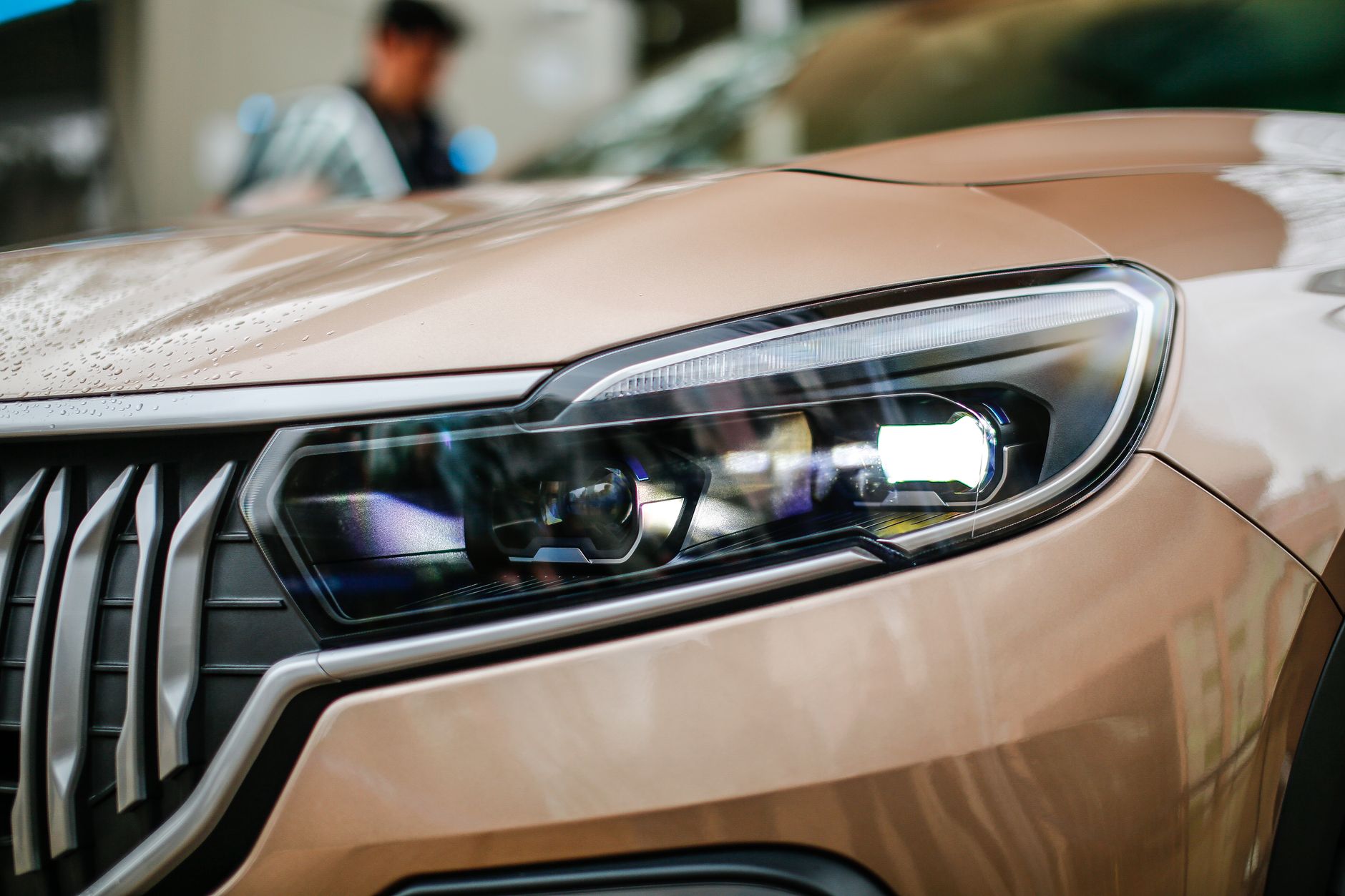
Geely Galaxy TT Electric Vehicle Launches at $19,170 in China
Geely Auto (GELYY) has launched its Galaxy TT electric sedan in China with a starting price of 129,900 yuan, equivalent to about $19,170. The vehicle features a 63.8-kWh battery pack providing a range of 640 km (398 miles) per cycle, and it includes fast charging capabilities. This price is 16,000 yuan lower than the pre-sale figure announced in August and includes enhancements such as an 800-volt architecture. The launch offers a significant price point differential compared to U.S. electric vehicles, which may impact market dynamics for EV affordability.
Read More: Geely Galaxy TT Electric Vehicle Launches at $19,170 in China
Rivian (RIVN) Drops 2027 Profit Target to Boost Autonomy Investments
Rivian (NASDAQ: RIVN) announced it will not pursue its 2027 profit target, citing the need to increase research and development spending on autonomous driving technologies. In the fourth quarter of 2024, Rivian achieved positive gross margins for the first time. The shift in focus comes as the company aims to compete with larger rivals like Tesla (NASDAQ: TSLA), which has prioritized self-driving tech. This decision is positioned as an investment in long-term growth viability, which may benefit investors seeking companies advancing in the electric vehicle market.
Read More: Rivian (RIVN) Drops 2027 Profit Target to Boost Autonomy Investments
China Halts New Battery Factories Amid Capacity Concerns
China has halted plans for new battery factories due to concerns over capacity. This decision impacts the production capabilities of the lithium-ion battery industry, crucial for electric vehicles. The limitations may slow down growth for companies reliant on these batteries, influencing market dynamics in the electric vehicle sector. This news matters for investors as it could affect stocks of companies involved in battery production and electric vehicle manufacturing.
Read More: China Halts New Battery Factories Amid Capacity Concerns
Albemarle (ALB) Faces Challenges Despite $500 Million Battery Investment
Albemarle (ALB) trades at $130, showing a 60% increase over the past year. However, experts indicate that overcoming China's battery dominance will require decades and potentially hundreds of billions of dollars, rather than the $500 million from the Department of Energy. Additionally, $24 billion in US battery projects were canceled recently due to fluctuating policies. With US EV sales declining 36% after purchase credits expired, understanding the long-term implications of these investments is essential for investors in the lithium sector.
Read More: Albemarle (ALB) Faces Challenges Despite $500 Million Battery Investment
Clearmind (CMND) to Acquire 51% Stake in EV Charging Firm for $2.5M
Clearmind Medicine Inc. (CMND) announced plans to acquire a 51% stake in an electric vehicle charging company for $2.5 million. This acquisition is part of Clearmind's strategy to expand its investments in the green technology sector. The transaction aligns with market trends favoring sustainable energy solutions. The deal illustrates the growing interest in electric vehicle infrastructure and may positively influence investor sentiment towards Clearmind.
Read More: Clearmind (CMND) to Acquire 51% Stake in EV Charging Firm for $2.5M
Nexteq (NEXTEQ) Secures EV Display Contract for Automotive Market
Nexteq's Densitron has secured a contract to provide customized display solutions for an electric delivery vehicle program, marking its entry into the automotive market. The project comes from a leading supplier of automotive electronics, with production expected to begin in the second half of fiscal 2026. The company anticipates that production volumes will materially increase over the next three years as the customer expands its product rollout. This contract allows Densitron to leverage its engineering expertise in a new sector, which could facilitate future revenue growth for ordinary investors in Nexteq (NEXTEQ).
Read More: Nexteq (NEXTEQ) Secures EV Display Contract for Automotive Market
Xpeng Stock Dips Amid Market Changes
Xpeng stock experienced a decline today due to shifting market dynamics. The exact percentage of the drop was not provided, but stock performance can be influenced by various factors. Amid concerns regarding sales forecasts and competition in the electric vehicle market, investor sentiment has been affected. For ordinary investors, the performance of stocks like Xpeng (XPEV) reflects broader market trends and could signal forthcoming challenges in the EV sector.
Read More: Xpeng Stock Dips Amid Market Changes
Tesla (TSLA) Recalls 2.98 Million Cars Over Door Handle Issues
Tesla (TSLA) is recalling nearly 3 million vehicles in China due to safety concerns over hidden door handles that may be difficult to operate in emergencies. This recall affects 2.98 million Chinese-made Teslas, part of a larger recall impacting over 4 million vehicles across various brands. The decision follows scrutiny linked to fatal crashes involving similar designs in other electric vehicles. Beginning January 1, 2027, new Chinese regulations will prohibit the use of hidden door handles. This matter is significant for investors as regulatory pressures and safety issues can impact Tesla's market performance.
Read More: Tesla (TSLA) Recalls 2.98 Million Cars Over Door Handle Issues
Eaton Vance (EV) Trustee Quinton Purchases $106,950 in Shares
Quinton, a trustee at Eaton Vance Enhanced Equity Income II, acquired 106,950 shares of the company. This transaction reflects a significant investment by an insider, indicating potential confidence in the company’s future performance. Insider purchases can be a signal to markets about the health and prospects of the business. For ordinary investors, such transactions might indicate a favorable outlook on Eaton Vance (EV), potentially influencing their investment decisions.
Read More: Eaton Vance (EV) Trustee Quinton Purchases $106,950 in Shares
2027 Genesis GV90 Debuts As Flagship Luxury SUV
Genesis has launched the 2027 GV90, a new flagship electric SUV aimed at the luxury market. This vehicle features coach doors and incorporates design inspirations from China's luxury EV segment. It positions itself against premium brands such as BMW and Mercedes. The debut of the GV90 reflects an evolving focus on luxury electric vehicles, which may attract interest from investors monitoring trends in the auto industry.
Read More: 2027 Genesis GV90 Debuts As Flagship Luxury SUV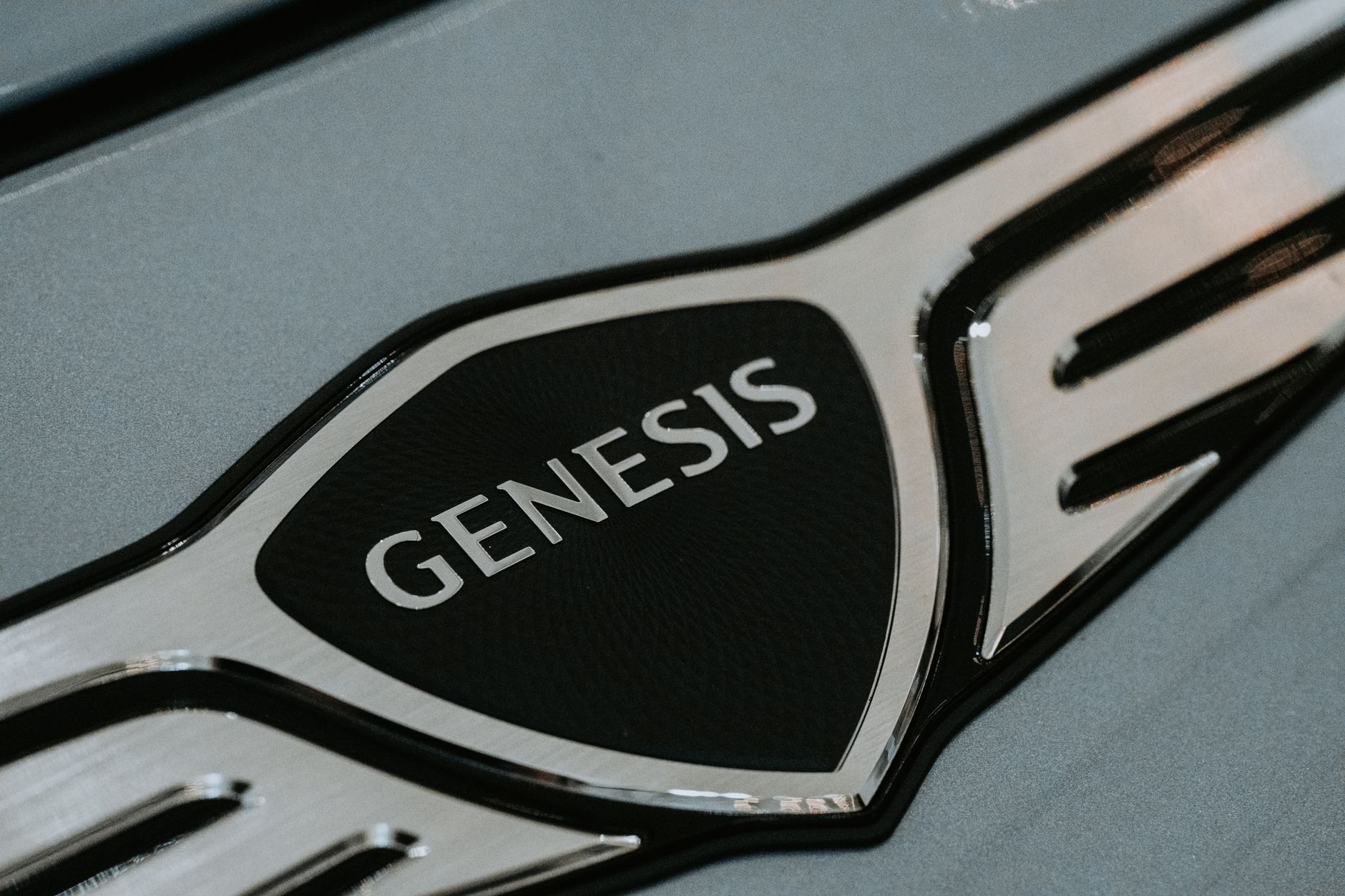
Genesis GV90 Launch: Hyundai's Largest Luxury EV with 490 kW Power
Hyundai Motor unveiled its new luxury all-electric SUV, the Genesis GV90, which seats up to seven people. This vehicle is the largest that Genesis has offered since entering the U.S. market, expanding its lineup to seven models. The GV90 features a high-performance motor system producing up to 490 kilowatts (about 660 horsepower) with an expected range of 310 miles. Hyundai's U.S. sales for the brand increased by approximately 5% in the first half of this year, totaling 39,088 units. This development is significant as it highlights continued growth in the luxury EV market, which could impact investor interest in Hyundai (HYMTF).
Read More: Genesis GV90 Launch: Hyundai's Largest Luxury EV with 490 kW Power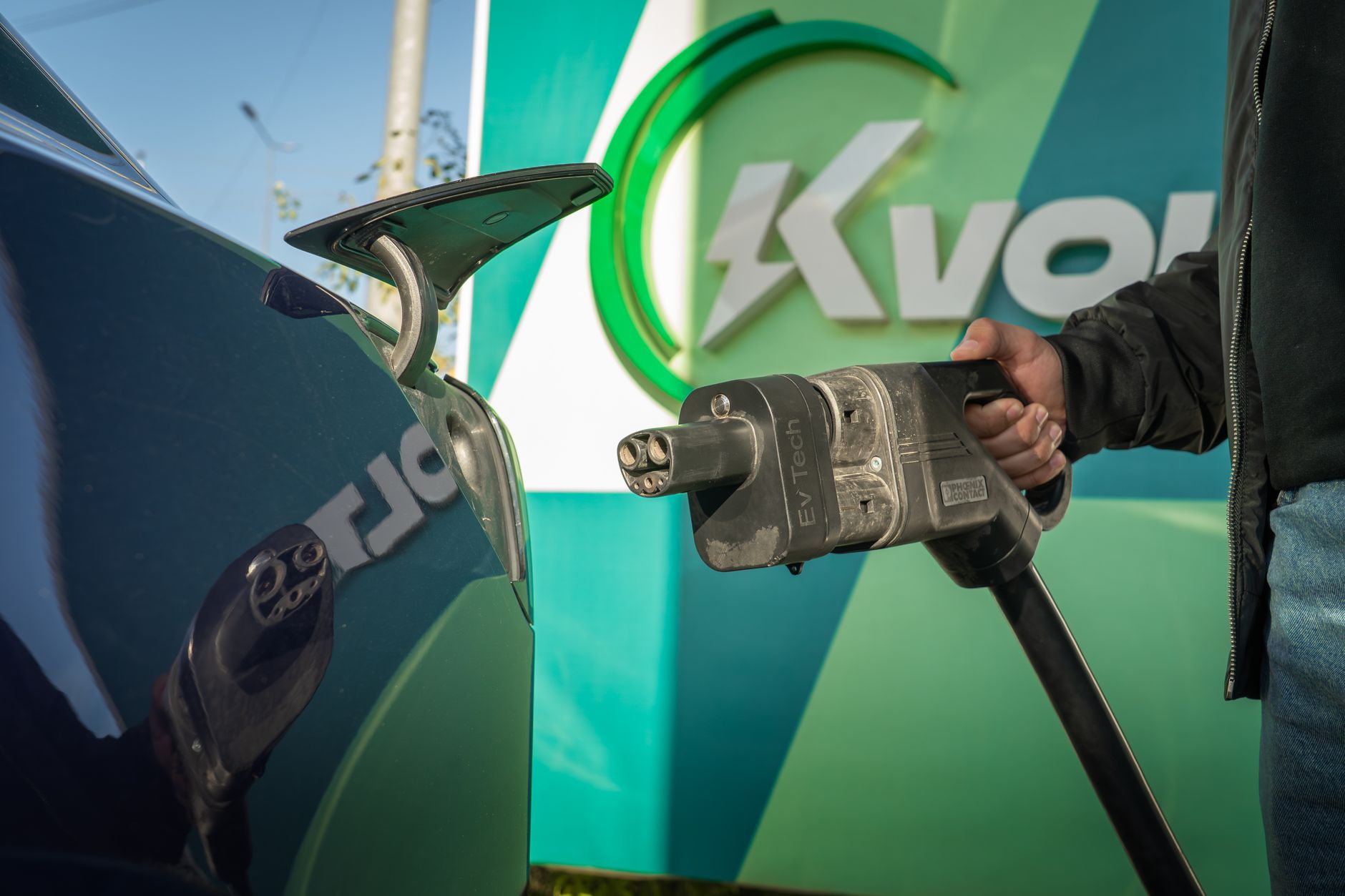
UK Considers EV Sales Target Cut to 50% by 2030 Amid Industry Pressure
The UK government is reviewing its electric vehicle (EV) sales target, which could be reduced from 80% to 50% by 2030. This comes after pressure from car manufacturers who argue that the current targets are too demanding and costly, as EVs made up 25% of total UK sales in the first seven months of the year. The consultation period will last until late October, with alternatives also being considered, such as maintaining the 80% target but offering flexibility until 2034. Changes to EV sales targets may affect the market dynamics for both EVs and hybrids.
Read More: UK Considers EV Sales Target Cut to 50% by 2030 Amid Industry Pressure
Global EV Sales Rise in July Amid China Weakness
In July, global electric vehicle (EV) sales saw an increase, largely driven by strong performances in Europe, which helped to counteract declining sales in China and North America. The article highlights that European sales surged, though specific numbers are not provided. This trend may indicate a shifting landscape for the EV market, as countries adapt to consumer demand. For investors, this shift signals potential opportunities in EV markets, particularly those focused on European sales strengths.
Read More: Global EV Sales Rise in July Amid China Weakness
Tesla (TSLA) July Sales Reach 93,579 Units Amid Market Decline
In July, Tesla (TSLA) sold 93,579 units to Chinese buyers, despite a 21% decline in China's overall car market. The China Passenger Car Association reported that total passenger car sales fell to 1.46 million, with EV sales down 3.9% to 951,000. Tesla managed to export 66,330 units from its Shanghai plant and produced 450,000 vehicles in Q2 2026. While Tesla’s stock has dropped 26% this year, the sales figures suggest potential resilience against declining trends in the broader EV market, which is significant for investors assessing Tesla's performance.
Read More: Tesla (TSLA) July Sales Reach 93,579 Units Amid Market Decline
Tesla (TSLA) Investment Growth Over Decade: Key Figures Revealed
An investment of $10,000 in Tesla (TSLA) a decade ago would now be worth over $1 million, indicating a substantial growth rate. Tesla's stock performance reflects a strong increase, driven by rising sales and demand for electric vehicles. The investment results highlight the potential returns in the growing EV market, which could attract more investors. Understanding such growth is important for ordinary investors looking at long-term equity gains.
Read More: Tesla (TSLA) Investment Growth Over Decade: Key Figures Revealed
ELEKTROS Builds Market Momentum with Hard-Rock Lithium Strategy
ELEKTROS is advancing its strategy in the hard-rock lithium segment and critical minerals, alongside developing advanced EV charging technology. This strategy is expected to enhance its market presence and could significantly impact the electric vehicle (EV) sector, given the increasing demand for lithium in battery production. As electric vehicle adoption grows, investments in such technologies may attract investor interest. For ordinary investors, this development in ELEKTROS's initiatives may indicate potential growth opportunities within the promising lithium and EV markets.
Read More: ELEKTROS Builds Market Momentum with Hard-Rock Lithium Strategy
Atmus Filtration (AFI) Earnings Upcoming Amid EV Risks
Atmus Filtration (AFI) is set to announce its earnings soon, which comes at a time when electric vehicle (EV) risks could challenge the dominance of traditional trucking markets. The earnings report is an important indicator for investors as it may reveal how the company is navigating these industry shifts. A focus on adapting to EV growth could influence its market position and investor sentiment. For ordinary investors, the upcoming earnings could provide insights into the firm's resilience and strategy amid evolving market dynamics.
Read More: Atmus Filtration (AFI) Earnings Upcoming Amid EV Risks
Lucid Group (LCID) Earnings Report on August 4: Key Metrics to Watch
Lucid Group Inc (NASDAQ:LCID) will report second-quarter earnings after market close on August 4. The company's market cap has fallen below $3 billion, indicating a significant drop in its valuation, with shares down one-third since the start of the year. Lucid has $4.7 billion in liquidity, which will help it survive until 2027, but it needs to increase capital expenditures to bring new models to market. Key factors to watch include updates on new affordable models priced under $50,000 and overall liquidity as the company navigates the competitive EV market.
Read More: Lucid Group (LCID) Earnings Report on August 4: Key Metrics to WatchTesla (TSLA) Expands China Operations Amid Global Production Growth
Tesla's (TSLA) operations in China, a critical component of its global production strategy, continue to expand. The company's factories in Shanghai contribute significantly to its overall output, underscoring the importance of the Chinese market for Tesla. In recent reports, production levels in the region are expected to increase to meet growing demand for electric vehicles. This expansion may positively impact Tesla's supply capabilities and overall market position, which is vital for investors monitoring the competitive EV landscape.
Read More: Tesla (TSLA) Expands China Operations Amid Global Production Growth
Ferrari (RACE) Luce EV Launch Causes 8.4% Share Decline
Ferrari (RACE) launched the Luce electric vehicle on May 25, 2026, in Rome. Despite criticism, CEO Benedetto Vigna stated he would not change anything about the launch. The vehicle, priced at €550,000 (approximately $640,000), has reportedly fulfilled its quota of under 500 units within two months. Following the debut, Ferrari shares experienced an 8.4% decline but have since recovered. This information is significant for investors as it illustrates market reactions to new product launches and sales expectations for luxury vehicles.
Read More: Ferrari (RACE) Luce EV Launch Causes 8.4% Share Decline
6.3 Billion Reasons: Top Automaker's Game Change Strategy Explained
A major automaker plans to invest $6.3 billion in producing electric vehicles. This investment reflects a strategic shift towards sustainable technology and aims to enhance its competitive position in the market. The automaker's initiative is expected to influence industry standards for electric vehicle production, impacting consumer choices and market dynamics. Investors should monitor how this significant financial commitment will affect the company's long-term growth and stock performance.
Read More: 6.3 Billion Reasons: Top Automaker's Game Change Strategy Explained
Lucid Group (LCID) Faces Bankruptcy Speculation Amid 99% Stock Drop
Lucid Group (LCID) has seen its stock decline approximately 99% from its peak, with shares closing at $4.62 on July 14, 2026. The company reported a revenue of $282.5 million in Q1 2026 but incurred $594.2 million in vehicle production costs, resulting in a gross profit margin of negative 110.4%. Lucid has also announced an operating loss of $989.5 million for the quarter and a net loss of roughly $1.03 billion. This financial turmoil has led to speculation about the company's future viability and potential restructuring plans, which is crucial for investors to monitor.
Read More: Lucid Group (LCID) Faces Bankruptcy Speculation Amid 99% Stock Drop
Targa Telematics Partners with Hyundai for Fleet Data Integration
Targa Telematics has partnered with Hyundai Connected Mobility GmbH to enhance data solutions for fleet operators by integrating Hyundai vehicles across Europe. This collaboration focuses on direct integration of fleet data into Targa's platform, improving maintenance, recovery, fraud detection, and management for fleet managers. Targa will also provide advanced management features for Hyundai electric vehicles, including monitoring of battery levels and energy consumption. This partnership aims to simplify fleet management across different vehicle generations and bolster operational efficiency for fleet operators.
Read More: Targa Telematics Partners with Hyundai for Fleet Data Integration
SpaceX Outshines Tesla as Elon Musk's Main Value Creator
Recently, analysts have raised questions about whether SpaceX is becoming Elon Musk's most significant value generator, surpassing Tesla (TSLA). Tesla’s stock performance has been closely monitored as questions arise about the company's future growth in the EV market. SpaceX's advancements in the aerospace industry may be contributing to this shift in perception. Investors may want to consider how this evolving landscape impacts their portfolios, especially those heavily invested in TSLA.
Read More: SpaceX Outshines Tesla as Elon Musk's Main Value Creator
China GDP Growth at 4.3% Misses Target, Exports Surge 27%
China's economy grew by 4.3% in Q2 2023, falling short of Beijing's annual target of 4.5%-5% after a 5% gain in Q1. Government data released indicated that June exports increased by 27% year-over-year. This period represents the first complete quarter of GDP data since the onset of the Iran war on February 28, 2023, and the lowest quarterly growth since late 2022. Additionally, while retail sales improved by 1% in June, new home prices continued to experience a slight contraction of 0.1%. This information points to ongoing economic challenges that could impact global markets.
Read More: China GDP Growth at 4.3% Misses Target, Exports Surge 27%
ELEKTROS Pursues High-Speed EV Charging Infrastructure Growth
ELEKTROS is expanding efforts in high-speed electric vehicle (EV) charging infrastructure amid positive market momentum. This growth is relevant as the demand for EV charging solutions increases, reflecting a significant shift towards sustainable transportation. While concrete financial metrics were not provided, the company's focus on EV infrastructure positions it well for future opportunities. This expansion could attract potential investors looking for growth in the clean energy sector, especially as regulatory support for EVs continues.
Read More: ELEKTROS Pursues High-Speed EV Charging Infrastructure Growth
ELEKTROS Expands EV Charging Network Amid U.S. Market Rally
U.S. markets have reached historic highs while ELEKTROS is advancing plans for a next-generation high-speed EV charging infrastructure. Although specific financial investments or valuation figures were not disclosed, the move indicates a strategic shift towards meeting increasing demand for electric vehicle charging. This could impact both the EV charging sector and potential partnerships in renewable energy initiatives. Such advancements are crucial as the EV market continues to grow, influencing investor sentiment and market dynamics around companies in this sector.
Read More: ELEKTROS Expands EV Charging Network Amid U.S. Market Rally
Electric Vehicles Cost 30% More to Repair Than Gas Models
Electric vehicles (EVs) cost an average of 30% more to repair compared to petrol or diesel cars. Repair times for EVs are also 14% longer. Consequently, insuring an EV can be 10-25% more expensive, depending on the model. These increased costs can deter potential buyers, particularly amid the rising demand for EVs, which constituted nearly one-third of new car sales in the UK as of June. For ordinary investors, understanding these dynamics is crucial as they affect consumer adoption and market growth in the EV sector.
Read More: Electric Vehicles Cost 30% More to Repair Than Gas Models
China's EV Companies Expand Global Robotaxi Market in Competition
China's autonomous driving sector is leveraging its extensive industrial ecosystem, which significantly contributes to its position as the largest EV market. Established companies like BYD and Geely are collaborating with software developers to innovate rapidly and reduce costs. In contrast, Waymo (GOOGL) leads the U.S. market with paid driverless services. While complicating conditions abroad may pose challenges, partnerships between Chinese firms and companies like Uber increase market access. This is important for investors to understand as it highlights the competitive landscape in autonomous driving technology and potential future growth areas.
Read More: China's EV Companies Expand Global Robotaxi Market in Competition
CATL Invests in New Zealand Firm for Graphite Development
Contemporary Amperex Technology Co., Limited (CATL) has made an investment in a New Zealand firm focused on developing innovative methods to produce graphite from wood. This investment reflects CATL's strategy to diversify its raw material sources amidst rising demand for electric vehicle batteries. While the financial terms of the deal were not disclosed, the partnership is expected to contribute significantly to sustainable material sourcing in the battery supply chain. Such initiatives could impact market dynamics by potentially reducing reliance on conventional graphite sources and impacting pricing.
Read More: CATL Invests in New Zealand Firm for Graphite Development
EV Battery Durability Exceeds Expectations Amid Replacement Concerns
Recent reports indicate that the durability of electric vehicle (EV) batteries has surpassed prior expectations, which is significant amidst ongoing concerns regarding battery replacements. While specific performance metrics were not detailed, this revelation may positively influence consumer confidence in EVs, potentially affecting sales figures. The advancements in battery technology could lead to a decrease in long-term ownership costs. The impact on EV manufacturers such as Tesla (TSLA) could be substantial, given the importance of battery life in consumer purchasing decisions.
Read More: EV Battery Durability Exceeds Expectations Amid Replacement Concerns
EV Batteries Demonstrate Longevity After Hundreds of Thousands of Miles
Recent evaluations reveal that electric vehicle (EV) batteries are performing well after extensive use, surpassing longevity expectations. While the article discusses various models, specific metrics or detailed data points related to performance, efficiency, or defect rates are not provided. This trending reliability could potentially influence EV sales and consumer confidence in brands associated with high-performing batteries. Enhanced battery longevity directly correlates with reduced replacement costs and improved resale values for EV manufacturers, potentially impacting companies such as Tesla (TSLA).
Read More: EV Batteries Demonstrate Longevity After Hundreds of Thousands of Miles
Rivian (RIVN) Raises 2026 Delivery Outlook to 65,000-70,000 Units
Rivian (RIVN) announced it delivered 12,194 vehicles in Q2, exceeding its forecast of 9,000 to 11,000. The company raised its full-year delivery target to 65,000 to 70,000, an increase from 62,000 to 67,000. Following the update, Rivian's stock rose over 8%. In contrast, Tesla (TSLA) saw a decline of approximately 7.5% on the same day. Rivian's Q1 revenue reached $1.38 billion, indicating an 11% year-over-year increase, despite the automotive segment posting a $62 million loss.
Read More: Rivian (RIVN) Raises 2026 Delivery Outlook to 65,000-70,000 Units
Hybrids Gain Market Share as EV Demand Declines
The U.S. car market shows a shifting preference as hybrids are gaining traction amid declining demand for electric vehicles (EVs). This trend signifies a pivotal change, reflecting consumer priorities on functionality and pricing. Hybrids have emerged as a competitive choice, challenging the prior dominance of EVs in the market. The overall performance of hybrid vehicles could influence future market strategies for automakers.
Read More: Hybrids Gain Market Share as EV Demand Declines
BYD (BYDDY) Sets Record of Over 160K NEVs Sold Overseas in May
BYD (OTC: BYDDY) achieved over 160,000 new energy vehicles (NEVs) sold overseas in May 2026, marking its highest monthly sales ever in this category. This surge included strong performance in the U.K., where it surpassed both Tesla (NASDAQ: TSLA) and Kia as the top-selling EV brand for the initial months of 2026. According to the European Automobile Manufacturers' Association, registrations of BYD vehicles in Europe rose by 158% year-over-year in May. Moreover, BYD is preparing to unveil eight new vehicles at the Goodwood Festival of Speed in July, indicating a strategic focus on enhancing its presence in overseas markets despite domestic challenges.
Read More: BYD (BYDDY) Sets Record of Over 160K NEVs Sold Overseas in May
Tesla (TSLA) Reports 480,126 Deliveries in Q2 2026, Shares Drop 7%
Tesla (TSLA) reported 480,126 vehicle deliveries and 451,758 vehicle production for Q2 2026, significantly surpassing analysts' expectations of around 406,600 deliveries. This marks a 25% increase year-over-year and a 34% increase from Q1 2026. Despite the strong delivery figures, TSLA shares fell 7% following the report, continuing a downward trend experienced after previous quarterly delivery announcements. The decline in stock price has occurred amidst growing competition in the EV market from companies like BYD and Hyundai.
Read More: Tesla (TSLA) Reports 480,126 Deliveries in Q2 2026, Shares Drop 7%
General Motors (GM) Q2 U.S. sales drop 4.2% amid EV demand decline
General Motors (GM) reported a 4.2% decline in U.S. sales for Q2, selling 714,896 vehicles compared to 746,588 in Q2 2025. Overall sales for the first half of the year totaled 1.3 million, reflecting a 6.8% drop year-over-year. While GM's EV sales fell 33%, the company still anticipates gaining market share in the large truck segment, with GMC Sierra sales increasing by 5%. Forecasts from Cox Automotive and J.D. Power predict that the broader U.S. auto industry will remain relatively stable compared to previous years.
Read More: General Motors (GM) Q2 U.S. sales drop 4.2% amid EV demand decline
BMW (BMWYY) transformation hinges on NEUE KLASSE execution
BMW (BMWYY) aims to revamp its product lineup with the NEUE KLASSE initiative. This change is expected to enhance electric vehicle (EV) production and strengthen competitive positioning in the automotive market. The successful execution of this plan could potentially increase BMW's market share in the growing EV segment. As the automotive industry shifts towards sustainability, investors are closely monitoring BMW's adaptation to these changes.
Read More: BMW (BMWYY) transformation hinges on NEUE KLASSE execution
Slate (STLT) Reveals $24,950 Price for New EV Pickup Truck
Slate (STLT) announced a starting price of $24,950 for its electric pickup truck, marketing it as the cheapest truck in America. Deliveries of this EV are set to begin this year, contributing to a growing trend in affordable electric vehicles. This pricing position could potentially disrupt the traditional truck market, appealing to cost-conscious consumers. The development is noteworthy amidst increasing competition in the electric vehicle sector.
Read More: Slate (STLT) Reveals $24,950 Price for New EV Pickup Truck
Slate Auto (Slate) Targets $24,950 EV Profitability by 2027
Slate Auto, an electric vehicle startup, aims to sell customizable EVs starting at $24,950 while achieving positive cash flow by 2027. CEO Peter Faricy stated that every vehicle produced will have a gross margin positive, leading to profitability. The company's break-even point is approximately 80,000 units annually, which is less than half of their planned capacity of 150,000 vehicles at the Indiana plant. This model contrasts with recent financial struggles faced by other EV startups such as Lordstown Motors and Rivian Automotive.
Read More: Slate Auto (Slate) Targets $24,950 EV Profitability by 2027
Nissan (NSANY) and Valeo Contract for Bidirectional Charging Stations
Nissan (NSANY) and Valeo have signed a contract to commercialize bidirectional charging stations in Europe, starting in the UK. This agreement supports Nissan's Vehicle-to-Grid (V2G) roadmap and introduces the Smart Unidirectional (V1G) AC charging station compliant with UK standards. The contract aims to redefine Nissan's electric vehicles as flexible energy assets, enabling cost savings for customers through optimized charging and energy use during peak periods. This initiative enhances both companies' presence in the electric vehicle market and contributes to the integration of renewable energy sources across Europe.
Read More: Nissan (NSANY) and Valeo Contract for Bidirectional Charging Stations
Goldman Sachs: EV Surge May Reduce Oil Demand By Late 2027
Goldman Sachs has projected that the rise of electric vehicles (EVs) could significantly affect oil demand, potentially leading to a reduction by late 2027. The bank indicated that this transition may alter pricing and consumption patterns in the energy markets. Although specific quantitative forecasts were not detailed in the report, the implications for oil companies and investors are notable as EV adoption rises. This situation calls for careful monitoring of the oil sector, particularly for major stakeholders like ExxonMobil (XOM) and Chevron (CVX).
Read More: Goldman Sachs: EV Surge May Reduce Oil Demand By Late 2027
Ferrari (RACE) Denies Conditional Purchase Tied to Luce EV
Ferrari (RACE) has officially denied reports that access to its limited edition models is contingent upon purchasing its upcoming Luce electric vehicle (EV). This denial comes at a time when the luxury car market is evolving toward electrification. The statement aims to clarify the company's sales strategy and maintain its brand integrity. As electric vehicle sales increase, the impact on traditional luxury car segments deserves attention.
Read More: Ferrari (RACE) Denies Conditional Purchase Tied to Luce EV
BYD (BYDDF) Responds to Environmental Allegations at Hungary EV Plant
BYD (BYDDF) has publicly rejected allegations regarding environmental violations at its electric vehicle production facility in Hungary. The company stated that it adheres to all local regulations and operates within legal frameworks. These claims could potentially impact investor perception and market trends in the EV sector, as regulatory scrutiny increases. Maintaining compliance is crucial for BYD as it aims to expand its presence in the European market.
Read More: BYD (BYDDF) Responds to Environmental Allegations at Hungary EV Plant
Stellantis (STLA) Acquires 9.5% Stake in Battery Startup Factorial
Stellantis (STLA) has acquired a 9.5% stake in solid-state battery startup Factorial, as revealed in a recent filing. This investment highlights Stellantis' focus on developing advanced battery technologies, which are increasingly critical for the automotive industry. The move is part of a broader effort to enhance electric vehicle (EV) performance and sustainability. As EV adoption accelerates, partnerships with innovative firms like Factorial may position Stellantis favorably in the competitive market.
Read More: Stellantis (STLA) Acquires 9.5% Stake in Battery Startup Factorial
Rivian (RIVN) Focuses on R2 Launch Amid Rising Oil Prices
Rivian (RIVN) aims to improve its market position as oil prices rise, which has increased consumer interest in electric vehicles. The company is launching a lower-cost R2 model intended to appeal to mass-market buyers. While Rivian claims to have successfully produced award-winning vehicles, it has not yet generated positive earnings. The success of the R2 model could influence Rivian's path to becoming sustainably profitable, but execution remains a critical factor for the company.
Read More: Rivian (RIVN) Focuses on R2 Launch Amid Rising Oil Prices
Changchun Unveils Auto Revamp Plan to Boost BYD (BYD) and Xiaomi
The Changchun government has announced an auto revamp plan aimed at bolstering electric vehicle production. The initiative involves collaboration with companies like BYD (BYD) and Xiaomi (XIACF) to enhance EV manufacturing capabilities. The plan seeks to leverage local resources and innovation to improve supply chains and technology adoption. This development is significant as it signifies a proactive approach to strengthening China's position in the global EV market.
Read More: Changchun Unveils Auto Revamp Plan to Boost BYD (BYD) and Xiaomi
GM (GM) to Invest in Peak Energy for Sodium-Ion Battery Development
General Motors (GM) plans to invest in Peak Energy to enhance the development of sodium-ion batteries. This investment indicates GM's commitment to diversifying its battery technology as part of its electric vehicle strategy. Sodium-ion batteries could potentially lower costs and improve energy density, which may positively influence GM's position in the EV market. The specific investment amount has not been disclosed, but this move highlights the emphasis on alternative battery technologies in the automotive industry.
Read More: GM (GM) to Invest in Peak Energy for Sodium-Ion Battery Development
Rivian Automotive (RIVN) Trading at $16.95 with $1B VW Investment
Rivian Automotive, Inc. (RIVN) shares traded at $16.95 as of June 1. In Q1 2026, the company reported a loss of $0.33 per share compared to expectations of $0.60, achieving a 20% year-over-year growth in deliveries. Rivian received a $1 billion investment from Volkswagen and secured a 50,000-vehicle autonomous mobility agreement with Uber. The positive sentiment surrounding RIVN stems from its upcoming R2 vehicle launch and expanding software segment, which generated $181 million in gross profit during the quarter.
Read More: Rivian Automotive (RIVN) Trading at $16.95 with $1B VW Investment