Burnham News & Analysis
21 articles
Market Mood
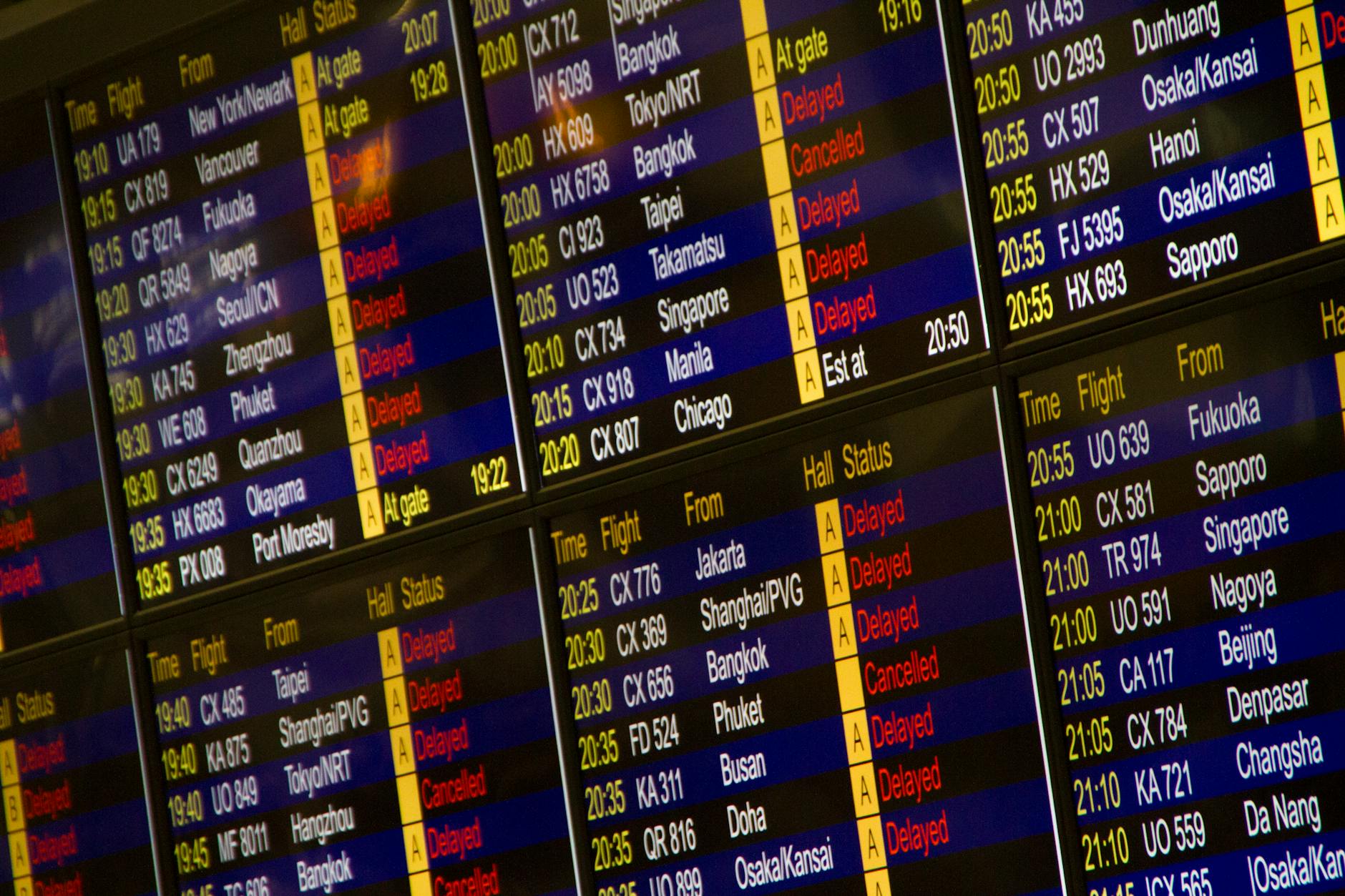
Heathrow Airport Third Runway Delayed by Up to Four Years
Prime Minister Andy Burnham has not confirmed support for a third runway at Heathrow, which could now be delayed by up to four years, with a projected completion date of 2039 instead of the initially planned 2035. The estimated cost of the runway expansion is £33 billion, and its construction is expected to create 100,000 jobs and increase annual flights from 480,000 to 720,000. Heathrow emphasized the importance of local community input in the decision-making process. For investors, the runway's delay affects potential growth in related sectors affected by increased flights and economic stimulation.
Read More: Heathrow Airport Third Runway Delayed by Up to Four Years
UK Business Culture Shift Urged by PM Ahead of Economic Meeting
UK Prime Minister Andy Burnham called for a 'culture shift' in business ahead of a meeting with major company executives, including those from BP and HSBC. He emphasized government support for risk-takers and the need for local leaders to collaborate with businesses. This meeting occurs amid rising borrowing costs and pressure on government finances. Additionally, over 800 hospitality business leaders requested a VAT reduction from 20% to 10%. This matters for investors as rising costs and inflation concerns could influence interest rate decisions impacting market conditions.
Read More: UK Business Culture Shift Urged by PM Ahead of Economic Meeting
UK Bond Trade Shows Market Confidence in Burnham for Now
Recent UK bond trade activity indicates a level of market confidence in Burnham. Investors are engaging in trades that reflect a trust in his decisions, although specific figures and percentages were not disclosed in the report. This trend suggests that market players may view Burnham's policies favorably, which could influence future investment patterns. Given the lack of hard data, the overall implications for market behavior remain uncertain for ordinary investors.
Read More: UK Bond Trade Shows Market Confidence in Burnham for Now
UK Budget Announcement on October 28: Fiscal Discipline Emphasized
Chancellor John Healey announced that the first UK Budget will take place on Wednesday, October 28. Healey emphasized fiscal discipline and meeting fiscal rules to provide stability for businesses and families. Prime Minister Andy Burnham confirmed the government will adhere to Labour's fiscal rules without increasing income tax, VAT, or national insurance contributions. Notably, concerns remain regarding funding, with potential implications for spending adjustments or tax increases needed to support policy priorities. This Budget is significant for investors as it could influence future economic policies and market stability.
Read More: UK Budget Announcement on October 28: Fiscal Discipline Emphasized
Burnham Cuts VAT from Electricity Bills Saving Households £45 Yearly
On his second day as Prime Minister, Burnham announced a cut in VAT on electricity bills, projected to save a typical household about £45 a year. Additionally, a £2 cap on bus fares will be funded by reprioritizing government expenditures. Burnham also revealed a 20% reduction in business rates for pubs and small live music venues. These measures could help alleviate the cost of living pressures, making them significant for residents and local businesses in the South as they navigate economic challenges.
Read More: Burnham Cuts VAT from Electricity Bills Saving Households £45 Yearly
20% Business Rates Cut for English Pubs Starting April 2024
Beginning April 2024, English pubs, social clubs, and live music venues will receive a 20% cut to business rates, estimated to save each venue about £1,100 next year. This initiative, announced by Prime Minister Andy Burnham, is projected to cost £100 million and will be financed through a review of tax relief on businesses like vape shops. Nearly 32,000 venues are expected to benefit from this discount, which builds upon previous cuts of 15% established in April 2023. This policy is aimed at easing financial pressures in the hospitality sector and may influence how investors view the industry's recovery.
Read More: 20% Business Rates Cut for English Pubs Starting April 2024
Burnham Aims to Reduce Energy Bills in UK as New Prime Minister
Newly appointed Prime Minister Andy Burnham has outlined plans to decrease energy bills for UK households. The commitment includes working with utility companies to lower prices by 10% over the next year, making life more affordable for citizens facing rising costs. Burnham's strategy focuses on sustainability and enhancing energy efficiency amid fluctuating market conditions. This initiative could positively influence consumer spending and stabilize the energy sector in the UK. Investors should monitor the impact on energy companies as these changes are set to unfold.
Read More: Burnham Aims to Reduce Energy Bills in UK as New Prime Minister
Burnham Becomes UK PM Amid Economic Concerns and Oil Policy Plans
Andy Burnham was sworn in as the U.K.'s seventh prime minister on June 22, 2026. His administration plans to fast-track oil and gas exploration in the North Sea, which U.S. President Donald Trump called 'invaluable.' The U.K. GDP is projected to grow only 0.8% in 2026, following previous growth rates of 1.3% and 1% in 2025 and 2024, respectively. Investors have expressed concerns regarding Burnham's policies, as he is viewed as more left-leaning than his predecessor, Keir Starmer. This shift could impact U.K. bond markets and investor confidence in government spending.
Read More: Burnham Becomes UK PM Amid Economic Concerns and Oil Policy Plans
Andy Burnham Becomes UK Prime Minister, Potential Oil Policies Ahead
Andy Burnham was confirmed as the Labour Party's new leader and Britain's Prime Minister on July 17, 2026. He is expected to announce policy changes, particularly regarding North Sea oil exploration, which President Donald Trump supports. While he aims to push for drilling in existing oil fields, Labour's deputy leader Lucy Powell stated that new exploration licenses would not be overturned. The impact of his policies could influence oil prices, which were higher early Monday, following military operations in Iran.
Read More: Andy Burnham Becomes UK Prime Minister, Potential Oil Policies Ahead
Andy Burnham Discusses Tax Changes Potential Impact on UK Economy
Andy Burnham, the expected future Prime Minister, indicated there is potential for adjustments in business tax rates to support tax cuts for pubs and high-street businesses. He plans to adhere to Labour's 2024 manifesto pledges, which include not raising VAT, income tax, or national insurance. The proposed tax changes would involve a 20% cut for hospitality venues and an increase in business rates for large warehouses. As he prepares for leadership, Burnham will need to address the funding for a £15 billion increase in defense spending announced by his predecessor, affecting fiscal strategies moving forward.
Read More: Andy Burnham Discusses Tax Changes Potential Impact on UK Economy
UK Energy Policy: Oil Drilling vs Renewables Amid Global Crisis
Andy Burnham, the likely successor to U.K. Prime Minister Keir Starmer, faces a decision on whether to expand North Sea oil drilling or focus on renewables. This comes amid a global energy shock exacerbated by the Iran war disrupting oil flows in the Strait of Hormuz. Business leaders emphasize the importance of domestic production for energy security. Meanwhile, two major U.K. trade unions are advocating for drilling to protect jobs in the sector, as significant projects like Rosebank and Jackdaw could influence supply and climate goals.
Read More: UK Energy Policy: Oil Drilling vs Renewables Amid Global Crisis
Andy Burnham's Devolution Plan Aims to Boost UK Economic Growth
Andy Burnham, in his policy speech, proposed a significant devolution of power to various regions in the UK, including Greater Manchester. He stated that economic growth cannot reach required levels without empowering local governments across the country. Currently, official GDP per capita statistics show Scotland at approximately 93%, Northern Ireland at 83%, and Wales also lagging compared to the UK average; these figures have remained relatively unchanged since 1998. The proposal's impact on future economic growth is uncertain, as past studies show no significant growth increases from devolution. This initiative could influence UK market dynamics if realized.
Read More: Andy Burnham's Devolution Plan Aims to Boost UK Economic Growth
Andy Burnham Proposes Economic Changes in Manchester Speech
Andy Burnham, the departing mayor of Greater Manchester, presented an economic critique rooted in his experience, focusing on decentralization and regional empowerment. While he confirmed adherence to existing borrowing rules and expressed support for the Milburn Review, he did not detail a comprehensive economic plan, which is expected to impact the Labour leadership campaign. His proposals touch on business rates, housebuilding, and technical education, though specifics remain unclear as he avoids definitive policy choices ahead of a potential chancellor announcement in three weeks. The markets appear relaxed despite the uncertainties surrounding major policy directions.
Read More: Andy Burnham Proposes Economic Changes in Manchester Speech
Trump Comments on Prospective British Prime Minister Burnham
US President Donald Trump made his first comments on potential British Prime Minister Andy Burnham, describing him as 'extremely liberal.' While no specific data points or financial metrics were provided, Trump's statement may influence political sentiment in the UK. The political climate can affect market conditions, leading to potential fluctuations in foreign exchange or investment trends. Therefore, these comments could have implications for US and UK market interactions.
Read More: Trump Comments on Prospective British Prime Minister Burnham
Andy Burnham Wins 54% in Makerfield Vote Impacts U.K. Leadership
Andy Burnham won 54% of the vote in the Makerfield by-election, positioning him as a likely challenger to Prime Minister Keir Starmer, who announced his resignation. A new Labour Party leader is expected to take over by September 1. Burnham's prior comments on fiscal policy raised concerns among investors, particularly regarding government spending and bond market dependencies. The transition in leadership could introduce new economic policies that may significantly affect market conditions in the U.K.
Read More: Andy Burnham Wins 54% in Makerfield Vote Impacts U.K. Leadership
U.K. Prime Minister Starmer's Departure Plan to Shift Political Landscape
U.K. Prime Minister Keir Starmer is expected to outline a departure timetable, prompting Britain to appoint its seventh leader in ten years. Andy Burnham, the former Greater Manchester Mayor, recently secured a special election win and is the frontrunner for succession. The pound dropped 0.23% to $1.3202, while 10-year U.K. government bond yields remained flat at 4.8452%. Starmer's resignation may allow Burnham to ascend without a leadership contest, although he will face ongoing fiscal challenges as he aims to gain market confidence.
Read More: U.K. Prime Minister Starmer's Departure Plan to Shift Political Landscape
UK PM Starmer Faces Leadership Challenge After Burnham's Election
UK Prime Minister Keir Starmer is under pressure following the election of rival Andy Burnham to parliament, which enables a potential leadership challenge. Business minister Peter Kyle stated that Starmer is considering the 'political realities' due to his declining popularity, highlighted by local election losses. Polls suggest that Labour party members support Burnham over Starmer in a leadership contest. Senior Labour figures are anticipating a decision from Starmer regarding his future, expected soon.
Read More: UK PM Starmer Faces Leadership Challenge After Burnham's Election
Burnham By-election Win Impacts UK Stocks and Markets
Burnham's by-election victory is seen as a potential shift in the political landscape, which could affect UK stocks. While specific trading volumes or stock price changes were not provided, analysts suggest political outcomes influence market sentiment. Historical data indicates political events can lead to volatility in UK stocks. Investors are advised to monitor upcoming elections and their financial implications closely.
Read More: Burnham By-election Win Impacts UK Stocks and Markets
UK Gilt Yields Rise as Borrowing Hits £23.3 Billion in May
UK public borrowing increased unexpectedly to £23.3 billion ($30.8 billion) in May, marking the highest level for the month in six years, and was significantly above the £18.9 billion economist forecasts. This comes as Andy Burnham, who won a special election with nearly 55% of the vote, may challenge Prime Minister Sir Keir Starmer for leadership. The yield on 10-year Gilts rose over 6 basis points to 4.8162% amid concerns over potential inflation risk. Investors may anticipate an inflation premium impacting government bonds due to the rise in fiscal scrutiny.
Read More: UK Gilt Yields Rise as Borrowing Hits £23.3 Billion in May
Burnham Wins Makerfield By-Election Amid Reform UK Challenge
Greater Manchester mayor Andy Burnham secured victory in the Makerfield by-election, defeating Nigel Farage's Reform UK party. This result is significant for the Labour Party, led by Keir Starmer, as it indicates strong local support ahead of future elections. The by-election victory offers momentum to Burnham's political agenda and reinforces Labour's position in the region. With the political landscape shifting, this outcome may influence voter sentiments and party strategies leading into the next broader electoral cycle.
Read More: Burnham Wins Makerfield By-Election Amid Reform UK Challenge
Sterling Drops 0.3% as Investors React to Political Uncertainty
U.K. gilts and the pound have come under pressure amidst fears of a potential left-leaning government led by Andy Burnham. The GBP/USD exchange rate fell 0.3% to $1.3363, marking a one-month low. The yield on 10-year U.K. gilts increased by more than 1 basis point to 5.137%. This political uncertainty may result in a shift away from the current government's fiscal restraint policies, potentially leading to increased public borrowing and spending, impacting investor sentiment and market stability.
Read More: Sterling Drops 0.3% as Investors React to Political Uncertainty