Defense News & Analysis
50 articles
Market Mood

Hegseth Impeachment Articles Introduced Triggering House Vote
Rep. Thomas Massie (R-Ky.) introduced eight articles of impeachment against Defense Secretary Pete Hegseth, leading to a House of Representatives vote likely this week. The impeachment follows Democratic majorities gained in both the House and Senate during recent midterm elections. The articles accuse Hegseth of waging war against war powers resolutions passed by Congress, extrajudicial killings linked to boat strikes in the Caribbean targeting alleged drug smugglers, and suppressing free speech by targeting Senator Mark Kelly (D-Ariz.). Massie's resolution obliges House Republican leaders to bring the measure to a vote or table it within two legislative days. Hegseth has publicly defended his actions, releasing a video statement and leading a Pentagon media campaign with the slogan "Stand. Fight. Defend the Republic." The impeachment vote could affect Pentagon leadership and policy amid ongoing conflict. For ordinary investors, this matter could influence government defense policies and budgets, potentially impacting defense contractors and related sectors as political control shifts following the new Congress composition.
Read More: Hegseth Impeachment Articles Introduced Triggering House Vote
Moog (MOG.A) Earnings Preview Amid U.S. Defense Budget Growth
Moog (MOG.A) is preparing to report earnings as the U.S. defense budget reaches record growth levels. The increase in defense spending is a critical factor potentially affecting Moog's revenue, given its involvement in defense equipment manufacturing. The U.S. defense budget expansion sets an important backdrop for Moog's upcoming earnings report. Investors are watching closely to see how the higher defense expenditures translate into order growth and financial performance for Moog. This matters because defense contractors like Moog often benefit directly from budget increases. The upcoming earnings figures will help investors understand if Moog is capitalizing on the federal spending boost, impacting the company’s revenue and profitability outlook.
Read More: Moog (MOG.A) Earnings Preview Amid U.S. Defense Budget Growth
Iran Lifts Self-Imposed Missile Range Limit in Mideast Update
Iran announced it has removed its self-imposed limit on the range of its missiles. This move marks a significant change in Iran's military policy and could affect geopolitical stability in the Middle East. The statement was part of broader recent news from the region. Details about the previous limit on missile ranges or specific new capabilities were not provided. The announcement contributes to ongoing tensions in the Mideast, where missile capabilities are a critical factor for regional security and international diplomatic relations. For investors and markets, changes in Iran's missile policy may influence geopolitical risk assessments and impact oil prices or defense stocks sensitive to Middle East developments. However, specific immediate financial impacts are not quantified in the report.
Read More: Iran Lifts Self-Imposed Missile Range Limit in Mideast Update
Defense Firms Decline on Democratic Win Raising Pentagon Budget Concerns
Shares in defense companies fell following the Democratic party's election victory, which has increased investor concern about potential cuts to the Pentagon budget. The market reacted negatively as fears grew that a Democratic-controlled government might tighten defense spending. This political shift could lead to budget constraints for defense contractors, impacting their revenues and contract pipelines. The article highlights that investors are closely watching government actions regarding military expenditures, as changes could affect major defense firms' profitability. For investors in defense stocks, the situation underscores the importance of monitoring the political landscape and forthcoming budget decisions. Any significant cuts to Pentagon funding would directly influence defense contractors' earnings and stock performance.
Read More: Defense Firms Decline on Democratic Win Raising Pentagon Budget Concerns
US Approves $2.1bn Patriot Interceptors Sale to Ukraine
The US government has approved a $2.1 billion sale of Patriot missile interceptors to Ukraine. Ukrainian President Volodymyr Zelenskyy welcomed the decision, calling it a strong move, but urged for the missiles to be delivered immediately. This sale is part of ongoing military assistance to support Ukraine's defense capabilities. The approved Patriot interceptors are advanced missile defense systems designed to protect against aerial threats. Zelenskyy's statement reflects the urgency for Ukraine to receive these defense resources promptly amidst current security challenges. This development matters for markets as it underscores continued US support for Ukraine, potentially affecting defense contractors involved in the production and delivery of such weapons. It also signals ongoing geopolitical tensions that influence global defense spending and market dynamics linked to defense firms.
Read More: US Approves $2.1bn Patriot Interceptors Sale to Ukraine
US Approves $2.1 Billion Patriot Missile Sale to Ukraine
The US government has approved a $2.1 billion sale of Patriot missile systems to Ukraine. This deal is intended to enhance Ukraine's air defense capabilities amid ongoing conflict. The approval signals strong US support for Ukraine's defense efforts. The Patriot system is a key missile defense platform used by the US and its allies, capable of intercepting incoming threats. The sale includes advanced missile systems designed to protect critical infrastructure and military assets. This sale is significant as it increases the military aid provided to Ukraine. The delivery of these systems could impact the defense capabilities in the region and alter the security dynamics. For investors and markets, this approval indicates continued US commitment to defense-related industries and geopolitical support that could sustain demand for military technology providers.
Read More: US Approves $2.1 Billion Patriot Missile Sale to Ukraine
UK Targets 3% GDP Defense Spending by 2030, Pledges £10bn Aid to Ukraine
The UK government announced a target to increase defense spending to 3% of GDP by 2030, reaffirming its NATO commitment to reach 3.5% by 2035. Chancellor John Healey presented his first annual budget emphasizing a "new era of threat" and pledged an additional £10 billion ($13.3 billion) in economic and military aid to Ukraine. This includes loans, export finance guarantees, and £500 million in urgent winter military funding. Healey also stated that details on meeting defense spending targets will be outlined in the next spending review. He emphasized working towards these goals in a fiscally sustainable way amidst rising borrowing costs and strained public finances. Furthermore, the National Wealth Fund and British Business Bank plan to deploy up to £5 billion over four years to bolster defense and dual-use technologies and attract private investment. Additionally, Rolls-Royce received a commitment for a £2.5 billion investment to develop next-generation turbine engine technology in partnership with the UK government. Analysts note the announcement lacks detailed spending plans but suggest the increased funding aligns with earlier defense priorities. This impacts UK defense sectors and reflects ongoing support for Ukraine's conflict needs. This matters for investors as the outlined defense spending targets and significant funding for military industries like Rolls-Royce indicate a potential increase in government contracts and demand, affecting revenues and market activity in defense-related UK stocks.
Read More: UK Targets 3% GDP Defense Spending by 2030, Pledges £10bn Aid to Ukraine
Boeing (BA) narrows Q3 loss to $116M with 4% revenue rise to $24.19B
Boeing (BA) reported a net loss of $116 million, or 26 cents per share, in the third quarter, an improvement from a $5.34 billion loss a year earlier. Adjusted loss per share was 34 cents, compared to Wall Street's expected loss of 21 cents per share. Revenue rose 4% year-over-year to $24.19 billion, slightly exceeding the $23.84 billion analysts anticipated. Defense sales contributed significantly, increasing 15% to $7.94 billion. Free cash flow also improved, reaching $464 million versus $238 million in the same period last year. Boeing delivered 161 commercial airplanes, one more than the previous year, though revenue in the commercial aircraft segment declined 3% to $10.72 billion. This segment operated at a negative margin of 6.5%, driven by delivery mix challenges and rising production and supply costs. Boeing is working to increase its 737 Max production, currently at about 47 planes per month, with plans to raise output next year. The company recently gained U.S. Navy contracts for a next-generation fighter jet and received Federal Aviation Administration approval for the 737 Max 10, completing certification of the Max line. These developments are vital as revenue mainly converts upon aircraft delivery, underpinning Boeing's recovery. Investors will look for production updates during Boeing's upcoming earnings call.
Read More: Boeing (BA) narrows Q3 loss to $116M with 4% revenue rise to $24.19B
West Bank Attack Kills 2 Israeli Soldiers in Regional Violence
An attack in the West Bank resulted in the deaths of two Israeli soldiers. This event is part of ongoing conflict in the Middle East region. The incident reflects heightened security concerns and tensions in the West Bank area. Specific details about the attack or the attackers were not provided in the report. This event matters as it may affect regional stability and security policies. For investors, this kind of geopolitical violence can impact markets sensitive to Middle East tensions, such as oil prices or defense sector stocks, though this article does not specify direct market effects.
Read More: West Bank Attack Kills 2 Israeli Soldiers in Regional Violence
SpaceX Starlink Continues Throttling in Ukraine, Impacting Drone Missions
SpaceX's satellite internet service Starlink, including its military-grade Starshield offering, continues to experience throttling restrictions in Ukraine. Ukrainian officials state these restrictions limit drone operations, causing mission failures as Starshield disconnects drones traveling above 100 mph. Ukrainian Deputy Ambassador Denys Sienik and President Volodymyr Zelenskyy confirmed the speed limits remain in place as of the report date. Despite claims from former President Donald Trump about restored service, experts including Dmitri Alperovitch from Silverado Policy Accelerator report ongoing problems, affecting Ukraine's ability to strike Russian logistics. Zelenskyy also highlighted delays in receiving agreed U.S. missile interceptors, further complicating defense efforts. Serhii Beskrestnov, Zelenskyy's defense tech advisor, noted that occasional higher speeds are due to algorithmic behavior rather than lifted restrictions. U.S. lawmakers have called for an investigation into Elon Musk and SpaceX concerning the throttling decisions. The responsibility for these service limits has not been publicly clarified. This ongoing throttling affects Ukraine's defense capabilities by restricting communication and operational control of drones, which are vital for military logistics and frontline defense. This matters for investors tracking SpaceX as it involves geopolitical risks and potential regulatory scrutiny impacting the firm's operations.
Read More: SpaceX Starlink Continues Throttling in Ukraine, Impacting Drone Missions
Saab (SAAB) Q3 Orders Triple to 65.8B SEK on Ukraine Gripen Deal
Swedish defense company Saab (SAAB) reported third-quarter earnings and revenue exceeding expectations, driven by a substantial rise in new orders. The company recorded new orders worth 65.8 billion Swedish kronor ($6.6 billion), more than tripling from 20.9 billion kronor a year earlier and surpassing analyst estimates of 56.4 billion kronor. Third-quarter sales reached 20.6 billion kronor, beating forecasts of 20 billion kronor, while earnings before interest and taxes (EBIT) totaled 1.95 billion kronor, above predictions of 1.9 billion kronor. The surge in orders was fueled by a 24.6 billion kronor contract signed in June to deliver 16 Gripen E fighter jets to Ukraine, with deliveries planned for 2029-2030. Additional significant contracts included a 10.1 billion kronor order for the GlobalEye military surveillance aircraft from a Middle Eastern customer and an 8.7 billion kronor order for systems supporting German frigates. CEO Micael Johansson highlighted growing customer demand reflected in major contract awards across Saab's product lines. This strong order intake reflects a broader trend of increased defense spending commitments by European governments reacting to geopolitical tensions. The elevated order book and growing profitability mark a positive operational performance for Saab, though recent stock performance has faced pressure as investors weigh current valuations against industry delivery capabilities. The large backlog and upcoming deliveries emphasize Saab's pivotal role in defense supply chains, directly impacting its revenue and long-term cash flow visibility.
Read More: Saab (SAAB) Q3 Orders Triple to 65.8B SEK on Ukraine Gripen Deal
Northrop Grumman (NOC) Price Target Raised by Guggenheim on Growth Outlook
Guggenheim has increased the stock price target for Northrop Grumman (NOC) citing a positive growth outlook for the company. The exact new price target has not been disclosed in the article. This adjustment reflects Guggenheim's confidence in Northrop Grumman's future revenue and business prospects. The article does not provide specific numbers or detailed rationale behind the growth forecast. However, the raise in price target generally signals an expectation of stronger performance in upcoming periods compared to previous estimates. For investors, such analyst target upgrades can influence market perception and potentially stock price movements by highlighting improved expected profitability or strategic positioning in defense and aerospace sectors.
Read More: Northrop Grumman (NOC) Price Target Raised by Guggenheim on Growth Outlook
Innoviz Expands Lidar Case at ThinkEquity Conference
Innoviz is expanding its lidar technology applications at the ThinkEquity Conference, focusing significantly on defense systems. The conference, known for gathering industry leaders, provides Innoviz the platform to showcase its technology and its potential applications beyond conventional sectors such as automotive and robotics. Innoviz is working on integrating its lidar sensors into defense systems, which could enhance navigation and target acquisition capabilities for various military applications. This strategic move is intended to broaden its market and possibly increase revenue streams by tapping into defense budgets. The company's push into defense highlights its strategic diversification of lidar usage. While automotive applications remain a staple of its business model, the potential entry into the defense sector may open up new opportunities and revenue channels. This could position Innoviz favorably against its competitors, as defense projects often carry substantial funding and require advanced technology solutions. This matters because diversifying applications for lidar technology beyond current markets can lead to new growth avenues and revenue sources for Innoviz. Investors may see this as a positive development, potentially increasing the company's value long-term as they explore defense contracts alongside existing industry segments.
Read More: Innoviz Expands Lidar Case at ThinkEquity Conference
SpaceX Starshield Restrictions Hinder Ukraine Military Use
Starshield, the military-focused service of SpaceX's Starlink, has come under scrutiny as Ukraine accuses SpaceX of removing key capabilities needed for its defense operations amidst Russian attacks. Ukrainian officials claim that restrictions were imposed without prior notice, affecting military operations reliant on Starshield's satellite connectivity. Elon Musk, CEO of SpaceX, has suggested that the U.S. government, including the president, ultimately controls Starshield's use, shifting the responsibility for these restrictions away from SpaceX. The White House and Pentagon have not commented on these allegations. Starshield is designed for secure government and national security communications, building on the Starlink technology, and its current capabilities include Earth observation and secure global communications. One specific issue noted was Starlink's failure at speeds above 160 km/h, which limits Ukraine's ability to track and intercept threats effectively. Ukrainian official Mykhailo Fedorov stated that some speed limitations have been restored, and further removal is vital for ongoing defense needs. This situation highlights the importance of reliable communication technologies in military operations. For investors, the ongoing scrutiny on SpaceX's service offers a window into the complexities of satellite services in defense, especially regarding control over operational systems vital for international security cooperation.
Read More: SpaceX Starshield Restrictions Hinder Ukraine Military Use
Saudis Investigate Defense Failures in Houthi Airport Attack
Saudi Arabia is investigating the failure of its defense systems to intercept a Houthi missile attack on Riyadh airport. This incident resulted in fatalities, prompting concerns over the effectiveness of the country's military defenses. Saudi officials are focusing on how the attack managed to evade their defense systems, which are primarily used to protect against such threats. The attack on the airport led to fatalities, underscoring the severity of the incident. Saudi Arabia is conducting a thorough investigation to determine the causes behind the defense system breach. The country's defense systems are designed to detect and neutralize incoming threats, raising questions about their reliability and the potential need for enhancements. For investors, this incident could have implications for defense contractors and geopolitical stability in the region. The investigation's findings may impact future defense procurement decisions by Saudi Arabia and could influence the region's security dynamics.
Read More: Saudis Investigate Defense Failures in Houthi Airport Attack
North Korea Conducts Multiple Ballistic Missile Tests
North Korea has fired several ballistic missiles, continuing its recent series of weapon tests. This action adds to the ongoing tension in the region as Pyongyang regularly tests its military capabilities. No specific details on the number or type of missiles fired were provided in the report. The timing of these tests often coincides with regional military drills or international diplomatic events, keeping North Korea's military activities in the spotlight. These missile tests are part of North Korea’s broader strategy to develop its military capabilities, which often serve as a method of political signaling. The frequent launch of ballistic missiles raises concerns among neighboring countries and the international community about regional security and stability. For ordinary investors, geopolitical tensions like these can impact global markets, influencing sectors sensitive to international relations such as defense stocks and energy prices.
Read More: North Korea Conducts Multiple Ballistic Missile Tests
Six Defense and Industrial Stocks to Consider Through 2030
The Globe and Mail has highlighted six defense and industrial stocks as potential long-term investment opportunities through 2030. These stocks are recommended for their strategic importance and expected growth in the defense and industrial sectors over the next decade. Although the article does not specify individual stock performance or detailed financial metrics, it suggests a long-term hold based on industry prospects. The publication emphasizes the strategic significance of the defense and industrial sectors in the evolving global market. However, exact revenue figures, P/E ratios, or other financial metrics for these stocks are not provided in the article. As a result, the focus is primarily on sector-based growth potential rather than individual company performance. For ordinary investors, this matters because identifying stocks in sectors with anticipated growth can potentially lead to higher returns over the long term. Investors looking for stable long-term returns may find these sectors appealing based on this recommendation.
Read More: Six Defense and Industrial Stocks to Consider Through 2030
Anthropic Expands AI Model Access for Government Use
Anthropic has announced the expansion of access to its AI models specifically for government and cyber defense partners. This move aims to enhance collaboration between Anthropic and public sector entities, focusing on security and defense needs. No specific details on the models or access levels have been made public in this announcement. The partnership with government bodies is expected to strengthen Anthropic’s presence in the public sector AI solutions market, potentially leading to increased adoption by other sectors and clients. By prioritizing collaboration with these partners, Anthropic positions itself to better influence AI integration in critical public services. This matters because it indicates Anthropic is likely to deepen its market penetration in government services, potentially increasing its influence and revenues over time.
Read More: Anthropic Expands AI Model Access for Government Use
Trump Confirms US Moving Bombers Due to Iran-Linked Threat
President Donald Trump announced the United States has moved all its long-range bombers out of the United Kingdom due to a perceived threat he attributed to links with Iran. The redeployment was confirmed after a report by Associated Press indicated that a terror attack plan was discovered at RAF Fairford, the air base where these B-1 bombers were stationed. Trump emphasized that relocating the bombers incurred minimal costs and that the decision was made to safeguard these critical assets. The long-range bombers have been involved in airstrike missions on Iran, highlighting their strategic importance. The Associated Press highlighted that these aircraft have now been repositioned back to their home bases in the US. The decision to relocate these bombers underscores the US's precautionary stance amid regional tensions. For investors, these geopolitical developments may affect market stability and defense sector consideration, particularly where global security dynamics and resource allocation are concerned.
Read More: Trump Confirms US Moving Bombers Due to Iran-Linked Threat
Lockheed Martin (LMT) Stock Declines 3.8% Over Last 3 Months
Lockheed Martin's (LMT) stock has dropped by 3.8% over the past three months. The decline has raised questions among investors about potential strategies to address this decrease in value. The article suggests considering various investment tactics but does not provide specific recommendations. Although the stock has seen a downturn, investors might assess current market conditions and Lockheed Martin's position within its sector before making decisions. This decline is significant as Lockheed Martin is a key player in the defense industry. Understanding the reasons behind the stock price movement and potential recovery strategies may be crucial for those holding or considering acquiring shares in the company. The stock's performance matters to investors as it highlights market sentiment and potential risks for those invested in Lockheed Martin. Being aware of these elements allows for more informed decision-making.
Read More: Lockheed Martin (LMT) Stock Declines 3.8% Over Last 3 Months
Ukraine's Robot Offensive Reclaims 176 Sq Km in Donbas
A recent Ukrainian counteroffensive named 'Operation Vivaldi' aimed at the Donbas region has recaptured 176 square kilometers of territory from Russian control. This operation, beginning in May and now in its third phase, has utilized bomber drones and remote-controlled robots. According to Brigadier-General Andrii Biletskyi, the latest phase inflicted over 2,000 Russian losses and took over 250 prisoners. The use of advanced robotics and drones is seen as changing the nature of warfare, as stated by Serhii Kuzan, Chairman of the Ukrainian Security and Cooperation Center. Patrick Bolder, a defense expert, described the operation as a significant strategic setback for Russian President Vladimir Putin's aims in the region. Ukraine has reportedly secured control of the air in the Lyman area and disrupted Russian logistical supplies. For investors and analysts, the operation demonstrates the increasing role of technology in warfare, influencing defense and security sectors. It also underscores the geopolitical risks in the region, which could affect markets depending on the ongoing conflict's outcome.
Read More: Ukraine's Robot Offensive Reclaims 176 Sq Km in Donbas
Airbus and Lockheed Martin Compete for £2bn UK Satellite Contract
Airbus and Lockheed Martin are competing for a UK government contract worth up to £2 billion to build the next generation of military satellites. This competition aligns with the UK's pledge to prioritize British companies, though both competitors have significant UK operations. The contract decision is an important part of the UK's strategy to enhance its defense capabilities through advanced technology and innovation in satellite communications. Airbus is based in Europe, while Lockheed Martin is headquartered in the United States, although both companies have substantial UK facilities and commitments. The contract is a critical component in the ongoing modernization of the UK military's satellite infrastructure. Winning this contract would significantly strengthen the position of either Airbus or Lockheed Martin in the expanding field of military satellite technologies. This step is part of the UK's broader defense industry strategy, which seeks to leverage domestic industrial strength and technological innovation. For investors, the outcome of this contract discussion could impact the revenues of Airbus and Lockheed Martin. The contract not only presents a major financial opportunity but also reinforces the importance of established industries in securing government projects.
Read More: Airbus and Lockheed Martin Compete for £2bn UK Satellite Contract
Defense ETF Sees RSI Readings Below 30 Indicating Oversold Market
Recent Relative Strength Index (RSI) readings for several defense ETFs are below 30, suggesting that the sector is oversold. This technical indicator implies a potential buying opportunity for investors looking at the defense sector. Oversold conditions can attract buyers, which may influence price movements positively. Such insights into market conditions are relevant for investments in defense-focused exchange-traded funds.
Read More: Defense ETF Sees RSI Readings Below 30 Indicating Oversold Market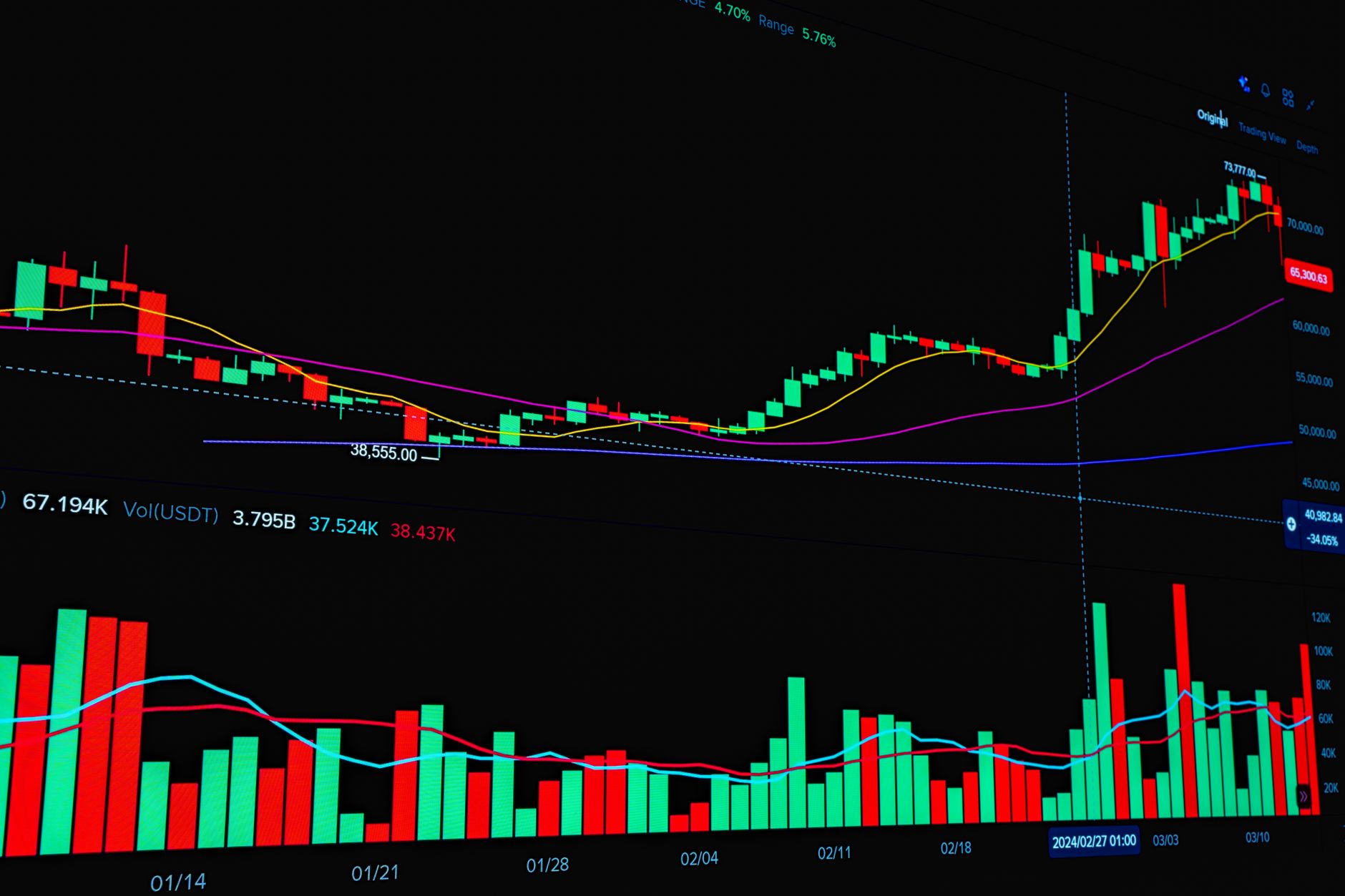
Northrop Grumman (NOC) Stock Analysis After F/A-XX Contract Loss
Northrop Grumman (NOC) experienced a stock analysis following its loss of the F/A-XX contract, a significant military project. The contract was expected to be a valuable addition to their defense portfolio. This change in status could influence the company's future revenue streams, impacting investor confidence. Investors should note the implications of this contract loss on Northrop Grumman's overall market position and financial outlook.
Read More: Northrop Grumman (NOC) Stock Analysis After F/A-XX Contract Loss
DroneShield (ASX:DRO) Shares Surge 9% On $500 Million U.S. Deal
DroneShield's (ASX:DRO) shares increased by 9%, reaching a one-month high following a $500 million deal in the U.S. market. This development indicates strong market interest and potential revenue growth stemming from the contract. The significant deal enhances DroneShield's position within the defense sector, which is crucial for attracting investor confidence. The contract could lead to substantial financial benefits for the company, impacting future earnings reports positively.
Read More: DroneShield (ASX:DRO) Shares Surge 9% On $500 Million U.S. Deal
Boeing (BA) vs. Northrop Grumman (NOC): Growth Comparison Insights
The article examines Boeing (BA) and Northrop Grumman (NOC) to evaluate which company offers better growth potential. While specific financial figures and growth rates are not provided, it discusses the operational strengths and market positions of both firms. Boeing is primarily focused on commercial aviation, while Northrop Grumman has a strong defense portfolio. Investors should consider the sectors in which each company operates as a factor in their growth trajectories, even without concrete numbers. Understanding these differences can help guide investment decisions in aerospace and defense stocks.
Read More: Boeing (BA) vs. Northrop Grumman (NOC): Growth Comparison Insights
U.S. Acknowledges Taiwan’s Defense Needs Amid China Threat
A U.S. official stated that the country understands Taiwan's defense requirements in light of threats from China. This acknowledgment may affect military supply chains and international relations in the region. The focus on Taiwan's defense aligns with the ongoing geopolitical tensions and defense spending. This development is pertinent for investors as it could influence defense sector investments and stock valuations.
Read More: U.S. Acknowledges Taiwan’s Defense Needs Amid China Threat
Ford (F) Seeks Military Contracts to Offset Declining Production
Ford's (F) Dagenham plant has reduced engine output from 90,000 to approximately 45,000 annually over the past decade. The company is pursuing a bid with General Dynamics and Ricardo to supply 9,000 vehicles to the British Army over the next five to seven years as part of efforts to counteract industry challenges. This shift towards military vehicle production aligns with rising defense budgets in Europe amid geopolitical tensions. As European car manufacturers respond to increased defense spending, it presents a potential revenue opportunity for firms like Ford.
Read More: Ford (F) Seeks Military Contracts to Offset Declining Production
RTX Backlog Reaches $289 Billion; Growth Potential to $460.5 Billion
RTX (NYSE: RTX) CEO Chris Calio highlighted a backlog of $289 billion during the Morgan Stanley conference, with potential growth to $460.5 billion by the end of 2028. The current backlog consists of $170 billion in commercial aerospace and $119 billion in defense. Notably, this figure does not include a recent $22.9 billion order for Tomahawk cruise missiles. The company plans to recognize only 25% of its RPO in the next year, with long-term contracts ensuring consistent revenue.
Read More: RTX Backlog Reaches $289 Billion; Growth Potential to $460.5 BillionBoeing (BA) MQ-25A Production Launch and Lockheed Martin (LMT) Contracts
On September 14, the Pentagon announced nearly $1.9 billion in contract awards, with Boeing (NYSE: BA) receiving a $562 million contract for its MQ-25A Stingray production. Lockheed Martin Corporation (NYSE: LMT) secured three contracts totaling more than $1.3 billion, primarily focused on replenishing long-range standoff weapons. Boeing's contract marks a significant milestone, moving from development to production, with initial deliveries expected in 2029. These developments in defense contracts highlight ongoing U.S. military funding priorities that could influence future revenue for these companies.
Read More: Boeing (BA) MQ-25A Production Launch and Lockheed Martin (LMT) ContractsRTX (RTX) Compared to Lockheed Martin on Risk Factors
RTX and Lockheed Martin were compared on risk factors, with RTX identified as the better long-term investment. The article discusses key indicators around risk management, financial performance, and project timelines without providing specific numerical data. As companies in the defense sector, both play critical roles in government contracts and military spending. For investors, understanding these distinctions can guide portfolio decisions in an evolving defense market.
Read More: RTX (RTX) Compared to Lockheed Martin on Risk Factors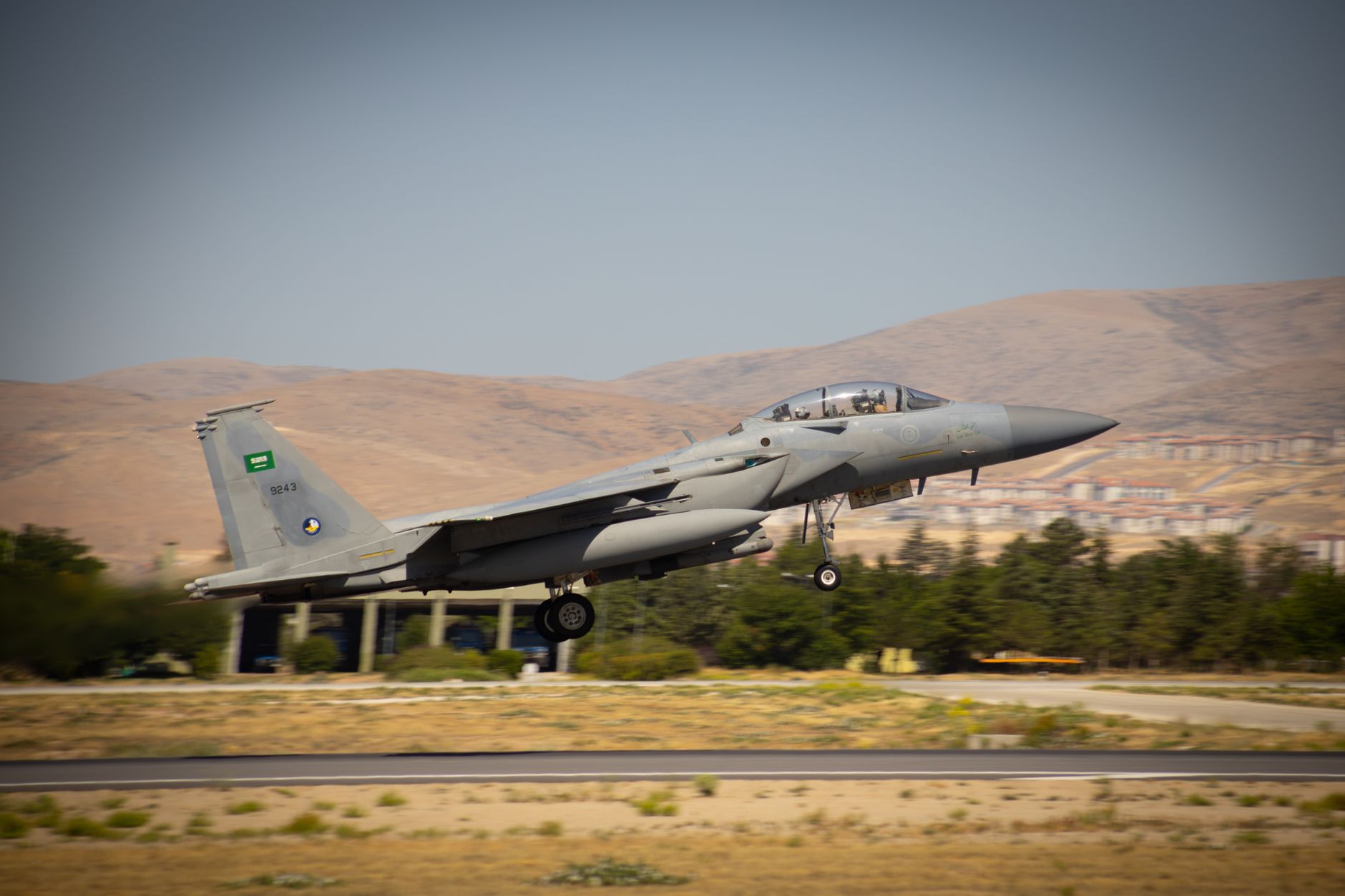
F-35 Sale to Saudi Arabia Approved at $24.3 Billion
The U.S. government has approved a potential sale of F-35 fighter jets to Saudi Arabia, valued at $24.3 billion. This approval signifies continued military cooperation between the U.S. and Saudi Arabia. This potential deal could influence defense sector investments and contracts, reflecting the strong demand for advanced military technology. For investors, this represents a significant opportunity in the defense market as the sale may lead to increased revenue for companies involved in military contracts.
Read More: F-35 Sale to Saudi Arabia Approved at $24.3 Billion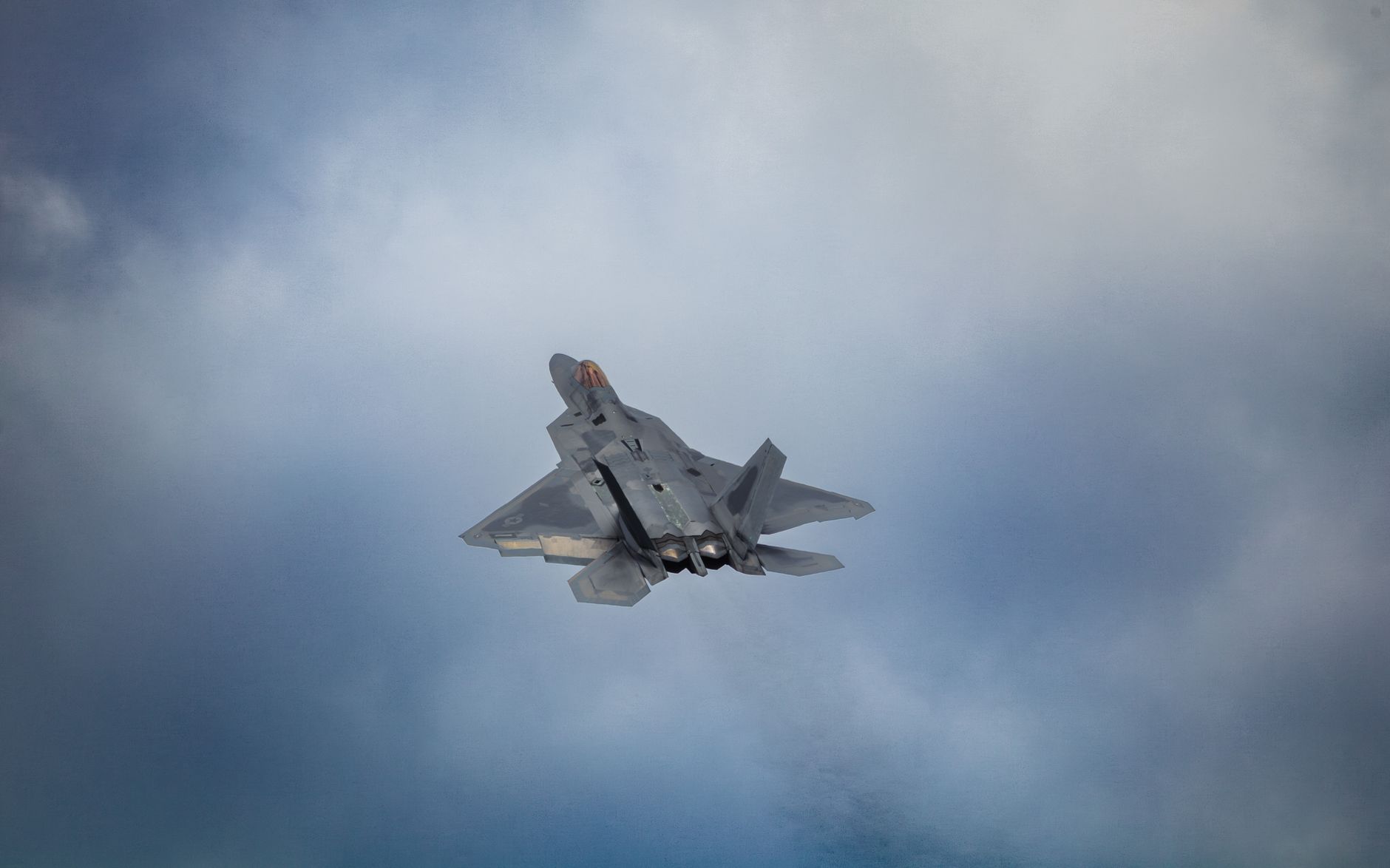
Lockheed Martin (LMT) Mission Shift Discussion at Morgan Stanley Conference
Lockheed Martin (LMT) participated in the Morgan Stanley Laguna conference, discussing a strategic mission shift. The company is adjusting its focus to align with evolving defense needs and technological advances. This shift is significant as it could impact Lockheed Martin's future contracts and revenue streams. By shifting resources and priorities, the company aims to strengthen its position in the defense sector. This matters for investors as it indicates how Lockheed Martin plans to adapt to market demands, potentially affecting future revenue.
Read More: Lockheed Martin (LMT) Mission Shift Discussion at Morgan Stanley Conference
KNDS IPO Delay Possible as Defense Shares Weaken
The initially planned initial public offering (IPO) for KNDS may be delayed due to weakening demand in defense shares. Details about the specific timeline for the IPO are not provided, but the implication is that the market conditions are unfavorable. Defense sector performance appears to be affecting investor sentiment regarding new offerings. This matters for investors as a delay in the IPO could influence capital flows into defense-related stocks, impacting overall market stability.
Read More: KNDS IPO Delay Possible as Defense Shares Weaken
Iran War Costs $33.4 Billion, Hundreds of Structures Damaged
As of June 29, the U.S. government reports the Iran war has cost an estimated $33.4 billion, impacting U.S. military infrastructure and aircraft. The casualties include hundreds of buildings damaged at U.S. bases and dozens of aircraft, such as four F-15E fighter jets and a fifth-generation F-35A, the first of its kind to suffer battle damage. The costs also encompass $184 million in damage to U.S. diplomatic facilities in Iraq, Kuwait, Saudi Arabia, and the United Arab Emirates. This data indicates significant military spending and operational implications, which can influence defense budgets and related sectors for investors.
Read More: Iran War Costs $33.4 Billion, Hundreds of Structures Damaged
US Military Details Space Weapons Development Plans
The US military announced the existence of its weapons in space, a development that may influence global defense strategies. Security experts caution that this revelation could lead to other governments proliferating similar weapons capabilities. The implications of space-based weaponry could significantly affect international relations and military balances. For investors, understanding these developments is crucial as they may impact defense sector stocks and governmental defense contracts.
Read More: US Military Details Space Weapons Development Plans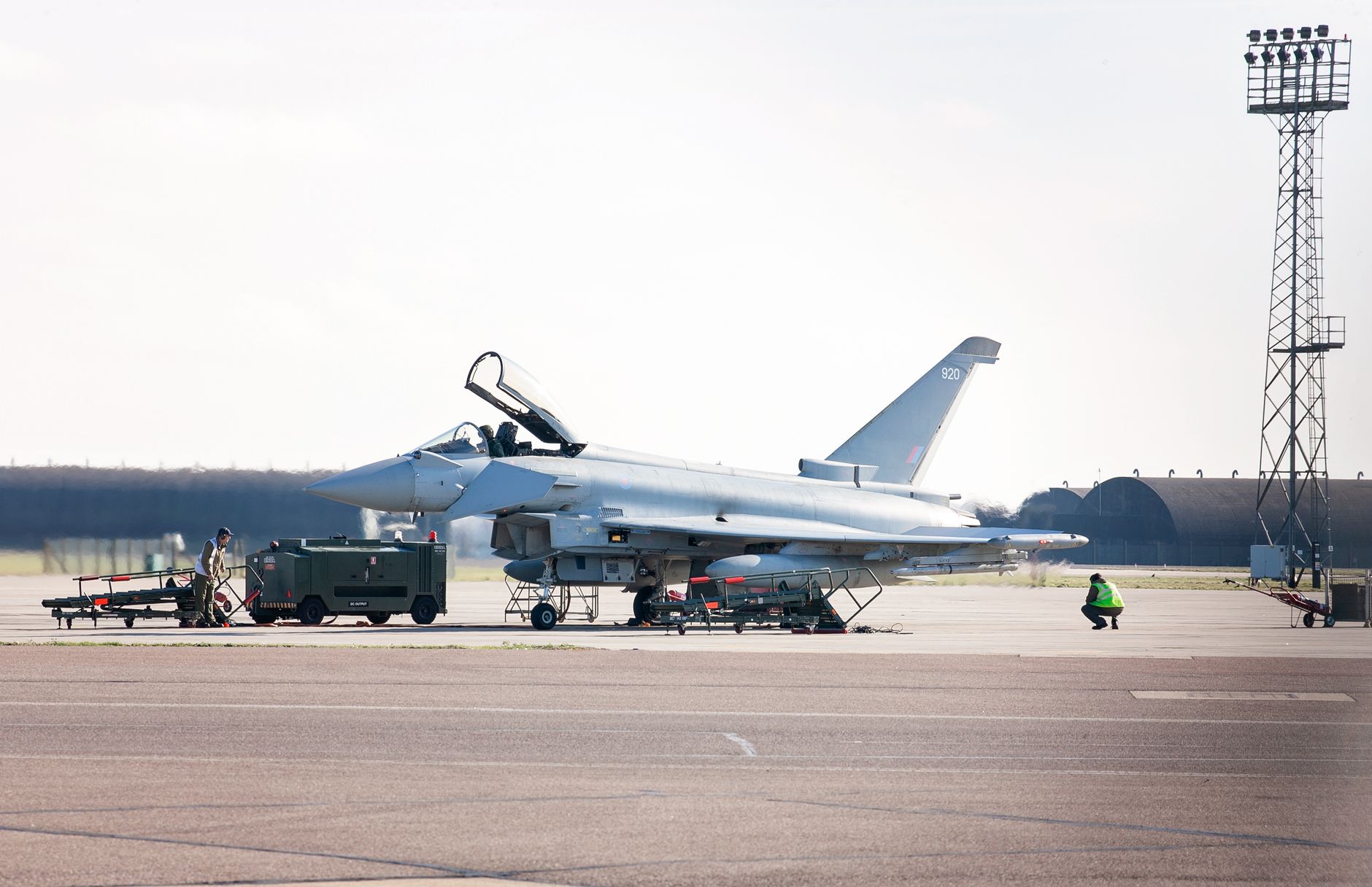
TSX Drone Maker Could Boost 59% on Armed Forces Contract
An analyst suggests that a new contract with the Canadian Armed Forces could enhance a Toronto Stock Exchange (TSX) drone manufacturer's revenue by 59%. This potential growth signifies a strong opportunity for market investors, reflecting the increasing demand for drone technology in defense operations. Specific financial details, including contract values or company names, were not disclosed. For investors, this news underlines the potential of investing in the defense sector, particularly in companies adapting to governmental needs.
Read More: TSX Drone Maker Could Boost 59% on Armed Forces Contract
Volatus Aerospace Inc. Gains 26% from Canadian Armed Forces Contract
Volatus Aerospace Inc. (VOLAF) saw a 26% increase in its shares this week after securing its first order from the Canadian Defence Drone Initiative. Analysts predict that this contract could lead to a 59% boost in the company's revenues. The successful contract could enhance investor confidence and market presence, reflecting positively on Volatus Aerospace's growth potential. This matters for ordinary investors as it indicates a significant opportunity within the defense sector and may result in increased stock value.
Read More: Volatus Aerospace Inc. Gains 26% from Canadian Armed Forces Contract
European Indexes Slide Due to Higher Oil Prices Impacting Stocks
European indexes declined, impacted by rising oil prices that hit defense stocks and banks. This downturn reflects broader market concerns about the implications of higher oil costs. Investors are reacting as these sectors typically feel the pressure from increased operational costs associated with oil. The movement in European markets may influence investor sentiment and financial strategies moving forward.
Read More: European Indexes Slide Due to Higher Oil Prices Impacting Stocks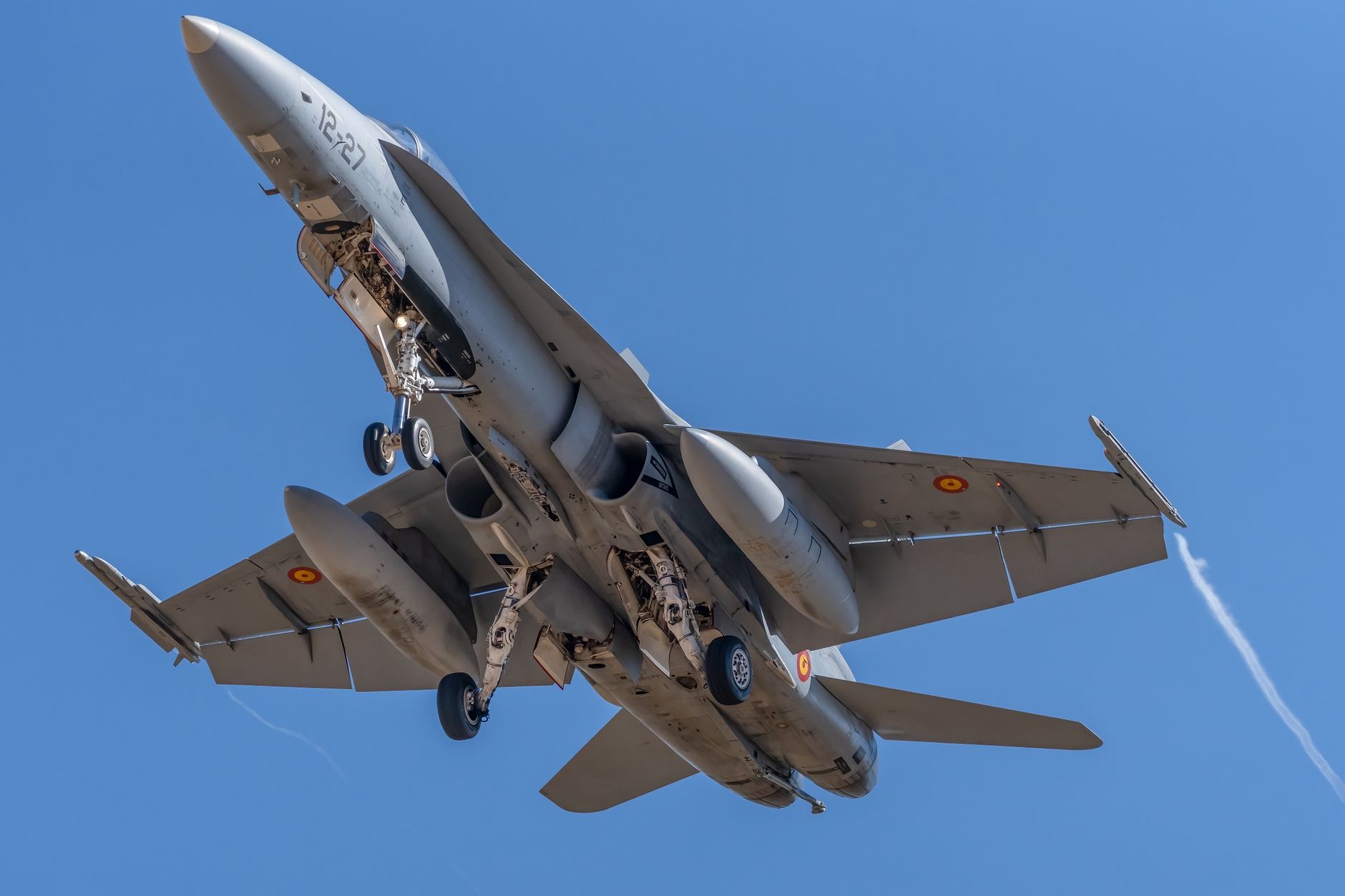
Hanwha Aerospace Secures K9 Howitzer Export Deal with Spain
Hanwha Aerospace has signed an export contract with Spain for the K9 Howitzer, although specific financial figures were not disclosed. This deal highlights the company's push into international defense markets, expanding its global presence. The K9 Howitzer is a key product in Hanwha's defense portfolio, suggesting potential revenue growth in the sector. Such contracts can positively influence investor sentiment and market performance for Hanwha Aerospace.
Read More: Hanwha Aerospace Secures K9 Howitzer Export Deal with Spain
L3Harris (LHX) Shake-Up Highlights Missile Rearmament Opportunities
L3Harris Technologies (LHX) experiences a corporate restructuring that positions the company as a key player in missile rearmament efforts. This shift comes amid increased military spending and a global push for enhanced defense capabilities. Investors are encouraged to consider the potential gains related to defense contracts and expanded market share. The focus on missile systems could be crucial as governments continue to prioritize military readiness and capabilities.
Read More: L3Harris (LHX) Shake-Up Highlights Missile Rearmament Opportunities
Twin Disc Reports Increased Growth at 17th Annual Midwest IDEAS Conference
At the 17th Annual Midwest IDEAS Conference, Twin Disc highlighted growth driven by its defense sector. The company emphasized the importance of these developments in contributing to overall revenue increase. While specific financial figures were not provided, this focus on defense suggests potential for future revenue expansion. For investors, understanding this growth area may signal an opportunity in the defense sector, which could impact Twin Disc (TDW) positively.
Read More: Twin Disc Reports Increased Growth at 17th Annual Midwest IDEAS Conference
Canada Defense Industry Sees Growth Amid US Relations Fraying
Canada is enhancing its defense industry as relations with the US weaken, leading to increased opportunities for local contractors. This shift suggests a potential boom for Canadian firms involved in defense projects. The evolving geopolitical landscape may influence both domestic and international defense contracts. For investors, this could indicate growth potential in the Canadian defense sector, benefiting companies within this market.
Read More: Canada Defense Industry Sees Growth Amid US Relations Fraying
U.S. Defense Strategy Changes Amid Less Military Engagement
The U.S. is reducing its military exercises with South Korea due to costs and ongoing tensions related to Iran. President Donald Trump called for a significant decrease in joint exercises, which included the cancellation of upcoming marine drills. Analysts suggest that regional allies like Australia, the Philippines, and Japan may increase their military spending and seek new partnerships. This shift in defense strategy signals potential changes in regional security dynamics, which could affect investment strategies in defense-related sectors.
Read More: U.S. Defense Strategy Changes Amid Less Military Engagement
Pentagon Removes Stars and Stripes Leadership Amid Changes
The Pentagon has removed the leadership team of the Stars and Stripes newspaper as part of a restructuring effort. This decision is significant as it impacts a long-standing military publication, which plays a role in informing service members. The change aligns with the Pentagon's ongoing strategy to adjust its communications. This matter is relevant for investors as it may influence perceptions of military-related media and their operations in the market.
Read More: Pentagon Removes Stars and Stripes Leadership Amid Changes
U.S.-South Korea Military Drills Scale Back Ahead of Schedule
The joint Ulchi Freedom Shield 2025 military exercise that began on August 17 will now end on August 11, 2025, earlier than the planned conclusion on August 27. This scaling back follows an order from President Donald Trump to reduce joint drills with South Korea, with U.S. officials stating that essential readiness and training objectives would be maintained. Analysts indicate that this reduction could negatively impact the combat readiness of U.S. and South Korean forces while raising questions about the credibility of U.S. commitments to its alliances. This situation is significant for investors as tensions in the region may influence market stability and defense stocks.
Read More: U.S.-South Korea Military Drills Scale Back Ahead of Schedule
Mercury Systems (MRCY) Posts $289.8M Q4 Revenue, Shares Down 6.4%
Mercury Systems (NASDAQ: MRCY) reported fourth-quarter 2026 revenue of $289.8 million, exceeding analysts' expectations of $266.4 million. However, the company's adjusted earnings per share (EPS) of $0.37 fell short of the expected $0.38, declining from $0.47 in the same quarter last year. Additionally, Mercury's operating margin contracted to 5% from 8.6% year-over-year, indicating profitability concerns. As a result, shares are down 6.4% as investors react to reduced margins despite a growing revenue and backlog of $1.9 billion, up $540 million year-over-year, signaling apprehension about future profitability. This matters for ordinary investors as profitability and valuation metrics impact stock performance.
Read More: Mercury Systems (MRCY) Posts $289.8M Q4 Revenue, Shares Down 6.4%
Hanwha Defence Unit Selected for U.S. Army Mobile Artillery Prototypes
The U.S. Army has selected Hanwha Defense, a division of Hanwha Group, to produce prototypes for mobile artillery systems. This contract aims to modernize the Army's artillery capabilities, although specific contract value details were not disclosed. The selection of Hanwha Defense aligns with efforts to enhance defense technology and capabilities. For investors, this collaboration may indicate potential expansion and growth within the defense sector, highlighting opportunities in defense-related investments.
Read More: Hanwha Defence Unit Selected for U.S. Army Mobile Artillery Prototypes
U.S. Nuclear Strategy Shift Raises Allies' Defense Costs and Risks
Recent changes in U.S. National Defense Strategy for 2026 dropped explicit mentions of extended deterrence, prompting allies to reconsider their defense strategies. Analysts warn this shift increases the risk of a proliferation cascade, as countries feel Washington is becoming more disengaged. France plans its first increase in warheads since 1992, while nations like Japan and Finland are moving closer to potential nuclear capabilities. For ordinary investors, this shift could signal heightened geopolitical tensions, which may affect market stability and defense sector investments.
Read More: U.S. Nuclear Strategy Shift Raises Allies' Defense Costs and Risks
Trump Orders Pentagon to Scale Back Military Exercises with South Korea
President Donald Trump ordered the Pentagon to reduce joint military exercises with South Korea after indicating that South Korea declined to assist in denuclearization efforts regarding Iran. The exercises were set to involve 18,000 South Korean soldiers and were designed to enhance readiness against North Korea. Trump described the exercises as costly and inappropriate. This decision follows North Korea's threats against the U.S. and South Korea, labeling the military drills as a potential rehearsal for aggressive actions. This situation matters for ordinary investors as geopolitical tensions can impact market stability and defense-related sectors.
Read More: Trump Orders Pentagon to Scale Back Military Exercises with South Korea