Crypto News & Analysis
50 articles
Market Mood

Crypto Markets See Ongoing Slow Selloff, Increasing Trader Caution
Cryptocurrency markets are experiencing a prolonged period of decline, described as a slow-motion selloff. This has led to increasing wariness and a sense of hopelessness among traders who face diminishing returns and heightened uncertainty. The article highlights the ongoing trend of falling crypto prices without specifying exact figures or timeframes. Market participants report increased fatigue as sell pressure persists and attempts at recovery fail to gain traction. This cautious environment affects trading volume and investor confidence. This matters because sustained declines in crypto markets can reduce liquidity and investor participation, potentially impacting price stability and future market dynamics. Traders and investors may adjust their strategies in response to this cautious sentiment.
Read More: Crypto Markets See Ongoing Slow Selloff, Increasing Trader Caution
Bitcoin (BTC) Price Drops Below $70,000 Entering Deep Value Zone
Bitcoin (BTC) continued its decline on Saturday, falling below the $70,000 price level and entering what analysts call a "deep value zone." Several news sources reported fresh lows around $66,000. The decline reflects a broader risk-off sentiment in markets, where investors have reduced exposure to assets like Bitcoin and gold. This price movement is linked to rising inflation concerns, leading investors to seek higher yields from other assets. The falling Bitcoin price amid increased inflation pressures demonstrates a shift in investor behavior away from cryptocurrencies. For markets, this means Bitcoin is currently under pressure from macroeconomic factors influencing risk assets. The key figure to note is Bitcoin trading below $70,000 and approaching $66,000. For investors, this drop signals a potentially prolonged period of lower prices linked to these external economic pressures.
Read More: Bitcoin (BTC) Price Drops Below $70,000 Entering Deep Value Zone
Bitcoin (BTC) Falls Below $68,000 Amid Seventh Day of ETF Outflows
Bitcoin's price dropped below $68,000 following outflows from cryptocurrency exchange-traded funds (ETFs) extending to a seventh consecutive day. The extended outflows indicate growing investor caution despite Bitcoin's recent high levels. The continuous withdrawal of funds from Bitcoin ETFs suggests increasing supply pressure and potential weakening demand. This trend reflects investor sentiment possibly shifting towards risk aversion in the cryptocurrency market. This development matters as ETF outflows can influence Bitcoin's price by affecting liquidity and market participation. Extended outflows over multiple days highlight a sustained trend that could impact short-term Bitcoin pricing dynamics.
Read More: Bitcoin (BTC) Falls Below $68,000 Amid Seventh Day of ETF Outflows
Sam Bankman-Fried Missed $40 Billion Gain from Anthropic IPO
Sam Bankman-Fried, a jailed cryptocurrency entrepreneur, would have earned nearly $40 billion from the initial public offering (IPO) of Anthropic, an artificial intelligence lab. This missed opportunity stems from his early investments in Anthropic before his arrest. The exact details of his investment and the IPO valuation highlight the substantial financial impact of the situation. Anthropic's IPO valuation implies that early investors like Bankman-Fried stood to gain significant financial returns. However, due to his legal troubles and subsequent imprisonment, he will not benefit from this gain. The missed windfall underscores the risks involved in early-stage investments coupled with personal legal issues. This event matters to markets as it illustrates how legal circumstances can abruptly affect investor gains, especially with high-growth companies going public. For ordinary investors, the case highlights the importance of regulatory and legal stability when investing in startups and IPOs with potentially large valuations.
Read More: Sam Bankman-Fried Missed $40 Billion Gain from Anthropic IPO
Bitcoin Falls Below $70,000 Amid Rising Yields Pressure on Crypto
Bitcoin's price fell below $70,000 as increasing bond yields put pressure on the cryptocurrency market. Higher yields tend to make riskier assets like Bitcoin less attractive compared to fixed-income investments. This decline reflects the impact of macroeconomic factors, particularly rising government bond yields, on digital currencies. Investors are adjusting their portfolios in response to more favorable returns in traditional financial markets. This matters because Bitcoin's price movements are increasingly influenced by broader market interest rates, affecting its appeal as an investment option. The decline below the $70,000 threshold signals a sensitivity to yield changes that could influence crypto market volatility.
Read More: Bitcoin Falls Below $70,000 Amid Rising Yields Pressure on Crypto
Bitcoin Price Hovers Under $74,000 Amid Fed Rate Hike Expectations
Bitcoin's price remained subdued, trading just below $74,000 amid increasing expectations that the Federal Reserve will hike interest rates. This cautious trading reflects investor concern about how higher rates could impact risky assets like cryptocurrencies. The article highlights the connection between Federal Reserve monetary policy and Bitcoin's market performance. As the Fed signals potential rate increases, investors weighed the impact, leading to restrained upward movement in Bitcoin's price. This matters for investors because Federal Reserve rate hikes typically raise borrowing costs and reduce liquidity, which can lessen demand for speculative assets such as Bitcoin. The situation illustrates how macroeconomic policies influence cryptocurrency valuation.
Read More: Bitcoin Price Hovers Under $74,000 Amid Fed Rate Hike Expectations
Nomura Explores Sale of Crypto Unit Laser Digital
Nomura is considering selling its cryptocurrency unit, Laser Digital, according to reports. The potential sale reflects the Japanese bank's reevaluation of its crypto-related operations amid industry challenges. No specific financial figures or timelines for the possible sale were disclosed. The move comes as part of a broader strategic review by Nomura to focus on its core business areas amid market uncertainties. This consideration is important for investors as it signals Nomura's cautious stance on cryptocurrency ventures, which could affect its future revenue streams from digital assets. The sale decision will impact Nomura's exposure to the crypto market and could influence its overall risk profile going forward.
Read More: Nomura Explores Sale of Crypto Unit Laser Digital
Anthropic Pre-IPO Futures Show $1.7T Valuation Ahead of Historic IPO
Anthropic is preparing for its initial public offering (IPO) this month, and traders in offshore markets are making significant bets on a strong debut. Pre-IPO perpetual futures, traded on decentralized crypto exchanges like Hyperliquid, imply a $98 stock price for Anthropic, valuing the company at approximately $1.7 trillion. This is over 30% higher than the $70-$78 valuation range disclosed in Anthropic's updated S1 filing. The Hyperliquid Anthropic perpetual contract began trading two weeks ago at $138 before stabilizing between $110 and $120, then dropping below $94 amid a recent tech selloff. About $250 million in volume traded across Anthropic futures in the past 24 hours on Hyperliquid. Traders see these futures prices as evidence that investment bankers might underprice IPO shares to allow for a post-IPO price increase. In comparison, similar futures for SpaceX showed a premium before its IPO and were followed by a 40% rally after listing. Meanwhile, futures tracking OpenAI's market cap declined 7% to $1.27 trillion, with $2.8 billion in volume on Hyperliquid. Shares of Hyperliquid Strategies (PURR), which invests in tokens powering the exchange, fell 4% despite being up 150% year-to-date. This futures market activity suggests strong investor interest and expectations for Anthropic's IPO valuation above the company's own guidance. The disparity between futures-implied valuation and official range highlights how pre-IPO trading could signal demand and price movement before the actual stock launch.
Read More: Anthropic Pre-IPO Futures Show $1.7T Valuation Ahead of Historic IPO
Securitize (DS) Q3 Revenue Rises 28% to $11.5M with $50M Buyback
Securitize reported a 28% increase in third-quarter revenue to $11.5 million. Tokenized assets on its platform grew by 9% year-over-year to $4.8 billion. The company also saw a 20% rise in aggregate transaction volume to $4.3 billion during the quarter. Alongside its growth in revenue and platform activity, Securitize announced a strategic acquisition of River One, which is an institutional asset-backed financing platform aiming to enhance technology for stablecoin-linked products. The company’s board authorized a $50 million share buyback program. This expansion into asset-backed finance marks a diversification of Securitize’s business from its original tokenization platform operations, started publicly in July. For investors, the new acquisition and buyback program indicate the company’s plans to strengthen its market position and shareholder value through both growth and capital return.
Read More: Securitize (DS) Q3 Revenue Rises 28% to $11.5M with $50M Buyback
Cryptocurrencies Fall to Two-Month Lows Post US Midterms
Cryptocurrency prices have fallen to their lowest levels in two months following the US midterm elections. The article does not specify exact figures or percentage changes for the slump. This decline reflects the market's response to the political event, although no direct cause is detailed beyond the timing around midterms. The dip could affect investors holding digital assets by reducing portfolio values temporarily. Details on specific cryptocurrencies affected or trading volumes are not provided. There is no mention of official statements or regulatory measures linked to this price movement. Without concrete data points such as price changes or volume, the full market impact remains unclear. The timing suggests political events like elections can influence the cryptocurrency market. Such volatility is important for investors as it affects asset valuation and investment decisions during significant political milestones.
Read More: Cryptocurrencies Fall to Two-Month Lows Post US Midterms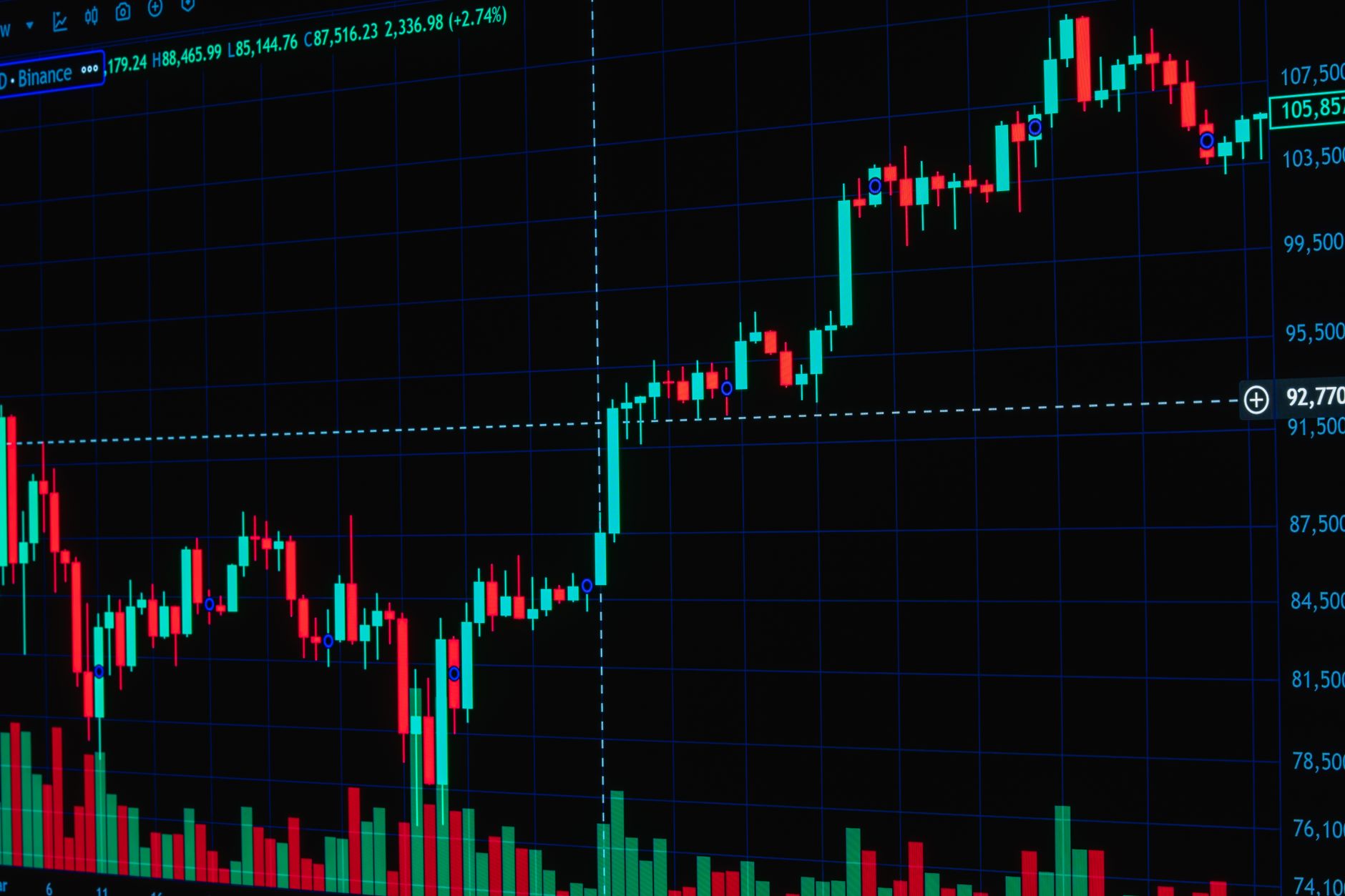
Bitcoin Holds Below $76K Amid Binance EU Closures Pressure
Bitcoin's price remains below $76,000 amid additional pressure on the cryptocurrency market caused by Binance's closure of its EU services. The exact price below $76K indicates ongoing market volatility as Binance reduces its European footprint. Binance's EU service shutdown contributes to broader market concerns impacting trading volumes and investor confidence. The closure affects Binance's user base in the European Union, limiting access to its popular crypto exchange platform. This operational change is a significant event considering Binance's prominence in the crypto ecosystem and could lead to shifts in liquidity and trading activity across crypto markets. This matters for investors because Binance is one of the world's largest cryptocurrency exchanges. Restrictions on EU users can reduce trading activity and market liquidity, potentially influencing Bitcoin's price movements and volatility. The market impact hinges on how traders and investors adjust to limited access to Binance's EU services.
Read More: Bitcoin Holds Below $76K Amid Binance EU Closures Pressure
Crypto Industry Faces Investigation After Midterm Sweep
The crypto industry is preparing for an investigation related to ties with President Trump's family following a significant Democratic victory in the midterm elections. Democrats have pledged to investigate the president's family, though specific details about the crypto entities involved or the scope of the inquiry have not been provided. This development comes as Democrats take control, setting the stage for heightened scrutiny of political and financial connections within the crypto sector. The commitment to investigate could lead to regulatory or legal consequences for companies linked to the president's family. For crypto investors, this means potential regulatory uncertainty and market volatility as investigations unfold. The direct financial impact will depend on the inquiry's findings and subsequent actions by policymakers.
Read More: Crypto Industry Faces Investigation After Midterm Sweep
Binance CFO Kaiser Ng Steps Down, Justin Yek Named New CFO
Binance announced that its Chief Financial Officer (CFO) Kaiser Ng is stepping down from his role. Justin Yek has been appointed as the new CFO of Binance. This change in leadership comes as Binance continues to navigate the evolving regulatory environment for cryptocurrency exchanges. The company did not provide specific reasons for the CFO transition or disclose a timeline for Ng's departure. Leadership changes in finance roles at major cryptocurrency firms can affect investor confidence and operational strategies. The appointment of Justin Yek as CFO may indicate Binance's intent to strengthen its financial management amid market challenges. This matters to investors watching Binance's regulatory compliance and financial oversight capabilities.
Read More: Binance CFO Kaiser Ng Steps Down, Justin Yek Named New CFO
North Korea-Linked Hackers Stole $6 Billion From Binance Crypto Platform
Hackers connected to North Korea executed a cyberattack that resulted in the theft of $6 billion in cryptocurrency from Binance (BNB). The hackers spent months planning the heist, which is described as one of the largest crypto thefts in history. The attack targeted Binance's platform, starting with a minimal payment of $15 to drain $2.5 billion in one coordinated move. Insurers have since faced exposure from the $6.3 billion crypto heist connected to this operation. The breach reportedly involved employees being distracted or compromised during the incident. This cyberattack is significant because it exposes vulnerabilities in cryptocurrency platforms and highlights the growing role of state-linked hacking groups in global cybercrime. For ordinary investors, the $6 billion stolen from Binance indicates higher risks of theft and loss in crypto assets, urging a reconsideration of security measures and insurance protections on these platforms.
Read More: North Korea-Linked Hackers Stole $6 Billion From Binance Crypto Platform
Bitcoin BTC Price Stabilizes as Selloff Eases Amid Recovery Signs
Bitcoin (BTC) experienced a reduction in its recent selloff as investors began cautiously exploring a recovery. The sharp decline in Bitcoin prices has slowed, indicating some stabilization in the market. While specific price levels or percentage changes were not provided, market activity suggests that investors are becoming less reactive, which may reduce volatility. The easing selloff follows a period of significant price drops that affected market sentiment. This development matters because Bitcoin's price stability can influence broader cryptocurrency market trends. For investors, a slowing selloff implies potentially fewer losses in the near term and may affect trading volumes and risk assessment.
Read More: Bitcoin BTC Price Stabilizes as Selloff Eases Amid Recovery Signs
Democratic Sweep Likely Delays Crypto-Friendly Clarity Act in 2026
The Democratic sweep of Congress in the 2026 midterm elections is expected to lead to a more adversarial approach toward cryptocurrency regulation in Washington. Industry-friendly legislation, such as the Clarity Act, is likely to be delayed as crypto critics Sherrod Brown and Elizabeth Warren retain significant influence over financial policy. Analysts predict the new Congress will focus on investigating former President Donald Trump's crypto dealings rather than advancing supportive crypto legislation. The crypto industry spent more than $200 million on the midterms to elect leaders favorable to comprehensive crypto market regulation, but with the current political landscape, the Clarity Act's advancement appears unlikely for the next two years. Experts like Jaret Seiberg of TD Cowen and Mike Townsend of Charles Schwab expect tougher regulatory scrutiny and legislation in 2027, which could slow innovation in areas such as stablecoins, decentralized finance, and tokenization. Despite this setback, the industry’s deepening financial integration may make it difficult to reverse crypto's momentum entirely. Though the Clarity Act may be stalled until 2028, key financial regulators might still progress the industry through rule-making efforts. This shifting political environment highlights a changing regulatory approach that investors should consider, particularly given the potential for increased oversight and delayed supportive legislation for crypto companies.
Read More: Democratic Sweep Likely Delays Crypto-Friendly Clarity Act in 2026
Binance (BNB) Hack Results in Record $6.3 Billion Crypto Theft
A record $6.3 billion cryptocurrency theft occurred at Binance (BNB), one of the largest digital asset exchanges. Despite the massive hack, the company’s co-CEO stated that Binance remains in very strong financial health. Following the heist, Binance customers withdrew more than $4.6 billion from the platform. North Korea has denied any involvement in the hack, though researchers have traced the stolen funds. Cybersecurity experts described the event as significant given the scale of the theft. This hack highlights the growing risks associated with cryptocurrency exchanges and their security protocols. The withdrawals of billions following the event show potential strains on liquidity and customer trust. For ordinary investors, this matters because the $6.3 billion loss and resulting cash outflows can impact Binance’s operational stability and the broader market's view of exchange risks.
Read More: Binance (BNB) Hack Results in Record $6.3 Billion Crypto Theft
Binance ($6.3bn) Hack Denied by North Korea Despite FBI Claims
North Korea has denied involvement in the $6.3 billion hack of cryptocurrency exchange Binance. Kim Yo Jong, a senior official and sister of leader Kim Jong Un, called the allegations "absurd rhetoric" and described them as a "sinister attempt" by the US to damage North Korea's image. US agencies including the FBI, Secret Service, and cyber analysts attribute the record hack to a North Korea-backed hacking group called TraderTraitor. The FBI has urged industry partners to block transactions involving cryptocurrency accounts linked to this group. The hack is described as the largest in history, highlighting concerns over North Korea’s alleged use of cyber-crime to support its economy amid sanctions. This denial is significant as it counters official US claims that directly link the record Binance breach to North Korean state-backed actors. The FBI’s involvement and call for industry action demonstrate ongoing efforts to disrupt those linked to this cybercrime. For investors and the cryptocurrency market, this dispute underscores the continued risks of state-backed cyberattacks affecting large exchanges and asset security.
Read More: Binance ($6.3bn) Hack Denied by North Korea Despite FBI Claims
Binance Hack Stolen $6.3B, North Korea Denies FBI Link
North Korea denied U.S. accusations linking it to the Binance hack that involved an estimated $6.3 billion stolen in cryptocurrency. Kim Yo Jong, sister of North Korean leader Kim Jong Un, called the FBI's attribution to the North Korea-linked hacking group TraderTraitor a "grave political provocation," according to state media. Blockchain analytics firms Elliptic and Chainalysis traced billions stolen through thousands of wallets across multiple blockchains. In four days post-hack, hackers used about 12,000 wallets across 11 blockchains and completed more than 40,000 transactions. Much of the theft laundering occurred on the Tron blockchain, with about $147 million moved through cross-chain bridges to Ethereum. Stablecoins worth roughly $786 million were swapped into more anonymous cryptocurrencies, after which issuers including Tether and Circle froze the remaining assets. Despite this complex laundering, about $2.85 billion—44% of the stolen funds—has been frozen or seized. Roughly $3.24 billion remains in addresses linked to the theft, mainly in bitcoin and ether. Binance also announced a phased reopening of withdrawals for additional crypto assets following the hack. This large theft and tracing of stolen assets highlight the challenges of cryptocurrency security and enforcement. For ordinary investors, the ongoing freezing of $2.85 billion of stolen crypto shows active efforts to limit losses from large-scale hacks, but the remaining $3.24 billion still in circulation signals continued risks in cryptocurrency markets including theft impacts on asset availability and trust.
Read More: Binance Hack Stolen $6.3B, North Korea Denies FBI Link
EOS Price Rises 11% in Strong Trading Session
EOS experienced an 11% price increase during a recent trading day, marking a notable positive movement for the cryptocurrency. This gain reflects increased market activity and investor interest in EOS. The 11% rise highlights bullish momentum among EOS holders and traders, contributing to the coin's market performance. However, the article does not provide further details on volume, trading drivers, or price levels. This price movement matters because it indicates potential increased demand or positive sentiment toward EOS, which could influence short-term trading decisions for investors in the cryptocurrency market.
Read More: EOS Price Rises 11% in Strong Trading SessionBinance ($BNB) Users Withdraw $3.64B After $6.3B Crypto Hack
Binance users withdrew $3.64 billion in assets after the cryptocurrency exchange reopened on Sunday following a record cyber-attack. The exchange suspended all transactions after the hack that impacted $6.3 billion worth of digital assets. Authorities including the US FBI have accused North Korea of carrying out the attack, reportedly the largest hack in history. Binance stated it has covered approximately 95% of the stolen assets but sourcing the remainder may take longer. On November 1, Binance processed $4.649 billion in withdrawals and $1.01 billion in deposits, resulting in a net outflow of $3.64 billion. This represents just over 2% of the $171 billion in assets managed by the company. Binance reserved more than $6.34 billion to handle the incident’s consequences. Withdrawals for major cryptocurrencies like Bitcoin and Ethereum have resumed, with more services returning gradually after security checks. This matters because Binance's ability to cover most of the loss preserves confidence in its platform and the wider crypto market. However, the substantial net withdrawals reflect user concerns post-hack and could influence liquidity and asset availability. The phased resumption of services highlights the ongoing security measures to stabilize operations.
Read More: Binance ($BNB) Users Withdraw $3.64B After $6.3B Crypto Hack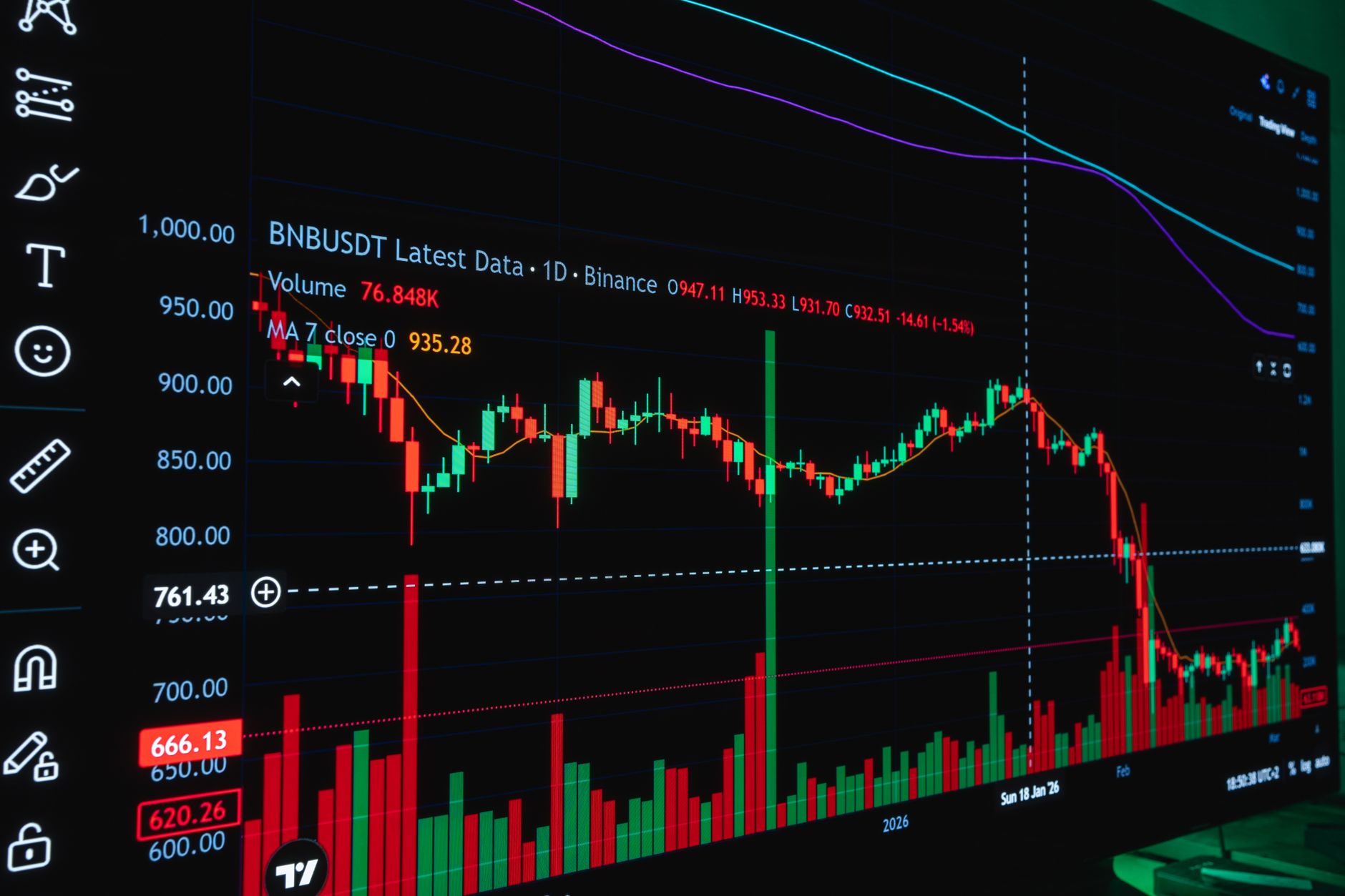
Binance (BNB) Sees $3.6B Withdrawals After $6B Crypto Hack
Binance users withdrew $3.6 billion following a record cryptocurrency hack that involved $6 billion, according to multiple news sources. The FBI attributed the hack to North Korean actors. After this massive security breach, Binance briefly went offline but has since resumed operations with outflows stabilizing. The hack is described as the largest ever in the crypto industry, with Binance seeing net outflows totaling $3.64 billion after withdrawals resumed. This incident represents a significant security event for Binance and its users, highlighting vulnerabilities in major crypto exchanges. This matters for investors because large-scale hacks can affect investor confidence and impact the flow of funds in and out of crypto platforms. The $3.6 billion withdrawal figure shows the immediate financial impact, while the attribution of the hack's responsibility may affect regulatory and security measures moving forward for Binance (BNB).
Read More: Binance (BNB) Sees $3.6B Withdrawals After $6B Crypto Hack
Binance (BNB) Exchange Stabilizes After $6.3 Billion Outflow Heist
Binance, a leading cryptocurrency exchange, experienced a major security breach resulting in a $6.3 billion outflow. After the incident, the exchange has returned online and reports that outflows are stabilizing. The breach caused significant liquidity concerns in the crypto market due to the large theft amount. The $6.3 billion figure represents the total outflow associated with the heist. Binance's actions to resume operations and stabilize the outflow are critical to restoring market confidence. Details on how Binance is managing the security incident or compensating affected users were not provided. This matter is important for crypto investors because large-scale thefts impact market liquidity and trust. Binance's stabilization efforts suggest a containment of further damage to trading volumes and asset availability on the platform, directly affecting user funds and exchange reliability.
Read More: Binance (BNB) Exchange Stabilizes After $6.3 Billion Outflow Heist
Bitcoin Faces Downside Risks After Binance Hack and Rising Fear
Bitcoin is experiencing increased downside risk following a hack at Binance, a major cryptocurrency exchange. The incident has heightened market fear and led to volatility in Bitcoin's price. The Binance hack involved unauthorized access resulting in a significant security breach, which directly impacted market confidence. This event has caused traders to reassess risk exposure to Bitcoin and other cryptocurrencies. These developments matter for investors because increased fear and security concerns can lead to selling pressure and price volatility. The Binance hack highlights the importance of exchange security in the crypto market and could affect Bitcoin's short-term stability.
Read More: Bitcoin Faces Downside Risks After Binance Hack and Rising Fear
Binance Resumes Customer Withdrawals in Phases After Hack
Binance will resume customer withdrawals in phases following a recent hack, Bloomberg reported. The exact timeline and volume thresholds for each phase of withdrawal resumption have not been disclosed. This move comes as Binance aims to restore normal operations and customer access after security disruptions. The phased approach suggests Binance is cautiously managing liquidity and platform security to prevent further unauthorized access or system strain. No specific figures about the hack's impact or the suspended withdrawal amount were provided in the report. Binance officially communicated its plan through Bloomberg, indicating a structured path to full service restoration. This development matters to cryptocurrency investors because withdrawal suspensions can restrict liquidity and trading flexibility. Guided phasing of withdrawal resumption shows Binance’s intent to balance security with customer service, which could influence user confidence and platform stability in the short term.
Read More: Binance Resumes Customer Withdrawals in Phases After HackBinance Resumes Bitcoin Withdrawals After Covering $6.3 Billion Theft
Binance has resumed bitcoin withdrawals following the repayment of most of the stolen $6.3 billion. The platform had temporarily halted withdrawals due to the security breach that led to the theft. Binance's action restores access to bitcoin for users after covering a large portion of the compromised assets. The article highlights the $6.3 billion theft as the central figure in this event, indicating a significant security incident at Binance. The resumption of bitcoin withdrawals marks a critical operational update for the exchange and its customers. Binance's coverage of the majority of the stolen funds demonstrates its commitment to securing user assets and maintaining platform functionality. This development matters as it reinstates liquidity and trust for bitcoin holders on Binance. The ability to withdraw bitcoin again removes a major obstacle for users affected by the breach. Investors will note the company's response in mitigating the impact of one of the largest thefts in cryptocurrency exchange history.
Read More: Binance Resumes Bitcoin Withdrawals After Covering $6.3 Billion Theft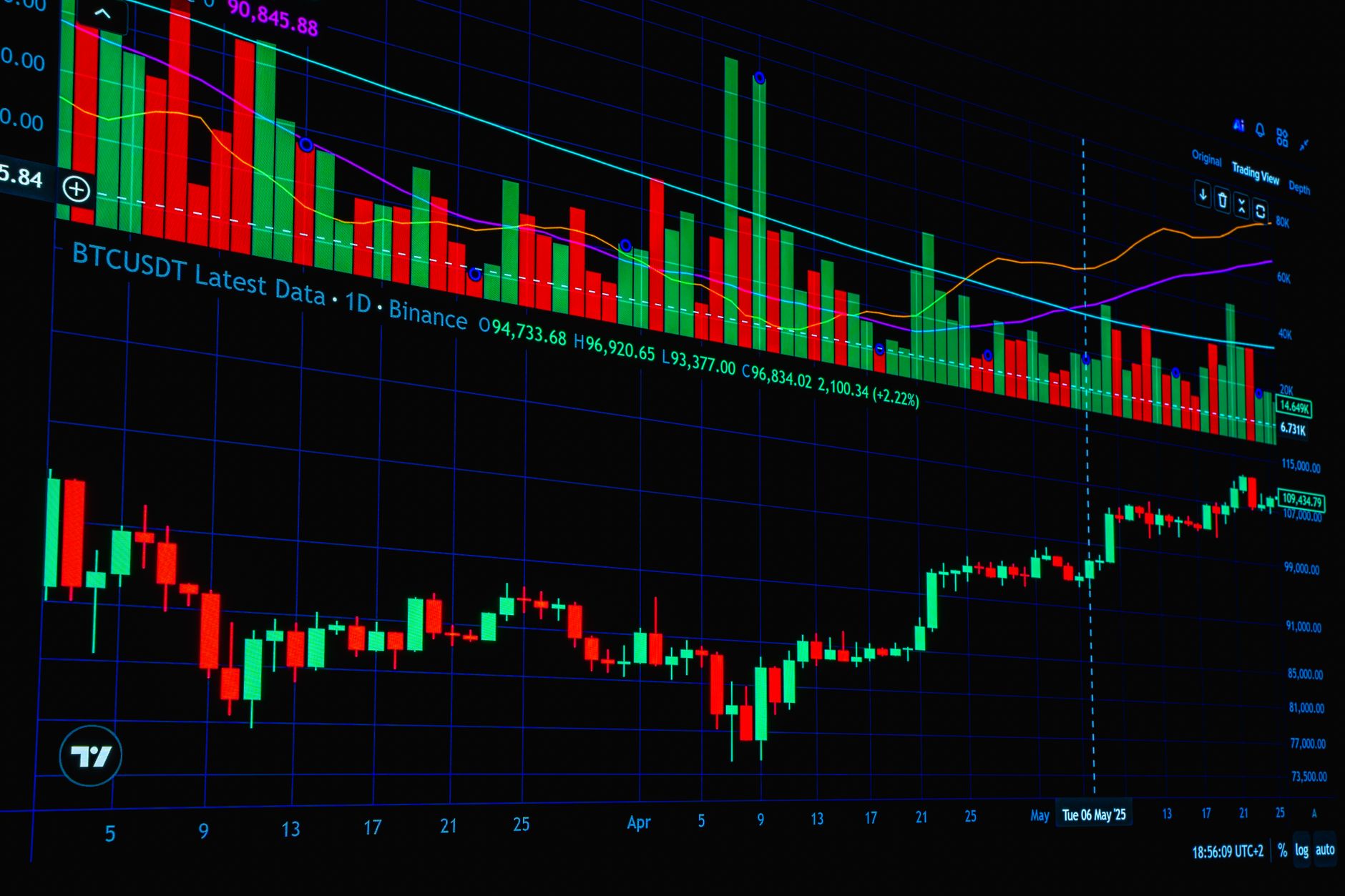
FBI Attributes Billions Stolen from Binance to North Korea in Largest Crypto Hack
The FBI has attributed the theft of billions of dollars from the cryptocurrency exchange Binance to North Korean hackers. This theft is reported as the largest hack in history targeting cryptocurrencies. The stolen amounts run into the billions, highlighting the scale and severity of the breach. The incident involves Binance, one of the world’s largest cryptocurrency exchanges, which suffered significant losses as a result. The FBI’s statement assigns responsibility for these losses to North Korea, indicating a state-backed cybercrime operation. No specific recovery figures or details on the exact amount stolen were provided in the article. This matters for ordinary investors as it underscores the cybersecurity risks associated with cryptocurrency exchanges. The FBI’s identification of a nation-state actor emphasizes potential geopolitical risks in the crypto market and could influence exchange security policies and investor caution around custodial crypto holdings. The theft amount and hacker attribution may affect the perception of risks tied to Binance’s platform and similar crypto entities.
Read More: FBI Attributes Billions Stolen from Binance to North Korea in Largest Crypto Hack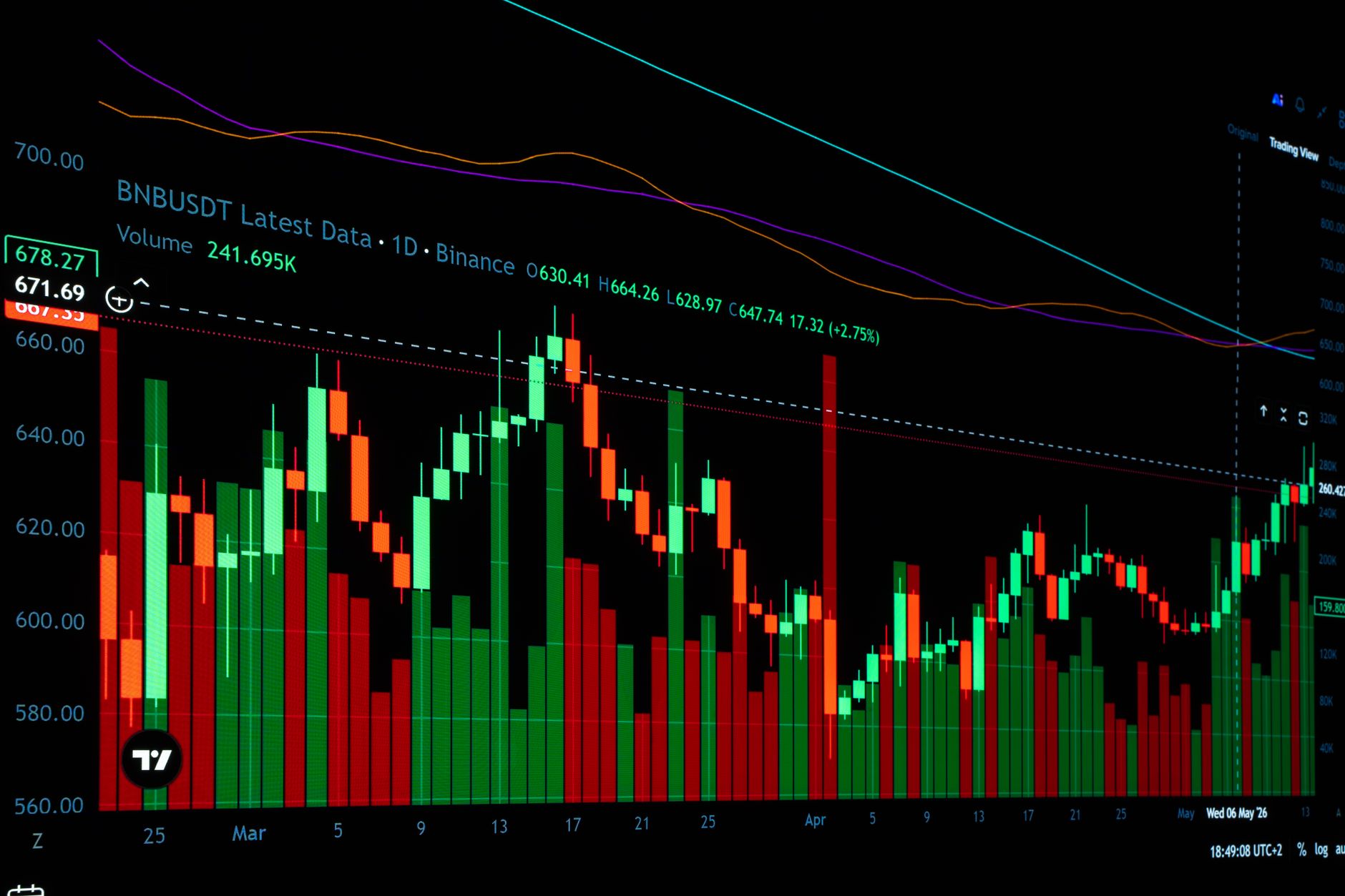
Binance (BNB) to Resume Crypto Withdrawals After $6 Billion Hack
Binance will restart crypto withdrawals in phases following a $6 billion hack. The exchange suspended all withdrawals after the breach, which marks one of the largest in crypto history. No specific timeline for the full resumption was mentioned beyond the phased approach. The hack resulted in the theft of digital assets valued at $6 billion. Binance has not detailed the exact security measures being implemented but indicated withdrawals will be restored gradually to ensure safety. The company is working on addressing vulnerabilities to prevent future incidents. This matters because withdrawal suspensions disrupt liquidity and user access to funds, impacting market operations for Binance users. The phased reopening aims to balance security with restoring normal platform functionality, affecting users’ trading and investment decisions on Binance (BNB).
Read More: Binance (BNB) to Resume Crypto Withdrawals After $6 Billion HackFBI Attributes $6.3B Binance Hack to North Korea in Largest Crypto Theft
The FBI has officially blamed North Korea for the largest cryptocurrency hack in history, involving Binance (no ticker) and the theft of $6.3 billion. The hack rapidly drained billions in crypto assets within minutes. Binance reports that it has covered 90% of the losses incurred from the attack. Multiple news outlets, including The New York Times and The Guardian, confirmed the scale and speed of the hack, highlighting the unprecedented size of this cybercrime. The FBI's attribution to North Korean state-sponsored hackers follows investigations into the incident that compromised Binance's systems and led to one of the largest crypto thefts ever recorded. This event underlines the significant cybersecurity risks in cryptocurrency exchanges and the challenges of addressing state-backed cybercrime. For investors, the coverage of 90% of losses may mitigate immediate financial impact on Binance, but the hack emphasizes ongoing security vulnerabilities in digital asset platforms.
Read More: FBI Attributes $6.3B Binance Hack to North Korea in Largest Crypto Theft
FBI Links Binance $6.3 Billion Crypto Theft to North Korea
The FBI has connected the largest recorded cryptocurrency theft of $6.3 billion to hackers in North Korea. This incident involves Binance, one of the world's largest cryptocurrency exchanges. The stolen assets represent one of the biggest single crypto thefts reported. The FBI's official linkage highlights the ongoing risks of cyber theft in the digital asset space, especially from state-backed actors. The theft affects not only Binance but also raises concerns across the crypto market about security and regulatory enforcement. This development matters because it emphasizes the vulnerability of major crypto exchanges to large-scale hacks. The specified $6.3 billion loss underlines the financial scale and potential impact on investor trust and asset security in the crypto sector.
Read More: FBI Links Binance $6.3 Billion Crypto Theft to North Korea
Binance (BNB) Covers 90% of $6.3B Crypto Hack Losses, Plans Withdrawals
Binance said it has covered up to 90% of the approximately $6.3 billion in token assets stolen from its hot wallets in a record crypto theft reported last Thursday. The exchange plans to continue buying remaining tokens through market and over-the-counter channels until full recovery of all tokens. Binance stated that all tokens in its top 10—BTC, ETH, USDT, BNB, SOL, USDC, XRP, USD1, RLUSD, and ZEC—are fully backed 100%. The remaining 10% loss consists of less liquid tokens outside its top 10, which may take longer to replace. Binance is using its Secure Asset Fund for Users (SAFU), part of its Futures insurance fund, and its corporate treasury to replenish the stolen assets. Withdrawal services for users are expected to resume on Sunday, following security checks and ongoing investigation. The hack is the largest crypto theft on record but details of how the attack happened remain unclear. Initial reports suggested a compromised DevOps engineer's laptop, but Binance's Co-CEO later described the breach as more complex. Blockchain intelligence firm TRM Labs identified features matching past North Korea-linked hacks as potential similarities. This incident's impact emphasizes the need for strong security in crypto exchanges and how Binance is absorbing the financial losses rather than passing them to users.
Read More: Binance (BNB) Covers 90% of $6.3B Crypto Hack Losses, Plans WithdrawalsBinance Replenishes 90% of Stolen Assets Following Hack
Binance has announced that it has replenished 90% of the assets stolen in a security breach. The company stated that despite the hack, it has covered the majority of the lost funds, reassuring users about asset safety. The replenishment indicates Binance's commitment to protecting customer assets and mitigating losses from cyberattacks. The firm did not disclose the total amount stolen or the timeline for full recovery. For investors and users, this update reflects Binance’s ability to handle security incidents and maintain trust, which is critical in the cryptocurrency industry. The replenishment of stolen assets reduces potential financial impacts and supports market confidence in Binance's platform.
Read More: Binance Replenishes 90% of Stolen Assets Following Hack
Binance (BNB) Recovers 90% of $6.3 Billion Crypto Hack Loss
Binance (BNB) reports it has restored 90% of the $6.3 billion worth of cryptocurrency stolen during a recent hacking incident. The breach reportedly involved suspected North Korean hackers who withdrew the assets within minutes. Following the massive theft, Binance has promised to resume withdrawals soon after replenishing most stolen funds. Multiple sources including Reuters and Bloomberg confirm the recovery efforts, highlighting Binance's quick response to the crisis. Experts warn of further risks from AI-assisted hacks in cryptocurrency platforms. This restoration matters because it mitigates user losses and stabilizes confidence in Binance's platform amid growing security concerns. Investors should note the quick recovery of stolen assets which may limit long-term impact on Binance’s liquidity and reputation.
Read More: Binance (BNB) Recovers 90% of $6.3 Billion Crypto Hack LossBinance (BNB) Faces $6.3B Crypto Hack, Pledges to Cover Losses
Binance, the world's largest cryptocurrency exchange, experienced a hack on October 29 with an estimated $6.3 billion in stolen assets. So far, about $3 billion of these stolen assets have been frozen, according to a Binance security update. Binance co-CEO Richard Teng stated the company is committed to covering all losses from its own funds, assuring customers that their assets are safe. Blockchain investigators from TRM Labs and Chainalysis linked the cyberattack to North Korea, although there has been no official confirmation from the U.S. government or Binance. This incident has highlighted the lack of federal protections similar to the FDIC insurance for traditional bank deposits, which cover losses up to $250,000. Roughly 15-20% of U.S. adults have invested or used cryptocurrency, emphasizing the growing need for secure and insured crypto environments. Despite Binance's promise to cover losses, experts note this is a pledge without legal enforcement. After similar hacks and scams affecting other exchanges like Coinbase, reimbursement depends on company policies. Currently, there is no legal mechanism equivalent to FDIC insurance for crypto assets, leaving consumers vulnerable in the event of hacks or breaches. This event brings attention to the risks of crypto investment and the urgent need for clearer protections in the crypto market.
Read More: Binance (BNB) Faces $6.3B Crypto Hack, Pledges to Cover Losses
EOS Token Price Drops 11% in Recent Market Rout
The EOS cryptocurrency experienced a significant decline, falling 11% during a recent market downturn. This drop reflects a broader sell-off affecting similar digital assets. Traders and investors observed increased selling pressure, leading to the sharp decrease in EOS's market value. This 11% decline points to short-term volatility within the cryptocurrency sector, impacting traders' positions and potentially influencing market sentiment towards EOS. The rout underscores the risk factors and fluctuating demand in crypto markets, which can quickly affect prices. For investors in EOS, this decline highlights the importance of monitoring market conditions closely, as significant percentage changes in token prices can influence portfolio values and trading decisions.
Read More: EOS Token Price Drops 11% in Recent Market Rout
Binance Reports $6.3B Crypto Hack, Likely Largest Theft Ever
Binance, a major cryptocurrency exchange, has experienced a hack resulting in the theft of $6.3 billion in crypto assets. This event is reported as potentially the largest crypto theft on record. The hack has significant implications for the crypto market, highlighting vulnerabilities within digital asset security. Binance is at the center of this incident, which may affect its operations and user trust. This matters to investors because it exposes the risks associated with crypto exchanges and could influence future regulation or security measures, impacting asset safety and potentially the value of cryptocurrencies traded on such platforms.
Read More: Binance Reports $6.3B Crypto Hack, Likely Largest Theft EverCrypto Exchanges Tighten Security After $6.3bn Binance Heist
Crypto exchanges increased security measures following a $6.3 billion theft from Binance. Rival platforms have implemented additional alerts and restrictions on fund movements to prevent similar incidents. The heist involving Binance prompted exchanges to react quickly by enhancing monitoring and controls. This response is aimed at reducing risks associated with large unauthorized transfers in the crypto space. This matters because heightened security can improve trust in cryptocurrency trading platforms and potentially limit the damage from large-scale hacks. Investors may see reduced risk of sudden losses due to theft on these venues.
Read More: Crypto Exchanges Tighten Security After $6.3bn Binance Heist
North Korean Hackers Steal Billions in Crypto in Minutes
Suspected North Korean hackers reportedly stole billions of dollars in cryptocurrency in just minutes, highlighting significant security risks across the crypto sector. The Washington Post and Axios report on how North Korea has refined its methods for these rapid and large-scale crypto thefts. The incident exposed vulnerabilities in major crypto platforms, including Binance, as noted by NPR and Fox Business. The theft has raised concerns about the fragility of crypto security systems and the potential for increased cyberattacks facilitated by emerging technologies such as AI. The New York Times discusses the protections available to Binance customers in the aftermath of the theft. This event underscores the need for enhanced security measures in cryptocurrency exchanges. For investors, the scale and speed of this theft highlight ongoing risks in crypto investments related to cybersecurity threats and platform defenses.
Read More: North Korean Hackers Steal Billions in Crypto in Minutes
Klevo Group Boosts Cash Flow With License Expansion and Stablecoin Rollout
Klevo Group has improved its cash flow as it expands its licenses and introduces a new stablecoin. The company's business model is changing due to these strategic initiatives, which aim to enhance revenue generation and market presence. The licensing expansion allows Klevo Group to broaden its operational scope, while the rollout of the stablecoin marks a significant shift toward digital financial products. Details on the exact cash flow figures and stablecoin specifics were not provided, but these moves are central to Klevo Group's current business transformation. This shift matters because expanding licenses can increase regulatory access and new revenue streams, while stablecoins may attract new customers in digital finance. For investors, these changes could impact Klevo Group's future cash flows and valuation as the company adapts to evolving market conditions.
Read More: Klevo Group Boosts Cash Flow With License Expansion and Stablecoin RolloutBinance (BNB) Faces $6.3B Crypto Theft Linked to North Korean Hackers
Binance (BNB), a major cryptocurrency exchange, has suffered a hack resulting in the theft of $6.3 billion worth of cryptocurrency. Blockchain intelligence firms have linked the hack to North Korea's elite hacker groups. This theft is one of the largest in the crypto industry. Experts have warned of increased risks following the hack, highlighting concerns about an 'AI hacking bloodbath' which could lead to more sophisticated cyber attacks in the cryptocurrency space. Despite the scale of the theft, Binance has reassured its users that the stolen $6.3 billion is manageable for the company. This event raises significant concerns about security vulnerabilities in cryptocurrency exchanges and the growing threat from state-backed hacking groups. It matters to investors because such large-scale hacks can affect exchange operations and investor trust, potentially influencing trading volumes and market volatility linked to Binance (BNB).
Read More: Binance (BNB) Faces $6.3B Crypto Theft Linked to North Korean HackersBinance (BNB) Faces $6.3B Crypto Hack With $3B Frozen Assets
Binance (BNB), the world's largest cryptocurrency exchange, disclosed a $6.3 billion security breach, marking the largest crypto hack on record. Approximately $3 billion of the stolen assets have already been frozen on blockchain networks, with recovery efforts underway. The breach involved unauthorized withdrawals from Binance's crypto wallets after hackers accessed the firm's withdrawal systems. Binance found no evidence that private keys controlling these wallets were compromised and continues to investigate. The company has pledged to cover all customer losses, leveraging its roughly $1 billion emergency fund, known as SAFU, and has set aside an additional $6.3 billion of its own funds to cover the breach. This incident highlights the risks crypto investors face when leaving digital assets on exchanges despite their convenience. While hacks are not uncommon—such as $1.5 billion stolen from Bybit in 2025 and $387 million from Bitget in 2026—the ability of exchanges to recover or freeze stolen assets and cover losses varies. Binance's immediate freezing of half the stolen assets and its emergency funds provide a significant safety net. This development underscores the importance of an exchange's financial resources and controls in protecting investor assets.
Read More: Binance (BNB) Faces $6.3B Crypto Hack With $3B Frozen Assets
Binance Hack Sees $6.3 Billion Stolen Cryptocurrency Under Recovery Efforts
Crypto firms and law enforcement are working to recover over $6 billion in cryptocurrency stolen from Binance. The hack is attributed to North Korean state-backed hackers known as TraderTraitor, who use advanced techniques to convert the stolen digital coins into fiat currency. Around $3 billion of the stolen funds, particularly in stablecoins like USDC and USDT, have been frozen by issuers such as Circle and Tether. These companies could potentially destroy and reissue the frozen stablecoins to recover those losses. However, hackers anticipated this and moved quickly to swap USDT for ether, which is harder to freeze, complicating recovery efforts. Experts from firms like TRM Labs and Chainalysis explain that the hackers employ crypto obfuscation methods and leverage global laundering networks to evade detection. This complicates efforts to seize the remaining funds despite blockchain transparency. The ongoing "cat and mouse game" highlights the challenges of tracking and reclaiming stolen cryptocurrency. The recovery timeline and final outcomes remain uncertain, but the $3 billion in frozen assets constitutes a significant portion potentially recoverable by Binance (BNB). This situation matters to investors because it affects the overall security and risk environment around crypto exchanges, as well as potential losses covered by Binance's Secure Asset Fund for Users.
Read More: Binance Hack Sees $6.3 Billion Stolen Cryptocurrency Under Recovery Efforts
Bitcoin (BTC) Tests Key $76,500 Neckline Support Level
Bitcoin recently approached a critical support level at $76,500. This level is considered an important 'neckline' in technical analysis for Bitcoin's price movement. The test of this support could indicate potential future price action. Traders often watch such levels to predict if the price will rebound or decline further. The $76,500 level acts as a key point where buyers may step in to prevent further decline, or sellers could break through, signaling downward momentum. The article focuses on live levels at the moment Bitcoin tests this support. Maintaining this support could stabilize Bitcoin prices, while a break might lead to more volatility. For investors, this matters because the $76,500 support could influence trading strategies and risk management. The reaction of Bitcoin price at this neckline will impact decisions on buying or selling Bitcoin, affecting market liquidity and price trends.
Read More: Bitcoin (BTC) Tests Key $76,500 Neckline Support LevelBinance (BNB) Faces $6.3B Hack, Cofounder Urges Elon Musk for Support
Binance Holdings Ltd., the world's largest cryptocurrency exchange, was hit by a $6.3 billion hack late on Thursday. Following the incident, Binance froze all withdrawals and deposits, although it has since restored deposits. Investigators suspect North Korean state-sponsored hacking group TraderTraitor as responsible. Changpeng Zhao, Binance's co-founder and former CEO, publicly asked Elon Musk to stop mocking the company after Musk posted laughing and grimacing emojis on social media. Zhao noted Binance holds more than $1 billion worth of SpaceX shares, stemming from a $500 million investment in Musk's Twitter takeover, despite SpaceX's valuation of roughly $2 trillion. As of now, about $3 billion in cryptocurrency assets have been frozen following the hack. This event follows prior tensions between Zhao and Musk in 2021 regarding Binance's temporary suspension of Dogecoin withdrawals and Tesla’s vehicle recall. The hack presents significant operational and security challenges for Binance, and the frozen assets illustrate the ongoing impact on user funds.
Read More: Binance (BNB) Faces $6.3B Hack, Cofounder Urges Elon Musk for SupportBitcoin Drops Over 5% After Binance Faces $6.3B Hack
Bitcoin's price fell more than 5%, dropping below $78,000 following a security breach at Binance. The hack on Binance involved a loss estimated at $6.3 billion. This breach is significant due to the size of the loss and its impact on the largest cryptocurrency's price movement. Binance is a major cryptocurrency exchange influencing market confidence. This event matters for cryptocurrency investors because it shows vulnerabilities in major exchanges, potentially increasing risk and affecting Bitcoin's market value.
Read More: Bitcoin Drops Over 5% After Binance Faces $6.3B HackBinance (BNB) Halts Withdrawals After $6.3 Billion Crypto Hack
Binance, a major cryptocurrency exchange, suspended all withdrawals following a security breach that resulted in the theft of approximately $6.3 billion. Blockchain intelligence firms indicated that the hack was likely orchestrated by North Korean hackers. This theft is described as the largest hack in the history of cryptocurrency. The hack impacted Binance’s platform security and forced immediate operational changes to prevent further losses. No detailed timeline for resuming withdrawals has been provided yet. The scale of the breach marks a significant event for the crypto industry, raising concerns about security risk management across exchanges. This incident matters because it directly affects user assets held on Binance and could lead to increased scrutiny and regulatory pressure on crypto exchanges. Investors should watch for updates on withdrawal resumptions and any potential financial impact on Binance’s revenue or reputation.
Read More: Binance (BNB) Halts Withdrawals After $6.3 Billion Crypto Hack
Coinbase (COIN) Returns to Profit as Crypto Investments Offset Trading Weakness
Coinbase (COIN) has returned to profitability, with gains from crypto investments offsetting weakness in its trading business. The company’s recent financial results show that its investment holdings in cryptocurrencies have contributed positively to its earnings. Despite weaker trading volumes, Coinbase's overall revenue was supported by these gains in its crypto asset investments. This shift highlights the company's ability to generate income from multiple sources beyond transaction fees. This development matters for investors as it shows Coinbase's financial health is improving through diversified revenue streams. The profitability suggests the company may better withstand volatility in crypto trading activity, with investment gains playing a key role.
Read More: Coinbase (COIN) Returns to Profit as Crypto Investments Offset Trading Weakness
Binance Freezes Assets After $6.3 Billion Security Breach
Binance has frozen assets following a security breach resulting in $6.3 billion being compromised. The incident has led to an immediate response from Binance to contain potential losses and secure remaining funds. This major security event triggered analysts to assess the impact on Binance's operations and user trust. Binance's decisive action to freeze assets aims to prevent further unauthorized access and mitigate damage. The breach and subsequent asset freeze matter because they may affect Binance's transaction volumes and customer confidence. Increased scrutiny and potential regulatory responses could also arise from this event, influencing Binance's future business environment and financial stability.
Read More: Binance Freezes Assets After $6.3 Billion Security Breach
Binance Reports $6.3bn Crypto Hack, Half Assets Frozen Post-Incident
Binance (BNB) announced a security incident impacting approximately $6.3 billion of assets on its platform. About half of these assets have been frozen with assistance from other cryptocurrency platforms. Binance stated it will cover all losses related to the event. The suspected breach may have originated from a compromised engineer's laptop which facilitated unauthorized withdrawals. This incident may be the largest crypto theft recorded, surpassing a $1.5 billion hack on Bybit in 2025. Binance.US, a smaller platform serving American users, stated it was unaffected. Binance is working with law enforcement to identify the attackers and plans to publish a full report once the investigation is complete. Withdrawals are currently disabled for security reasons. Following the announcement, Bitcoin's price fell over 4%, with Ethereum and Solana also dropping sharply. Other crypto issuers, including Tether and Circle, have frozen about $2.4 billion in related assets. Circle froze over $800 million, while Tether froze approximately $1.6 billion connected to the hack. The incident underscores increasing security risks in the crypto sector, especially for exchanges holding large user asset pools. This matters for investors as frozen assets and increased security concerns may directly affect cryptocurrency liquidity and trading volumes.
Read More: Binance Reports $6.3bn Crypto Hack, Half Assets Frozen Post-IncidentBinance (BNB) Reports $6.3 Billion Crypto Impact in Suspected Hack
Binance (BNB) announced that approximately $6.3 billion worth of cryptocurrency has been affected in a suspected security breach. The incident has led Binance to suspend certain transactions while it investigates the situation. The breach is believed to be one of the largest cyber heists in the cryptocurrency sector. Assets estimated at $2.54 billion have been frozen by entities including Circle and Tether as part of efforts to contain the impact. During this period, Bitcoin prices dropped, reflecting concerns related to Binance's security issue and a concurrent stock selloff in the market. This event matters because it signals significant security vulnerabilities for one of the world's largest crypto exchanges. The freeze of billions in digital assets and the suspension of Binance transactions could affect liquidity and investor confidence. Market participants will be closely watching how quickly and effectively Binance resolves the breach and restores normal operations.
Read More: Binance (BNB) Reports $6.3 Billion Crypto Impact in Suspected Hack