Healthcare News & Analysis
50 articles
Market Mood
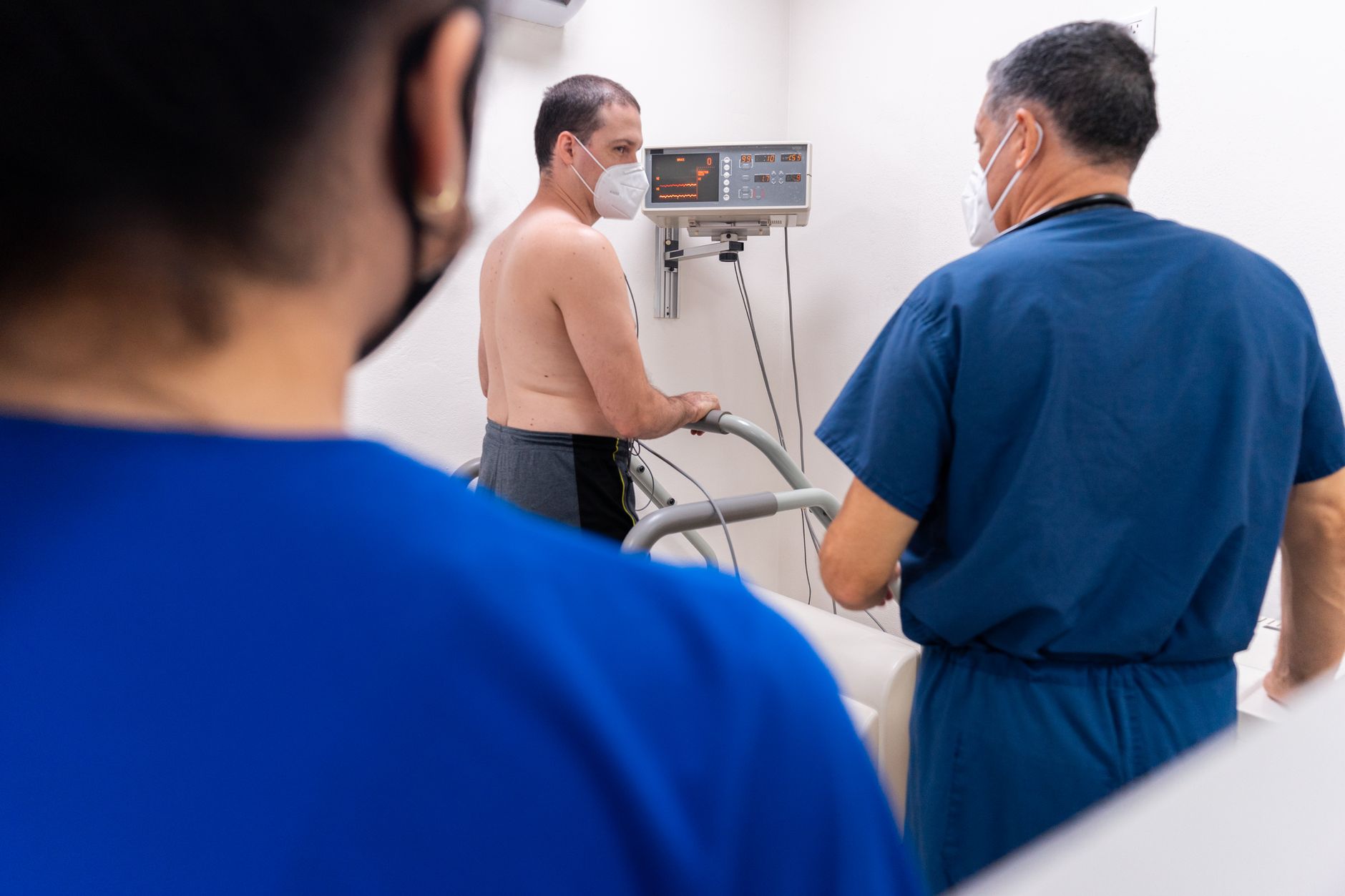
Cybersecurity Issue Forces New Mexico Hospital to Divert Patients
A major hospital in New Mexico experienced a cybersecurity issue that led to patient diversions and the closure of several clinics. The problem caused operational disruptions, affecting the hospital's ability to provide usual care services. The hospital has not specified the extent of the cyber attack or the number of patients impacted. The hospital's response included diverting patients to other facilities and temporarily closing some clinics to manage the situation. The specific type of cybersecurity issue or whether patient data was compromised was not mentioned. This event highlights the vulnerability of healthcare facilities to cyber incidents, which can disrupt critical medical services. For investors and stakeholders, such incidents may lead to increased operational costs and reputational risk for healthcare providers.
Read More: Cybersecurity Issue Forces New Mexico Hospital to Divert Patients
ORIC Pharmaceuticals (ORIC) Price Target Raised to $18 on ESMO Data
Stifel increased the price target for ORIC Pharmaceuticals (ORIC) to $18 following new data presented at the European Society for Medical Oncology (ESMO) conference. This update reflects confidence in ORIC's clinical progress and potential market opportunities based on the latest trial results. The ESMO data appears to have positively influenced analyst sentiment, leading to the raised target price from Stifel. This move highlights the importance of clinical trial results in shaping investor expectations for healthcare companies like ORIC Pharmaceuticals. For investors, this price target increase signals optimism about ORIC's future revenue potential and advances in drug development, which could impact the stock valuation and trading decisions.
Read More: ORIC Pharmaceuticals (ORIC) Price Target Raised to $18 on ESMO Data
Bon Secours Nears $6 Billion Takeover of Surgery Partners
Bon Secours, a US hospital chain, is nearing a $6 billion acquisition of Surgery Partners, which is backed by Bain Capital. Bon Secours is a not-for-profit healthcare provider. Surgery Partners is a for-profit company operating in the healthcare sector. This deal represents one of the latest large-scale acquisitions in the US healthcare sector, especially among not-for-profit providers seeking to expand. The transaction underscores ongoing consolidation trends in healthcare facilities and services. The $6 billion takeover could reshape competitive dynamics in healthcare services, influencing operational scale and resource allocation. For investors, this deal highlights significant merger activity in healthcare, which may impact valuations and market structure in this sector.
Read More: Bon Secours Nears $6 Billion Takeover of Surgery Partners
Dow Outperforms with Wall Street Rise Led by Healthcare Stocks
The Dow Jones Industrial Average outperformed other major indexes as Wall Street experienced gains. Healthcare stocks were the leading contributors to the rise. Specific numbers on point increases, percentage changes, or trading volumes were not provided in the article. The growth in healthcare shares helped push the broader market higher, reflecting investor interest in this sector. However, the article does not provide detailed figures or company names involved in the gains. This market movement matters because shifts in sector leadership can influence portfolio allocations and investor strategies. The rise in healthcare could indicate a sector-specific driver impacting the overall market performance.
Read More: Dow Outperforms with Wall Street Rise Led by Healthcare Stocks
BrainsWay Expands U.S. Insurance Coverage to 70M Lives
BrainsWay announced an expansion of its U.S. insurance coverage, now encompassing 70 million lives. This development broadens the accessibility of the company's treatments, which could lead to increased adoption and utilization among patients across the United States. The expanded coverage is expected to enhance the company's market presence and potentially boost its revenue stream as more individuals gain access to the treatments offered by BrainsWay (BWAY). This strategic expansion reflects ongoing efforts to enhance coverage and accessibility. With increased insurance support, the company may see a rise in the number of patients able to receive treatment, potentially improving treatment outcomes and reducing barriers to care. This aligns with BrainsWay's objectives to grow its footprint in the healthcare market. For investors, the expanded insurance coverage could mean increased revenue opportunities for BrainsWay due to greater treatment accessibility, potentially impacting the company's financial performance positively.
Read More: BrainsWay Expands U.S. Insurance Coverage to 70M Lives
Kodiak Sciences (KOD) Target Raised by H.C. Wainwright on Trial Data
H.C. Wainwright has raised the stock price target for Kodiak Sciences (KOD) based on recent trial data. The company's shares have been impacted positively as a result of the updated target, reflecting investor confidence in the trial outcomes. Specific details about the new price target or the trial outcomes were not included in the article, but the analyst's action suggests a favorable view of Kodiak's ongoing developments. Investors typically look to analysts' price targets as an indicator of future performance expectations. Therefore, this adjustment may influence market perceptions of Kodiak Sciences in the near term.
Read More: Kodiak Sciences (KOD) Target Raised by H.C. Wainwright on Trial Data
Medicare Advantage Plans Unavailable in 181 Counties by 2027
Medicare Advantage plans will not be available in 181 counties by 2027, a significant increase from 67 counties in 2026. This change will affect millions of Americans during the Medicare open enrollment period. The decrease in available plans could impact healthcare options and costs for many individuals in these areas. Understanding the changes in plan availability is crucial for those relying on Medicare coverage, as it may require beneficiaries to explore alternative healthcare options and potentially budget for different costs.
Read More: Medicare Advantage Plans Unavailable in 181 Counties by 2027
William Blair Downgrades Alignment Healthcare (ALHC) on Costs
William Blair has downgraded its rating on Alignment Healthcare (ALHC) due to rising cost pressures impacting the company's financial outlook. Analysts at William Blair expressed concerns over pressures affecting Alignment Healthcare's operations, which led to the downgrade in the stock's rating. This decision reflects the firm's view that increased costs may challenge future financial performance for Alignment Healthcare. Rising cost pressures could lead to potential reductions in profitability for Alignment Healthcare. Concerns about these financial strains have driven the downgrade, indicating that investors should closely monitor the company's ability to manage its operational costs. The stock rating change is significant for investors as it may influence market perceptions and valuations. Investors should be aware of the company's cost management strategies and any further updates on its financial performance.
Read More: William Blair Downgrades Alignment Healthcare (ALHC) on Costs
Health Scan Costs $499 But Lacks Comprehensive Insight
An individual paid $499 for a body scan aimed at detecting cancer. The scan reflects a growing trend in personalized health assessments where consumers take charge of their health diagnostics. Unlike traditional medical assessments, the scan provides a holistic view of the body rather than focusing on individual organs. This reflects a gap in current healthcare practices, which typically check for disease in a segmented manner, potentially leaving broader lifestyle implications unexamined. The article highlights that while scans like these can be valuable in offering overall health insights, they may not replace traditional medical diagnostics conducted by healthcare professionals. This approach to health may encourage consumers to make lifestyle changes based on their health scan results, although this is not equivalent to a professional diagnosis. This trend in personalized health assessments demonstrates a shift in consumer behavior towards more proactive health management. However, it also points to potential limitations in how these scans fit within the broader healthcare system, which primarily focuses on diagnosing specific ailments.
Read More: Health Scan Costs $499 But Lacks Comprehensive Insight
Trump Announces $90 Payment for 20 Million Medicare Enrollees
The U.S. government will send a $90 payment to over 20 million Medicare enrollees. This announcement comes from former U.S. President Donald Trump. The payment is aimed at benefitting Medicare beneficiaries amid current challenges in the healthcare sector. The move is part of broader efforts to address specific healthcare needs of the U.S. senior population. This payment distribution could influence public sentiment and offers a glimpse into ongoing health policy attitudes. For Medicare enrollees, this decision means receiving additional financial assistance, potentially covering some medical expenses. Trump's announcement highlights efforts to directly support older Americans. However, it also raises questions about long-term healthcare funding strategies. For investors, this move reflects how government decisions might impact sectors like healthcare and insurance, where Medicare plays a significant role. Understanding these dynamics can be crucial when considering investments related to healthcare services or government policy-driven sectors.
Read More: Trump Announces $90 Payment for 20 Million Medicare Enrollees
Cardinal Health (CAH) Rises on Extended CVS Distribution Deal
Cardinal Health (CAH) experienced an increase due to an extended distribution agreement with CVS Health. This new agreement extends their current partnership, likely improving Cardinal Health's revenue stability. The details of the agreement, including the duration and financial terms, were not disclosed. Such partnerships are critical for companies in the healthcare industry as they can impact product availability and pricing. These developments indicate a potential for revenue growth and enhanced market position for Cardinal Health.
Read More: Cardinal Health (CAH) Rises on Extended CVS Distribution Deal
Medicaid Work Requirements Drive Tougher State Stances
As work requirements for Medicaid are implemented, several states are adopting stricter measures. While specific states and details were not disclosed, this shift in approach may influence access to healthcare services for low-income individuals. The implementation of work requirements was confirmed to begin, affecting how Medicaid services are accessed in those states. This matters for ordinary investors as changes in Medicaid could impact state budgets and healthcare sectors overall.
Read More: Medicaid Work Requirements Drive Tougher State Stances
Grail's FDA Committee Approves Blood Test for 50 Cancers
Grail's Multi-Cancer Blood Test received a favorable vote from an FDA advisory panel, which is a step towards potential premarket approval. This test is designed to screen for 50 different types of cancers using a single blood sample. The panel's endorsement emphasizes the test's benefits, although its controversial nature arises from discussions around its efficacy and implications. This approval process is significant as it may lead to wider cancer screening practices, directly affecting healthcare costs and early detection for patients.
Read More: Grail's FDA Committee Approves Blood Test for 50 Cancers
Health Care Roundup: Market Activity and Key Insights Reported
The Wall Street Journal reported on various discussions within the health care market. Specific stocks or metrics were not detailed. The article will likely play a role in shaping investor views in the health sector given its ongoing relevance. This summary indicates that health care stocks could experience fluctuations or shifts in investor sentiment. Ordinary investors may need to monitor health care trends closely as market dynamics unfold.
Read More: Health Care Roundup: Market Activity and Key Insights Reported
Bruker (BRKR) Growth Outlook Improved at Bank of America Conference
At the Bank of America Global Healthcare Conference, Bruker (BRKR) reported that a favorable growth mix has strengthened its outlook. The conference provided insights into the company's updated projections, indicating a positive trajectory for performance. This development is crucial for investors as it suggests an increase in expected revenue growth. An improved outlook such as this can influence market confidence and stock performance.
Read More: Bruker (BRKR) Growth Outlook Improved at Bank of America Conference
AbbVie (ABBV) Rinvoq Receives EU Approval for Juvenile Arthritis
AbbVie’s drug Rinvoq received approval from the European Commission for the treatment of juvenile idiopathic arthritis in patients aged two and older. This approval expands the indications for Rinvoq, which is already approved for adults with certain forms of arthritis. The decision is expected to impact AbbVie's revenue sources positively by broadening the market for this medication. This matters for investors as it signals potential growth in sales for AbbVie (ABBV) through increased patient enrollment and treatment opportunities.
Read More: AbbVie (ABBV) Rinvoq Receives EU Approval for Juvenile Arthritis
Johnson & Johnson (JNJ) May Offload Orthopedics Unit for $20 Billion
Johnson & Johnson (JNJ) is considering selling its orthopedics unit for approximately $20 billion. This potential divestiture could indicate a shift in J&J's focus towards its core operations and might enhance shareholder value. The company is exploring various options and has not finalized any decision yet. The sale is notable as it reflects strategic moves within the healthcare sector, which may influence market valuations. Investors should pay attention to how this potential sale could impact J&J's revenue and operational focus moving forward.
Read More: Johnson & Johnson (JNJ) May Offload Orthopedics Unit for $20 Billion
Doctors Face 7% Tax Rate Gap Due to S Corp Ownership Benefits
Two doctors performing the same work encounter a tax rate difference exceeding 7% due to differences in business ownership structures. A doctor who owns her practice through an S corporation can achieve an effective federal tax rate below 30%, while her salaried colleague faces a 37% federal tax bracket plus an additional 0.9% Medicare tax. The tax code offers benefits like the 20% deduction on qualified business income (QBI) for pass-through entity owners but excludes high-earning doctors from deducting clinical fees. This distinction affects financial planning for many healthcare professionals, making the ownership model potentially more advantageous for tax efficiency.
Read More: Doctors Face 7% Tax Rate Gap Due to S Corp Ownership Benefits
Walmart to Sell Medicare Advantage Plans in New Partnership
Walmart (WMT) will enter into a partnership with a nonprofit health insurer to offer Medicare Advantage plans. This move mirrors similar actions by Costco in the health insurance space. The availability of these plans could support Walmart's broader health service offerings and appeal to new customer segments, particularly seniors seeking Medicare options. This strategic partnership might enhance revenue streams for Walmart as it expands its healthcare initiatives.
Read More: Walmart to Sell Medicare Advantage Plans in New Partnership
Eli Lilly (LLY) Price Target Increased to $1,400, Analysts See 25% Upside
On September 15, Berenberg upgraded Eli Lilly and Company (NYSE: LLY) from Hold to Buy, raising its price target from $1,220 to $1,400. Analysts predict about 25% upside, citing strong investment returns and growth in obesity treatments. Eli Lilly's recent investments total around $60 billion, with more than 25 business development deals made this year. The company faces risks, including US drug pricing reforms and potential competition that may impact growth. This matters to investors as higher price targets suggest analysts expect the stock to perform well.
Read More: Eli Lilly (LLY) Price Target Increased to $1,400, Analysts See 25% Upside
Tempus AI (TEM) Revenue Outlook Boosted by Morgan Stanley Insight
Tempus AI (TEM) shares rose 30% this week after Morgan Stanley highlighted reimbursement pricing that may add between $330 million and $400 million in annual revenue from xT and xF diagnostics. CEO Eric Lefkofsky indicated that xT pricing could contribute $80 million to $100 million next year, while xF could contribute $250 million to $300 million. The company also raised its full-year revenue guidance to between $1.595 billion and $1.605 billion, reflecting approximately 25% annual growth. For investors, the revenue adjustments signify potential growth and a more favorable earnings trajectory moving forward.
Read More: Tempus AI (TEM) Revenue Outlook Boosted by Morgan Stanley Insight
MediciNova (MNOV) Initiated Buy Rating Based on ALS Drug Potential
Roth/MKM has initiated coverage of MediciNova (MNOV) with a buy rating, citing the company's potential in developing a treatment for Amyotrophic Lateral Sclerosis (ALS). The initiation reflects investor interest in the company's ongoing projects related to ALS. The firm believes that the advancements in MediciNova's drug pipeline could lead to significant market opportunities. This could be relevant for investors as a buy rating generally indicates a positive outlook for the stock in terms of future performance.
Read More: MediciNova (MNOV) Initiated Buy Rating Based on ALS Drug Potential
IQVIA Holdings Stock Hits 52-Week High at 271.82 USD
IQVIA Holdings (IQV) shares reached a 52-week high of 271.82 USD. This milestone reflects strong investor interest and positive market sentiment. The stock's performance could encourage further investments in the healthcare analytics sector. For ordinary investors, the increase in IQV's stock price could signal potential growth opportunities in the biotech and healthcare market.
Read More: IQVIA Holdings Stock Hits 52-Week High at 271.82 USD
Universal Health Services Discusses Growth at 2026 Conference
Universal Health Services will participate in the 2026 Global Healthcare Conference. The company is expected to discuss its growth strategies amidst ongoing policy pressures in the healthcare sector. This participation highlights the challenges and opportunities that such companies face in an evolving regulatory environment. For investors, understanding these dynamics is crucial as it may affect the company's performance and stock price, particularly for Universal Health Services (UHS).
Read More: Universal Health Services Discusses Growth at 2026 Conference
Deutsche Bank Bears Lundbeck Amid Rexulti Challenges
Deutsche Bank has expressed a bearish outlook on Lundbeck, citing increasing challenges for its drug Rexulti. Specific issues impacting Rexulti's market performance were noted, although exact data points were not provided. The sentiment reflects concerns over potential impacts on Lundbeck's revenue, which could influence investor confidence. Given the ongoing headwinds for Rexulti, investors may need to reassess their positions regarding Lundbeck (LUN).
Read More: Deutsche Bank Bears Lundbeck Amid Rexulti Challenges
Veracyte Discusses Growth and New Tests at Morgan Stanley Conference
Veracyte recently participated in a conference hosted by Morgan Stanley, discussing its growth strategies and potential future deals. The company is focusing on launching new tests that could enhance its market position. Specific financial metrics and projections were not disclosed during the conference. This information is relevant for investors as it indicates Veracyte's direction and potential market opportunities that could impact its stock performance as they develop and introduce new offerings.
Read More: Veracyte Discusses Growth and New Tests at Morgan Stanley Conference
Getinge Gains at Morgan Stanley Healthcare Conference 2023
Getinge participated in the Morgan Stanley 24th annual global healthcare conference, highlighting its progress in turnaround initiatives. The company's efforts to improve operations and financial performance were discussed, showcasing measurable successes that could benefit stock performance. At this conference, investors focused on Getinge's strategies affecting future growth and profitability. This is significant as positive developments may enhance investor confidence in Getinge (GETI), potentially influencing market interest.
Read More: Getinge Gains at Morgan Stanley Healthcare Conference 2023
ICU Medical Focuses on Pump Cycle and Margins at Conference
ICU Medical highlighted its pump cycle and margins during a conference hosted by Morgan Stanley. The company is looking to improve operational efficiencies and maintain margin stability amid competitive pressures. While specific financial figures were not disclosed, the emphasis on margins indicates a focus on profitability. This strategic outlook may influence market sentiment regarding the company's future performance and stability.
Read More: ICU Medical Focuses on Pump Cycle and Margins at Conference
Takeda pipeline updates discussed at Morgan Stanley conference
At the Morgan Stanley global healthcare conference, Takeda highlighted its focus on upcoming product launches rather than merely pipeline advancements. This strategic shift indicates a significant commitment to bringing new treatments to market, which could potentially impact investor confidence. Specific data on expected launch dates or financial projections were not detailed, but the emphasis on market entry is key. Such developments matter for investors as they may influence Takeda's (TAK) future revenue streams and stock performance.
Read More: Takeda pipeline updates discussed at Morgan Stanley conference
Long-Term Care Insurance Denial Rates: 45% for Ages 70+
Waiting until age 76 to buy long-term care insurance after a stroke results in outright denial, as insurers will not provide coverage at any price. Denial rates rise from 14% for applicants in their 50s to 45% for those in their 70s, with a reported 54% denial rate for individuals aged 75 or older. Suze Orman advises purchasing at age 58 to avoid high premiums, which increase significantly after 60. This information highlights the importance of early planning for health-related insurance needs, affecting financial security for investors considering long-term care products.
Read More: Long-Term Care Insurance Denial Rates: 45% for Ages 70+
Walgreens (WBA) Retreats as CVS Gains Suburban Pharmacy Market Share
Walgreens (WBA) is experiencing a downturn as CVS Health is reportedly expanding its presence in suburban pharmacies. The shift indicates a growing competitive landscape in the pharmacy sector. This change may influence consumer choices and operational strategies among pharmacy retailers. For investors, the increased competition could affect Walgreens' market share and revenue growth potential, highlighting the importance of monitoring competitive dynamics in the healthcare market.
Read More: Walgreens (WBA) Retreats as CVS Gains Suburban Pharmacy Market Share
J&J (JNJ) Talks to Sell Hips-and-Knees Business for $20 Billion
Johnson & Johnson (JNJ) is in discussions to sell its hips-and-knees business to Apollo Global Management for approximately $20 billion. This potential divestiture is part of J&J's strategy to focus on core businesses and improve operational efficiency. If finalized, this deal could impact J&J's financial position and possibly affect its stock price. The move signals a significant shift in the company’s strategy, which is vital information for investors considering the financial health and direction of J&J.
Read More: J&J (JNJ) Talks to Sell Hips-and-Knees Business for $20 Billion
Major Companies Cutting Health Benefits by 2027: Impact on Workers
Major companies plan to reduce health benefits starting in 2027, which will affect many workers. This decision highlights ongoing challenges in managing healthcare costs. The cuts could mean higher out-of-pocket expenses for employees, leading to potential difficulties in affording necessary healthcare services. These changes may have broader implications for the market, as they signal increasing strain on employee benefits amid rising healthcare expenses. This matters for ordinary investors as it indicates potential shifts in labor costs and workforce stability.
Read More: Major Companies Cutting Health Benefits by 2027: Impact on Workers
Apollo Global (APO) in Talks for J&J Orthopedics Unit Acquisition
Apollo Global Management (APO) is reportedly in discussions to acquire Johnson & Johnson's orthopedics unit. The potential deal is significant given J&J's recent divestitures, indicating the company's strategy to streamline operations. The acquisition aligns with Apollo's focus on expanding its healthcare portfolio. If successful, this transaction could enhance Apollo's market position and affect stock performance in both companies. Monitoring these developments is essential for investors, as strategic acquisitions can lead to changes in stock prices.
Read More: Apollo Global (APO) in Talks for J&J Orthopedics Unit Acquisition
Amgen (AMGN) FY 2025 Revenue at $36.7 Billion with 9.9% Growth
Amgen (AMGN) reported nearly $36.7 billion in revenue for FY 2025, marking a growth of approximately 9.9% from the previous year. The company's net income reached around $7.7 billion, reflecting a net margin of 21%, up from 12.2% in 2024. Amgen's debt-to-equity ratio stands at roughly 6.3x, indicating a significantly higher level of debt relative to equity, while the current ratio is approximately 1.1x. Revolution Medicines (RVMD), contrastingly, reported zero revenue for FY 2025 and a net loss of about $1.1 billion as it develops cancer therapies. This information helps investors evaluate the financial stability of Biotech companies in their portfolios.
Read More: Amgen (AMGN) FY 2025 Revenue at $36.7 Billion with 9.9% Growth
Cooper Companies Stock Rating Cut by Piper Sandler
Piper Sandler has downgraded the rating for Cooper Companies due to recent weak results. The specific impact on the company's stock price has not been detailed. As this change affects investor sentiment, it may lead to decreased valuation expectations for Cooper Companies. Investors should monitor how this change in rating influences market performance, particularly in the healthcare sector. Cooper Companies (COO) is affected by this downgrade.
Read More: Cooper Companies Stock Rating Cut by Piper Sandler
Vaxcyte (PCVX) Vaccine Program Update at Cantor Conference
Vaxcyte, Inc. (PCVX) presented details about its vaccine program during the Cantor Fitzgerald conference. The company highlighted the advancements in its vaccine candidates and their potential to address multiple diseases. This presentation marks an important milestone as Vaxcyte progresses toward clinical testing phases. Investors will be watching these developments closely, as successful outcomes could significantly impact stock performance and investor confidence in the company's future prospects.
Read More: Vaxcyte (PCVX) Vaccine Program Update at Cantor Conference
Xencor Shifts Focus at 12th Annual Cantor Fitzgerald Healthcare Conference
Xencor announced a strategic shift during the 12th Annual Cantor Fitzgerald Global Healthcare Conference. The company is moving its focus toward late-stage development projects. This change aims to enhance its position in the healthcare market with more advanced therapeutic options. Such strategic shifts can have significant implications for investor confidence and market performance, which is an important factor to consider for those looking at Xencor (XNCR).
Read More: Xencor Shifts Focus at 12th Annual Cantor Fitzgerald Healthcare Conference
GE HealthCare (GEHC) and Medtronic (MDT) Options Bets Recommend Decline
Analysts recommend options bets against GE HealthCare (GEHC) and Medtronic (MDT) due to an oversaturation of bullish positions. This shift suggests a potential reversal in the sentiment surrounding these stocks, indicating that a decline could be imminent. Investors have already made numerous bets that these stocks would rise, which may prompt a market correction. This recommendation matters for investors as it highlights a shift in market sentiment within the crowded healthcare sector.
Read More: GE HealthCare (GEHC) and Medtronic (MDT) Options Bets Recommend Decline
Pig Kidneys Successfully Transplanted Into Humans in US Trial
A recent trial in the United States involved the transplantation of pig kidneys into human patients, marking a significant step forward in addressing the organ shortage crisis. This experimental procedure is aimed at exploring the potential of using animal organs for human transplant. The successful outcome of such trials could lead to more widespread acceptance and implementation of xenotransplantation (animal-to-human organ transplant). This development is important for markets as it may influence the healthcare sector and related investments, especially in organ transplant technologies.
Read More: Pig Kidneys Successfully Transplanted Into Humans in US Trial
Medical Facilities (TSX:DR) Impact on Healthcare Stock Attention
Medical Facilities (TSX:DR) is attracting attention in the healthcare sector. The company operates facilities that focus on high-quality patient care and regular access to essential services. This trend could indicate a growing interest in healthcare investments among investors. The focus on improving patient outcomes and operational efficiency is likely to resonate with market participants looking for stable investment opportunities in healthcare.
Read More: Medical Facilities (TSX:DR) Impact on Healthcare Stock Attention
Healthcare REIT EVP Foster sells $110,780 in shares
American healthcare REIT's Executive Vice President Foster sold shares valued at $110,780. This transaction reflects a notable movement in the company's stock ownership, which can influence investor sentiment and market stability. Transactions like this can be perceived as indicators for potential changes in management confidence or future performance. Keeping track of such sales helps investors gauge insider activity and make informed decisions about their investment in the healthcare sector.
Read More: Healthcare REIT EVP Foster sells $110,780 in shares
CVS Health (CVS) Stock Rallies 3.7% on Analyst Upgrade
CVS Health (CVS) shares increased as much as 3.7% on Tuesday morning, currently up 3.4%. This surge is attributed to a positive rating from Jefferies analyst Brian Tanquilut, who set a $120 price target indicating 28% upside. The forecast includes an expected earnings per share (EPS) of at least $8.44 for 2027. CVS's recent increase in full-year guidance suggests strong growth potential, making its stock appealing for investors monitoring healthcare sector movements.
Read More: CVS Health (CVS) Stock Rallies 3.7% on Analyst Upgrade
HealthEquity (HQY) Reports 8% Revenue Growth in Q2 Fiscal 2027
HealthEquity (NASDAQ: HQY) announced an 8% year-over-year revenue growth for the second quarter of fiscal 2027, up from 7% in the first half. Adjusted EBITDA reached $167 million, an 11% increase, resulting in a 48% margin. The company also reported 10.7 million health savings accounts (HSAs), a net increase of 202,000 accounts, up 24% from the previous year. Monthly active users of their mobile app grew by 62% to 1.4 million. These results suggest improved operational efficiency, which can impact investor sentiment positively.
Read More: HealthEquity (HQY) Reports 8% Revenue Growth in Q2 Fiscal 2027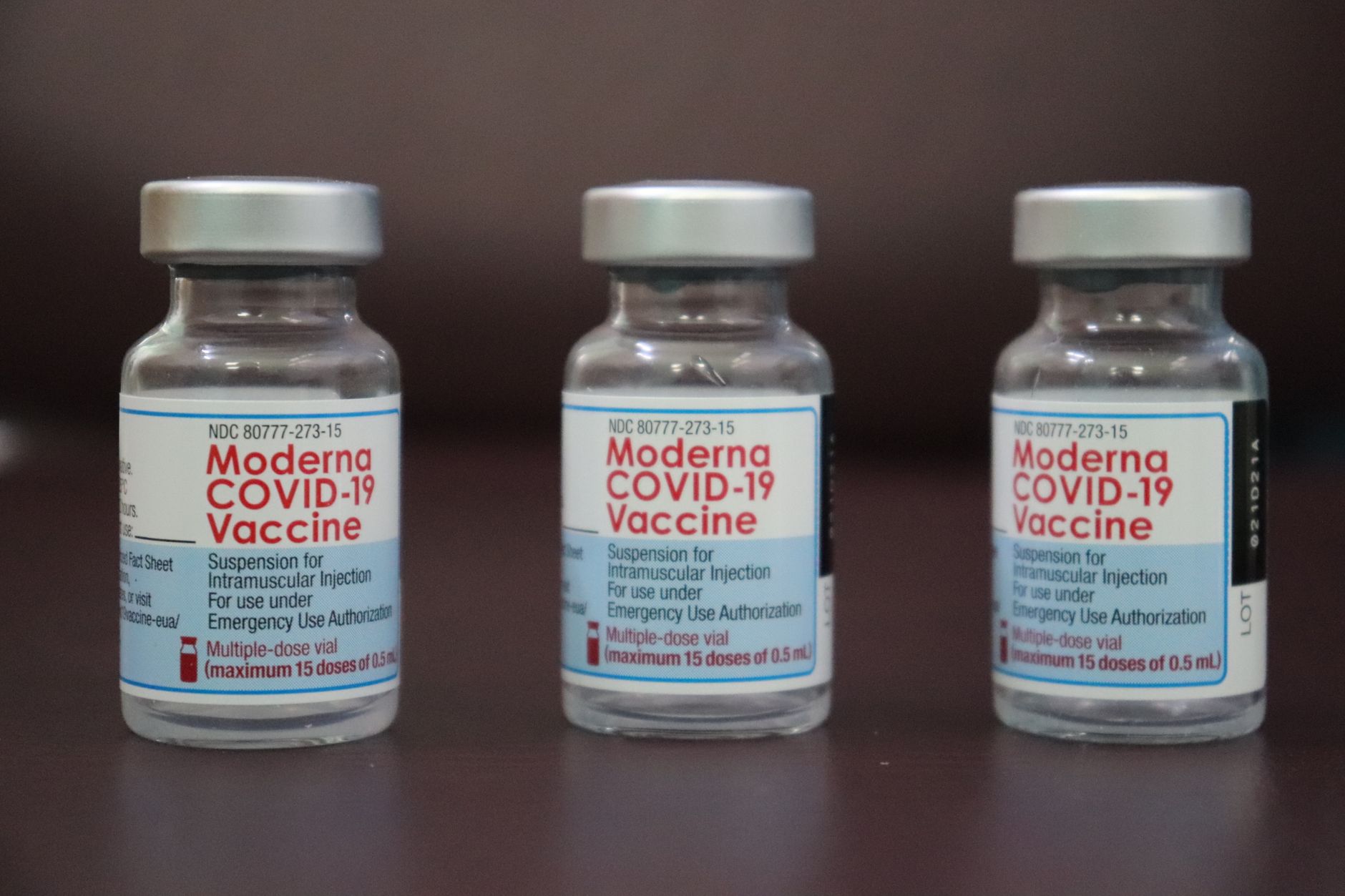
Moderna (MRNA) and Merck (MRK) Announce Cancer Vaccine Breakthrough
Moderna (MRNA) and Merck (MRK) have reported a breakthrough in developing a cancer vaccine aimed at preventing melanoma recurrence. This is a significant event, marking progress after a century of unsuccessful attempts in cancer vaccine research. The announcement highlights the collaboration between the two companies, potentially impacting their stock performance and investor interest. Investors may want to monitor the developments closely, as advancements in cancer treatment can influence market dynamics and investment strategies in the healthcare sector.
Read More: Moderna (MRNA) and Merck (MRK) Announce Cancer Vaccine Breakthrough
Texas Senate Candidate Talarico Proposes Healthcare Breakup Plan
James Talarico, a Texas Senate candidate, is launching a plan to break up healthcare monopolies and reduce prescription drug costs, partnering with Mark Cuban. Their public event is scheduled for March 3, 2026, in Fort Worth. Talarico’s proposal includes antitrust legislation targeting vertically integrated healthcare companies and aims to prevent pharmacy benefit managers (PBMs) from concealing pricing data. The backdrop of this initiative involves 90% of hospital beds being controlled by large systems and three PBMs managing approximately 80% of prescriptions nationwide, indicating significant market concentration. This matters for investors as it highlights potential shifts in the healthcare market landscape following the upcoming election.
Read More: Texas Senate Candidate Talarico Proposes Healthcare Breakup Plan
FDA Approves Daraxonrasib, Doubles Survival Rates for Pancreatic Cancer
The FDA has approved the drug Daraxonrasib for treating pancreatic cancer. This drug is reported to double patients' survival rates. The approval is viewed as a significant advancement in cancer treatment. This development may attract interest from investors in the healthcare and pharmaceutical sectors, as successful treatments can impact market valuations significantly.
Read More: FDA Approves Daraxonrasib, Doubles Survival Rates for Pancreatic Cancer
Medtronic (MDT) Reports 78% Revenue Growth in Q4 2026 Earnings
Medtronic plc (NYSE: MDT) achieved its highest annual revenue growth in a decade, reporting a global revenue increase of 78%, with 124% growth in the U.S. for its Cardiac Ablation Solutions. The company is focusing on innovations and acquisitions to support potential growth across its portfolio. In contrast, Tenet Healthcare Corporation (NYSE: THC) saw adjusted diluted EPS rise 52.2% year over year to $6.12, with net operating revenue climbing 6.8% to $5.63 billion. As both companies demonstrate strong performance, this information helps investors evaluate which stock might better suit their growth strategy.
Read More: Medtronic (MDT) Reports 78% Revenue Growth in Q4 2026 Earnings
FHLC vs. PJP: Key Healthcare ETFs Show Divergence in Performance
The Fidelity MSCI Health Care Index ETF (FHLC) and Invesco Pharmaceuticals ETF (PJP) provide distinct options for investors, differing in fees, diversification, and returns. FHLC, launched in 2013, holds over 300 stocks and has paid $1.02 per share in dividends over the last year, making it more affordable with a higher yield compared to PJP, launched in 2005, which holds only 33 stocks and paid $1.06 per share in dividends. PJP has outperformed FHLC in both one- and five-year total returns, but its concentrated approach increases risk. Investors focusing on lower costs or income may find FHLC appealing, while those seeking high returns might prefer PJP.
Read More: FHLC vs. PJP: Key Healthcare ETFs Show Divergence in Performance
Retirement Costs in The Villages: $60K Yearly for Solo Residents
Solo retirement in The Villages costs approximately $60,000 annually. Social Security provides about $24,000 per year, requiring a portfolio between $900,000 and $1.03 million for coverage. The loss of a spouse can reduce income by about $19,000 per year, while delaying Social Security to age 70 can increase monthly income by $700 to $900 and lower portfolio needs by roughly $200,000. Understanding these costs is crucial for retirees to ensure financial stability in retirement.
Read More: Retirement Costs in The Villages: $60K Yearly for Solo Residents