India News & Analysis
50 articles
Market Mood

Modi and Xi Aim to Reset Ties During BRICS Meeting
Indian Prime Minister Narendra Modi and Chinese President Xi Jinping are reportedly seeking to improve relations during the BRICS summit. This initiative comes amid ongoing tensions between the two nations, particularly over border disputes. A formal resolution to these tensions was not detailed in the discussions. This matters for markets as improved ties could enhance regional stability and trade opportunities, affecting economic prospects for both countries.
Read More: Modi and Xi Aim to Reset Ties During BRICS Meeting
Oil Prices Surge Amid Iran and U.S. Tensions in September 2026
Iranian President Masoud Pezeshkian asserted that Iran will not surrender to U.S. pressures during a meeting with Indian Prime Minister Narendra Modi at the BRICS Summit on September 11, 2026. Pezeshkian highlighted Iran's resistance against the U.S. and Israel, stating they have successfully stood their ground. Consequently, shipments of oil, through the Strait of Hormuz, have significantly declined, impacting global crude oil prices. This matters for investors because rising energy prices could affect countries that rely heavily on oil imports, such as India, which imports nearly 85% of its fuel needs.
Read More: Oil Prices Surge Amid Iran and U.S. Tensions in September 2026
US Trade Policies Impact BRICS Cooperation Ahead of Summit 2025
Leaders of BRICS, including Chinese President Xi Jinping and Indian Prime Minister Narendra Modi, are set to meet in New Delhi amid geopolitical tensions. This meeting highlights the shift as these nations seek greater cooperation in trade, energy, and payments, influenced by U.S. trade policies. Notably, this will be Xi's first visit to India since 2019, aimed at stabilizing relations post-2020 border clashes. The outcome of these discussions could signify a strategic shift for emerging economies, impacting global market dynamics.
Read More: US Trade Policies Impact BRICS Cooperation Ahead of Summit 2025
India's Vulnerable Internet Infrastructure: 95% of Bandwidth at Risk
India's intercontinental submarine cables, mainly around Versova, Mumbai, account for 95% of the country's international bandwidth to Europe, Africa, and West Asia. Out of 18 submarine cables, at least 13 come ashore within six kilometers, creating a critical vulnerability due to geographic concentration. While traffic can be rerouted if cables are cut, even minor performance degradation could harm sectors like banking and cloud services, impacting the country's growing digital economy. This situation highlights India's dependency on limited infrastructure, with only about 3% of the world's submarine cables serving a country that consumes roughly 20% of global data.
Read More: India's Vulnerable Internet Infrastructure: 95% of Bandwidth at Risk
India's Power Demand Surges Amid Solar Energy Waste Report
India is experiencing a surge in power demand, yet a significant portion of solar energy generated is being wasted. This situation arises as the country struggles to utilize its increasing solar capacity effectively. The article highlights the disconnect between growing energy needs and the inefficiencies in solar energy deployment. For investors, understanding the dynamics of energy generation and consumption in India could signal opportunities in renewable energy sectors.
Read More: India's Power Demand Surges Amid Solar Energy Waste Report
Gemtek and Dixon Expand Optical Connectivity in India
Gemtek and Dixon have announced a strategic collaboration to enhance their optical connectivity business in India. This partnership aims to capitalize on the growing demand for high-speed internet and related infrastructure in the region. The specifics of the investment and expected growth percentages have not been disclosed. This expansion is noteworthy for investors as it indicates a commitment to the Indian market and could drive revenue growth for both companies.
Read More: Gemtek and Dixon Expand Optical Connectivity in India
India Prop Traders' Derivatives Profits Drop to $4.7 Billion
India's proprietary trading firms reported a decline in derivatives profits, amounting to $4.7 billion. This figure indicates a downturn in trading performance within the sector, reflecting broader market trends. The decline in profits could impact investor sentiment and trading volumes going forward. This information is relevant for market participants as it highlights potential shifts in financial dynamics among traders in India.
Read More: India Prop Traders' Derivatives Profits Drop to $4.7 Billion
Temasek's Investments in India Surge Post IPOs with 35% Gains
Temasek Holdings has seen substantial growth in India, with three portfolio companies gaining over 30% following their IPOs. Shiprocket shares listed at a 35% premium, closing at 143 rupees ($1.50), nearly 50% above the IPO price, which was oversubscribed nearly 100 times. Dairy producer Milky Mist traded 40% above its IPO price, while Molbio Diagnostics began trading at a 26% premium. Temasek’s overall investment in India has reached nearly $9 billion in the last three years, positioning it differently from foreign investors who have removed nearly $19 billion in equities. This trend highlights potential opportunities for investors watching the Indian market and Temasek's strategy.
Read More: Temasek's Investments in India Surge Post IPOs with 35% Gains
Bank of America Invests $1.9 Billion for 49.9% in Jio Credit
Bank of America (BAC) will invest up to $1.92 billion for a 49.9% stake in Jio Credit, part of Jio Financial Services. The transaction starts with a 26.5% stake, increasing upon warrants' exercise. This investment is positioned within India's expanding financial services sector and aligns Bank of America's strategy to partner with firms that have local expertise. Such investments may influence market dynamics as foreign investments in the Indian market increase, signaling confidence in economic growth.
Read More: Bank of America Invests $1.9 Billion for 49.9% in Jio Credit
India FX Reserves Near Record Levels Amid Strong Foreign Inflows
India's foreign exchange (FX) reserves have increased, nearing record levels due to robust foreign inflows. The reserves reached $600 billion, a substantial boost from previous levels, indicating strong demand for Indian assets. This surge is significant for investors as it reflects confidence in India's economy and can impact the stability of the Indian rupee. Continued growth in reserves could lead to broader market implications as foreign investments rise and economic conditions improve.
Read More: India FX Reserves Near Record Levels Amid Strong Foreign Inflows
Meta's Crisis in India: Regulatory Demands for Zuckerberg Apology
Meta Platforms (META) faces increased tensions with Indian regulators after its brief restriction of a Facebook post by Prime Minister Narendra Modi during the Gen Z protests in July. A parliamentary panel has demanded an apology from CEO Mark Zuckerberg within three days or risk losing the company's legal safe harbor protection. The loss of this immunity would make Meta liable for user-generated content, potentially complicating operations in a key market with large user bases for WhatsApp, Instagram, and Facebook. For ordinary investors, this situation represents significant regulatory risk that could impact Meta's performance in India.
Read More: Meta's Crisis in India: Regulatory Demands for Zuckerberg Apology
LIC (Life Insurance Corporation) to raise $3.3 billion via stake sale
The Indian government plans to sell up to a 6.5% stake in Life Insurance Corporation of India (LIC) at a 10% discount to its closing price. This sale could generate approximately 314 billion rupees ($3.3 billion) and includes a base of 2.5% with an option for an additional 4%. The government intends to reduce its stake from 96.5% to 75% by 2032 to meet shareholding regulations. For investors, this stake sale represents a significant movement in LIC’s shares as well as broader implications for the Indian market.
Read More: LIC (Life Insurance Corporation) to raise $3.3 billion via stake sale
India's Youth Unemployment at 40% Amid NEET Exam Protests
India faces a significant youth unemployment crisis, with graduate unemployment among 15-to 25-year-olds close to 40%. The National Eligibility cum Entrance Test (NEET) exam leak sparked nationwide protests as students demand accountability from the government. Over 2.2 million students applied for the NEET exam in 2026, a 50% increase since 2019, as many view these competitive exams as their best chance for secure employment. This situation highlights the growing gap between India's economic ambitions and the realities for young graduates, which could impact economic stability.
Read More: India's Youth Unemployment at 40% Amid NEET Exam Protests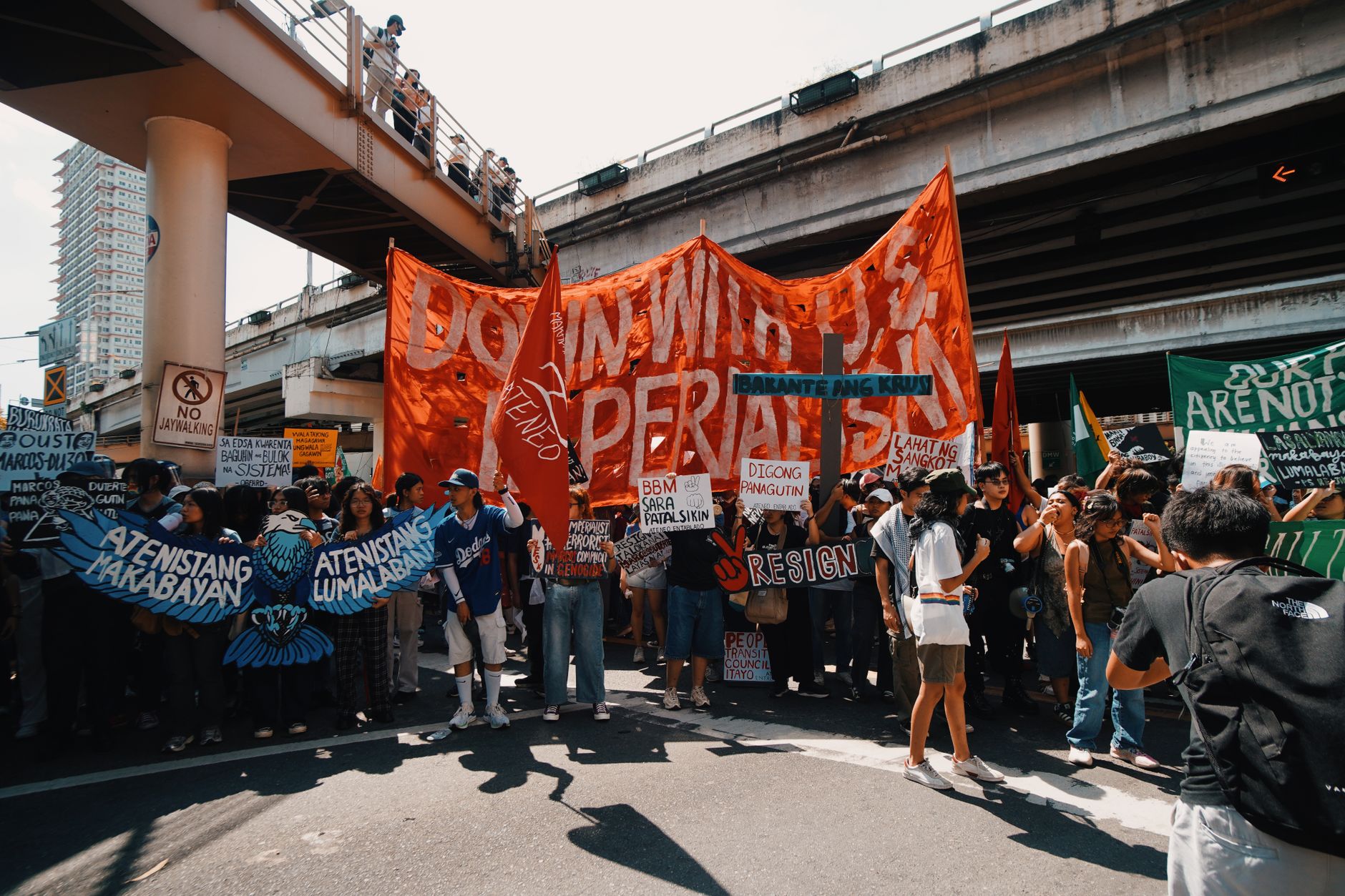
Student Protests in India Highlight Democratic Engagement
Student protesters in India have engaged in demonstrations in response to recent governmental actions. These events reflect active participation in the democratic process, showcasing the voices of youth in India. While no specific numbers or incidents are detailed in the article, the protests signify a trend of student activism in the context of national governance. This is important for investors as it illustrates the potential for political instability, which can affect market conditions in India.
Read More: Student Protests in India Highlight Democratic Engagement
India Education Minister Dharmendra Pradhan Resigns Amid Protests
India's Education Minister Dharmendra Pradhan has resigned following weeks of protests from students, who viewed his departure as a critical demand of their movement. This change in leadership signals potential shifts in educational policies that may affect various stakeholders including schools and universities. The protests primarily focused on demands for educational reforms and addressing student concerns. Understanding how this resignation affects policy changes is essential for investors considering the education sector in India.
Read More: India Education Minister Dharmendra Pradhan Resigns Amid Protests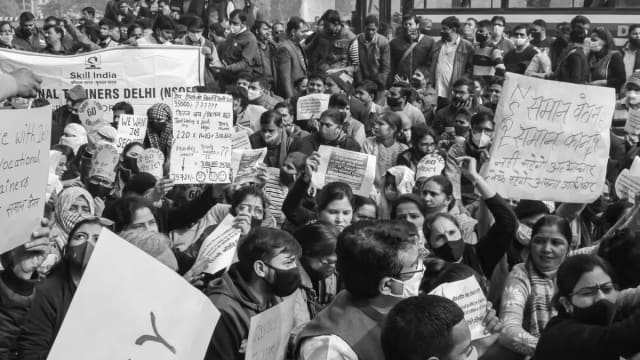
Modi Faces Pressure from Youth Protests Amid Ongoing Talks
Youth leaders in India are set for additional talks with the government amid rising pressure on Prime Minister Narendra Modi. The ongoing protests reflect significant discontent among the youth regarding economic conditions and job opportunities. These developments indicate potential instability in the Indian political landscape, which could impact market sentiment and economic policies. Understanding the political climate is essential for investors looking at India’s market trends.
Read More: Modi Faces Pressure from Youth Protests Amid Ongoing Talks
India Protests Against Modi Use Humor and Memes for Impact
Protests in India, dubbed the 'Cockroach' protests, are using humor and memes as tools of opposition against Prime Minister Narendra Modi. These unconventional tactics aim to draw attention to various grievances among citizens. The effectiveness of this form of protest may influence public perception and political dynamics in India. Such grassroots movements can have broader implications for markets and investor sentiment in the region.
Read More: India Protests Against Modi Use Humor and Memes for Impact
Trump's Generic Drug Tariffs to Hit 100% by August 2028
President Donald Trump announced that generic drugs imported into the U.S. will face a 100% tariff starting in August 2028, rising to 200% in August 2029, after an initial two-year period with zero tariffs beginning August 1, 2026. This phased tariff schedule aims to incentivize domestic production of generic drugs. The U.S. imports nearly 50% of its generics from India, which significantly relies on the U.S. market for pharmaceutical exports. Ordinary investors should monitor these changes as they may impact the profitability and operations of major drugmakers like Eli Lilly and Pfizer (PFE).
Read More: Trump's Generic Drug Tariffs to Hit 100% by August 2028
SBI Funds Management IPO raises $1.22 billion with 7% premium
SBI Funds Management Ltd. made its market debut listing at a 7% premium after a $1 billion IPO, which was oversubscribed 41.6 times, attracting bids worth 2.97 trillion rupees ($30.7 billion). The firm has 29.5 trillion rupees ($395 billion) in assets under management as of March. Recent performance indicates a slowdown, with the Indian benchmark Sensex down over 9% this year. A strong performance from this IPO may signal increased appetite for future public offerings, making it significant for investors tracking potential large-scale market activity.
Read More: SBI Funds Management IPO raises $1.22 billion with 7% premium
India Inc Sees Foreign Buying Spree Amid Market Outflows
Indian companies are engaging in significant foreign acquisitions while foreign investors withdraw from the country's markets at an unprecedented rate this year. The outflows are occurring as many international investors are distancing themselves from Indian equities, marking a notable trend. This development highlights the contrasting moves of India Inc. and external investors, which may have repercussions for market stability. The current withdrawal of foreign capital contrasts with the ongoing foreign buying by Indian firms, impacting investor sentiment.
Read More: India Inc Sees Foreign Buying Spree Amid Market Outflows
India's Retail Inflation Hits 4.38%, Raises Rate Hike Expectations
India's retail inflation rose to 4.38% in June, surpassing the central bank's 4% target, marking the first breach in 17 months. This figure was above the 4.3% forecast from a Reuters poll of economists and represents the highest inflation since the consumer price index was revamped in January. The increase was attributed to rising food and fuel prices, overriding a decrease in gold prices. For ordinary investors, this could signal a tightening monetary policy from the Reserve Bank of India as rate hike expectations grow.
Read More: India's Retail Inflation Hits 4.38%, Raises Rate Hike Expectations
Global Funds Invest $1 Billion in Indian Stocks Amid Recovery
Global funds invested $1 billion in Indian stocks recently, marking a significant return to the market. This influx represents a renewed confidence in the Indian economy. The investment highlights growing optimism among international investors about India's economic recovery. For ordinary investors, this trend may indicate potential growth opportunities in Indian equities.
Read More: Global Funds Invest $1 Billion in Indian Stocks Amid Recovery
Persistent Systems (PSTN) Files FY 2025-26 Sustainability Report
Persistent Systems (PSTN) has submitted its FY 2025-26 Sustainability Report to the Indian exchanges. This report showcases the company's commitment to environmental, social, and governance (ESG) factors. As sustainability reporting becomes more critical for investor decision-making, such disclosures can impact market perception and company valuation. Investors often look for transparency and accountability in sustainability practices when assessing long-term investment potential. This matters for ordinary investors as it helps them evaluate a company's dedication to sustainable growth and responsible governance.
Read More: Persistent Systems (PSTN) Files FY 2025-26 Sustainability Report
Uranium Miners Gain as India Export Deal Supports Prices
Australian uranium miners are seeing an uptick in stock values following a recent export deal with India, which is expected to bolster demand for uranium. The exact terms of the agreement were not disclosed, but it contributes positively to the market sentiment surrounding uranium. Investors are closely monitoring potential shifts in supply and demand dynamics that could impact uranium prices. This is particularly relevant for stakeholders in mining companies, as it may lead to increased revenues and market stability in the sector.
Read More: Uranium Miners Gain as India Export Deal Supports Prices
Meta (META) WhatsApp Usernames Raise Cybersecurity Concerns in India
Meta Platforms (META) has defended its rollout of usernames for WhatsApp amid concerns from the Indian government that it may increase cybercrime. The usernames will require a phone number for account activation, aiming to enhance user privacy. However, the Indian government noted a sharp rise in cyber-enabled financial crime, with incidents more than doubling from 1 million in 2022 to nearly 2.3 million in 2024. Meta has been instructed to pause the feature rollout until it addresses these concerns, highlighting the balance between user privacy and security.
Read More: Meta (META) WhatsApp Usernames Raise Cybersecurity Concerns in India
Amazon (AMZN) and Flipkart compete in India's 15-minute delivery market
India's quick commerce sector is expected to reach 40% of online retail sales by 2030. Amazon (AMZN) aims to establish the largest delivery-in-minutes network, and recently offered cash back of up to 25% for initial orders through its Amazon Now app. The company plans to expand services to over 300 cities in India. Flipkart, owned by Walmart, also enters the market with its Minutes service, featuring over 1,000 micro fulfillment centers across more than 130 cities, as both companies seek to adapt to changing consumer expectations.
Read More: Amazon (AMZN) and Flipkart compete in India's 15-minute delivery market
Apple (AAPL) accuses India of copying rivals in antitrust case
Apple Inc. (AAPL) has accused the Indian government of 'copy-pasting' claims made by rival companies in an ongoing antitrust investigation. This assertion emerges amidst a broader scrutiny of Apple’s business practices in the region. The outcome of this investigation may significantly impact Apple's operations in India, a key market for expansion. The company’s legal challenges could affect market perception and consumer confidence, potentially influencing stock performance.
Read More: Apple (AAPL) accuses India of copying rivals in antitrust case
India’s 30-Year Government Bonds Appeal to Investors Now
The Wall Street Journal suggests that investors should consider going long on India's 30-year government bonds. This recommendation comes amid current market conditions that may favor long-term bonds. The specific yield or pricing details were not mentioned, but government bond investments are typically influenced by interest rates and inflation expectations. This shift could impact investor strategies and potentially stabilize or enhance bond market positions.
Read More: India’s 30-Year Government Bonds Appeal to Investors Now
Trump (TRUMP) Likely to Visit India in Early 2024
Former President Trump is expected to visit India in early 2024, as reported by Senator Marco Rubio to IANS. This visit is significant as it may impact U.S.-India relations and trade discussions. The timing and nature of this visit could influence market sentiment around companies focused on Indian markets. However, no specific details on economic implications or market figures were provided in the report.
Read More: Trump (TRUMP) Likely to Visit India in Early 2024
Rajesh Exports (RAJESHEX) Faces Investigation Over $81B Revenue Irregularities
Rajesh Exports (RAJESHEX), one of India's largest gold companies, reported consolidated revenue of over 7.7 trillion rupees ($81 billion) last year, but authorities found significant accounting irregularities. The investigation revealed discrepancies totaling 30 billion rupees and under-reporting of physical gold inventory by around 40%. Shares dropped approximately 5% following the news, hitting the lower trading limit. The Indian Securities and Exchange Board indicated that 97% to 99% of the company's reported revenues appeared inflated, raising concerns over market integrity.
Read More: Rajesh Exports (RAJESHEX) Faces Investigation Over $81B Revenue Irregularities
Roadzen (RDZN) Secures $5.3M Order for AI Safety System
Roadzen (RDZN) has secured a $5.3 million order for its AI safety system in India. This order is significant as it reflects the growing demand for advanced safety technologies in the region. The investment illustrates a commitment to improving road safety through innovative solutions, which could impact market growth in this sector. This deal may also attract further interest from partners and investors looking into AI applications in safety systems.
Read More: Roadzen (RDZN) Secures $5.3M Order for AI Safety System
NSE Files for IPO Expected to Exceed $6 Billion in Largest Listing
The National Stock Exchange (NSE) of India has filed for an initial public offering (IPO) expected to be one of the largest this year. This IPO will be entirely an offer for sale with several major investors, including State Bank of India, divesting their stakes. The Indian IPO market, valued at around 474 trillion rupees ($5 trillion), has seen subdued activity recently, but it is picking up as geopolitical tensions ease. With combined expected fundraising exceeding 600 billion rupees (over $6.3 billion) from NSE and potential Reliance Jio IPOs, these offerings could account for a significant portion of capital raised last year.
Read More: NSE Files for IPO Expected to Exceed $6 Billion in Largest Listing
Ambani’s IPO Set to Launch Amid Equity Market Disruptions
The IPO landscape in India is facing challenges due to the ongoing Iran war, which has negatively impacted the equity market. This situation threatens to disrupt what was expected to be a record year for initial public offerings (IPOs). With key players like Mukesh Ambani entering the market, investors will be closely watching the performance of upcoming IPOs amid these adverse conditions. The overall market response will be critical as it may influence investment decisions across various sectors.
Read More: Ambani’s IPO Set to Launch Amid Equity Market Disruptions
India Inflation at 3.93% in May, Below Target Rate
India's inflation rate for May reached 3.93%, remaining below the central target of 4.0%. This was a significant point for market observers as it indicates stable price levels, which may influence monetary policy decisions. Lower inflation rates can lead to lower interest rates, impacting various sectors. Investors will be monitoring reactions from the Reserve Bank of India regarding future measures.
Read More: India Inflation at 3.93% in May, Below Target Rate
Agave americana Cultivation in India Fuels $15B Spirits Industry
Farmers in India are beginning to cultivate agave americana on a commercial scale, which is vital for the $15 billion global tequila and mezcal market. Historically seen as a weed, agave is now viewed as 'blue gold' for its economic value. Coordinating over 100 kilometers of farmers, individuals like Masapalli Venkatesh ensure a steady supply to distilleries, which are willing to pay a premium. Timely harvesting of agave is crucial, as delays can compromise the quality of the plants used in alcohol production, underscoring the complexity of establishing this new industry.
Read More: Agave americana Cultivation in India Fuels $15B Spirits Industry
India's Film Industry Valued at $32 Billion Embraces AI Technologies
India's media and entertainment market, valued at $32 billion, is growing at 9% annually. Generative AI adoption is accelerating as producers respond to rising content demand. The series 'Mahabharat: Ek Dharmayudh,' launched by JioStar (a joint venture of Reliance Industries (RELIANCE) and Walt Disney (DIS)), received 6.5 million views on its launch day. Production work utilizing AI has seen significant increases, with industry professionals reporting 10-15 offers per week, a rise from previous years. These developments underscore a shift in production capabilities and timelines within the industry.
Read More: India's Film Industry Valued at $32 Billion Embraces AI Technologies
Cancellation of Medical Exams Affects Over 2 Million Students
Over 2 million students were impacted by the cancellation of medical entrance exams in India. This event has triggered considerable discontent among the youth towards the government of Narendra Modi. The rising dissatisfaction could have implications for future elections and government policies, potentially affecting market stability. The scale of the cancellation highlights significant challenges within the education sector in India.
Read More: Cancellation of Medical Exams Affects Over 2 Million Students
India Central Bank Maintains Rates Amid Iran Crisis Risks
India's central bank has decided to hold interest rates steady, citing ongoing risks from the Iran crisis. This decision is significant as it indicates the bank's approach to managing economic stability amid geopolitical tensions. Market analysts will be observing how this decision affects the Indian rupee and local equities. Current interest rates and specific economic metrics were not disclosed in the report, leaving some uncertainty in market reactions.
Read More: India Central Bank Maintains Rates Amid Iran Crisis Risks
Trump Tariff War Impact on India: Key Economic Tests Ahead
The renewal of tariff negotiations by former President Trump could influence India's economic stability amid ongoing tensions. Recent trade policies involve tariffs that could impact sectors such as agriculture and manufacturing, leading to potential shifts in trade volumes. Analysts suggest that these tariffs may result in price increases, affecting both consumers and businesses. The uncertainty surrounding trade agreements could lead to fluctuations in India's economic projections and investor confidence.
Read More: Trump Tariff War Impact on India: Key Economic Tests Ahead
South Korea (KOSPI) Surpasses India to Become 6th Largest Market
South Korea’s stock market has overtaken India, now ranking as the sixth-largest globally. The KOSPI index has reached a valuation that eclipses India's stock market, marking a significant shift in market dynamics. This change is noteworthy as it reflects the growing strength of South Korea’s economy and investor confidence. The implications for global investment patterns could be substantial, potentially attracting more foreign capital into the South Korean market.
Read More: South Korea (KOSPI) Surpasses India to Become 6th Largest Market
India Bonds Consolidating Ahead of RBI Policy Meeting
India's bonds are expected to consolidate within a range as the Reserve Bank of India (RBI) policy week approaches. Market participants are closely monitoring the RBI's interest rate decisions, which will impact bond yields and investor sentiment. Currently, trading volumes and precise yield figures have not been disclosed in this report. The outcome of the RBI meeting could significantly influence market dynamics and investor strategy.
Read More: India Bonds Consolidating Ahead of RBI Policy Meeting
India Rate Risks Add Pressure on Bond Yields Amid Fiscal Concerns
India's bond yields are facing upward pressure due to rate risks and fiscal concerns. The Reserve Bank of India (RBI) is expected to maintain its interest rate at 6.5% in upcoming meetings. Investors are worried about the impact of high inflation and the government’s fiscal deficit, projected to be 6.4% of GDP for 2023-2024. This environment could lead to increased borrowing costs for companies and impact investor sentiment in the bond market.
Read More: India Rate Risks Add Pressure on Bond Yields Amid Fiscal Concerns
Petrol, Diesel Prices Rise ₹7.5 in 10 Days Amid Hikes in India
India has raised petrol and diesel prices by ₹7.5 in the last 10 days, marking the fourth price hike this month. As a result of these adjustments, petrol prices have crossed ₹100 in Delhi. Oil companies like BPCL, HPCL, and IOC are now able to cut back on almost half their losses due to this increase. This move is significant as it addresses ongoing financial struggles within the oil retail sector in India, impacting market prices and consumer spending.
Read More: Petrol, Diesel Prices Rise ₹7.5 in 10 Days Amid Hikes in India
Sun Pharmaceuticals (SUN) Acquires Organon & Co for $11.75 Billion
Sun Pharmaceuticals (SUN) announced an agreement to acquire Organon & Co for $11.75 billion, marking the largest overseas acquisition by an Indian company in nearly 20 years. This deal is part of a broader trend, with 162 Indian companies investing over $18 billion in outbound acquisitions in 2025, reflecting a 34% year-over-year increase. Notable acquisitions include Tata Motors' $4.4 billion purchase and IT firm Coforge's $2.35 billion acquisition. Analysts suggest that Indian firms are increasingly seeking overseas assets for strategic rather than merely symbolic reasons.
Read More: Sun Pharmaceuticals (SUN) Acquires Organon & Co for $11.75 Billion
India Raises Diesel Prices Again: Third Increase in Eight Days
India has increased diesel and gasoline prices for the third time in eight days, reflecting ongoing adjustments to fuel pricing. The price changes follow increased global oil prices and could impact inflation levels within the country. These adjustments aim to align domestic fuel rates with market realities. Fuel price hikes could influence consumer spending and economic recovery in India.
Read More: India Raises Diesel Prices Again: Third Increase in Eight Days
India Private Sector Growth Dips in PMI Amid Mideast Conflict
In recent data, the Purchasing Managers' Index (PMI) for India's private sector showed a decline due to the ongoing conflict in the Mideast. Despite challenges, the service sector displayed resilience with growth reflecting a 0.9% increase, helping offset some negative impacts. The manufacturing side, however, exhibited slower expansion compared to previous months. Understanding these shifts is crucial as they could influence market sentiment regarding India's economic stability and growth outlook.
Read More: India Private Sector Growth Dips in PMI Amid Mideast Conflict
Titan (TTAN) Faces Impact from India's Gold, Silver Tariff Hike
India has raised import tariffs on gold and silver, affecting companies like Titan (TTAN) that rely on these metals for manufacturing jewelry. The new tariffs are set at 15% for gold and 10% for silver, an increase designed to control imports and aid the domestic economy. This measure could potentially lead to increased retail prices for consumers and impact demand. A rise in tariffs may influence Titan's profit margins and sales volumes in the near term as they adjust their pricing strategy.
Read More: Titan (TTAN) Faces Impact from India's Gold, Silver Tariff Hike
Starbucks (SBUX) Opens First Corporate Office in India for Tech Growth
Starbucks (SBUX) plans to open its first corporate office in India aimed at enhancing its technology and innovation capabilities. This expansion is part of Starbucks' strategy to strengthen its digital infrastructure and adapt to local market demands. The new office will focus on leveraging technology to improve customer experience and streamline operations in one of its key growth markets. The move signifies Starbucks' commitment to increasing its presence in India and aligns with its broader global strategy.
Read More: Starbucks (SBUX) Opens First Corporate Office in India for Tech Growth
Toyota (TM) Plans India Plant Production to Begin in 2029
Toyota (TM) announced plans to establish a new plant in India, set to begin production in 2029. This move is part of Toyota's strategy to enhance its manufacturing capacity in emerging markets. The company aims to cater to the growing demand for vehicles in India, a significant automotive market. Developments like this could impact both the automotive sector and regional economies in the coming years.
Read More: Toyota (TM) Plans India Plant Production to Begin in 2029
India's Political Shift: Modi's Party Dominates Political Landscape
India's political landscape has seen a significant shift, with the ruling party led by Prime Minister Narendra Modi gaining increased control. This shift may impact market stability and investment as the political environment becomes more centralized. Although specific numerical data was not provided in the article, the consolidation of power typically influences market confidence and economic policies. Observing the implications of these changes on sectors influenced by government actions is essential for investors, as they can affect companies operating in India.
Read More: India's Political Shift: Modi's Party Dominates Political Landscape