GeoPolitics News & Analysis
50 articles
Market Mood
North Korea Fires Missile Barrage Amid Rising South Korea Tensions
North Korea launched a missile barrage toward the sea recently as tensions with South Korea increased. The missile firing represents a continuation of heightened military activities between the two countries. Details on the number, type, or impact of the missiles fired were not specified in the report from AP News. The incident aligns with ongoing geopolitical tensions in the region, reflecting escalated military posturing. This matters to markets due to potential geopolitical risks in East Asia, which can influence regional stability, trade flows, and investor confidence. Military escalations often lead to short-term volatility in related markets and affect risk assessments for companies with exposure in or near the region.
Read More: North Korea Fires Missile Barrage Amid Rising South Korea Tensions
Sanrio Ends Partnership with Japanese TV Show After China Backlash
Sanrio, the company known for Hello Kitty, has apologized and ended its merchandise partnership with the Japanese spy thriller Vivant. The show faced heavy criticism in China for depicting Chinese agents using torture on a Japanese operative. Sanrio stated it terminated the collaboration after determining that the show contained elements inconsistent with its core values. Sanrio reaffirmed its commitment to values of care and connection, saying it will strengthen review processes for future collaborations. The controversy comes amid heightened China-Japan tensions, following comments by Japanese Prime Minister Sanae Takaichi about Taiwan and associated diplomatic and economic pressures from China. The backlash against Sanrio was amplified by Chinese state media, which warned of damage to the company’s long-standing trust with Chinese consumers. This incident highlights the risks companies face when their partnerships intersect with geopolitical conflicts. For investors, the key takeaway is that reputational and sales risks can arise suddenly from international political issues affecting brand collaborations.
Read More: Sanrio Ends Partnership with Japanese TV Show After China Backlash
Trump Urges Prosecution of Alaska Senate Candidate
Former President Donald Trump has called for the prosecution of an Alaska Democratic Senate candidate. The call was publicized by WSJ without detailing specific charges or legal grounds for the prosecution. This statement is a political development centered around the Alaska Senate race, reflecting ongoing tensions and disputes between political parties. No financial or market-related data was reported. The significance lies primarily in political and legal arenas rather than markets. Investors and analysts might note this as part of the broader political landscape influencing the legislative environment, but immediate financial impacts are not evident from this news.
Read More: Trump Urges Prosecution of Alaska Senate Candidate
Israel Election Results Show No Clear Winner as Votes Counted
Israel's election votes are still being counted, with no clear winner yet emerging. The final outcome remains uncertain as both major political blocs have yet to secure a decisive majority. This situation reflects a continuing pattern of fragmented elections in Israel. The vote count continues amid expectations that coalition talks will be necessary to form a government. The lack of a clear winner means that smaller parties may play a key role in determining the next administration. This election result maintains the status quo of political complexity in the country. For investors and markets, this uncertainty could affect regional stability and economic outlooks. The ongoing absence of a stable government may delay key policy decisions, which can influence business and investment conditions in Israel and the broader Middle East region.
Read More: Israel Election Results Show No Clear Winner as Votes Counted
Israel Election Partial Results Show No Clear Government Majority
Partial results from Israel's recent election indicate that neither Prime Minister Benjamin Netanyahu nor his opponents have an easy path to form a majority government. The votes counted so far suggest a fragmented parliament with no single faction holding a decisive lead. This outcome complicates efforts to establish a stable government and implies that coalition negotiations will be necessary. Neither Netanyahu's bloc nor the opposition has secured enough seats outright to govern independently, creating a politically uncertain environment. This matters for investors and markets because prolonged political uncertainty in Israel may affect economic policy decisions and regional stability. The timeline and outcome of coalition talks will be key for understanding future developments in Israeli governance.
Read More: Israel Election Partial Results Show No Clear Government Majority
China-Russia Expand Arctic Shipping with 35% Faster Northern Sea Route
China and Russia have agreed to expand freight traffic and deepen cooperation on Arctic shipping routes, particularly the Northern Sea Route controlled by Moscow. This corridor could reduce shipping times between Asia and Europe by approximately 35%, cutting journeys from 28-35 days via the Suez Canal to 18-22 days. The deal includes increasing services between their ports and building polar vessels. Moscow manages the Northern Sea Route, including shipping permits, transit fees, and a fleet of nuclear icebreakers. Beijing provides cargo, vessels, and industrial capacity to develop this corridor. Europe, despite being a major destination market, has limited icebreaking capacity and Arctic infrastructure, which hinders its ability to compete or counterbalance the China-Russia partnership in the Arctic. The route also offers Moscow a way to redirect energy exports toward Asia amid Western sanctions limiting European access. For China, it provides an additional trade route that reduces reliance on traditional maritime chokepoints. The European Union has recognized the strategic importance of the Arctic and introduced a new Arctic strategy aimed at countering the growing influence of China and Russia. This development matters because it shifts global shipping dynamics and energy trade flows. It also strengthens China and Russia's economic interdependence via the Arctic, impacting trade routes and European market access, with the Northern Sea Route playing a central role in these geopolitical and commercial changes.
Read More: China-Russia Expand Arctic Shipping with 35% Faster Northern Sea Route
Israel Election Vote Count Shows No Clear Winner Yet
As votes from the recent Israeli election are still being counted, no clear winner has emerged. The final outcome remains uncertain as the election results have not decisively favored any candidate or party. This ongoing vote tallying indicates a potentially fragmented political landscape in Israel. The lack of a clear victor could lead to coalition talks or further political negotiations to form a government. For markets and observers, this uncertainty underscores potential short-term political instability in Israel. The unresolved election result means investors may need to watch for developments in coalition building, which could influence economic and geopolitical conditions.
Read More: Israel Election Vote Count Shows No Clear Winner Yet
Trump Approves Flavio Bolsonaro's US Entry After 2026 Brazil Election
Former President Donald Trump approved Brazilian Senator Flavio Bolsonaro's move to the United States after Bolsonaro's loss in the 2026 Brazilian presidential election. Flavio Bolsonaro left Brazil following the runoff election on October 25, 2026, and a U.S. State Department official confirmed that entry visas were granted to him and his family. Trump commented on the election's irregularities and market impact in Brazil, stating he believes both Bolsonaro and incumbent Luiz Inacio Lula da Silva were known to him. He also referenced judicial treatment of former President Jair Bolsonaro, Flavio Bolsonaro's father, which Trump described as unfavorable. Bolsonaro has yet to concede the election and left Brazil after refusing to surrender his passports as ordered by the Supreme Court. In other remarks, Trump mentioned upcoming diplomatic meetings with Russian, Ukrainian, and Chinese leaders and said he would attend an ASEAN summit in Manila in November. Regarding Israeli elections, he noted that Prime Minister Benjamin Netanyahu's party performed well, possibly winning or tying. This matters because the U.S. granting entry visas to an opposition figure after a contested election may influence bilateral relations and regional political dynamics. For investors, the references to Brazil's market reaction and political uncertainty highlight potential volatility affecting Brazilian assets and related markets.
Read More: Trump Approves Flavio Bolsonaro's US Entry After 2026 Brazil Election
Israel Election 2026 Shows Netanyahu and Eisenkot Short of Majority Seats
Israel's 2026 Knesset election results show no clear winner as Prime Minister Benjamin Netanyahu and challenger Gadi Eisenkot both fall short of the 61-seat majority needed to form a government. Updated polls on October 25 showed both blocs at around 51 seats each in the 120-seat Knesset. Arab-led parties, which are not aligned with either main camp, were projected to win 17 to 18 seats, their strongest showing to date. Voter turnout reached 77.7%, the highest in 27 years for a Knesset election. Eisenkot declared victory based on preliminary exit polls and stated he should have the first chance to form a government. However, exit polls are not official results; the formal count is scheduled to be published on November 4. The election was seen as a referendum on Netanyahu's leadership, especially after events following the Hamas attack on October 7, 2023. The strong performance of Arab parties could influence coalition negotiations, with leaders such as Mansour Abbas indicating their votes might change the government. Analysts note that even if Eisenkot's alliance secures slightly more seats, forming a stable government may require support from Arab and left-wing parties. The election outcome leaves the Israeli government formation uncertain, with political negotiations expected to be complex.
Read More: Israel Election 2026 Shows Netanyahu and Eisenkot Short of Majority Seats
Texas GOP Battle Intensifies as Talarico and Trump Campaign Vows
Talarico has pledged to 'take back Texas' amidst a final push by former President Trump to maintain Republican control of the state. This effort highlights the competitive political environment as the election approaches. Both figures are mobilizing supporters to influence the outcome in Texas, signaling a close contest for the state's political direction. Trump’s involvement underscores the importance of Texas as a key battleground for the GOP, as the state holds significant electoral weight. The campaign efforts involve public commitments and strategic rallies, reflecting heightened political activity and voter engagement. The results will shape party power in Texas, affecting broader national political dynamics. For investors and political analysts, these developments could influence market confidence in Texas-based industries and reveal shifts in policy direction depending on the election outcome. The campaign commitments represent crucial points for forthcoming state and federal legislative agendas.
Read More: Texas GOP Battle Intensifies as Talarico and Trump Campaign Vows
Iran War Costs Balloon to $47 Billion as Trump Discusses End Timeline
The Iran war's cost to the U.S. has risen to $47 billion, an increase of $3 billion from earlier estimates. U.S. Central Command's estimate highlights that $29 million of the expenses were for munitions replacements, along with $184 million in damage to military bases and diplomatic facilities in the Middle East. President Donald Trump stated that the war in Iran will end "whenever I want it to," emphasizing a swift conclusion contingent on reaching a proper end. He also pledged that Iran would never acquire a nuclear weapon. Trump's remarks came during a rally in Lubbock, Texas, amid poll numbers at 32% approval, affected by factors including rising energy costs. Moody's Analytics Chief Economist Mark Zandi estimated the war has collectively cost American families about $2,000 so far, citing higher energy costs ($1,100), increased interest rates ($540), and military spending ($360). The conflict shows no immediate resolution, with potential U.S. and Israeli military actions reportedly planned after the upcoming midterm elections on November 3. This matters to investors as the escalating war costs contribute to higher federal spending and inflationary pressures affected by energy prices and interest rates. The $47 billion figure and munitions shortfalls signal growing U.S. military expenditures and geopolitical risks affecting economic conditions and government budgets.
Read More: Iran War Costs Balloon to $47 Billion as Trump Discusses End Timeline
Bolsonaro's Son Arrives in Florida After Brazil Election Loss
Brazilians politician and son of former president Jair Bolsonaro arrived in Florida on Tuesday evening after his election defeat in Brazil. His father, who is currently jailed, signifies the political context behind the move. This event follows Bolsonaro's departure from the country in the aftermath of the election results. The arrival in Florida marks a notable moment in Brazilian political dynamics, reflecting the consequences of the recent election. While specific financial data or market impacts are not mentioned, the political unrest and leadership changes may influence investor sentiment in Brazil. For investors, the situation underscores potential political instability that could affect market conditions in Brazil, particularly regarding regulatory or policy uncertainty tied to shifts in leadership. Monitoring further developments related to the Bolsonaro family will be important for gauging future economic impacts.
Read More: Bolsonaro's Son Arrives in Florida After Brazil Election Loss
UN Chief: Iran Has Not Repaired Nuclear Sites Damaged by US Strikes
The UN nuclear chief reported that Iran has not attempted to repair nuclear facilities damaged by US strikes. There were no details on the extent of the damage or any timeline for repairs. This statement reflects ongoing international concerns over Iran's nuclear program and the impact of military actions on nuclear infrastructure. The UN's observation highlights the current state of Iran's nuclear sites amid geopolitical tensions. No official Iranian response or plans for restoration were mentioned. The lack of repair efforts may affect monitoring and diplomatic negotiations involving these facilities. This matters for markets as it signals continued uncertainty regarding Iran's nuclear capabilities and the potential for further geopolitical risks. Investors focusing on energy, defense, or Middle East stability may need to monitor developments related to these nuclear sites and related international responses.
Read More: UN Chief: Iran Has Not Repaired Nuclear Sites Damaged by US Strikes
Flávio Bolsonaro and Family Granted US Visas After Election Loss
The United States State Department confirmed that Flávio Bolsonaro, a Brazilian politician, and his family will receive US visas following their defeat in a recent election. This official statement came after uncertainty about their visa status amid the election outcome. The State Department's announcement clarifies the visa processing despite the political change in Brazil involving the Bolsonaro family. This development is significant given Flávio Bolsonaro's political prominence in Brazil and ongoing interactions between the US and Brazilian officials. The visa approval allows the Bolsonaro family to travel to the US, which may facilitate personal or professional engagements abroad despite the political loss. This matters for observers tracking political figures’ movements and potential international relations implications involving Brazil. Investors and others watching geopolitical factors should note this visa approval affects personal mobility for the Bolsonaro family, which could influence their future international presence or activities.
Read More: Flávio Bolsonaro and Family Granted US Visas After Election Loss
Israeli Election Exit Polls Show No Majority for Leading Blocs
Exit polls from the Israeli parliamentary election indicate that Gadi Eisenkot's bloc is slightly ahead of Benjamin Netanyahu's coalition. However, neither side is projected to secure a majority in the Knesset. The results suggest a fragmented vote with no clear winner emerging from the election. The exit polls were reported based on TV surveys conducted after voting concluded. Both major blocs are competing for control but face challenges in forming a governing coalition. The lack of a majority for either group points to potential coalition negotiations and political uncertainty ahead. This outcome matters for markets as political instability in Israel could affect economic policies and investor confidence. The election results highlight the complexity of Israel's proportional representation system and the importance of coalition building for governance.
Read More: Israeli Election Exit Polls Show No Majority for Leading Blocs
Israel Election Turnout Hits Highest in Decades Amid Tight Contest
Israel held an election marked by its highest voter turnout in decades. This was the first election since the October 7, 2023, attack. The vote features a close race between Prime Minister Netanyahu's far-right coalition and the opposition bloc. The elevated participation reflects heightened public engagement following recent security events. The contest is described as a 'knife-edge' battle, indicating a highly competitive race between the leading factions. This election outcome will influence Israel's political direction and policy decisions. The increased turnout signals strong voter interest, which could affect legislative priorities and governance stability.
Read More: Israel Election Turnout Hits Highest in Decades Amid Tight Contest
U.K. Charges Man for Assisting Foreign Intelligence at RAF Fairford Base
The U.K. has charged British citizen Mohmed Abdulkarim, 24, with assisting a foreign intelligence service in an incident at RAF Fairford, a military base used by the U.S. for strikes on Iran. Abdulkarim faces charges under the National Security Act for conduct likely to materially assist a foreign intelligence service, which U.K. counter-terrorism police identified as Iran. Another man, Nouman Essghir, 24, was charged with entering a prohibited place with harmful intent. The arrests are linked to incidents near RAF Fairford between August 31 and September 28, during which five other men were also arrested and remain on police bail. RAF Fairford serves as the U.S. Air Force's command outpost in Europe, used for American strikes on Iranian missile sites. The investigation is ongoing, with U.K. prosecutors and counter-terrorism police continuing cooperation. This matters because the charges stem from a security breach at a key military facility supporting U.S. operations against Iran. Such insider assistance to a foreign intelligence service, identified as Iran, threatens operational security and could affect the safety of military personnel and operations from RAF Fairford.
Read More: U.K. Charges Man for Assisting Foreign Intelligence at RAF Fairford Base
Iran's Khamenei Signals Desire for Deal, Influencing Markets Slightly
Iran's supreme leader, Khamenei, was reported to have called for an end to the state of 'neither war nor peace,' suggesting it is time for a deal. This statement introduced some movement in markets, reflecting cautious optimism about potential diplomatic progress. However, the article emphasizes that significant challenges remain before any formal agreement can be reached. The remarks from Khamenei represent a notable shift in rhetoric given the longstanding tension in the region. Despite this, the article does not provide specific market data, percentage changes, or financial figures tied to the event. The impact on markets remains limited as the situation is complex and the path to a deal is unclear. This matters for investors because any progress toward a deal could eventually influence oil prices, geopolitical risk premiums, and regional stability. However, the article underlines that substantial negotiation and developments are still needed before any concrete effects on markets arise.
Read More: Iran's Khamenei Signals Desire for Deal, Influencing Markets Slightly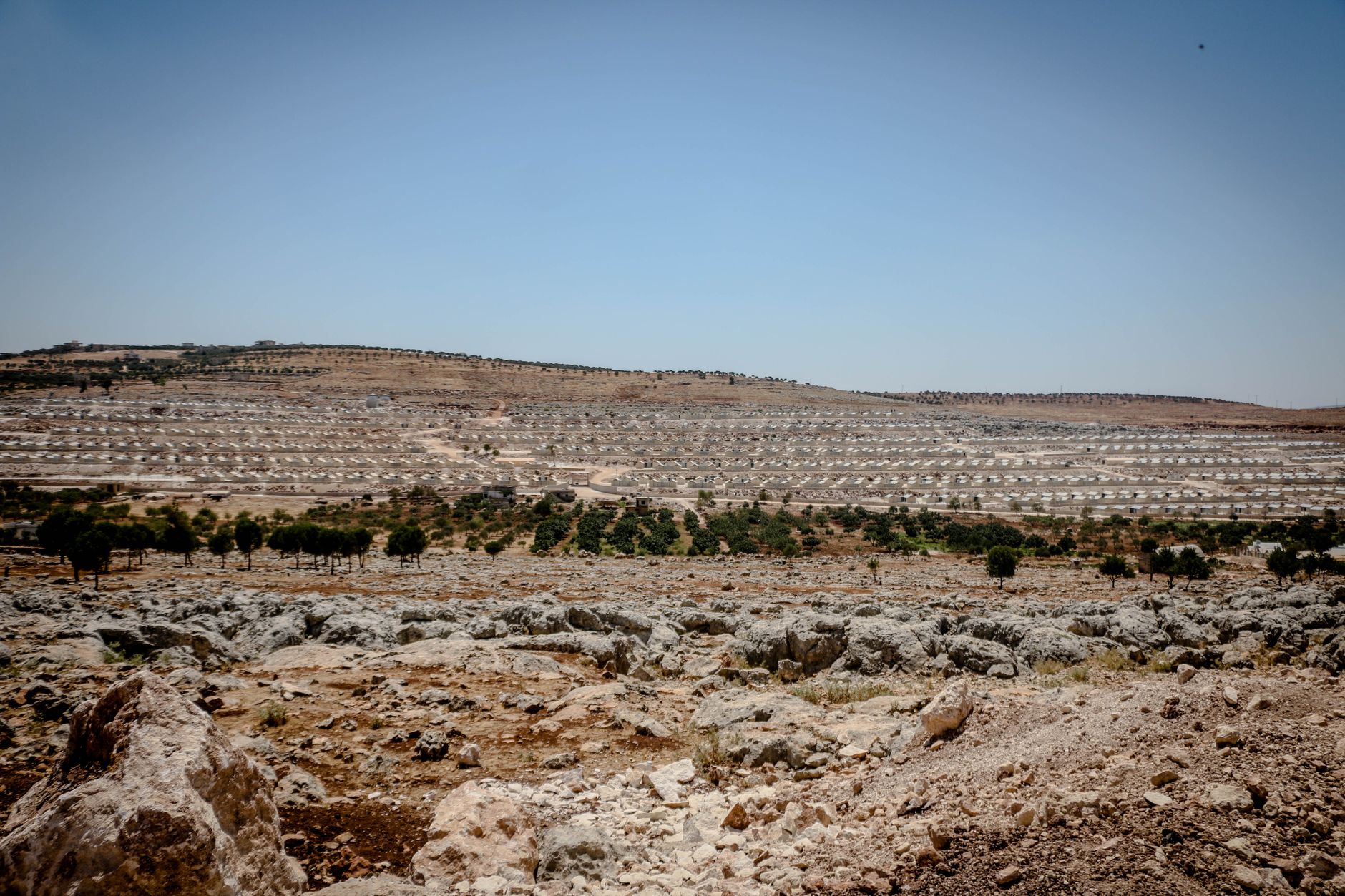
Israel Voters Decide Netanyahu's Fate After 3 Years of War
Voters in Israel are currently deciding whether to remove Prime Minister Benjamin Netanyahu after three years marked by ongoing conflict. This election reflects public evaluation of Netanyahu's leadership during a prolonged period of war. The vote carries significant political weight, as it could change the country's leadership and impact its future domestic and international policies. The article reports no specific figures or detailed political analyses but highlights the election as a key event amid prolonged conflict. This vote matters for global markets and geopolitics due to Israel's role in regional stability. The election outcome will determine political continuity or change after a challenging three years, potentially affecting foreign relations and security policies.
Read More: Israel Voters Decide Netanyahu's Fate After 3 Years of War
Brazil’s Lula Win Defies Regional Right Shift, Blocks Trump Ally
Luiz Inácio Lula da Silva won Brazil’s presidential election, preventing a shift towards right-wing leadership in the region. This victory stops former U.S. President Donald Trump from gaining a potential ally in Latin America. The election result contrasts with recent right-wing successes in several other Latin American countries. Lula's win is significant because it maintains a left-leaning government in the largest economy of Latin America. This outcome may influence diplomatic and economic relations between Brazil and the United States during the coming years. Lula’s administration is expected to focus on different policies from those favored by right-wing leaders. For investors and markets, the election result suggests continued emphasis on social programs and environmental concerns under Lula's leadership. Trade and foreign investment might see changes aligned with this political orientation. This election highlights how political shifts in major countries can impact regional alliances and international relations.
Read More: Brazil’s Lula Win Defies Regional Right Shift, Blocks Trump Ally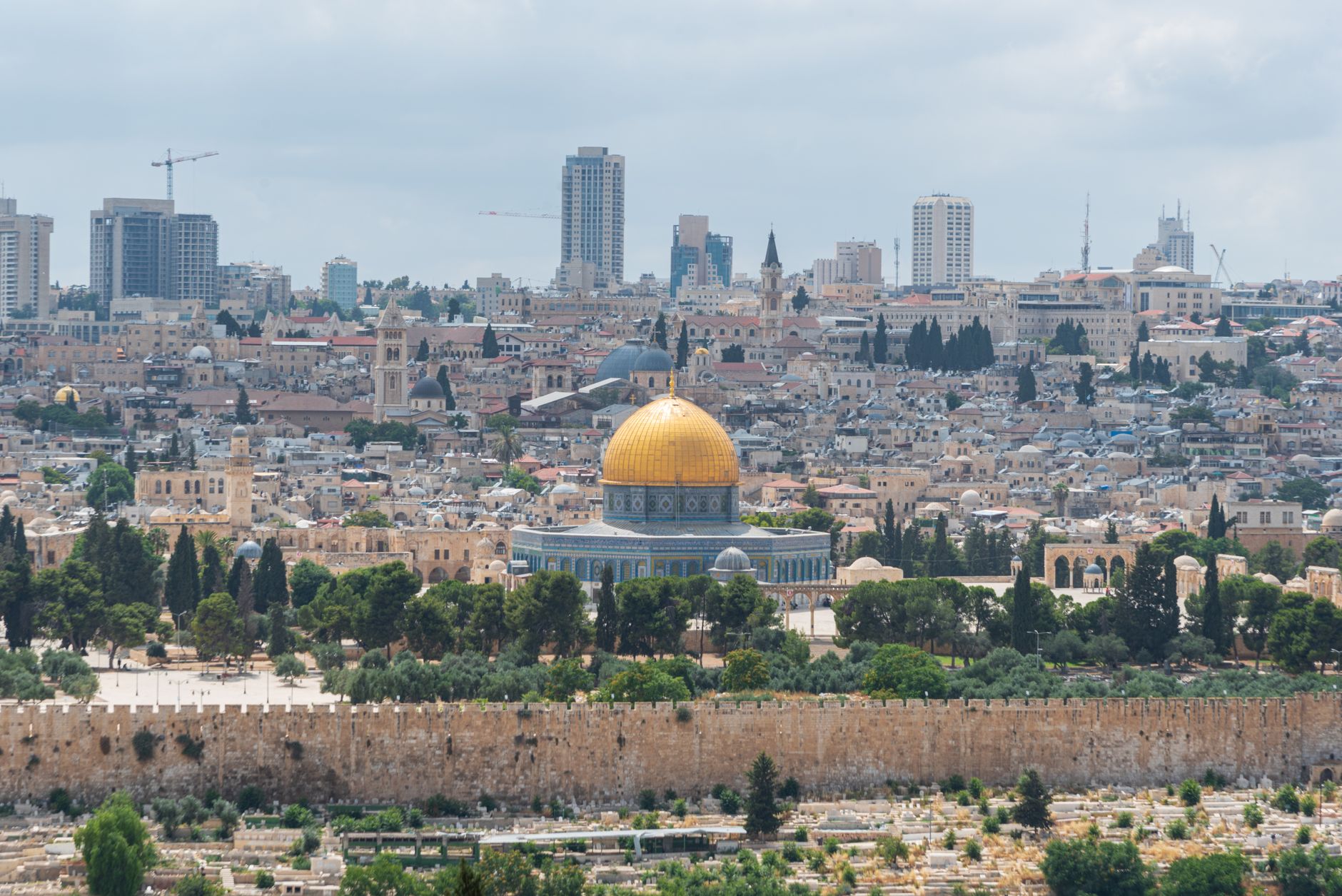
Israel Security Agreement Between Netanyahu and Main Opponent
Israeli Prime Minister Benjamin Netanyahu and his main political opponent agree on the importance of Israel's security despite disagreements on other issues. Both leaders prioritize national defense in their respective platforms. The article notes their alignment specifically on security matters without detailing differences in other policy areas. The consensus on security suggests a shared commitment to maintaining Israel’s defense posture amid regional challenges. No specific security policies or numeric data are provided in the discussion. The focus remains on this rare area of agreement between the two leading political figures. For investors, this agreement underscores stability in Israel’s approach to national defense, which may affect related sectors or geopolitical risk assessments. Such political alignment can influence defense spending and regional security dynamics that impact markets.
Read More: Israel Security Agreement Between Netanyahu and Main Opponent
Kim Jong Un Crosses New Bridge in Surprise China Visit
North Korean leader Kim Jong Un made a surprise trip to China, crossing a newly constructed bridge between the two countries. The visit was unexpected and marks a notable event in North Korea-China relations. Details about the duration or activities during the visit were not disclosed. The crossing of this new bridge symbolizes ongoing infrastructure developments facilitating travel and trade between the two nations. This trip is significant as it reflects the current state of diplomatic and logistical ties between North Korea and China, which could influence economic and geopolitical dynamics in the region. The presence of new infrastructure like the bridge may ease future exchanges and cooperation.
Read More: Kim Jong Un Crosses New Bridge in Surprise China Visit
Treasury Secretary Bessent Critiques Obama's Cheesecake Factory Joke on Trump
Scott Bessent, U.S. Treasury Secretary and former hedge fund manager with an estimated net worth of around $600 million, criticized former President Barack Obama for mocking President Donald Trump's White House renovations by comparing them to the Cheesecake Factory. Bessent defended the restaurant chain, praising its food and recommending the French Dip Cheeseburger, priced at $22.95 at the downtown Washington location, and Cheeseburger Spring Rolls. Bessent referenced the Obama Presidential Center, calling it a "museum that looks like Darth Vader's tomb," highlighting his disagreement with Obama's elitist tone during a Fox Business interview. Obama's original comments, made at an Ohio rally, joked about Trump's white house renovations and excessive use of gold decorations, which drew cheers from the audience. The exchange between political figures reflects ongoing partisan disputes over public image and spending. Bessent's remarks aimed to counter accusations of elitism by showing support for a popular casual dining venue. This interaction influences public and political discourse but does not directly affect market operations or specific stock prices. This story matters because it shows how public figures and policymakers can influence consumer brand perceptions through comments, especially involving dining choices linked to political statements. However, no direct impact on Cheesecake Factory's financials or trading is indicated.
Read More: Treasury Secretary Bessent Critiques Obama's Cheesecake Factory Joke on Trump
MAHA-MAGA Alliance Fractures Ahead of Midterms, Impact Unclear
The MAHA-MAGA political alliance is experiencing internal fracturing ahead of the upcoming midterm elections. The article describes growing divisions but does not provide specific quantitative data or official statements regarding this development. This fracturing could influence political dynamics and voter behavior as the midterms approach, potentially altering the balance of power. However, the article does not specify particular impacts on markets or companies. The development matters as political alliances often shape policy directions that can affect economic conditions and regulatory environments. Investors may monitor this situation for indications of future political stability or policy shifts.
Read More: MAHA-MAGA Alliance Fractures Ahead of Midterms, Impact Unclear
France Promises New University Spots After Macron Leaves Office
The French government has pledged to increase university admissions to address student discontent. However, this expansion will only happen after President Emmanuel Macron leaves office. This decision comes amid ongoing student protests and demands for more access to higher education. Despite the urgency expressed by student groups, the government has set the admission increase timeline beyond Macron's current term. The delay could impact the immediate concerns of prospective students seeking educational opportunities. This plan reveals tensions between government policy timelines and student demands. This matters for markets because delays in educational expansions could affect public spending priorities and social stability indicators, which might influence investor confidence in France's policy environment.
Read More: France Promises New University Spots After Macron Leaves Office
Trump Weighs Iran Deal or Military Action Amid Middle East Tensions
U.S. President Donald Trump stated he is deciding whether to "make a deal" with Iran or to "finish it off," indicating a potential shift in U.S. policy toward the country. Trump made these remarks during a Fox News interview on October 23, 2026, highlighting a decision point as tensions rise in the Middle East. Qatar mediators visited Tehran on October 23 as part of ongoing negotiations between Washington and Tehran. Meanwhile, Iran-backed Houthi militants continued attacks on Saudi Arabia. Trump mentioned the U.S. last struck Iran on September 1, 2026, and noted that further strikes were delayed until after the November 3 midterm elections. He also identified Pickaxe Mountain, linked to Iran's nuclear program, as a potential U.S. military target and claimed the U.S. has intelligence on Iranian nuclear sites. Trump asserted U.S. control over the Strait of Hormuz, vital for global oil trade, saying crude oil flows have returned to pre-war levels despite ongoing regional conflict. However, trade through the strait remains heavily reduced. A Singapore-flagged container ship recently sank there after an attack. Tehran’s Revolutionary Guard navy chief warned Iran is prepared to sink U.S. warships. Senior leaders from Saudi Arabia, Turkey, and Pakistan are meeting Iran's leadership in Tehran to discuss defense cooperation, following recent attacks by Houthi forces on Saudi infrastructure.
Read More: Trump Weighs Iran Deal or Military Action Amid Middle East Tensions
Brazil President Lula Reignites Election Campaign With Online Push
Brazil's President Lula boosted his election campaign between the first and second rounds using an energetic online strategy and social giveaways. The move helped improve his fortunes in the election timeline leading to the runoff. The campaign focused on increasing online engagement and offering social incentives to voters, contributing to renewed momentum. These efforts were implemented in the critical three-week period between the two voting rounds. This campaign activity is important for the election outcome and market expectations as it reflects changing political dynamics in Brazil ahead of the runoff vote. The renewed campaign intensity may influence voter turnout and candidate support levels. For investors, political stability and election results can affect market and currency conditions in Brazil.
Read More: Brazil President Lula Reignites Election Campaign With Online Push
Israeli Elections Viewed as Referendum on Netanyahu's Leadership
The upcoming Israeli elections are primarily seen as a referendum on Prime Minister Benjamin Netanyahu's leadership. Key issues shaping the election include views on Netanyahu's policies and governance. The election outcome could significantly influence Israel's political direction. Voter decisions will reflect public sentiment toward Netanyahu's tenure and political agenda. This election matters because it will determine Israel's future government and policy focus. Investors and analysts monitoring the region may watch for shifts impacting regional stability and economic relations.
Read More: Israeli Elections Viewed as Referendum on Netanyahu's Leadership
Brazil's Lula Wins Historic Election With 51.8% Vote Share
Luiz Inácio Lula da Silva defeated Senator Flávio Bolsonaro in Brazil's presidential runoff, securing a fourth term with 51.8% of valid votes versus Bolsonaro's 48.2%. This result marks the first time since 1989 that a candidate won the runoff after losing the first round. The Superior Electoral Court reported nearly all ballots counted by Sunday. Bolsonaro has refused to concede and plans to seek annulment of the election outcome. The Supreme Court extended voting hours by two hours due to allegations of voter suppression, including suspended public transportation and weather disruptions at polling stations. These factors fueled controversy around the election process. Lula’s victory prevents a rightward political shift in Latin America supported by former U.S. President Donald Trump. Despite winning the presidency, Lula faces challenges such as a Congress dominated by Bolsonaro's Liberal Party and Brazil's fiscal issues. Gross public debt reached 82.9% of GDP in August, the highest since March 2021, amid high interest rates and rising debt servicing costs. Brazilian markets responded with volatility, including an initial nearly 20% drop in the iShares MSCI Brazil ETF (EWZ) during overnight trading. For investors, Lula’s win introduces uncertainty with potential impacts on fiscal policy and market regulation, affecting Brazil’s economy and investment environment in the coming years.
Read More: Brazil's Lula Wins Historic Election With 51.8% Vote Share
Lula Re-elected Brazil President in Close Vote Over Bolsonaro
Luiz Inácio Lula da Silva was re-elected as Brazil's president in a closely contested election against Flávio Bolsonaro. Lula is 80 years old and represents a leftist political stance. His victory is viewed as a setback to former US President Donald Trump's ambitions to increase US influence in Latin America. The election outcome reflects a narrow margin between the two candidates, signaling a highly divided electorate in Brazil. Lula's win marks a return to leadership after his previous terms, with implications for both domestic policy and international relations. This result matters because it will influence Brazil's political direction and its interactions with the United States, particularly regarding US interests in Latin America. Lula's leadership may shift policy priorities away from those favored by the Trump administration.
Read More: Lula Re-elected Brazil President in Close Vote Over Bolsonaro
Serbia Ex-President Vučić Concedes Defeat in Parliamentary Poll
Serbia's former president Vučić has conceded defeat to the Student List in the recent parliamentary election. The election saw a near-record voter turnout, which favored the grassroots Student List party over Vučić's nationalist leadership. This loss represents a significant political shift in Serbia, marking a dramatic decline for Vučić's influence. The results show increased support for new political forces emerging from civil society and student groups. The outcome matters because it indicates a change in Serbia's political landscape, with the Student List gaining parliamentary power. This shift could influence future policy directions and political alignments in the country.
Read More: Serbia Ex-President Vučić Concedes Defeat in Parliamentary Poll
Britain Will Not Join Canada’s Defence Bank, Official Says
Britain has decided not to join Canada’s proposed defence bank, according to an unnamed source. The defence bank initiative aims to support military-related projects and investments by pooling resources from participating countries. The source confirmed that the UK government will remain outside this multinational financial institution, signaling a difference in defence investment collaboration strategies between the two nations. No financial figures or timelines were provided regarding the defence bank itself or Britain's potential involvement. This matters because Britain's absence could affect the scale and impact of the defence bank by limiting the pool of contributing countries. For investors and markets focused on defence sectors, this decision may influence future multinational defence financing and project funding arrangements.
Read More: Britain Will Not Join Canada’s Defence Bank, Official Says
U.S. and Canada Close to Trade Deal, White House Official Confirms
The United States and Canada are nearing an agreement on a trade deal, according to a statement from White House official Kevin Hassett. Hassett described the negotiations as "very close," signaling progress in resolving trade issues between the two countries. While no specific details or timelines were disclosed, the development indicates that both parties are optimistic about reaching a resolution. Trade relations between the U.S. and Canada are critical given their economic ties and existing trade volume. Closer alignment on trade agreements could impact tariffs, market access, and bilateral economic activities. No mention was made of the potential sectors affected or specific trade terms. This progress matters for investors because a formal trade deal could reduce uncertainty around tariffs and trade barriers between two major economies. The timing and specifics of the deal will influence import and export costs, potentially affecting company revenues and costs connected to cross-border trade.
Read More: U.S. and Canada Close to Trade Deal, White House Official ConfirmsBrazil Votes in Tight 2026 Runoff Between Lula and Bolsonaro
Brazilians voted on October 4, 2026, in a closely contested presidential runoff between incumbent Luiz Inacio Lula da Silva of the Workers' Party (PT) and right-wing Senator Flavio Bolsonaro of the Liberal Party (PL). Flavio Bolsonaro surprised pollsters by leading in the first round and aims to continue a rightward political shift in Latin America. A narrow 45-vote win for Bolsonaro would extend the trend of conservative wins in the region aligned with U.S. former President Donald Trump. The election campaign has involved debates over economic concerns, corruption, and U.S. influence. Jair Bolsonaro, Flavio's father and a former president, was convicted in 2025 for plotting a 2022 coup, and Flavio has pledged to free him if elected. Trump has denied meddling but has imposed tariffs on Brazil related to the Bolsonaro case and trade disputes. Lula opposes these tariffs and presents his election as resistance against external pressure. Economic issues such as high living costs and household debt have challenged Lula despite gains in reducing inequality and unemployment. Bolsonaro focuses on crime control promises like maximum-security prisons and chemical castration for serious offenders. The runoff outcome will significantly impact Brazil's political direction and its relations with the United States. Investors should watch this closely due to potential shifts in Brazil's trade policies and regional political alignment.
Read More: Brazil Votes in Tight 2026 Runoff Between Lula and Bolsonaro
Trump Visits Michigan Midterms as GOP Targets El-Sayed Senate Bid
Former President Donald Trump is campaigning in Michigan ahead of the midterm elections. The visit is part of Republican efforts to challenge Yousef El-Sayed in the state's Senate race. The article notes that Republicans are focusing on undermining El-Sayed's candidacy. No specific polling or financial figures related to the race were included. Trump's involvement in the Michigan midterms signals the GOP's intent to strengthen their position in this key battleground, which could affect the Senate balance. This visit reflects strategic moves by both parties in important races. For ordinary voters and investors, the GOP's attention on Michigan's Senate seat via Trump's campaigning highlights the political stakes that may influence legislative control and future policy directions.
Read More: Trump Visits Michigan Midterms as GOP Targets El-Sayed Senate Bid
Far-Right Leader Le Pen Launches French Presidential Campaign
Marine Le Pen, the far-right leader of France, has officially launched her presidential campaign. She presented herself as the sole candidate capable of restoring order and unity in the country. Le Pen's announcement marks her entry into the French presidential race. In her campaign launch, Le Pen emphasized national renewal and proposed a vision focused on stability and togetherness. The article highlights Le Pen’s positioning in the political landscape but does not provide specific policy details, poll numbers, or quantitative data about her campaign. This matters for investors and markets because potential political shifts in France under Le Pen’s leadership could affect economic policies, trade relations, and the broader European Union environment. However, without specific data or projected impact figures, the immediate market implications remain uncertain.
Read More: Far-Right Leader Le Pen Launches French Presidential Campaign
Iran Confirms Ongoing Message Exchanges with US Amid War Concerns
Iran has stated that messages are still being exchanged with the United States amid concerns over potential conflict in the Middle East. This communication continues despite heightened tensions and ongoing war worries in the region. The article does not provide specific details on the content or frequency of the messages nor figures related to the exchange. No other quantitative data or official statements were included regarding the implications or outcomes of these exchanges. This confirmation highlights that diplomatic channels remain operational between Iran and the US, which is significant for market watchers assessing geopolitical risks. Continued communication may influence regional stability and thus impact global markets related to energy and defense sectors.
Read More: Iran Confirms Ongoing Message Exchanges with US Amid War Concerns
Venezuelan Opposition Leader Machado Returns After Months Exile
Venezuelan opposition leader and Nobel laureate María Corina Machado returned to Venezuela on Sunday for the first time since December. Machado had been in exile after a period of detention and hiding following protests against Nicolás Maduro's government. Maduro was deposed in January and replaced by acting President Delcy Rodríguez, who has exceeded the authorized 90-day term with no election scheduled. Machado announced her arrival on social media and received a warm reception from supporters in Lara state west of Caracas. Reports noted crowds applauding and chanting for freedom as she passed through. U.S. President Donald Trump acknowledged Machado's return without detailed knowledge but wished her safety and complimented her character. Meanwhile, U.S. officials have prioritized economic stabilization in Venezuela over scheduling elections, which the opposition demands. The ongoing political uncertainty and the extended interim presidency without elections deepen doubts over the country's democracy and the role of the U.S. Machado's return symbolizes renewed opposition leadership amid this stalemate. This matters to investors as Venezuela's political instability could affect economic policies and international relations impacting market risks linked to the country.
Read More: Venezuelan Opposition Leader Machado Returns After Months Exile
SpaceX (STARLINK) Limits Ukraine Access Over Disputed Drone Use Claims
SpaceX CEO Elon Musk claimed Ukraine's military violated Starlink's terms of service by using it for offensive drone strikes. This led SpaceX to restrict Ukraine's access to Starlink's high-speed satellite service. Ukrainian defense advisor Serhii Beskrestnov disputed Musk's claim, stating it was physically impossible for Ukraine to use the commercial Starlink system for such strikes due to existing operational speed limits and geographic restrictions. Beskrestnov highlighted that Starlink's civilian system does not function over Russian territory and limits drone speeds to 70-90 km/h (43-56 mph), which restricts medium or deep strike capabilities. Ukrainian officials reported that the limited Starlink service had disrupted drone defense operations amid frequent Russian attacks. High-speed service to Ukraine was restored on Saturday for both Starlink and its military-focused counterpart, Starshield. The restrictions initially caused confusion about who authorized them, with Musk suggesting the U.S. government was involved, a claim denied by former President Donald Trump and Ukrainian officials. The unannounced service restrictions affected Ukraine's military communication capabilities during ongoing conflict. This matters as satellite communication reliability is crucial for Ukraine's drone operations and defense, directly impacting military effectiveness in the conflict zone.
Read More: SpaceX (STARLINK) Limits Ukraine Access Over Disputed Drone Use Claims
Venezuelan Opposition Leader Machado Returns From Exile
Venezuelan opposition leader María Corina Machado has returned from exile to challenge the country's interim government. Machado, noted in the article as a significant opposition figure, poses a political challenge to the current Trump-backed administration. Her arrival is seen as important because it could impact the political dynamics in Venezuela, particularly relating to the legitimacy and influence of the interim government. However, the article does not provide numerical data, dates, or detailed outcomes linked to her return. This development matters as it could shift the balance of power in Venezuelan politics, which may ultimately affect governance and economic policies. Investors and observers should watch for further political changes derived from this event.
Read More: Venezuelan Opposition Leader Machado Returns From Exile
Sri Lanka Repatriates 40 Iranian Sailors Stranded in Indian Ocean
Sri Lanka provided medical assistance and repatriated 40 Iranian sailors who were stranded in the Indian Ocean. The sailors received healthcare support during their time of need. The repatriation effort involved coordinating safe transport back to Iran for all 40 sailors. Sri Lanka's action helped resolve a potentially hazardous situation for the stranded crew. This event shows Sri Lanka's role in regional humanitarian aid and maritime safety. For investors interested in regional stability, such cooperation helps maintain normal trade and shipping routes in the Indian Ocean, supporting related economic activities.
Read More: Sri Lanka Repatriates 40 Iranian Sailors Stranded in Indian Ocean
Saudi Arabia Intercepts Multiple Missiles and Drones From Houthis
Saudi Arabia's military intercepted several drones and missiles fired by Iran-aligned Houthis targeting multiple Saudi cities, including the capital Riyadh. Specifically, two drones and one ballistic missile were destroyed headed toward Riyadh. Additionally, 10 ballistic missiles aimed at southern Saudi Arabia and one cruise missile targeting Khamis Mushait were also intercepted, according to the Saudi-led coalition spokesperson Turki Al-Maliki. The Houthis stated they carried out seven military operations using ballistic missiles and drones. Their attacks targeted Riyadh’s King Khalid International Airport, Saudi Aramco’s facilities in Yanbu, and other airports and energy installations across Saudi Arabia. Following an attack on October 10 that killed at least 13 people and injured about 300, King Khalid International Airport resumed partial operations on Sunday with divided terminal usage for domestic and international flights. The ongoing conflict contributed to driving oil prices to a six-month high. Rising investor concerns about potential escalations followed comments from U.S. President Donald Trump and reports of planned U.S. and Israeli strikes on Iran after the November 3 midterm elections. The U.S. recently ordered non-emergency government staff to leave Saudi Arabia amid the heightened threat. This situation matters for investors because it affects oil supply security and could trigger further geopolitical risks. Disruptions at key oil facilities and strategic airports in Saudi Arabia impact operational stability and market confidence in the region’s energy supplies.
Read More: Saudi Arabia Intercepts Multiple Missiles and Drones From Houthis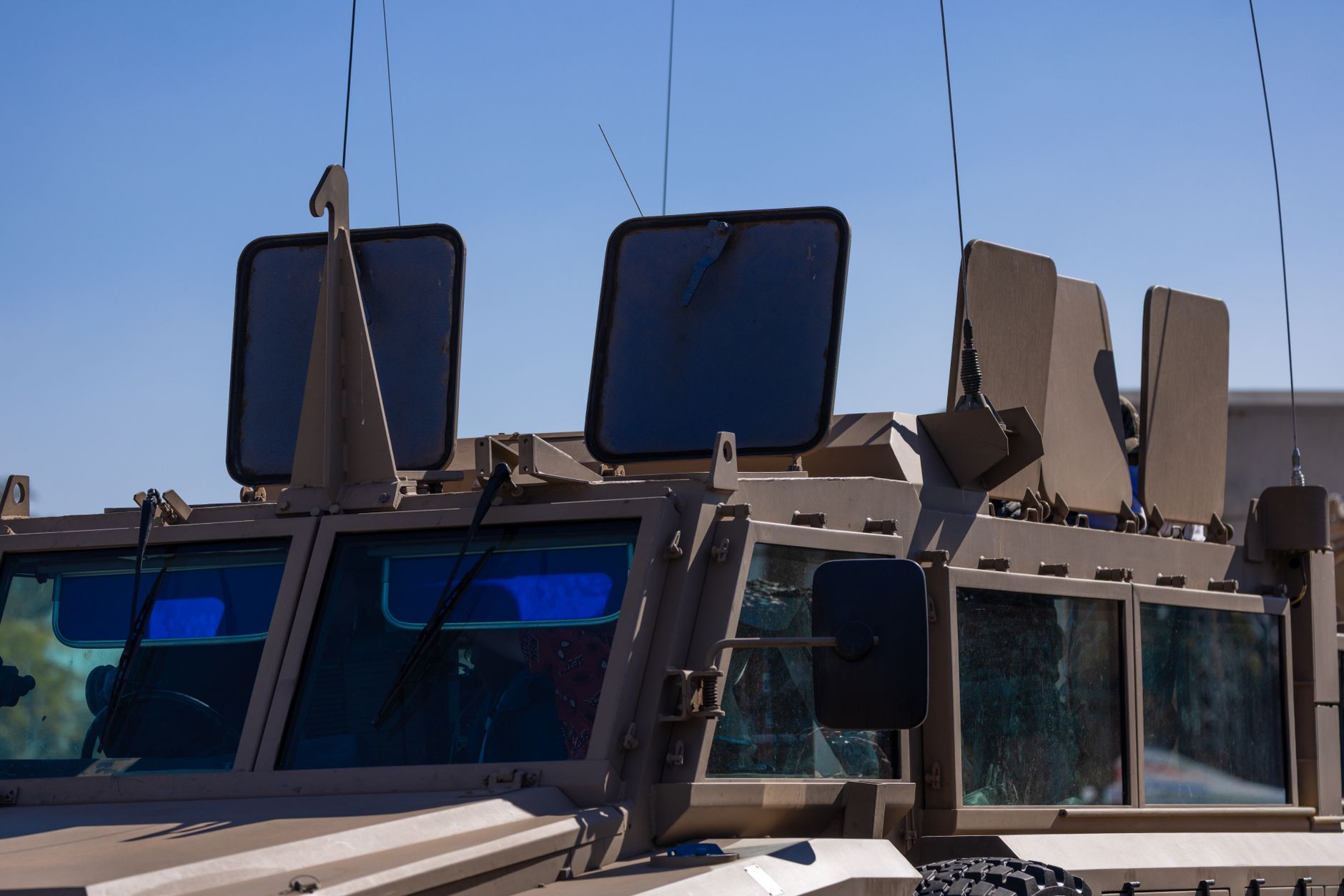
Israeli Military Launches Major West Bank Operation Days Before Election
Days before the Israeli election, the Israeli military has conducted a large-scale operation in the West Bank. The operation involved significant troop deployments and targeted activities intended to address security concerns prior to the upcoming vote. Details on the number of troops, specific targets, or outcomes of the operation have not been provided. The timing of the military action, closely preceding the election, highlights its potential political and security implications amid ongoing regional tensions. This operation matters for markets and observers as heightened military activity can influence geopolitical stability and regional risk perceptions. The operation's scale and timing may affect investor considerations about security risks in the area around Israel’s election period.
Read More: Israeli Military Launches Major West Bank Operation Days Before Election
Ukraine Strikes on Russian Energy Sites Escalate Tensions with Trump
Ukraine has conducted strikes on Russian energy sites, actions that have intensified the political divide with former President Donald Trump. The attacks target key infrastructure affecting Russia's energy capabilities. These strikes have led to heightened discussions and debates in U.S. political circles concerning the approach to the conflict in Ukraine and the broader geopolitical implications. The strikes on major Russian energy facilities are significant as they impact Russia's energy exports and economy. The political rift with Trump relates to differences in opinions on U.S. involvement and strategy regarding the Russia-Ukraine conflict. This discord reflects broader tensions in U.S. domestic politics over foreign policy and military engagement. This development matters for markets because disruptions in Russian energy supply can affect global energy prices and investor sentiment. Ongoing strikes may lead to volatility in energy stocks and commodities. The political discord could influence U.S. policy decisions affecting sanctions and support related to the conflict, thereby impacting market stability.
Read More: Ukraine Strikes on Russian Energy Sites Escalate Tensions with Trump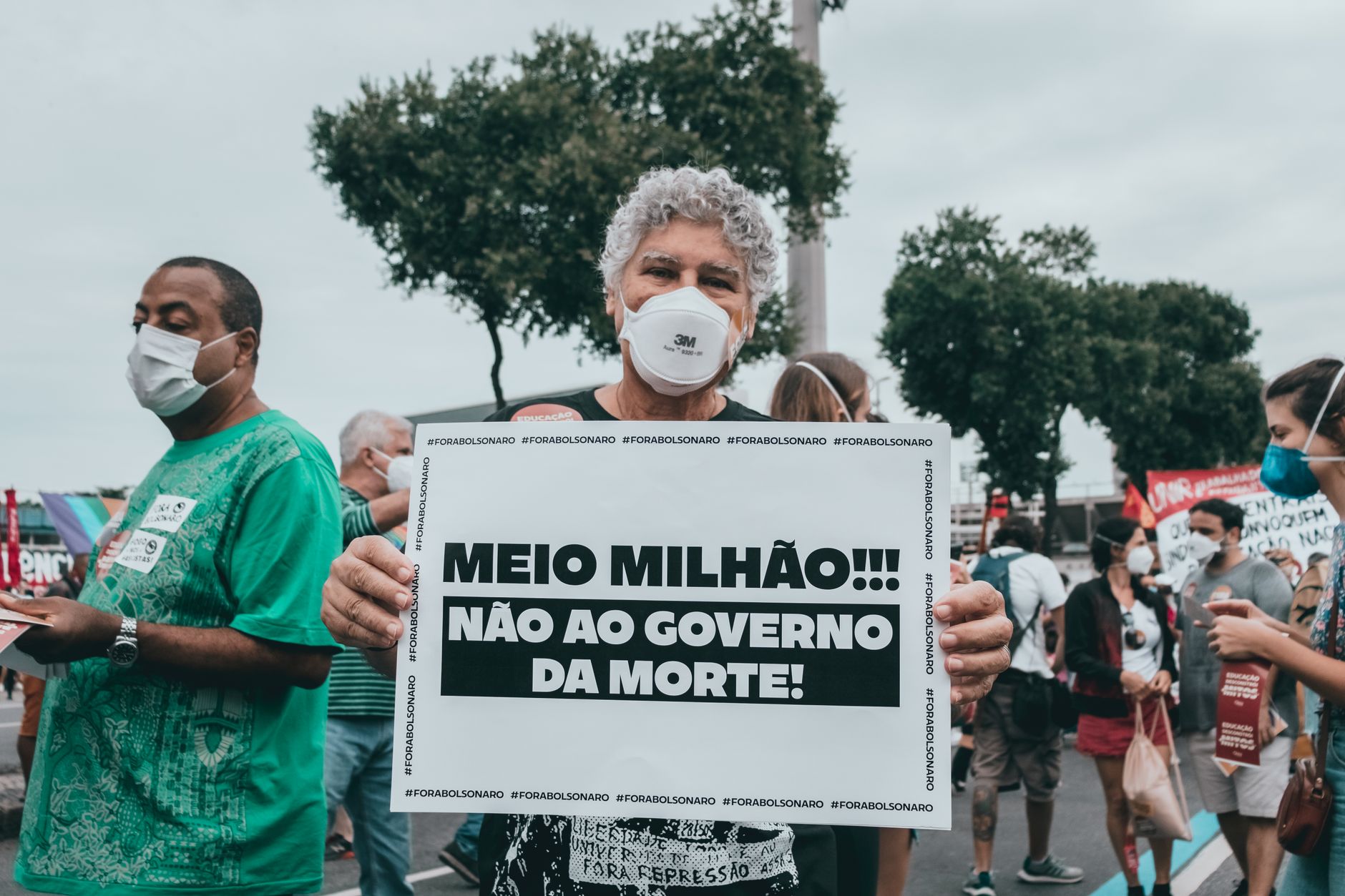
Bolsonaro and Lula Face Tight Contest in Brazil's Presidential Election
Brazil is currently holding a closely contested presidential election between rightwing challenger Jair Bolsonaro and leftist incumbent Luiz Inácio Lula da Silva. The race is highly competitive, making the outcome uncertain at this knife-edge stage. Bolsonaro aims to replace Lula and shift Brazil's policies closer to those of former U.S. President Donald Trump, signaling possible changes in domestic and international direction. Lula seeks to maintain his leadership and the policy trajectory he has set. Both candidates represent sharply contrasting political ideologies. This election matters because Brazil is Latin America's largest country and an important economic player. The winner will influence Brazil's future policies and its role on the world stage. Investors should watch this election closely as it may affect Brazil's economic environment and market stability.
Read More: Bolsonaro and Lula Face Tight Contest in Brazil's Presidential Election
Black Sea Becomes Deadliest Shipping Route Amid Russia-Ukraine Conflict
The Black Sea has become the world's deadliest shipping route for commercial sailors due to the ongoing conflict between Russia and Ukraine. Fatalities among commercial sailors in this area now exceed those in the Gulf region, highlighting increasing risks for maritime operations. The article points to the battle as a direct cause of rising commercial shipping deaths but does not provide specific fatality numbers. This shift in the safety landscape for commercial shipping carries significant implications for global trade routes and insurance costs. As the Black Sea sees more commercial sailor deaths, shipping companies might reconsider passage through this area, potentially leading to rerouting and added operational costs. The article does not mention specific companies or stock tickers but emphasizes the conflict's impact on maritime safety. This matters for investors and markets because increased shipping risks can alter global supply chains and commodity price dynamics. The elevated fatality rates in the Black Sea could influence freight insurance premiums and shipping companies' operational decisions, affecting costs and revenues indirectly linked to maritime logistics.
Read More: Black Sea Becomes Deadliest Shipping Route Amid Russia-Ukraine Conflict
Trump Highlights $4 Billion Audi Plant in Georgia Amid Tariff Defense
Former President Donald Trump promoted a $4 billion Audi manufacturing plant in Georgia while defending his administration's use of tariffs. Trump emphasized the plant's investment and job creation as benefits stemming from his trade policies. He argued that tariffs helped protect domestic industries and contributed to economic growth. The Audi plant represents a major capital investment in the U.S. automotive sector, supporting manufacturing jobs in Georgia. Trump linked this development directly to the protectionist measures, presenting it as proof of the tariffs' effectiveness. He defended the tariffs against criticism that they harm consumers or global trade relations. This matters since the link between tariffs and domestic investment shapes debates on trade policy and economic nationalism. For investors, the highlighted $4 billion investment underscores how manufacturing expansions can coincide with protectionist trade actions, affecting sectors such as autos and industrials. The discussion signals ongoing political support for tariffs that could influence future trade and economic policies impacting corporate profits and costs.
Read More: Trump Highlights $4 Billion Audi Plant in Georgia Amid Tariff Defense
Australia Urges Middle Powers to Cooperate for Economic Security
Australia has called on middle-power countries to cooperate to avoid becoming hostage to geopolitical tensions. Treasurer Jim Chalmers emphasized that improving economic security and strengthening supply chains would benefit consumers. Chalmers argued that collaboration among these nations could help mitigate risks posed by global geopolitical conflicts to trade and supply lines. This cooperation aims to ensure stable access to critical goods and services for consumers worldwide. The appeal highlights the strategic importance of economic partnerships beyond major power blocs. For investors, the focus on supply chain resilience could influence sectors reliant on global trade flows and sourcing.
Read More: Australia Urges Middle Powers to Cooperate for Economic Security
Yemen Houthis Renew Threat to Riyadh Airport as Flights Resume
Yemen's Houthi movement has issued a new threat against Riyadh airport. This comes as flights to and from the Saudi capital are set to resume. The renewed threat raises security concerns for the airport and the resumption of air travel in the region. Details on the nature of the threat or any specific actions planned by the Houthis were not provided. The timing coincides with the scheduled restart of flights, indicating potential risks to aviation and passenger safety. The situation remains tense due to ongoing conflict and political instability in Yemen and its impact on Saudi Arabia. The renewed threat matters because it may affect the safety and security of air traffic at Riyadh airport. This could influence flight operations, insurance costs, and travel advisories, impacting airlines and travelers. Monitoring these developments is critical for assessing risks to transportation and regional stability.
Read More: Yemen Houthis Renew Threat to Riyadh Airport as Flights Resume
Salvadoran Soldiers Found Dead After Ambush in Haiti Reports NYT
The New York Times reported that bodies of Salvadoran soldiers were found in Haiti after an ambush. Specific numbers of casualties or details about the incident were not disclosed in the article. The report highlights ongoing security challenges in Haiti, impacting foreign military personnel operating there. The ambush and subsequent discovery of the soldiers' bodies underscore the risks faced by international forces supporting stability in Haiti. The report does not mention any official statements or responses from Salvadoran or Haitian authorities. This news signals potential increased security concerns in Haiti that could affect international military and humanitarian operations. It also points to risks for personnel involved in peacekeeping or support missions. The direct impact on markets or investors is limited as no financial details or company involvement were reported.
Read More: Salvadoran Soldiers Found Dead After Ambush in Haiti Reports NYT