QQQ News & Analysis
50 articles
Market Mood

Tech Sector Sell-Off Slows AI Trade; Nasdaq Falls 2.6% on Oct 21, 2026
On October 21, 2026, U.S. stock futures were mostly unchanged following a significant sell-off in the technology sector over concerns of weakening artificial intelligence (AI) investment. Futures for the Dow Jones Industrial Average rose by 52 points (0.1%), while S&P 500 futures gained 0.06%, and Nasdaq-100 futures declined slightly by 0.1%. In regular trading that day, the S&P 500 dropped 1.2%, and the Nasdaq Composite fell 2.6%, marking the broad market's worst session since July and the Nasdaq's worst since June. The Dow Industrials ended marginally higher, contrasting with the wider market decline. Global markets also showed weakness, with South Korea's Kospi Index dropping 2.42%, Japan's Nikkei 225 falling 2.1%, Hong Kong's Hang Seng Index down 0.47%, and Mainland China's CSI 300 Index declining 1.76%, reaching a technical bear market with 11 consecutive weeks of losses. Australia's S&P/ASX 200 decreased by 0.21%. U.S. tech stocks were hit hard, with Nvidia falling 4.4%, Alphabet down 3.2%, and Advanced Micro Devices (AMD) sliding 8.1%. Nvidia CEO Jensen Huang cited capital scarcity in the AI sector as a factor contributing to the market pressure. Bond yields declined, with the 10-year Treasury yield dropping 18.5 basis points (0.185%) to 4.961%. This shift favored safe-haven assets as Brent crude prices surged 4% to $113.17 per barrel, driven by reports of potential U.S. and Israeli military plans regarding Iran. These mixed signals indicate a cautious market environment amid geopolitical and sector-specific concerns. This sell-off and slowing AI investment matter to investors because it reflects tightening capital availability affecting high-growth tech sectors. The performance of major indexes like the Nasdaq and shifts in bond yields and crude oil prices provide concrete indicators of changing market risks and opportunities for portfolio adjustments.
Read More: Tech Sector Sell-Off Slows AI Trade; Nasdaq Falls 2.6% on Oct 21, 2026
Meta (META) Up 2% After Q3 Beat; Tesla (TSLA) Shares Drop 3% on Earnings
U.S. stock futures declined after third-quarter earnings from Meta Platforms (META) and Tesla (TSLA) were released. S&P 500 futures fell 0.5%, Nasdaq-100 futures dropped 0.7%, and Dow Jones Industrial Average futures slid 0.3% or 170 points. Asian markets also opened lower, with South Korea's Kospi down more than 1%, Japan's Nikkei 225 declining 0.73%, Australia's S&P/ASX 200 falling 0.53%, Hong Kong's Hang Seng Index down over 2%, and China's CSI 300 dropping 0.37%. Meta’s shares rose 2% in after-hours trading following a revenue beat and strong guidance for the current quarter. Tesla reported better-than-expected revenue and earnings for Q3, but its shares fell 3%. According to a Yorkville Ives analyst, Meta’s AI investments are starting to yield results, and spending is better controlled than expected as the company narrowed its full-year data center capital expenditure range. The positive earnings follow a strong Wall Street session, where the S&P 500 had a three-day winning streak and the Nasdaq Composite gained 1%, supported by strong performances from SpaceX, Micron Technology, Advanced Micro Devices, and Super Micro Computer. Investors will watch upcoming earnings from other major companies and economic data releases like weekly jobless claims. These earnings results are relevant as they show mixed reactions in key tech stocks, affecting futures and market sentiment.
Read More: Meta (META) Up 2% After Q3 Beat; Tesla (TSLA) Shares Drop 3% on Earnings
SpaceX Q3 Revenue Up 161% Drives Stock Surge Amid Earnings Boost
U.S. stock futures rose Tuesday as traders reacted to recent earnings reports. Dow Jones futures increased by 21 points, less than 0.1%, while S&P 500 futures gained 0.3% and Nasdaq-100 futures added 0.8%. In Asia, Japan's Nikkei 225 futures and Hong Kong's Hang Seng index futures were also higher. SpaceX shares surged 8% after the company reported a 161% revenue growth in the third quarter. Elon Musk announced that SpaceX and Tesla have set up special committees to discuss a possible merger. Tesla shares rose by 1%. The Dow Industrials gained nearly 530 points, or 1%, supported by a 3M stock increase of over 5% following an upward revision of full-year profit guidance. The S&P 500 advanced 0.3%, while the Nasdaq Composite closed slightly lower. Oil prices declined, with West Texas Intermediate crude down 1.8% and Brent crude down 0.7%. Market participants are watching upcoming earnings reports from Meta Platforms, Tesla, IBM, and Southwest Airlines, which may provide more clarity on artificial intelligence-related investments. The earnings season and lower valuations could support equity markets despite near-term volatility caused by geopolitical tensions and election concerns. This matters to investors because SpaceX’s strong revenue growth and the potential merger with Tesla could impact these companies' stock valuations and influence market momentum going forward.
Read More: SpaceX Q3 Revenue Up 161% Drives Stock Surge Amid Earnings Boost
US stocks set for rebound after AI sell-off
Nasdaq 100 futures rise 1.3% following biggest weekly drop since Trump’s ‘liberation day’ in April last year
Read More: US stocks set for rebound after AI sell-off
Nasdaq futures gain as investors buy the dip in the AI trade: Live updates
A trader works at the New York Stock Exchange on July 10, 2026. NYSE Stock futures rebounded on Sunday night as traders cautiously dipped a toe back in following last week's rout in shares linked to the artificial intelligence trend. Nasdaq-100 futures added 0.4%. Dow Jones Industrial Average futures ticked 0.2% higher, or 110 points. S&P 500 futures gained 0.2%. Stable oil prices early Sunday also lent the equity market some support. In Asia, Japan's Nikkei 225 lost 1.65%, while the Topix w
Read More: Nasdaq futures gain as investors buy the dip in the AI trade: Live updates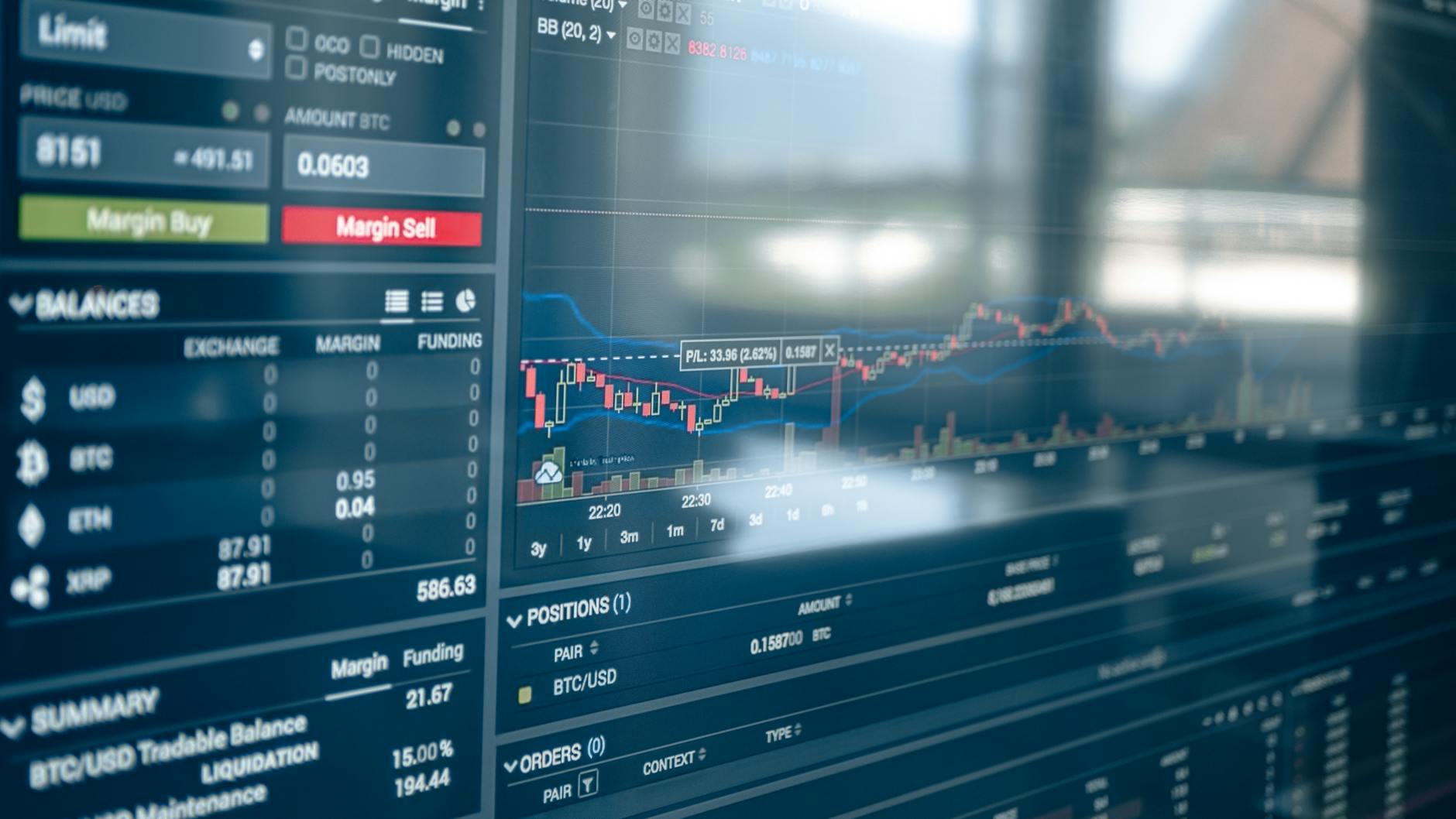
S&P 500 futures fall as traders await more U.S. economic data: Live updates
{ "title": "S&P 500 Futures Drop 0.2% Amid Inflation Concerns", "summary": "Futures for the S&P 500 fell by 0.2% as traders anticipate upcoming earnings reports and additional economic data. NASDAQ-100 futures decreased by 0.7%, while the Dow Jones Industrial Average futures ticked upwards by 22 points. The NASDAQ Composite dropped 1.9% in regular trading, marking its worst performance since July 23 when it fell by 2.2%. Meanwhile, the S&P 500 decreased by 1.1%, its largest one-day decline since July 29, and the Dow saw a minor decrease of 0.1%. Asian markets, including Hong Kong's Hang Seng index and Japan's Nikkei 225, also showed signs of potential decline following Wall Street's losses and rising inflation concerns.", "Investors are worried about the Federal Reserve's potential interest rate hikes due to inflationary pressures. Jamie Cox from Harris Financial Group pointed out the persistent inflationary pressures and the possibility of a mistaken approach by the Federal Reserve, similar to its earlier stance on COVID-era inflation. Economic data releases, including producer prices, retail sales, and jobless claims, are due on Thursday. Earnings reports from regional banks U.S. Bancorp and PNC, along with Charles Schwab, are also scheduled, likely affecting market sentiment further. The geopolitical situation, including tensions in the Middle East, contributes additional uncertainty to the market outlook, especially regarding energy supplies."
Read More: S&P 500 futures fall as traders await more U.S. economic data: Live updates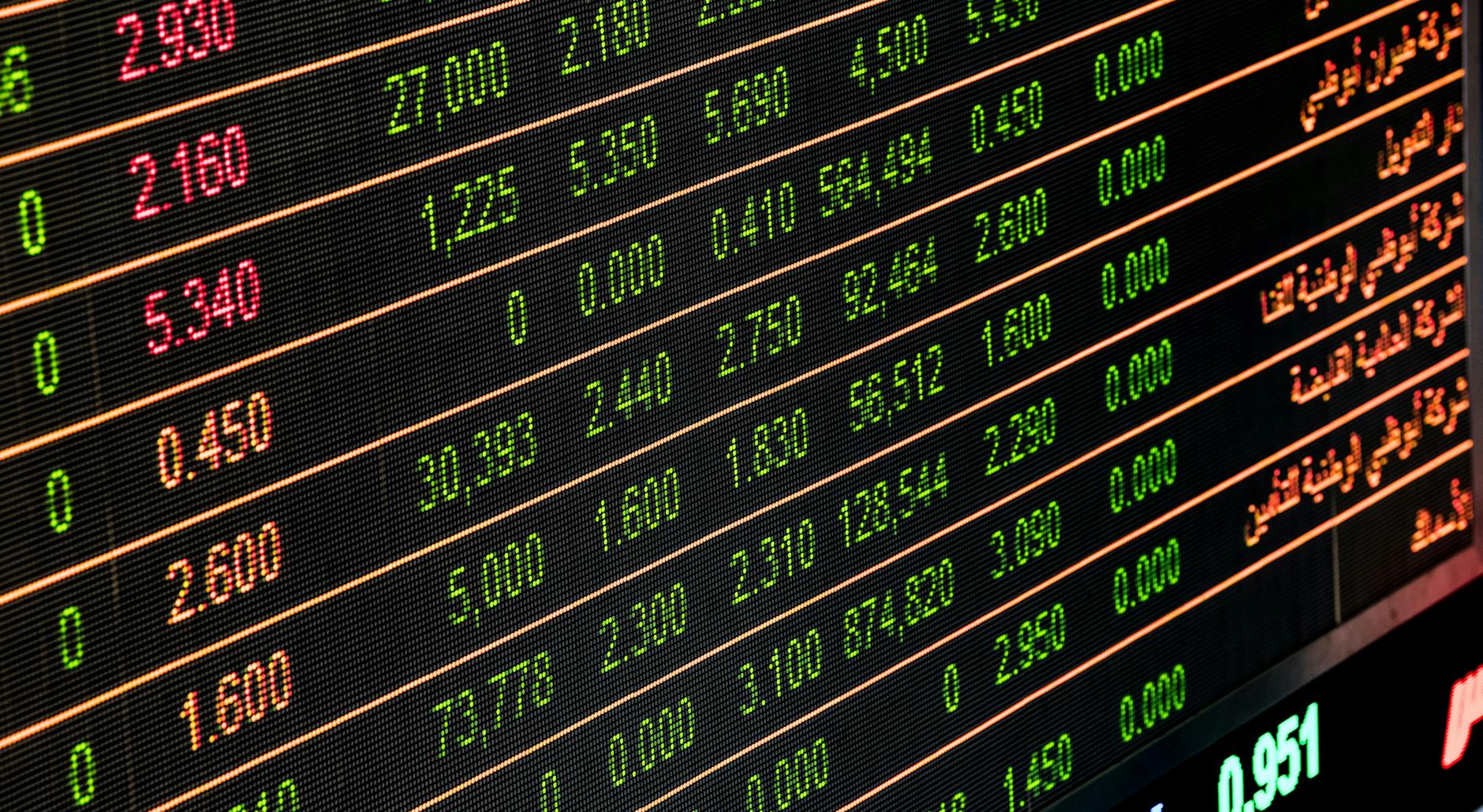
Bank of America Hit with $1.2B Penalty Amid Market Declines
U.S. stock futures showed minor changes as traders anticipated the September consumer inflation report. S&P 500 futures and Nasdaq-100 futures edged down by 0.03% and 0.1%, respectively. Bank of America (BAC) saw a drop of over 2% in after-hours trading following a federal penalty exceeding $1.2 billion due to unreported transactions amounting to over $5 billion. Chip stocks displayed a downward trend due to fears of an AI spending bubble, with the VanEck Semiconductor ETF (SMH) falling for the sixth consecutive session. Anticipations are high for semiconductor companies, with an expected earnings growth rate of 130% year-over-year, as per FactSet data. However, shares of major banks like Goldman Sachs and Citigroup ended lower despite strong quarterly results, indicating challenges in meeting high earnings expectations this quarter.
Read More: Bank of America Hit with $1.2B Penalty Amid Market Declines
S&P 500 Futures Steady as Big Banks Set to Announce Earnings
S&P 500 futures saw little change at 0.12% on Sunday night as traders looked forward to a packed earnings week and key inflation data releases. The Nasdaq 100 futures increased by 0.24% while Dow Jones Industrial Average futures rose slightly by 28 points or 0.05%. Wall Street recently concluded a successful week, driven by a tech stocks rally despite higher oil prices and yields. The Nasdaq Composite recorded its fourth consecutive week of gains, while the S&P 500 and Dow marked their second positive week in three. Asian markets prepared to open higher, with increased futures figures for Hong Kong and Australia. The upcoming week is expected to be significant for investors as major banks like Bank of America, Citigroup, Goldman Sachs, JPMorgan Chase, Morgan Stanley, and Wells Fargo are set to report earnings. Meanwhile, the third-quarter earnings season is projected to show a 29.6% growth for the S&P 500, due to the momentum in areas like AI data centers. Additionally, concerns about energy prices remain, especially after recent geopolitical tensions in the Middle East involving possible U.S. involvement with Saudi Arabia against the Houthis in Yemen. Brent crude futures were trading at over $104 per barrel, and 10-year Treasury yields have reached levels not seen since 2002. Upcoming earnings reports and key inflation data scheduled for this week, including the consumer and producer price indexes for September, are likely to impact investor sentiment. Investors are particularly attentive to how companies are managing higher costs, which could affect margins and growth. These factors are crucial for determining future market performance.
Read More: S&P 500 Futures Steady as Big Banks Set to Announce Earnings
OpenAI Revenue Miss Impacts AI Stocks, Nasdaq Down 1%
U.S. stock futures remained relatively stable on Thursday night following OpenAI's underwhelming revenue report. The S&P 500 futures rose 0.09%, Nasdaq 100 futures increased by 0.05%, and Dow Jones Industrial Average futures edged up by 23 points, equivalent to 0.04%. However, the AI sector saw significant negative movement, leading to a broader tech slump. Key AI stocks such as CoreWeave dropped over 7%, while Oracle, Intel, and Super Micro Computer each fell by around 5%. Advanced Micro Devices fell nearly 4%, and Nvidia decreased by almost 3% following OpenAI's announcement of $50 billion in annualized revenue, which was lower than the widely reported $68 billion figure which included partner revenues. As a result, the Nasdaq Composite fell by more than 1%, marking its largest one-day loss since mid-August, and the S&P 500 lost 0.5%. However, the Dow bucked the trend, closing slightly positive.
Read More: OpenAI Revenue Miss Impacts AI Stocks, Nasdaq Down 1%
S&P 500 Futures Slightly Up as Treasury Yields Hit Highs
U.S. stock futures showed slight changes Wednesday night as the S&P 500 retreated from a record high, impacted by a spike in Treasury yields. Dow Jones Industrial Average futures increased by 7 points, while S&P 500 futures rose by 0.04% and Nasdaq-100 futures climbed 0.1%. Levi Strauss experienced a nearly 2% dip in extended trading following a revision of its revenue growth outlook, despite an improved profit forecast. On Wednesday, the S&P 500 fell 0.2% from its all-time high, the Dow dropped by over 340 points, and the Nasdaq Composite also decreased by 0.2%. Treasury yields reached multi-decade highs with the 10-year yield at 5.365%, its highest since April 2002, and the 30-year yield climbing to 5.732%, its highest since May 2002. Meanwhile, in international markets, Japan's Nikkei 225 and South Korea's Kospi both recorded declines, while other Asian indexes remained relatively stable. The rise in yields has led to reduced investor enthusiasm for stocks, notably in sectors sensitive to borrowing costs such as industrials. However, some investors remain optimistic, counting on strong earnings growth to support market rallies, as indicated by an expected 30% earnings growth rate for the S&P 500 in the third quarter. The forthcoming earnings reports, like PepsiCo's, along with other economic data such as jobless claims, will be closely monitored. This data will inform investor strategies, as high yields impact equity valuations.
Read More: S&P 500 Futures Slightly Up as Treasury Yields Hit Highs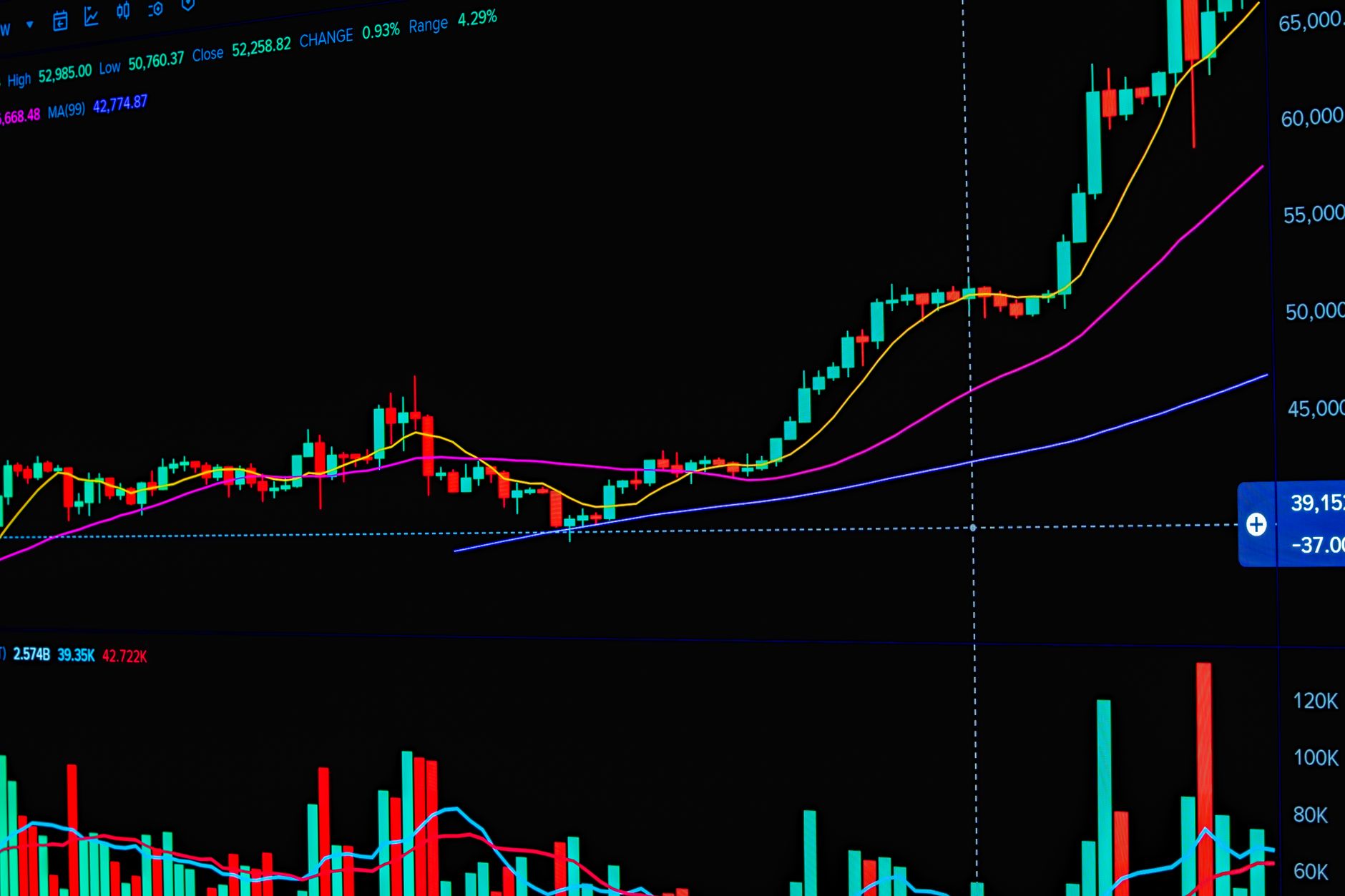
Nasdaq Hits Record As AI Stocks Surge, S&P and Dow Also Rise
Stock futures remained relatively unchanged on Monday evening after the Nasdaq Composite achieved a record high during the regular trading session. S&P 500 futures inched up 0.08%, and Dow futures rose by 57 points, or 0.1%. The Nasdaq-100 futures increased by 0.09%. The day's trading saw the Nasdaq Composite gain around 1% to hit an all-time high. The Dow Jones Industrial Average gained approximately 90 points, or 0.2%, and the S&P 500 added 0.7%. Notably, stocks associated with artificial intelligence, such as SpaceX, Nvidia, and Tesla, made significant gains, rising over 2% each. Meta Platforms and Microsoft, too, saw increases of over 1%. In Asia, market optimism was apparent as indices were expected to open higher. Japan's Nikkei 225 futures indicated a rise, with figures of 70,195, compared to its prior close of 69,946.86. Hong Kong's Hang Seng index futures stood at 24,266, higher than its last close of 24,040.34. However, Mainland China markets remained closed due to a holiday. Meanwhile, oil prices decreased, with Brent crude futures dropping 1.9% and West Texas Intermediate crude down by 1.8%. The U.S. Treasury yields continued to rise, with the 10-year note surpassing 5.3% and the 30-year yield breaching 5.7%, reaching levels last seen 24 years ago. Traders are keenly observing the Federal Reserve's upcoming minutes from its September meeting, set to release on Wednesday, which might reveal insights into future rate hikes. For investors, this matters because higher Treasury yields could influence borrowing costs and market valuations, while record highs in the Nasdaq may indicate strengthening tech stocks.
Read More: Nasdaq Hits Record As AI Stocks Surge, S&P and Dow Also Rise
Stock Futures Flat as Investors Eye Fed Minutes
Stock futures experienced little change on Sunday evening as investors faced higher Treasury yields and awaited the Federal Reserve's meeting minutes for insights on potential interest rate movements. Futures tied to the Dow Jones Industrial Average increased 53 points, or 0.1%, while S&P 500 futures also rose 0.1%. Nasdaq-100 futures climbed 0.2%. The previous Friday, stocks closed up with the Dow gaining 250 points, the S&P 500 climbing 0.7%, and the Nasdaq Composite rallying 1.2%, reaching an all-time high earlier in the session. The increase came after a week marked by surging Treasury yields and a lackluster jobs report that tempered fears of another immediate Fed rate hike. Treasury yields remain a focal point for investors, with the 10-year yield reaching its highest level in over two decades, leading to concerns about raised borrowing costs on stocks. Despite these concerns, tech stocks led the rally, with notable gains from companies like Nvidia. Analysts suggest that the light upcoming economic calendar may influence investors along with geopolitical and market-specific developments. Investors are particularly focused on upcoming earnings reports from key companies such as JP Morgan, Constellation Brands, Levi Strauss, and PepsiCo.
Read More: Stock Futures Flat as Investors Eye Fed Minutes
S&P 500 Futures Up 0.1% Ahead of September Jobs Report Release
S&P 500 futures rose by 0.1% ahead of the upcoming September jobs report. Dow Jones futures gained 38 points (0.07%), while Nasdaq-100 futures advanced 0.3%. The S&P 500 posted a 0.2% increase during the first trading day in October, but all three indices are currently on track for weekly losses. Key attention will be on September's nonfarm payrolls report which anticipates job growth of 84,000 with an unemployment rate of 4.1%. For ordinary investors, the outcome of the jobs report may influence future Federal Reserve interest rate decisions.
Read More: S&P 500 Futures Up 0.1% Ahead of September Jobs Report Release
Stock Futures Rise 0.2% as Traders Eye Treasury Yields
On September 28, stock futures showed modest gains with Dow Jones Industrial Average futures up 99 points, or 0.2%. The S&P 500 futures increased about 0.3%, while Nasdaq-100 futures gained 0.2%. In regular trading, the S&P 500 fell 0.3%, and the Dow dropped over 440 points, or 0.9%. The rise in futures occurs as investors anticipate upcoming economic data, including jobless claims and corporate earnings, amid elevated Treasury yields, with the 10-year yield breaching 5.3%. This could indicate potential volatility for investors as higher yields and inflation levels could affect borrowing costs and corporate performance.
Read More: Stock Futures Rise 0.2% as Traders Eye Treasury Yields
Dow Jones Futures Up 0.16% Amid Rising Treasury Yields
Stock futures rose slightly on Tuesday, with Dow Jones Industrial Average contracts increasing by 0.16% and S&P 500 futures matching this rise. Nasdaq-100 futures were higher by 0.26%. However, the 30-year Treasury bond yield exceeded 5.6%, the highest level since June 2002, while the 10-year yield approached a 2007 high near 5.3%. These increases led to declines in major indexes during the previous trading session, and traders are now focusing on the upcoming Personal Consumption Expenditures price index, with expectations of a 0.3% increase for August.
Read More: Dow Jones Futures Up 0.16% Amid Rising Treasury Yields
Stock Futures Slip 0.2% After Winning Week on Wall Street
Stock futures fell slightly on Sunday night, with Dow Jones Industrial Average futures down 97 points (0.2%). S&P 500 and Nasdaq-100 futures also lost 0.2%. Last week, the Dow advanced 0.3%, while the S&P 500 and Nasdaq Composite increased by 1.2% and 2.1% respectively. These fluctuations follow rising oil prices, with Brent crude surpassing $105.86 per barrel. Investors should note that upcoming economic data, including the August personal consumption expenditure price index, could influence market movements.
Read More: Stock Futures Slip 0.2% After Winning Week on Wall Street
Dow (DJI) Futures Gain 3 Points Amid Climbing Treasury Yields
U.S. equity futures remained stable with Dow Jones Industrial Average futures gaining 3 points, or 0.01%. The S&P 500 futures were down 0.05%, while Nasdaq-100 futures slightly increased. The 10-year Treasury yield climbed to 5.225%, the highest since 2007, contributing to rising mortgage rates, which reached 7.45%. The Dow is facing a fourth consecutive weekly loss, down 0.6%, while S&P 500 is up 0.7% this week. This situation indicates potential increases in borrowing costs for consumers, impacting spending and economic growth.
Read More: Dow (DJI) Futures Gain 3 Points Amid Climbing Treasury Yields
S&P 500 Futures Up 0.12% as Nasdaq Hits Record High
U.S. equity futures are trading higher, with S&P 500 futures adding 0.12% and Nasdaq-100 futures up 0.14%. The Dow futures rose by 73 points, or 0.14%. The Nasdaq Composite achieved an all-time intraday high on Tuesday, closing at a record, while the S&P 500 finished slightly lower but remains 0.7% from its all-time high. Traders are also monitoring upcoming earnings reports from companies like General Mills and Paychex, which could influence market movement for investors.
Read More: S&P 500 Futures Up 0.12% as Nasdaq Hits Record High
S&P 500 Futures Up 0.02% After AI-Driven Rally
U.S. equity futures were little changed, with S&P 500 futures increasing by 0.02% and Nasdaq-100 futures up 0.2%. The S&P 500 gained 1.5% for its best performance since August 4, and the Dow rose by 366 points, or 0.7%. Key contributors to this rally included a more than 11% surge in Meta Platforms and a 12% rise in Intel. This market movement follows a 4.5% drop in West Texas Intermediate crude futures, achieving $95.78 a barrel, and allows investors to assess upcoming earnings reports, which include AutoZone.
Read More: S&P 500 Futures Up 0.02% After AI-Driven Rally
Stock Futures Rise as Dow Slips 1.7% in Third Losing Week
U.S. stock futures rose slightly on September 15, 2026, after the Dow Jones Industrial Average fell 1.7% last week, marking its worst performance since March. S&P 500 futures increased by 0.23%, while Nasdaq-100 futures climbed 0.27%. The Dow futures rose by 0.25%. These movements follow an escalation of hostilities in the Middle East, prompting the U.S. State Department to advise caution for American travelers. This uptick in futures matters for investors as it indicates potential market recovery after recent losses in key indices.
Read More: Stock Futures Rise as Dow Slips 1.7% in Third Losing Week
Futures Little Changed Post Fed Rate Hike: Dow Up 30 Points
U.S. stock futures showed little change on Thursday after the Federal Reserve's first interest rate hike in three years. The Dow Jones Industrial Average futures rose by 30 points, or 0.06%, while S&P 500 and Nasdaq-100 futures dipped 0.08% and 0.15%, respectively. On Wednesday, the Dow closed up by 316 points, or 0.6%, and the S&P 500 rallied 1.1%. Investors are responding to the rate hike with optimism in the technology sector, which may support corporate profits moving forward. This matters for investors as clarity on future rate hikes can influence market sentiment and stock performance.
Read More: Futures Little Changed Post Fed Rate Hike: Dow Up 30 Points
Stock Futures Steady Ahead of Fed Rate Decision on 3.5% Target
U.S. equity futures were little changed ahead of an important Federal Reserve interest rate decision. S&P 500 and Nasdaq-100 futures each rose by 0.1%. The Dow Jones Industrial Average futures increased by 56 points, also 0.1%. Current odds suggest a 92% likelihood of a quarter-point hike for the Fed's meeting, raising the target rate from 3.5% to 3.75%. Investors should be aware that the Fed's decision could impact market movements and investor sentiment in the coming weeks.
Read More: Stock Futures Steady Ahead of Fed Rate Decision on 3.5% Target
Stock Futures Steady as Fed Decision Approaches and Oil Prices Rise
Stock futures are relatively unchanged as traders await the Federal Reserve's upcoming policy decision. As of Monday evening, S&P 500 futures were up 0.05%, while Dow Jones Industrial Average futures gained 21 points (0.04%), and Nasdaq 100 futures advanced 0.03%. Elevated oil prices have impacted the market, with Brent futures closing above $105 per barrel, influenced by a closure of a key pipeline by Saudi Arabia. The Fed's decision on rates is expected soon, with a 92% likelihood of a quarter-point increase, which is significant for market participants.
Read More: Stock Futures Steady as Fed Decision Approaches and Oil Prices Rise
JEPQ Stock Price Rises 88% Since 2022 Launch Compared to QYLD
Since its launch in May 2022, JPMorgan Nasdaq Equity Premium Income ETF (JEPQ) has experienced an 88% increase in its share price. In comparison, Global X NASDAQ 100 Covered Call ETF (QYLD) has gained only 46% over five years, while the Nasdaq saw significant growth. JEPQ's strategy allows for stock appreciation through out-of-the-money calls, resulting in a $40 billion asset base versus QYLD's $8 billion. Investors should note the differing strategies and results between these Nasdaq-linked funds, which may impact income generation capabilities.
Read More: JEPQ Stock Price Rises 88% Since 2022 Launch Compared to QYLDStock Futures Fall as AI IPOs Delay and Oil Surges Over $100
Stock futures fell on Sunday, with Dow Jones Industrial Average futures down 179 points (0.4%), S&P 500 futures losing 0.6%, and Nasdaq-100 futures dropping 1.2%. OpenAI's CEO stated the company will not pursue an IPO this year, conflicting with previous statements about a 2027 timeline. Oil prices rose over 2%, surpassing $100 per barrel due to Saudi Arabia closing a key pipeline, complicating the stock market outlook. These factors raise uncertainty for investors, as shifts in AI IPO timelines and rising oil prices could influence market performance.
Read More: Stock Futures Fall as AI IPOs Delay and Oil Surges Over $100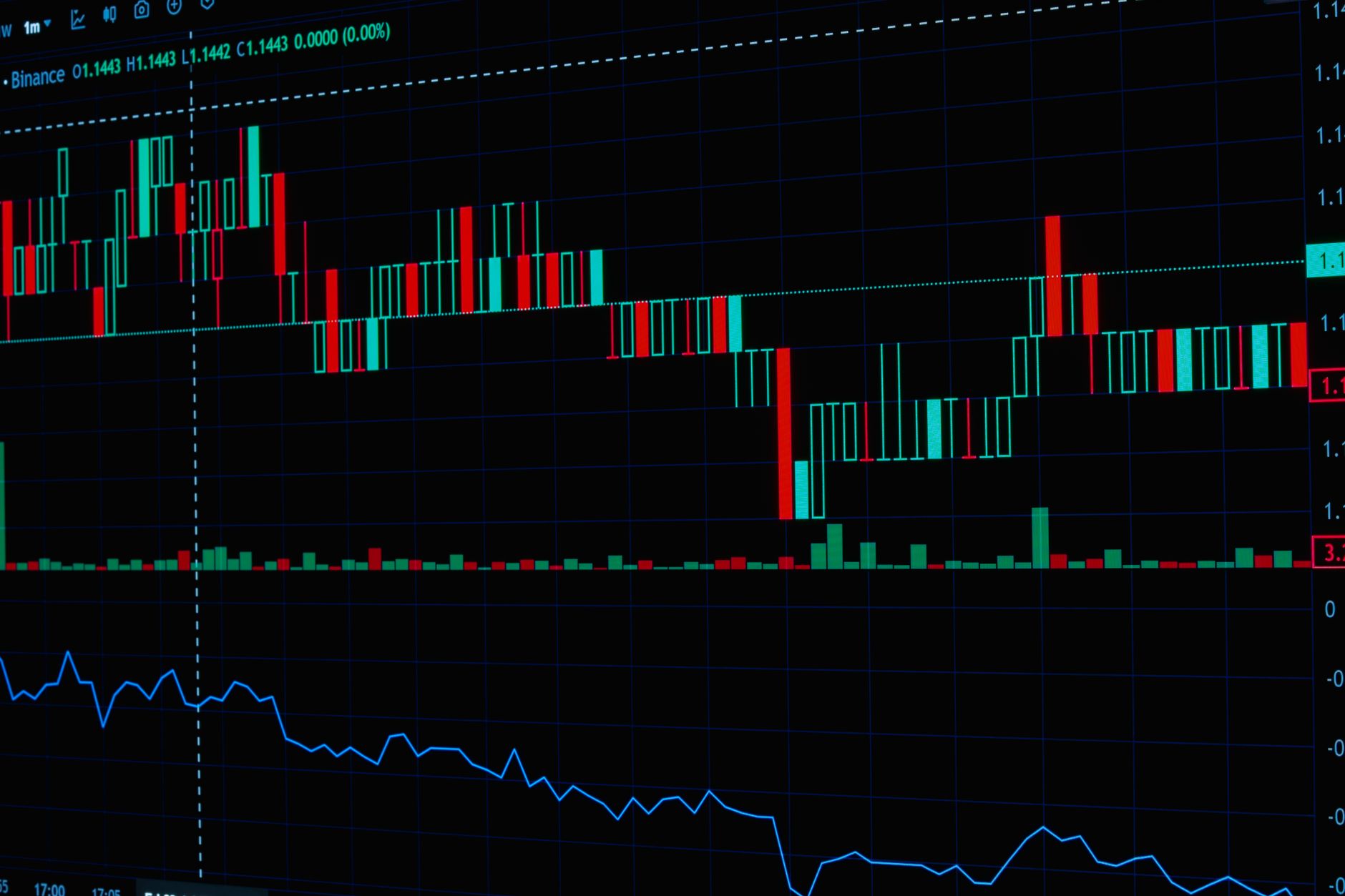
Stock Futures Stable Ahead of August CPI Report and Rate Decisions
Stock futures were little changed as traders anticipated the upcoming August consumer price index (CPI) report. The Dow Jones Industrial Average futures were down by 11 points, and the Nasdaq 100 futures increased by less than 0.1%. In the regular trading day, the Dow lost over 300 points, or 0.6%, coinciding with a weekly decline of 2.5% for the Dow and 1.6% for both the S&P 500 and Nasdaq. The private sector believes there is a 71% likelihood of a Federal Reserve interest rate hike based on the CPI results, which could significantly impact inflation expectations and bond yields for ordinary investors.
Read More: Stock Futures Stable Ahead of August CPI Report and Rate DecisionsStock Futures Little Changed Ahead of August Jobs Report and Trends
Stock futures were little changed as traders anticipated August's jobs report. Dow Jones futures dropped 3 points (0.01%), S&P 500 futures slid 0.03%, and Nasdaq-100 futures fell 0.06%. The Dow gained over 600 points (1.2%) in Thursday’s trading, marking its best performance since August 4. Economists expect 53,000 nonfarm payroll additions for the month and a 4.1% unemployment rate, compared to July's loss of 23,000 jobs. This matters for ordinary investors as upcoming employment figures could influence market direction and Federal Reserve policies.
Read More: Stock Futures Little Changed Ahead of August Jobs Report and Trends
U.S. Stock Futures Stabilize After Three-Day Losses Amid Economic Outlook
U.S. equity futures were little changed as major averages ended a three-day losing streak. The S&P 500 futures rose by 0.02%, Dow futures increased by 19 points (0.04%), and Nasdaq 100 futures gained 0.03%. The Dow Jones Industrial Average rose nearly 300 points (0.6%), while the S&P 500 and the Nasdaq Composite each increased by 0.5%. Notably, the 2-year Treasury yield reached 4.41%, its highest since January 2025, and the 10-year Treasury yield peaked at 4.818%, marking the highest point since November 2023. These developments suggest a strong U.S. economy, which could impact investor sentiment and market trends moving forward.
Read More: U.S. Stock Futures Stabilize After Three-Day Losses Amid Economic Outlook
Wall Street Futures Flat After Bond Yields Rise Amidst Oil Price Jump
Stock futures for the Dow Jones Industrial Average rose by 12 points, while S&P 500 and Nasdaq 100 futures displayed marginal gains. Wall Street experienced its third consecutive losing day, with the Dow falling over 400 points and the Nasdaq Composite down approximately 1%. West Texas Intermediate oil prices exceeded $90 per barrel, the highest since late July, and the U.S. 10-year Treasury yield reached its highest level since early 2025. These market conditions suggest that rising yields could negatively impact earnings projections, which is crucial for investors to watch.
Read More: Wall Street Futures Flat After Bond Yields Rise Amidst Oil Price Jump
US Futures Fall; Interest Rate Bets Rise After US Strikes Iran
US stock futures decreased on August 31, 2026, with the Dow Jones Industrial Average futures falling 0.1%, S&P 500 futures down 0.2%, and Nasdaq-100 contracts dropping 0.1%. The drop followed a US attack on Iranian rocket launchers, leading to a rise in Brent crude futures above $88 per barrel. Trader bets that the Federal Reserve will raise interest rates by 25 basis points at its September meeting rose to 62%, up from 40% a week earlier. The increase in geopolitical tensions and inflation concerns highlights potential volatility in the market, which might affect investment decisions for ordinary investors, especially those tracking interest rate changes.
Read More: US Futures Fall; Interest Rate Bets Rise After US Strikes Iran
SpaceX poised for index fund boost with 911.5M shares unlocked
Broad-market index funds in U.S. retirement accounts will likely increase holdings in SpaceX (SPACE) due to the unlocking of 911.5 million shares on August 6, 2026. Despite a 31% decline in July 2026, this float expansion could raise SpaceX's weight in the Nasdaq-100 from about 1% to over 3.5%. Additionally, the expansion may increase SpaceX's market capitalization by 2.43 times, positioning it among the top 100 holdings in the Russell 1000 index. These changes indicate that passive demand for SpaceX stock might rise even as insiders begin selling shares, which is significant for investors to monitor.
Read More: SpaceX poised for index fund boost with 911.5M shares unlocked
S&P 500 Futures Flat Ahead of Warsh's Jackson Hole Address
S&P 500 futures shed 0.1% as investors awaited Federal Reserve Chairman Kevin Warsh's upcoming address at the Jackson Hole symposium. Nasdaq 100 futures lost 0.2%, while Dow Jones Industrial Average futures slipped 28 points. Gap shares rose 15% despite a mixed quarterly report, and Marvell Technology declined about 6% after disappointing guidance. This speech is significant as it may provide insight into future interest rate directions, which could impact market sentiments and investment strategies for ordinary investors.
Read More: S&P 500 Futures Flat Ahead of Warsh's Jackson Hole Address
Nvidia (NVDA) Shares Jump 4% Post Earnings, Boosting Stock Futures
Stock futures increased after Nvidia's shares rose over 4% following strong earnings that exceeded analyst expectations. Dow Jones Industrial Average futures climbed 242 points (0.5%), and S&P 500 futures advanced 0.6%. Nasdaq 100 futures rose 1.07%, indicating investor optimism in the tech sector. The chipmaker's revenue more than doubled, marking the largest beat in two years, despite a 1% dip earlier in the session. This is significant for ordinary investors as Nvidia's performance may signal broader market trends in technology stocks.
Read More: Nvidia (NVDA) Shares Jump 4% Post Earnings, Boosting Stock Futures
S&P 500 Futures Muted, Nasdaq Edges Up on Tech Strength
Futures contracts showed mixed, largely muted movement: S&P 500 E-minis rose just 0.04% and Nasdaq 100 E-minis gained 0.33%, while Dow E-minis fell 0.33%, as investors weighed continued strength in technology stocks.
Read More: S&P 500 Futures Muted, Nasdaq Edges Up on Tech Strength
S&P 500 (SPX) Hits Record Close as Futures Decline 0.17%
U.S. stock futures were down on August 17, 2026, following a record close for the S&P 500 last week. Dow Jones Industrial Average futures fell by 108 points (0.2%), and S&P 500 futures declined by 0.17%. Despite this, E-Mini S&P 500 and Nasdaq 100 contracts saw slight gains of 0.11% and 0.49%, respectively. The recent strong earnings season and weaker retail sales figures have impacted trader expectations regarding a Federal Reserve rate increase. This development might affect tech stocks and overall market sentiment for ordinary investors.
Read More: S&P 500 (SPX) Hits Record Close as Futures Decline 0.17%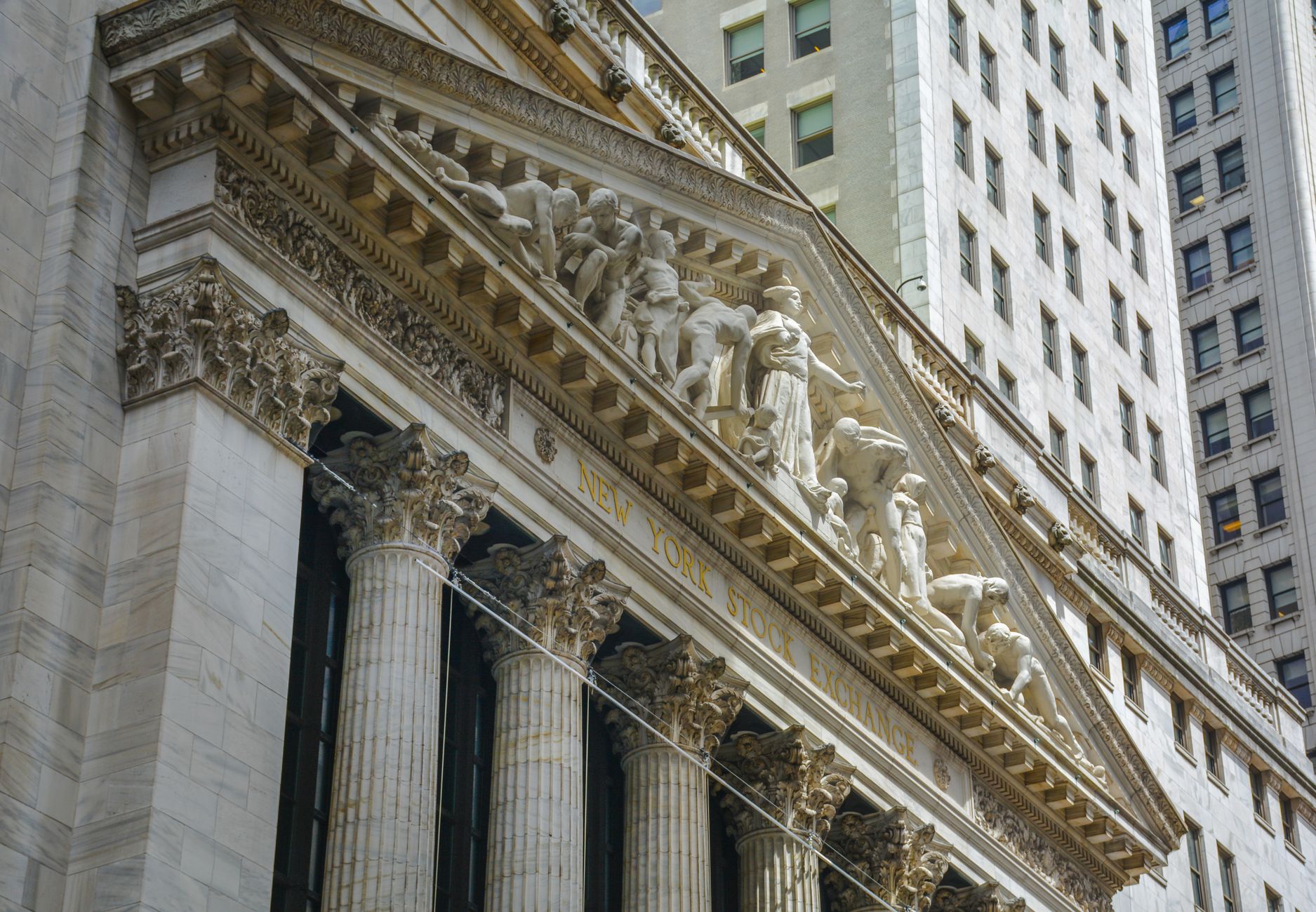
S&P 500 Futures Rise 0.1% After Three-Week Win Streak
U.S. stock futures were little changed Sunday night, with S&P 500 futures climbing 0.1% after three consecutive weeks of gains. The Dow Jones Industrial Average futures rose 11 points (0.02%), while Nasdaq 100 futures increased by 0.2%. Asia-Pacific markets are set for a mixed open Monday, with Japan's Nikkei 225 futures at 68,900, up from a previous close of 68,713.8, and Hong Kong's Hang Seng index futures at 25,247, above its last close of 25,116.85. Ordinary investors should note that the markets are responding positively to recent earnings and may still be influenced by geopolitical tensions and economic data this week.
Read More: S&P 500 Futures Rise 0.1% After Three-Week Win Streak
Stock Futures Steady Ahead of Inflation Data and Earnings Reports
Stock futures showed minimal changes as traders waited for more inflation data and analyzed earnings reports. Dow Jones Industrial Average futures were just above the flatline, while S&P 500 futures fell slightly. Nasdaq-100 futures decreased by 0.1%. The July reading of the U.S. producer price index is due for release, with economists expecting a 0.2% increase from the previous month. This matters for investors because upcoming data could influence market expectations for potential rate hikes, impacting asset prices.
Read More: Stock Futures Steady Ahead of Inflation Data and Earnings Reports
July Inflation Expected at 3.4%, Markets Await Federal Reserve Decision
US stock futures showed little movement as traders await July inflation data, which is projected to show a 3.4% year-on-year increase, down from 3.5% in June. Dow futures remained flat, while S&P 500 contracts rose 0.2% and Nasdaq 100 gained 0.6%. Traders are weighing a 50-50 chance of a rate hike by the Federal Reserve in September, a noticeable shift following a weaker-than-expected July jobs report. This upcoming inflation data could influence market direction significantly, impacting investor strategies around interest rates.
Read More: July Inflation Expected at 3.4%, Markets Await Federal Reserve Decision
S&P 500 Futures Stable; Airbnb Shares Rise 9% After Earnings
S&P 500 futures gained 0.04% ahead of the upcoming jobs report, while Dow Jones futures lost 17 points (0.03%) and Nasdaq 100 futures climbed 0.3%. In extended trading, Airbnb (ABNB) shares rose 9% after the company exceeded earnings expectations. Cloudflare (NET) shares surged 16% following a positive outlook for the full year and current quarter. Despite losses on Thursday, investors maintain a hopeful outlook for market recovery with semiconductor stocks showing strong performance, and the iShares Semiconductor ETF (SOXX) rising over 5% this week. This matters for ordinary investors as strong earnings indicate potential growth in the market, especially in the tech sector.
Read More: S&P 500 Futures Stable; Airbnb Shares Rise 9% After Earnings
Dow Futures Rise 92 Points After Record High Close
Dow futures increased by 92 points, or 0.2%, following the Dow Jones Industrial Average's record closing high after gaining 263.24 points, or 0.49%. The S&P 500 futures also climbed by 0.2%, while the Nasdaq 100 futures were slightly lower. Investors are optimistic due to strong earnings across sectors, with Nvidia's stock increasing over 3% after Elon Musk's endorsement on SpaceX's earnings call. This situation is significant for ordinary investors as the market shows resilience amidst earnings growth and expectations around inflation and rate hikes by the Federal Reserve.
Read More: Dow Futures Rise 92 Points After Record High Close
VIX Rises Amid S&P 500's 1.8% Rally and Record Call Volume
On Tuesday, the Cboe Volatility Index (VIX) increased by one point during a 1.8% rally in the S&P 500. Over 4 million S&P 500 index call options were traded, marking an all-time record volume. Additionally, the price of call options tied to the Nasdaq 100 surged by 42%, the largest single-day increase in five years. Unusual market dynamics showed that as stocks climbed, the VIX also went up, influenced by substantial call buying, which indicates that market volatility may continue to be heightened. This activity may present both opportunities and risks for investors considering options trading strategies.
Read More: VIX Rises Amid S&P 500's 1.8% Rally and Record Call Volume
S&P 500 Futures Little Changed After Record High Close
S&P 500 futures saw a minor increase of 0.1% following a significant two-day rally, where the index closed at a record high above 7,700 with a rise of 1.8%. Dow futures rose by 90 points (0.2%), and Nasdaq-100 futures declined by 0.2%. Notable market actions included a drop of 8% in AMD's shares following its earnings report and a nearly 7% loss for SpaceX due to rising capital expenditures reported at $18.4 billion in Q2. The strong earnings reports and optimism regarding a potential U.S.-Iran deal impacted market sentiment, presenting potential opportunities for investors to assess upcoming earnings reports from companies like Disney and Uber.
Read More: S&P 500 Futures Little Changed After Record High CloseStock Futures Rise 0.2% After Dow Hits Record High
Stock futures increased slightly on Monday night after a significant rally in the regular trading session. Dow Jones Industrial Average futures rose by about 0.2%, or 83 points, while S&P 500 and Nasdaq-100 futures gained around 0.1% and 0.2%, respectively. A decline in oil prices, with WTI crude down 5.1% to $80.34 per barrel, contributed to the positive market sentiment. Amazon achieved a market capitalization of over $3 trillion for the first time, which, alongside strong performances from Nvidia, Meta Platforms, Alphabet, and Microsoft, boosted market confidence for investors.
Read More: Stock Futures Rise 0.2% After Dow Hits Record High
Equity Futures Jump: Dow Rises 200 Points Ahead of Key Reports
U.S. equity futures increased as investors prepared for the July jobs report and a busy week of earnings. Futures tied to the Dow Jones Industrial Average rallied 200 points (0.4%), while S&P 500 futures advanced 0.5% and Nasdaq-100 futures climbed 0.8%. The U.S. economy is expected to have added 87,500 nonfarm payrolls in July, up from 57,000 in June, with the unemployment rate projected to increase to 4.3%. This is significant for investors as the labor market data may influence market trends and expectations for economic growth.
Read More: Equity Futures Jump: Dow Rises 200 Points Ahead of Key Reports
QDTE's $13.33 Weekly Payout and 0.95% Expense Ratio Analyzed
The Roundhill N-100 0DTE Covered Call Strategy ETF (NYSEARCA:QDTE) has made 123 consecutive weekly distributions with a trailing 12-month payout of $13.33 per share. However, it carries a 0.95% expense ratio, which is significantly higher than the Invesco QQQ Trust (NASDAQ:QQQ) at 0.20%. This fee differential could cost investors over $2,000 per $10,000 invested over 20 years. Year-to-date through July 30, 2026, QQQ is up 11.27%, while QDTE's price is up 9.66% on an adjusted basis. This information is relevant for investors considering the trade-offs between income generation and potential upside.
Read More: QDTE's $13.33 Weekly Payout and 0.95% Expense Ratio AnalyzedS&P 500 Outperformed Nasdaq-100 in July Amid Chip Volatility
In July, the equal-weighted S&P 500 outperformed the Nasdaq-100, indicating rebound amid declining performances in tech stocks. This follows a period of volatility around semiconductor stocks, although specific performance metrics are not mentioned. The article raises the question of whether the ongoing turbulence in the AI sector will persist into August. For investors, understanding these trends is crucial as they reflect market shifts that could impact portfolio performance.
Read More: S&P 500 Outperformed Nasdaq-100 in July Amid Chip Volatility
Amazon (AMZN) Surges 9% After Strong Q2 Earnings Report
Amazon (AMZN) shares increased over 9% in extended trading following a stronger-than-expected second-quarter revenue report, particularly boosted by its cloud-computing segment. Additionally, Nasdaq 100 futures rose 0.5%, as Wall Street experienced a rebound. The Dow Jones Industrial Average futures climbed 0.2%, while S&P 500 futures inched up 0.1%. The broader market remains relatively stable, with the Dow up about 0.5% and the S&P 500 up around 0.4% for the week. This matters for investors as positive earnings from major companies like Amazon could signal potential gains in tech stocks.
Read More: Amazon (AMZN) Surges 9% After Strong Q2 Earnings Report
Microsoft (MSFT) Earnings Surge Drives 8% Stock Jump After Fed Meeting
U.S. equity futures increased after Microsoft (MSFT) reported an 8% jump in stock value due to strong growth from its Azure business. Futures tied to the Dow Jones Industrial Average added 158 points, or 0.3%, while S&P 500 and Nasdaq 100 futures gained 0.4% and 0.7%, respectively. In contrast, the Dow dropped 1,153.18 points, or 2.19%, marking its worst decline since April 2025. Traders are awaiting important economic data, with inflation expected to have risen at an annual rate of 3.7% based on Dow Jones consensus, which could influence the market further. This matters for investors as it highlights the differing fortunes of major tech companies amidst a steady interest rate policy by the Federal Reserve.
Read More: Microsoft (MSFT) Earnings Surge Drives 8% Stock Jump After Fed Meeting
Commvault (CVLT) Stock Drops; Nasdaq-100 Enters Correction Territory
The Nasdaq-100 index has hit correction territory as it drops over 10% from its recent high. Commvault (CVLT) stock experienced a significant decline, leading to increased concerns among investors. The index's movement suggests broader market volatility, impacting investor sentiment. This downturn could lead to cautious trading strategies as markets adjust to the recent performance, affecting overall investment decisions.
Read More: Commvault (CVLT) Stock Drops; Nasdaq-100 Enters Correction Territory
Futures Fall as S&P 500 Dips 0.15% Ahead of Earnings Week
U.S. stock futures declined with S&P 500 futures dropping 0.15% and Nasdaq 100 futures falling 0.77%. The Dow futures rose by 93 points, or 0.18%. In Asia, South Korea's Kospi plunged 10.84%, while Japan's Nikkei 225 fell 3.95%. Investors are anticipating major earnings releases this week from companies, including Amazon, Meta Platforms, Microsoft, and Apple (AAPL), as well as a Federal Reserve rate decision expected on Wednesday, which could influence market direction. This matters for ordinary investors as upcoming earnings and economic indicators could impact stock prices significantly.
Read More: Futures Fall as S&P 500 Dips 0.15% Ahead of Earnings Week