
Advanced Micro Devices Inc. (AMD)
Information Technology50 articles
Price chart
Why is AMD moving today?
-2.6%AMD is -2.6% today, inside the ordinary range for a session (under 3%). Today's stories are context, not an explanation of a move this small.
What the feed can point to
- 1.TSMC (TSM) Faces Record AI Demand Amid Capacity ConstraintsEarningsbullishcnbc.com
What this does not prove. A story on the same day is evidence of timing, not of cause: it explains a move only if it accounts for the size and the direction, and most single-stock moves carry a sector or index component too. Nothing here is a forecast.
Source: Yahoo Finance - quote as of just now
Advanced Micro Devices Inc. (AMD) overview
Advanced Micro Devices designs CPUs and GPUs that compete with Intel and Nvidia across PCs, gaming consoles, data centers, and AI workloads.
AMD is a member of the S&P 500. It sits in the Information Technology sector. That sector covers hardware, software and semiconductor companies driving the digital economy.
Advanced Micro Devices Inc. trades on the NasdaqGS under the ticker symbol AMD. The most recent market data puts the share price at about $547.65. That is down 2.59% on the session. At that price the company is worth roughly $894.02B.
Over the past 52 weeks, AMD has traded between $188.22 and $658.52. Shares change hands at a trailing price-to-earnings (P/E) ratio of about 139.7. The P/E ratio sets the share price against a year of earnings. A higher number means the market is paying more for each dollar the company earns.
Key statistics
Source: Yahoo Finance - quote as of just now
Informational only, not financial advice. Content is AI-generated and may contain errors. How this works.
Why investors watch AMD
AMD is one of the larger names in the Information Technology sector, so investors follow it closely. It tends to move with the rest of the sector. This page sums up each AMD story as it breaks, and tags it bullish, bearish or neutral.
Size matters here as well. The S&P 500 is weighted by market value. AMD is large enough that its own share price nudges the whole index. So it is worth watching even for investors who only hold index funds.
What moves AMD
- Earnings. AMD reports results four times a year. A surprise against the estimate tends to move the stock that day.
- Analyst calls. Upgrades, downgrades and new price targets change what the market expects from AMD.
- Sector news. Information Technology stocks often move together, so a rival's news can move AMD too.
- Index weight. AMD is big enough to move the S&P 500 on its own.
Market Mood
This week for AMD
3 stories about Advanced Micro Devices Inc. in the last 7 days- TSMC (TSM) Faces Record AI Demand Amid Capacity ConstraintsEarningsbullishcnbc.com
- Anthropic Reports 45% Revenue Surge Ahead of IPOGuidancebullishbbc.co.uk
Follow AMD without checking every day
One email every Monday with the week's biggest moves and the stories behind them. Free, unsubscribe anytime.
Latest AMD news

TSMC (TSM) Faces Record AI Demand Amid Capacity Constraints
Taiwan Semiconductor Manufacturing Co. (TSMC) is experiencing high demand from AI chipmakers following a record quarter. The surge in AI requires more factory line space, leading to increased competition among companies like Nvidia, AMD, Apple, and Google for TSMC's chipmaking capacities. TSMC recorded a sixth consecutive quarter of record profits and predicts fourth-quarter revenue will rise by 58% year-over-year due to strong demand for advanced chips. TSMC manages over 17 million 12-inch equivalent wafers annually, but demand continues to surpass supply. Analysts like Jordan Klein from Mizuho Securities highlight the fierce competition for leverage and supply in chip production. U.S. hyperscalers are expecting substantial capital expenditures over $700 billion this year, with projections to rise by 2027. The demand at TSMC illustrates how AI growth impacts chip manufacturing and pushes AI companies towards aggressive revenue targets. This demand, coupled with a global shortage of memory chips, could challenge industry infrastructure investments.
Read More: TSMC (TSM) Faces Record AI Demand Amid Capacity Constraints
Anthropic Reports 45% Revenue Surge Ahead of IPO
Anthropic, an artificial intelligence company, reported a 45% increase in revenue, reaching $16.8 billion in the three months ending September. The company disclosed these figures while briefing potential investors as it prepares for a stock market debut expected by year-end. Anthropic's revenue has climbed steadily over the year, from $4.7 billion in the first quarter to $11.6 billion in the second quarter, and now to $16.8 billion. It has also posted consecutive quarters of profitability. This revenue growth occurs amid wider market concerns about the cost of AI infrastructure investments. On Wednesday, shares of several US technology firms, including AMD, Nvidia, and Intel, fell amid these concerns. Similarly, technology-focused firms in Asia saw significant declines. Japanese investment firm Softbank saw its shares drop by over 9%, while South Korea's Samsung and SK Hynix fell 9.4% and 10.8%, respectively. For investors, Anthropic's growth signals strong momentum in the AI space, potentially influencing investment strategies as the sector's financial performance becomes more evident. The company’s upcoming IPO could further shape the tech investment landscape.
Read More: Anthropic Reports 45% Revenue Surge Ahead of IPO
Nvidia and AMD Achieve Historic Valuation Split
Nvidia (NVDA) and AMD (AMD) have reached a historic valuation split according to recent analyses. Although both companies are leaders in the semiconductor industry, Nvidia's significantly higher price-to-earnings (P/E) ratio compared to AMD highlights the difference in how the market views their future prospects. This valuation split indicates that investors may perceive Nvidia as having a stronger growth potential than AMD, but it also suggests different risk profiles for each stock. Nvidia’s P/E ratio is often justified by its dominant position in chip technology used for AI and data centers, while AMD remains competitive in consumer and enterprise markets but with relatively less emphasis on AI-specific segments. However, the higher valuation for Nvidia can imply more risk if growth expectations are not met, whereas AMD may appear as a safer investment with potentially fewer expectations baked into its price. For ordinary investors, understanding these valuations is crucial when deciding between Nvidia and AMD, as it reflects market expectations and risk tolerance.
Read More: Nvidia and AMD Achieve Historic Valuation Split
OpenAI Revenue Miss Impacts AI Stocks, Nasdaq Down 1%
U.S. stock futures remained relatively stable on Thursday night following OpenAI's underwhelming revenue report. The S&P 500 futures rose 0.09%, Nasdaq 100 futures increased by 0.05%, and Dow Jones Industrial Average futures edged up by 23 points, equivalent to 0.04%. However, the AI sector saw significant negative movement, leading to a broader tech slump. Key AI stocks such as CoreWeave dropped over 7%, while Oracle, Intel, and Super Micro Computer each fell by around 5%. Advanced Micro Devices fell nearly 4%, and Nvidia decreased by almost 3% following OpenAI's announcement of $50 billion in annualized revenue, which was lower than the widely reported $68 billion figure which included partner revenues. As a result, the Nasdaq Composite fell by more than 1%, marking its largest one-day loss since mid-August, and the S&P 500 lost 0.5%. However, the Dow bucked the trend, closing slightly positive.
Read More: OpenAI Revenue Miss Impacts AI Stocks, Nasdaq Down 1%
AI Stocks Including Nvidia and Oracle Fall on OpenAI Revenue News
Shares of Nvidia (NVDA), Oracle (ORCL), CoreWeave, and other AI companies fell after OpenAI reported a $50 billion annualized revenue. This figure, confirmed by CNBC, is lower than the previously estimated $68 billion, which included gross revenue from OpenAI's partners. The recent investor presentation also revealed OpenAI's 77% total run rate growth and 107% growth for its enterprise business in the third quarter. On the market, Nvidia shares dropped 3%, Oracle shares declined by 6%, and CoreWeave shares slipped 8%. Additionally, Advanced Micro Devices, Broadcom, Intel, and Super Micro Computer also saw declines ranging from 5% to 6% during intraday trading on Thursday. OpenAI is working to justify its $852 billion valuation as it prepares for a potential IPO in 2027, competing with Anthropic, which recently reported a $65 billion run rate and is seeking a $2 trillion valuation. These developments highlight the significant financial scrutiny these AI companies are under as they prepare for major financial milestones. Investors should consider the volatility in AI stocks driven by high-stakes financial reports and valuation pressures.
Read More: AI Stocks Including Nvidia and Oracle Fall on OpenAI Revenue News
AMD (AMD) Acquires World Labs for $8 Billion
Advanced Micro Devices (AMD) has agreed to acquire World Labs for $8 billion. This acquisition will provide AMD with advanced spatial-intelligence models and a leader to aid in recruiting top talent. The focus will be on enhancing real-world AI applications. This acquisition underscores AMD's strategy to strengthen its position in the AI sector, which could influence its market competitiveness.
Read More: AMD (AMD) Acquires World Labs for $8 Billion
Stocks Pre-Market Moves: Fair Isaac, SpaceX, AMD Updates
Several stocks are making significant moves in pre-market trading. Fair Isaac and SpaceX are highlighted for notable fluctuations, while AMD's changes are also discussed. Specific numbers regarding these moves are not detailed in the article. This information may be relevant for investors looking to gauge potential trading opportunities as pre-market activity can influence the day's trading volatility.
Read More: Stocks Pre-Market Moves: Fair Isaac, SpaceX, AMD Updates
OpenAI Cancels Astra A.I. Launch Due to Safety Concerns
OpenAI announced it will not release its latest Astra A.I. model due to safety concerns. This decision comes amidst growing scrutiny over artificial intelligence technologies. The cancellation reflects OpenAI's focus on prioritizing user safety and addressing potential drawbacks related to their technologies. For investors, this news indicates potential delays in new offerings from OpenAI, which could impact future revenue generation. Further attention will be on how this decision affects related companies in the sector, such as Nvidia (NVDA) and AMD (AMD).
Read More: OpenAI Cancels Astra A.I. Launch Due to Safety Concerns
Futures Little Changed after Dow Falls Over 300 Points
Stock futures were mostly unchanged on Monday night, following a session where the Dow Jones Industrial Average dropped more than 300 points. The S&P 500 declined by 0.8%, and the Nasdaq Composite fell by 0.9%. Treasury yields continued to rise, with the 10-year note yield closing above 5.2%, and the 30-year note at 5.56%. This trend signals potential challenges for investors as higher interest rates may impact equity markets moving forward.
Read More: Futures Little Changed after Dow Falls Over 300 Points
AMD (AMD) to Acquire World Labs for $8.2 Billion Deal
Advanced Micro Devices (AMD) announced it will acquire World Labs for $8.2 billion. This acquisition aims to enhance AMD's capabilities in 'physical AI' technologies. The deal reflects AMD's strategic investment in AI, as it seeks to compete more effectively in the market. This matters for investors as AMD is positioning itself to capture a larger share of the growing AI sector, potentially boosting future revenue streams.
Read More: AMD (AMD) to Acquire World Labs for $8.2 Billion Deal
Trump and Xi State Dinner Hosts Over 100 Attendees Including Tech Leaders
A state dinner featuring over 100 attendees was held with U.S. President Donald Trump and Chinese President Xi Jinping. Key figures included Apple’s Tim Cook, Nvidia’s Jensen Huang, and Elon Musk, alongside U.S. government officials and their spouses. Xi emphasized the dinner's role in enhancing U.S.-China relations, noting in a toast that talks with Trump added new substance. This event marks Xi's first state visit to the U.S. since the Obama presidency. This dinner highlights ongoing dialogue and cooperation between major U.S. tech leaders and Chinese officials, which may influence future business relations.
Read More: Trump and Xi State Dinner Hosts Over 100 Attendees Including Tech Leaders
Chip Stocks Surge as AI Innovations Fuel Market Gains
Korean chip stocks gained following advancements in AI technology, particularly from Meta. Major companies like AMD are projected to exceed a $1 trillion market value, contributing to an overall surge in the semiconductor sector. Investors have shown significant interest in the AI-related chip stocks, with major players like Intel and Qualcomm also experiencing stock increases. This trend highlights the impact of technological advancements on market sentiment and stock performance, making it essential for investors to monitor developments in AI and chip industries.
Read More: Chip Stocks Surge as AI Innovations Fuel Market Gains
AMD (AMD) Market Cap Surpasses $1 Trillion Milestone
AMD (AMD) achieved a significant milestone as its market capitalization reached over $1 trillion, making it the 14th U.S. company to do so. This accomplishment reflects the growing interest and investment in AI stocks in the market. AMD's rise highlights the increased valuation of technology companies specializing in artificial intelligence. Such milestones can influence investor perceptions and drive further investment interest in technology sectors, impacting stock performance.
Read More: AMD (AMD) Market Cap Surpasses $1 Trillion Milestone
Advanced Micro Devices (AMD) 2025 Revenue Rises 34.3% to $34.6 Billion
In 2025, Advanced Micro Devices (AMD) reported a revenue of $34.6 billion, marking a 34.3% increase from the previous year. This growth contributed to a net income of $4.3 billion and improved net margins of 12.5%. In contrast, SK Hynix (SKHY) reached a revenue of 97.2 trillion Korean won, up 46.8% from the prior fiscal year, with a net income of 42.9 trillion won and a net margin of 44.2%. These figures reflect significant profitability and may indicate strong market positions in the AI-focused semiconductor industry, affecting future investment decisions.
Read More: Advanced Micro Devices (AMD) 2025 Revenue Rises 34.3% to $34.6 Billion
Robinhood (HOOD) and AMD Lead Market Upticks Amid Mixed Trading
Dow Jones futures are set to open on Sunday evening, with the 10-year Treasury yield at 5%. While the Nasdaq posted modest gains, the Dow Jones and small-cap Russell 2000 fell to three-month lows. The S&P 500 remained stable during the mixed market activity. This matters for investors as the performance of key stocks like Robinhood (HOOD) and AMD can signal shifts in market trends and trading strategies, reflecting broader investor sentiment.
Read More: Robinhood (HOOD) and AMD Lead Market Upticks Amid Mixed Trading
S&P 500 Gains 6% as Market Rebounds from Fed Rate Hike
The S&P 500 and Nasdaq posted significant gains, marking the largest increases in six weeks, as oil prices eased and Treasury yields dipped. This rebound follows the Federal Reserve's first rate hike in three years. Investors are witnessing buy signals from companies like SpaceX and AMD. The recovery indicates a shift in market sentiment, potentially impacting future trading strategies for investors as they prepare for upcoming performance metrics and opportunities.
Read More: S&P 500 Gains 6% as Market Rebounds from Fed Rate Hike
SAP and Intuit Downgraded; AMD Upgraded to Strong Buy
Analysts downgraded SAP (SAP) and Intuit (INTU), signaling potential challenges for those companies. In contrast, AMD (AMD) received an upgrade to 'Strong Buy', suggesting positive sentiment around its future performance. This mixed analyst action can influence investor decisions and market dynamics. Understanding these adjustments is vital as they may affect stock prices and investment strategies moving forward.
Read More: SAP and Intuit Downgraded; AMD Upgraded to Strong Buy
Nvidia (NVDA) Q2 Earnings Preview: EPS $2.10, Revenue $92.17B
Nvidia (NVDA) will report its fiscal second-quarter results soon, with analyst estimates indicating earnings per share of $2.10 and revenue of $92.17 billion. This reflects significant growth, as revenue is expected to almost double from $46.7 billion a year earlier. However, investors have shown caution this year, with Nvidia's stock rising just 14% as of Tuesday's close. This earnings report is critical for investors to understand the impact of rising memory costs and the competitive landscape with companies like Advanced Micro Devices and Google.
Read More: Nvidia (NVDA) Q2 Earnings Preview: EPS $2.10, Revenue $92.17B
AMD Down 5% as 30-Year Treasury Yield Hits Highest Since 2007
On Tuesday, Advanced Micro Devices Inc. (NASDAQ: AMD) fell by 5%, while Broadcom Inc. (NASDAQ: AVGO) and Meta Platforms Inc. (NASDAQ: META) both decreased by around 3%, and NVIDIA Corp. (NASDAQ: NVDA) dropped 2%. This decline coincided with the 30-year Treasury yield reaching its highest level since 2007, which impacts future earnings valuations for tech companies. The Invesco QQQ Trust lost 1.4%, and the VanEck Semiconductor ETF dropped 4.3%. Market commentators highlight that rising yields could create a tighter borrowing environment, especially for AI investments. The current situation may affect ordinary investors by increasing costs associated with tech investments and potentially leading to lower valuations.
Read More: AMD Down 5% as 30-Year Treasury Yield Hits Highest Since 2007
AMD (AMD) Invests $565 Million in SpaceX Amidst AI Chip Debate
AMD (AMD) has acquired approximately 3.3 million shares of SpaceX, valued at over $565 million. This investment contrasts with Elon Musk's earlier confirmation that SpaceX's AI infrastructure will exclusively use Nvidia chips. AMD recently reported record quarterly revenue of $11.5 billion, a 50% increase year over year, with data center revenue rising 107%. The stake in SpaceX, amid questions of its relevance to AI, represents a small fraction of AMD's $846 billion market cap. This development prompts investors to consider AMD's strategy in the competitive landscape of AI and satellite growth.
Read More: AMD (AMD) Invests $565 Million in SpaceX Amidst AI Chip Debate
Cerebras (CBRS) Q2 Earnings Forecast Shows Core Revenue Up 88%
Cerebras Systems Inc. (NASDAQ: CBRS) will report its second-quarter earnings today, with analysts predicting a loss of approximately 17 cents per share. The company has guided to core revenue of about $194 million, which marks an 88% increase year-over-year. Additionally, Cerebras has secured a partnership with Advanced Micro Devices (NASDAQ: AMD) to implement disaggregated inference systems, set to begin deployment in the second half of 2026. This information indicates the company’s growth trajectory and highlights its significant role in the AI sector, which could influence investor confidence and market positioning for tech stocks.
Read More: Cerebras (CBRS) Q2 Earnings Forecast Shows Core Revenue Up 88%
AMD (AMD) Data Center Growth Surges Amid Stock Decline
AMD (AMD) is experiencing significant growth in its data center business, but its stock has dropped. The firm showed a reported increase in revenue from data center sales, contributing to a 16% rise year-over-year. Despite this growth, the stock saw a decrease of around 5% in market trading. This dichotomy highlights investor concerns regarding overall profitability and future forecasts. Understanding these dynamics is important for investors monitoring market trends and stock performance.
Read More: AMD (AMD) Data Center Growth Surges Amid Stock DeclineAMD Stock Sinks 7% Despite 50% Revenue Growth in Q2 Earnings Report
Advanced Micro Devices (AMD) saw its stock decline by 7% on Wednesday despite reporting a 50% increase in revenue for the second quarter, reaching $11.54 billion, surpassing analyst expectations of $11.28 billion. The company noted a significant growth in its Data Center segment, which surged 107% year-over-year to $6.7 billion. CEO Lisa Su mentioned that server revenue is expected to grow by 80% year-over-year in the second half of 2026 and over 70% in 2027. This decline in stock may influence investor sentiment, despite strong earnings and market position in AI chips, indicating ongoing volatility in the tech sector.
Read More: AMD Stock Sinks 7% Despite 50% Revenue Growth in Q2 Earnings Report
AMD Stock: Benchmark Reiterates Buy Rating Post Earnings Selloff
Benchmark has maintained its Buy rating on AMD (AMD) stock following a selloff after its recent earnings report. The decision comes after AMD reported results that were interpreted negatively by some investors, resulting in a decline in its share price. Despite this, Benchmark's analysts believe that the long-term prospects for AMD remain strong. This reaffirms investor confidence in AMD’s future performance and could signal buying opportunities for ordinary investors.
Read More: AMD Stock: Benchmark Reiterates Buy Rating Post Earnings Selloff
Shopify (SHOP) Surges While AMD (AMD) Slides After Earnings Report
Shopify (SHOP) experienced a surge in premarket trading, while AMD (AMD) saw a decline ahead of its earnings report. This market movement is attributed to investors reacting to the performance expectations of both companies. AMD's earnings pre-release indicated lower performance than anticipated, contributing to its slide. The contrasting movements of these companies highlight market volatility and investor sentiment regarding earnings forecasts.
Read More: Shopify (SHOP) Surges While AMD (AMD) Slides After Earnings Report
S&P 500 Reaches New Highs; Arista (ANET) and Eli Lilly (LLY) Surges
Dow Jones futures increased as the S&P 500 reached new highs. Notably, Arista Networks (ANET) and Eli Lilly (LLY) saw significant gains. SpaceX and AMD experienced declines amid this market movement. These shifts may indicate varying sector performances and investor sentiment, with implications for future trading strategies and market trends.
Read More: S&P 500 Reaches New Highs; Arista (ANET) and Eli Lilly (LLY) Surges
Eli Lilly (LLY) and SpaceX Stocks Move Significantly Premarket
Eli Lilly (LLY) and other notable stocks like SpaceX, AMD, and Disney experienced significant movements in the premarket. Specific price changes were not shared in the article, but such premarket activity often reflects investors' reactions to news or earnings reports. The performance of these stocks could influence overall market momentum once trading opens. Investors should monitor these developments as they may affect market sentiment and trading volumes.
Read More: Eli Lilly (LLY) and SpaceX Stocks Move Significantly Premarket
S&P 500 Futures Little Changed After Record High Close
S&P 500 futures saw a minor increase of 0.1% following a significant two-day rally, where the index closed at a record high above 7,700 with a rise of 1.8%. Dow futures rose by 90 points (0.2%), and Nasdaq-100 futures declined by 0.2%. Notable market actions included a drop of 8% in AMD's shares following its earnings report and a nearly 7% loss for SpaceX due to rising capital expenditures reported at $18.4 billion in Q2. The strong earnings reports and optimism regarding a potential U.S.-Iran deal impacted market sentiment, presenting potential opportunities for investors to assess upcoming earnings reports from companies like Disney and Uber.
Read More: S&P 500 Futures Little Changed After Record High Close
SOXL ETF Soars 16.1% Today Amid Semiconductor Stock Momentum
The Direxion Daily Semiconductor Bull 3X Shares ETF (SOXL) increased by 16.1% through 11:05 a.m. ET today and is up 46% over the past four trading days. This surge comes after Morgan Stanley indicated that revenues from hyperscalers are sufficiently supporting the semiconductor chip market, with capital investment expected to reach $1.2 trillion this year. Many of SOXL's top holdings, including Micron (MU), Intel (INTC), and Advanced Micro Devices (AMD), have also gained over 7% today. This momentum suggests a renewed interest in semiconductor stocks that could impact investment strategies for ordinary investors.
Read More: SOXL ETF Soars 16.1% Today Amid Semiconductor Stock Momentum
Dow Jones Futures Market Rebounds; Earnings Reports Ahead for AMD
Dow Jones futures indicate a market rebound as investors anticipate upcoming earnings from companies like AMD. The earnings reports for SpaceX, Sandisk, and Eli Lilly are also on the horizon. This rebound could influence investor sentiment and trading volumes, particularly with high-profile tech stocks. Understanding these earnings reports can help investors gauge market trends and make informed investment decisions, especially regarding AMD (AMD).
Read More: Dow Jones Futures Market Rebounds; Earnings Reports Ahead for AMD
AMD (AMD) to Reach $100 Billion Revenue Target by 2028
Wall Street predicts AMD (AMD) will achieve CEO Lisa Su's $100 billion revenue target by 2028, two years earlier than her initial 2030 goal. This is supported by analysts projecting a 66% average annual EPS growth rate over the next five years, which could triple AMD's revenue by 2025. The upcoming MI450 accelerator and Helios rack system are expected to enhance AMD's position as a competitor in the AI GPU market, which is growing significantly due to increasing AI infrastructure investments. This projection matters for investors as it suggests AMD could become a key player in a rapidly expanding market for AI technology.
Read More: AMD (AMD) to Reach $100 Billion Revenue Target by 2028
AMD Positioned for AI Growth Under Lisa Su's Leadership
Lisa Su, CEO of AMD, is leading the company to capitalize on the surge in artificial intelligence demand. The company has focused on enhancing its Radeon GPUs and EPYC processors, which are expected to see increased adoption in AI applications. The stock is viewed as a buy, influenced by the expanding AI market and AMD's strategic advancements. This is significant for investors as AMD's role in AI technology may drive its market performance and stock value higher.
Read More: AMD Positioned for AI Growth Under Lisa Su's Leadership
Nvidia vs. AMD vs. Intel: AI Chip Race Insights for 2026
In the first half of 2026, Nvidia, AMD, and Intel have been key players in the AI chip market. Specific market share data, revenue figures, or performance metrics are not detailed in the article. This competitive landscape emphasizes technological advancements and market positioning among these firms. For ordinary investors, understanding these dynamics can inform investment decisions in semiconductor stocks, especially given the growing reliance on AI technologies.
Read More: Nvidia vs. AMD vs. Intel: AI Chip Race Insights for 2026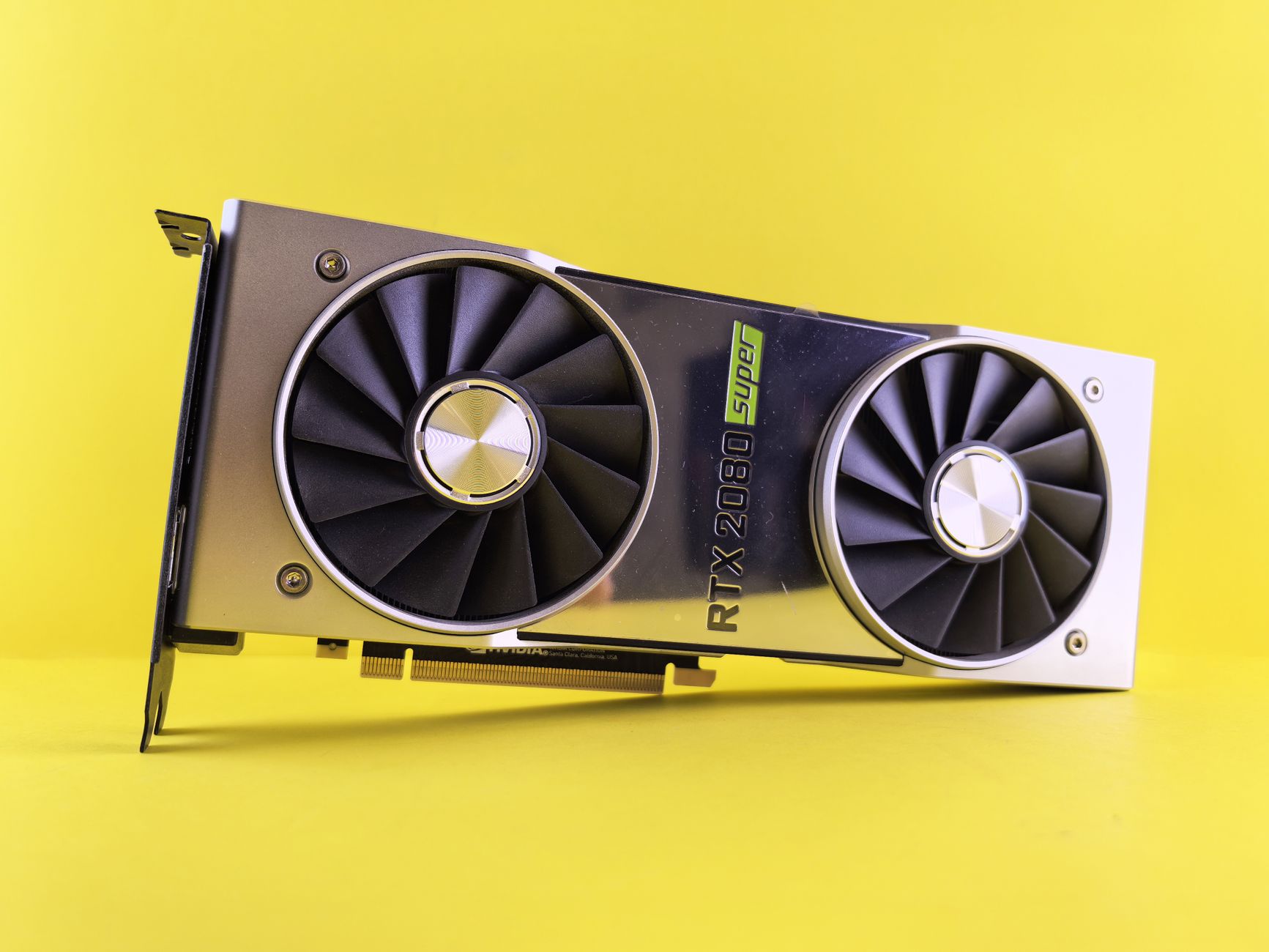
Nvidia (NVDA) Leads AI Chip Market with 80-90% Share in 2026
Nvidia (NASDAQ: NVDA) controls 80-90% of the AI data center GPU market, generating approximately $194 billion in its most recent fiscal year. AMD (NASDAQ: AMD) also saw a significant boost, with its data center revenue increasing by 57% year-on-year and stock climbing triple digits, aided by multi-year commitments from OpenAI and Meta Platforms. In contrast, Intel (NASDAQ: INTC) did not achieve meaningful traction with its Gaudi AI accelerators and is anticipated to release its next-generation AI chip in 2027. Despite these challenges, Intel's stock rose around 340%, although this increase is largely unrelated to its AI chip performance. This matters for investors as it highlights the competitive landscape and performance discrepancies among leading AI chip manufacturers.
Read More: Nvidia (NVDA) Leads AI Chip Market with 80-90% Share in 2026
AMD (AMD) Prices More Than Double in 2026, UBS Comments
AMD's stock price has more than doubled in 2026, according to UBS. The firm suggests that there is still potential for further growth. This increase could significantly impact investor sentiment and market dynamics for technology sector stocks. As AMD continues to show strong performance, it may attract more attention from both retail and institutional investors.
Read More: AMD (AMD) Prices More Than Double in 2026, UBS Comments
Intel (INTC) and AMD (AMD) Sign Long-Term CPU Deals Amid Price Surge
Intel (INTC) and AMD (AMD) have reportedly secured long-term agreements to supply server CPUs to clients in China. These deals come as prices for server chips are experiencing an increase, highlighting a trend in demand for computing power. While specific financial terms of the agreements were not disclosed, the move reflects the growing reliance on advanced server technology. This matters for investors as it signals robust demand in the semiconductor sector, potentially influencing the stock prices of Intel and AMD.
Read More: Intel (INTC) and AMD (AMD) Sign Long-Term CPU Deals Amid Price Surge
Google (GOOGL), Tesla (TSLA), AMD Drop Amid Iran Attack Threats
Global stocks fell as tensions escalated between the U.S. and Iran following an attack that killed two U.S. troops. This situation has led to a surge in oil prices, contributing to a decline in U.S. stock futures. Chip stocks, led by SK Hynix, experienced significant sell-offs, impacting broader market sentiment. Such geopolitical events can influence investor confidence and market stability, which is crucial for ordinary investors considering potential volatility in sectors like tech and energy.
Read More: Google (GOOGL), Tesla (TSLA), AMD Drop Amid Iran Attack Threats
Palantir and AMD Highlight SpaceX Investment Trends
SpaceX's funding rounds showcase growing investor interest, with Palantir (PLTR) and AMD (AMD) emerging as key players. While specific investment figures were not disclosed, the trend indicates a significant uptick in collaborations within the aerospace sector. The involvement of these technology companies suggests a shift toward integrating advanced technology in space exploration. This is relevant for investors as it reflects potential growth opportunities in tech and aerospace sectors, driven by innovative partnerships.
Read More: Palantir and AMD Highlight SpaceX Investment Trends
Dow Jones Futures: Iran Attack Kills 2 U.S. Troops Impacting Markets
Dow Jones futures reacted to news of an attack by Iran that resulted in the deaths of two U.S. troops. This geopolitical event may increase market volatility, affecting investor sentiment. Companies such as Google, Tesla, and AMD are likely to be closely monitored due to their significant market presence. Understanding these developments is crucial for ordinary investors as geopolitical tensions can impact market stability and stock prices.
Read More: Dow Jones Futures: Iran Attack Kills 2 U.S. Troops Impacting Markets
Vanguard Information Technology ETF (VGT) Up 21% Year-to-Date
The Vanguard Information Technology ETF (NYSEMKT: VGT) has increased by 21% this year, driven primarily by strong performance in semiconductor stocks, which make up nearly 38% of the ETF. Nvidia and Apple have risen by 10% and 21%, respectively, while Microsoft has declined over 16%. The ETF's top holdings include Micron Technology, Advanced Micro Devices, and Applied Materials. With growing demand for storage and memory hardware amid the AI boom, this ETF continues to outperform, making it a potential option for investors seeking tech exposure.
Read More: Vanguard Information Technology ETF (VGT) Up 21% Year-to-Date
Meta (META) Starts AI Chip Production in September 2023
Meta Platforms (META) plans to begin production of an AI chip named 'Iris' in September 2023, aiming to boost its computing capacity to 14 gigawatts in 2024. This effort includes a four-generation project for its in-house Meta Training and Inference Accelerators (MTIA). Meta's projected spending on AI infrastructure amounts to $145 billion this year, contributing to broader industry spending of over $700 billion on similar technologies. This development is significant for investors as Meta seeks greater efficiency and cost independence from suppliers like Nvidia and AMD, which could positively impact its long-term profitability.
Read More: Meta (META) Starts AI Chip Production in September 2023
AMD Stock Surges 157% Year-to-Date Driven by $5.78B Data Center Revenue
Advanced Micro Devices (AMD) reported $10.25B in Q1 2026 revenue, a 37.85% year-over-year increase, with its Data Center segment reaching $5.78B, up 57%. AMD shares have surged 157% year-to-date to $552.05, though 92 recent insider transactions indicate net selling. The company aims for a $1,000 share price by 2031, requiring a tripling of forward EPS from $6.87 and sustaining 56% gross margins. For ordinary investors, understanding AMD's significant revenue growth and insider selling can guide their investment decisions amidst market volatility.
Read More: AMD Stock Surges 157% Year-to-Date Driven by $5.78B Data Center Revenue
Tech Stocks Set for Record $152 Billion Annual Inflows in 2023
According to Bank of America, tech stocks are poised for their largest annual inflows in history, with projections of approximately $152 billion. The Nasdaq Composite (^IXIC) surged 21.4% in Q2 2026, marking its best quarterly performance since 2020, largely driven by investments in artificial intelligence infrastructure. Despite a minor 2.8% pullback in June, the tech sector's momentum has stabilized, with forward earnings estimates for the S&P 500 (^GSPC) rising 18% this year. This outlook suggests continued strong inflows into tech as investor interest remains robust.
Read More: Tech Stocks Set for Record $152 Billion Annual Inflows in 2023
Nvidia (NVDA) Kyber Rack System Delayed to 2028 Due to Manufacturing Issues
Nvidia Corp. (NVDA) has delayed its Kyber rack-scale architecture, designed for its 2027 Rubin Ultra chips, to 2028 due to manufacturing challenges with a key circuit board. The delay raises concerns about Nvidia's product roadmap, as competitors like AMD and Google may seize market opportunities. The NVL144 system is intended to pack 144 chips into a single unit, enhancing AI processing power. Shares of Nvidia were down less than 0.1% in premarket trading at $194.79. Nvidia's current-generation systems are set to ship this fall to partners including Amazon Web Services and Microsoft Azure.
Read More: Nvidia (NVDA) Kyber Rack System Delayed to 2028 Due to Manufacturing Issues
Nvidia (NVDA) and AMD (AMD) Highlight AI Infrastructure Growth
The recent pullback in AI stocks, including Nvidia (NVDA) and Advanced Micro Devices (AMD), presents potential buying opportunities. Hyperscalers are reportedly achieving strong returns and have plans to continue major investments in AI data centers. AMD's recent acquisitions and partnerships position it for significant growth in the inference segment, projected to capture a $120 billion market. Nvidia maintains its leadership through a wide product range that includes GPUs and CPUs, ensuring continued strong growth prospects in AI infrastructure.
Read More: Nvidia (NVDA) and AMD (AMD) Highlight AI Infrastructure Growth
Dell (DELL) Stock Missed Opportunities Highlighted by Jim Cramer
Jim Cramer commented on Dell Technologies Inc. (DELL) in relation to Wednesday's market rotation, noting missed opportunities for investors. Cramer expressed regret for not capitalizing on the stock's performance, specifically mentioning his stance of buying DELL on any dip, which did not occur as the stock increased significantly. This commentary indicates a strong belief in the potential of DELL within the market. Additionally, similar sentiments were expressed regarding Advanced Micro Devices (AMD), suggesting a trend of missed investment opportunities.
Read More: Dell (DELL) Stock Missed Opportunities Highlighted by Jim Cramer
Ashley Moody (ARCC) Achieves 310% Return in One Year with Key Stocks
Senator Ashley Moody's stock portfolio reportedly gained 310% over the past year, surpassing many notable counterparts. Notably, Advanced Micro Devices (AMD) saw a 306% increase, while Howmet Aerospace (HWM) rose 54%, and Nvidia (NVDA) increased by 28%. Conversely, Super Micro Computer (SMCI) dropped 41%. Moody's trading strategy has raised questions about sustainability, especially as some stocks in her portfolio have experienced significant losses. Her recent performance contrasts with the more consistent gains of Nancy Pelosi's portfolio, which has a longer track record.
Read More: Ashley Moody (ARCC) Achieves 310% Return in One Year with Key Stocks
Yen Drops to 40-Year Low at 162.28 per Dollar Amid Dow Moves
The Japanese yen fell to 162.28 per dollar, marking a 40-year low as traders monitored for potential intervention from Japanese authorities. Dow futures declined by 83 points, or 0.2%, following the Dow Jones Industrial Average's strong first half performance, increasing by 8.9% since 2021. The S&P 500 and Nasdaq also showed gains of 9.6% and 12.8%, respectively, over the same period. A record rally in chip stocks added $2 trillion to the market cap of major semiconductor companies, indicating significant shifts in market strength (AMD, MU, INTC).
Read More: Yen Drops to 40-Year Low at 162.28 per Dollar Amid Dow Moves
Amazon Web Services expands in AI, Intel and AMD see $2T rise
Investors have shifted focus towards semiconductor companies as AI demand rises, contributing to a combined market cap increase of approximately $2 trillion for Intel (INTC), Micron (MU), and AMD (AMD) in Q2. Amazon Web Services is also enhancing its capacity in forward-deployed engineering to compete with OpenAI and Anthropic. Meanwhile, Nike (NKE) reported a 12% sales decline in China, affecting market sentiment regarding consumer demand in the region. These developments underscore a transformation in the tech sector driven by AI growth and its impact on traditional industries.
Read More: Amazon Web Services expands in AI, Intel and AMD see $2T rise
Chip Rally Threat Volatility Hits Highest Level Since 2015
Volatility affecting the semiconductor sector has reached its highest level since 2015, posing a potential threat to the gains of companies like AMD (AMD) and Micron (MU). This increase in volatility could impact trading dynamics and investor sentiment regarding these stocks. Historically, high volatility can lead to fluctuations in stock prices and trading volumes, which may influence market stability. Monitoring this trend is essential for understanding potential future movements in semiconductor stocks.
Read More: Chip Rally Threat Volatility Hits Highest Level Since 2015More Information Technology stocks
Frequently asked questions
Is Advanced Micro Devices Inc. in the S&P 500?
Yes. Advanced Micro Devices Inc. trades as AMD and is a member of the S&P 500. The index lists it in the Information Technology sector.
What sector is AMD in?
AMD sits in the Information Technology sector of the S&P 500.
Where can I find the latest AMD news?
Right here. This page collects recent AMD news and market analysis. Every story gets an AI summary and a bullish, bearish or neutral tag.
What is Advanced Micro Devices Inc.'s stock price?
AMD last traded at about $547.65. Prices move all through the session, so this is the latest quote rather than a live one.
What is Advanced Micro Devices Inc.'s market cap?
AMD is worth roughly $894.02B. Market cap is the share price times the number of shares outstanding.
What is AMD's P/E ratio?
AMD trades at a trailing P/E ratio of about 139.7. The ratio compares the share price with earnings per share over the past year.