Payrolls News & Analysis
7 articles
Market Mood

UK Payrolls Fall 26,000 in August Amid Weak Jobs Market
UK payrolls decreased by 26,000 in August 2023, indicating a weakening jobs market just before the Bank of England (BOE) is set to make decisions on interest rates. This decline may impact labor market confidence and economic growth forecasts. Analysts note this payroll drop can influence the BOE's monetary policy measures. For ordinary investors, understanding shifts in employment figures is crucial as they can signal changes in economic conditions and affect market stability.
Read More: UK Payrolls Fall 26,000 in August Amid Weak Jobs Market
Gold Prices Dip Ahead of U.S. Payrolls Data Release
Gold prices have declined as markets anticipate the release of U.S. payrolls data. This upcoming information is critical for investors as it can impact interest rates and inflation expectations. Fluctuating gold prices are often linked to changes in economic indicators such as employment data. For ordinary investors, understanding these movements helps gauge potential risks and opportunities in the commodities market.
Read More: Gold Prices Dip Ahead of U.S. Payrolls Data Release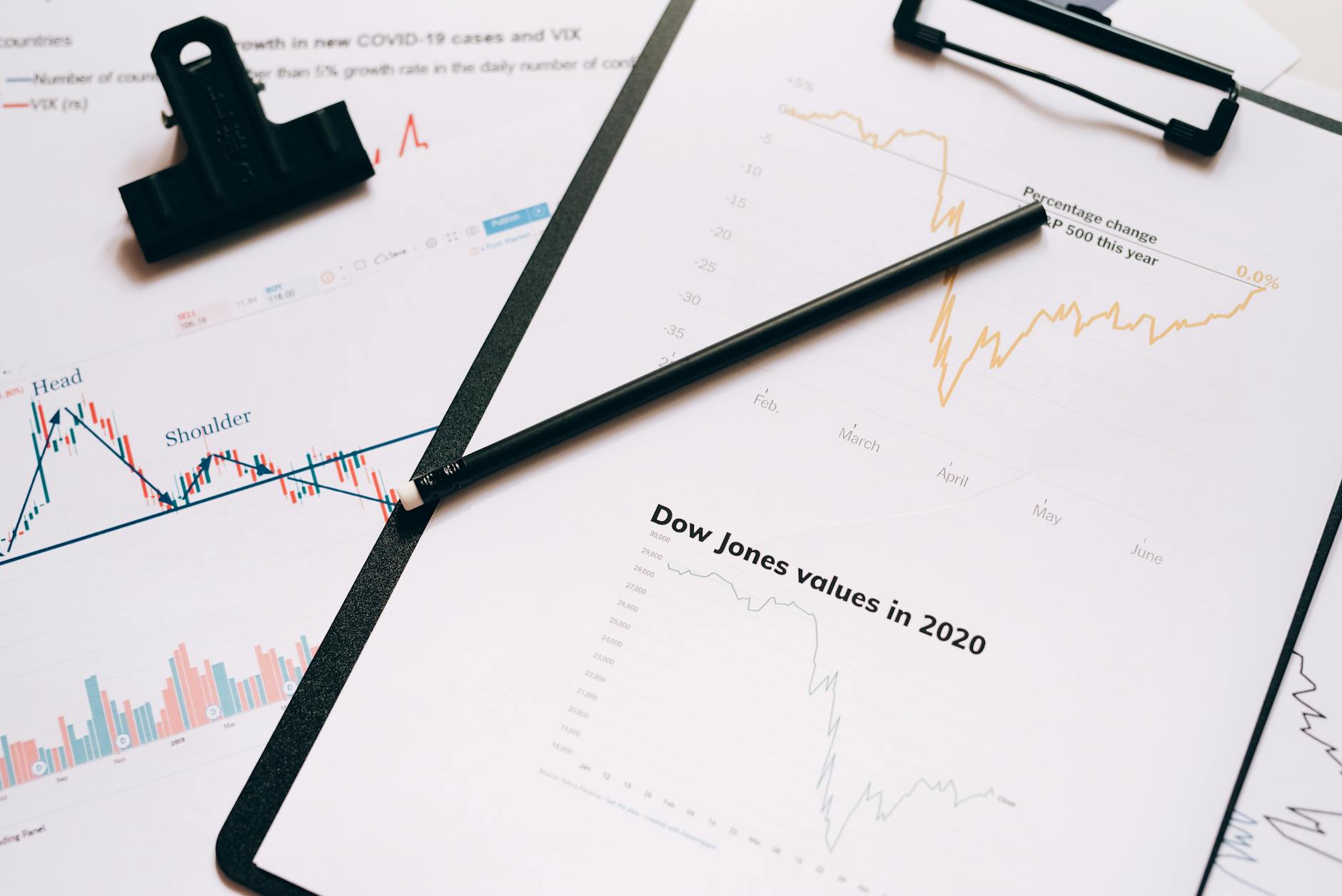
Equity Futures Jump: Dow Rises 200 Points Ahead of Key Reports
U.S. equity futures increased as investors prepared for the July jobs report and a busy week of earnings. Futures tied to the Dow Jones Industrial Average rallied 200 points (0.4%), while S&P 500 futures advanced 0.5% and Nasdaq-100 futures climbed 0.8%. The U.S. economy is expected to have added 87,500 nonfarm payrolls in July, up from 57,000 in June, with the unemployment rate projected to increase to 4.3%. This is significant for investors as the labor market data may influence market trends and expectations for economic growth.
Read More: Equity Futures Jump: Dow Rises 200 Points Ahead of Key Reports
Pound Gains 0.5% as Dollar Slumps from Weak U.S. Payrolls Data
The British pound increased by 0.5% against the U.S. dollar following the release of weaker-than-expected U.S. payroll data. This change signifies shifts in currency values influenced by employment figures, affecting market sentiments. The U.S. labor market reported a lower-than-projected employment growth, which traditionally weakens the dollar. The market reaction highlights the importance of employment statistics in determining foreign exchange valuations.
Read More: Pound Gains 0.5% as Dollar Slumps from Weak U.S. Payrolls Data
FTSE 100 Stocks Rise on Weak U.S. Payrolls Data
The FTSE 100 index experienced a rise due to weak U.S. payroll data. The labor market report showed a slowdown in job growth, impacting investor sentiment and leading to a flight towards stocks. Analysts noted the potential for this data to influence the Federal Reserve's monetary policy decisions. The interplay between global events, such as the pause in Iran talks, and U.S. labor statistics is significant for market dynamics.
Read More: FTSE 100 Stocks Rise on Weak U.S. Payrolls Data
U.S. Job Creation Cools with 57,000 Payrolls Growth in June
In June, U.S. nonfarm payrolls increased by 57,000, significantly lower than May's downwardly revised figure of 129,000 and below the Dow Jones forecast of 115,000. The unemployment rate dropped to 4.2%, while the labor force participation rate fell by 0.3 percentage points to 61.5%. Additionally, average hourly earnings rose 0.3% month-over-month and 3.5% year-over-year. The report suggested that the Federal Reserve may face less pressure to tighten monetary policy, impacting market expectations going forward.
Read More: U.S. Job Creation Cools with 57,000 Payrolls Growth in June
U.S. Payrolls Increased by 115,000, Unemployment Holds at 4.3%
In March, U.S. nonfarm payrolls increased by 115,000, exceeding the Dow Jones forecast of 55,000 but down from 185,000 in February. The unemployment rate remained steady at 4.3%. Average hourly earnings rose by 0.2% monthly and 3.6% annually, falling short of expectations of 0.3% and 3.8%. Additionally, the broader measure of unemployment, including underemployed workers, increased to 8.2%, while the labor force participation rate dropped to 61.8%, the lowest since October 2021. These figures indicate a stable labor market, although concerns about potential slowdowns persist.
Read More: U.S. Payrolls Increased by 115,000, Unemployment Holds at 4.3%