
PepsiCo Inc. (PEP)
Consumer Staples38 articles
Price chart
Why is PEP moving today?
-0.7%PEP is -0.7% today, inside the ordinary range for a session (under 3%). Today's stories are context, not an explanation of a move this small.
What the feed can point to
- 1.Pepsi (PEP) Faces Setback as KFC Chooses Cokebearishmarketwatch.com
- 2.KFC to Switch to Coca-Cola in U.S. After Decades with PepsiConeutralcnbc.com
- 3.KFC to Switch U.S. Beverage Provider to Coca-Colaneutralinvesting.com
What this does not prove. A story on the same day is evidence of timing, not of cause: it explains a move only if it accounts for the size and the direction, and most single-stock moves carry a sector or index component too. Nothing here is a forecast.
Source: Yahoo Finance - quote as of 12 hours ago
PepsiCo Inc. (PEP) overview
PepsiCo is a global food-and-beverage company combining its namesake drinks with the Frito-Lay snacks and Quaker foods businesses.
PEP is a member of the S&P 500. It sits in the Consumer Staples sector. That sector covers food, beverage and household-goods companies that tend to hold up in any economy.
PepsiCo Inc. trades on the NasdaqGS under the ticker symbol PEP. The most recent market data puts the share price at about $128.38. That is down 0.69% on the session. At that price the company is worth roughly $174.95B.
Over the past 52 weeks, PEP has traded between $123.47 and $171.48. Shares change hands at a trailing price-to-earnings (P/E) ratio of about 16.1. The P/E ratio sets the share price against a year of earnings. A higher number means the market is paying more for each dollar the company earns. PEP also pays a dividend. It yields around 4.61% at the current price.
Key statistics
Source: Yahoo Finance - quote as of 12 hours ago
Informational only, not financial advice. Content is AI-generated and may contain errors. How this works.
Why investors watch PEP
PEP is one of the larger names in the Consumer Staples sector, so investors follow it closely. It tends to move with the rest of the sector. This page sums up each PEP story as it breaks, and tags it bullish, bearish or neutral.
Size matters here as well. The S&P 500 is weighted by market value. PEP is large enough that its own share price nudges the whole index. So it is worth watching even for investors who only hold index funds.
What moves PEP
- Earnings. PEP reports results four times a year. A surprise against the estimate tends to move the stock that day.
- Analyst calls. Upgrades, downgrades and new price targets change what the market expects from PEP.
- Sector news. Consumer Staples stocks often move together, so a rival's news can move PEP too.
- Index weight. PEP is big enough to move the S&P 500 on its own.
Market Mood
This week for PEP
5 stories about PepsiCo Inc. in the last 7 days- Pepsi (PEP) Faces Setback as KFC Chooses Cokebearishmarketwatch.com
- KFC to Switch to Coca-Cola in U.S. After Decades with PepsiConeutralcnbc.com
- KFC Partners with Coca-Cola, Ending PepsiCo CollaborationProductneutralinvesting.com
- KFC to Switch U.S. Beverage Provider to Coca-Colaneutralinvesting.com
- KFC U.S. Partners with Coca-Cola for Beverage Servicesneutralinvesting.com
Follow PEP without checking every day
One email every Monday with the week's biggest moves and the stories behind them. Free, unsubscribe anytime.
Latest PEP news

Pepsi (PEP) Faces Setback as KFC Chooses Coke
Pepsi (PEP) recently lost a key partnership with KFC, which has decided to switch to serving Coca-Cola products in its U.S. locations. This move by KFC represents a significant shift in the competitive dynamics of the so-called soda wars, impacting Pepsi's market positioning against its major rival, Coca-Cola. Analysts have expressed concerns about this development, raising questions about Pepsi's future market share and strategy. The decision by KFC to favor Coke over Pepsi highlights a potential decline in Pepsi's influence and presence in the fast-food sector. This follows a consumer trend that sees people increasingly prefer Coke products, according to some industry watchers. The partnership change may compel Pepsi to reassess its strategies to maintain competitive relevance in the beverage industry. For investors, this shift might indicate a need for Pepsi to enhance its competitive strategies and adapt to changing consumer preferences to sustain market share. The development shows the importance of key partnerships for business growth in the beverage sector, with potential implications for Pepsi's future financial performance.
Read More: Pepsi (PEP) Faces Setback as KFC Chooses Coke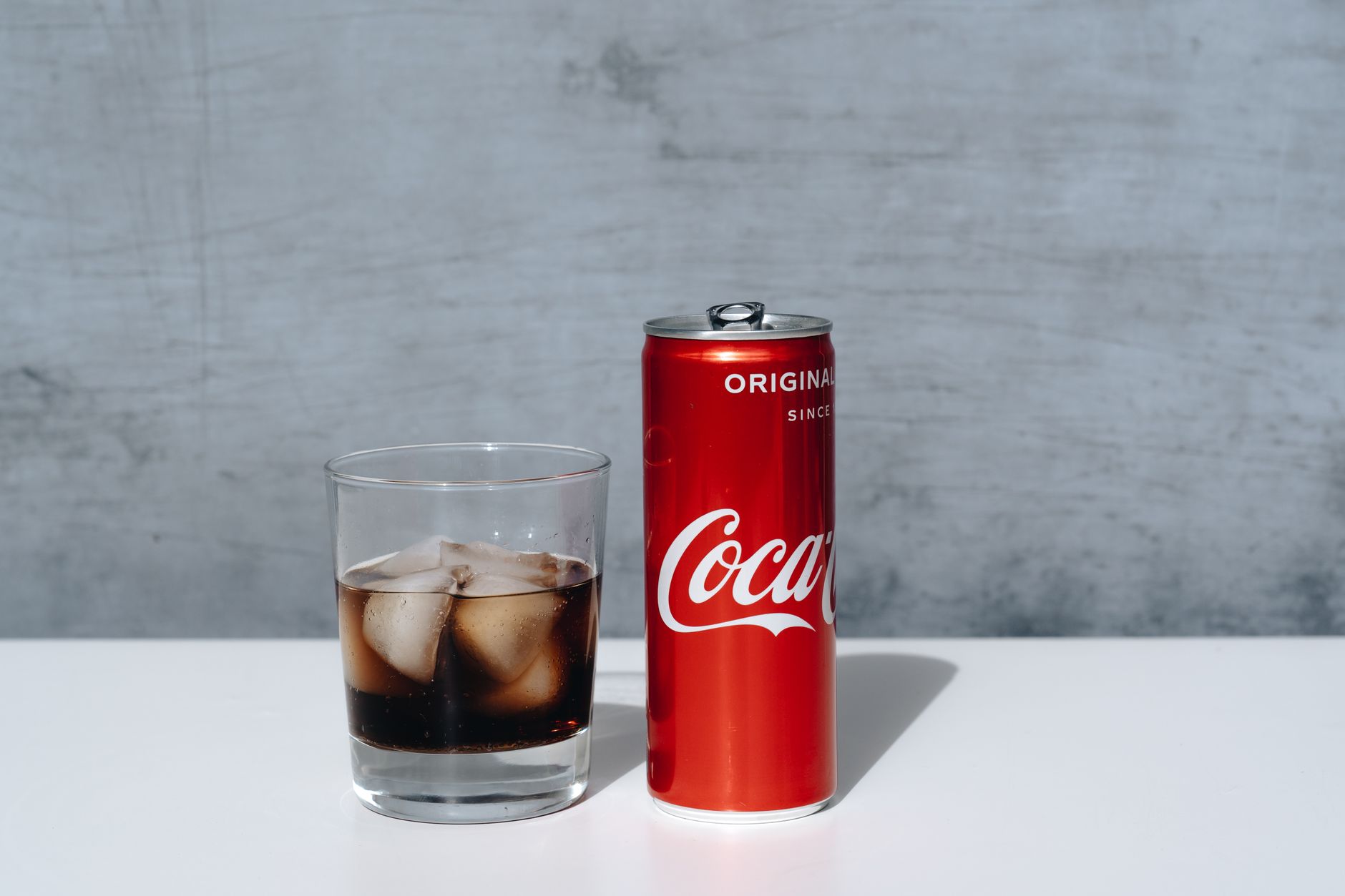
KFC to Switch to Coca-Cola in U.S. After Decades with PepsiCo
KFC U.S. will change its beverage supplier from PepsiCo (PEP) to Coca-Cola (KO) starting next year, as announced by Yum Brands. This marks the first beverage supplier change for KFC's U.S. restaurants in decades, although some international locations already serve Coke products. The decision is part of a strategy to attract more U.S. diners, aiming to compete better against fast-food chains such as Chick-fil-A and Popeyes. KFC U.S. President Catherine Tan-Gillespie indicated that partnering with Coca-Cola presents an opportunity for innovation and meeting changing consumer tastes. The company plans to implement the switch by the first quarter of 2027, ensuring that Coke beverages are available in all U.S. locations by then. While KFC will introduce Coca-Cola products domestically, Pepsi will remain a partner for KFC's parent company and international outlets. Restaurant beverage offerings have become crucial for driving consumer interest, with many chains expanding their drink menus to include new and innovative options. This change is significant for KFC's competitive positioning, as beverage partners play a critical role in customer decisions and brand visibility. Investors may consider this shift as a potential lever for increased consumer traffic in the U.S. market, enhancing KFC's appeal through a refreshed beverage lineup.
Read More: KFC to Switch to Coca-Cola in U.S. After Decades with PepsiCo
KFC Partners with Coca-Cola, Ending PepsiCo Collaboration
KFC has announced a new partnership with Coca-Cola, effectively ending its previous collaboration with PepsiCo. This decision marks a significant change in KFC's beverage offerings, aligning the fast-food chain with one of the world's most recognized soft drink brands. The switch to Coca-Cola is expected to strengthen KFC's beverage lineup across its outlets, potentially attracting more customers who prefer Coca-Cola products. The partnership concludes KFC's association with PepsiCo, a relationship that was notable among major fast-food chains. Coca-Cola will now become the exclusive beverage supplier for KFC locations worldwide. KFC's pivot to Coca-Cola aligns with a common strategy seen in the fast-food industry, where beverage partnerships can influence customer preferences and sales. This change matters to investors because it may impact KFC's competitive positioning in the fast-food market. Partnering with a strong brand like Coca-Cola could enhance KFC's brand appeal, which might contribute to sales growth in their outlets.
Read More: KFC Partners with Coca-Cola, Ending PepsiCo Collaboration
KFC to Switch U.S. Beverage Provider to Coca-Cola
KFC is nearing a deal to switch its U.S. beverage provider from PepsiCo to Coca-Cola, according to the Wall Street Journal. This potential agreement would be a significant change for KFC, altering its longtime relationship with PepsiCo. The specifics of the agreement, including duration and financial terms, have not been disclosed in the report. The deal is expected to be finalized soon, signifying a strategic shift in KFC's beverage offerings across its U.S. restaurants. If finalized, this switch may impact KFC's relationship with PepsiCo, known for its close ties with the restaurant chain. The outcome will likely affect various operational aspects, including supply chain logistics and marketing strategies. It might also influence sales, given Coca-Cola's strong market presence in the beverage industry. This potential partnership between KFC and Coca-Cola holds importance as it could alter market dynamics among beverage providers. For investors, the change highlights how consumer preferences and corporate strategies can drive significant supplier decisions.
Read More: KFC to Switch U.S. Beverage Provider to Coca-Cola
KFC U.S. Partners with Coca-Cola for Beverage Services
KFC U.S. has switched its beverage supplier from PepsiCo to Coca-Cola. This partnership change means Coca-Cola's beverages will now be served in KFC locations across the United States. This move follows a long-standing partnership KFC had with PepsiCo for its drink offerings. The beverage industry has seen intense competition, and this agreement reflects Coca-Cola's efforts to expand its market presence in the fast-food sector. Prior to this shift, PepsiCo had been the supplier for KFC's beverages, affirming the competitive nature of the beverage supply chain in the quick-service restaurant industry. For investors, the shift underscores the dynamic nature of supplier alignments in the fast-food industry. This partnership could enhance Coca-Cola's sales volume and brand presence in KFC outlets across the nation.
Read More: KFC U.S. Partners with Coca-Cola for Beverage Services
PepsiCo (PEP) Q3 2026 Earnings Call Transcript Posted
PepsiCo (PEP) released the transcript for its Q3 2026 earnings call. The document provides insights into the company's recent financial performance during the third quarter of the year, though specific figures are not detailed in the provided text. Earnings call transcripts typically offer a detailed view of revenue, profit, and strategic initiatives discussed by corporate leadership, but without the actual content of the transcript in the article, specifics cannot be elaborated further. This document is intended for investors and analysts interested in evaluating the company's quarterly financial results and projections. Earnings call transcripts are essential for understanding a company's strategic direction and management's view on future performance. Investors often use these calls to assess the company's financial health and growth prospects, which can influence their investment decisions. For investors in PepsiCo (PEP), the release of this transcript provides an opportunity to delve deeper into company operations, potentially impacting decisions about buying, holding, or selling shares based on management insights.
Read More: PepsiCo (PEP) Q3 2026 Earnings Call Transcript Posted
PepsiCo Lowers 2026 Earnings Forecast Amid U.S. Struggles
PepsiCo (PEP) has adjusted its full-year earnings forecast for 2026 as its North American turnaround is progressing slower than anticipated. The company reported higher-than-expected quarterly earnings, with an adjusted earnings per share of $2.34 compared to the expected $2.29. Despite lagging performance in North America, PepsiCo benefited from strong international growth, which now accounts for 41% of its net revenue. The company saw a 3% volume growth in beverages and a 1% growth in food volume globally during the quarter. The company revised its core earnings per share growth expectation to an increase of 2.5% to 3.5%, down from its previous forecast of 5% to 7%. Net revenue growth is now expected to be around 6%, at the high end of its previous 4% to 6% range. In North America, the beverage volume declined by 2%, while the food division reported flat volume. CEO Ramon Laguarta noted that North America represents a significant opportunity for improvement. This matters to investors because PepsiCo's revised earnings forecast reflects challenges in its key North American market, which could impact overall profitability. However, the company's strong international performance may help offset some of these domestic challenges.
Read More: PepsiCo Lowers 2026 Earnings Forecast Amid U.S. Struggles
S&P 500 Futures Slightly Up as Treasury Yields Hit Highs
U.S. stock futures showed slight changes Wednesday night as the S&P 500 retreated from a record high, impacted by a spike in Treasury yields. Dow Jones Industrial Average futures increased by 7 points, while S&P 500 futures rose by 0.04% and Nasdaq-100 futures climbed 0.1%. Levi Strauss experienced a nearly 2% dip in extended trading following a revision of its revenue growth outlook, despite an improved profit forecast. On Wednesday, the S&P 500 fell 0.2% from its all-time high, the Dow dropped by over 340 points, and the Nasdaq Composite also decreased by 0.2%. Treasury yields reached multi-decade highs with the 10-year yield at 5.365%, its highest since April 2002, and the 30-year yield climbing to 5.732%, its highest since May 2002. Meanwhile, in international markets, Japan's Nikkei 225 and South Korea's Kospi both recorded declines, while other Asian indexes remained relatively stable. The rise in yields has led to reduced investor enthusiasm for stocks, notably in sectors sensitive to borrowing costs such as industrials. However, some investors remain optimistic, counting on strong earnings growth to support market rallies, as indicated by an expected 30% earnings growth rate for the S&P 500 in the third quarter. The forthcoming earnings reports, like PepsiCo's, along with other economic data such as jobless claims, will be closely monitored. This data will inform investor strategies, as high yields impact equity valuations.
Read More: S&P 500 Futures Slightly Up as Treasury Yields Hit Highs
PepsiCo Recalls 122,000 Gatorade Cases for Undeclared Dyes
PepsiCo is recalling over 122,000 cases of Gatorade due to undeclared food dyes, as reported by the FDA. The recall affects Gatorade products sold in 37 states, aimed at addressing compliance with food labeling regulations. Consumers in these states are advised to check their Gatorade stock and follow the recall procedures outlined by the company and federal authorities. The specific types of undeclared dyes have not been detailed by the company or the FDA in this release. This recall highlights the ongoing responsibility companies have to ensure complete and accurate labeling for consumer safety. While PepsiCo has initiated the recall, it does not yet disclose the financial impact or timing for resolution. The company is working closely with the U.S. Food and Drug Administration to manage the situation and prevent further distribution of the affected product. Such recalls can affect consumer confidence as well as shift short-term sales patterns. For investors, immediate concerns involve potential costs related to the recall process and possible implications for PepsiCo's revenue in impacted markets.
Read More: PepsiCo Recalls 122,000 Gatorade Cases for Undeclared Dyes
Stock Futures Flat as Investors Eye Fed Minutes
Stock futures experienced little change on Sunday evening as investors faced higher Treasury yields and awaited the Federal Reserve's meeting minutes for insights on potential interest rate movements. Futures tied to the Dow Jones Industrial Average increased 53 points, or 0.1%, while S&P 500 futures also rose 0.1%. Nasdaq-100 futures climbed 0.2%. The previous Friday, stocks closed up with the Dow gaining 250 points, the S&P 500 climbing 0.7%, and the Nasdaq Composite rallying 1.2%, reaching an all-time high earlier in the session. The increase came after a week marked by surging Treasury yields and a lackluster jobs report that tempered fears of another immediate Fed rate hike. Treasury yields remain a focal point for investors, with the 10-year yield reaching its highest level in over two decades, leading to concerns about raised borrowing costs on stocks. Despite these concerns, tech stocks led the rally, with notable gains from companies like Nvidia. Analysts suggest that the light upcoming economic calendar may influence investors along with geopolitical and market-specific developments. Investors are particularly focused on upcoming earnings reports from key companies such as JP Morgan, Constellation Brands, Levi Strauss, and PepsiCo.
Read More: Stock Futures Flat as Investors Eye Fed Minutes
PepsiCo to Invest $1 Billion in Colombia Over Five Years
PepsiCo will invest $1 billion in Colombia over the next five years, according to the company's president. This investment aims to enhance production capabilities and create job opportunities in the region. The initiative reflects PepsiCo’s commitment to growth in Latin America, an important market for the company. This investment may positively impact production capacity and local economies in Colombia, potentially benefiting PepsiCo (PEP) and its investors.
Read More: PepsiCo to Invest $1 Billion in Colombia Over Five Years
PepsiCo (PEP) Plans Price Hikes on Chips and Sodas
PepsiCo (PEP) intends to increase prices on select chips and soda products, according to Bloomberg News. The company has not specified the percentage of the price hikes or which products will be affected. Pricing adjustments are often a response to rising costs in the supply chain. These hikes could influence PepsiCo's revenue and may affect consumer purchasing behavior, making it relevant for investors to watch.
Read More: PepsiCo (PEP) Plans Price Hikes on Chips and Sodas
PepsiCo (PEP) Highlighted by Jim Cramer for 2026 Stock Picks
Jim Cramer emphasized a top-down approach for stock selection during his broadcast on CNBC's 'Mad Money.' He advised viewers to analyze the overall economy before focusing on individual stocks, with PepsiCo (PEP) noted as a strong candidate. Cramer pointed out that falling gas prices enhance consumer spending on snacks and beverages, benefiting PepsiCo, whose average gasoline price dropped to $4.06 in early August. The Energy Information Administration forecasts a 6% decrease in retail gasoline prices in 2026, reinforcing the positive outlook for consumer staples like PepsiCo.
Read More: PepsiCo (PEP) Highlighted by Jim Cramer for 2026 Stock Picks
Kimberly Clark (KMB) Extends Dividend Growth Streak to 54 Years
Kimberly Clark (KMB) has increased its dividend to $1.28 per share, marking the 54th consecutive year of dividend growth. The company has paid dividends for 92 straight years, establishing a robust reputation for reliable payouts. Its dividend yield is currently 4.7%, surpassing PepsiCo's yield of 4.1%. This resilience and consistent demand for household products make it an appealing option for income-focused investors. The ongoing acquisition of consumer health products brand Kenvue aims to further enhance growth potential.
Read More: Kimberly Clark (KMB) Extends Dividend Growth Streak to 54 YearsPepsiCo (PEP) Yields 4.0% With $3.3M Capital Requirement
PepsiCo (PEP) currently offers a yield of 4.0% with an annualized forward dividend of $5.92 after increasing its quarterly payout to $1.48. Northern Trust recently raised its quarterly dividend by 10%. To achieve a monthly income of $9,700, one would need approximately $3,325,000 in capital at a 3.5% yield. The article highlights the importance of understanding income requirements for retirement, particularly with the ongoing economic climate and various investment yields. This information is crucial for investors planning for retirement income and capital allocation.
Read More: PepsiCo (PEP) Yields 4.0% With $3.3M Capital Requirement
Coca-Cola (KO) Sees 6% Organic Revenue Growth, PepsiCo (PEP) Struggles
Coca-Cola (NYSE: KO) reported a 6% organic revenue growth and a 5% volume gain in their latest quarter. Coca-Cola Zero Sugar grew 16% globally, while Diet Coke and Coca-Cola Light increased by 7%. Comparatively, PepsiCo (NASDAQ: PEP) experienced a 4% drop in North American beverage volume and a 2% decrease in its North American food business. Pepsi's core operating margin shrank to 16.8%, with overall organic revenue growth at just 2.4%. This performance gap indicates a significant competitive advantage for Coca-Cola, impacting investor decisions as market valuations reflect these trends.
Read More: Coca-Cola (KO) Sees 6% Organic Revenue Growth, PepsiCo (PEP) Struggles
Grocery Units Decline 1.8% in June, Impacting PepsiCo (PEP)
In June 2026, grocery units in the U.S. fell 1.8% year-over-year, a significant change from the 0.1% growth in June 2025. Inflation continues to pressure consumers, with grocery prices approximately 33% higher than in 2019. During its recent second quarter, PepsiCo (PEP) reported a 2% decline in North America food revenue, with volume flat. The shift in consumer behavior, driven by rising prices and reduced SNAP benefits, affects grocery retailers like Walmart and Kroger, which are implementing price cuts and promotions to maintain sales. This situation highlights the challenges facing food companies in adapting to changing consumer spending patterns.
Read More: Grocery Units Decline 1.8% in June, Impacting PepsiCo (PEP)
Celsius Holdings (CELH) Stock Falls 36% in 2026, Investors Split
Celsius Holdings (CELH) has experienced a decline of approximately 36% in 2026, trading below its starting price for the year. The stock's drop has led to differing opinions among investors regarding its potential future. Celsius has expanded its brand portfolio by acquiring Rockstar and launching Alani Nu alongside its core energy drink line. Companies like Coca-Cola (KO) and PepsiCo (PEP) are adapting by introducing healthier options, challenging Celsius's market position as they adopt similar health trends. This matters for ordinary investors as the competition from established brands may further pressure Celsius's growth potential.
Read More: Celsius Holdings (CELH) Stock Falls 36% in 2026, Investors Split
PepsiCo (PEP) Warns of Higher Commodity Costs and Sales Declines
PepsiCo (PEP) has indicated an increase in commodity costs affecting its earnings outlook. The company reported faltering food sales in North America, contributing to this financial concern. Specific numbers regarding the extent of cost increases or sales declines were not detailed in the report. This situation may impact investor confidence and stock performance in the consumer goods sector. Therefore, it is critical for ordinary investors to monitor PEP's upcoming financial results and guidance as these factors can influence market sentiment.
Read More: PepsiCo (PEP) Warns of Higher Commodity Costs and Sales Declines
Premarket Moves: Key Stocks Including AAPL, PEP, CRM, and LLY
This article highlights significant premarket stock movements for companies including AstraZeneca, PepsiCo (PEP), Salesforce (CRM), and Levi Strauss. Notable companies and their trading volumes during this period have not been specified. Such movements can indicate investor sentiment which may influence trading decisions later in the day. For ordinary investors, understanding which stocks are moving early can help inform buy or sell decisions as they navigate market dynamics.
Read More: Premarket Moves: Key Stocks Including AAPL, PEP, CRM, and LLY
PepsiCo (PEP) Reports Earnings Beat Despite North America Challenges
PepsiCo (PEP) reported an earnings beat driven by strong performance in its international business, despite weaker results in North America. The company experienced price cuts on snacks, but this did not sufficiently drive growth in that region. Analysts had anticipated a decline in the stock due to these challenges. This situation is critical for investors as it highlights the varying dynamics within PepsiCo’s markets and could influence stock performance moving forward.
Read More: PepsiCo (PEP) Reports Earnings Beat Despite North America Challenges
PepsiCo (PEP) Q2 Earnings Miss Estimates with $2.20 per Share
PepsiCo (PEP) reported second-quarter earnings of $2.20 per share, slightly missing the $2.21 expected by analysts. Revenue reached $24.18 billion, surpassing forecasts of $23.95 billion. The company's net income was $2.98 billion, up from $1.26 billion a year earlier, reflecting a 6.4% increase in net sales. However, domestic volume in North American food was flat, and beverage volume dropped 4%, indicating challenges due to rising inflation affecting consumer spending. This matters to investors as it suggests potential pressure on Pepsi's sales growth and overall market performance moving forward.
Read More: PepsiCo (PEP) Q2 Earnings Miss Estimates with $2.20 per Share
Cramer Sees Opportunities: Buy JNJ, PEP, SBUX, STZ, TJX Stocks
Jim Cramer highlighted buying opportunities in five stocks due to a recent market rotation. The June jobs report indicated a slowdown, leading institutions to reposition portfolios. Cramer mentioned PepsiCo (PEP) as a potential bargain ahead of its July 9 earnings report and noted Starbucks (SBUX) as a good buy amidst its turnaround efforts. Additionally, he expressed bullishness on TJX Companies (TJX), given the trend of consumers trading down to off-price retailers. Understanding these dynamics can benefit ordinary investors looking for discounted quality stocks.
Read More: Cramer Sees Opportunities: Buy JNJ, PEP, SBUX, STZ, TJX Stocks
PEP and JNJ Dividends Required for California's $100,600 Income
To replace California's median household income of $100,600, an investment of approximately $2,874,000 is needed at a 3.5% yield or $1,212,000 at 8.3%. California's living costs are about 10.7% above the national average, pushing investors to consider dividend stocks like PepsiCo (PEP) and Johnson & Johnson (JNJ). PEP offers a current yield of about 4% and raised its quarterly dividend to $1.48, while JNJ's yield is approximately 2% with a quarterly dividend of $1.34. This data highlights the importance of considering dividends for income growth amidst rising costs in California.
Read More: PEP and JNJ Dividends Required for California's $100,600 Income
S&P 500 Dividend Yield at 1%, Alternative Stocks Yield Up to 5.9%
The S&P 500 index (^GSPC) is currently trading near all-time highs with a dividend yield of approximately 1%. Dividend investors are presented with alternatives like Enterprise Products Partners (EPD), which offers a yield of 5.9%, supported by stable cash flows despite fluctuating oil prices. Realty Income (O) presents a yield of 5.4% backed by diversified properties across North America and Europe, with a history of annual dividend increases for 31 years. These high-yield stocks may provide better income opportunities for investors in a low-dividend environment.
Read More: S&P 500 Dividend Yield at 1%, Alternative Stocks Yield Up to 5.9%
PepsiCo (PEP) Mountain Dew Real Sugar Returns to Select Retailers
PepsiCo (PEP) has quietly reintroduced Mountain Dew Real Sugar to select retailers, though it is still limited. Originally launched as Mountain Dew Throwback in April 2009, the flavor was discontinued in February 2024. The product features real sugar instead of high fructose corn syrup. Reports indicate availability at specific locations, including select retailers in Kansas City, Missouri, and through online marketplaces like Amazon and eBay.
Read More: PepsiCo (PEP) Mountain Dew Real Sugar Returns to Select Retailers
Pepco Group (PEP) Sells Dealz Poland to European Investor
Pepco Group (PEP) has completed the sale of its Dealz Poland operations to a European retail investor. The transaction marks a strategic move for Pepco, enabling the company to focus on strengthening its core markets. The financial details of the deal have not been disclosed, which limits the analysis of the potential impact on PEP's balance sheet. Given the regional focus, this divestment may influence investor sentiment and market perception of Pepco's ongoing strategies.
Read More: Pepco Group (PEP) Sells Dealz Poland to European Investor
Pepkor (PEP) Plans Banking Launch by April 2027 with 1.8M Customers
Pepkor (PEP) plans to launch its banking business in April 2027, targeting to acquire 1.8 million primary banking customers within five years using its national store network. The company currently processes approximately 22 million cash-in cash-out transactions and 4 million bill payments annually. Initially expecting to spend around 1 billion rand ($61.2 million), Pepkor now forecasts the total cost to be no more than 920 million rand, pending regulatory approvals. The Prudential Authority has granted Pepkor conditional approval to establish a bank in South Africa, and they have acquired CloudBadger Technologies to support this initiative.
Read More: Pepkor (PEP) Plans Banking Launch by April 2027 with 1.8M Customers
PepsiCo Sees 50% Low-Sugar Offerings Amid India's Consumer Shift
PepsiCo's beverage portfolio in India now contains over 50% low- to no-sugar products. The company aims to increase this to 90% over time in response to changing consumer preferences driven by social media influences. India's per capita income is projected to grow significantly in the next five years compared to other emerging markets like China and Brazil, highlighting its importance for global brands. The evolving market dynamics underscore the need for companies to adapt their strategies to align with health-conscious consumer demands.
Read More: PepsiCo Sees 50% Low-Sugar Offerings Amid India's Consumer Shift
European Stocks Rise 0.1% Amid U.S.-Iran Ceasefire Developments
European stocks opened higher, with the pan-European Stoxx 600 gaining 0.1% on Tuesday. The market movement comes as investors assess a ceasefire deadline between the U.S. and Iran, with potential implications for global stability. In other news, Associated British Foods (ABF) reported group revenues of £9.47 billion ($12.8 billion) for the half-year to February 28, an 18% drop in adjusted operating profits. Royal Unibrew saw an 18% decline in share value after ending its partnership with PepsiCo, indicating volatile conditions in the market.
Read More: European Stocks Rise 0.1% Amid U.S.-Iran Ceasefire Developments
PepsiCo (PEP) CEO Innovative Strategies Boosting Market Speculation
PepsiCo, Inc. (PEP) is in focus as CEO Ramon Laguarta introduces innovative strategies to enhance earnings amidst consumer packaged goods challenges. The company is leveraging smaller package offerings, which are resonating well with price-sensitive consumers. Additionally, Gatorade launched a new fast hydration system, potentially increasing market share. Analysts have noted PepsiCo's resilience in sourcing and cost management, with significant improvements in share from their Frito-Lay business amidst rising competition.
Read More: PepsiCo (PEP) CEO Innovative Strategies Boosting Market Speculation
PepsiCo (PEP) Reports Customer Return After Price Cuts
PepsiCo (PEP) shares experienced a rally after the company reported customer returns attributed to recent price cuts and the introduction of new products. The firm highlighted that it has not faced significant impacts from the ongoing Iran war. This recovery suggests positive market sentiment surrounding PEP, as the price adjustments appear to resonate with consumers. The announcement could indicate potential for continued sales growth for the company, reflecting an optimistic outlook for the upcoming quarters.
Read More: PepsiCo (PEP) Reports Customer Return After Price Cuts
PepsiCo (PEP) Q1 Earnings Beat Estimates With $19.44B Revenue
PepsiCo (PEP) reported Q1 earnings of $2.33 billion or $1.70 per share, exceeding expectations of $1.55 per share. Revenue rose to $19.44 billion, surpassing estimates of $18.94 billion, with an 8.5% increase attributed to new product launches and price cuts. The North American food segment experienced a volume growth of 2%, marking its first increase in over two years following a 15% price reduction on key products. For the full year, PepsiCo continues to forecast organic revenue growth of 2% to 4% and core earnings per share increase of 4% to 6%.
Read More: PepsiCo (PEP) Q1 Earnings Beat Estimates With $19.44B Revenue
Premarket Stock Moves: PepsiCo, TSM, Voyager Technologies, PPG
Limited data available — The article mentions that several stocks are making premarket moves, including PepsiCo (PEP), Taiwan Semiconductor (TSM), and PPG Industries (PPG). However, it does not provide specific numerical data, percentage changes, or any official statements. As such, there are no concrete details regarding trading volumes or market impact for these companies. Further information would be needed to assess the situation accurately.
Read More: Premarket Stock Moves: PepsiCo, TSM, Voyager Technologies, PPG
PepsiCo (PEP) Reports Positive Impact from Doritos Price Cuts
PepsiCo (PEP) has reported that cutting prices on its Doritos brand has resulted in increased sales. The company noted that price reductions led to a positive response from consumers, contributing to overall growth. Although specific sales figures were not provided, the strategy aims to enhance market share in the snack category amid competitive pressures. This move may have implications for other food and beverage companies as they assess pricing strategies to boost sales.
Read More: PepsiCo (PEP) Reports Positive Impact from Doritos Price Cuts
Futures Little Changed Post Record Highs for S&P 500 and Nasdaq
U.S. stock futures remained stable after the S&P 500 and Nasdaq Composite set new all-time closing records, with the S&P 500 up 0.80% and the Nasdaq gaining 1.59% for its 11th consecutive day of gains. Dow Jones Industrial Average futures were up 48 points, equivalent to 0.1%, despite the index losing 72.27 points or 0.15% during the previous session. Traders are observing developments regarding potential peace negotiations between the U.S. and Iran, which may influence market sentiment. Earnings reports from companies like PepsiCo (PEP) and U.S. Bancorp (USB) are expected soon, along with economic indicators.
Read More: Futures Little Changed Post Record Highs for S&P 500 and Nasdaq
PepsiCo (PEP) Among Top Stocks as Jim Cramer Offers Insights
PepsiCo, Inc. (NASDAQ: PEP) is highlighted by Jim Cramer as he commented on its resilience in the processed food sector amid market changes. Cramer regards PepsiCo as the 'second-best packaged food' company, following Coca-Cola. He mentioned the upcoming results for PEP and noted the company's 3.5% yield, suggesting it remains a solid investment despite any short-term concerns. CEO Ramon Laguarta has faced challenges but is praised for adapting to consumer preferences and effectively navigating market dynamics.
Read More: PepsiCo (PEP) Among Top Stocks as Jim Cramer Offers Insights
Pepsi (PEP) Withdraws UK Wireless Festival Sponsorship Amid Backlash
Pepsi (PEP) announced its withdrawal as the main sponsor for the Wireless Festival in London following controversy surrounding Kanye West, now known as Ye, being announced as the headliner. This decision comes amidst criticism of West's antisemitic remarks and actions, including past statements and a meeting where he apologized for his comments. The festival, which is scheduled for July, had previously been marketed as 'Pepsi presents Wireless.' The UK Prime Minister, Sir Keir Starmer, expressed concerns over West's booking, highlighting the importance of addressing antisemitism.
Read More: Pepsi (PEP) Withdraws UK Wireless Festival Sponsorship Amid BacklashMore Consumer Staples stocks
Frequently asked questions
Is PepsiCo Inc. in the S&P 500?
Yes. PepsiCo Inc. trades as PEP and is a member of the S&P 500. The index lists it in the Consumer Staples sector.
What sector is PEP in?
PEP sits in the Consumer Staples sector of the S&P 500.
Where can I find the latest PEP news?
Right here. This page collects recent PEP news and market analysis. Every story gets an AI summary and a bullish, bearish or neutral tag.
What is PepsiCo Inc.'s stock price?
PEP last traded at about $128.38. Prices move all through the session, so this is the latest quote rather than a live one.
What is PepsiCo Inc.'s market cap?
PEP is worth roughly $174.95B. Market cap is the share price times the number of shares outstanding.
What is PEP's P/E ratio?
PEP trades at a trailing P/E ratio of about 16.1. The ratio compares the share price with earnings per share over the past year.