brent News & Analysis
50 articles
Market Mood

Citi: Global Oil Inventories Declining at 3M Barrels Per Day
Citi estimates that global oil inventories are declining at a rate of approximately 3 million barrels per day between February and August 2026, leading to a cumulative reduction of around 519 million barrels. If this trend continues, OECD stockpiles could reach about 70 days of supply cover by the end of 2027, while global reserves may reach that level in the first quarter of 2029. Brent crude prices have increased to over $93 per barrel from about $80 in early August, indicating rising pressure on oil markets. This situation highlights potential localized crises in specific refined products, particularly diesel, which have seen prices surpass $100 per barrel above WTI. Ordinary investors should monitor these developments as they could significantly impact oil prices and related investments.
Read More: Citi: Global Oil Inventories Declining at 3M Barrels Per Day
Iran Criticizes US Sanctions, Oil Prices Stay at $94.39 per Barrel
Iran condemned the U.S.' plans for new economic sanctions, which U.S. Treasury Secretary Scott Bessent stated will create significant economic isolation against Iran. Bessent emphasized that this strategy aims to reduce the need for military operations. Oil prices remained stable, with Brent crude futures closing at $94.39 per barrel and U.S. West Texas Intermediate futures rising to $87.00. The ongoing situation could impact oil supply and prices, affecting markets and investors with interests in petroleum sectors.
Read More: Iran Criticizes US Sanctions, Oil Prices Stay at $94.39 per Barrel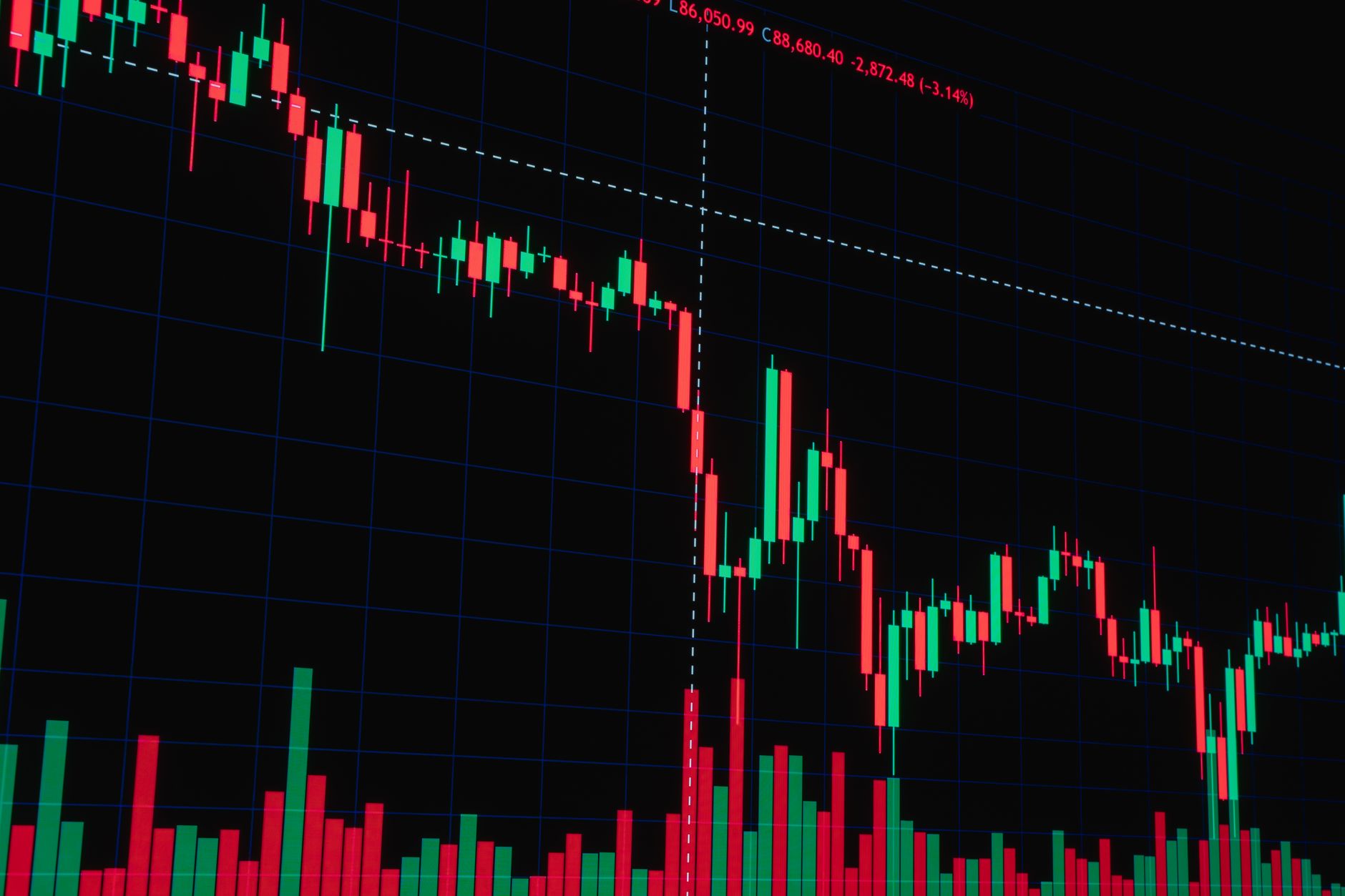
Asian Stocks Decline as Oil Prices Rise, Reviving Inflation Concerns
Asian stocks have retreated as concerns about rising oil prices overshadow positive earnings reports. The increase in Brent crude prices has contributed to fears about inflation and stagflation, causing US stocks to also edge further from record highs. This market reaction suggests a tightening environment as investors weigh elevated energy costs against corporate earnings. For investors, the combination of rising commodity prices and inflation fears may signal increased market volatility.
Read More: Asian Stocks Decline as Oil Prices Rise, Reviving Inflation Concerns
Brent Crude Oil Price Surpasses $90 Amid Hormuz Deal Uncertainty
Brent crude oil prices have risen above $90 per barrel as negotiations regarding the Hormuz Strait deal show diminishing prospects. This price increase reflects concerns over potential disruptions in oil supply routes. Investors are closely monitoring these developments, as they could lead to market volatility and impact energy sector stocks. The rising oil prices may affect inflation rates and economic forecasts, making it important for ordinary investors to stay informed about commodity price trends.
Read More: Brent Crude Oil Price Surpasses $90 Amid Hormuz Deal Uncertainty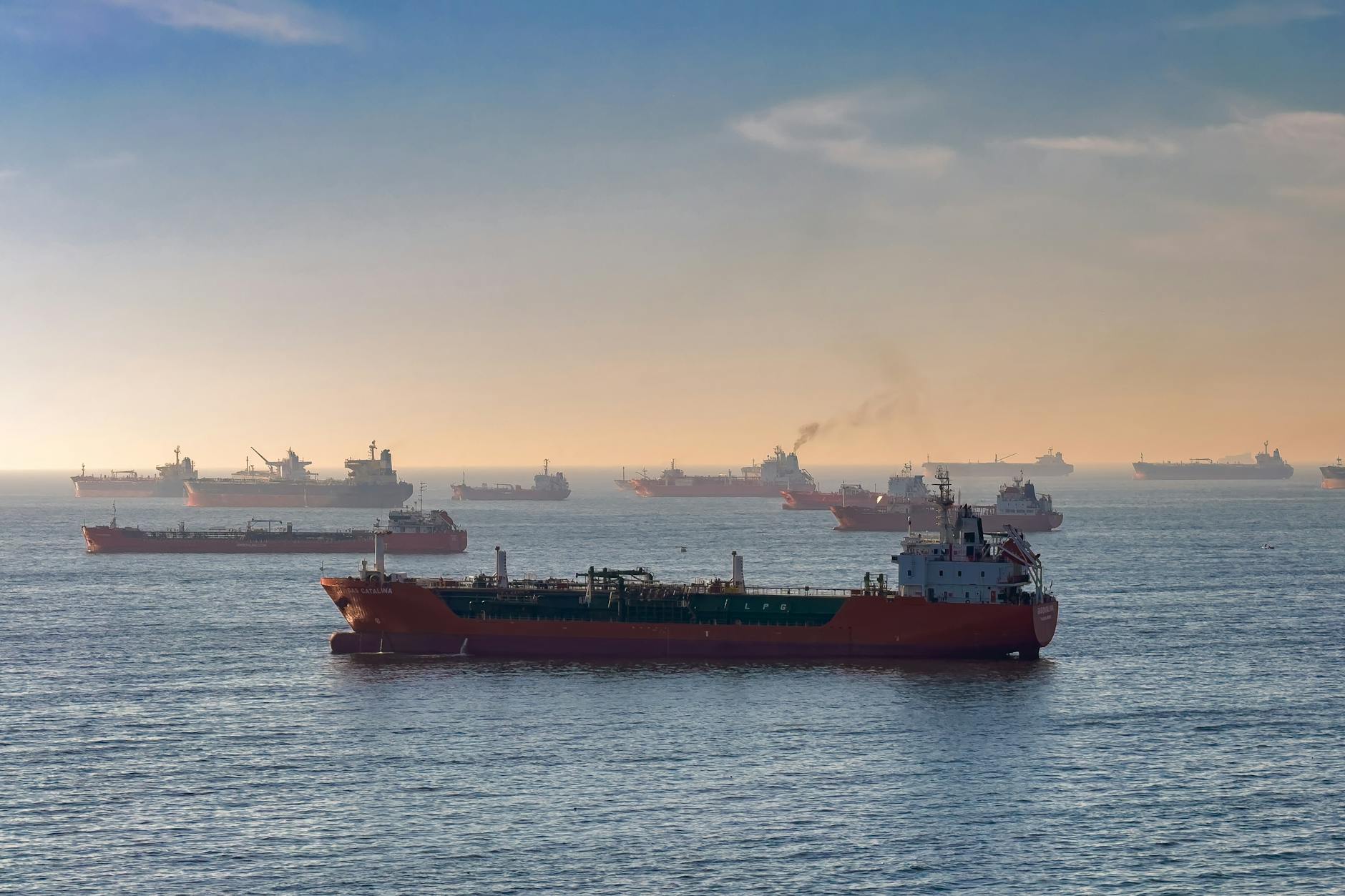
Strait of Hormuz Shipping Drops 90% Ahead of U.S.-Iran Ceasefire
Shipping traffic in the Strait of Hormuz has significantly slowed, with only five cargo ships passing through on Saturday, down from 31 the previous weekend. This reduction contributes to a 90% decline in shipping since the conflict started on February 28, with average daily vessel transits dropping to about 130. Brent crude futures fell 0.15% to $88.45 per barrel, and U.S. West Texas Intermediate crude declined 0.74% to $81.79 amid ongoing tensions. The situation is critical as the 60-day ceasefire between the U.S. and Iran is set to expire, affecting oil markets. This matters for ordinary investors as disruptions in this critical oil passage can lead to fluctuations in global oil prices.
Read More: Strait of Hormuz Shipping Drops 90% Ahead of U.S.-Iran Ceasefire
Oil Prices Drop 2% to $81.61 Amid Falling Demand and Tensions
Oil prices fell on Thursday, with U.S. West Texas Intermediate futures down 2% at $81.61 per barrel, while Brent crude decreased by 1.8% to $87.40 per barrel. The International Energy Agency reported that global oil demand is expected to decline further due to disruptions in the Middle East, with supply remaining 6.3 million barrels a day lower year-on-year as of July. Diplomatic efforts to reopen the Strait of Hormuz are ongoing, though concerns about maritime disruptions persist. This situation matters for ordinary investors as fluctuating oil prices can impact fuel costs and inflation rates.
Read More: Oil Prices Drop 2% to $81.61 Amid Falling Demand and Tensions
Oil Prices Rise Above $83 as Iran Closes Strait of Hormuz
U.S. West Texas Intermediate futures rose 1.4% to $83.27 per barrel, while Brent crude increased 1.3% to $88.85 per barrel. An Iranian official indicated that the Strait of Hormuz will remain closed until certain U.S. conditions are fulfilled. This situation coincides with reports that U.S. crude oil stockpiles are at their lowest in over 40 years. For ordinary investors, this rising oil price may impact energy sector stocks and related investments.
Read More: Oil Prices Rise Above $83 as Iran Closes Strait of HormuzOil Rises 1.09% to $84.46 Amid U.S.-Iran Strait of Hormuz Uncertainty
Oil futures rose on July 12, 2026, with Brent crude for October delivery increasing by 1.09% to $84.46 per barrel. U.S. West Texas Intermediate futures for September gained 0.84% to $78.84 per barrel. Mixed signals from the U.S. and Iran regarding negotiations to reopen the Strait of Hormuz are contributing to the market's volatility. The U.S. maintains that any reopening must ensure unrestricted freedom of navigation, while Iran has set conditions for reopening. This uncertainty impacts oil supply concerns and pricing, relevant for ordinary investors engaged in energy markets.
Read More: Oil Rises 1.09% to $84.46 Amid U.S.-Iran Strait of Hormuz Uncertainty
Oil Futures Rise 1.25% to $83.52 Amid Iran's Supply Concerns
Oil prices increased on Friday, with Brent crude futures for October delivery rising 1.25% to $83.52 per barrel and U.S. West Texas Intermediate futures for September up 1.10% to $78.14 per barrel. This spike is attributed to concerns over supply disruptions following Iran's draft plan to restrict navigation through the Strait of Hormuz, banning U.S. and Israeli ships. Additionally, U.S. imports of Saudi crude fell to zero in July for the first time since 1985. These developments could impact inflation and market dynamics, making it relevant for investors to monitor oil price movements closely.
Read More: Oil Futures Rise 1.25% to $83.52 Amid Iran's Supply Concerns
Hormuz Traffic Declines: Only 2 Vessels Transited Amid Tensions
Traffic through the Strait of Hormuz declined significantly, with only two vessels transiting on Wednesday, down from eight a day earlier, according to Kpler vessel-tracking data. This sharp drop contrasts with a pre-war baseline of approximately 130 to 140 daily transits. Meanwhile, shipping through the Bab el-Mandeb fell to just one vessel from 20 the previous day. The disruption has implications for oil prices, as Brent crude futures gained 1.3% to $83.55 a barrel amidst rising tensions in the region. Ordinary investors should note that reduced shipping activity can influence oil prices and market volatility.
Read More: Hormuz Traffic Declines: Only 2 Vessels Transited Amid Tensions
Oil Prices Rise to $80.15 on Claims of Saudi Tanker Strike
Crude oil prices increased on Wednesday following claims by Yemen's Iran-backed Houthi militants that they struck a Saudi tanker in the Red Sea. Brent crude was trading at $80.15 a barrel, up 1%, while U.S. West Texas Intermediate futures for September delivery rose 0.28% to $75.98. The incident raised concerns about stability in the region and potential impacts on oil supply routes. The situation affects market sentiment as it complicates hopes for a ceasefire in the Middle East, prompting increased volatility for investors.
Read More: Oil Prices Rise to $80.15 on Claims of Saudi Tanker Strike
U.S. Military Declares Strait of Hormuz Open Amid Iran Deal Talks
The U.S. military confirmed that the Strait of Hormuz is open for commercial vessels, following comments from Treasury Secretary Scott Bessent about nearing a deal with Iran. Central Command stated they have assisted over 1,000 vessels in the area despite Iranian aggression. Oil prices reacted to these developments, with Brent climbing 0.43% to $79.70 and West Texas Intermediate rising 0.21% to $75.95 after sharp declines previously. This is significant for investors as stability in the Strait of Hormuz is critical for global oil supply and pricing.
Read More: U.S. Military Declares Strait of Hormuz Open Amid Iran Deal TalksBrent Crude Oil Prices Drop Nearly 5% on Strait of Hormuz Hopes
Brent crude oil prices fell almost 5% to under $80 per barrel on hopes that the US and Iran may agree to reopen the Strait of Hormuz. US Secretary of State Marco Rubio and Treasury Secretary Scott Bessent indicated that negotiations to restore shipments could conclude within days. West Texas Intermediate prices also dropped over 5%, hitting $76 a barrel, marking the lowest levels since July 13. Although progress has been reported, no final agreement has been reached, and tensions remain high, which may keep market volatility in check for investors.
Read More: Brent Crude Oil Prices Drop Nearly 5% on Strait of Hormuz Hopes
Oil Prices Rise 0.2% to $83.94 Amid U.S.-Iran Negotiations
On August 4, oil prices fluctuated as Qatar confirmed ongoing diplomatic efforts to resolve the U.S.-Iran conflict. Brent futures increased by 17 cents (0.2%) to $83.94, while U.S. West Texas Intermediate (WTI) crude fell by 30 cents (0.37%) to $80.04. Earlier in the session, both contracts had risen over 2% due to uncertainties regarding a U.S.-Iran agreement. Continued disruptions and a recovery in Middle Eastern production below pre-conflict levels suggest persistent undersupply in the oil market, impacting pricing for ordinary investors.
Read More: Oil Prices Rise 0.2% to $83.94 Amid U.S.-Iran Negotiations
Oil Prices Rise 1.29% Amid Trump’s Iran Negotiation Warnings
President Donald Trump stated that the ongoing negotiations with Iran are the 'last chance' to resolve a five-month conflict, though Tehran denies direct talks are taking place. Oil prices reacted to the unclear diplomatic situation, with West Texas Intermediate futures increasing by 1.29% to $81.38 per barrel and Brent crude up by 1.73% to $85.23 per barrel. Despite Trump's comments, Iranian officials maintain there are no negotiations with the U.S. happening. This situation impacts energy markets and could affect oil prices further as tensions evolve.
Read More: Oil Prices Rise 1.29% Amid Trump’s Iran Negotiation Warnings
Brent crude drops 5% as U.S.-Iran tensions ease; stocks rise
Brent crude futures fell $4.40, over 5%, to $83.52 a barrel following U.S. President Donald Trump's announcement of talks with Iran. Pre-market trading showed S&P futures up 0.6% and Nasdaq futures up 0.4%. Over half of S&P 500 companies have reported their earnings, with 86% exceeding expectations. The Japanese yen firmed to 156.77 per U.S. dollar after joint intervention by the U.S. and Japan. These developments indicate potential market recovery, offering a beneficial outlook for investors focused on equities.
Read More: Brent crude drops 5% as U.S.-Iran tensions ease; stocks rise
Trump Announces Iran Negotiations to Resume Monday Amid Oil Drop
U.S. President Donald Trump stated that negotiations with Iran will start on Monday after he canceled planned strikes on the country. Oil prices reacted to this potential diplomatic resolution, with Brent crude falling 4.6% to around $83.96 a barrel and U.S. crude down about 4.7% to $80.6. Trump indicated a deal involving the Hormuz Strait and Iran's denuclearization could be imminent. For ordinary investors, developments like this could impact energy markets and oil prices significantly as tensions in the region fluctuate.
Read More: Trump Announces Iran Negotiations to Resume Monday Amid Oil Drop
Oil Drops 4.5% to $80.89 After Trump Calls Off Iran Strike
Oil prices fell on Monday, with West Texas Intermediate futures for September delivery decreasing by 4.5% to $80.89 per barrel. Brent crude futures for October delivery also dipped 4.4% to $84.10 a barrel. This decline followed President Donald Trump's announcement that he had called off a planned strike on Iran, leading investors to reduce geopolitical risk premiums. The situation may affect market sentiment toward oil prices as diplomatic negotiations continue, which is important for energy investors.
Read More: Oil Drops 4.5% to $80.89 After Trump Calls Off Iran Strike
Shell (SHEL) Profits Double to $9.84bn Amid Iran War Disruptions
Shell's (SHEL) profits for Q2 reached $9.84 billion, more than doubling from $4.26 billion in the same period last year. This increase coincides with rising oil prices due to disruptions in global oil and LNG supplies following the Iran conflict. The company reported a 70% surge in first-half earnings, with Q1 profits at $6.92 billion. February benchmarks for Brent crude saw prices spike above $120 a barrel, impacting trading dynamics in the oil market. This is significant for investors as fluctuating oil prices can lead to greater profitability for energy firms like Shell.
Read More: Shell (SHEL) Profits Double to $9.84bn Amid Iran War Disruptions
U.S. Strikes Iran Following Missile Attacks, Oil Prices Rise 7.9%
On July 29, 2026, U.S. forces conducted a substantial retaliatory strike against Iran at 10 p.m. following Iranian missile attacks on American forces. The operation targeted multiple Iranian military sites, including missile and drone facilities. Following an earlier missile attack that was intercepted by Jordan's air defenses, the tensions have escalated. As a result, Brent crude oil prices climbed 7.9% to $90.74 and U.S. West Texas Intermediate futures rose 6.6% to $84.46, affecting oil markets significantly. This conflict may impact energy prices, which is crucial for investors in the oil sector.
Read More: U.S. Strikes Iran Following Missile Attacks, Oil Prices Rise 7.9%
Oil Prices Rise 3.42% for Brent, 3.58% for WTI Amid Tensions
Oil prices increased during Asian trading with Brent crude futures for September gaining 3.42% to $86.97 per barrel, while U.S. West Texas Intermediate futures rose 3.58% to $82.09 per barrel. This surge follows renewed military strife in the Middle East, including Iranian missile attacks on U.S. forces and a U.S.-Saudi response against sites in Iraq. Tensions from Houthi attacks on Saudi oil infrastructure further contribute to supply concerns. This matters for investors as rising oil prices can impact inflation and overall market dynamics.
Read More: Oil Prices Rise 3.42% for Brent, 3.58% for WTI Amid Tensions
Brent Crude Prices Fall 2.07% to $86.53 on U.S.-Iran De-escalation
Oil prices continued to decline with Brent crude futures for September delivery falling by 2.07% to $86.53 a barrel, and U.S. West Texas Intermediate crude dropping 1.72% to $82.19 a barrel. The easing of hostilities between the U.S. and Iran raises hopes for de-escalation in the Middle East, potentially stabilizing energy supplies. Despite a temporary pause in fighting, concerns remain over risks to global energy supply chains, particularly regarding the Strait of Hormuz. This matters for ordinary investors as oil price movements can significantly impact fuel costs and related sectors in the economy.
Read More: Brent Crude Prices Fall 2.07% to $86.53 on U.S.-Iran De-escalation
Oil Prices Drop Over 9% to Below $88 Amid US-Iran Conflict Pause
Brent crude oil prices declined by more than 9% to below $88 a barrel after reports emerged that the US and Iran halted attacks for the second night. This drop follows a rise above $100 a barrel last week, attributed to escalating tensions in the region. The US ambassador to the UN indicated that this pause could facilitate negotiations, while an Iranian spokesperson confirmed their cessation of retaliatory actions. The fluctuation in oil prices continues to affect fuel costs globally, which can contribute to higher inflation and influence interest rate decisions by central banks.
Read More: Oil Prices Drop Over 9% to Below $88 Amid US-Iran Conflict Pause
Oil Prices Fall 5% as Iran Halts Attacks if U.S. Pause Holds
Oil prices declined after Iran indicated it would suspend attacks if the U.S. stops its hostilities, contributing to a 4.88% drop in Brent crude futures to around $92 a barrel. Similarly, West Texas Intermediate crude futures decreased over 5% to $84.84 a barrel. This development comes after the U.S. decided to pause its bombing campaign, potentially allowing for diplomatic negotiations. For investors, these market movements highlight the ongoing volatility in oil prices and the broader implications for inflation and Federal Reserve policy.
Read More: Oil Prices Fall 5% as Iran Halts Attacks if U.S. Pause Holds
Oil Prices Drop as Brent Falls Below $100 After Tensions
Brent crude oil prices have opened lower following two weeks of escalating violence, which had pushed prices to over $100 a barrel. The reduction in military strikes by Iran and the US over the Strait of Hormuz has contributed to this decline. As oil prices are typically sensitive to geopolitical tensions in this region, the current pause may signal a temporary relief for markets. Investors often monitor oil prices closely as they impact global economies and inflation trends.
Read More: Oil Prices Drop as Brent Falls Below $100 After Tensions
Oil Prices Reach $100 a Barrel Amid Red Sea Conflict
Oil prices surpassed $100 per barrel following attacks by Houthi forces targeting Saudi tankers in the Red Sea. This price milestone contributes to a broader market decline, particularly affecting technology stocks. As oil futures jump, U.S. stocks are experiencing pressure, with notable drops in major tech companies. The increase in oil prices may impact inflation and consumer spending, making it a significant event for investors.
Read More: Oil Prices Reach $100 a Barrel Amid Red Sea Conflict
Dow Drops 500 Points as Brent Crude Hits $100 Amid Market Shift
The Dow Jones Industrial Average fell 500 points as Brent crude oil prices surpassed $100 per barrel amid escalating tensions in the Middle East. Bullish sentiment among individual investors has dropped to 29.6%, down from 44.9% last week, marking the lowest level since September. Additionally, bearish investors rose to 42.3%, reflecting a significant shift in market sentiment. This decline in bullish sentiment and increasing oil prices may influence investor decisions and market trends moving forward, impacting stocks broadly.
Read More: Dow Drops 500 Points as Brent Crude Hits $100 Amid Market Shift
Brent Crude Surpasses $97 After Tanker Attacks Near Saudi Arabia
Brent crude futures rose 3.9% to $97.76 per barrel on Thursday, reaching their highest level since June 3. This increase follows reports of tanker attacks off Saudi Arabia, reportedly struck by Iranian cruise missiles. U.S. West Texas Intermediate crude also saw a gain of around 3%, reaching $89.50 per barrel. The situation heightens market concerns over geopolitical tensions in the region, which can impact oil supply and prices. Investors should monitor these developments as they may affect oil prices directly.
Read More: Brent Crude Surpasses $97 After Tanker Attacks Near Saudi Arabia
Houthis Strike Two Saudi Oil Tankers Amid Escalating Conflict
The Houthi movement has claimed responsibility for attacks on two Saudi Arabian oil tankers, Encelia and Layla, using drones and missiles, alleging violations of their maritime blockade. The Saudi Press Agency confirmed that the Encelia was targeted while transiting the Red Sea, resulting in a fire on board but no reported casualties among the crew. The U.S. Central Command stated it has completed multiple strikes on Iranian military targets, impacting Iran's capabilities to attack maritime vessels. This conflict raises concerns for markets as oil prices are reportedly up 3.1%, reaching $97.06 per barrel, affecting global oil supply and prices for investors.
Read More: Houthis Strike Two Saudi Oil Tankers Amid Escalating Conflict
Brent Oil Prices Surge Over $97/Bbl After Houthi Attacks
Brent crude oil prices rose above $97 per barrel following attacks on Saudi oil tankers by Houthi forces in the Red Sea. Such geopolitical tensions typically lead to supply concerns in the oil markets, which can elevate prices. Industry analysts will monitor the situation due to potential implications for broader oil supply and pricing. This rally in oil prices could impact inflation and energy costs for consumers and businesses, making it a key event for market watchers.
Read More: Brent Oil Prices Surge Over $97/Bbl After Houthi Attacks
Brent Prices Rise Following Houthi Attack on Two Saudi Tankers
Brent crude prices increased after Houthi rebels reported attacks on two Saudi Arabian oil tankers named Encelia and Layla. The market reacted to these developments as tensions in the region can disrupt oil supply. Although specific price changes for Brent crude were not mentioned, the anticipation of supply issues typically leads to price increases. This situation is significant for investors as it highlights geopolitical risks that can affect oil prices directly.
Read More: Brent Prices Rise Following Houthi Attack on Two Saudi Tankers
Oil Prices Surge to $95, Rate Hike Odds Rise Ahead of Earnings
Oil prices increased sharply on Wednesday, with Brent crude rising 4.8% to $94.93 a barrel and reaching a session high of $95. West Texas Intermediate crude jumped over 4% to $88.12 a barrel. This surge follows escalating U.S. military strikes against Iran, igniting concerns about persistent high energy costs influencing broader prices and potentially prompting the Federal Reserve to increase interest rates. Currently, there is a 24.1% probability of a rate hike at this month's meeting, up from about 16% earlier this week. For investors, these developments highlight the importance of monitoring energy prices and Fed policies as they may impact market performance moving forward.
Read More: Oil Prices Surge to $95, Rate Hike Odds Rise Ahead of Earnings
Brent Oil Gains 2.5% to $93.46 Amid U.S.-Iran Tensions
Brent crude futures increased by 2.5% to $93.46, while U.S. West Texas Intermediate crude also rose by 2.5% to $86.46. This price jump follows the U.S. completing its 11th consecutive night of strikes against Iran, with Secretary of State Marco Rubio asserting Iran is not serious about peace talks regarding the Strait of Hormuz. Rubio's statements added to fears of stagflation in the markets as Brent closed above $90/bbl for the first time in over a month. For investors, rising oil prices could influence Federal Reserve policy on interest rates, with a 24.1% chance of a hike in July and a 69% chance of a hike in September.
Read More: Brent Oil Gains 2.5% to $93.46 Amid U.S.-Iran Tensions
Dollar Stands at 100.97 Amid Middle East Tensions
The U.S. dollar index was unchanged at 100.97 as markets assessed rising tensions in the Middle East and softer inflation data. The index rose to its highest since July 15 prior to this session. A recent survey indicates a 63.1% chance of a Federal Reserve interest rate hike at the September meeting, down from 90% before the latest inflation data. Additionally, Brent crude futures increased by 1.4% and have surged nearly 24% this month. The situation affects investor behavior and could imply volatility in future dollar performance.
Read More: Dollar Stands at 100.97 Amid Middle East Tensions
Goldman Predicts Brent Could Exceed $120 Amid Hormuz Disruptions
Goldman Sachs forecasts that Brent crude oil prices could surpass $120 per barrel if disruptions in the Hormuz Strait continue. These disruptions could significantly impact global oil supply, which is already sensitive to geopolitical tensions. The situation remains fluid, with potential consequences for oil market stability. Investors should be aware that sustained high prices could influence inflation and overall market dynamics.
Read More: Goldman Predicts Brent Could Exceed $120 Amid Hormuz Disruptions
Dollar Index Holds Steady at 100.78 Amid US-Iran Conflict
The dollar index, measuring the USD's strength against six currencies, held steady at 100.78 as the US-Iran conflict continues to unfold. The British pound rose 0.1% to $1.3466 as markets prepared for new British Prime Minister Andy Burnham. Brent crude futures increased to $88.43 a barrel, despite earlier rising above $90. Markets are currently pricing in an 85.6% chance the Federal Reserve will maintain its rates at the upcoming July 29 meeting, leading to a cautious trading environment for investors.
Read More: Dollar Index Holds Steady at 100.78 Amid US-Iran Conflict
Brent Crude Hits $90 as U.S.-Iran Tensions Affect Oil Supply
Brent crude rose about 2.77% to over $90 per barrel, while U.S. West Texas Intermediate increased approximately 2.4% to $84.49. The escalation in U.S.-Iran conflict, including military strikes and casualties, has raised concerns about energy shipment disruptions through the Strait of Hormuz. U.S. Central Command confirmed ongoing strikes aimed at degrading Iranian military capabilities affecting oil transit security. These developments have contributed to fears of tight global crude markets, prompting analysts to suggest that oil inventories may become constrained by September. This matters for investors as rising oil prices can impact energy stocks and overall market sentiment.
Read More: Brent Crude Hits $90 as U.S.-Iran Tensions Affect Oil Supply
Oil Prices Rise 2.5% as U.S. Strikes Iran for Ninth Night
The U.S. Central Command completed its ninth consecutive night of strikes against Iran, targeting military command centers and missile launch sites. This escalation comes amid rising tensions as American casualties increase, with 17 U.S. personnel reported killed so far. Brent crude futures climbed about 3% to $90.7 per barrel, while U.S. WTI futures rose 2.5% to $84.6. The ongoing conflict and its impact on oil traffic through the Strait of Hormuz, where 20% of the world's oil traffic previously passed, could influence market stability and prices significantly.
Read More: Oil Prices Rise 2.5% as U.S. Strikes Iran for Ninth Night
Brent Crude Futures Rise 0.9% to $85.01 Amid U.S.-Iran Tensions
Oil prices increased with Brent crude futures for September delivery rising 0.9% to $85.01 per barrel. U.S. West Texas Intermediate futures for August delivery gained 1.1% to $79.78. Both contracts are up over 11% this week, marking the best weekly performance since late April. These price movements reflect escalating tensions between the U.S. and Iran, which could disrupt oil supply through the Strait of Hormuz, handling 20% of global oil traffic. This matters for ordinary investors as rising oil prices can impact energy sector investments and broader market conditions.
Read More: Brent Crude Futures Rise 0.9% to $85.01 Amid U.S.-Iran Tensions
Oil Prices Dip but Stay Near Highest Since June Amid Middle East Tensions
Oil prices decreased slightly but remained close to the highest levels seen since mid-June. Brent crude futures fell by 19 cents, or 0.2%, to $84.76 a barrel, while U.S. West Texas Intermediate futures dropped 17 cents, also 0.2%, to $79.43 a barrel. Tensions in the Middle East, particularly with Iran's threats regarding the Red Sea oil export route, could lead to further price increases. These developments are significant as disruptions in oil supply can impact global prices and affect investors in oil-related markets.
Read More: Oil Prices Dip but Stay Near Highest Since June Amid Middle East Tensions
Oil Prices Rise as U.S. Strikes Iran, Futures Hit $80.14
Oil prices increased amid U.S. military actions, with West Texas Intermediate trading up 1.01% at $80.14 per barrel for August delivery. Brent futures for September rose 1.23% to $85.77. U.S. Central Command confirmed strikes targeting military assets in Iran, coinciding with the reinstatement of a naval blockade of Iranian ports. The ongoing conflict and blockade have raised concerns about regional oil supply stability. This situation can impact oil prices significantly, making it relevant for investors monitoring energy market dynamics.
Read More: Oil Prices Rise as U.S. Strikes Iran, Futures Hit $80.14
Oil Prices Rise 3% Amid U.S.-Iran Tensions and Supply Fears
Oil prices rose on Tuesday due to U.S. President Donald Trump's announcement of plans to impose shipping fees in the Strait of Hormuz, causing concerns over global crude supply disruptions. U.S. West Texas Intermediate futures for August delivery increased 3.07% to $80.56 per barrel, while Brent crude futures for September delivery climbed 2.69% to $85.54. Trump's proposed 20% charge on cargo through the Strait of Hormuz, along with a reinstated blockade of Iranian ports, significantly escalates tensions. This situation may impact ordinary investors as it suggests potential volatility in oil prices.
Read More: Oil Prices Rise 3% Amid U.S.-Iran Tensions and Supply Fears
U.S. Strikes Iran While Brent Rises 2% Amid Gulf Tensions
The U.S. has completed airstrikes against Iranian military targets for the third consecutive night, impacting Iran's ability to attack commercial shipping. Iran retaliated by targeting two Emirati oil tankers, resulting in one fatality and multiple injuries. The traffic through the Strait of Hormuz has declined by 52% from July 10 to 12 as shipowners alter routing patterns due to security concerns. Brent crude prices rose by 2% to $85 a barrel, highlighting the potential influence on oil markets amidst increasing war risk premiums.
Read More: U.S. Strikes Iran While Brent Rises 2% Amid Gulf Tensions
Trump's 20% Shipping Fee Raises Oil Supply Risks Amid Tensions
President Donald Trump plans to impose a 20% fee on cargo passing through the Strait of Hormuz, raising concerns about global oil supply. Analysts note this levy could effectively add $16 per barrel to oil shipped through the strait. U.S. West Texas Intermediate futures for August delivery rose 2.27% to $79.91 per barrel, while Brent crude futures for September delivery climbed 2.14% to $85.11. The potential for renewed conflicts and disruptions could further impact oil prices and supply levels, which matters for investors watching the energy market.
Read More: Trump's 20% Shipping Fee Raises Oil Supply Risks Amid Tensions
Oil Prices Surge 4% Amid U.S. Iran Strait of Hormuz Tensions
The U.S. and Iran are engaged in escalating military exchanges, with Iran targeting U.S. bases in Kuwait, Bahrain, Jordan, Oman, and Qatar in response to U.S. strikes. The Strait of Hormuz, a critical energy passage handling about 20% of global oil traffic, faces renewed concerns over shipping disruptions. Oil prices rose significantly, with Brent crude gaining 4% to $79.02 per barrel and West Texas Intermediate increasing 4.1% to $74.27. This situation is important for markets as rising geopolitical tensions can lead to volatility in oil prices, impacting consumers and investors alike.
Read More: Oil Prices Surge 4% Amid U.S. Iran Strait of Hormuz Tensions
U.S. Iran Talks Continue Amid Airstrikes and Oil Price Changes
The U.S. will engage in 'technical talks' with Iran following recent airstrikes exchanged between the two nations. President Trump declared the ceasefire over during the NATO summit and labeled Iranian attacks on commercial vessels as 'acts of terrorism.' The U.S. withdrew a waiver allowing Iran to sell oil, impacting oil prices, with Brent crude at $76.3 per barrel and West Texas Intermediate at $71.87. These developments could lead to increased volatility in oil markets and affect investor sentiment toward related stocks.
Read More: U.S. Iran Talks Continue Amid Airstrikes and Oil Price Changes
Oil Prices Rise 1.03% as Iran-U.S. Tensions Escalate
Oil prices increased on Thursday due to heightened tensions between the U.S. and Iran, with Brent crude for September delivery up 1.03% to $78.82 per barrel and U.S. West Texas Intermediate futures for August rising 1.06% to $74.29 per barrel. This follows a previous rise of over 4% on Wednesday. The U.S. Central Command reported strikes on Iran in response to attacks on commercial shipping near the Strait of Hormuz, a critical energy transit point. These developments could impact oil supply and prices, affecting ordinary investors' exposure to energy markets.
Read More: Oil Prices Rise 1.03% as Iran-U.S. Tensions Escalate
Oil Prices Rise 2.87% as US Strikes Iran Impact Markets
Oil prices increased after the U.S. launched strikes against Iran, with West Texas Intermediate (WTI) futures rising 2.87% to $72.46 per barrel and Brent crude futures climbing 2.75% to $76.18 per barrel. This retaliation followed Iranian attacks on three commercial vessels in the Strait of Hormuz. The U.S. military warned of heavy costs for Iran, escalating tensions in the region and jeopardizing a fragile ceasefire. This situation may influence inflation and lead the Federal Reserve (Fed) to adopt a more hawkish approach to interest rates, impacting ordinary investors.
Read More: Oil Prices Rise 2.87% as US Strikes Iran Impact Markets
OPEC+ increases oil output targets by 188,000 barrels daily
OPEC+ agreed to increase its output targets by 188,000 barrels per day from August, following earlier increases for June and July. Brent crude futures fell 24 cents to $71.88 a barrel, while U.S. West Texas Intermediate crude decreased by 11 cents to $68.58 a barrel. OPEC's output in June rose to 19.43 million barrels per day, marking a month-on-month increase of 3.3 million barrels, although it remains 40% below pre-war levels. The recovery of Gulf oil exports is ongoing despite challenges related to the U.S.-Israeli conflict with Iran, affecting shipping routes (OPEC).
Read More: OPEC+ increases oil output targets by 188,000 barrels daily
OPEC+ Countries to Increase Oil Production by 188,000 Barrels Daily
Seven countries in the OPEC+ alliance, including Saudi Arabia and Russia, will increase oil production by a total of 188,000 barrels per day starting in August. This decision marks the fifth consecutive month of production hikes amid falling fuel prices, with Brent crude closing under $72 a barrel. The increase comes as market conditions shift following a recent interim deal between the U.S. and Iran. OPEC+ is committed to monitoring market stability, indicating ongoing caution regarding oil supply dynamics.
Read More: OPEC+ Countries to Increase Oil Production by 188,000 Barrels Daily