Gasoline News & Analysis
7 articles
Market Mood
Diesel Export Ban Could Raise Prices, Morgan Stanley Reports
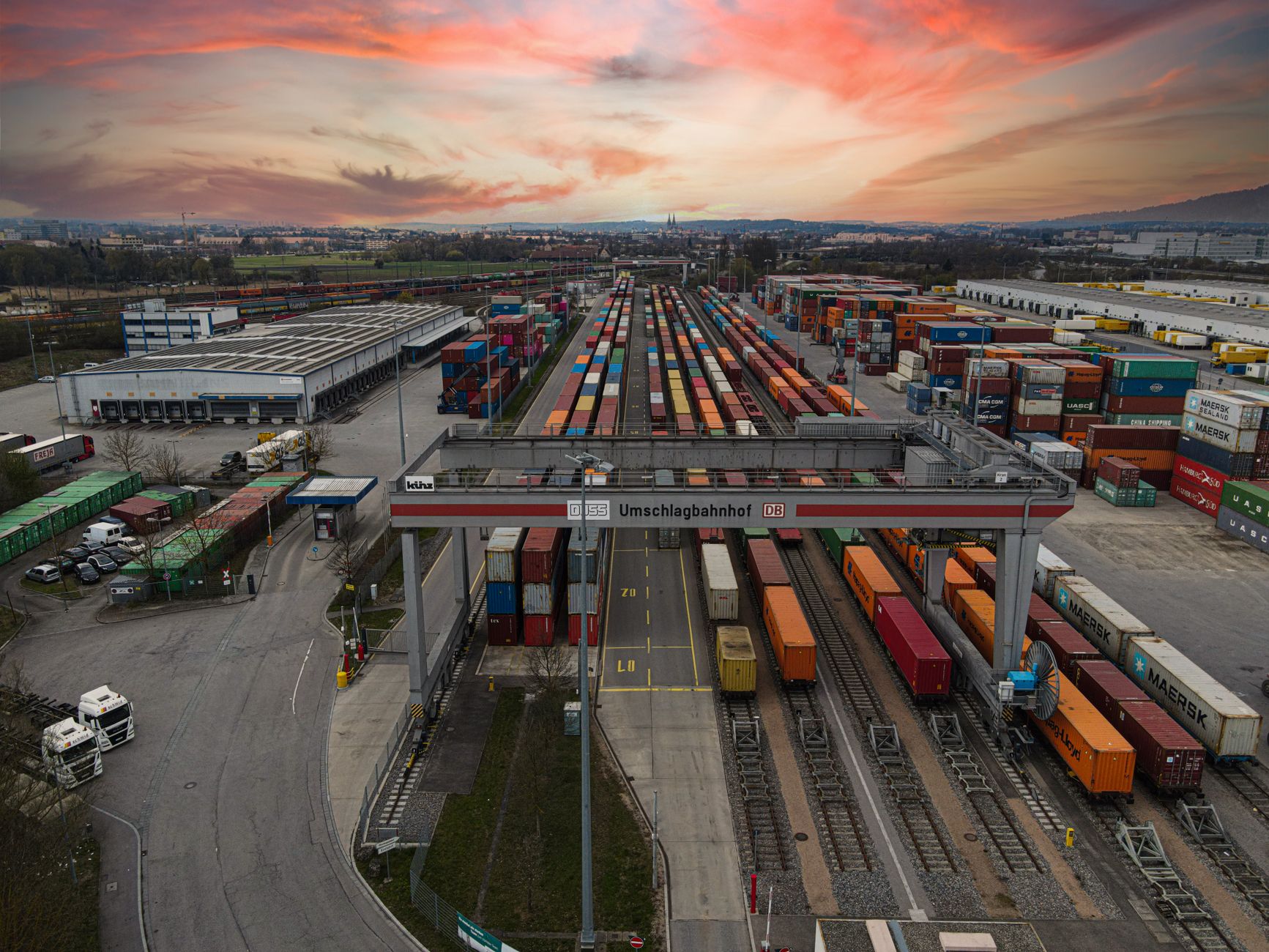
Morgan Stanley warns that a proposed 90-day ban on U.S. diesel exports might lead to increased gasoline prices. The White House is preparing this plan as gas prices could rise benefiting domestic supplies. Diesel has a significant role in the U.S. oil market, and limiting exports may alter the supply dynamics. For ordinary investors, higher gasoline costs could affect transportation and logistics expenses, impacting broader market prices.
Read More: Diesel Export Ban Could Raise Prices, Morgan Stanley Reports
California Sales of Higher-Ethanol Fuel Approved to Lower Costs
California has approved the sale of higher-ethanol fuel, a move aimed at reducing gasoline costs. This decision is expected to increase the availability of alternative fuel options in the state. By utilizing higher percentages of ethanol, the hope is to offer consumers a cheaper and more sustainable gasoline alternative. This matters for ordinary investors as it could affect gas prices and demand, especially in the context of California's significant market influence in the energy sector.
Read More: California Sales of Higher-Ethanol Fuel Approved to Lower Costs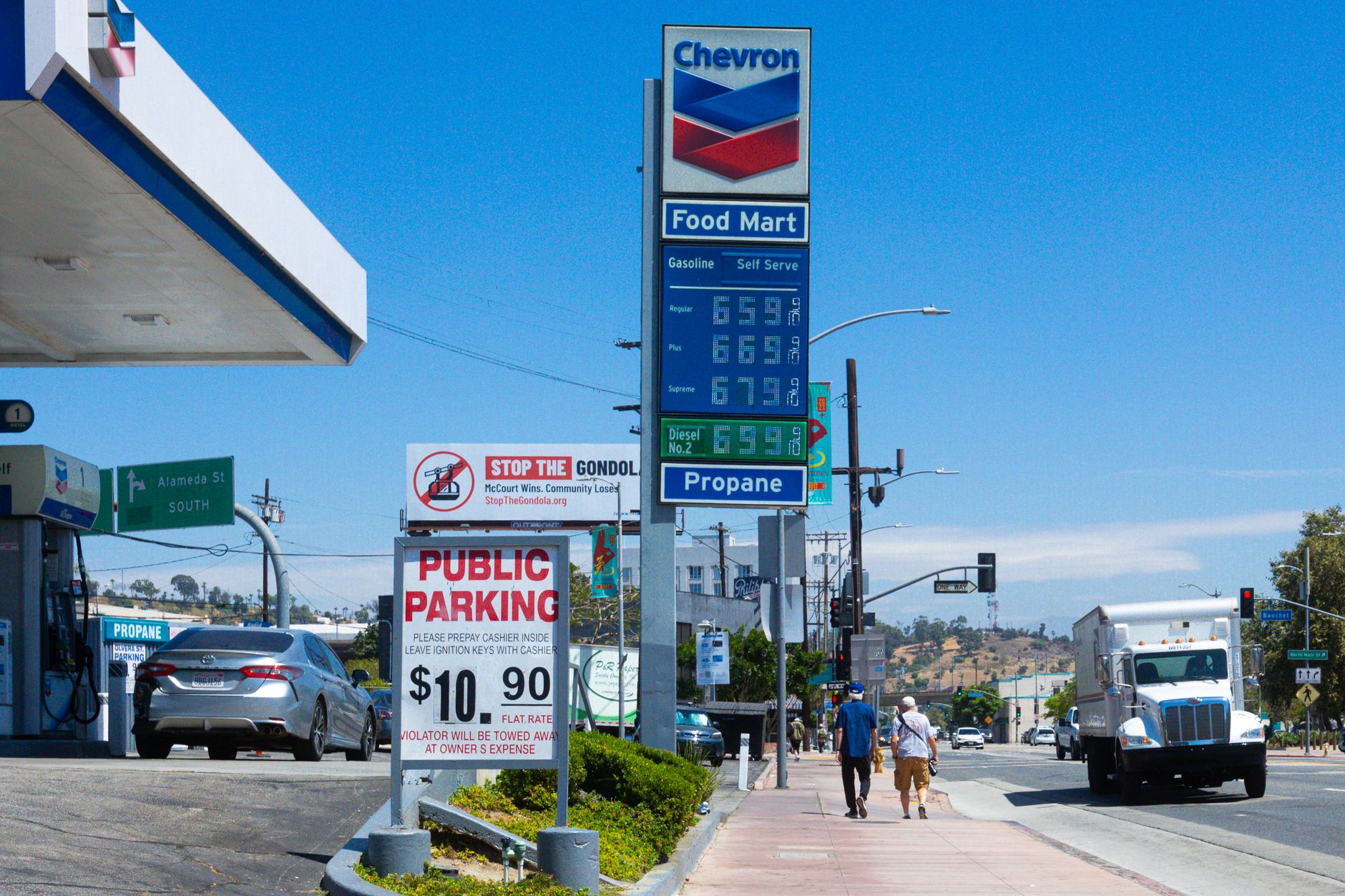
$5 Gasoline Costs Prompt Significant Holiday Shift Plans
Gas prices have reached $5 per gallon, impacting travel plans for the upcoming holiday. Many families are reconsidering their travel methods or staying home to avoid high fuel costs. This change comes as the U.S. sees an increase in gasoline demand coinciding with the holiday season. Higher gasoline costs may lead to decreased consumer spending in other areas as families adjust their budgets to accommodate this expense.
Read More: $5 Gasoline Costs Prompt Significant Holiday Shift Plans
Inflation Rises 3.4% Annually in August 2026, Gas Prices Surge
The consumer price index rose 3.4% annually in August 2026, unchanged from July, according to the Bureau of Labor Statistics. Gasoline prices increased nearly 4% in August and are over 27% higher than in August 2025, averaging about $4.30 per gallon. These increases are attributed to tensions in the Middle East, which have restricted oil supplies. The data suggests that the Federal Reserve may increase interest rates at its upcoming meeting to manage inflation, which has been above the target for over five years, impacting consumers who rely on borrowing.
Read More: Inflation Rises 3.4% Annually in August 2026, Gas Prices Surge
Crack Spread Widening Signals Rising Gasoline Prices
The crack spread, which measures the price difference between gasoline and crude oil, has widened sharply. This change indicates that gasoline prices are rising faster than crude oil prices. The widening crack spread could impact consumer costs and market dynamics. Investors should be aware of how this trend can affect overall energy sector performance.
Read More: Crack Spread Widening Signals Rising Gasoline Prices
FederalReserve Reports 14% Food Insecurity Among Households in 2024
The Federal Reserve Bank of New York reported that nearly 14% of American households faced food insecurity in 2024, highlighting increasing financial strain among low- and middle-income groups. Prolonged inflation has resulted in these households allocating a greater share of their budgets to rising costs like housing, food, and utilities. With the expiration of expanded Supplemental Nutrition Assistance Program benefits, concerns over food insecurity have escalated. Additionally, the national average gasoline price rose to $4.46 per gallon, up approximately 40% year-over-year, further exacerbating economic challenges for these households.
Read More: FederalReserve Reports 14% Food Insecurity Among Households in 2024
SLB and HAL Predict Crude Prices Will Stay Elevated Long-term
SLB and Halliburton (HAL) expressed expectations that crude oil prices will remain elevated for an extended period. This forecast could impact various products, particularly gasoline, which is closely monitored by consumers and markets. Both companies have positioned their analyses amid ongoing geopolitical tensions, suggesting a longer-term trend rather than a temporary spike. This outlook may influence market strategies for oil-related assets and products moving forward.
Read More: SLB and HAL Predict Crude Prices Will Stay Elevated Long-term