gasprices News & Analysis
50 articles
Market Mood
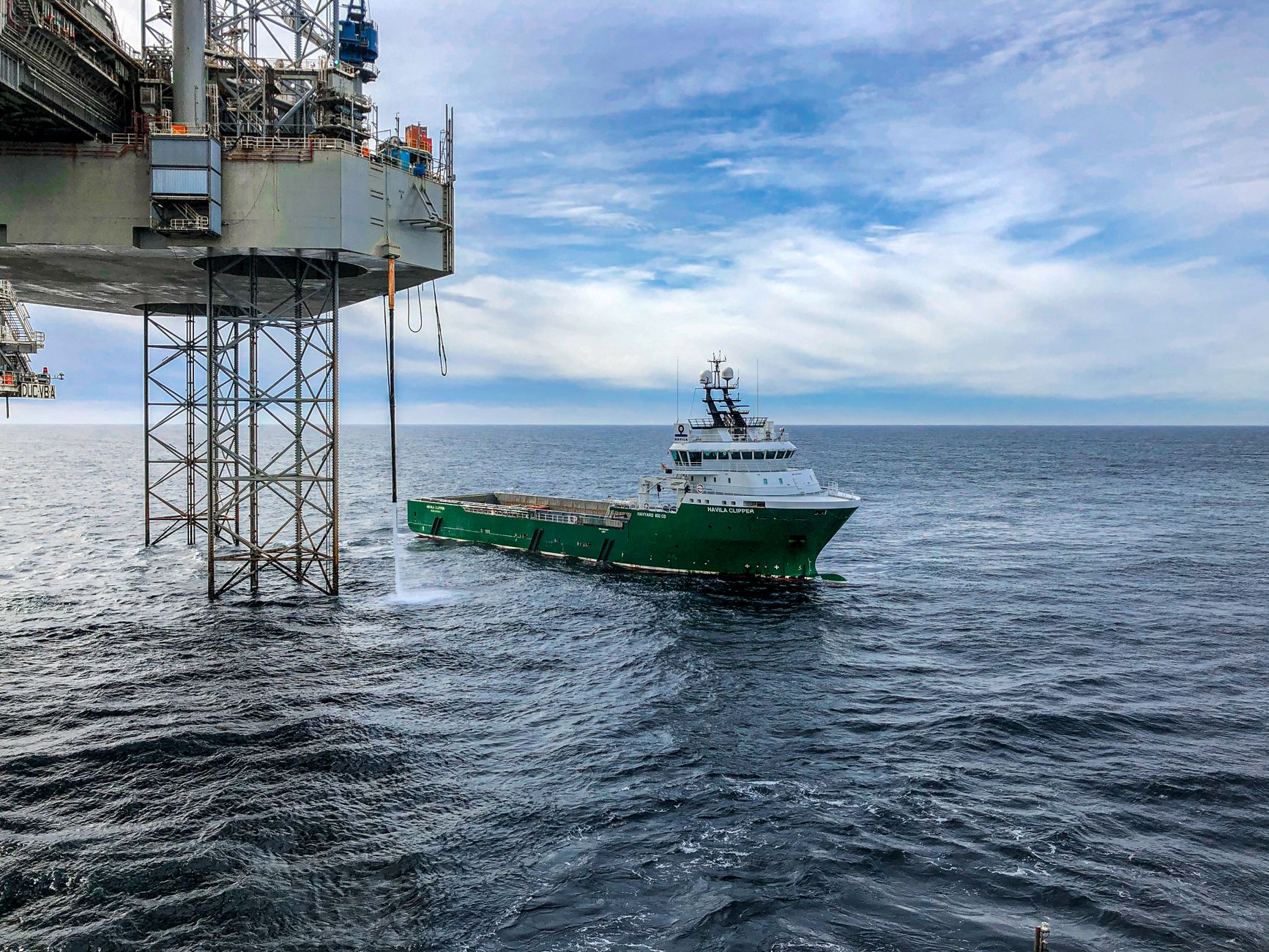
U.S. Energy Maintains Stability Amid Hormuz Supply Disruptions
The U.S. energy system has helped mitigate supply losses from the Middle East due to the closure of the Strait of Hormuz. American crude oil production has reached record highs, with investments in oil and natural gas totaling about $150 billion annually. However, crude and petroleum product inventories have fallen below the five-year average, leaving the market vulnerable. Currently, the national average gasoline price is $4 per gallon, up $1 since February, indicating tighter domestic supply conditions. This matters for investors as it signals ongoing volatility in energy prices influenced by geopolitical tensions.
Read More: U.S. Energy Maintains Stability Amid Hormuz Supply Disruptions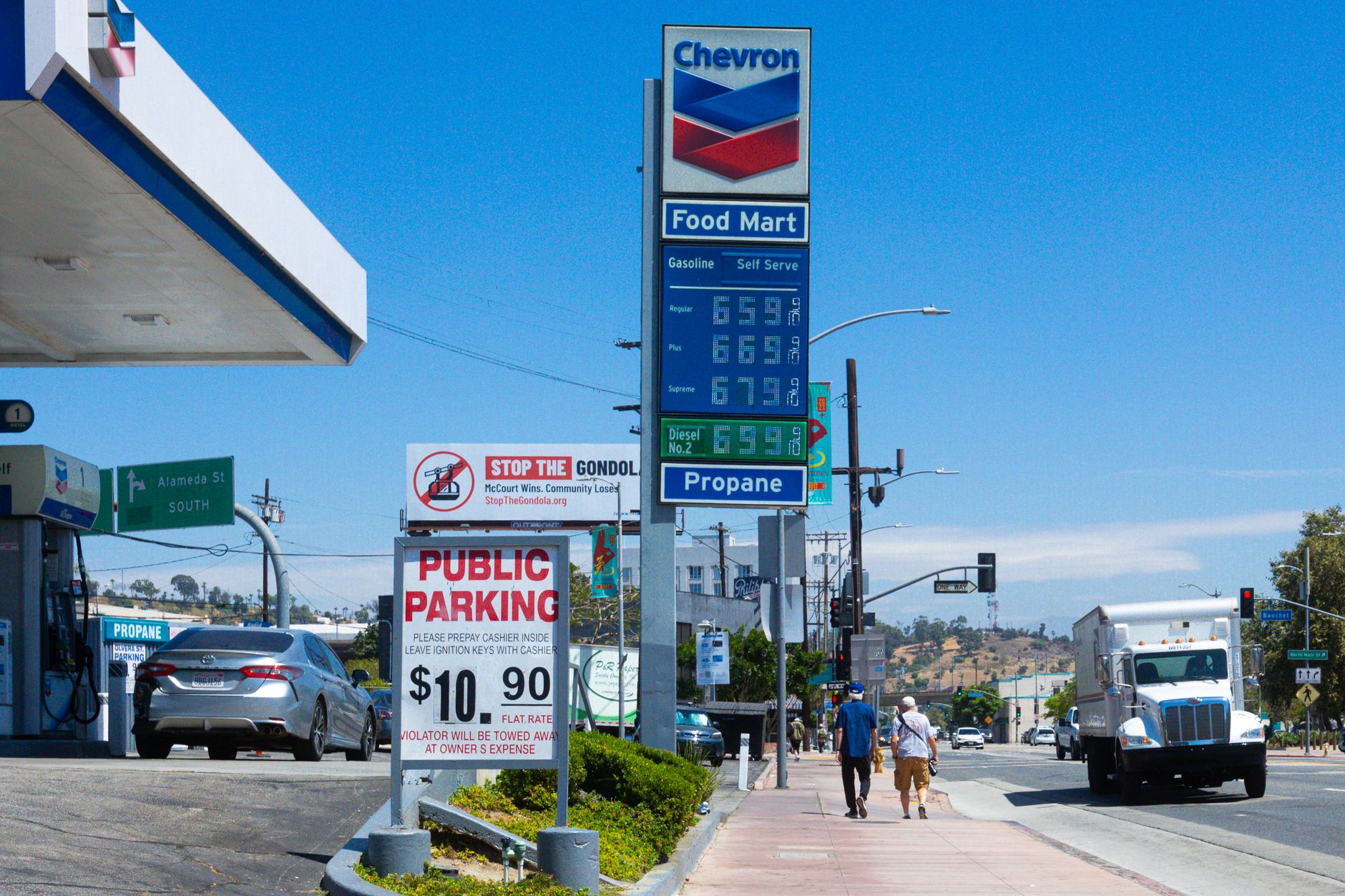
Trump Calls for Lower Gas Prices, Criticizes Exxon and Chevron Earnings
Former President Donald Trump criticized Exxon Mobil Corp (XOM) and Chevron Corp (CVX) for their high profits, claiming they need to lower gasoline prices. These companies experienced significant financial gains amid rising oil prices. The remarks come in the context of ongoing concerns about consumer costs related to fuel. Trump's demand for lower prices could influence market dynamics and consumer sentiment regarding these energy companies.
Read More: Trump Calls for Lower Gas Prices, Criticizes Exxon and Chevron Earnings
New Tariffs and Gas Prices Rise Costs by $1,100 for Households
On July 24, President Trump imposed new tariffs on imports from over 80 countries, with rates ranging from 10% to 12.5%. These tariffs are estimated to increase costs for American households by about $1,100, according to Yale's Budget Lab. Concurrently, the national average gas price has risen to $4.10 per gallon from $3.16 a year ago, as reported by AAA. This financial pressure is leading to increased stress among Americans regarding their finances, with half believing the U.S. economy will worsen in the next year. This situation is critical for ordinary investors as it may affect consumer spending and overall economic growth.
Read More: New Tariffs and Gas Prices Rise Costs by $1,100 for Households
Gas Prices Surge 15 Cents Amid Iran Conflict Concerns
The national average gas price has increased by 15 cents recently, driven by disruptions in global supply due to the conflict involving Iran. Factors including rising gas and diesel prices may impact consumer spending on essential goods such as groceries and back-to-school items. These price changes can influence inflation rates and economic conditions. Higher gas prices could lead to increased costs for businesses and consumers, affecting market conditions. This situation matters for ordinary investors as ongoing shifts in oil prices can directly impact economic growth and consumer behavior.
Read More: Gas Prices Surge 15 Cents Amid Iran Conflict Concerns
Costco Gas Sales Surge Amid Rising Prices, Record Demand Seen
Costco's gas stations experienced record demand during the quarter ending May 10, leading to multiple daily fuel deliveries at several warehouses. The company has seen double-digit growth in gallons sold, even as U.S. gasoline consumption remains flat due to rising prices. Costco consistently priced its fuel an average of 9 cents per gallon below its five largest local competitors and 24 cents below the state average from April 2025 to March 2026. This strategy encourages more frequent visits and higher membership renewals, making it a key focus for Costco (COST) and enhancing its overall business model.
Read More: Costco Gas Sales Surge Amid Rising Prices, Record Demand Seen
U.S. diesel price jumps 34 cents to $5.13 amid Iran war
The U.S. average price for diesel rose 34 cents last week to $5.13 per gallon, marking the largest weekly increase since March. This climb in diesel prices occurs amid ongoing issues stemming from the Iran war, with the U.S. energy sector showing increased vulnerability as refinery capacity hits 96.1%. The national average gas price also increased by 4.4% to $4.06 a gallon over the past week. For ordinary investors, rising fuel prices often translate to higher operational costs for many industries, potentially impacting overall economic performance.
Read More: U.S. diesel price jumps 34 cents to $5.13 amid Iran war
US Gas Prices Rise to Average $4 Amid US-Iran Attacks
US gas prices have risen to an average of $4 per gallon as military tensions escalate between the US and Iran. This increase in fuel costs can impact consumer spending and inflation, which are important considerations for markets. The price movement reflects the ongoing geopolitical instability and its effects on energy markets. Understanding these developments is crucial for investors as rising gas prices often influence broader economic conditions.
Read More: US Gas Prices Rise to Average $4 Amid US-Iran Attacks
Freedom Fuel Stations Launch Amid Price Concerns in Pennsylvania
Trump is promoting the launch of 'Freedom Fuel' gas stations in Pennsylvania and New Jersey to provide cheaper gas, with specific details on pricing mechanisms currently unclear. This initiative comes as gas prices have surged, causing frustration among drivers. The expansion may influence competition within the regional gas market by driving down prices. These changes could impact fuel availability and pricing for consumers in the affected states, making cheaper fuel more accessible, which matters as it directly affects everyday motorists' expenses.
Read More: Freedom Fuel Stations Launch Amid Price Concerns in Pennsylvania
Gas Prices Rise to $3.84 as Oil Hits $75 Per Barrel
The national average of gas prices reached $3.84, up 5 cents from the previous day, influenced by oil prices that rose as high as $75 per barrel on Wednesday. However, WTI (West Texas Intermediate) crude oil fell below $72 per barrel on Thursday. Traders on Kalshi estimate a 43% chance that gas prices will exceed $4.60 this year, an increase from previously reported odds of one in three. This market sentiment emerges amidst heightened U.S.-Iran tensions that could affect fuel supply and costs for consumers. The current trend in rising gas prices may impact budgets for everyday drivers and consumers.
Read More: Gas Prices Rise to $3.84 as Oil Hits $75 Per Barrel
Trump urges gas stations to lower prices to $2.50 gasoline
Former President Trump has called for gasoline retailers to immediately reduce gas prices to $2.50 per gallon. He warned of potential 'big problems' if they fail to comply. Chevron stated that there is no quick solution to the rising gas prices. Additionally, Trump has suggested that the DOJ investigate oil companies for price gouging, which could impact their operations and pricing strategies. This demand for lower prices comes as market observers note that gasoline prices have not consistently reflected the decline in crude oil prices.
Read More: Trump urges gas stations to lower prices to $2.50 gasoline
Europe Gas Prices End 6-Day Streak Amid Tensions
European gas prices halted a six-day decline following tensions in Lebanon and the exit of Vance. The Dutch TTF gas price increased by 7.5% to €40.24 per megawatt-hour on October 5. The rising costs are significant for energy markets in Europe, as they may influence supply dynamics and consumer prices. Analysts are closely monitoring geopolitical developments that could impact energy supply in the region.
Read More: Europe Gas Prices End 6-Day Streak Amid Tensions
Gas Prices Remain Above $4 Per Gallon Despite Events in Iran
On Monday, the average retail gasoline price in the U.S. was reported to be just above $4 per gallon. This price point is considered psychologically significant for consumers and can influence market behavior. The potential impacts on gasoline prices are tied to geopolitical events, such as the U.S.'s deal regarding the Iran war. Any stabilization or decline in prices could affect overall consumer spending and inflation rates.
Read More: Gas Prices Remain Above $4 Per Gallon Despite Events in Iran
Federal Reserve Response to Rising Grocery and Gas Prices
Global disruptions have increased grocery and gasoline prices in the U.S., significantly impacting consumers. The Federal Reserve's ability to mitigate these supply shocks is limited, emphasizing the need for congressional action to address price gouging. The implications for inflation could affect economic stability and consumer spending patterns. While specific data points were not included, the rise in prices is a critical concern for market watchers and policymakers.
Read More: Federal Reserve Response to Rising Grocery and Gas Prices
Walmart (WMT) shares drop 7% after worse-than-expected outlook
Walmart (WMT) has issued a worse-than-expected financial outlook, leading to a 7% decline in its stock price. The company has indicated that rising gas prices are affecting consumer spending, which complicates its sales strategies. This warning suggests that Walmart may need to raise prices to offset the increased fuel costs. The violation of a key technical level in Walmart's stock is raising concerns among investors who were hopeful for a bullish trend.
Read More: Walmart (WMT) shares drop 7% after worse-than-expected outlook
Gas Prices Affect Inflation Expectations for Lower Earners
Recent data indicates that rising gas prices are contributing to increased inflation expectations among lower-income earners. The Labor Department reported a 4.3% year-over-year increase in gas prices. This surge impacts consumer purchasing power, potentially influencing market behavior. The inflation expectations can lead the Federal Reserve to consider adjusting monetary policies to stabilize prices further. Such adjustments could impact various sectors including energy and retail.
Read More: Gas Prices Affect Inflation Expectations for Lower Earners
Walmart (WMT) projects sales growth drop to 4-5% amidst high gas prices
Walmart (WMT) has warned that its sales growth will slow to between 4% and 5% from previous levels due to rising gas prices impacting consumer spending. The average price of gas has reached $4.56 per gallon, up from $3 since the onset of the Iran war. Walmart's first-quarter profit was $5.3 billion, an 18.8% increase year-over-year, with sales rising 7.3% to $177.8 billion. However, investor concerns led to a 7% decline in the company's shares in response to the outlook provided by finance boss John David Rainey.
Read More: Walmart (WMT) projects sales growth drop to 4-5% amidst high gas prices
Walmart (WMT) Issues Lower Earnings Forecast Amid High Gas Prices
Walmart (WMT) reported fiscal first-quarter results, highlighting adjusted earnings per share expected to fall between $2.75 and $2.85, below forecasts of $2.91. The retailer anticipates net sales to rise by 3.5% to 4.5% for the year and 4% to 5% for the current quarter. In Q1, Walmart's revenue increased by 7%, reaching $177.75 billion, outperforming expectations of $174.98 billion. Despite this growth, shares dropped approximately 2% in premarket trading as investors reacted to the lower outlook and concerns about consumer spending.
Read More: Walmart (WMT) Issues Lower Earnings Forecast Amid High Gas Prices
High Gas Prices Spur Americans to Seek Alternatives Amid Rising Costs
Americans are finding creative solutions to cope with increasing gas prices, including using public transport and alternative modes of transportation. As gas prices continue to rise, the demand for public transit options has seen a notable increase. Reports indicate that many individuals are opting for ridesharing or non-traditional vehicles such as bicycles and scooters. This trend could impact transportation companies and related sectors as more consumers adjust their travel habits amidst higher fuel costs.
Read More: High Gas Prices Spur Americans to Seek Alternatives Amid Rising Costs
Walmart (WMT) Alerts on Spending Changes Above $4.50 Gas Prices
Walmart (WMT) reported that customer spending decreases once gas prices reach between $4.50 and $5.00 per gallon. This information highlights the impact of energy costs on consumer behavior, which could affect overall retail sales. As fuel prices continue to fluctuate, retailers like Walmart and Target could see changes in their shopping traffic and sales figures. Understanding these thresholds is important for investors assessing the retail market's response to gas price increases.
Read More: Walmart (WMT) Alerts on Spending Changes Above $4.50 Gas Prices
Gas Price Relief Efforts Amid Iran War: White House Actions
The White House is reportedly working to provide gas-price relief as the ongoing conflict involving Iran continues to impact markets. Gas prices have seen fluctuations due to geopolitical tensions, with U.S. crude oil prices impacting consumer costs. While no specific price changes or relief measures were mentioned, these efforts indicate a focus on stabilizing market conditions and alleviating pressure on American consumers. The situation highlights the ongoing relationship between geopolitical events and energy prices, affecting various sectors reliant on fuel. This is particularly relevant for energy companies and consumers across the U.S.
Read More: Gas Price Relief Efforts Amid Iran War: White House Actions
U.S. Beer Sales Drop 6.3% Amid Rising Gas Prices
U.S. beer sales experienced a 6.3% year-over-year decline through the week ending May 2, as reported by Nielsen data. This drop raises concerns about discretionary spending affected by increasing gasoline prices, which average $4.51 per gallon according to AAA. Convenience stores like 7-Eleven and Exxon showed a 9% volume decrease, indicating sensitivity to gas prices. States with the highest gas prices, such as California, saw beer volume decline by 16%, further reflecting the impact of fuel costs on consumer behavior.
Read More: U.S. Beer Sales Drop 6.3% Amid Rising Gas Prices
Consumer Sentiment Hits Record Low at 48.2 in May Survey
The University of Michigan's Survey of Consumers revealed a preliminary consumer sentiment reading of 48.2 in May, down 3.2% from April and 7.7% year-over-year. Economists expected a higher reading of 49.7. Concerns were primarily driven by surging gas prices, which averaged $4.54 per gallon, increasing nearly 40 cents from the previous month. Despite these declines, the expectations index rose slightly to 48.5, and inflation projections eased modestly, indicating ongoing concerns about economic conditions but with slight optimism for future expectations.
Read More: Consumer Sentiment Hits Record Low at 48.2 in May Survey
Fed Reports Low-Income Americans Cut Gas Spending Amid Price Surge
According to the Federal Reserve, low-income Americans have reduced their gas spending in response to rising prices. This change is significant as it indicates how inflation impacts consumer behavior, particularly among lower-income households. The report suggests a shift in spending priorities as families face higher costs for essentials. This trend could influence overall consumer spending patterns, potentially impacting broader economic growth.
Read More: Fed Reports Low-Income Americans Cut Gas Spending Amid Price Surge
Gas Prices Surging 56% Impact Lower-Income Households, Fed Reports
According to a study by the Federal Reserve of New York, lower-income households (earning less than $40,000) saw a 12% increase in gas spending during March 2026, compensating by reducing consumption by 7%. In contrast, high-income households (earning over $125,000) raised their gas spending by 19% while only reducing consumption by 1%. Consumer prices overall have risen about 28% since March 2020, driven by ongoing inflation pressures that continue to disproportionately affect lower-income earners. Gasoline prices rose from approximately $3.81 to $4.30 per gallon amid an energy price spike linked to the ongoing geopolitical situation.
Read More: Gas Prices Surging 56% Impact Lower-Income Households, Fed Reports
Gas Prices Reach $4.39 as National Average Increases 8% in May
The national average price for a gallon of regular gas hit $4.39 on May 1, according to AAA, up 8% from $4.06 a month earlier. This price increase is impacting consumers' budgets, as they are also facing higher costs for essentials like food. Various strategies, including using apps like GasBuddy, are recommended to find cheaper gas prices. Memberships at wholesale clubs such as Costco, Sam's Club, and BJ's offer potentially lower fuel prices, with annual fees ranging from $60 to $120. These tools may help mitigate rising fuel expenses for consumers.
Read More: Gas Prices Reach $4.39 as National Average Increases 8% in May
Californians See Gas Prices Reach $6 per Gallon on Route 66
Gas prices in California have reached $6 per gallon, impacting drivers along Route 66. This increase can affect consumer spending and transportation costs, potentially influencing the state's economy. The rise in fuel costs reflects broader trends in the energy market, which may lead to increased inflation pressures. Monitoring gas price fluctuations is crucial for investors and consumers alike, as it can signal changes in market dynamics.
Read More: Californians See Gas Prices Reach $6 per Gallon on Route 66
Gas Prices Rise Over 40%; Credit Cards Offer Transit Savings
Gas prices have surged from a national average of $2.81 in January to $4.02 as of April 21, 2026, representing an over 40% increase. This unprecedented rise has prompted consumers to explore cost-effective alternatives such as public transportation and rideshare options. Various credit cards are now available that offer rewards on transit, with some providing 5% cash back on eligible categories. One notable mention is the Citi Custom Cash® Card, which allows consumers to earn rewards without prior activation for their highest spending category each month, capped at $500.
Read More: Gas Prices Rise Over 40%; Credit Cards Offer Transit Savings
Oil Exportation Yet Rising Gas Prices in the US Explained
The United States is currently a net exporter of oil, with domestic production and refining capacity contributing to its energy independence. Despite this status, gas prices have reportedly increased due to various market dynamics. Specific figures or percentage changes regarding current gas prices or oil production levels were not provided. This situation raises questions about the interplay between production levels and consumer prices, potentially impacting market perceptions surrounding energy stocks.
Read More: Oil Exportation Yet Rising Gas Prices in the US Explained
U.S.-Iran War Impacts Consumer Spending Amid $4 Gas Prices
Consumer spending continues despite the ongoing U.S.-Iran war and gas prices reaching $4. However, there has been a noticeable decrease in spending at entertainment and dining venues, which is negatively affecting local economies. This shift could indicate changing consumer behavior driven by geopolitical and economic stressors. Monitoring these trends is vital for businesses and investors assessing market stability and growth potential.
Read More: U.S.-Iran War Impacts Consumer Spending Amid $4 Gas Prices
California Gas Prices Surge to $5.89 Amidst Iran War Impact
Traffic through the Strait of Hormuz is reportedly more than 90% below pre-war levels since the Iran war began on February 28. The national average for regular gas in the U.S. is $4.13, while in California, it has soared to $5.89. Diesel prices reached a record high of $7.75 in California as of April 9. Chevron's president, Andy Walz, expressed concerns about supply on the West Coast, emphasizing California's dependence on imported crude oil, primarily from Asia, which is experiencing tight inventories due to the conflict.
Read More: California Gas Prices Surge to $5.89 Amidst Iran War Impact
Gas Prices Rise 39% to $4.15 Amid Increased Travel Costs
As of April 10, the average gas price hit $4.15, a 39% increase from $2.98 on February 26, which is the highest price since summer 2022. Airfares rose by 2.7% in March and are up over 14% since last year. These rising costs could affect consumer spending on travel in the upcoming summer season. The implications for travel-related sectors may include potential shifts in demand as travelers seek cost-saving alternatives.
Read More: Gas Prices Rise 39% to $4.15 Amid Increased Travel Costs
Record gas price surge drives U.S. inflation to new heights
In March 2026, U.S. inflation surged, largely driven by record gas prices amid geopolitical tensions. The consumer price index rose significantly, confirming market fears of inflation following the Iran war. Gas prices experienced a sharp increase, contributing to a broader inflationary trend. The escalating costs are likely to impact consumer spending and central bank policies, affecting companies reliant on stable pricing and consumer confidence.
Read More: Record gas price surge drives U.S. inflation to new heights
Social Security COLA Estimate Rises to 3.2% for 2027 Amid Inflation
The Social Security cost-of-living adjustment (COLA) for 2027 could increase to 3.2% due to rising inflation and gasoline prices, according to analyst Mary Johnson. This estimate is an increase from a prior forecast of 1.7%. Approximately 75 million beneficiaries received a 2.8% COLA increase in 2026, translating to an average retirement benefit boost of $56 per month. In the past decade, the average COLA has been 3.1%, with notable increases of 5.9% in 2022 and 8.7% in 2023, indicating significant adjustments in response to inflationary pressures.
Read More: Social Security COLA Estimate Rises to 3.2% for 2027 Amid Inflation
US Inflation Hits 3.3% in March as Gas Prices Surge 21.2%
US inflation accelerated to 3.3% year-over-year in March, up from 2.4% in February, according to the Labor Department. This increase marks the largest monthly change since 2022, primarily driven by a 21.2% rise in gas prices. The cost of a gallon of gas in California reached $5.93, significantly above the national average of $4.16. Rising energy costs are expected to have broader implications for inflation, with potential increases in prices for various goods as companies pass on higher expenses to consumers.
Read More: US Inflation Hits 3.3% in March as Gas Prices Surge 21.2%
European Gas Prices Increase Amid LNG Flow Constraints
European gas prices have risen due to constrained LNG flows through the Strait of Hormuz. The limitations in LNG supply are significant as Europe relies on imports for its gas needs, affecting market stability. The exact percentage change in gas prices is not specified, but the constraints are expected to influence energy trading and prices in the upcoming period. This situation may lead to increased volatility in gas markets, impacting associated commodity prices.
Read More: European Gas Prices Increase Amid LNG Flow Constraints
Big Sur Gas Prices Reach $10 Per Gallon Amid Supply Limits
A gas station in Big Sur, California, is charging $10 per gallon for gasoline. The owner stated that due to limited supply, they are unable to raise prices further. This price point significantly impacts consumers and could reflect broader market trends in fuel pricing. The high prices may lead to increased scrutiny on fuel pricing policies and potential consumer backlash.
Read More: Big Sur Gas Prices Reach $10 Per Gallon Amid Supply Limits
Iran (IRNA) and Oman draft oil monitoring protocol for Hormuz Strait
Iran and Oman are in the process of drafting a protocol to monitor tanker traffic through the Strait of Hormuz. The Iranian deputy minister, Kazem Gharibabadi, stated that this protocol aims to ensure safe passage and provide better services without imposing restrictions. The U.S. stock indexes, which were initially declining, shifted to positive territory following the news. Meanwhile, average U.S. gas prices have increased over 30% in a month, surpassing $4 per gallon, highlighting the broader economic impacts related to oil supply disruptions.
Read More: Iran (IRNA) and Oman draft oil monitoring protocol for Hormuz Strait
Gas Prices Under $4 Vital for Economic Expansion, Says Jeremy Siegel
Economist Jeremy Siegel stated that the U.S. economy can continue to expand as long as gasoline prices remain below $4 per gallon. This threshold is critical for consumer spending and overall economic health. The statement underscores the impact of fuel prices on economic growth and inflation. Monitoring gas prices may influence market strategies for various sectors.
Read More: Gas Prices Under $4 Vital for Economic Expansion, Says Jeremy Siegel
Gas-tax holidays impact on drivers amid $4 per gallon prices
Limited data available — the article discusses the concept of gas-tax holidays amidst current gas prices at $4 per gallon. It suggests that while these tax suspensions may be politically favorable, they do not effectively reduce costs for drivers. The analysis notes a discrepancy between political intentions and the financial reality for consumers. There are no specific figures or official statements provided to support any conclusions.
Read More: Gas-tax holidays impact on drivers amid $4 per gallon prices
Gas Prices Reach $4 Per Gallon in the US, Highest Since 2022
U.S. gasoline prices have surpassed $4 per gallon, marking the first occurrence since 2022. This increase is attributed to factors including geopolitical tensions, as fuel prices have risen more than 30%. The national average now represents a significant cost burden for consumers and could impact spending in other sectors. The rising costs may lead to broader inflationary pressures and influence monetary policy decisions moving forward.
Read More: Gas Prices Reach $4 Per Gallon in the US, Highest Since 2022
U.S. Gasoline Hits $4.018/gal, Highest Since 2022
U.S. gasoline prices have reached a nationwide average of $4.018 per gallon, the highest since August 2022. Prices have surged more than 30% since late February, following the U.S. and Israel's response to escalating tensions with Iran. Diesel prices also crossed the $5 per gallon mark on March 17, exceeding pre-conflict levels by over 40%. Energy Secretary Chris Wright announced plans to increase diesel supply to mitigate these rising costs, which are predicted to fuel inflation in the coming months.
Read More: U.S. Gasoline Hits $4.018/gal, Highest Since 2022
Gas Prices Near $4/Gallon Amid Iran Conflict; Supply Costs Rising
Gasoline prices have reached nearly $4 a gallon due to the ongoing Iran conflict, resulting in increased costs across the economy. Supply chain disruptions are contributing to these rising energy costs, impacting consumer spending. The CBS News gas and oil price tracker highlights significant increases in energy prices, which could lead to broader inflationary pressures in the market. These developments have prompted concerns among consumers regarding their financial stability.
Read More: Gas Prices Near $4/Gallon Amid Iran Conflict; Supply Costs Rising
U.S. Gasoline Price Reaches Nearly $4 Amid Middle East Conflict
As of Thursday, the average price of gasoline in the U.S. has increased to almost $4 per gallon. This rise in fuel costs is attributed to ongoing conflicts in the Middle East, which analysts suggest could lead to accelerating inflation. The potential for deflation remains of concern for consumers and investors. This situation may impact market sentiment and economic forecasts as inflationary pressures are weighed against the risk of deflation.
Read More: U.S. Gasoline Price Reaches Nearly $4 Amid Middle East Conflict
Gasoline Prices Remain High, Up Nearly $1 Over Last Month Amid Falling Oil
Gasoline prices at the pump are near $4 per gallon, representing a nearly $1 increase compared to a month ago. Falling oil prices could indicate potential relief for consumers in the future. The current price dynamics may impact consumer spending and inflation measures. Close monitoring of oil market trends and their correlation with gasoline prices will be essential for future market predictions.
Read More: Gasoline Prices Remain High, Up Nearly $1 Over Last Month Amid Falling Oil
S&P 500 Down 3.7% Since Feb. 28 Amid Iran Conflict; Gas Prices Rise $1
Since February 28, the S&P 500 has declined by 3.7% following events related to the Iran conflict, including the assassination of Iranian Supreme Leader Ali Khamenei. However, the index remains up 15% over the past year. Gas prices have increased by approximately $1 per gallon in the past month. Analysts note that while this pullback is significant, a 5% drop is common and should not derail long-term investment plans, particularly for retirees. The conflict has also raised expectations for sustained inflation.
Read More: S&P 500 Down 3.7% Since Feb. 28 Amid Iran Conflict; Gas Prices Rise $1
Gas Prices Surge Over 30% in Two Weeks Amid Iran War Concerns
Gas prices have increased by more than 30% in some U.S. states within two weeks, attributed to geopolitical tensions stemming from the Iran war. This surge in prices is significant as it impacts consumer budgets and may affect the financial performance of U.S. automakers. Given that the U.S. is a leading oil producer, the sharp rise in prices raises questions about market dynamics and supply issues. Analysts are monitoring the situation closely for potential broader market implications.
Read More: Gas Prices Surge Over 30% in Two Weeks Amid Iran War Concerns
US Eases Sanctions on Iranian Oil Amid Rising Global Gas Prices
The US Treasury has announced the lifting of sanctions on certain Iranian oil exports, a decision that is expected to introduce approximately 140 million barrels of oil to the global market. This move comes as gas prices have soared, raising concerns about inflation and supply stability. The influx of Iranian oil could ease prices and increase supply levels, potentially shifting market dynamics significantly if implemented swiftly. Investors will be closely monitoring these developments for their impacts on crude prices and energy stocks.
Read More: US Eases Sanctions on Iranian Oil Amid Rising Global Gas Prices
California Gas Prices Surge Near $6 Amid Reports of Price Gouging
Gasoline prices in California are nearing $6 per gallon, raising concerns of potential price gouging amidst a failed bill to suspend the gas tax. California’s petroleum watchdog is actively monitoring pricing practices as the disparity between California's gas prices and those in other states widens. This situation arises from various market dynamics, including supply chain issues and increased demand. The persistence of high prices could lead to broader market implications, potentially driving inflation and affecting consumer behavior.
Read More: California Gas Prices Surge Near $6 Amid Reports of Price Gouging
Costco Sees Increased In-Store Traffic Amid Rising Gas Prices
As gas prices continue to rise, Costco is experiencing a surge in customer foot traffic, as shoppers seek more affordable fuel options at its gas stations. This trend not only reinforces Costco's reputation as a value retailer but may also lead to increased sales across its store inventory. The correlation between gas prices and in-store visits highlights a crucial consumer behavior phenomenon that retailers can leverage during inflationary periods. Analysts suggest that this uptick in traffic could bolster Costco's sales figures in the coming quarters, contributing positively to its market performance.
Read More: Costco Sees Increased In-Store Traffic Amid Rising Gas Prices
Gas Prices Surge Amid Ongoing Supply Concerns Following Qatar Attack
In the wake of the recent attack in Qatar, gas prices have surged as analysts predict that supply disruptions may persist longer than anticipated. This rise in prices is significant as it could lead to increased transportation and production costs, ultimately impacting inflation rates. Market analysts are closely monitoring inventory levels and global supply chains to assess the full extent of the impact. With oil prices potentially escalating, stakeholders across various sectors may need to adjust their forecasts accordingly.
Read More: Gas Prices Surge Amid Ongoing Supply Concerns Following Qatar Attack