Kospi News & Analysis
50 articles
Market Mood

KOSPI Drops 4% as Asia Stocks Retreat amid AI Selloff
Asia's stock markets experienced a decline, with the KOSPI dropping 4%. This selloff in AI stocks has overshadowed optimism regarding Iran. The overall sentiment in the market appears to be bearish following these trends. Investors may need to consider the implications of this regional downturn, especially regarding tech sector investments that have faced recent volatility.
Read More: KOSPI Drops 4% as Asia Stocks Retreat amid AI Selloff
Nasdaq Futures Rise as South Korea's Kospi Surges 15%
Nasdaq futures have seen an increase as Wall Street rebounds, while South Korea's Kospi index surged 15% amidst renewed optimism in the AI sector. The Kospi has experienced a remarkable month, marking nearly an 18% increase, significantly driven by growth in chipmaking stocks. This rise reflects a broader confidence in technology investments, particularly related to AI. For ordinary investors, the upward trend in South Korea's market could indicate potential opportunities in tech-focused investments.
Read More: Nasdaq Futures Rise as South Korea's Kospi Surges 15%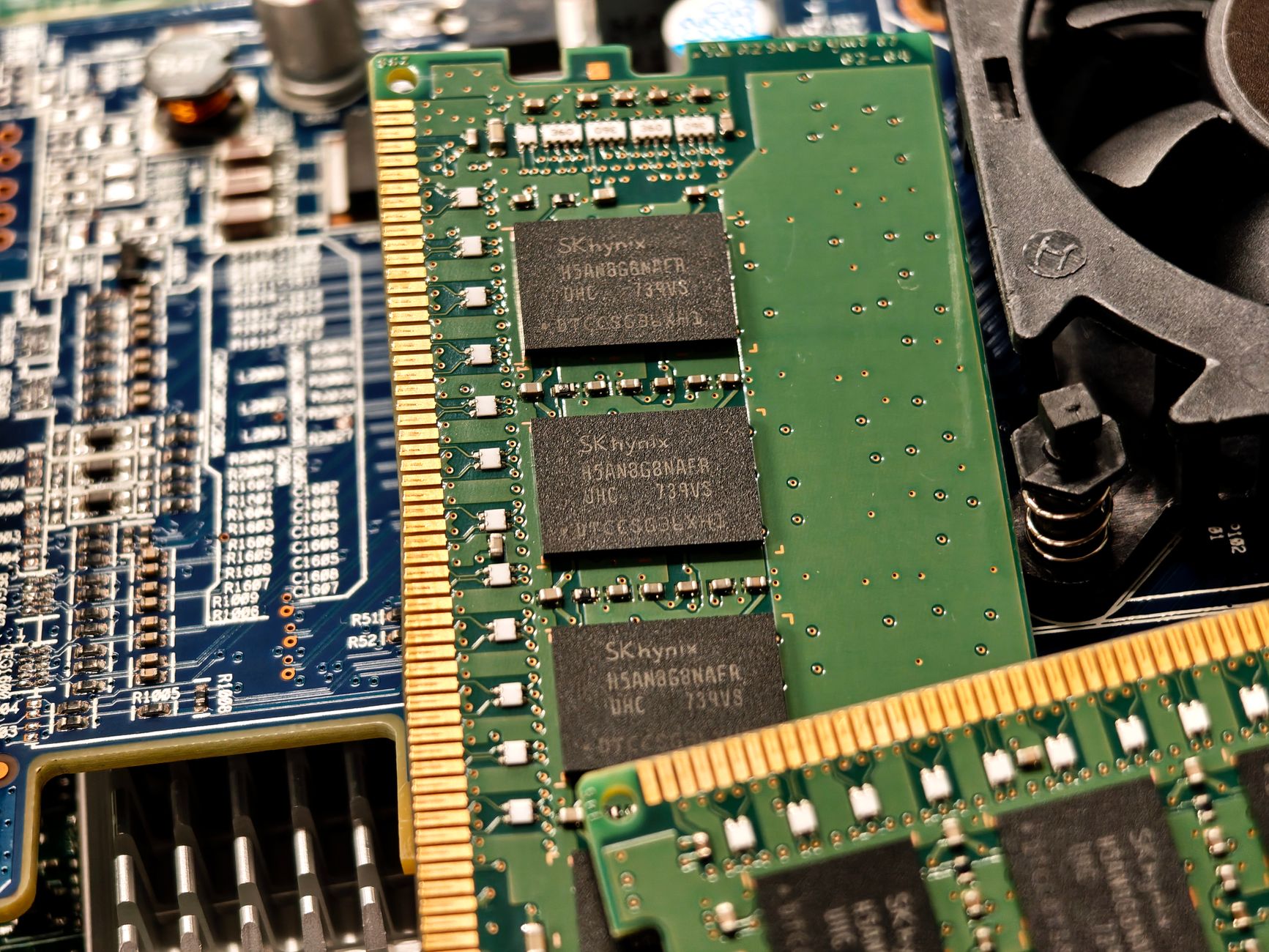
Samsung Electronics (005930) and SK Hynix soar 28% and 30%
On Friday, shares in South Korea rose significantly, with the Kospi index closing nearly 18% higher. This was driven by strong performances from chip makers SK Hynix, which saw a 30% increase, and Samsung Electronics, which rose 28%. These gains followed positive earnings updates from US companies Amazon and Microsoft, which helped lift investor optimism in the technology sector. The stock market had experienced volatility due to concerns over extensive investments in artificial intelligence. For investors, the rebound in chip stocks and subsequent market confidence may indicate potential growth opportunities.
Read More: Samsung Electronics (005930) and SK Hynix soar 28% and 30%
Kospi Index Surges 18% Driven by Chipmaking Stocks Rise
South Korea's Kospi index has increased nearly 18%, driven by a rally in chipmaking stocks. This significant surge indicates strong investor interest in the semiconductor sector, which could affect market dynamics broadly. The increase in the Kospi reflects a positive sentiment for technology and manufacturing industries within South Korea. As tech stocks often influence broader market trends, this rally may present opportunities for investors looking to capitalize on the momentum in the semiconductor market.
Read More: Kospi Index Surges 18% Driven by Chipmaking Stocks Rise
Kospi Index Surges 14% Amid AI Investment Recovery
South Korea's benchmark Kospi index rose 14% on February 2, marking its largest one-day jump, according to data from LSEG. This rally followed gains in U.S. tech stocks due to strong earnings from Microsoft, Amazon, and Meta, leading to renewed confidence in AI investments. The surge came after a month of volatility and a significant previous selloff. Foreign investors played a key role in the rally, which was also supported by SK Group Chairman Chey Tae-won purchasing SK Hynix shares. For investors, this rebound suggests potential opportunities within the tech sector, particularly in AI-related stocks.
Read More: Kospi Index Surges 14% Amid AI Investment Recovery
SK Hynix (000660.KS) and Samsung Lead Kospi Rebound
Asian stocks, particularly the Kospi index, saw a rebound with significant gains driven by SK Hynix and Samsung. The Kospi rallied after facing heavy selling in recent days. The reasons for the rebound are attributed to signs of currency intervention, which have also led to a jump in the yen. This recovery in stock prices may impact investor sentiment towards technology stocks, especially those in South Korea.
Read More: SK Hynix (000660.KS) and Samsung Lead Kospi Rebound
Korean Stocks Surge 15% Amid AI Trade Optimism
Korean stocks jumped 15%, marking a record increase, driven by renewed optimism surrounding artificial intelligence trade. This surge reflects investor enthusiasm and confidence in the sector's growth potential. The optimism has also led to positive market sentiment in Asia, contributing to a more favorable trading environment. This significant market movement may impact investment strategies, particularly for those interested in AI-related sectors.
Read More: Korean Stocks Surge 15% Amid AI Trade Optimism
Kospi Index Falls 6% Amid Mixed Asian Shares and Oil Price Surge
The South Korea Kospi share index declined by 6%, with other Asian shares displaying mixed performance as oil prices surge. This decline is part of a broader trend, exacerbated by disappointing results from SK Hynix. The South Korean stock market has reached a three-month low amid a sell-off in technology stocks, particularly affecting AI-related companies. This situation matters for investors as it reflects overall market sentiment and volatility, particularly in tech sectors closely tied to performance metrics like earnings.
Read More: Kospi Index Falls 6% Amid Mixed Asian Shares and Oil Price Surge
KODEX SK Hynix ETF Falls Over 80% Amid South Korea Chip Stock Rout
South Korea's Finance Minister Koo Yun-cheol apologized as retail investors suffered heavy losses from leveraged Exchange Traded Funds (ETFs) linked to chip stocks. Since the May 27 introduction of single-stock leveraged ETFs, Korean investors made net purchases of 14 trillion won ($9.7 billion), while foreign investors purchased about 2 trillion won. The KODEX SK Hynix Single Stock Leverage ETF has dropped more than 80% from its peak on June 23, and a similar product for Samsung has declined almost 75% since June 3. This downturn follows a nearly 35% decline in the Kospi index over the last month, largely driven by investor concerns over chip stocks. This situation highlights risks for ordinary investors in leveraged products.
Read More: KODEX SK Hynix ETF Falls Over 80% Amid South Korea Chip Stock RoutNasdaq Futures Slide as South Korea's Kospi Drops 11% Amid Selloff
Nasdaq futures declined following a significant selloff in chipmakers, with South Korea’s Kospi dropping nearly 11%. The concerns stem from issues related to A.I. spending and competition in the chip sector, impacting tech stocks globally. Heavy selling has led to mixed performance in world shares as markets react. These developments underscore the vulnerabilities in the semiconductor sector, which is crucial for many tech stocks, including those in the Nasdaq index, and may affect investor sentiment going forward.
Read More: Nasdaq Futures Slide as South Korea's Kospi Drops 11% Amid Selloff
SK Hynix Perpetual Contract Liquidations Total $57 Million
On July 28, 2026, Hyperliquid's SK Hynix perpetual contract (xyz:SKHYNIX) fell 17.9% following a problematic price print from a South Korean stock venue. Approximately $57.4 million in long positions were liquidated across 960 accounts due to a 28.7% implied decline from a pre-market order. This incident occurred during an AI memory stock selloff, as the KOSPI index dropped 8% that morning. The price drop was contained by Trade.xyz's design limits, preventing a greater decline. This information is critical for investors to understand the risks and dynamics affecting perpetual contracts and market volatility.
Read More: SK Hynix Perpetual Contract Liquidations Total $57 Million
Chip Stocks Slide as South Korea's Kospi Falls 10.8% amid AI Jitters
Major chip stocks in the US and Asia have seen significant declines, highlighted by South Korea's Kospi index, which fell by 10.8% after a temporary trading halt. Samsung Electronics and SK Hynix both dropped by over 13%, while Nvidia's shares fell by 5%, resulting in Apple (AAPL) becoming the world's most valuable company. The volatile trading environment attracted many retail investors, with the Kospi losing around a third of its value since mid-June. This trend indicates ongoing caution in tech investments, particularly within the AI sector, which could impact future market movements.
Read More: Chip Stocks Slide as South Korea's Kospi Falls 10.8% amid AI Jitters
AI Stock Sell-off: South Korea's Kospi Leads Declines in Asia
South Korea's Kospi index has experienced a decline as chipmaker stocks face a significant sell-off amid concerns over AI investments. The stock market in Asia is influenced heavily by technology companies that have been impacted by this trend. Investors are reassessing their positions, leading to increased volatility in tech stocks. This deepening sell-off could affect investor sentiment and market stability in the technology sector, which is critical for growth prospects.
Read More: AI Stock Sell-off: South Korea's Kospi Leads Declines in Asia
Oil Prices Dip 6% After US, Iran Pause Attacks Over Weekend
Oil prices decreased over 6% following a pause in hostilities between the US and Iran during the weekend. This decrease has contributed to improvements in stock indices, notably the Kospi index, which has seen a positive reaction. Investors are closely monitoring this situation as they await the Federal Reserve's upcoming meeting. The market's reaction indicates potential volatility in oil prices, which could impact related sectors and investor sentiment. This matters for ordinary investors since fluctuating oil prices can affect energy stocks and inflation rates.
Read More: Oil Prices Dip 6% After US, Iran Pause Attacks Over Weekend
South Korea's President Lee Jae Myung Targets Property Tax Revisions
South Korean President Lee Jae Myung invoked Japan's 1990s property crash while discussing real estate concerns in Seoul. He indicated that real assets represent 75.8% of household wealth as of March 2025, a significant concentration compared to financial assets at 24.2%. Lee's administration aims to stabilize the housing sector through tax revisions amid rising property prices. Although there are worries about a potential housing market decline, economists believe the probability of a bubble burst is limited due to tightened mortgage lending conditions. This situation affects ordinary investors by highlighting risks in the South Korean property market.
Read More: South Korea's President Lee Jae Myung Targets Property Tax Revisions
KOSPI Earnings Improve but Stocks Decline Amid Market Concerns
Despite improved earnings for KOSPI, stocks are experiencing a decline. The broader market reacted negatively, raising concerns among investors. Specific numbers regarding the extent of the earnings increase or the percentage decline in stocks were not provided. This situation signifies a disconnect between earnings performance and market sentiment, which could influence investor confidence and future stock performance. Understanding these trends is vital for ordinary investors as they navigate potential volatility in the market.
Read More: KOSPI Earnings Improve but Stocks Decline Amid Market Concerns
Stock Futures Edge Up Ahead of Retail Sales and Jobs Data
Stock futures are rising as investors look ahead to upcoming retail sales and jobs data. South Korea’s Kospi index fell by 7% due to a downturn in chip stocks. This decline in the chip sector raises concerns over a full recovery in tech stocks, affecting market sentiment. Positive inflation news has provided some support for broader market gains. This matters for investors as fluctuating job and retail data can impact market trends and stock valuations.
Read More: Stock Futures Edge Up Ahead of Retail Sales and Jobs Data
Bank of Korea Raises Rates to 2.75% for First Time Since January 2023
The Bank of Korea (BOK) raised its benchmark policy rate by 25 basis points, bringing it to 2.75%. This marks the first rate hike since January 2023, as inflation in South Korea is projected to stay above the BOK's 2% target. Headline inflation rose to 3.2% in June, the highest since 2023. BOK Governor Shin Hyun Song indicated that the currency, the won, has room to strengthen, bolstered by a current account surplus. The rate increase comes amid volatility in South Korea's markets, particularly affecting semiconductor stocks such as Samsung and SK Hynix.
Read More: Bank of Korea Raises Rates to 2.75% for First Time Since January 2023
South Korea's Market Decline: Factors Behind Bear Market Analysis
South Korea's stock market is currently experiencing a bear market, characterized by a significant decline in share prices. Analysts suggest that this downturn is due to a combination of economic challenges, including rising interest rates and global market volatility. South Korea's benchmark index, the KOSPI, has struggled, reflecting broader concerns among investors about growth prospects. Understanding this dynamic is essential for ordinary investors looking to navigate potential investment risks in the region.
Read More: South Korea's Market Decline: Factors Behind Bear Market Analysis
Korea Stocks Now Trading Cheaper, Market Impact Assessed
South Korea's stock market is experiencing a significant downturn, with the KOSPI index dropping by 11% year-to-date as of late October. Analysts noted that South Korean stocks are currently trading at a P/E ratio of approximately 9.5, which is lower than the average of 13 for the past decade. This price drop reflects growing investor concerns regarding economic challenges and geopolitical tensions in the region. For ordinary investors, this may present potential buying opportunities in what is perceived as an undervalued market.
Read More: Korea Stocks Now Trading Cheaper, Market Impact Assessed
Korean Stocks Drop as China Surges in Market Rotation
Recent market rotations have led to a significant decline in Korean stocks, with notable sell-offs. Meanwhile, Chinese equities have seen an increase, influenced by numerous factors including economic indicators. This rotation has created a marked shift in investor sentiment across both markets. Such movements in Asia can impact global investment strategies, especially for investors watching regional trends closely.
Read More: Korean Stocks Drop as China Surges in Market Rotation
Korean Stocks Near Bear Territory, Impacting Asian Markets
Korean stocks are approaching bear market territory, indicating a decline of over 20% from recent highs, which adversely affects broader Asian markets. This downturn has led to increased volatility and concern among investors in the region. The shift suggest that economic conditions may be affecting investor sentiment moving forward. This situation highlights the interconnectedness of Asian markets and can signal potential investment risks for those exposed to Korean equities.
Read More: Korean Stocks Near Bear Territory, Impacting Asian Markets
Chipmakers Pull Back in Asia Stocks, Led by Japan and South Korea
Japan and South Korea saw declines in their stock markets, with significant pullbacks in the semiconductor sector contributing to this trend. The article notes that chipmakers, which had recently rebounded, are now facing downward pressure. This shift is critical as it may signal a broader trend affecting technology stocks in Asia. Overall, the performance of these nations' markets could influence investor sentiment and trading volumes in the semiconductor industry moving forward.
Read More: Chipmakers Pull Back in Asia Stocks, Led by Japan and South Korea
KOSPI P/E Valuation Hits Lowest Since Financial Crisis
The KOSPI index's price-to-earnings (P/E) ratio has decreased to its lowest level since the global financial crisis. This significant decline in valuation indicates cautious investor sentiment towards the South Korean market. The falling P/E could lead to potential investment opportunities, suggesting that stocks might be undervalued at current levels. Such a trend could impact market dynamics and asset allocations in the region, reflecting broader economic conditions.
Read More: KOSPI P/E Valuation Hits Lowest Since Financial Crisis
Korean Stock Market Delivers 164% Return in 2026 Amid Fatigue
The Korean stock market has achieved a return of 164% so far in 2026, indicating strong performance year-to-date. However, recent reports suggest signs of fatigue as volatility has increased in the market. This trend could impact investor sentiment and future trading strategies. Notably, developments such as the potential Anthropic-Samsung deal may further influence market dynamics moving forward.
Read More: Korean Stock Market Delivers 164% Return in 2026 Amid Fatigue
Nikkei 225 and KOSPI Set for Mixed Start Amid Chip Sector Declines
Asia-Pacific markets are expected to extend losses as investors rotate out of technology stocks, tracking declines in the U.S. Japan's Nikkei 225 futures are at 68,775, down from a last close of 68,733.15. The S&P/ASX 200 is anticipated to open at 8,762, compared to its last close of 8,724.50. Meanwhile, the VanEck Semiconductor ETF (SMH) fell 4.5%, led by a 13.6% drop in Teradyne and an 11.5% decline in KLA, impacting sentiment for tech stocks, including Nvidia, which fell by 1.4%.
Read More: Nikkei 225 and KOSPI Set for Mixed Start Amid Chip Sector Declines
Asian Stocks Decline as Chip Shares Fall Over 7% Amid Sell-off
Asian stocks largely dropped as chipmakers faced significant declines, notably Samsung Electronics and SK Hynix, both losing over 7%. This sell-off in chip shares is attributed to the broader trend originating from Wall Street, impacting market sentiment. Key indices such as KOSPI and Nikkei also experienced declines amidst this negative momentum. The ongoing situation raises concerns for investors as they await upcoming US jobs data, which may influence market directions for the region, particularly regarding technology stocks.
Read More: Asian Stocks Decline as Chip Shares Fall Over 7% Amid Sell-off
South Korean Stocks Drop 6% Amid AI Concerns Impacting Chipmakers
South Korean stocks declined by 6% as concerns over AI developments negatively impacted chipmakers. This drop reflects market anxiety surrounding the semiconductor sector, particularly affecting companies relying heavily on AI technologies. The market's reaction suggests a significant concern about future earnings and growth potential in the tech space. Investors may reassess their positions in South Korean stocks amid these uncertainties, impacting trading volumes and overall market sentiment.
Read More: South Korean Stocks Drop 6% Amid AI Concerns Impacting Chipmakers
Apple (AAPL) Shares Fall 6% Amid Tech Sector Concerns
Asian stock markets dropped sharply, led by tech firms with South Korea's Kospi index falling 5.8% after an 8% intraday decline triggered a trading halt. Apple (AAPL) reported a 6% drop in shares due to plans to raise prices on iPads and MacBooks, attributed to rising chip costs. Japan's Nikkei 225 declined over 4%, and SoftBank saw a 12.5% reduction. Investors are reassessing tech valuations amid concerns about component price increases and the sustainability of AI investments.
Read More: Apple (AAPL) Shares Fall 6% Amid Tech Sector Concerns
South Korean Stocks Tumble, Second Trading Halt This Week Reported
South Korean stocks experienced a significant decline, resulting in a second trading halt within the week. This drop indicates heightened market volatility, potentially affecting investor confidence and trading strategies. The current trading conditions are under scrutiny as investors react to the market’s instability. The exact percentage of the decline and the total trading volume have not been reported, emphasizing the need for further analysis of the events influencing the market.
Read More: South Korean Stocks Tumble, Second Trading Halt This Week Reported
Apple (AAPL) leads tech selloff, Asian stocks decline
Asian stocks fell, with the KOSPI and Nikkei both reflecting the impact of a selloff in technology shares led by Apple (AAPL). This decline follows a recent rally driven by AI optimism. Specific trading figures show significant movements across the tech sector, indicating market volatility. This trend may disrupt investor sentiment and affect trading volumes in the region.
Read More: Apple (AAPL) leads tech selloff, Asian stocks decline
South Korea Delays Single-Stock Weekly Options Start Date
South Korea has postponed the launch of single-stock weekly options, initially scheduled for a start date shortly before its unveiling. This decision affects market participants who anticipated trading on these options, which are designed to increase trading flexibility. Although specific trading volumes or expected values were not disclosed, the delay may impact liquidity and trading strategies in the KOSPI market. This situation will be monitored closely as investors adjust their positions in response to the announcement.
Read More: South Korea Delays Single-Stock Weekly Options Start Date
South Korea (KOSPI) Faces IPO Decline with Only 15 Listings in 2023
South Korea's IPO activity has declined sharply, recording just 15 new listings by June 3, 2023, with total proceeds of approximately $700 million. This contrasts with an average of 80 listings per year and $8 billion in proceeds from 2020 to 2025. The dominance of Chaebols, which make up 70% of the equity market cap, and a challenging inheritance tax structure are hindering new independent listings. In response, South Korea plans reforms to improve corporate governance and increase investor confidence, but the immediate impact appears bearish for IPO activity.
Read More: South Korea (KOSPI) Faces IPO Decline with Only 15 Listings in 2023
Micron (MU) Earnings Awaited as Nasdaq Recovers from Recent Dip
Dow Jones futures indicate a potential recovery for the Nasdaq, with the Kospi index in South Korea rebounding. Micron Technology (MU) is expected to announce earnings soon, impacting market sentiment related to semiconductor stocks. In contrast, companies like FedEx (FDX) and Cerebras Systems experienced declines. These movements may influence investor confidence and trading strategies in the technology sector.
Read More: Micron (MU) Earnings Awaited as Nasdaq Recovers from Recent Dip
Samsung Electronics (005930) Rises 4% Following Global Tech Selloff
Samsung Electronics (005930) shares increased more than 4%, despite previously jumping as much as 10% during the session. This followed a global selloff that saw South Korean chip stocks drop over 12% the previous day, with SK Hynix falling by 3%. The Kospi Index, which includes these stocks, initially surged over 3% before dropping to a 1% loss. Other technology stocks in the region had mixed performance, with companies like Tencent and Baidu showing slight gains, while Xiaomi and JD.com experienced declines.
Read More: Samsung Electronics (005930) Rises 4% Following Global Tech Selloff
Asia Stocks Muted After Tech Selloff; S. Korea Rebounds 1%
Asian stocks exhibited muted performance following a significant selloff in the tech sector. As a notable recovery, South Korea’s KOSPI index gained 1% amid choppy trading conditions. This movement followed a downturn that affected major tech firms, impacting investor sentiment across Asia. The adjustments in stock prices indicate a cautious market environment, influencing future trading strategies and potential investment decisions.
Read More: Asia Stocks Muted After Tech Selloff; S. Korea Rebounds 1%
MSCI Keeps South Korea (KOSPI) as Emerging Market Despite Issues
MSCI has retained South Korea's classification as an 'emerging market' following a recent review, despite ongoing concerns regarding the limited convertibility of the Korean won in offshore markets. The decision leaves South Korea off the MSCI Developed Markets watchlist, which could impact foreign investment levels. The index provider's extended review of Indonesia is attributed to market accessibility concerns, with potential downgrade risks looming for its status. Analysts noted that an upgrade for South Korea could alleviate the 'Korea discount' on stock valuations compared to global peers.
Read More: MSCI Keeps South Korea (KOSPI) as Emerging Market Despite Issues
Tech Stocks Sell-Off Leads Global Markets Downward 10% Declines
Global stocks faced significant declines, particularly in the tech sector, with the South Korean Kospi index closing 10% lower, impacted by SK Hynix and Samsung, both down over 12%. In Europe, the Stoxx 600 fell approximately 1%, with its Technology index declining by 3% led by STMicroelectronics and ASMI, both down over 7%. Futures for the Nasdaq 100, including Nvidia (NVDA), Apple (AAPL), Alphabet (GOOGL), and Microsoft (MSFT), dropped by 2.7%. The iShares Semiconductor ETF decreased by 6.2%, with Intel down 7.6%, Micron down 8.5%, and AMD down 6.2%.
Read More: Tech Stocks Sell-Off Leads Global Markets Downward 10% Declines
KOSPI (Korea) Drops 10% Due to Tech Selloff Amid Profit-Taking
South Korea's KOSPI index fell 10%, driven by a tech sector selloff and profit-taking following previous gains. This decline marks a significant drop from recent record highs, impacting broader Asian markets. Trade was briefly halted due to the steep decline, highlighting the volatility in tech stocks. The selloff reflects investor reactions to shifting market dynamics, potentially influencing future trading decisions.
Read More: KOSPI (Korea) Drops 10% Due to Tech Selloff Amid Profit-Taking
Tech Firms Face Stock Decline Amid AI Momentum Cooling
European stocks are set to open lower as a result of weakened momentum in AI-related sectors. Reports indicate a significant decline in KOSPI, which fell 10%. Additionally, Dow, S&P 500, and Nasdaq are expected to slide deeper into the red as tech vulnerabilities become evident. The Federal Reserve's potential rate hikes are contributing to this market uncertainty, impacting trading volumes and investor sentiment overall.
Read More: Tech Firms Face Stock Decline Amid AI Momentum Cooling
S&P 500 Futures Fall as Tech Stocks Decline, Kospi Drops Over 6%
S&P 500 futures have declined, reflecting the broader market impact of a tech sell-off. South Korea's Kospi fell by over 6%, signaling significant market weakness. The continuous drop in technology shares has weighed heavily on indices such as the Nasdaq. Investors are advised to monitor these developments as the fluctuation in tech stocks can influence trading volumes and sentiment in U.S. markets.
Read More: S&P 500 Futures Fall as Tech Stocks Decline, Kospi Drops Over 6%
Asia Stocks Slide as AI Rally Cools for Market Stability
Asian markets experienced a decline, with South Korea's KOSPI index dropping 1.8% amid a selloff in semiconductor stocks. This is attributed to a cooling AI-related rally, which previously boosted tech shares. The Nasdaq Composite fell 1.5%, indicating concerns over valuation levels following recent highs. The slowdown in AI investment sentiment may impact market dynamics as companies reassess their growth projections related to AI technology.
Read More: Asia Stocks Slide as AI Rally Cools for Market Stability
Korean Stocks Drop Over 4% Due to Tech Selloff
Korean stocks experienced a decline of more than 4% from their record highs, driven by a selloff in the technology sector. This downturn reflects broader market concerns regarding tech valuations. The selloff may impact investor sentiment and future market movements, particularly affecting companies in the tech industry. With ongoing volatility, market participants are closely monitoring trading patterns and sector performance as they assess potential investments.
Read More: Korean Stocks Drop Over 4% Due to Tech Selloff
Fed Indicates Possible Rate Hike in 2026, Kospi Hits 9,000
U.S. stock futures rose after the Federal Reserve hinted at a potential rate hike in 2026. S&P 500 futures increased by 0.83% and Nasdaq 100 futures by 1.32%. The Kospi index in South Korea hit 9,063.84, marking its first time above 9,000, while Japan's Nikkei 225 rose by 1.79%, surpassing 71,000. The Fed's median estimate for the year-end federal funds rate is now 3.8%, up from a previous 3.4%. In contrast, the Dow fell by 507.12 points, or 0.98%, after hitting an all-time intraday high earlier in the day.
Read More: Fed Indicates Possible Rate Hike in 2026, Kospi Hits 9,000
South Korea Household Loans Rise Amid Stock Investment Surges
In South Korea, household loans have surged as investors increasingly direct funds into the stock market. This trend reflects the growing confidence among consumers in the equity markets. The increase in loans can influence the overall economy, potentially affecting consumer spending and financial stability. Specific numbers regarding the volume of loans or stock market performance were not provided, indicating the need for further data to assess potential market impacts.
Read More: South Korea Household Loans Rise Amid Stock Investment Surges
South Korea's Stock Rally and MSCI Market Upgrade Potential
South Korea's stock market is currently experiencing a rally, leading to discussions of a potential upgrade from MSCI to developed market status. This upgrade would require South Korea to meet specific criteria, which, if achieved, could attract significant foreign investments, benefiting local companies and the overall economy. The potential MSCI upgrade is seen as a key factor that could influence trading volumes and market performance. This shift in focus highlights investor confidence in the South Korean market and its implications for broader economic activity.
Read More: South Korea's Stock Rally and MSCI Market Upgrade Potential
Korea Stock Hedging Surges to Level Indicating Past Selloffs
Korea’s stock hedging has surged to levels that historically indicated potential selloffs. This rise in hedging is crucial as it suggests increased investor caution in the market. The current hedging levels can be compared to previous instances which foreshadowed market downturns. Monitoring these trends is vital for predicting market movements and investor behavior, particularly in the context of Korea’s overall economic health.
Read More: Korea Stock Hedging Surges to Level Indicating Past Selloffs
Kospi Index Declines Amid Chipmaker Losses and War Concerns
The Korea Composite Stock Price Index (Kospi) experienced further declines as concerns heightened over chipmakers and related geopolitical tensions. Notably, stocks in the semiconductor sector faced significant pressure, influencing the index's downward trajectory. These developments may have implications for market stability, particularly for firms heavily invested in technology. The reasons behind this volatility could include supply chain considerations and investor sentiment amidst ongoing global conflicts.
Read More: Kospi Index Declines Amid Chipmaker Losses and War Concerns
Korean Stocks Jump 8% as Chip Shares Rebound Post AI Selloff
Korean stocks experienced an 8% increase following a rebound in chip shares, which had been negatively impacted during the recent AI selloff. This recovery is significant for the market, as chip manufacturers are critical to the tech industry and overall market performance. The rebound in these shares indicates renewed investor confidence, potentially affecting future trading volumes and market sentiment. Such movements can lead to shifts in investment strategies regarding technology stocks.
Read More: Korean Stocks Jump 8% as Chip Shares Rebound Post AI Selloff
Kospi Drops Nearly 9% in Trading Halt Amid Tech Stock Sell-off
South Korea's Kospi index declined nearly 9% shortly after the market opened, forcing a 20-minute trading halt due to panic selling, marking the third occurrence this year. After resuming, the Kospi was down approximately 5%, reflecting a broader trend where the Nikkei 225 fell around 4%, the largest drop in three months. Tech stocks, particularly major South Korean companies like Samsung and SK Hynix, suffered significant losses. Concerns over inflation arose after a 3.7% rise in Brent crude prices to $96.50 amid renewed Middle East tensions, influencing market volatility worldwide.
Read More: Kospi Drops Nearly 9% in Trading Halt Amid Tech Stock Sell-off