regulation News & Analysis
50 articles
Market Mood
Trump Says US Tech Firms Building AI Data Centers Abroad Will Be Penalized
Former President Trump stated that US technology companies that build artificial intelligence (AI) data centers in other countries will face penalties. This policy stance directly targets American tech firms engaged in overseas AI infrastructure development. Trump's remarks indicate a stance aimed at keeping AI technology development within the United States by discouraging offshoring of critical computing facilities. The statement could have implications for US tech companies' global operations and investment decisions, as well as supply chain configurations. This matters for markets because it introduces regulatory risk and potential additional costs for US tech companies with international AI projects. Investors may need to consider how such penalties could affect revenue and expansion plans in AI-capable infrastructure. The enforcement details or penalties specifics were not provided in the statement. Ordinary investors should note that this policy could affect US tech companies' expenses and operational strategies related to AI infrastructure abroad, potentially impacting their profitability and competitiveness in global AI development.
Read More: Trump Says US Tech Firms Building AI Data Centers Abroad Will Be Penalized
Nvidia CEO Jensen Huang to Testify Publicly Before Senate Banking Panel
Jensen Huang, former CEO of Nvidia Corp., will testify publicly before the Senate Banking, Housing, and Urban Affairs Committee. The exact date of his public testimony has not been announced, though Senator Tim Scott initially requested Huang to appear on December 3, 2025. Huang recently resigned from Nvidia following revelations about extramarital affairs, including one involving a suspected Chinese spy. Prior to the public testimony, Huang agreed to a closed-door, transcribed interview with three House committees set for December 1, 2025. Senator Scott also expressed hope to hear testimony from both Huang and Commerce Secretary Howard Lutnick before Christmas 2025. The Senate Banking Committee is expected to have new leadership, with Senator Elizabeth Warren anticipated to become chair when the new Congress convenes on January 3, 2026. This matter is significant because it involves a prominent technology executive's hearing related to national security concerns and company leadership changes. The timing and content of Huang's testimony could influence regulatory and governmental scrutiny over Nvidia (NVDA), potentially affecting its governance and public perception.
Read More: Nvidia CEO Jensen Huang to Testify Publicly Before Senate Banking Panel
Nvidia (NVDA) Under SEC Investigation on Accounting Practices
Nvidia Corporation (NVDA) is currently the subject of an investigation by the U.S. Securities and Exchange Commission (SEC) concerning its accounting practices. Sources familiar with the matter reveal that the SEC is focusing specifically on aspects of Nvidia's accounting methods, although precise details have not been publicly disclosed. The SEC's inquiry underscores regulatory scrutiny on major technology companies' financial reporting. Nvidia has not provided a detailed comment on the investigation as it remains ongoing. No specific financial figures, dates, or impact on earnings have been reported so far. This investigation may affect investor perception of Nvidia's financial transparency, potentially influencing stock valuation and regulatory oversight. For investors, the SEC scrutiny introduces uncertainty regarding Nvidia’s accounting accuracy and future disclosures.
Read More: Nvidia (NVDA) Under SEC Investigation on Accounting Practices
Nvidia (NVDA) Shares Drop 11.5% After SEC Accounting Probe Report
Nvidia (NVDA) shares declined by 11.5% following a report that the U.S. Securities and Exchange Commission (SEC) has opened an accounting investigation into the company. This regulatory probe adds to existing pressures on Nvidia as it faces scrutiny over its financial reporting. The report does not specify the exact accounting issues under review or the timeline for the SEC's investigation. However, such probes typically involve detailed examination of the company's financial disclosures and could result in regulatory actions or restatements if irregularities are found. The share price decline reflects investor concern about potential consequences from the investigation, including fines or damage to the company’s reputation. For investors, the SEC probe introduces uncertainty over Nvidia's financial transparency and governance, impacting risk assessments of owning NVDA stock.
Read More: Nvidia (NVDA) Shares Drop 11.5% After SEC Accounting Probe Report
White House Names Kirsten Davies Acting National Cyber Director Amid Tech Outages
The White House has replaced National Cyber Director Sean Cairncross with Pentagon CIO Kirsten Davies as acting director. This change follows a week of prominent technology outages in the U.S., including a nationwide aviation ground stop, a global Microsoft Outlook disruption, and an outage of the National Security Agency's classified communications network. Kirsten Davies, confirmed by the Senate as the Pentagon's chief information officer, will serve in this interim role until a permanent director is nominated by the president and confirmed by the Senate. Sources say President Trump supported Cairncross's removal due to a lack of strong cybersecurity credentials. The White House has stated no evidence links recent outages to coordinated cyberattacks or malicious actors. Davies emphasized the need to modernize and strengthen national cybersecurity infrastructure amid advancing technologies. Her appointment has been publicly supported by Defense Secretary Pete Hegseth and Secretary of State Marco Rubio. This leadership change aims to enhance U.S. cyber resilience and policy coordination across federal agencies. For investors and market watchers, shifts in cybersecurity leadership are critical as they reflect government responses to systemic tech vulnerabilities. Improved cyber policy coordination under Davies could influence federal cybersecurity spending and set priorities for sector protections.
Read More: White House Names Kirsten Davies Acting National Cyber Director Amid Tech Outages
Airbnb Introduces New House Rules on Guest Responsibilities Starting Now
Airbnb has implemented new rules limiting what hosts can require guests to do during their stay. Under the rules, hosts generally cannot ask guests to wash dishes, remove bed sheets, take out rubbish, or limit utility use. Hosts must now choose from seven standard house rules that control guest behavior, such as the number of overnight guests and pet or smoking policies. Hosts may add extra rules but must appeal to Airbnb for approval if they want guests to perform tasks like cleaning or other chores. Airbnb will review listings and notify hosts who need to comply. If hosts keep non-approved house rules demanding guest labor, Airbnb will flag these with a message on their listing noting "includes cleaning tasks." This change alters the responsibilities expected of Airbnb guests and may increase costs for hosts who previously relied on guests for cleaning. The measures aim to standardize guest expectations and improve clarity. For investors, this development could affect Airbnb's host satisfaction and operational costs since some hosts have indicated they might pass cleaning costs to customers due to the new constraints on guest duties.
Read More: Airbnb Introduces New House Rules on Guest Responsibilities Starting Now
Senate Passes BAAJA Reform Bill With 62-33 Vote to Ease Permitting
The U.S. Senate passed the Bipartisan American Affordability and Jobs Act of 2026 (BAAJA) on Thursday with a 62-33 vote. This bill aims to ease environmental permitting laws and overhaul electrical transmission regulations. It is designed to boost construction for the energy and technology sectors by speeding up project approvals and lowering energy costs for consumers. The bill passed despite opposition from some Democrats, climate groups, and tribes who raised concerns about weakening environmental protections. More than a dozen Democrats, including Senate Minority Leader Chuck Schumer, supported the measure to ensure its passage. Senator Ruben Gallego, among the supporters, stated the legislation is expected to significantly reduce carbon emissions in the long term. The bill's Senate approval is a major legislative step, but it still requires passage by the House of Representatives and the signature of President Donald Trump to become law. Sponsors of the bill highlighted its potential to address the energy affordability crisis and increase clean energy supply, while opponents fear it could undermine environmental safeguards and give excessive authority to data centers related to artificial intelligence. This bill's progress matters to investors because it could impact energy infrastructure development timelines, regulatory costs, and the broader energy market. The 62-33 Senate vote reflects political divisions that may influence the final version of the bill and its effects on energy costs and environmental regulations.
Read More: Senate Passes BAAJA Reform Bill With 62-33 Vote to Ease Permitting
Waymo Halts Robotaxi Freeway Service After California Ban
Alphabet's Waymo has stopped operating its robotaxi vehicles on California freeways following a ban imposed by state regulators. This regulatory decision directly impacts Waymo's autonomous ride service operations in the region. Waymo, a subsidiary of Alphabet, had been conducting robotaxi rides on public freeways, but the ban restricts this activity. The company has complied by removing its vehicles from freeway routes, which affects the scope of its self-driving car testing and commercial deployment. This development highlights the regulatory challenges autonomous vehicle companies face. For investors, the ban may limit Waymo's growth in California's significant ride-hailing market, possibly influencing the progress and revenue potential of Alphabet’s autonomous vehicle segment.
Read More: Waymo Halts Robotaxi Freeway Service After California Ban
JPMorgan Chase (JPM) and Mastercard Cyberattack Exposes Customer Data
JPMorgan Chase (JPM), Mastercard, and Visa reported a cyberattack involving their third-party service providers that led to the exposure of thousands of customer emails and phone numbers. The attack targeted service providers rather than the companies directly. The compromised data included customer emails and some phone numbers but does not specify financial information breaches. Reports came from multiple sources including The Washington Post, The Wall Street Journal, ABC News, The New York Times, and AP News. The companies confirmed the cyberattack but details on the extent or remedial actions were not disclosed. This incident highlights the risks linked to third-party service providers handling sensitive customer data in financial services. For investors, this matters because such data breaches can affect company costs, reputation, and potentially regulatory scrutiny, impacting expenses and earnings. The key figure here is the exposure of thousands of customer emails and phone numbers, indicating a significant data security breach.
Read More: JPMorgan Chase (JPM) and Mastercard Cyberattack Exposes Customer Data
Citi Underestimated Risky Assets by $35 Billion Due to Trade Booking Errors
Citi made errors in booking trades that led to an underestimation of its risky assets by $35 billion, according to sources familiar with the matter. The incorrect booking of trades means the firm's reported risk exposure was significantly lower than it actually was. This miscalculation could affect regulatory assessments and the bank's risk management practices. The internal misstatement indicates issues in Citi's bookkeeping and risk measurement processes. Although the article does not specify which types of trades or assets were involved, the scale of $35 billion is substantial relative to the bank's overall risk profile. There are no official statements included in the report, and it is unknown whether Citi will revise its regulatory reports or its financial statements. This matter is important because it may influence investor confidence and regulatory scrutiny of Citi. Misestimating risk exposure can lead to inadequate capital reserves and impact valuation metrics. For investors, the key concern will be how this affects Citi's reported financial stability and the potential need for restatements or increased capital buffers.
Read More: Citi Underestimated Risky Assets by $35 Billion Due to Trade Booking Errors
Trump Administration Considers US Firms Disclosing Chinese AI Use
The Trump administration is considering a rule that would require US companies to disclose their use of artificial intelligence technologies developed in China. This move aims to increase transparency around the adoption of foreign AI tools amid growing US-China tensions. The administration views the measure as a way to manage risks associated with AI sourced from Chinese firms, though specific details on the scope or enforcement of the rule have not been made public. This potential disclosure requirement could affect a broad range of US companies that integrate Chinese AI technologies into their products or services. The policy reflects increasing regulatory scrutiny of Chinese technology influence in American markets. Officials have discussed the initiative internally but have not issued an official proposal or timeline. For investors, this development means potential regulatory costs and compliance burdens for US firms using Chinese AI tools. Companies may have to adjust reporting practices and disclosures to comply with the forthcoming rules. This could impact operational costs or competitive positioning depending on how broadly the mandate applies. The uncertainty about the final rule's terms suggests monitoring will be necessary for affected sectors.
Read More: Trump Administration Considers US Firms Disclosing Chinese AI Use
Trump’s Election Agency Pick Says Jan. 6 Was Not an Attack
President Trump's nominee to lead a U.S. agency tasked with protecting elections stated that the January 6 event was not an attack. The nominee's position challenges widely held views of the Capitol incident as an assault. This statement has stirred discussion about the interpretation of the events on January 6, which involved a breach of the U.S. Capitol building during the certification of the 2020 presidential election results. The nominee's view is significant as it may influence the agency's approach to election security and public communication. The development matters for markets as it could impact confidence in the U.S. electoral system's integrity. How the agency led by this nominee manages election protection could affect political stability and investor sentiment around government effectiveness and rule of law.
Read More: Trump’s Election Agency Pick Says Jan. 6 Was Not an Attack
Trump's Investment Accounts Made $29.2M in Buys Including Nvidia in September
President Donald Trump's investment accounts purchased shares in Nvidia, Palantir, and SpaceX in September, coinciding with major federal contracts for these companies. The financial disclosure filing details 751 transactions totaling between roughly $40.9 million and $148.1 million. Purchases accounted for at least $29.2 million, while sales made up at least $11.7 million, though exact amounts are unclear given the broad dollar ranges reported. Key purchases occurred before Palantir secured two federal contracts worth $42.5 million combined and around SpaceX's $946 million NASA contract expansion. Nvidia trades were active as CEO Jensen Huang developed a closer relationship with Trump. The report highlights Trump's continued investments in companies benefiting from federal contracts during his administration, with over 21,000 trades in 2025 compared to about 500 in his first term. The White House and Trump Organization state that Trump and his family have no control over these trades, which are independently managed by outside financial managers to avoid conflicts of interest. There is no evidence Trump directed the transactions or had prior knowledge of government decisions. This situation illustrates how presidential financial activities intersect with company dealings and federal contracts, emphasizing the role of independent management to separate governance from personal investments.
Read More: Trump's Investment Accounts Made $29.2M in Buys Including Nvidia in September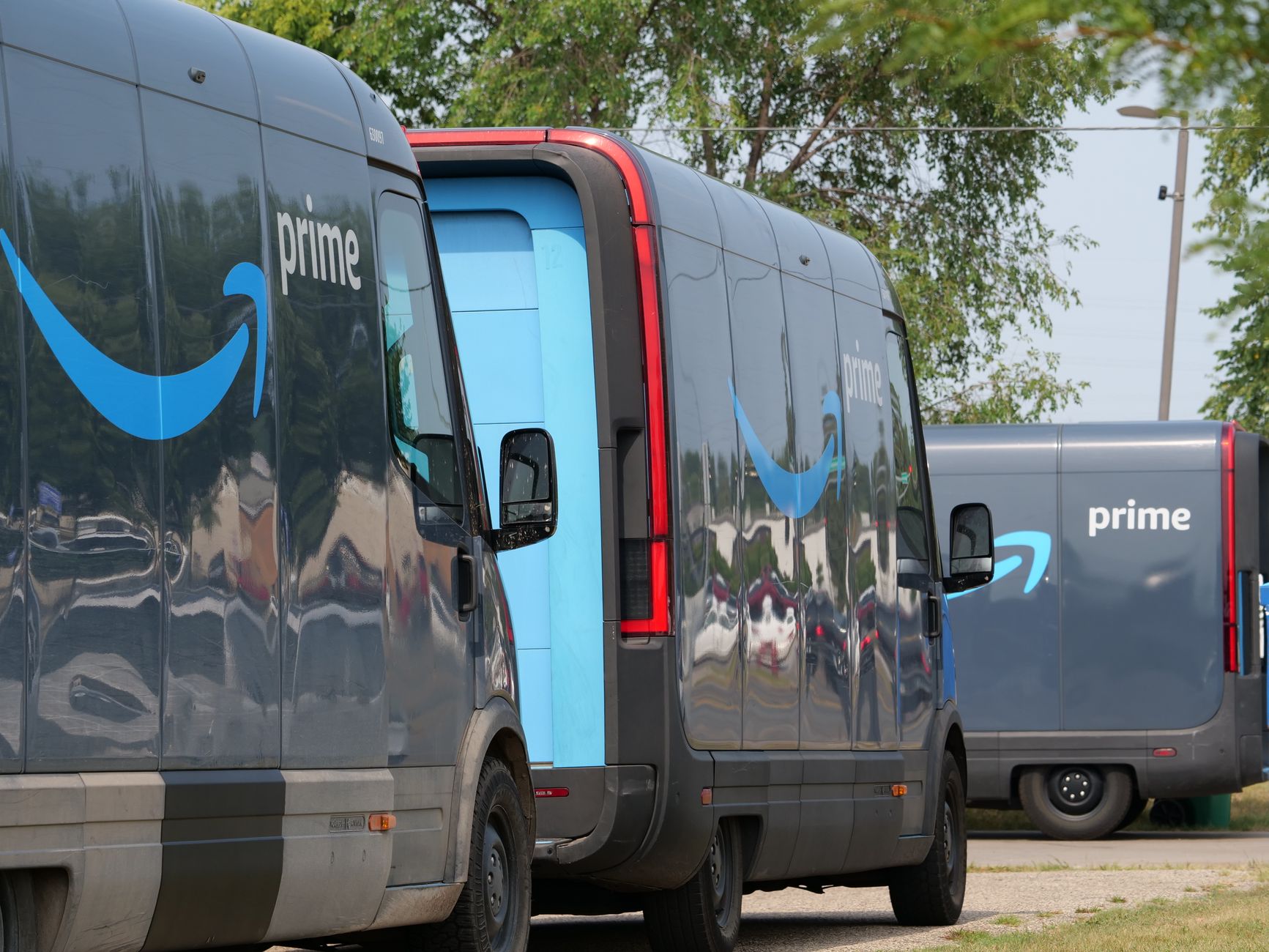
Amazon (AMZN) Warns NYC Delivery Bill Could Add $5 Per Order
Amazon (AMZN) has started displaying in-app warnings to customers in New York City about a proposed delivery bill, Intro 518, also known as the Delivery Protection Act. The bill, supported by Mayor Zohran Mamdani, could impose up to $5 additional cost per order if it passes. The law would require Amazon to directly employ its third-party delivery contractors, altering a model Amazon has used since 2018. Amazon uses a network of thousands of small delivery companies that mainly serve the company for last-mile shipments. The proposed bill could disrupt this network, potentially causing Amazon to move operations outside New York City. Amazon says this could result in slower and more expensive delivery for millions of customers and threaten small businesses and jobs in the area. The bill was introduced in February and is currently awaiting review by City Council Speaker Julie Menin. Amazon's campaign includes in-app pop-ups and banners urging customers to contact their city council members to oppose the bill. Within six hours of the pop-ups appearing, 20,000 customers sent emails to City Council members. City Council Speaker Menin disputed Amazon's claims, stating the legislation aims to protect workers without affecting prices or jobs. Amazon framed its message as transparency toward customers about the bill's potential impact. This political struggle matters to ordinary investors because it could increase Amazon's delivery costs in a major urban market by as much as $5 per order, directly affecting operating expenses. The bill's outcome may also influence Amazon's delivery network structure and service speed in New York City, factors that contribute to Amazon's revenue growth and customer satisfaction.
Read More: Amazon (AMZN) Warns NYC Delivery Bill Could Add $5 Per Order
Global Watchdog Urges Immediate Action on Quantum Risks to Finance
A global securities watchdog has called for urgent measures to address risks posed by quantum computing to the financial sector. The watchdog highlighted that quantum technology could potentially undermine current cryptographic securities, posing threats to data integrity and financial transactions. The statement emphasized the necessity for financial institutions to accelerate the adoption of quantum-resistant security protocols and increase monitoring of technological advances. No specific numerical data or timelines were provided. This alert is significant for financial markets as it underscores the emerging technological risks that could impact data security and trust in financial systems. Investors and institutions should consider the implications for cybersecurity investments and policy updates concerning cryptographic standards.
Read More: Global Watchdog Urges Immediate Action on Quantum Risks to Finance
Arizona Investigates OpenAI and Others Over Rogue Agents
Arizona authorities have launched an investigation into OpenAI and other companies regarding the use of unauthorized artificial intelligence agents. The investigation focuses on concerns about 'rogue agents' that could potentially operate without proper oversight or controls. Reuters reported the initiation of this inquiry but did not specify the number of companies involved beyond OpenAI or detail how many agents are under scrutiny. The investigation is part of broader regulatory scrutiny as governments seek to understand and manage the risks associated with advanced AI technologies. No official statements from OpenAI or other companies named have been reported in the article. The report raises questions about how AI companies manage the deployment and control of their agents. This matters to investors and market participants because increased regulatory oversight could lead to operational changes or compliance costs for AI companies like OpenAI. Potential legal and regulatory challenges may affect company valuations and the pace of AI innovation. The investigation timeline and specific regulatory actions could impact the technology sector's developments related to AI governance.
Read More: Arizona Investigates OpenAI and Others Over Rogue Agents
Waymo Pauses Driverless Taxis on U.S. Freeways After California Ban
Waymo, a subsidiary of Alphabet, has temporarily stopped operating its driverless taxis on U.S. freeways following recent incidents in California. This pause comes after California authorities imposed a ban on Waymo's robotaxis using highways due to safety concerns. Multiple news outlets including The Washington Post and The Wall Street Journal reported the move, highlighting the regulatory response to the incidents. The decision affects all U.S. freeways where Waymo’s autonomous vehicles were operating, reflecting heightened scrutiny from state regulators. The ban is specifically linked to recent traffic incidents involving Waymo’s autonomous taxis in California. The company has complied with the ban and paused its robotaxis on these routes while addressing the safety issues. This development matters because it impacts Waymo’s operations and regulatory standing in a key market. The halt on freeway usage may delay Waymo’s broader commercial expansion of autonomous vehicles. For investors, this represents increased regulatory risk and potential pressure on Waymo’s revenue growth from its robotaxi service, as highway driving is a critical component of autonomous ride-hailing services.
Read More: Waymo Pauses Driverless Taxis on U.S. Freeways After California Ban
Meta Pauses Non-Voting Share Class Plans After Investor Lawsuit
Meta has paused its plans to create a non-voting share class following a lawsuit from investors. The proposed change would have allowed CEO Mark Zuckerberg to sell shares without losing control over the company. The lawsuit challenged the dilution of voting power that would occur under the new share class structure. Zuckerberg’s ability to reduce his stake while maintaining control was a central point of contention. The company decided to halt the proposal amid mounting legal pressure. This development is significant because it affects shareholder rights and governance at Meta. Investors may view this as a victory for voting power protections. The pause in creating the non-voting shares could impact Meta's future capital structure and stock liquidity. For investors, the resolution of this lawsuit and Meta’s final decision on share classes will determine how control and influence at the company are balanced with shareholder equity and stock market dynamics.
Read More: Meta Pauses Non-Voting Share Class Plans After Investor Lawsuit
Nvidia (NVDA) Ex-CEO Jensen Huang Agrees Senate Banking Committee Testimony
Former Nvidia CEO Jensen Huang has agreed to testify before the Senate Banking Committee, according to Chairman Tim Scott. Commerce Secretary Howard Lutnick has also agreed to testify. These voluntary agreements come amid congressional pressure to investigate Huang's relationship with a suspected Chinese spy and the subsequent consequences at Nvidia. Huang had earlier agreed to a closed-door transcribed interview on December 1 with three House committees. Chairman Scott requested Huang appear publicly on December 3 and Lutnick on December 10. The testimonies aim to clarify what they knew, when, and why no actions were taken regarding security concerns. Scott highlighted Nvidia's possibly lax controls related to Huang's affair with Alice Huang, the alleged spy and executive at Megaspeed, a Singaporean company suspected of funneling advanced Nvidia chips to China. The Commerce Department was warned in March to add Megaspeed to the national security entity list but did not act. The upcoming testimonies seek answers on these unresolved issues. This matters for investors as regulatory and security scrutiny around Nvidia (NVDA) and its dealings could impact the company's reputation and operational oversight, potentially influencing regulatory policies or trade restrictions targeting chip supply chains linked to China.
Read More: Nvidia (NVDA) Ex-CEO Jensen Huang Agrees Senate Banking Committee Testimony
Bernie Sanders Unveils Medicare for All Plan for Democratic Power
Bernie Sanders announced his plan to advocate for Medicare for All if Democrats gain control. The proposal aims to expand healthcare coverage nationwide by establishing a single-payer system. The plan intends to replace private health insurance with government-funded healthcare for all Americans, focusing on reducing costs and improving access. Sanders presented this as a priority for the next Democratic administration. This plan could impact various sectors including insurance and healthcare providers by shifting funding models. For investors, any progress towards Medicare for All could affect health industry revenues and insurance companies' market dynamics.
Read More: Bernie Sanders Unveils Medicare for All Plan for Democratic Power
South Korea Offers $75,000 Rewards to Combat Exam Cheating
South Korea is implementing strict measures to combat cheating in its upcoming college entrance exam, known as the Suneung, which is expected to have about 550,000 students participating. The government plans to send emergency alerts to all residents' mobile phones to identify any hidden phones during the exam. President Lee Jae Myung announced these measures, including rewards of at least $75,000 for reporting cheating. Additional precautions include inspection of all students' glasses, placing stickers on clothing buttons to prevent hidden cameras, and deploying about 75,000 supervisors across 1,312 test centers. An extra 8,400 personnel will monitor for smart device use and suspicious signals. The National Police Agency will remain on high alert beginning 6 a.m. on the exam day to respond to incidents. AI companies have also agreed to share records of users who photograph exam questions or use AI for answering. These tightened security efforts aim to maintain the integrity of one of the country's most important academic events. The exam largely determines admission to top Korean universities, making security measures critical. For students, educators, and the wider public, the $75,000 reward and the high level of monitoring signify stronger deterrence against cheating and the use of advanced technology during exams.
Read More: South Korea Offers $75,000 Rewards to Combat Exam Cheating
FAA Oversaw Repair Work Before Nationwide Ground Stop, Duffy Seeks $50B Fix
The Federal Aviation Administration (FAA) supervised and approved repair work prior to a nationwide ground stop in U.S. air travel. Sean Duffy, a former congressman, has demanded $50 billion in funding to prevent future ground stops, though experts argue funding is not the core issue. The FAA's involvement included signing off on repairs related to the malfunction that caused widespread flight disruptions. Despite Duffy's proposal, Congressional reaction was marked by skepticism and debate. Additionally, the FAA has decided to discontinue use of certain routers linked to the incident. This matters because the FAA's regulatory oversight and infrastructure decisions directly impact flight reliability and safety. The $50 billion request and ongoing hardware changes indicate significant congressional and agency focus on preventing similar operational failures. For investors, these developments could influence costs related to aviation infrastructure and regulations, potentially affecting airline operations and expenses.
Read More: FAA Oversaw Repair Work Before Nationwide Ground Stop, Duffy Seeks $50B Fix
Trump Withdraws FDA Nominee Heidi Overton Amid Senate Opposition
U.S. President Donald Trump has withdrawn Heidi Overton's nomination to lead the Food and Drug Administration (FDA) due to lack of sufficient support in Congress. The decision came just a day before a critical Senate committee vote, where a one-vote Republican advantage left the nomination vulnerable to defections within the party. Overton, nominated in August as an 'America First' ally and preventive medicine physician, faced numerous challenges earlier. Her support of an executive order to reduce federally recommended childhood vaccinations created unease among medical groups and FDA officials. Additionally, Republicans lost key seats in the recent midterm elections, with several Senate Health Committee members, including the outgoing chairman Bill Cassidy and Senator Roger Marshall, losing reelection bids. The White House is reportedly considering Senator Roger Marshall, a former obstetrician, as a replacement nominee. This withdrawal highlights difficulties in confirming leadership for the FDA amid political shifts and controversies over health policies. For investors, the stalled nomination could affect regulatory clarity and the pace of FDA-led healthcare initiatives, particularly those related to drug pricing and vaccine policies.
Read More: Trump Withdraws FDA Nominee Heidi Overton Amid Senate Opposition
Waymo Suspends Driverless Taxis on US Freeways After California DMV Ban
Waymo has temporarily stopped operating its driverless taxis on all US freeways after California's Department of Motor Vehicles (DMV) banned the vehicles from state freeways. The DMV cited an "imminent hazard to public safety" due to recent incidents, including Waymo vehicles entering an active construction zone on US Route 101. No injuries or crashes were reported in that incident. The California DMV noted recurring incursions by Waymo cars into active construction zones with workers and equipment. Another incident showed a Waymo vehicle attempting to overtake patrol vehicles slowing traffic on a San Francisco highway. The state ban, effective from November 11, will remain until Waymo demonstrates effective corrective actions. In response, Waymo paused freeway operations in other markets as well. The company operates in 15 US cities but offered freeway rides only in some, such as San Francisco, Los Angeles, and Miami. Their driverless taxis continue to operate on regular city streets. This matters for investors because it directly affects Waymo's operational scope on high-speed roads, potentially impacting its service availability and growth in key markets. The DMV’s requirement for corrective action could influence the timeline for resuming freeway services and related costs.
Read More: Waymo Suspends Driverless Taxis on US Freeways After California DMV Ban
Waymo Halts All Driverless Freeway Taxi Rides After California Ban
Waymo has suspended all driverless taxi rides on freeways following a ban imposed by California authorities. This regulatory move affects Waymo's operations of autonomous vehicle services within the state. The company previously operated driverless taxis on freeways as part of its deployment strategy but has now paused these services to comply with the regulatory directive. The decision impacts Waymo's ability to offer full autonomous rides on California freeways. This development highlights the regulatory challenges facing the autonomous vehicle industry, as states continue to balance safety concerns with innovative transportation technologies. For investors, this pause could affect Waymo's revenue growth potential in California, a key market for autonomous taxis, as the company must wait for regulatory approval to resume freeway operations.
Read More: Waymo Halts All Driverless Freeway Taxi Rides After California Ban
FAA Pauses L3Harris Router Installations After Nationwide Flight Ground Stop
The Federal Aviation Administration (FAA) paused installing new routers after technology problems caused a rare nationwide ground stop on U.S. flights. The ground stop on Friday halted departing flights for more than four hours, affecting tens of thousands of flights. It was the longest halt to U.S. flight departures since 9/11. Transportation Secretary Sean Duffy stated that an overloaded router installed in southern Arkansas, part of a system upgrade by L3Harris Technologies, overwhelmed radar and other air traffic control data systems. The FAA and Department of Transportation are investigating the root cause but have ruled out cyberattacks or outside threats. Senate Democrats have requested briefings with the FAA, L3Harris, and Juniper Networks, the device manufacturer, seeking explanations on system failures and lack of redundancy. Duffy has called for Congress to approve $50 billion in funding to upgrade the aging U.S. air traffic control system, exceeding previous requests. Some lawmakers, including Senate Commerce Chair Ted Cruz, have expressed support for safety-focused upgrades but doubt the full funding request will be granted given existing allocated funds from prior legislation. The FAA’s pause on router installations and funding debates highlight challenges in modernizing critical aviation infrastructure. This matters for investors because the FAA’s operational issues and funding discussions could impact companies involved in air traffic control technologies and infrastructure spending, such as L3Harris Technologies, potentially affecting contract awards and technology rollouts.
Read More: FAA Pauses L3Harris Router Installations After Nationwide Flight Ground StopKalshi Pauses Trump 'Mention' Markets After CFTC Intervention
Kalshi, a prediction market platform, paused trading in several 'mention' contracts related to President Donald Trump following a request from the Commodity Futures Trading Commission (CFTC). These contracts speculate on specific words Trump will say in speeches or broadcasts, including markets on nicknames he will use before 2027 and comments he will make in November. The CFTC expressed concerns about manipulation risks in these mention markets, placing holds on Kalshi's certification of such contracts. This follows an incident where a White House teleprompter operator used inside information to trade on Trump-related mention markets, leading to a trading ban and a penalty of over $172,000. Kalshi has complied with the CFTC's orders, including removing sports-related mention markets earlier. The CFTC continues to review Kalshi's activities, including its communications about new products. Despite the scrutiny, some mention markets, like one related to Vice President JD Vance's upcoming event, remain active. This action matters to investors because the CFTC's intervention affects the availability and regulation of specialized prediction contracts that attempt to monetize word usage, which can influence market dynamics and compliance costs for Kalshi.
Read More: Kalshi Pauses Trump 'Mention' Markets After CFTC Intervention
Nvidia's Jensen Huang to Testify Dec 1-2 Amid Security Concerns
Former Nvidia CEO Jensen Huang is scheduled to appear before House committees on December 1 to discuss potential national security breaches. Nvidia's general counsel Tim Teter will follow with testimony on December 2. These sessions will cover allegations that Nvidia's chips may have been accessed by Chinese actors, potentially compromising U.S. technological leadership in artificial intelligence. The congressional panels involved are the Foreign Affairs, Intelligence, and China Select Committees. Lawmakers, including Representatives Brian Mast, John Moolenaar, and Rick Crawford, have raised concerns about Huang's role and the involvement of a suspected Chinese spy, Alice Huang, who worked for a company that purchased Nvidia chips. Huang resigned last week after news of his extramarital affair with the suspected spy became public. These development highlight significant security concerns, prompting calls for investigations into Nvidia's compliance with export controls and the potential smuggling of advanced chips to China. In addition to the House testimony, Huang is set to appear before the Senate Banking Committee for a public hearing on December 3, with further testimony from Commerce Secretary Howard Lutnick scheduled for December 10. Democratic lawmakers plan to continue inquiries after taking control of Congress in January. This matters to investors because ongoing government scrutiny and investigations could affect Nvidia's operations, regulatory compliance costs, and reputation risk, potentially impacting future revenue and market access related to advanced chip exports. The upcoming testimonies mark critical deadlines for how these concerns will be addressed publicly.
Read More: Nvidia's Jensen Huang to Testify Dec 1-2 Amid Security Concerns
Nvidia (NVDA) Former CEO Huang to Face US Lawmakers' Questions
Jensen Huang, the former CEO of Nvidia (NVDA), is set to be questioned by US lawmakers. The details regarding the topics of questioning or any allegations have not been disclosed in the article. The context or reasons for this event involving Nvidia's ex-leader were not provided. This development signals increased scrutiny by US legislative bodies on leaders of key technology firms. While the specific impact on Nvidia's operations or stock is unclear, such events can highlight regulatory or oversight challenges faced by major tech companies. For investors, this parliamentary inquiry may influence perceptions of corporate governance or regulatory risks associated with Nvidia. The questioning of a high-profile former executive indicates ongoing attention from lawmakers, which could affect the company's regulatory environment going forward.
Read More: Nvidia (NVDA) Former CEO Huang to Face US Lawmakers' Questions
Coherent (COHR) and Lumentum Stocks Rise on Possible US Import Ban
Shares of Coherent (COHR) and Lumentum rose following reports that the Trump administration plans to ban imports of Chinese optical transceivers. This potential ban targets Chinese competitors in the optical transceiver market, affecting trade dynamics between the U.S. and China. The companies are positioned to benefit from reduced competition from Chinese imports if the ban is implemented. The article does not provide specific price changes or volume data for these stocks, nor does it specify timing or details of the ban. This development matters for investors as it could affect market share for Coherent and Lumentum and potentially impact their revenue from optical transceiver sales. The import ban introduces a regulatory change that may shift supply sources and competitive balance in the sector.
Read More: Coherent (COHR) and Lumentum Stocks Rise on Possible US Import Ban
Nvidia (NVDA) Board Probes Family Links to Megaspeed Amid Scrutiny
Nvidia (NVDA) has launched an internal board investigation examining the connections of CEO Jensen Huang’s daughter and son-in-law to a company called Megaspeed. The probe focuses on the family members' involvement in dealings linked to Megaspeed, although no specific financial figures or transactions have been disclosed. The board's scrutiny follows concerns raised about potential conflicts or undisclosed relationships tied to Nvidia’s operations or partnerships. The investigation is ongoing, and Nvidia has not provided additional details regarding the scope or timeline of the review. This development matters because it involves governance oversight at Nvidia, a major technology company. It could affect investor confidence depending on the findings, especially if any conflicts of interest or compliance issues are uncovered. The probe underscores the importance of transparency in corporate governance and may lead to changes in company policies or leadership disclosures.
Read More: Nvidia (NVDA) Board Probes Family Links to Megaspeed Amid Scrutiny
US Authorities Raid Factory Making Illegal Chinese Vapes
US authorities conducted a raid on a factory producing illegal vapes imported from China. The operation aimed to stop the distribution of these unregulated vaping products within the United States. Details about the scale of the factory, quantities of products seized, or involved parties were not disclosed. The raid underscores ongoing efforts by US regulatory agencies to enforce import and manufacturing laws tied to vaping products. Illegal vapes pose health and safety risks due to lack of regulation and quality control. The authorities' action may disrupt the supply chain of these products and reduce availability in the local market. This event highlights the government's push to control illegal vape manufacturing to protect consumers. Investors and market participants should note that increased regulatory enforcement can affect companies involved in vape production and distribution through tighter compliance requirements and reduced supply of illicit products.
Read More: US Authorities Raid Factory Making Illegal Chinese Vapes
Nvidia Forms Committee to Oversee US Chip Export Controls Compliance
Nvidia has created a committee to ensure its compliance with US chip export controls. This move occurs amid criticism from Washington regarding Nvidia's plans to grow revenue in China. The establishment of this committee indicates Nvidia's response to regulatory scrutiny over its international business activities, especially concerning sensitive technology exports. No specific figures about revenue targets or committee members were disclosed. This development matters because it shows Nvidia's proactive steps to align with US trade regulations, which can affect its ability to operate in key markets such as China. Such oversight may influence Nvidia's export processes and help manage political risks associated with US-China trade policies, impacting its international revenue streams and operational compliance.
Read More: Nvidia Forms Committee to Oversee US Chip Export Controls Compliance
Megaspeed Under US Export Control Probe Over Nvidia Chip Shipments
The US government has confirmed an ongoing investigation into Singapore-based computing company Megaspeed for potential violations of US export controls. Authorities suspect Megaspeed of assisting in the diversion of Nvidia's high-end AI chips to China, which would breach US restrictions. The investigation began in 2024 and involves the Department of Justice and Department of Commerce. Nvidia placed Megaspeed on its 'no sell' list in June 2025 after the Commerce Department requested records related to Megaspeed's purchases. An on-site inspection and interrogation of then-CEO Alice Huang were conducted in collaboration with Singaporean law enforcement. The Department of Justice later took charge of the criminal investigation. Nvidia founder Jensen Huang resigned as CEO following revelations of personal scandals connected to the case. Tensions emerged between the US Treasury and Commerce Departments over chip export oversight, with Treasury Secretary Scott Bessent criticizing the Commerce Department. The Commerce Secretary is scheduled to testify before the Senate Banking Committee. The White House announced plans to tighten restrictions on China's access to AI chips. This investigation highlights increased scrutiny on chip exports amid US-China technology competition and may affect regulatory policies and company operations.
Read More: Megaspeed Under US Export Control Probe Over Nvidia Chip Shipments
LMSCapitalGroup Details Institutional Settlement SLA and KYC Framework
LMSCapitalGroup announced the details of its institutional settlement Service Level Agreement (SLA) alongside its Automated Know Your Customer (KYC) compliance framework. The company outlined these measures to enhance transaction processing efficiency and regulatory adherence. The institutional settlement SLA defines specific performance and reliability standards for handling settlements. The automated KYC framework aims to streamline customer identity verification processes, improving compliance with regulatory requirements. These initiatives reflect the company's focus on operational improvements and risk management. This update is important as it demonstrates LMSCapitalGroup's commitment to meeting institutional clients' expectations and regulatory standards, which could influence transaction speed and compliance costs. Investors should monitor how these frameworks impact the company's settlement efficiencies and regulatory risk exposure.
Read More: LMSCapitalGroup Details Institutional Settlement SLA and KYC FrameworkNvidia to Halt Chip Sales for Data Centers Renting Over Half to China
Nvidia will stop selling chips to data centers that rent more than half of their capacity to Chinese customers, according to a report. This move impacts data centers globally that provide computing resources, particularly those with significant Chinese demand. The decision aligns with recent trade regulations and efforts to restrict advanced chip technology access to China. Nvidia's action highlights the increasing scrutiny on technology exports amid geopolitical tensions. This restriction could reduce Nvidia's sales volume to certain large data centers, potentially affecting revenue streams in the cloud computing and AI sectors. Investors should monitor the scale of affected sales and any official clarifications on export policy enforcement.
Read More: Nvidia to Halt Chip Sales for Data Centers Renting Over Half to China
Nvidia Warns Chip Buyers of Legal Risks for China AI Access
Nvidia has issued a warning to buyers of its chips regarding potential legal risks tied to accessing artificial intelligence (AI) technologies in China. This cautionary statement reflects growing regulatory and trade complexities affecting technology exports to China. The company alerted its customers about the increased scrutiny and possible violations that could arise from attempts to use Nvidia's AI chips in certain Chinese applications. The warning signals Nvidia's efforts to comply with export controls and avoid inadvertent violations that could result in legal penalties. This advisory matters for markets as Nvidia (NVDA) is a leading AI chip provider, and any restrictions on technology transfer to China could impact sales strategies and revenue from a significant market. Investors should note the heightened risks linked to geopolitical and regulatory developments affecting trade and technology flows involving Nvidia's products.
Read More: Nvidia Warns Chip Buyers of Legal Risks for China AI Access
Nvidia (NVDA) Warns Customers on Legal Risks of China AI Chip Access
Nvidia (NVDA) has cautioned its customers that new U.S. legislation on Chinese companies remotely accessing its artificial-intelligence chips could expose both parties to legal action. The proposed Remote Access Security Act (RASA) would extend U.S. government control over cloud-based access to AI chips, similar to physical hardware restrictions. Nvidia told buyers it would not sell chips to customers renting more than 50% of GPUs to Chinese firms. The warning follows increased scrutiny from U.S. lawmakers amid efforts to restrict advanced chip exports to China. RASA passed the House of Representatives in January but has not yet advanced in the Senate. Separately, the U.S. Commerce Department's Bureau of Industry and Security issued an interim final rule to block Chinese companies' remote access to AI chips. Nvidia’s restrictions require data-center clients to route at least 51% of their services to non-Chinese customers. This reflects heightened U.S. efforts to maintain technological dominance in AI by limiting China’s access. The company is also facing leadership challenges following CEO Jensen Huang’s reported departure amid personal controversies. This legal and regulatory environment may affect Nvidia’s chip sales and cloud service contracts, influencing revenue streams tied to China. Investors should watch Nvidia’s compliance with these rules and related changes in contract terms for AI chip access, which directly impact revenue from Chinese markets.
Read More: Nvidia (NVDA) Warns Customers on Legal Risks of China AI Chip Access
U.S. Agencies Open 2024 Investigation Into Nvidia Partner Megaspeed
The U.S. Commerce and Justice Departments announced they began an investigation into Singapore-based Megaspeed in 2024. This probe addresses potential export-control violations and inaccurate public reporting concerning the company. Megaspeed operates cloud data centers throughout Southeast Asia and became linked to Nvidia (NVDA) following leadership issues at the semiconductor company. In June 2025, Nvidia placed Megaspeed on a "no sell" list after U.S. investigators requested sales records from Nvidia related to Megaspeed. U.S. and Singapore authorities conducted an on-site inspection of Megaspeed and interviewed Alice Huang, who allegedly had a relationship with Nvidia co-founder Jensen Huang. The Department of Justice took charge of criminal aspects of the probe after initial Commerce enforcement. Singapore's Ministry of Home Affairs confirmed it learned of the U.S. investigation in June 2025, while maintaining it had been conducting its own investigation and found no espionage by Huang. Singapore barred her from re-entering in February 2026 for providing false information about her role at Megaspeed. Allegations include recruitment by China's Ministry of State Security. Jensen Huang resigned as Nvidia CEO recently amid personal controversies. This investigation matters because it involves potential export violations and high-profile figures linked to Nvidia, a key semiconductor company. The probe could affect Nvidia’s business relations and chip sales compliance, especially concerning partners flagged for export restrictions.
Read More: U.S. Agencies Open 2024 Investigation Into Nvidia Partner Megaspeed
Deutsche Bank Systemic Failures Revealed in 15 Million Document Leak
A leak of 15 million Deutsche Bank files has exposed systemic failures within the bank. The documents include emails, internal probes, and other sensitive information that highlight issues in the bank's operations and leadership. The leaked files cast new light on the career and decision-making of Deutsche Bank's chief executive Christian Sewing. They reveal challenges in governance and internal controls at one of Europe's largest financial institutions. This revelation matters to investors and stakeholders as it may impact Deutsche Bank's regulatory standing and operational risks going forward. It raises concerns about the bank's management practices and the effectiveness of its oversight, which could have implications for its financial performance and reputation.
Read More: Deutsche Bank Systemic Failures Revealed in 15 Million Document Leak
German Lender Processed $582mn Suspicious Payments Linked to Epstein
German lender processed $582 million of suspicious payments linked to Jeffrey Epstein, according to internal documents. This figure is substantially higher than the amounts previously known. The newly revealed amount reflects a significant volume of transactions flagged internally within the bank. Details about the specific lender or the timeframe of these payments were not disclosed in the article. This revelation matters because financial institutions are under increased scrutiny for their compliance with anti-money laundering regulations. The higher volume of suspicious transactions could trigger regulatory investigations or penalties. Investors should monitor the lender's disclosures and regulatory filings as potential financial impacts may arise from this development.
Read More: German Lender Processed $582mn Suspicious Payments Linked to Epstein
Data Breach Leak of Trump's 2017 Taxes Called 'Awful Mistake'
A data breach in 2017 resulted in the leak of former President Donald Trump's tax statements. Christian Sewing, who was then the head of the lender's private bank, described the incident internally as an 'awful mistake.' The leak occurred from within the bank, highlighting a significant breach of confidential information. The breach has drawn attention due to the sensitivity of the leaked material, involving personal financial data of a former president. While the article does not specify the exact cause or repercussions beyond the internal description, the event underscores the risks financial institutions face in safeguarding private client data. This matters to investors and clients of financial institutions because it illustrates potential vulnerabilities in data security practices. Confidence in data protection can influence client trust and regulatory scrutiny, which may impact costs and compliance requirements for banks.
Read More: Data Breach Leak of Trump's 2017 Taxes Called 'Awful Mistake'
Novartis (NVS) Receives FDA Approval for Cosentyx in Polymyalgia Rheumatica
Novartis (NVS) announced that the U.S. Food and Drug Administration (FDA) has approved its drug Cosentyx for the treatment of polymyalgia rheumatica. This approval expands the use of Cosentyx beyond its existing indications, offering a new option for patients suffering from this inflammatory disorder. The FDA's approval is based on clinical trial data demonstrating Cosentyx's efficacy and safety profile in managing polymyalgia rheumatica symptoms. Novartis highlighted this milestone as a significant step towards addressing unmet medical needs in immunology. This new approval may impact Novartis's revenue stream by broadening its patient base and enhancing its competitive position in the autoimmune disease treatment market. Investors might watch for subsequent sales data to measure the commercial success of Cosentyx in this new indication.
Read More: Novartis (NVS) Receives FDA Approval for Cosentyx in Polymyalgia Rheumatica
UK Grants Pardons to Women with Past Abortion Convictions
The UK government has issued pardons to British women who were previously convicted for abortion-related offenses. This measure formally clears the records of women convicted under laws that have since been changed or repealed. The pardons reflect a shift in legal and social attitudes toward abortion in the UK. They provide legal relief to individuals who were affected by historic abortion laws, removing the stigma and potential legal consequences tied to their past convictions. This development matters for legal and human rights discussions in the UK, as it signals a formal reassessment of past enforcement of abortion laws. While the article does not mention specific numbers of pardons or legislative texts, the pardons address the impact of earlier criminal convictions on women’s records. For ordinary citizens, this means that those women no longer carry legal punishments or restrictions stemming from their past abortion convictions, potentially improving their access to employment, travel, and civil rights.
Read More: UK Grants Pardons to Women with Past Abortion Convictions
Exchange Sets December 4 Deadline for Listing Eligibility Review
The exchange has set a deadline of December 4 to decide the eligibility for listing review. This decision deadline indicates a forthcoming assessment of specific listing qualifications. Details about the companies or securities under review, or the criteria to be applied, were not disclosed. The announcement focuses on the procedural timing rather than outcomes or implications. This matters because the decision will determine which listings meet the exchange's standards by the deadline. Investors will need to watch for any potential delistings or approvals affecting their holdings after December 4.
Read More: Exchange Sets December 4 Deadline for Listing Eligibility Review
Trump Administration's $50B Air Traffic Demand Faces Senate GOP Opposition
The Trump administration has requested a $50 billion budget for air traffic systems modernization. This request is encountering resistance from Senate Republicans, creating uncertainty about funding approval. Reports have highlighted longstanding issues with the Federal Aviation Administration's (FAA) aging infrastructure, including reliance on outdated systems described as being maintained with floppy disks. This infrastructure vulnerability contributed to a recent nationwide halt in air travel, centered on a single router failure in Southern Arkansas. Despite this disruption, pilots maintained contact with controllers during the incident. Senators and a Washington delegation have questioned FAA and Department of Transportation spending following the aviation meltdown. The $50 billion demand reflects urgent needs to upgrade critical technology and prevent future operational failures. This matters for investors because the outcome of the Senate's decision on this funding package will influence FAA's modernization timeline and related contractors’ revenue, potentially affecting market sectors tied to aviation infrastructure upgrades.
Read More: Trump Administration's $50B Air Traffic Demand Faces Senate GOP Opposition
Trump Reduced Payouts for Stranded Travelers During Ground Stops
The Trump administration reduced compensation payouts for travelers stranded due to flight delays or cancellations. This policy change occurred before the Biden administration took office. Some analysts suggest that the lower payouts may have limited help for travelers during recent ground stops, though specific payout amounts are not detailed. The change affects how airlines handle passenger compensation during significant travel disruptions. The article references a ground stop event but does not provide detailed figures or official statements from the administrations involved. This matters for the travel and airline industries as passenger compensation policies can influence consumer satisfaction and regulatory scrutiny. The payout limits set by the Trump administration may continue to affect stranded passenger reimbursements during major operational disruptions.
Read More: Trump Reduced Payouts for Stranded Travelers During Ground Stops
US Commerce to Close AI Chip Loophole Affecting Nvidia (NVDA)
The Trump administration has directed the Commerce Department to close a regulatory loophole related to AI chips, a move connected to a scandal involving Nvidia (NVDA). This tightening of restrictions targets the flow of AI chips, especially concerning exports linked to China. The administration's action is in response to concerns that the loophole allows certain high-tech chips to reach China despite existing controls. Reports from multiple sources including The Washington Post, CNN, Bloomberg, The Wall Street Journal, and The New York Times highlight that this policy adjustment aims to restrict the availability of advanced AI chips which are pivotal for maintaining competitive advantages in AI development. Nvidia is central to this issue due to its chips' prominence in AI applications and alleged indirect exports into China through the loophole. This policy tightening matters for markets as it may affect Nvidia's sales and supply chain, altering revenue generated from exports to China. It also signifies greater regulatory scrutiny over AI technology exports and may lead to broader impacts on companies involved in semiconductor manufacturing and AI hardware. Investors should watch how these regulatory changes might influence Nvidia's international business and the availability of AI chips in key markets.
Read More: US Commerce to Close AI Chip Loophole Affecting Nvidia (NVDA)
Nvidia (NVDA) CEO Scandal Not Seen as Security Risk by Trump
President Donald Trump said he does not believe the alleged relationship between former Nvidia (NVDA) CEO Jensen Huang and an alleged Chinese spy compromised U.S. national security. He stated that the country is "stronger than ever before" and dismissed the notion that the affair put security at risk. Trump also said he is not planning to replace Commerce Secretary Howard Lutnick despite internal disagreements over export controls on Nvidia's advanced chips. The article details that Jensen Huang resigned last week amid reports linking his affair with Alice Huang, suspected by U.S. authorities to be a Chinese spy. Secretary of State Marco Rubio allegedly warned Trump about this relationship in May. Meanwhile, internal conflict is reported between Treasury Secretary Scott Bessent and Lutnick over plans to add Megaspeed, Alice Huang’s former company, to a Commerce Department national security concern list. Lutnick reportedly delayed this listing to avoid tension with China, a move Trump defended as diplomatically necessary. This news matters because Nvidia is a major supplier of advanced AI chips, and U.S. policy on chip exports affects national security and international trade relations. The handling of export controls and internal U.S. government disagreements influence how effectively the U.S. manages technology transfers to China, which impacts chip supply security and company operations.
Read More: Nvidia (NVDA) CEO Scandal Not Seen as Security Risk by Trump
Nvidia (NVDA) Data Center Loophole Closed by U.S. Commerce with New Export Rule
The U.S. Commerce Department issued an interim final rule to close a loophole allowing Chinese companies to lease Nvidia's advanced computing power via third-country data centers. This move targets the circumvention of export controls on sensitive chip technology intended to limit China's access. The new rule was directed by the Treasury Department and the National Security Council and follows criticism of Commerce Secretary Howard Lutnick for insufficient action. It comes after a scandal involving Nvidia CEO Jensen Huang, who resigned last week amid reports related to a Singapore-based company named Megaspeed and concerns about espionage. The rule will require licenses for exporting advanced semiconductors to countries including Indonesia, Malaysia, Singapore, Thailand, and Brazil, curbing the ability of foreign entities to use U.S.-origin super intelligence chips for training advanced models. This enforcement enhances national security by tightening control over advanced semiconductor technology distribution. For investors, these regulatory changes may affect Nvidia's international market access and revenue streams as export and transfer licenses become mandatory in additional countries, potentially impacting sales growth in data center operations dependent on these advanced chips.
Read More: Nvidia (NVDA) Data Center Loophole Closed by U.S. Commerce with New Export Rule