Waymo News & Analysis
12 articles
Market Mood

Waymo Plans To Increase Fleet Size To 20,000 Vehicles
Waymo plans to expand its fleet of autonomous vehicles to 20,000, according to a report from Semafor. This represents a fivefold increase from its current size, though the article does not specify the exact current fleet number. The expansion indicates Waymo's intention to scale up its operations significantly in autonomous driving. The article does not provide specific timing, costs, or financial details related to this fleet increase. The plan matters for the autonomous vehicle market as it signals major growth expectations for Waymo. A larger fleet could mean more service capacity and potential revenue growth, influencing investor views on Waymo's business prospects.
Read More: Waymo Plans To Increase Fleet Size To 20,000 Vehicles
Waymo Increases Private Loan to $5 Billion for Expansion
Waymo has decided to increase its debut private loan to $5 billion, according to Bloomberg. The funds will be used to support the expansion of Waymo's autonomous vehicle operations. This move marks a significant financial step for the company as it continues to develop its technology and fleet capabilities. The decision to upsize the loan came amidst growing interest from investors, highlighting confidence in Waymo's future growth prospects. The funds are expected to be used for a variety of purposes including research and development, expanding vehicle manufacturing, and other business operations related to its self-driving technology. For investors and market watchers, this loan size indicates Waymo's robust vision for expanding its operations. Such a substantial financial commitment suggests that Waymo is positioning itself to be a front-runner in the autonomous vehicle industry.
Read More: Waymo Increases Private Loan to $5 Billion for Expansion
Tesla (TSLA) Cybercab Quadruples in Austin Amid Tech Hurdles
Tesla (TSLA) has nearly quadrupled the number of its driverless Cybercabs authorized for commercial service in Texas during the first month since their rollout in Austin. The number of Cybercabs grew from 45 to 169, according to Texas Department of Motor Vehicles' records. Despite the expansion, the unusual driverless vehicles have received mixed reviews due to operational issues, such as lengthy wait times, improper pickups and drop-offs, and technical difficulties with the doors and trunk systems. These challenges highlight the need to improve driverless technology for the Robotaxi service, which Tesla aims to grow to rekindle investor interest after shares fell by 18% this year. The rollout aims to counter sluggish auto sales and growing competition from Chinese EV makers like BYD and Xiaomi. Waymo, a major competitor, continues to expand its autonomous vehicle services, already operating in 15 U.S. markets with future international launches planned in London, Tokyo, and Munich. As of the latest report, Waymo has 1,154 autonomous vehicles in Texas, compared to Tesla's current 169 Cybercabs and 420 Model Y vehicles operating in Austin. Austin's appeal as a testbed for robotaxi projects is bolstered by its relaxed regulations and tech-friendly atmosphere, with companies like Amazon's Zoox also conducting tests. This growth in Tesla’s Robotaxi fleet is crucial for the company, as Tesla has faced consecutive annual revenue declines. The rollout of the Cybercab series in a key tech hub like Austin could prove significant in countering competition and fueling growth in autonomous vehicle adoption. Investors will watch if Tesla can resolve technical issues and expand successfully in new markets.
Read More: Tesla (TSLA) Cybercab Quadruples in Austin Amid Tech Hurdles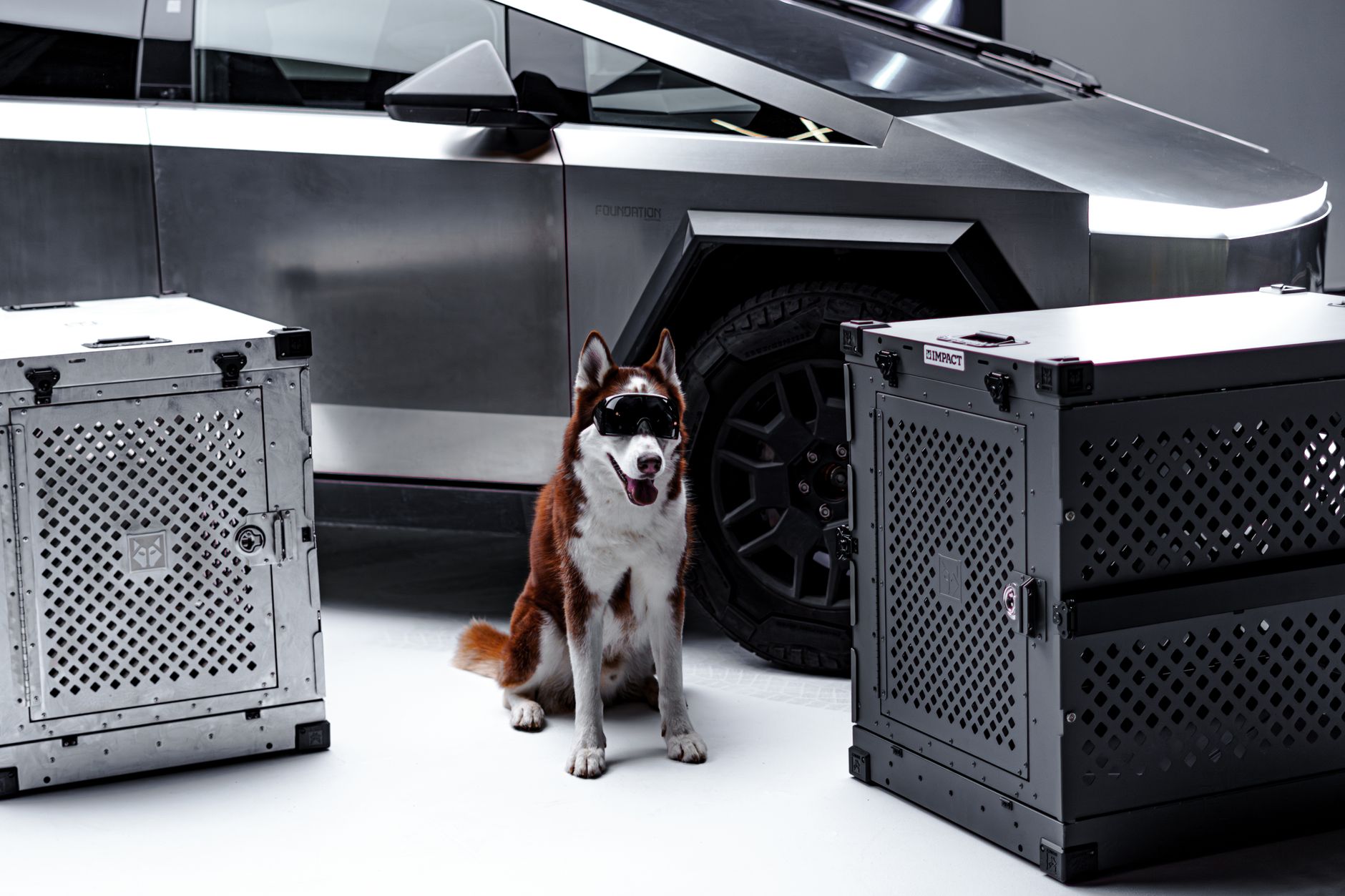
Tesla (TSLA) Teases Cybercab Update Ahead of Austin Event
Tesla (TSLA) is preparing to unveil its Cybercab driverless vehicle, teasing features like 'no steering wheel, no pedals' in a post on X. The announcement, made before an invite-only event in Austin on Thursday, follows a 5.4% rise in Tesla's stock during regular trading on that day. Currently, Tesla has over 200 'unsupervised' vehicles capable of operating without human drivers in specific geofenced areas. This update highlights Tesla's effort to compete with Waymo, which operates around 4,000 driverless vehicles across 14 U.S. cities, thus impacting investors interested in the robotaxi market.
Read More: Tesla (TSLA) Teases Cybercab Update Ahead of Austin Event
Uber (UBER) and Waymo End Robotaxi Partnership in Phoenix
Uber (UBER) and Waymo have ended their robotaxi partnership in Phoenix. This decision comes as Uber plans to announce a new partner for its autonomous vehicle initiatives. The end of this collaboration may impact Uber's efforts in the autonomous ride-hailing market. Specific financial details or market responses following this announcement have not been disclosed.
Read More: Uber (UBER) and Waymo End Robotaxi Partnership in Phoenix
Uber (UBER) Investing $500 Million in Robotaxi Competition
Uber (UBER) is allocating $500 million towards securing robotaxi technology amid competition from Waymo. This significant investment underscores Uber's commitment to advancing its autonomous vehicle strategy as the robotaxi market gains traction. The presence of major players like Waymo, which is also heavily invested in this sector, creates a competitive environment that could impact market dynamics. The outcome of these investments may influence Uber's future profitability and market share in the autonomous vehicle industry.
Read More: Uber (UBER) Investing $500 Million in Robotaxi Competition
Waymo and Tesla AV Race Status Update: Key Metrics Revealed
Waymo and Tesla (TSLA) are competing in the autonomous vehicle (AV) sector, though specific metrics regarding their progress were not provided in the article. The competitive landscape for AV technology is evolving rapidly, with both companies investing heavily in research and development. Waymo has focused on fully autonomous ridesharing, while Tesla's ongoing advancements include autopilot upgrades. The impact on market perceptions hinges on progress updates and regulatory developments, which could influence investor confidence and stock prices.
Read More: Waymo and Tesla AV Race Status Update: Key Metrics Revealed
Tesla (TSLA) Robotaxi Fleet vs Waymo: 42 cars authorized in Texas
Tesla (TSLA) currently has 42 autonomous vehicles authorized for driverless ride-hailing in Texas, significantly smaller than Waymo's fleet of 577 vehicles in the state. A new Texas law enhances regulatory power over commercial driverless vehicle operators, requiring self-certification for level 4 autonomy. Waymo has a broader commercial fleet of nearly 4,000 vehicles across the U.S. Meanwhile, Tesla reported 17 known incidents involving its vehicles from July 2025 to April 2026, including two with minor injuries. The company's efforts in the autonomous driving sector are crucial as it faces increased competition in the electric vehicle market.
Read More: Tesla (TSLA) Robotaxi Fleet vs Waymo: 42 cars authorized in Texas
Waymo (GOOGL) Launches Ojai Robotaxis in Select U.S. Cities
Waymo (GOOGL) has commenced rides for select customers in its Ojai robotaxis, which are designed to perform better in snow and cost less to manufacture. The company currently has 100 Ojai vehicles on the road, part of an almost 4,000-car fleet, expecting to expand to thousands by year-end. The Ojai utilizes the sixth-generation Waymo Driver, enhancing low-light detection and requiring fewer sensors than previous models. Waymo has received a $16 billion investment from Alphabet and has driven over 20 million autonomous rides with a goal of achieving 1 million weekly trips by the year's end.
Read More: Waymo (GOOGL) Launches Ojai Robotaxis in Select U.S. Cities
Waymo Ride Dispute: Passenger Claims Luggage Lost at Airport
A passenger in San Jose reported that a Waymo self-driving vehicle left the California airport without his luggage. The incident raises concerns about reliability and safety in autonomous vehicle operations. This situation could impact Waymo's reputation and consumer trust, especially as autonomous vehicle technology is still being adopted. No specific financial implications or statements from Waymo were mentioned, but such incidents could influence future regulations or market perceptions.
Read More: Waymo Ride Dispute: Passenger Claims Luggage Lost at Airport
GOOGL's Waymo Launches Autonomous Ride-Hailing Service in Nashville
Alphabet Inc. (GOOGL) initiated a fully autonomous ride-hailing service via its Waymo unit in Nashville on April 7, covering a 60-square-mile area. The service aims to enhance operations through Lyft, its fleet partner, with plans to expand app offerings. Waymo also operates approximately 3,000 vehicles, an increase from 2,700 in November, illustrating significant growth. Additionally, extensive data from over 170 million miles indicates a 13-fold reduction in serious injury crashes, positioning GOOGL favorably within the autonomous driving market.
Read More: GOOGL's Waymo Launches Autonomous Ride-Hailing Service in Nashville
Google CEO Sundar Pichai's New Pay Deal Could Reach $692 Million
Alphabet Inc. has approved a new compensation package for CEO Sundar Pichai that could amount to $692 million, tied to performance metrics associated with Waymo, the company's autonomous vehicle division. This decision reflects Alphabet's strategic focus on emerging technologies and the potential for significant growth in the autonomous vehicle market. The new pay deal maintains Pichai's base salary while introducing substantial equity awards, highlighting the company's commitment to aligning executive incentives with long-term innovation goals. Investors will likely view this as a move to bolster leadership during a critical shift in technology and market dynamics.
Read More: Google CEO Sundar Pichai's New Pay Deal Could Reach $692 Million