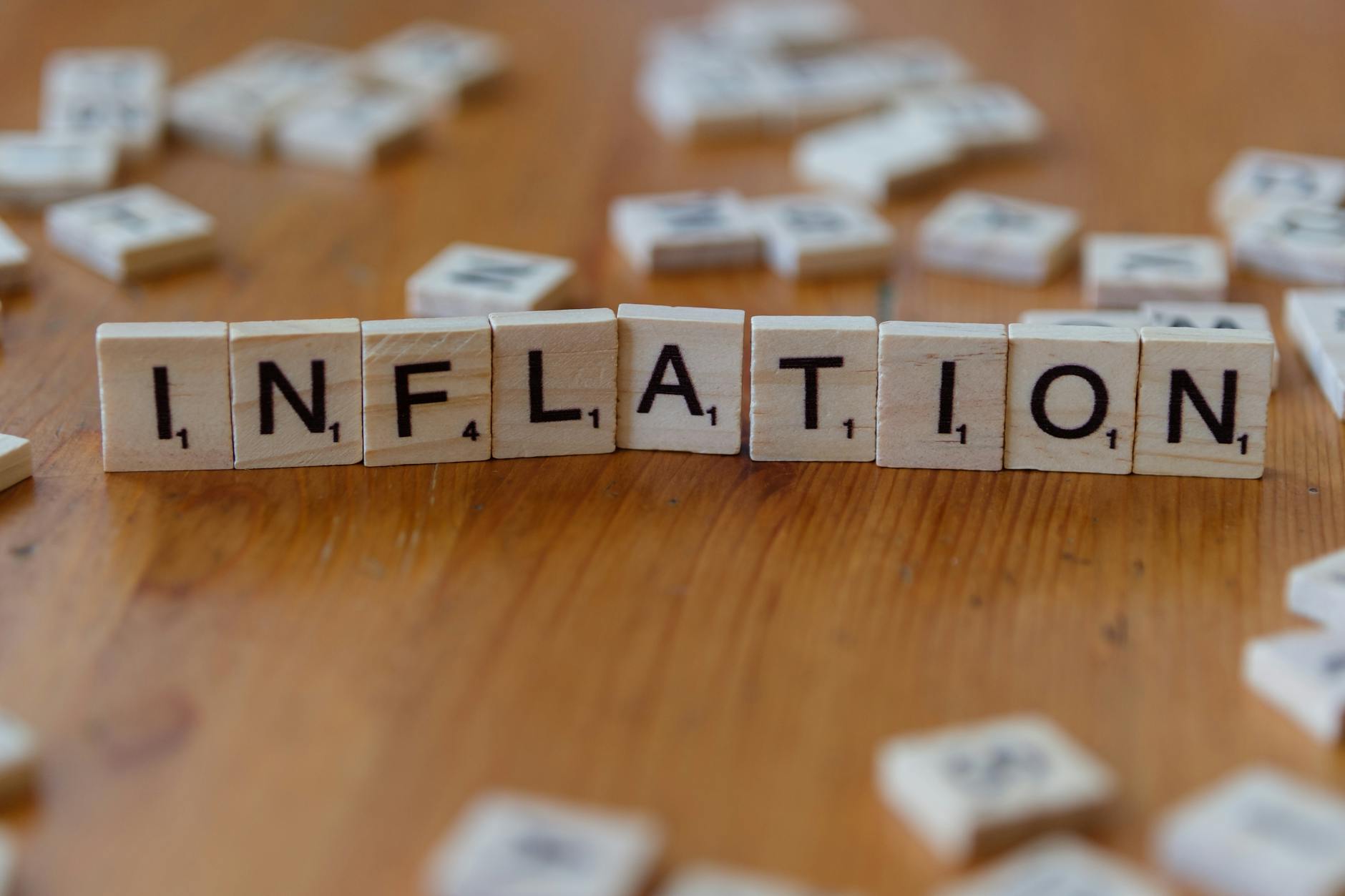
UK Inflation Rises to 3.6% in October Driven by Higher Petrol Prices
Published on · Source: bbc.co.uk
AI Summary
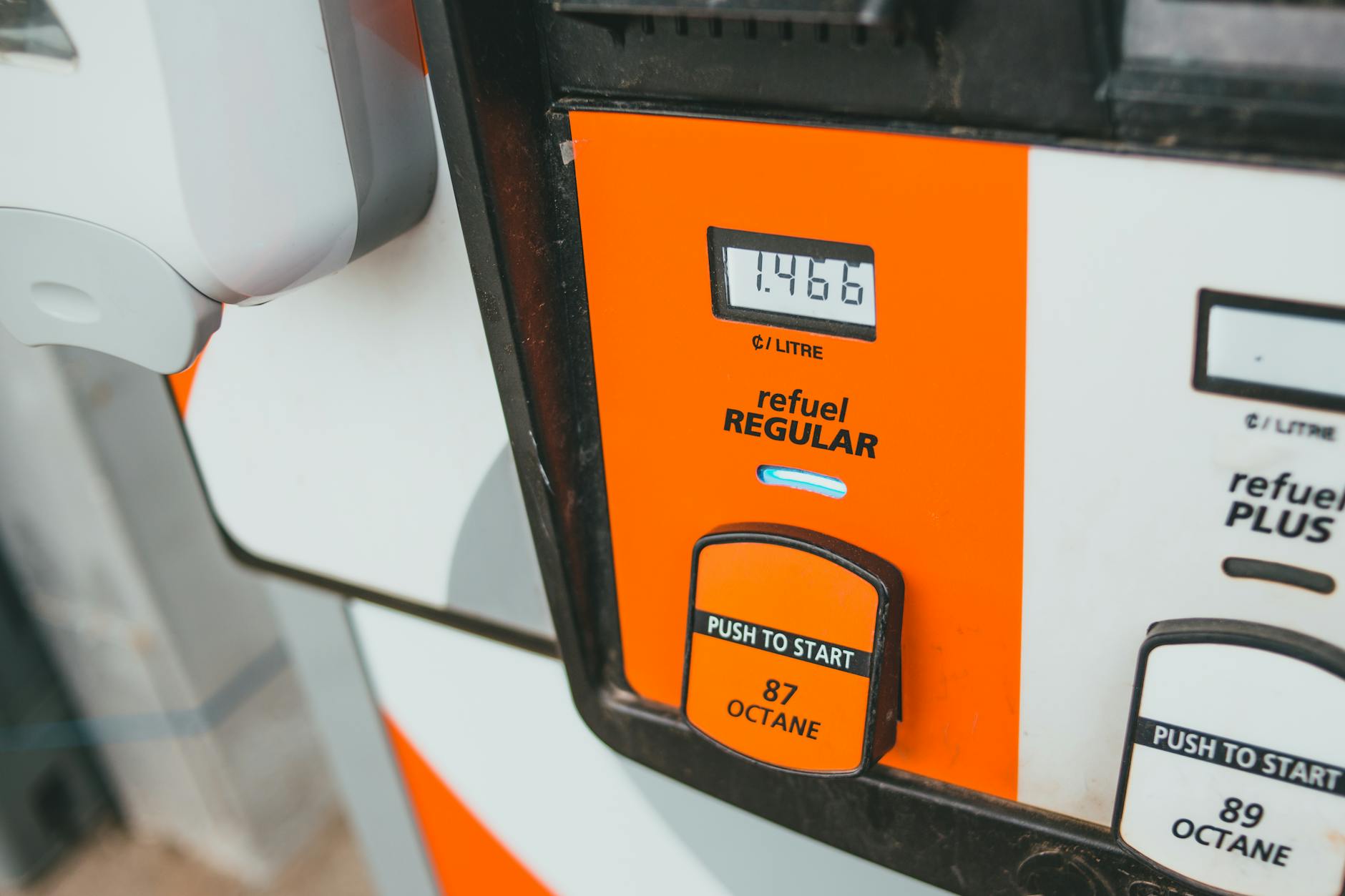
Summarized by AI from the source belowThe UK's inflation rate rose to 3.6% in the year to October from 3.5% in September, mainly due to higher petrol and diesel prices, according to the Office for National Statistics (ONS). Petrol prices increased by 5.2p per litre to an average of 174.7p in October, the highest since August 2022. Diesel prices also reached the highest level since records began 30 years ago, averaging 199.5p per litre.
The ONS noted that elevated oil prices have continued to raise costs for raw materials and goods leaving factories. This increase follows the impact of the US-Iran war and led the Bank of England to raise interest rates earlier in the month from 3.75% to 4%. The Bank signaled possible further rate rises if the Middle East conflict is not resolved. Although higher fuel costs can lead to increased prices for food and consumer staples, the Bank of England observed limited evidence of this as some businesses absorb costs rather than passing them on.
The inflation rise matters because it influences consumer costs and monetary policy decisions. The Bank of England's actions aim to slow inflation, but sustained high fuel prices continue to challenge cost stability. Investors should watch how ongoing geopolitical tensions affect oil prices, inflation, and interest rates, which directly impact borrowing costs and economic growth.
Informational only, not financial advice. Content is AI-generated and may contain errors. How this works.
Our take
Opinion from the Newsstocks AI desk, not investment adviceWe think the ongoing rise in fuel prices is a clear driver of UK inflation and pressure on monetary policy. The Bank of England's rate hike signals concern about sustained inflation from geopolitical events. Continued conflict could prompt more rate increases, affecting borrowing costs. However, limited pass-through of costs to some consumer sectors may slightly mitigate broader inflation impacts.
Key numbers
- UK inflation rate October
- 3.6%
- UK inflation rate September
- 3.5%
- Petrol price increase
- 5.2p per litre
- Average petrol price October
- 174.7p per litre
What could hurt
- Rising oil prices continue to increase costs for raw materials and consumer goods.
- Higher inflation can reduce consumer purchasing power and lead to further interest rate hikes.
What to watch next
The Bank of England may raise interest rates further if the Middle East conflict persists.
The background
Inflation measures the rise in prices for goods and services over time. Central banks may raise interest rates to slow inflation by making borrowing more expensive.
Questions readers ask
Why did UK inflation rise to 3.6% in October?
UK inflation rose to 3.6% mainly because of higher petrol and diesel prices, according to the Office for National Statistics.
What actions did the Bank of England take in response to rising inflation?
The Bank of England raised interest rates from 3.75% to 4% earlier this month to try to slow inflation.
How did petrol and diesel prices change in October?
Petrol prices rose by 5.2p per litre to 174.7p, the highest since August 2022, and diesel prices averaged 199.5p per litre, the highest since records began 30 years ago.
Understand this kind of story
Get the weekly market brief
One email every Monday: what moved, why, and what to watch. Free, unsubscribe anytime.
Get stories like this as they break
Our Telegram channel posts every market story the moment it is published. Free, and you can mute or leave anytime.