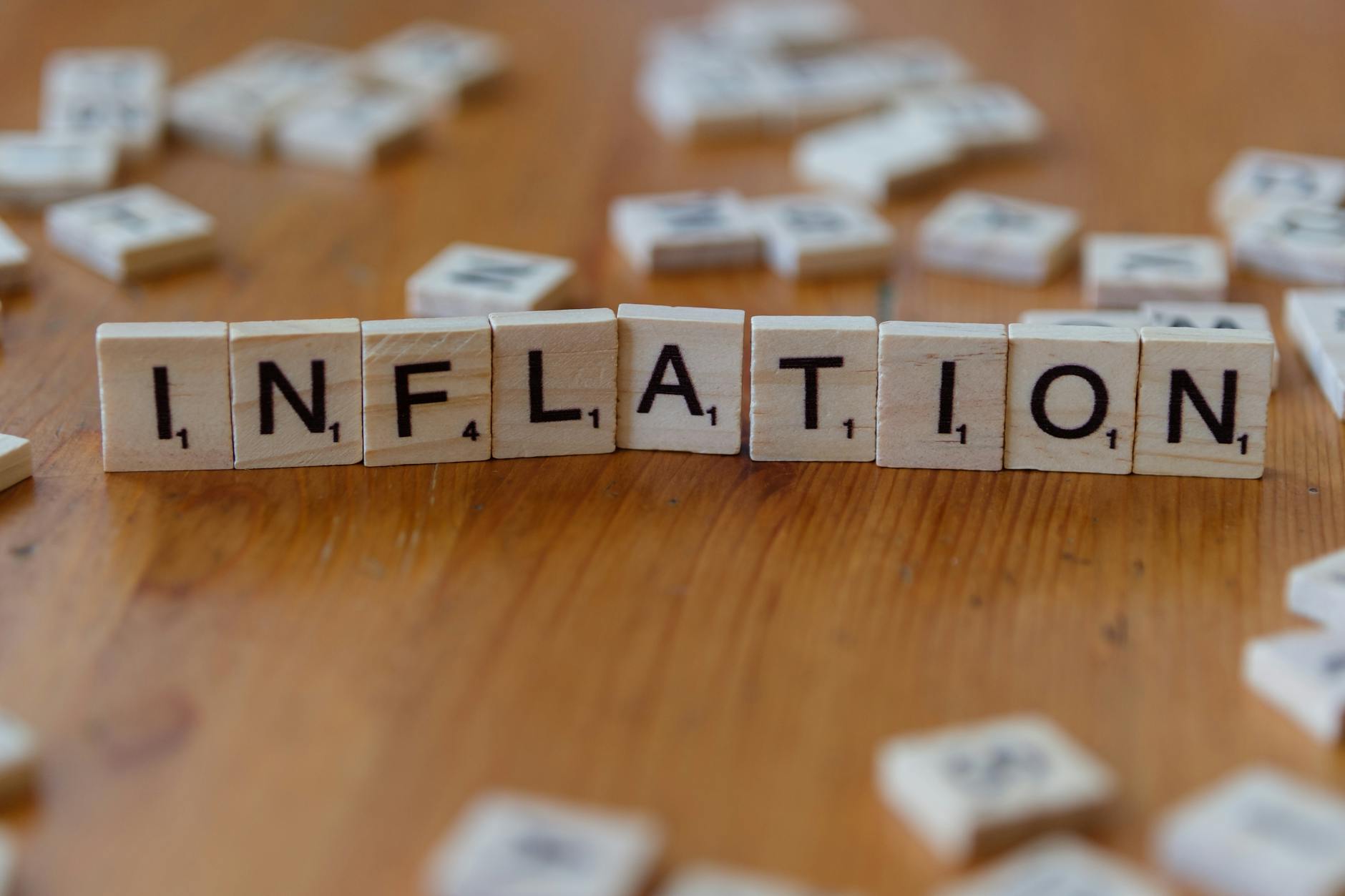
UK Inflation Rises to 3.6% in October, Driven by Record Diesel Prices
Published on · Source: cnbc.com

AI Summary
Summarized by AI from the source belowUK inflation rose to 3.6% in the 12 months to October, marking its highest level in a year. This increase was driven primarily by a 33.2% year-on-year rise in motor fuel costs, the largest increase since July 2022. The average petrol price increased by 5.2 pence per liter from September to October, reaching 174.7 pence per liter. Diesel prices rose even more sharply by 7 pence per liter, reaching 199.5 pence per liter, the highest on record since 1996.
These fuel price increases are influenced by elevated oil prices, which touched $100 per barrel in July and remain high despite retreating from wartime peaks. The UK, as a net energy importer, remains vulnerable to external shocks, including disruptions related to the Iran conflict. The Bank of England recently raised interest rates for the first time in three years, warning that inflation could reach 5% by mid-2027 if energy prices continue to rise.
For investors, these inflation dynamics are important as they affect monetary policy decisions, particularly interest rate increases by the Bank of England. The bank's future rate hikes will depend largely on whether inflation persists at these elevated levels, driven by high energy prices, which will impact borrowing costs and economic growth.
Informational only, not financial advice. Content is AI-generated and may contain errors. How this works.
Our take
Opinion from the Newsstocks AI desk, not investment adviceWe think the data point to sustained inflationary pressures mainly due to energy costs, which complicates the Bank of England's efforts to manage inflation with interest rate hikes. While a recent drop in oil prices offers short-term relief, the overall outlook for UK inflation remains elevated due to geopolitical risks and high fuel prices. If energy prices stabilize or fall, inflationary pressures may ease, but current conditions suggest persistent challenges.
Key numbers
- UK inflation rate
- 3.6%
- Motor fuel cost rise YoY
- 33.2%
- Average petrol price October
- 174.7 pence per liter
- Average diesel price October
- 199.5 pence per liter
What could help
- Recent decline in oil prices might lower future inflation pressures temporarily.
What could hurt
- Continued geopolitical tensions may keep energy and fuel prices elevated.
- Rising inflation threatens to prompt further interest rate hikes by the Bank of England.
What to watch next
The Bank of England's final meeting of the year, where markets expect a high chance of an interest rate hike.
The background
Inflation measures how much prices rise over time, affecting cost of living and monetary policy. Central banks adjust interest rates to control inflation.
Questions readers ask
What caused the rise in UK inflation to 3.6% in October?
The rise to 3.6% inflation was primarily driven by a 33.2% increase in motor fuel costs, including record diesel prices and higher petrol prices.
How have petrol and diesel prices changed in the UK recently?
In October, petrol prices rose by 5.2 pence per liter to 174.7 pence, and diesel prices increased by 7 pence per liter to 199.5 pence, the highest since records began.
What is the Bank of England's outlook on inflation?
The Bank of England warned inflation might reach 5% by mid-2027 and has recently raised interest rates to counter rising energy-driven inflation.
Understand this kind of story
Get the weekly market brief
One email every Monday: what moved, why, and what to watch. Free, unsubscribe anytime.
Get stories like this as they break
Our Telegram channel posts every market story the moment it is published. Free, and you can mute or leave anytime.