jobsReport News & Analysis
18 articles
Market Mood
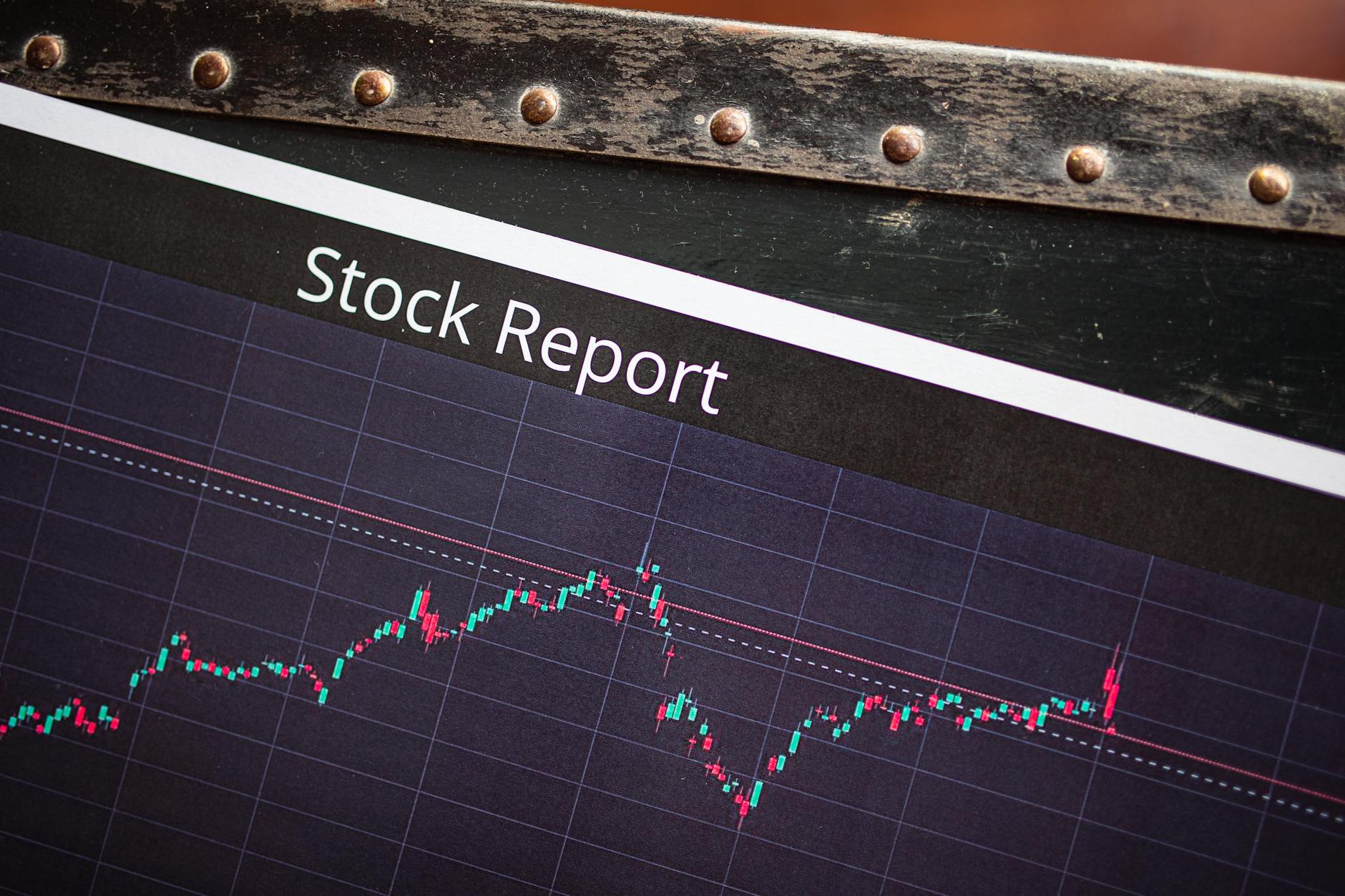
Stock Futures Little Changed Ahead of August Jobs Report and Trends
Stock futures were little changed as traders anticipated August's jobs report. Dow Jones futures dropped 3 points (0.01%), S&P 500 futures slid 0.03%, and Nasdaq-100 futures fell 0.06%. The Dow gained over 600 points (1.2%) in Thursday’s trading, marking its best performance since August 4. Economists expect 53,000 nonfarm payroll additions for the month and a 4.1% unemployment rate, compared to July's loss of 23,000 jobs. This matters for ordinary investors as upcoming employment figures could influence market direction and Federal Reserve policies.
Read More: Stock Futures Little Changed Ahead of August Jobs Report and Trends
Dow Rises as Jobs Report Misses Forecasts, S&P 500 Record Close
The Dow Jones Industrial Average rose following a jobs report that missed forecasts. The S&P 500 closed at a record high, registering its best week since April. Markets reacted positively, with the Nasdaq also recording a strong week. This performance reflects investor confidence despite the miss in employment numbers, which may affect future economic outlooks and trading strategies for the upcoming weeks. For ordinary investors, understanding these market movements can inform decisions on asset allocations in response to economic indicators.
Read More: Dow Rises as Jobs Report Misses Forecasts, S&P 500 Record Close
Stock Futures Rise Ahead of Key Jobs Report and Earnings Season
Stock futures increased as investors prepare for the upcoming July jobs report and key earnings releases. This week marks earnings season's peak, with expected reports from SpaceX and major chip companies. Observers are particularly interested in how the jobs data might influence the Federal Reserve's (Fed) decisions on monetary policy. Events like these are crucial as they may impact market sentiment and overall investment strategies for ordinary investors.
Read More: Stock Futures Rise Ahead of Key Jobs Report and Earnings Season
U.S. Dollar Sees 0.58% Weekly Drop Amid Soft Jobs Data
The U.S. dollar index decreased by 0.58% this week, marking its largest weekly drop since early April. June job growth slowed significantly, with nonfarm payrolls increasing by only 57,000, well below the expected 110,000. The labor force participation rate fell to a five-year low of 61.5%. Markets now assign a 52% chance for a Federal Reserve rate hike at the September meeting, down from 64%. Additionally, U.S. Treasury yields on two-year notes dropped by four basis points.
Read More: U.S. Dollar Sees 0.58% Weekly Drop Amid Soft Jobs Data
Nasdaq (IXIC) Futures Decline Ahead of Jobs Report Release
Nasdaq futures (IXIC) declined as investors awaited the upcoming jobs report, leading to cautious trading. This move reflects uncertainty in the market regarding economic indicators, specifically employment data, which impacts investor sentiment. Analysts are closely monitoring the anticipated job numbers, which could influence Federal Reserve policy decisions. The performance of futures may indicate broader market trends as investors reassess their positions in light of potential changes in monetary policy.
Read More: Nasdaq (IXIC) Futures Decline Ahead of Jobs Report Release
Tech Stocks Struggle Before Jobs Report as Investors Await Data
Global tech stocks faced challenges leading up to the jobs report release. This comes as investors analyze employment data, crucial for gauging economic health. Although the article lacks specific metrics such as P/E ratios or trading volumes, the market sentiment may be influenced by the upcoming jobs figures. Companies like Apple (AAPL) and Microsoft (MSFT) are among those impacted as analysts speculate on potential market movements following the report.
Read More: Tech Stocks Struggle Before Jobs Report as Investors Await Data
Fed Jobs Report Shows 172,000 Gains, Interest Rate Cuts Unlikely
The recent May jobs report indicated a gain of 172,000 nonfarm payrolls, complicating prospects for interest rate cuts by the Federal Reserve. This growth, along with previous months' upward revisions, has reduced the likelihood of a rate decrease at the upcoming June 16-17 meeting. Furthermore, market expectations now suggest a 70% chance of an interest rate hike by the end of 2026, according to CME Group's FedWatch. These developments highlight challenges faced by new Federal Reserve Chair Kevin Warsh in navigating policy amidst persistent inflation and changing economic conditions.
Read More: Fed Jobs Report Shows 172,000 Gains, Interest Rate Cuts Unlikely
S&P 500 Futures Lure Traders Ahead of May Jobs Report
On Thursday night, S&P 500 futures fell approximately 0.3%, while Nasdaq 100 futures declined by 0.5%. In after-hours trading, Lululemon Athletica (LULU) shares dropped by 11% after the company revised its full-year earnings and revenue guidance downward. Economists predict only 80,000 jobs were added in May, fewer than the average of 150,000 jobs over the past two months, keeping the unemployment rate steady at 4.3%. The S&P 500 is currently on track for its longest positive streak since 1985, with a growth of less than 0.1% this week.
Read More: S&P 500 Futures Lure Traders Ahead of May Jobs Report
May Job Report Expects 80,000 Jobs Added Amid Stagnation
The May jobs report is anticipated to show that only 80,000 jobs were added, a decrease from the average of 150,000 in the previous two months, including 115,000 in April. The unemployment rate is expected to remain at 4.3%, but recent data shows a 16% increase in planned layoffs, totaling 97,006 in May, the highest since 2020. Concerns are raised regarding job openings, which are increasing, but the number of quits is at its lowest since August 2020. Analysts have varying forecasts, with Goldman Sachs predicting 60,000 jobs and Vanguard forecasting just 20,000.
Read More: May Job Report Expects 80,000 Jobs Added Amid Stagnation
S&P 500 Futures Climb Ahead of Jobs Report Release
U.S. stock futures have increased, with the S&P 500 and Nasdaq indicating a higher start as traders prepare for the upcoming jobs report. The S&P 500 is looking to end higher for the sixth consecutive week. Noteworthy movements also include a rebound in chip stocks, which have contributed to the positive sentiment in the market. This overall rise in futures suggests that investors are optimistic about employment data potentially showing economic resilience.
Read More: S&P 500 Futures Climb Ahead of Jobs Report Release
Bond Yields Rise Following March Jobs Report Boost
Following the March jobs report, bond yields increased significantly as the employment figures surpassed expectations. The U.S. economy added 231,000 jobs, surpassing the anticipated 220,000. The unemployment rate remained steady at 3.6%. This stronger-than-expected employment data may influence the Federal Reserve's decision-making regarding interest rates, potentially leading to market volatility. Investors typically react to such economic indicators, which could impact trading in government bonds.
Read More: Bond Yields Rise Following March Jobs Report Boost
US Bonds Fall as March Jobs Report Beats Expectations
The March jobs report revealed a gain of 400,000 jobs, surpassing expectations, which contributed to a rise in bond yields. Consequently, the Federal Reserve's outlook for interest rate cuts appears to be undermined as strong job data strengthens the labor market. This unexpected increase in employment numbers may influence the Fed's monetary policy decision-making, potentially leading to steadier interest rates. As a result, the bond market reacts negatively, with yields increasing post-report, affecting overall market sentiments.
Read More: US Bonds Fall as March Jobs Report Beats Expectations
March jobs report to show US labor market stabilization
The March jobs report is scheduled for release on Friday, with expectations for US employment growth to have rebounded. Analysts note that this report will serve as a key gauge of the economy amid ongoing uncertainties related to the conflict in Iran. A stable labor market can influence Federal Reserve decisions regarding interest rates. This report is significant for investors and market participants who will be closely monitoring the unemployment rates and job growth figures.
Read More: March jobs report to show US labor market stabilization
US Stock Futures Decline Ahead of Jobs Report Amid Middle East Concerns
U.S. stock futures fell as the market enters a holiday-shortened trading week. Key indices such as the Dow, S&P 500, and Nasdaq experienced declines amid ongoing geopolitical tensions in the Middle East. Investors are awaiting the upcoming jobs report, which could significantly impact market sentiment. Overall, the futures' movements reflect market caution in response to both domestic and international events.
Read More: US Stock Futures Decline Ahead of Jobs Report Amid Middle East Concerns
Oil Prices Surge to 2023 High, Impacting Stocks Amid Weak Jobs Report
Oil prices have surged to their highest levels in 2023, reaching $90 a barrel, as recent U.S. jobs data has fueled market anxiety and caused stocks to tumble. This increase in oil prices, alongside weak employment figures, prompted the Dow Jones to experience its worst week since April. Market analysts are concerned that rising energy costs may lead to heightened inflation and impact consumer spending. Investors are urged to navigate these turbulent conditions carefully, as geopolitical tensions around Iran also loom over market sentiment.
Read More: Oil Prices Surge to 2023 High, Impacting Stocks Amid Weak Jobs Report
Trump's Economy Faces Challenges as 2026 Begins with Troubling Numbers
As 2026 kicks off, economic indicators reveal a struggling job market and increasing gas prices, challenging Donald Trump's narrative of a 'roaring' economy. Recent job figures indicate a downturn, with analysts raising concerns over the implications for the upcoming midterm elections. High gas prices further strain consumer sentiment, which could negatively impact voter behavior. These factors may influence market stability and electoral outcomes, necessitating close monitoring by investors and policymakers.
Read More: Trump's Economy Faces Challenges as 2026 Begins with Troubling Numbers
US Stock Market Faces Decline Amid Rising Oil Prices and Weak Jobs Data
The U.S. stock market experienced significant turbulence, with the Dow Jones falling 450 points, marking its worst week in nearly a year. This decline follows disappointing jobs data and a notable surge in oil prices, which have now surpassed $90 a barrel. Analysts are expressing concerns about potential stagflation as the combination of rising energy costs and weak employment figures could hinder economic growth. With increased volatility in oil markets and investor sentiment shaky, the potential for further market impact looms.
Read More: US Stock Market Faces Decline Amid Rising Oil Prices and Weak Jobs Data
Dow Drops as Stagflation Fears Rise Amidst Surging Oil Prices
On March 6, 2026, the Dow Jones Industrial Average experienced its most significant weekly decline since April 2025, primarily driven by concerns over stagflation as oil prices surged to $90 per barrel. Additionally, disappointing U.S. jobs data heightened market anxiety, signaling potential economic stagnation amidst inflationary pressures. This situation raises critical questions about the resilience of the market, with investors wary of further declines and possible impacts on corporate earnings. The interconnectedness of rising energy costs and labor market performance signals a challenging environment for both the economy and financial markets.
Read More: Dow Drops as Stagflation Fears Rise Amidst Surging Oil Prices