Treasurys News & Analysis
8 articles
Market Mood
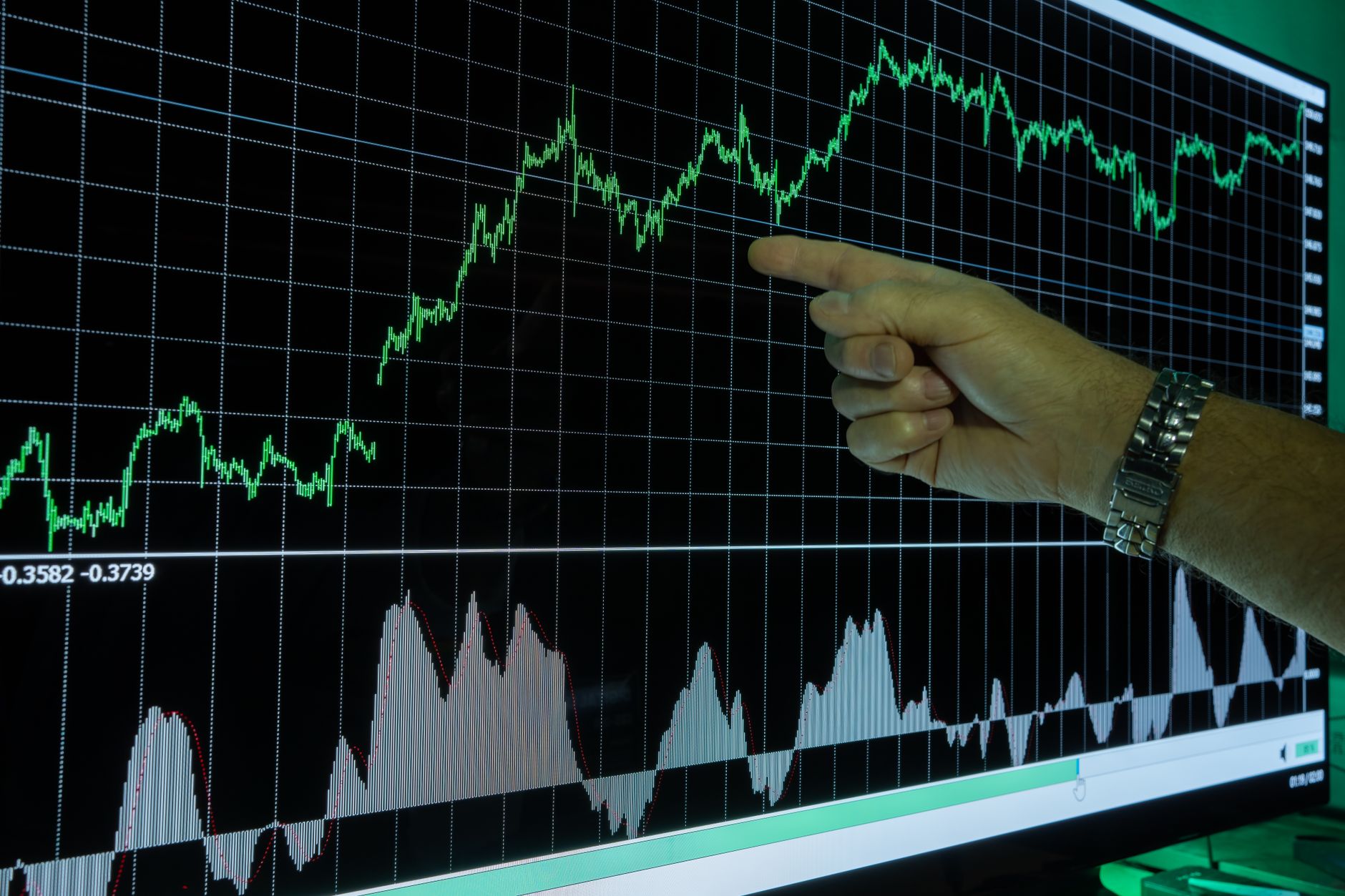
Treasury Yields Near 5% as Investors Add $5.4B in Bonds Amid Market Volatility
After a recent bond market sell-off, investors have begun to see opportunities in U.S. Treasurys, with the 10-year note yield approaching 5%. Despite the market's worst long-term return in 100 years, there has been a notable inflow of $5.4 billion into Treasurys and $12.1 billion into the overall bond market last week. The iShares 20+ Year Treasury Bond ETF attracted $1.14 billion in new capital over the past month. Market participants view the sell-off as potentially exhausted, with risks and inflation expectations largely priced in. The 10-year Treasury yield dropped 19 basis points, or 0.19 percentage points, in a single day, a move considered highly unusual. Analysts suggest that reduced competition from corporate debt issuance related to AI investments may ease pressure on Treasurys. This shift is significant as it contrasts with typical trends where stocks and bonds move inversely; both recently experienced declines due in part to rising oil prices. For investors, the current Treasury market inflows indicate a pivot towards perceived stability and lower supply risk, affecting fixed income returns and capital allocation strategies.
Read More: Treasury Yields Near 5% as Investors Add $5.4B in Bonds Amid Market Volatility
S&P 500 Tech Stocks Slump While Treasurys Rally on Market Split
Tech stocks within the S&P 500 declined on Thursday, despite over 300 of the index's constituents posting gains. This divergence highlights a split in the stock market performance. Concurrently, U.S. Treasury securities experienced a rally, indicating a shift in investor preference towards safer assets. The contrasting movement suggests differing market dynamics, with technology firms facing pressure while broader market segments advance. The rally in Treasurys often reflects increased demand for fixed-income securities amid uncertainty or risk aversion. This divergence matters because it may signal changes in market leadership and investor sentiment across sectors. Investors should note the weakening tech sector and the strengthening bond market as signals of evolving market conditions that could impact asset allocation and portfolio risk management.
Read More: S&P 500 Tech Stocks Slump While Treasurys Rally on Market Split
Tech Selloff Deepens as Treasury Yields Drop Amid Market Flight
The stock market saw a deepening selloff in technology stocks as investors moved funds into U.S. Treasurys, pushing yields lower. This shift reflects increased risk-off sentiment globally, with U.S. futures declining and equity indexes showing mixed performance. Oil prices rose amid these market dynamics. Investors are rotating from high-growth tech sectors, including AI-related trades, towards government bonds. Market volatility is also influenced by geopolitical concerns due to escalating tensions in the Middle East and recent corporate guidance cuts, notably from Elon Musk, who reduced capital expenditure forecasts. These developments highlight the cautious stance investors are taking, favoring safer assets amid uncertainty. For individual investors, the rotation into Treasurys means potential changes in portfolio returns from fixed income and reduced prospects for tech sector gains, influenced by bond yield movements and capital expenditure trends.
Read More: Tech Selloff Deepens as Treasury Yields Drop Amid Market Flight
BlackRock Adjusts Strategy, Moves from Stocks to Treasurys
BlackRock has decided to reduce its stock holdings and increase investments in U.S. Treasurys for the first time in six years. This strategic shift indicates a change in investment focus as the company seeks to capitalize on potential opportunities in government bonds over equities. The decision by BlackRock reflects a reassessment of market conditions, potentially driven by current economic trends or anticipated financial developments. BlackRock has not provided specific figures on the amounts involved in this shift. For investors, BlackRock's move may suggest a growing confidence in the relative stability and returns of U.S. Treasurys, potentially influencing similar strategies across the investment landscape.
Read More: BlackRock Adjusts Strategy, Moves from Stocks to Treasurys
Auction Results Steady U.S. Treasurys Amid Market Volatility
Recent auction results have contributed to stabilizing U.S. Treasury prices, which have experienced significant volatility. The auction attracted robust demand, aiding in calming market concerns that had been affecting Treasurys. This follows a period where Treasurys were under pressure, impacting yields and investor sentiment. The demand at the auction suggests continued interest in U.S. government debt despite broader economic uncertainties. The auction's success is significant in light of recent fluctuations in the Treasury market, driven by varied economic indicators and investor expectations. By attracting consistent interest, the auction helps maintain stability in the bond market, which is crucial for interest rates and broader financial markets. For ordinary investors, steady Treasury prices can help stabilize interest rates on mortgages and loans, affecting consumer and business financing costs.
Read More: Auction Results Steady U.S. Treasurys Amid Market Volatility
Norway's Sovereign Wealth Fund Plans to Cut U.S. Treasury Holdings
Norway's sovereign wealth fund, with a portfolio worth $2.3 trillion, plans to reduce its U.S. Treasury holdings from 34.1% to 21.9%. The fund aims to cut its government bond allocation from 70% to 50% to better diversify risk and enhance returns. It also intends to increase investments in nongovernment U.S. fixed income from 16.2% to 27.6%. This shift comes as long-dated Treasury yields reach decade-highs, indicating potential volatility in the market and the need for investors to monitor changes in traditional government bond holders.
Read More: Norway's Sovereign Wealth Fund Plans to Cut U.S. Treasury Holdings
Federal Reserve Support for Yen Amidst 3.5% Drop in Currency
The Federal Reserve may be involved in efforts to support the Japanese yen following a significant drop in its value, where one U.S. dollar reached nearly 164 yen, the weakest level since 1986. Treasury Secretary Scott Bessent indicated that the U.S. intervened in foreign exchange markets, leading to the yen's recovery from its low, retreating 3.5% to just under 157 yen. This intervention also aimed at stabilizing the sensitive U.S. Treasurys market, as the Fed adapts its role under new Chairman Kevin Warsh. This situation is essential for investors as fluctuations in currency and treasury rates can impact investment returns and financial strategies.
Read More: Federal Reserve Support for Yen Amidst 3.5% Drop in Currency
Treasury Portfolio Generates $617 Monthly for Groceries and Bills
A $185,000 portfolio invested in Treasurys with a blended yield of 4% produces $617 monthly, sufficient to cover recurring expenses like groceries, utilities, and phone bills. Current Treasury yields include 3.99% for the 52-week T-bill and 4.4% for the 10-year Treasury as of June 24, 2026. The strategy relies on a T-bill ladder that excludes rent and healthcare and may face diminishing income if rates decline further, having already decreased by 0.75 points over the past year. Household expenses rose annually, with the Bureau of Labor Statistics reporting average expenditures at $78,535 in 2024, highlighting the ongoing need for reliable income streams.
Read More: Treasury Portfolio Generates $617 Monthly for Groceries and Bills