Emissions News & Analysis
7 articles
Market Mood

Environmental Groups Adopt AI Amid Data Center Emission Concerns
Environmental groups are increasingly using artificial intelligence (AI) technologies despite worries about the environmental impact of data center emissions. While these organizations traditionally focus on reducing carbon footprints, they recognize AI's potential for advancing their causes. Data centers that power AI consume significant energy, contributing to emissions. However, these groups appear to consider the benefits of AI in environmental activism and research to outweigh the emissions concerns. This shift shows a balancing act between adopting new technologies and staying committed to sustainability goals. This development indicates that even organizations focused on reducing environmental harm are embracing AI innovations. Investors should note that demand for data center capacity may continue growing as AI adoption expands across sectors, potentially affecting energy consumption patterns and related markets.
Read More: Environmental Groups Adopt AI Amid Data Center Emission Concerns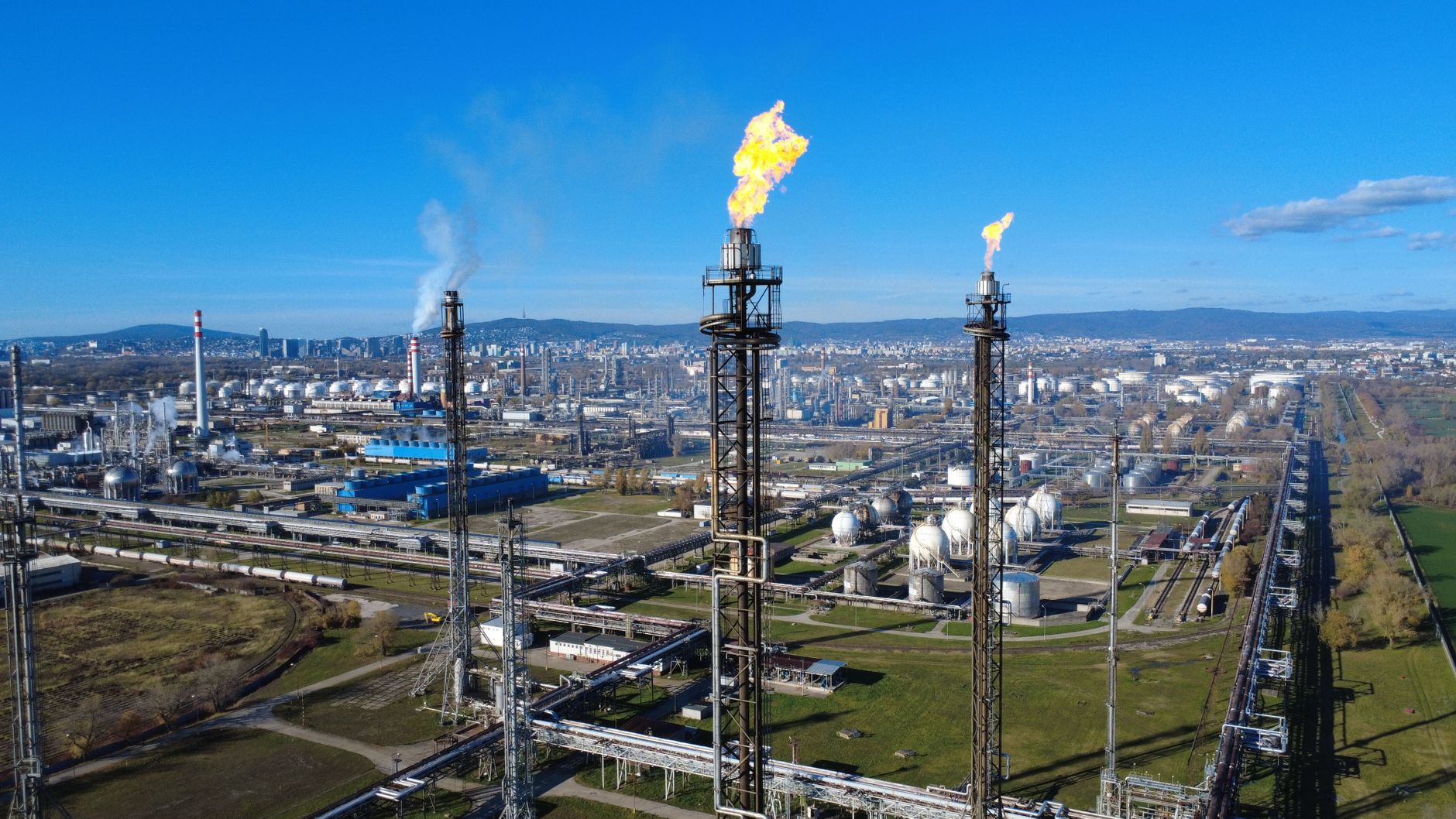
Automakers Support US Fuel Economy Rule Rollback Impacting Emissions
Several major automakers have expressed support for the United States government's rollback of fuel economy regulations. These changes reduce the fuel efficiency standards that vehicles must meet, affecting the automotive industry's regulatory environment. The rollback is expected to ease compliance costs for automakers and allow more flexibility in vehicle production strategies. However, it also means that vehicles may have higher emissions compared to prior standards, potentially influencing environmental policy and market demand. This adjustment matters for investors because it could alter the cost structure and regulatory risks for automakers. Changes in fuel economy rules can affect production costs, competitive positioning, and consumer preferences in the automotive sector.
Read More: Automakers Support US Fuel Economy Rule Rollback Impacting Emissions
US GM Tech Costs to Drop $20 Billion by 2031 Under New Rules
The U.S. government announced that General Motors (GM) will see technology costs decrease by $20 billion through 2031 due to new emissions regulations. These changes are part of President Trump's initiative to reset fuel economy standards and end previous electric vehicle mandates. This regulatory shift signifies a change in approach to fuel economy and environmental goals in the automotive sector. For investors, this matters because it could directly influence GM's production costs and long-term strategic direction, potentially impacting profitability.
Read More: US GM Tech Costs to Drop $20 Billion by 2031 Under New Rules
Trump Administration Lowers Fuel Efficiency Standards for Cars
The Trump administration has finalized new fuel efficiency standards for new cars, aimed at making vehicles more affordable. This initiative includes the rollback of the existing electric vehicle (EV) mandate and aims to reduce compliance costs for automakers. Notably, General Motors (GM) expects technology costs to decrease by $20 billion through 2031 due to these new emissions rules. This change will likely affect production costs and pricing strategies in the automotive sector, directly impacting consumer options and spending.
Read More: Trump Administration Lowers Fuel Efficiency Standards for Cars
Port of Rotterdam CO2 Emissions Linked to 600 Megatonnes Annually
The Port of Rotterdam processes hundreds of thousands of barrels of crude oil daily, contributing about 29 million tonnes of CO2 emissions annually, which is roughly half of the Netherlands' total. A lawsuit from Advocates for the Future criticizes the Port Authority for not adequately phasing out fossil fuels. The Port Authority's plan aims to reduce its emissions by 90% from 2019 to 2030, including developing a hydrogen hub and implementing CCS (Carbon Capture and Storage) projects. This situation underlines the environmental accountability of major industrial hubs, which is increasingly important for stakeholders and investors focused on sustainability.
Read More: Port of Rotterdam CO2 Emissions Linked to 600 Megatonnes Annually
TotalEnergies (TOT) launches MethaneLive monitoring center.
TotalEnergies (TOT) has launched a new methane monitoring center named MethaneLive. This initiative aims to enhance the company’s capabilities in tracking methane emissions, a significant aspect of its environmental strategy. The monitoring center is expected to play a crucial role in TotalEnergies' commitment to reducing its carbon footprint. This development aligns with increasing regulatory focus on environmental sustainability and could impact the company's operational costs and market perception.
Read More: TotalEnergies (TOT) launches MethaneLive monitoring center.
EPA Sends California Emissions Rules to Congress for Potential Reversal
The US Environmental Protection Agency (EPA) has forwarded California's emissions rules to Congress, where they may face reversal. This action is a pivotal moment as it affects state regulations on emissions standards, potentially impacting auto manufacturers and environmental policies. California has often set stringent emissions standards that influence national policies. The outcome of this congressional review could have significant ramifications for both market players in the automotive sector and broader environmental initiatives.
Read More: EPA Sends California Emissions Rules to Congress for Potential Reversal