Apparel News & Analysis
5 articles
Market Mood
Global Fashion Brands Shift Orders from Bangladesh to India Amid Unrest
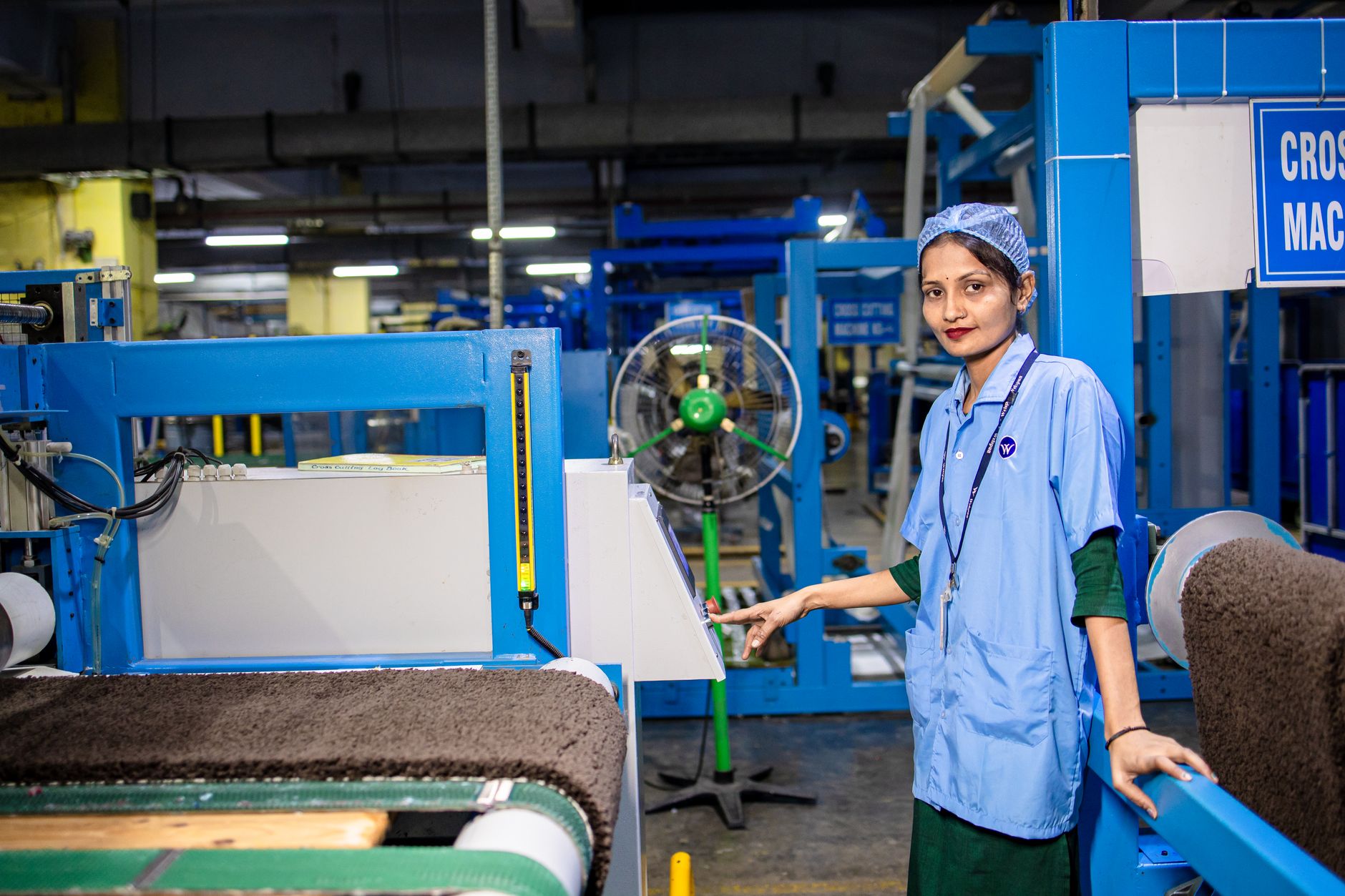
Global fashion brands are relocating orders from Bangladesh to India due to ongoing unrest in Bangladesh. This shift is impacting the apparel supply chain, with brands seeking more stable production locations. The move reflects concerns about labor strikes and political instability disrupting factory operations in Bangladesh, which is a key apparel exporter. India is gaining orders as brands look to mitigate risks and ensure uninterrupted supply. The relocation illustrates broader supply chain adjustments in the global apparel industry driven by political and social factors. Bangladesh's apparel sector faces challenges related to worker protests and political tensions that threaten production schedules. This trend matters for investors in apparel companies and markets connected to textile exports, as order shifts could affect revenue streams and competitive dynamics. The change may influence factory demand, pricing, and regional trade balances in the clothing manufacturing sector.
Read More: Global Fashion Brands Shift Orders from Bangladesh to India Amid Unrest
Target Revival Highlights Need to Improve Shoes and Women’s Clothing
Target is experiencing a revival in its business but still faces challenges in certain product segments. Analysts consider improvements in Target's apparel and home categories essential for the company's turnaround. The focus is on revamping the shoes and women's clothing segments to support continued growth and strengthen the overall performance. This reflects targeted strategic efforts to boost sales in areas where the retailer has underperformed. For investors, Target's progress depends significantly on how effectively it can enhance these key product categories. Success in these areas could drive revenue growth, while continued weaknesses might limit the recovery and profitability prospects for Target (TGT).
Read More: Target Revival Highlights Need to Improve Shoes and Women’s Clothing
Levi Strauss (LEVI) Sees White Denim Sales Surge 70% in Q2
Levi Strauss (LEVI) reported a 70% increase in white denim sales during its fiscal second quarter. The company is expanding its product offering beyond denim to include shirts and dresses targeting different budgets. Bank of America raised its earnings estimate for fiscal 2026 to $1.52 per share from $1.48, with additional increases for subsequent years due to improved sales in the Americas and Asia. Despite a year-to-date stock increase of 17%, shares fell post-report due to concerns over second-half margins, highlighting the importance of maintaining profit growth as they diversify their offerings.
Read More: Levi Strauss (LEVI) Sees White Denim Sales Surge 70% in Q2
Bangladesh's Apparel Exports Decline 3.41% Amid Economic Challenges
The BGMEA reported a 3.41% decline in garment export earnings and a 1.55% decrease in average unit prices due to global economic slowdown and rising domestic costs. Around 400 factories have closed in Bangladesh over the past three years, prompting calls for policy support to maintain competitiveness in the apparel industry. The government's new budget targets a 6.5% growth rate while emphasizing long-term stability and development across various sectors. The BGMEA advocates for reductions in taxes and import duties to support the Ready-Made Garment (RMG) industry, crucial for employment and foreign exchange earnings.
Read More: Bangladesh's Apparel Exports Decline 3.41% Amid Economic Challenges
GLP-1 Users Driving Retail Clothing Demand as Weight Loss Grows
Over 600,000 prescriptions for Novo Nordisk's Wegovy (NVO) were written by February 2023, indicating increased demand for weight loss drugs. Currently, nearly 13% of U.S. adults are on a GLP-1 medication, with adoption rates increasing from 11% in November 2024 to 16% in November 2025. Retailers are reporting a rise in customers seeking new clothing due to weight loss, with specific interest noted by services like Stitch Fix. Analysts predict that as accessibility improves, consumer spending on apparel is expected to grow significantly, particularly for smaller sizes.
Read More: GLP-1 Users Driving Retail Clothing Demand as Weight Loss Grows