
Yum! Brands Inc. (YUM)
Consumer Discretionary16 articles
Price chart
Why is YUM moving today?
+2.8%YUM is +2.8% today, inside the ordinary range for a session (under 3%). Today's stories are context, not an explanation of a move this small.
What the feed can point to
- 1.KFC to Switch to Coca-Cola in U.S. After Decades with PepsiConeutralcnbc.com
- 2.KFC Partners with Coca-Cola, Ending PepsiCo CollaborationProductneutralinvesting.com
What this does not prove. A story on the same day is evidence of timing, not of cause: it explains a move only if it accounts for the size and the direction, and most single-stock moves carry a sector or index component too. Nothing here is a forecast.
Source: Yahoo Finance - quote as of 13 hours ago
Yum! Brands Inc. (YUM) overview
Yum! Brands operates the KFC, Taco Bell, and Pizza Hut fast-food chains.
YUM is a member of the S&P 500. It sits in the Consumer Discretionary sector. That sector covers retailers, automakers and leisure companies whose sales rise and fall with consumer confidence.
Yum! Brands Inc. trades on the NYSE under the ticker symbol YUM. The most recent market data puts the share price at about $150.83. That is up 2.82% on the session. At that price the company is worth roughly $41.16B.
Over the past 52 weeks, YUM has traded between $134.26 and $170.14. Shares change hands at a trailing price-to-earnings (P/E) ratio of about 18.5. The P/E ratio sets the share price against a year of earnings. A higher number means the market is paying more for each dollar the company earns. YUM also pays a dividend. It yields around 1.99% at the current price.
Key statistics
Source: Yahoo Finance - quote as of 13 hours ago
Informational only, not financial advice. Content is AI-generated and may contain errors. How this works.
Why investors watch YUM
YUM is one of the larger names in the Consumer Discretionary sector, so investors follow it closely. It tends to move with the rest of the sector. This page sums up each YUM story as it breaks, and tags it bullish, bearish or neutral.
What moves YUM
- Earnings. YUM reports results four times a year. A surprise against the estimate tends to move the stock that day.
- Analyst calls. Upgrades, downgrades and new price targets change what the market expects from YUM.
- Sector news. Consumer Discretionary stocks often move together, so a rival's news can move YUM too.
Market Mood
This week for YUM
2 stories about Yum! Brands Inc. in the last 7 days- KFC to Switch to Coca-Cola in U.S. After Decades with PepsiConeutralcnbc.com
- KFC Partners with Coca-Cola, Ending PepsiCo CollaborationProductneutralinvesting.com
Follow YUM without checking every day
One email every Monday with the week's biggest moves and the stories behind them. Free, unsubscribe anytime.
Latest YUM news
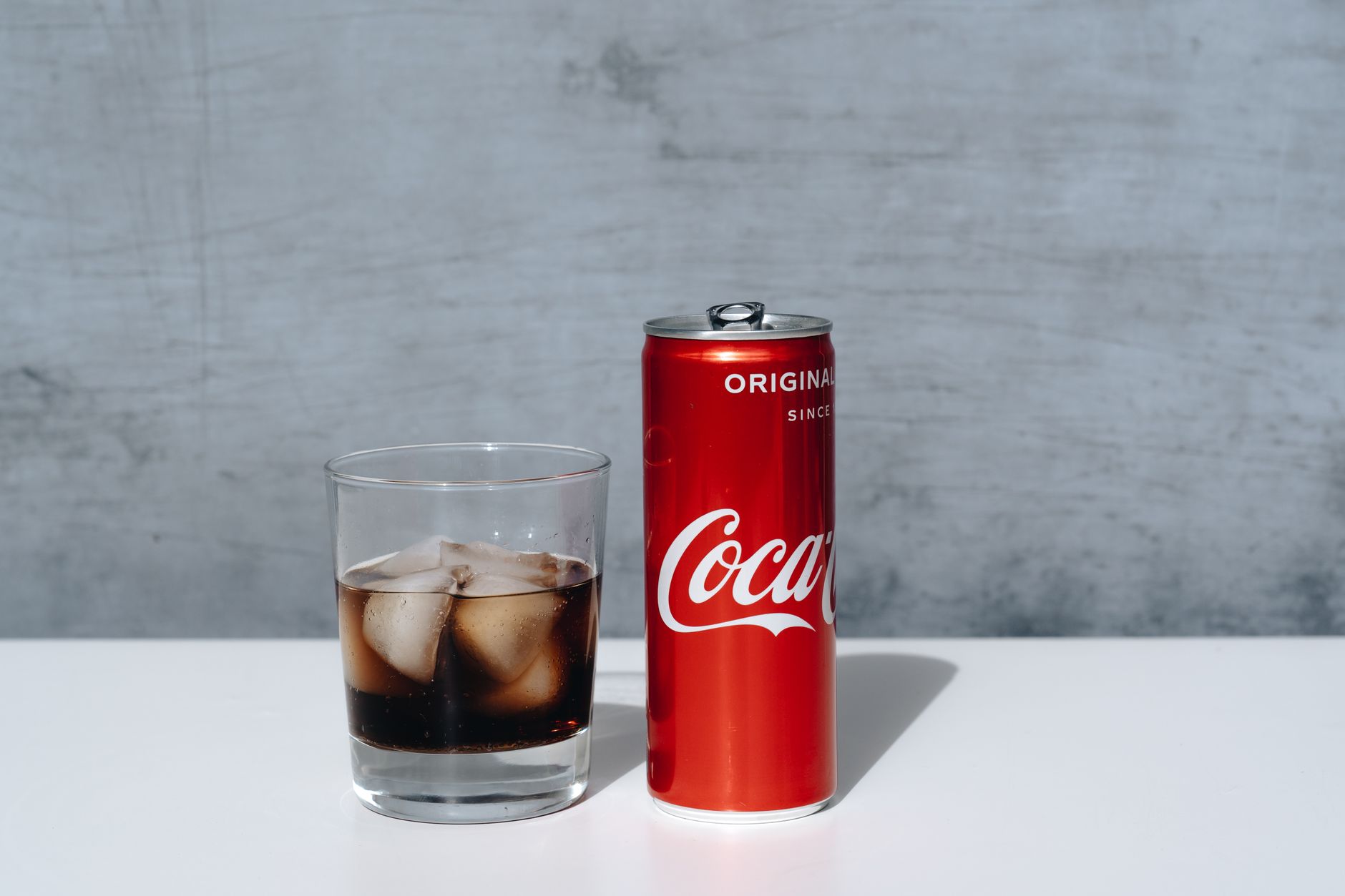
KFC to Switch to Coca-Cola in U.S. After Decades with PepsiCo
KFC U.S. will change its beverage supplier from PepsiCo (PEP) to Coca-Cola (KO) starting next year, as announced by Yum Brands. This marks the first beverage supplier change for KFC's U.S. restaurants in decades, although some international locations already serve Coke products. The decision is part of a strategy to attract more U.S. diners, aiming to compete better against fast-food chains such as Chick-fil-A and Popeyes. KFC U.S. President Catherine Tan-Gillespie indicated that partnering with Coca-Cola presents an opportunity for innovation and meeting changing consumer tastes. The company plans to implement the switch by the first quarter of 2027, ensuring that Coke beverages are available in all U.S. locations by then. While KFC will introduce Coca-Cola products domestically, Pepsi will remain a partner for KFC's parent company and international outlets. Restaurant beverage offerings have become crucial for driving consumer interest, with many chains expanding their drink menus to include new and innovative options. This change is significant for KFC's competitive positioning, as beverage partners play a critical role in customer decisions and brand visibility. Investors may consider this shift as a potential lever for increased consumer traffic in the U.S. market, enhancing KFC's appeal through a refreshed beverage lineup.
Read More: KFC to Switch to Coca-Cola in U.S. After Decades with PepsiCo
KFC Partners with Coca-Cola, Ending PepsiCo Collaboration
KFC has announced a new partnership with Coca-Cola, effectively ending its previous collaboration with PepsiCo. This decision marks a significant change in KFC's beverage offerings, aligning the fast-food chain with one of the world's most recognized soft drink brands. The switch to Coca-Cola is expected to strengthen KFC's beverage lineup across its outlets, potentially attracting more customers who prefer Coca-Cola products. The partnership concludes KFC's association with PepsiCo, a relationship that was notable among major fast-food chains. Coca-Cola will now become the exclusive beverage supplier for KFC locations worldwide. KFC's pivot to Coca-Cola aligns with a common strategy seen in the fast-food industry, where beverage partnerships can influence customer preferences and sales. This change matters to investors because it may impact KFC's competitive positioning in the fast-food market. Partnering with a strong brand like Coca-Cola could enhance KFC's brand appeal, which might contribute to sales growth in their outlets.
Read More: KFC Partners with Coca-Cola, Ending PepsiCo Collaboration
KFC Opens 3,400-Sq Ft Open House Restaurant in Texas
KFC is launching a new restaurant concept called Open House in McKinney, Texas, on September 26. This location will feature breakfast items, table service, and new beverages, marking a first for KFC. Notably, the 3,400-square-foot space aims to test new offerings and improve customer experience. KFC's same-store sales growth was 2% in the second quarter, with sales in its largest market, China, rising by 6%. This initiative may help KFC increase its market share against competitors like Chick-fil-A and Popeyes.
Read More: KFC Opens 3,400-Sq Ft Open House Restaurant in Texas
KFC (YUM) Closes 300 Stores Amid Sales Decline and Strategy Shift
KFC has closed 300 stores over the past year, marking a significant reduction. The chain's U.S. footprint shrank by 7.64% due to this trend of closing underperforming locations. Sales for KFC dropped 4.6% in 2025, following a 5.2% decline in 2024. Meanwhile, Chick-fil-A saw 5.2% sales growth, highlighting intense competition in the fast-food chicken market. This situation is relevant for investors as KFC's strategic adjustments could affect Yum Brands' (YUM) overall performance in the restaurant sector.
Read More: KFC (YUM) Closes 300 Stores Amid Sales Decline and Strategy Shift
Yum! Brands (YUM) Global Expansion Supports Portfolio Strategy
Yum! Brands, Inc. (NYSE:YUM) closed at $153.28 on July 31, 2026, with a market capitalization of $41.85 billion. The company has experienced a one-month return of -7.66% but gained 4.27% over the past year. Fundsmith Equity Fund added Yum! Brands to its portfolio in Q2 2026, citing its rapid global expansion, with a new restaurant opening every two hours. The firm noted significant growth opportunities for KFC and Taco Bell, particularly in emerging markets. This matter is relevant for investors as Yum's strategic growth initiatives may impact future performance and stock value.
Read More: Yum! Brands (YUM) Global Expansion Supports Portfolio Strategy
Yum Brands Reports Q2 Earnings: $2.17B Revenue, Mixed Results
Yum Brands (YUM) reported second-quarter earnings with revenue of $2.17 billion, slightly below Wall Street's $2.2 billion expectation. Earnings per share were $1.62, surpassing the $1.58 estimate, while net income grew to $853 million, up from $374 million a year ago. Despite a 3% rise in global same-store sales, the chain faces potential future challenges due to a linked cyclospora outbreak affecting Taco Bell, which reported a 7% same-store sales increase this quarter. Investors should monitor how the outbreak influences consumer behavior and Yum's growth strategies moving forward.
Read More: Yum Brands Reports Q2 Earnings: $2.17B Revenue, Mixed Results
FDA Cyclospora Probe Confusion: Taylor Farms Salad Impact
The FDA has confirmed that a false positive test indicated a sample of iceberg lettuce from Taylor Farms de Mexico carried the cyclospora parasite. However, this affects only one specific shipment, and the FDA maintains that the outbreak is linked to shredded iceberg lettuce from central Mexico supplied by Taylor Farms, which impacted over 1,600 individuals. Despite the clarification, Taco Bell experienced a roughly 19% drop in foot traffic on Friday compared to the average for the year. This situation may lead to temporary sales hits for companies involved, although analysts suggest no long-term impact on Taco Bell (YUM).
Read More: FDA Cyclospora Probe Confusion: Taylor Farms Salad Impact
Taylor Farms to Recall Iceberg Lettuce Due to Cyclospora Cases
Taylor Farms is initiating a recall of iceberg lettuce linked to cyclospora cases. The Food and Drug Administration (FDA) identified products connected to potential outbreaks at Taco Bell. This recall is a response to consumer health concerns and aims to prevent the spread of the illness. The market impact of this recall may affect consumer trust and sales in the food sector, particularly for fast food chains associated with the outbreak. This situation matters for ordinary investors as it could influence the performance and stock prices of companies like Taco Bell's parent, Yum Brands (YUM).
Read More: Taylor Farms to Recall Iceberg Lettuce Due to Cyclospora Cases
KFC (YUM) Closes 207 U.S. Restaurants Amid Challenges
KFC (YUM) has closed 207 restaurants across the United States in the past 15 months, according to recent reports. An analysis from Local Falcon indicated that KFC reduced its U.S. physical footprint by 7.64%, with closures totaling at least 312 restaurants from July 15, 2025, to July 6, 2026. As of July 14, 2026, KFC operated 3,784 locations compared to 4,089 a year earlier, confirming a decline of 305 locations. This reduction reflects ongoing challenges in the fast-food sector as consumer habits shift. For investors, these operational changes may signal shifts in market strategy and overall brand health for KFC.
Read More: KFC (YUM) Closes 207 U.S. Restaurants Amid Challenges
Taco Bell (YUM) Removes Lettuce, Guacamole Amid Parasite Outbreak
Taco Bell (YUM) has announced it will stop serving certain menu items, including lettuce and guacamole, due to a rise in cyclosporiasis cases. This decision comes as some restaurants alter their menus in response to a parasitic outbreak linked to food items. The removal of these ingredients aims to mitigate health risks associated with the outbreak. Such actions could impact consumer behavior and sales performance in the fast-food sector. For ordinary investors, this situation highlights the importance of food safety in influencing restaurant stock performances.
Read More: Taco Bell (YUM) Removes Lettuce, Guacamole Amid Parasite Outbreak
Yum! Brands (YUM) Sells Pizza Hut for $2.3 Billion in Two Deals
Yum! Brands (YUM) is divesting Pizza Hut in two transactions, selling it outside of mainland China to LongRange Capital and in China to Yum China. The total expected revenue from these sales is approximately $2.3 billion, which will positively impact Yum! Brands' balance sheet. The company plans to redirect its focus towards growth opportunities in KFC and Taco Bell, which are viewed as having stronger unit economics. Yum! Brands has also authorized a $4 billion share buyback, although its stock has seen minimal movement year-to-date, with a gain of less than 1%.
Read More: Yum! Brands (YUM) Sells Pizza Hut for $2.3 Billion in Two Deals
Yum! Brands (YUM) Sells Pizza Hut for $2.7 Billion
Yum! Brands (YUM) has agreed to sell Pizza Hut for $2.7 billion, comprising two transactions. The company anticipates realizing about $2.3 billion in proceeds after taxes and expenses. Pizza Hut has underperformed with same-store sales declining 1% in 2025 and 4% in 2024, while KFC and Taco Bell reported increases of 3% and 7%, respectively, in 2025. Following the sale, Yum! Brands announced a $4 billion stock buyback, aiming to return funds to shareholders. This strategic move allows the company to concentrate on its better-performing brands.
Read More: Yum! Brands (YUM) Sells Pizza Hut for $2.7 Billion
Yum Brands (YUM) sells Pizza Hut for $2.7 billion to focus growth
Yum Brands (YUM) announced the sale of its Pizza Hut chain for $2.7 billion to private equity firm LongRange Capital and Yum China. This move comes amid a decline in demand for Pizza Hut offerings. Following the sale, Yum Brands aims to focus more on Taco Bell and KFC, potentially impacting its future growth strategy. The transaction is significant as it highlights Yum's shift towards strengthening its remaining brands in a competitive market.
Read More: Yum Brands (YUM) sells Pizza Hut for $2.7 billion to focus growth
Yum! Brands (YUM) Exclusive Talks to Sell Pizza Hut to LongRange
Yum! Brands (YUM) has entered exclusive negotiations to sell its Pizza Hut division to LongRange, as reported by Bloomberg. While specific financial terms of the potential deal have not been disclosed, this move represents a strategic shift for YUM, which has been in focus for its North American performance. Selling a major brand like Pizza Hut could impact YUM's revenue structure and market positioning. The outcome of these talks could influence investor sentiment and YUM's stock performance in the near future.
Read More: Yum! Brands (YUM) Exclusive Talks to Sell Pizza Hut to LongRange
McDonald's (MCD) Stock Falls 10% YTD, Lowest Since August 2024
McDonald's (MCD) stock is trading at $275, the lowest level since August 2024. Year-to-date, the stock has decreased by 10%, contrasting with a nearly 3% gain for the Dow Jones Industrial Average (^DJI). Following lackluster first-quarter earnings, analysts expressed disappointment, noting a 3.9% same-store sales increase compared to competitors like Burger King's 5.8% jump. Despite resilient 1Q results with 3.8% global comps, concerns about future performance have led to a Hold rating from analysts.
Read More: McDonald's (MCD) Stock Falls 10% YTD, Lowest Since August 2024
YUM (YUM) Files DEF 14A Proxy Statement for April 30 Meeting
Yum! Brands (YUM) submitted its DEF 14A proxy statement for the upcoming shareholder meeting on April 30. The document includes details regarding proposals on board elections, executive compensation, and potential shareholder proposals. Proxy statements are essential for informing shareholders of important decisions to be made at the meeting. The outcomes of these proposals can significantly influence investor sentiment and corporate governance at Yum! Brands.
Read More: YUM (YUM) Files DEF 14A Proxy Statement for April 30 MeetingMore Consumer Discretionary stocks
Frequently asked questions
Is Yum! Brands Inc. in the S&P 500?
Yes. Yum! Brands Inc. trades as YUM and is a member of the S&P 500. The index lists it in the Consumer Discretionary sector.
What sector is YUM in?
YUM sits in the Consumer Discretionary sector of the S&P 500.
Where can I find the latest YUM news?
Right here. This page collects recent YUM news and market analysis. Every story gets an AI summary and a bullish, bearish or neutral tag.
What is Yum! Brands Inc.'s stock price?
YUM last traded at about $150.83. Prices move all through the session, so this is the latest quote rather than a live one.
What is Yum! Brands Inc.'s market cap?
YUM is worth roughly $41.16B. Market cap is the share price times the number of shares outstanding.
What is YUM's P/E ratio?
YUM trades at a trailing P/E ratio of about 18.5. The ratio compares the share price with earnings per share over the past year.