Saudi Arabia Cuts Vision 2030 Spending Amid Economic Pressure
Published on · Source: cnbc.com
AI Summary
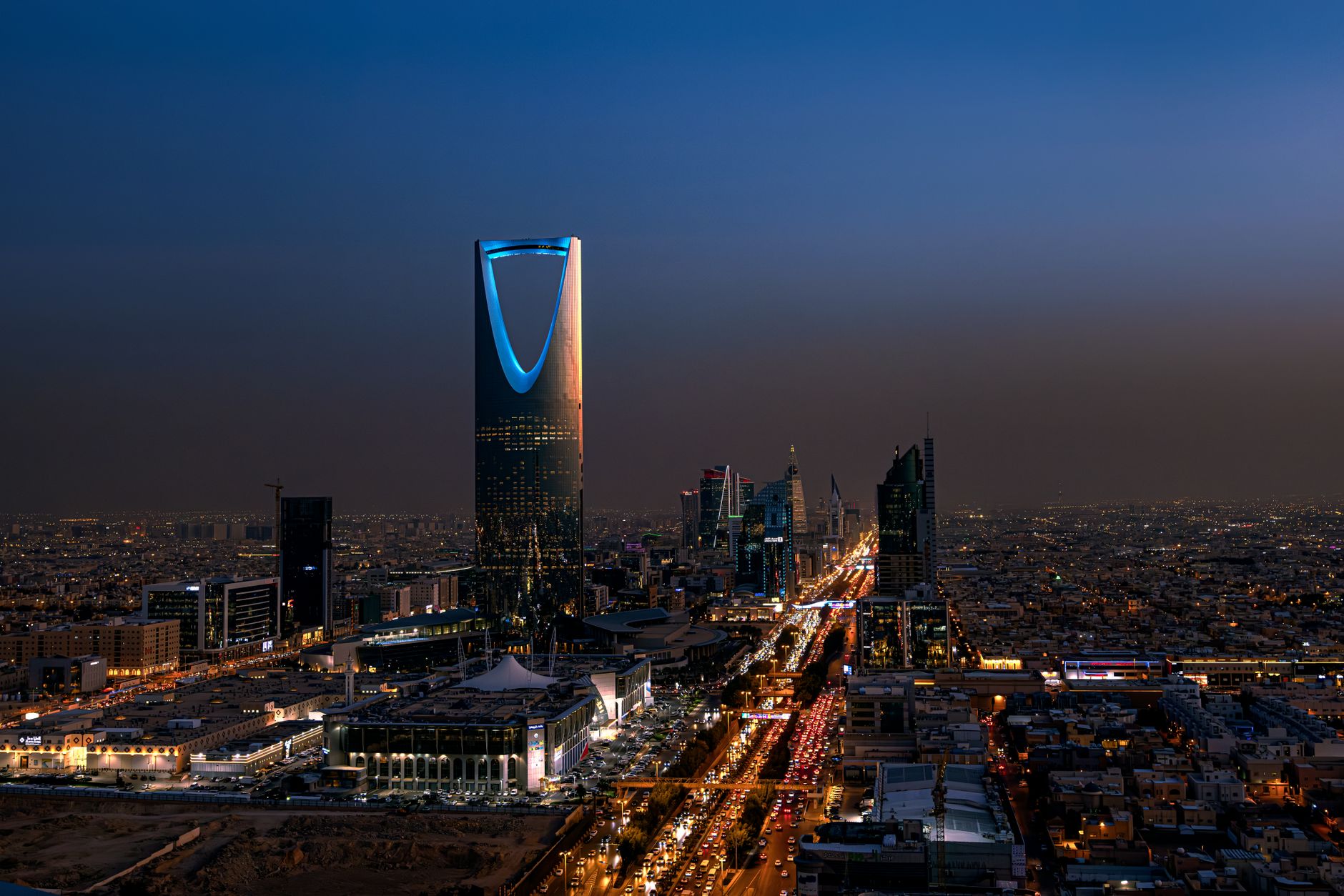
Summarized by AI from the source belowSaudi Arabia has shifted its Vision 2030 economic diversification strategy from "spending and delivery at any cost" to focusing on "spending and delivery at the right cost," according to Economy Minister Faisal Alibrahim. This change follows a sharp economic contraction and a reassessment of several flagship projects. The Kingdom has scaled back or cut major initiatives like the NEOM economic region, The Line city, and postponed hosting the 2029 Asian Winter Games.
The government has also withdrawn funding from the LIV Golf tournament and halted construction on a giant skyscraper in Riyadh. These changes come as Saudi Arabia faces ongoing security threats from Houthi militants in Yemen, which have targeted key infrastructure including the PIF tower, Riyadh Airport, and the nation’s largest oil refinery. The instability forced Saudi Arabia to cancel its planned international investor conference "Davos in the Desert" scheduled for November.
Minister Alibrahim said infrastructure investments have allowed the energy sector to nearly restore production to pre-crisis levels. The Kingdom is also implementing a 15% minimum effective tax rate on multinational profits to create a clearer business environment and attract foreign investment. These spending shifts and security concerns create challenges for Saudi Arabia’s economic ambitions under Vision 2030 but aim to promote sustainable, policy-driven growth.
This matters for investors because the government is reducing non-essential spending and delaying projects, which could impact future revenue growth and investment returns from Saudi initiatives tied to Vision 2030.
Informational only, not financial advice. Content is AI-generated and may contain errors. How this works.
Our take
Opinion from the Newsstocks AI desk, not investment adviceSaudi Arabia's adjustment in spending strategy indicates a more cautious approach due to economic and security pressures. While the government aims for sustainable growth with clearer policies and taxation, ongoing attacks and project delays present headwinds. Future updates on project resumptions or improvements in security would be necessary to reassess the outlook.
Key numbers
- Minimum effective tax rate on multinationals
- 15%
- Year for postponed Asian Winter Games
- 2029
What could help
- Implementation of a 15% tax rate may attract more foreign investment by clarifying business rules.
What could hurt
- Ongoing Houthi attacks on infrastructure increase security risks and destabilize the economy.
- Scaling back flagship projects may slow the pace of economic diversification and growth.
The background
Economic diversification strategies aim to reduce dependence on a single sector like oil. Shifting spending priorities helps governments control costs and improve long-term sustainability.
Questions readers ask
Why did Saudi Arabia reduce spending on Vision 2030 projects?
Saudi Arabia shifted its strategy due to a sharp economic contraction and the need to spend more precisely amid security challenges from Houthi strikes.
What impact do Houthi attacks have on Saudi Arabia's economy?
Houthi attacks targeted key infrastructure like the PIF tower and oil refinery, leading to destabilization and causing the cancellation of an international investor conference.
What is Saudi Arabia's new tax policy for multinationals?
Saudi Arabia introduced a 15% minimum effective tax rate on multinational profits to create a clearer environment for private sector operations.
Understand this kind of story
Get the weekly market brief
One email every Monday: what moved, why, and what to watch. Free, unsubscribe anytime.
Get stories like this as they break
Our Telegram channel posts every market story the moment it is published. Free, and you can mute or leave anytime.