USMidterms News & Analysis
7 articles
Market Mood

Elon Musk Spent $446M on Midterms Amid Republican Defeats
Elon Musk, CEO of Tesla and SpaceX, spent $446 million supporting Republican candidates in the US midterm elections, making him the top individual donor. Despite this record spending, Republicans suffered sweeping defeats, with Democrats gaining control of both the US Senate and House of Representatives. Musk donated heavily to President Donald Trump's party, especially in Texas, where many of his companies operate. He stated he does not identify with the Make America Great Again (MAGA) movement and expressed doubts about the effectiveness of his spending, although he acknowledged that without it, Republican candidates might have performed worse. Musk previously served as a senior advisor to Trump early in his second term and led efforts to reduce government spending. The Democratic takeover may affect Musk's businesses. Newly elected officials have promised greater oversight of technology firms and their data centers, such as those operated by SpaceX in Georgia. Proposals include limiting data center expansions and reviewing tax incentives for tech companies. Additionally, Democrats have suggested investigations into SpaceX, which secured around $10 billion in government contracts following Trump's re-election. This shift in political power means increased scrutiny and potential regulatory challenges for Musk's companies. The $446 million spending and resulting Republican losses directly influence the regulatory environment surrounding Musk's business operations.
Read More: Elon Musk Spent $446M on Midterms Amid Republican Defeats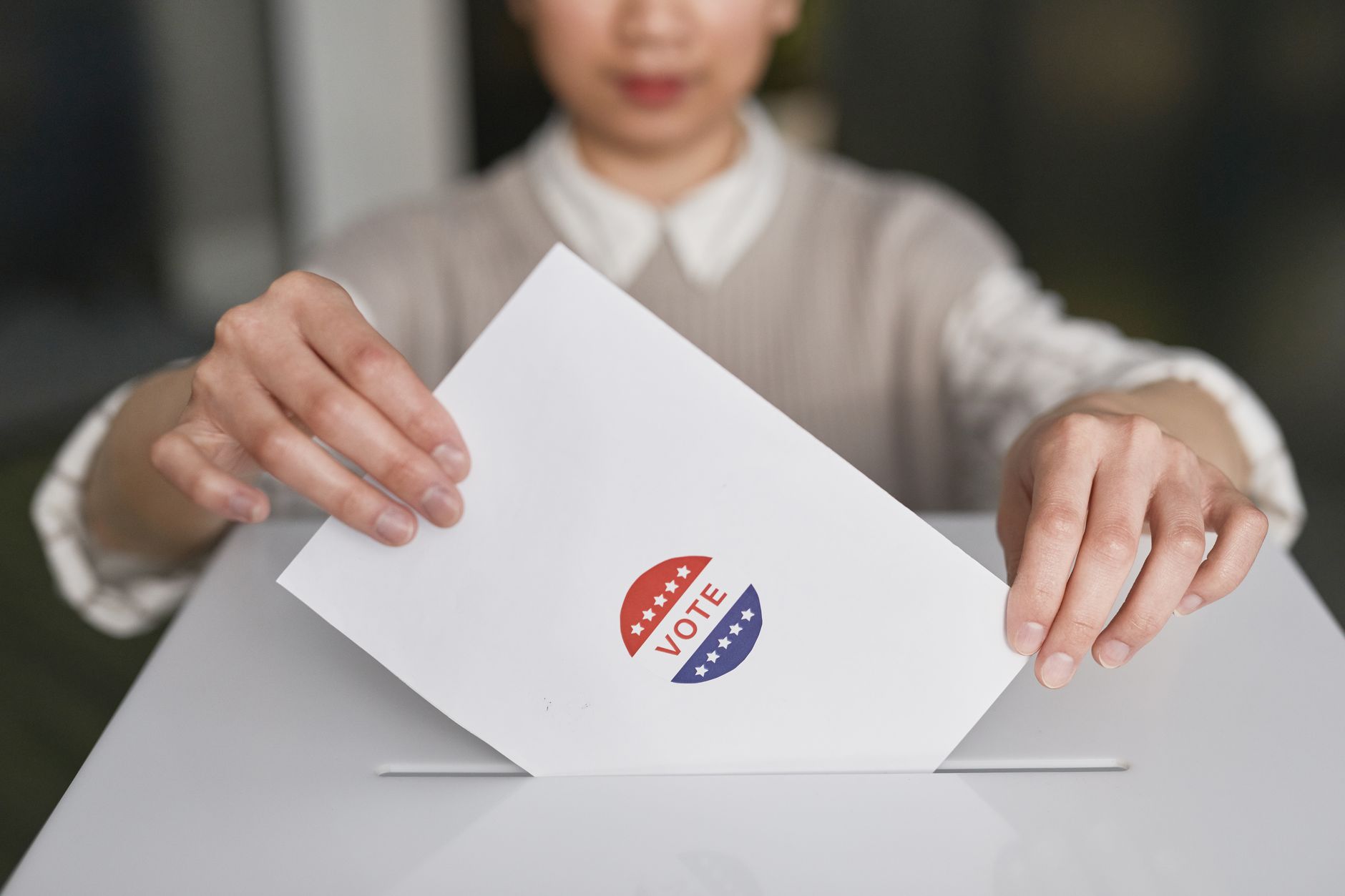
US Midterm Elections Confirm Strength of Liberal Democracy
The US midterm elections have demonstrated continued resilience in the country's liberal democracy. This recent vote counters previous claims that American democratic principles were in decline or failing. The elections act as a reaffirmation that democratic processes remain robust in the United States. While the article does not provide specific numbers or detailed electoral outcomes, it emphasizes the importance of the midterms in disproving narratives about the collapse of democratic institutions. The midterms serve as a key political event reflecting public engagement and the ongoing function of democratic governance. This matters for markets and global observers because stable and functioning democracies generally provide a predictable political environment. Such predictability can influence investor confidence and economic policies. The election results reinforce the expectation that the US political system, a major driver for global markets, continues to operate without fundamental crisis.
Read More: US Midterm Elections Confirm Strength of Liberal DemocracyUS Voter Hostility Toward Big Tech Shapes Midterms Amid AI Concerns
Voter hostility toward Big Tech strongly influenced the US midterm elections, reflecting growing public concern about artificial intelligence (AI). Similar fears about AI and large technology companies are spreading across Western countries. However, attitudes in Eastern countries appear more optimistic regarding the impact of AI and Big Tech. The article highlights a geographic divide in perceptions, with Western voters showing skepticism and apprehension toward AI and large technology firms, while Eastern populations exhibit more positive views. This polarization partly shaped political outcomes in the U.S. midterms, affecting candidates' stances on technology regulation. This matters for markets as increased regulatory scrutiny and political opposition in the West could influence future legislation impacting Big Tech companies’ operations and innovation strategies. Investors should watch for evolving policies and public sentiment that may affect technology sector valuations and business models, especially in the U.S.
Read More: US Voter Hostility Toward Big Tech Shapes Midterms Amid AI Concerns
Asian Stocks Rise as Oil Prices Fall After US Midterm Vote
Asian stocks mostly advanced following the US midterm elections, reflecting a relief rally after initial selloffs. While the regional markets responded positively overall, South Korea's Kospi index fell due to significant selling pressure on chipmaker stocks. Japanese stocks also declined, with technology shares impacted by the US election results. The decline in oil prices accompanied the market moves, contributing to the positive sentiment across Asia. The Democratic sweep in the US midterms appears to have a more favorable impact on Asian markets than initially expected, impacting energy prices and regional equities. The market reactions reflect immediate trading adjustments to political outcomes. This matters to investors because shifts in political power in the US and movements in oil prices can affect costs and demand across industries. The drop in oil prices may reduce input costs for some companies, while political changes influence regulations and trade policies impacting Asian markets. The selling in specific sectors like technology highlights uneven effects within broader market trends.
Read More: Asian Stocks Rise as Oil Prices Fall After US Midterm Vote
Dollar Drops Sharply on Early Democratic Gains in US Midterms
The US dollar fell sharply following early gains by Democrats in the US midterm elections. This movement indicates a market reaction to the potential shift in political power that could affect economic policies. The decline in the dollar reflects investors' reassessment of the US political landscape, which could influence future fiscal and regulatory decisions. The article does not provide specific figures on the dollar's decline or detailed election results. This matters for markets because currency fluctuations impact trade balances, investment returns, and inflation rates. The reaction to election results shows how political events can quickly affect financial markets and investor behavior.
Read More: Dollar Drops Sharply on Early Democratic Gains in US Midterms
US Midterms Spotlight Utilities Amid Rising Power Bills and Data Centers
The 2024 US midterm elections have brought unprecedented attention to the utilities sector due to rising power bills and the increasing demand from data centers. Voters and policymakers are focusing on how utilities manage the growing electricity needs and the associated costs. Power bills have become a central issue for many voters, reflecting broader concerns about energy affordability. Data centers, which consume significant electricity, are spotlighted as drivers of rising demand in various states. This increased scrutiny of utilities could influence regulatory and legislative actions post-election. This matters because utilities are fundamental to the economy's energy supply, and changes in regulation or pricing could affect costs for consumers and businesses. Investors in utility companies may see shifts in market dynamics based on election outcomes and subsequent policies addressing energy costs and infrastructure requirements.
Read More: US Midterms Spotlight Utilities Amid Rising Power Bills and Data Centers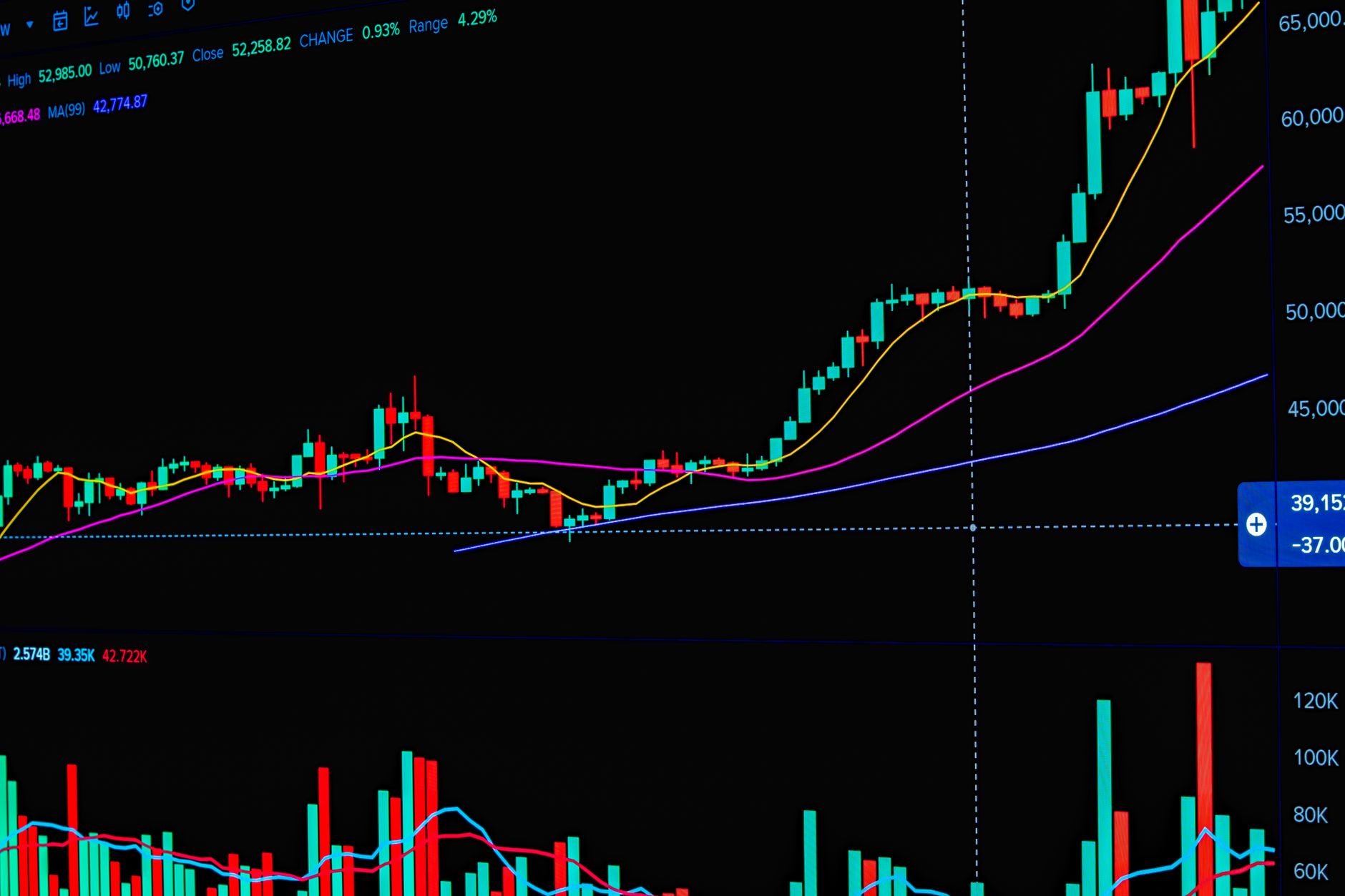
US Midterms: Anticipated Equity Market Impact
The upcoming U.S. midterm elections are expected to influence equity markets, as political shifts can lead to changes in fiscal policies impacting businesses. While the exact outcomes of the midterms are not yet known, investors typically monitor these elections closely due to their potential to drive market volatility and influence sector-specific performances. Some analysts suggest that certain sectors such as infrastructure and healthcare might see changes in funding or regulatory approaches depending on which party gains control of Congress. This election cycle's results could lead to adjustments in investor strategies, with implications for market trends in the near term. Certain equities could be directly affected by policy decisions that hinge on the election's outcome. Tactical shifts in market strategies by investors might occur, attempting to preempt sector winners or losers based on anticipated policy directions. Any substantial legislative changes arising from the election could have a lasting impact on both domestic and foreign markets. For ordinary investors, the midterms are significant as they could result in shifts in market dynamics, affecting stock portfolios and investment strategies based on policy changes that follow electoral outcomes.
Read More: US Midterms: Anticipated Equity Market Impact