Climate News & Analysis
9 articles
Market Mood

Saudi Arabia's Role in COP31 Deal Failure Highlighted
The COP31 climate summit concluded without a successful deal, with Saudi Arabia's influence cited as a significant factor in the outcome. Key disagreements involved fossil fuel policies and emission targets. The absence of a consolidated agreement marks a challenge for global climate coordination. Delegates at the summit confronted sharp differences on fossil fuel usage, with Saudi Arabia and some other nations resisting stronger emissions commitments. This resistance contributed to the failure to reach a comprehensive international pact during COP31. Official statements and negotiators pointed to these geopolitical divisions as central to the impasse. This development affects the momentum for collective climate action among participating countries. The delay in global agreement potentially impacts future policies on emission reductions and fossil fuel phase-out timelines. Investors and markets may see shifts in energy sector dynamics based on how countries proceed post-summit.
Read More: Saudi Arabia's Role in COP31 Deal Failure Highlighted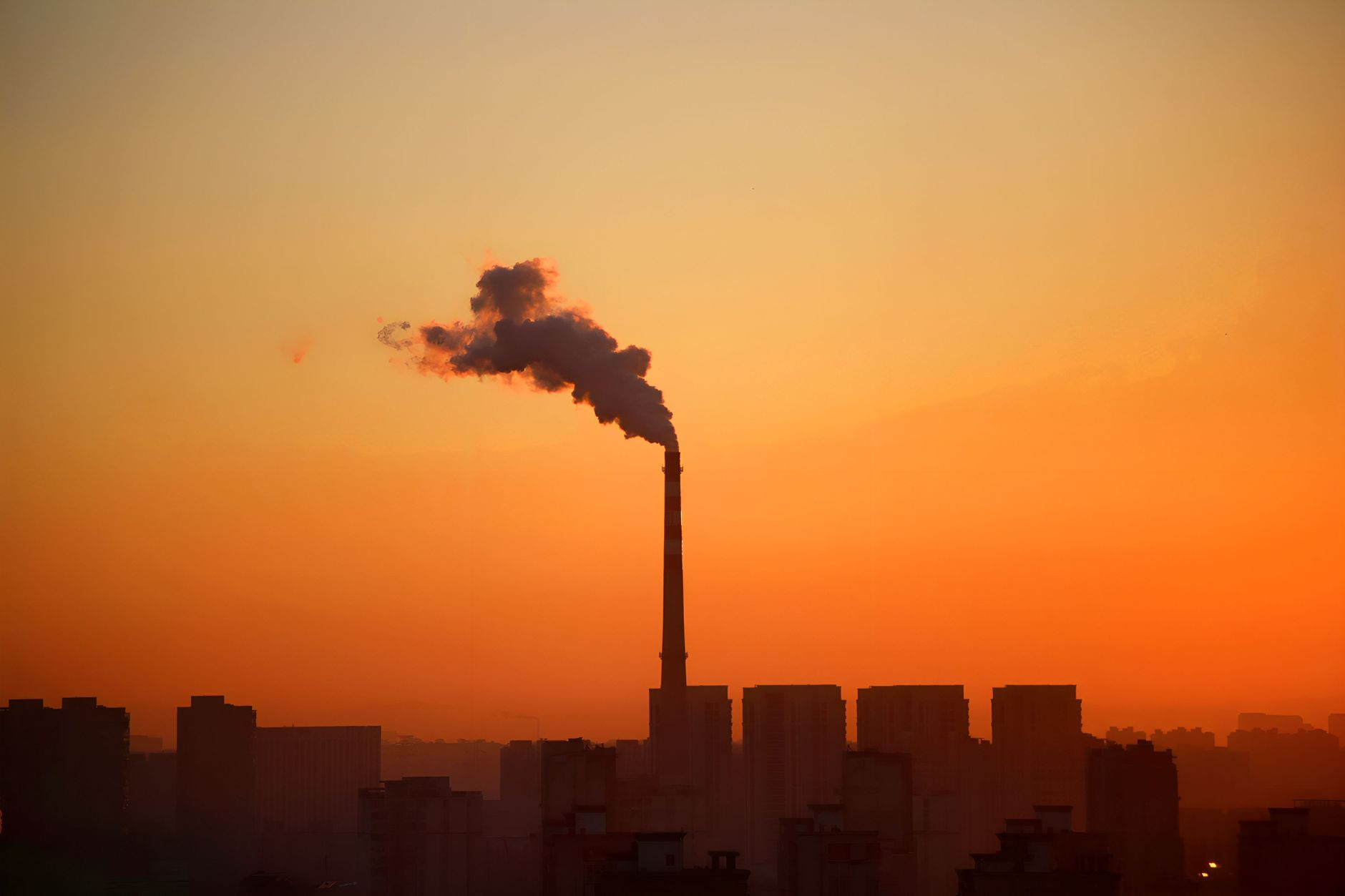
UN Climate Negotiators Extend Talks Over Fossil Fuel Disagreements
Negotiators at the United Nations climate talks have entered a second day of overtime as they struggle to reach consensus on fossil fuel issues. The talks remain deadlocked over how to address fossil fuel use amid the global push for climate action. The extended negotiations highlight continuing divisions among participating countries about the role and regulation of fossil fuels in future climate policies. These discussions are critical for shaping international commitments to reduce greenhouse gas emissions. The outcome matters for global climate strategy and international cooperation. The ability to resolve disagreements over fossil fuels could influence policy directions, funding allocations, and timelines for emission reductions.
Read More: UN Climate Negotiators Extend Talks Over Fossil Fuel Disagreements
COP31 Climate Summit Faces Risk of Failure as Talks Extend Beyond Deadline
The COP31 climate summit is running overtime with a risk of failing to reach an agreement. Delegates have extended discussions beyond the scheduled deadline in an effort to finalize climate commitments. The talks aim to address critical issues related to global climate change policy, but negotiations have encountered significant challenges, causing delays and uncertainty about outcomes. The extended timeline reflects the complexity and urgency of the issues under discussion. This matters for global efforts to combat climate change, as any failure to reach consensus could hinder international cooperation and climate action initiatives. The prolonged negotiations and risk of failure highlight the difficulties in aligning diverse national interests on environmental policy.
Read More: COP31 Climate Summit Faces Risk of Failure as Talks Extend Beyond Deadline
Labour MPs Oppose Rosebank Oil Field as UK Decision Looms
Labour MPs have urged the UK government to reject the Rosebank oil field project off Shetland's coast, citing incompatibility with the country's climate goals. Around 60 Labour MPs reportedly support a letter opposing the project, arguing it would not create new jobs, provide minimal revenue, and harm climate targets. Prime Minister Andy Burnham stated a decision on Rosebank will be made "in due course," while Energy Secretary Miatta Fahnbulleh emphasized energy bill affordability as her main priority. The government previously approved the Jackdaw gas field but has not yet decided on Rosebank. Several Labour MPs highlighted that Rosebank would not enhance energy security, as the oil would mainly serve international markets. The UK's commitment to net zero emissions by 2050 and the goal to limit global warming to 1.5C underpin opposition. The divided Labour party shows both strong resistance and some support for the oil project. The debate signals ongoing tension between economic and environmental factors ahead of the official decision. This matters for investors because government approval or rejection of Rosebank will directly affect future UK oil production, energy supply, and fossil fuel investments, altering the landscape for related companies and energy markets.
Read More: Labour MPs Oppose Rosebank Oil Field as UK Decision Looms
UK Government Expected to Cut 80% EV Sales Target by 2030
The UK government is expected this week to reduce its target that 80% of new cars sold in the UK must be electric vehicles (EVs) by 2030. This move responds to industry requests for relief amid debates over the speed of transitioning to electric cars. The current rules require all new petrol and diesel cars to be phased out by 2030 and all new cars to be zero emission by 2035. There has been ongoing contention about these targets within the government and among various groups. Government sources emphasize a pragmatic approach, while sustainability organizations warn that weakening the 2030 target could jeopardize the UK's long-term climate commitments. The EV sales targets, known as the Zero Emission Vehicles (ZEV) mandate, require progressively increasing EV sales percentages yearly, aiming for 28% in 2025, 33% in 2026, and reaching 80% by 2030. This expected reduction follows previous changes, including a pushback from former Prime Minister Rishi Sunak who extended the phase-out timeline to 2035. The government reaffirmed commitment to phasing out petrol and diesel cars by 2030 and achieving 100% zero-emission new vehicle sales by 2035. The decision has implications for carmakers, environmental groups, and policy consistency amid political pressures and economic considerations.
Read More: UK Government Expected to Cut 80% EV Sales Target by 2030
1,017 Wildfires Recorded in England and Wales This Year
A total of 1,017 wildfires have been recorded in England and Wales in 2023, matching last year's record. The National Fire Chiefs Council noted significant incidents, including evacuations in Wales. An emergency alert was issued about a 'very high risk of wildfires' nationally, warning the public against activities like using disposable barbecues. Retailers are receiving guidance regarding a temporary ban on selling these devices due to their role in starting fires, which is crucial for public safety and could impact consumer behavior.
Read More: 1,017 Wildfires Recorded in England and Wales This Year
Firefighters Combat Blazes Amid European Heatwave Crisis
Firefighters are actively engaged in combating wildfires in southern France, attributed to a recent European heatwave. The intense heat has raised concerns about environmental impacts and public safety. While specific statistics on affected areas or fire damage are not provided, the situation signifies potential challenges for local economies and tourism. The ongoing events may influence market sentiment concerning agricultural and insurance sectors connected to climate conditions.
Read More: Firefighters Combat Blazes Amid European Heatwave Crisis
Cerity Partners Sells $10.6M of iShares PABU ETF in Q1 2026
Cerity Partners OCIO LLC reduced its stake in iShares Paris-Aligned Climate Optimized MSCI USA ETF (PABU) by 151,235 shares during Q1 2026, totaling approximately $10.6 million. Following the sale, PABU's remaining position was valued at $9.0 million, accounting for around 0.5% of Cerity's AUM. As of May 15, 2026, PABU shares were trading at $77.15, reflecting a 20% increase over the past year. However, PABU has underperformed the S&P 500 by roughly 4 percentage points and its Large Growth benchmark by approximately 9 percentage points.
Read More: Cerity Partners Sells $10.6M of iShares PABU ETF in Q1 2026
BP (BP) Faces Shareholder Revolt Over Climate Transparency Issues
At its annual general meeting, BP (BP) encountered a shareholder revolt, with two motions failing to secure the required 75% majority approval. Notably, 81.8% voted in favor of electing Albert Manifold as chair despite concerns. Major investors, including Norges Bank Investment Management, supported management, while influential proxy advisers recommended opposing BP's motions. This situation highlights ongoing tensions between climate accountability and corporate governance within the energy sector.
Read More: BP (BP) Faces Shareholder Revolt Over Climate Transparency Issues